
Firearm owners often discover that certain 8 guns that rust faster than you can wipe them down require constant maintenance to stay operational. Humidity and sweat attack the finishes of these specific models with alarming speed compared to modern treated weapons. Many enthusiasts report finding bright orange spots on their barrels after just one day in the field or safe. Understanding which firearms are prone to rapid oxidation helps collectors prepare the necessary oil and desiccants to protect their investments. This guide highlights the notorious rust magnets that demand daily attention and care from their owners to survive.
Remington 870 Express

The Remington 870 Express earned a notorious reputation for corrosion issues after a manufacturing change occurred in the mid two thousands. Owners frequently report that the matte black oxide finish absorbs moisture from the air rather than repelling it effectively. This rough surface texture holds onto fingerprints and environmental dampness, which leads to surface rust appearing overnight in humid conditions. Many hunters find themselves scrubbing the receiver with steel wool and oil after every single trip to the woods. The finish quality on these budget-friendly shotguns simply lacks the durability found on the older, reliable Wingmaster versions.
Kimber 1911
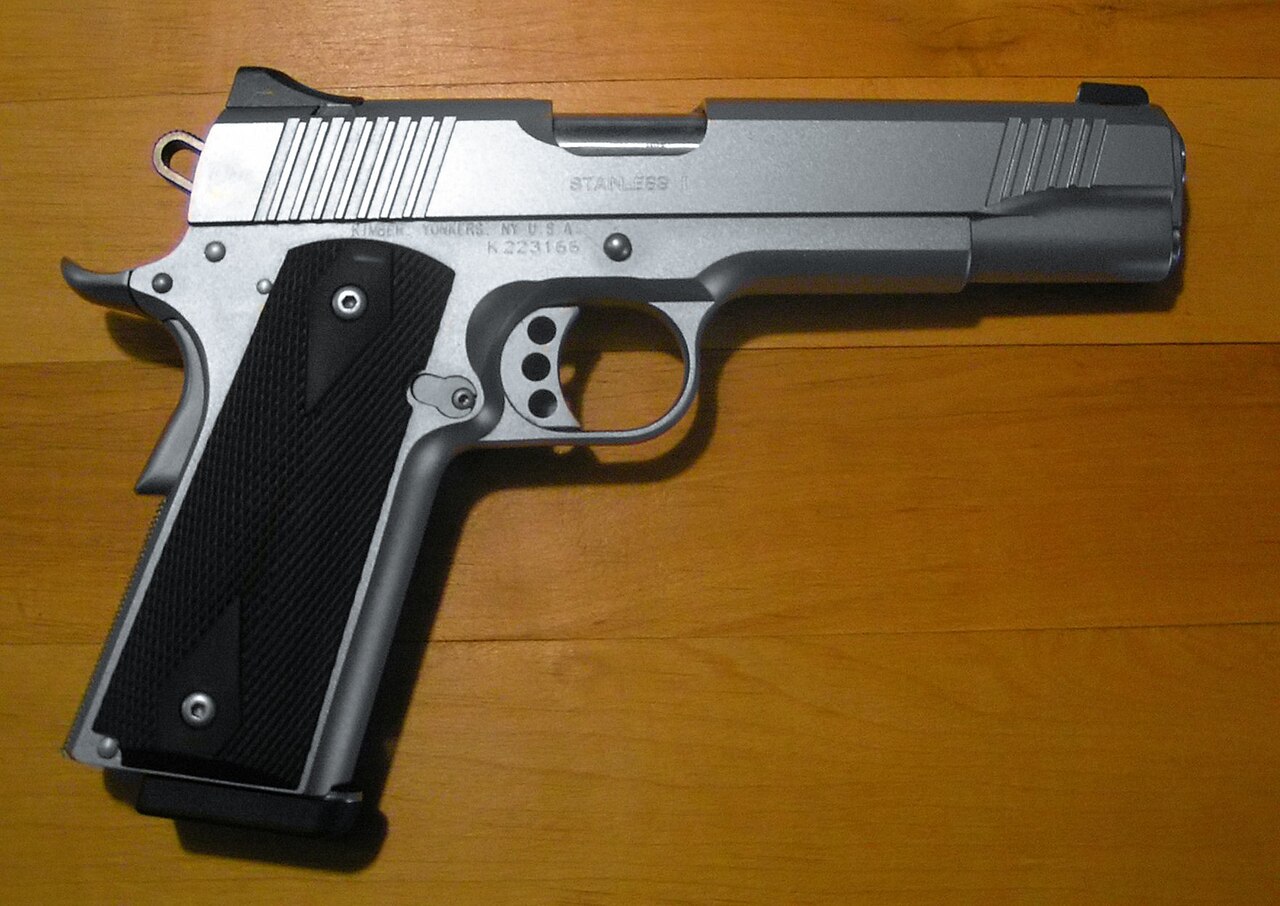
Kimber 1911 pistols often face criticism regarding their barrel finishes and the susceptibility of their frames to rapid oxidation. While these handguns feature tight tolerances and excellent accuracy, the barrels are often left in the white or have weak treatments. Sweat from daily carry penetrates the surface quickly and causes unsightly pitting if the weapon is not wiped down immediately after removal. Enthusiasts usually recommend coating the barrel hood and external parts with a heavy grease or specialised wax to prevent damage. The beauty of these firearms requires a rigorous cleaning schedule to maintain their pristine appearance.
Sig Sauer Exeter Models
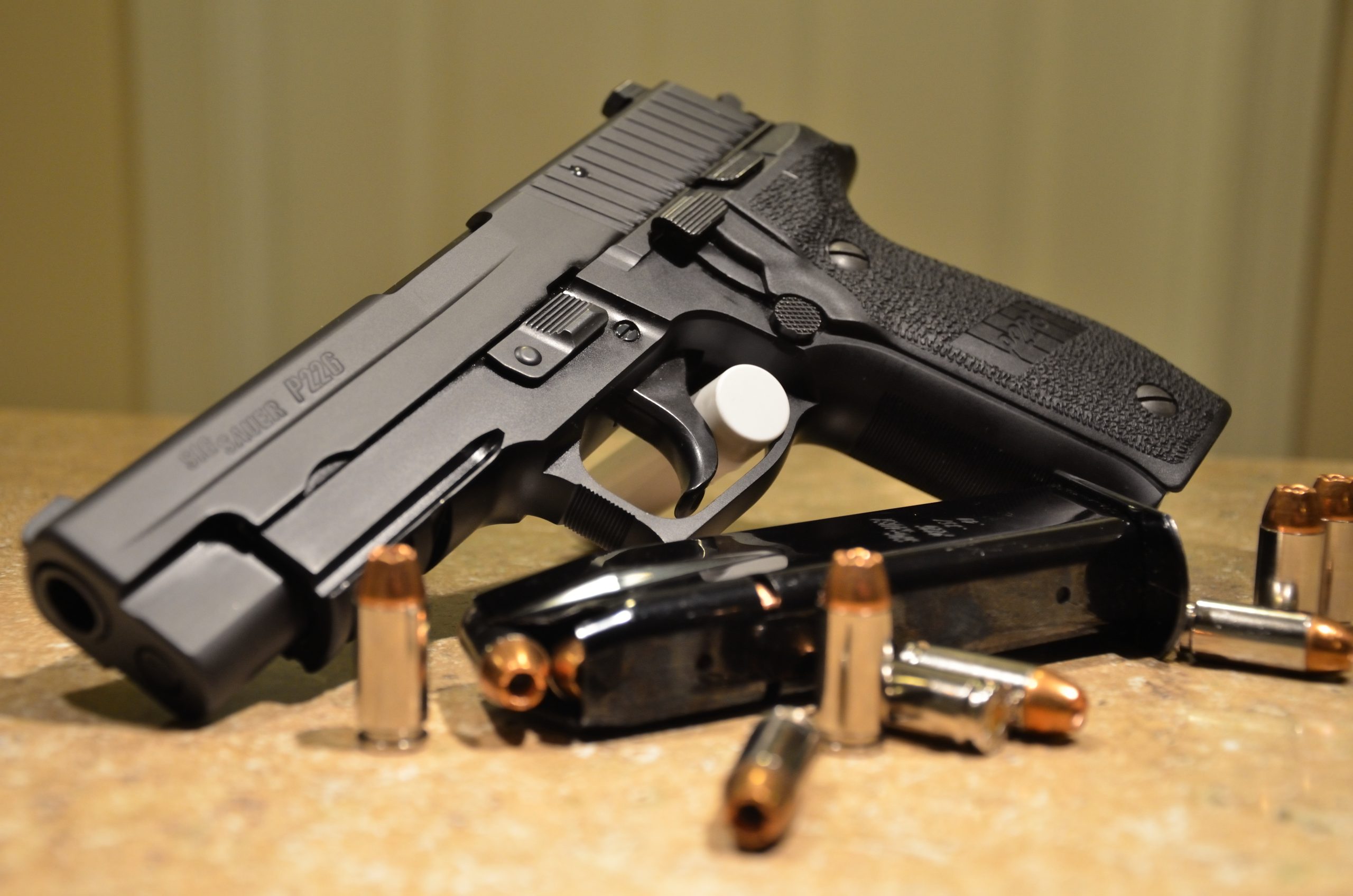
Certain Sig Sauer pistols produced during the transition to American manufacturing in Exeter faced significant issues with finish durability. The Nitron coating on some slides was applied inconsistently, which allowed moisture to seep into the metal pores underneath. Owners discovered that carrying these handguns in leather holsters during the summer often resulted in a layer of red rust forming on the controls. While the mechanical reliability remained high, the cosmetic durability suffered greatly compared to the older German-proofed models. Keeping these specific production years heavily oiled is the only way to stop the corrosion from spreading.
Ruger LCP Original
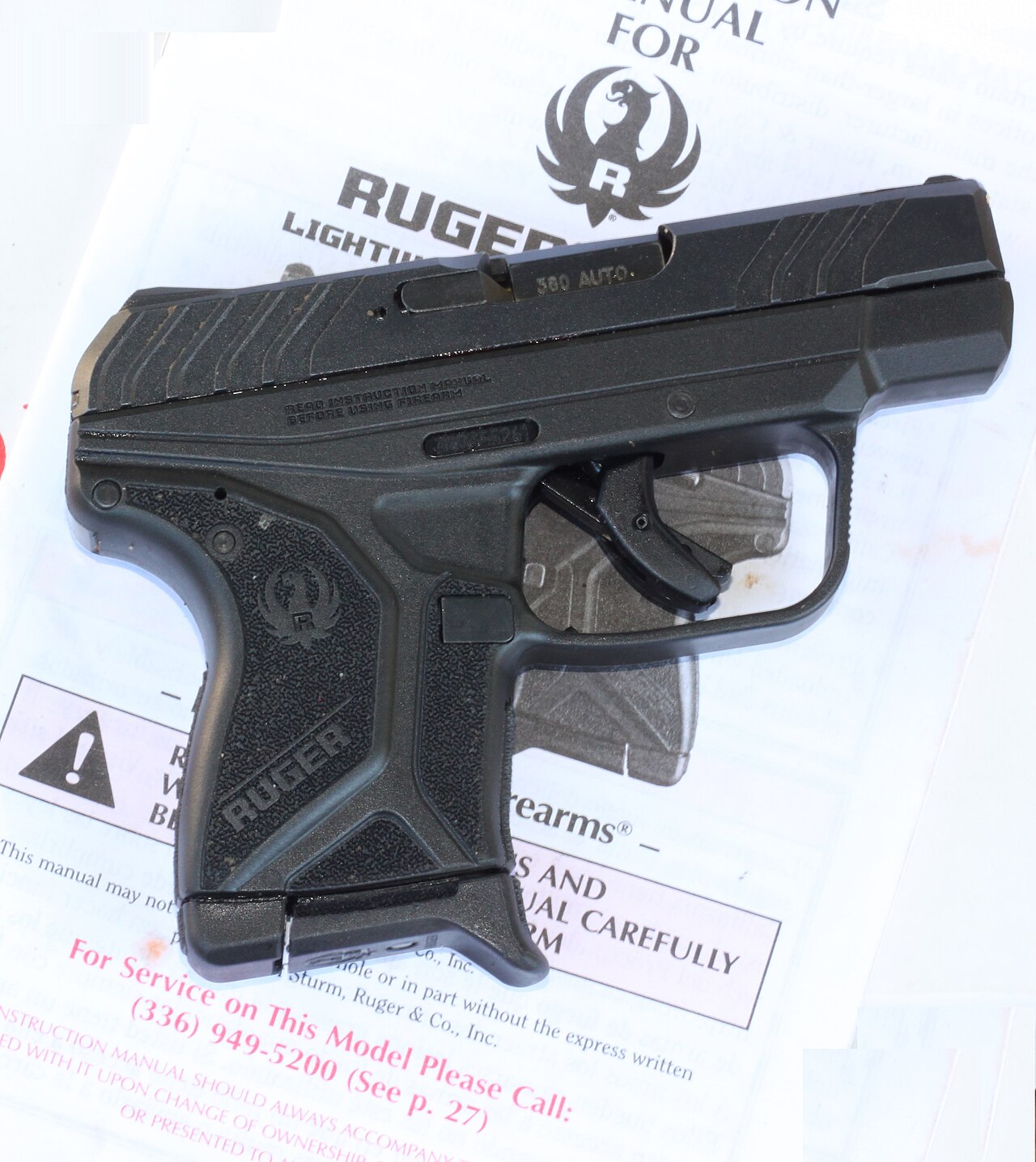
The original Ruger LCP revolutionised the pocket pistol market, but its blued slide was notoriously weak against body sweat. Because this firearm is designed for deep concealment, it sits close to the skin where heat and moisture are constant threats. Many users found that the slide would turn orange and pitted after only a few weeks of daily carry in a pocket holster. The manufacturer eventually improved the coating on later generations to address these widespread complaints. Owners of the first-generation models must apply a rust inhibitor weekly to keep the tiny slide looking acceptable.
Mosin Nagant
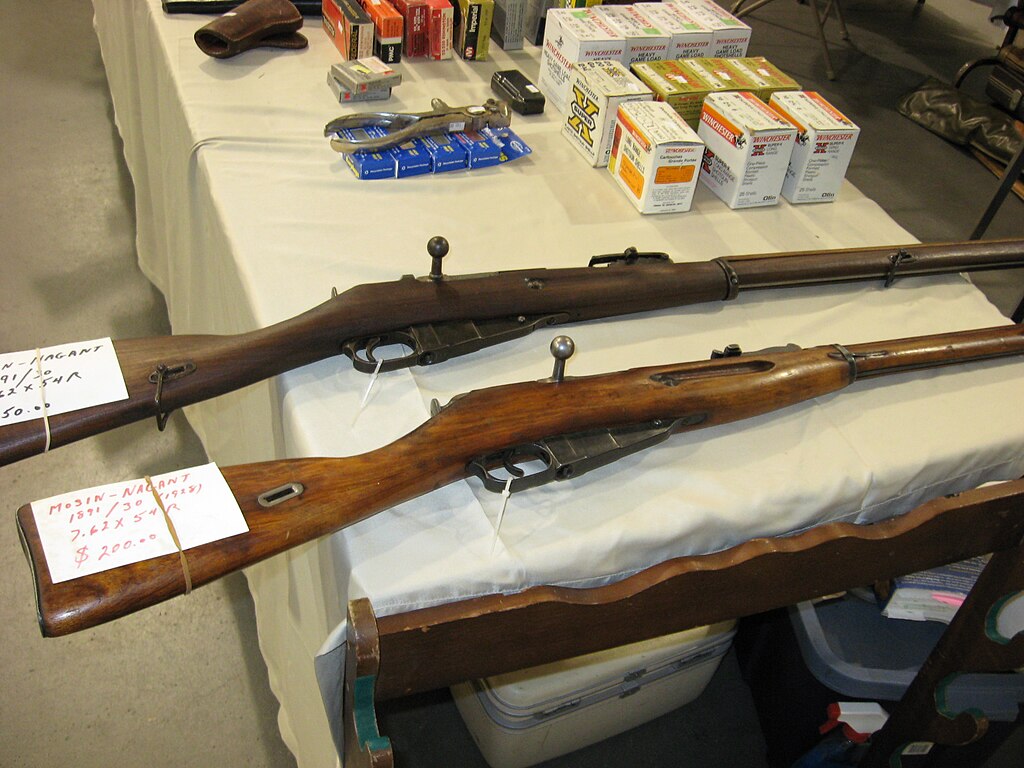
The Mosin Nagant is a rugged military surplus rifle, but its lack of modern protective finishes makes it vulnerable to humidity. Most of these rifles were stored in cosmoline for decades to prevent rust, but once that grease is removed, the bare steel is exposed. The bluing on wartime production models is often thin and worn, which offers very little resistance to damp air in a modern gun safe. Neglecting to oil a Mosin-Nagant for even a short period often results in a fine layer of surface corrosion covering the barrel and receiver.
Marlin Model 60

Newer production Marlin Model 60 rifles often utilise a finish that is far less robust than the deep bluing found on vintage examples. The barrel and receiver tend to develop rust spots quickly if the firearm is handled with bare hands and not wiped down instantly. This susceptibility is particularly frustrating for young shooters who are learning to care for their first rimfire rifle. The metal surfaces seem to attract moisture from the ambient air even when stored in a climate-controlled room. Frequent application of a silicone cloth is mandatory to preserve the metal.
Smith And Wesson M&P
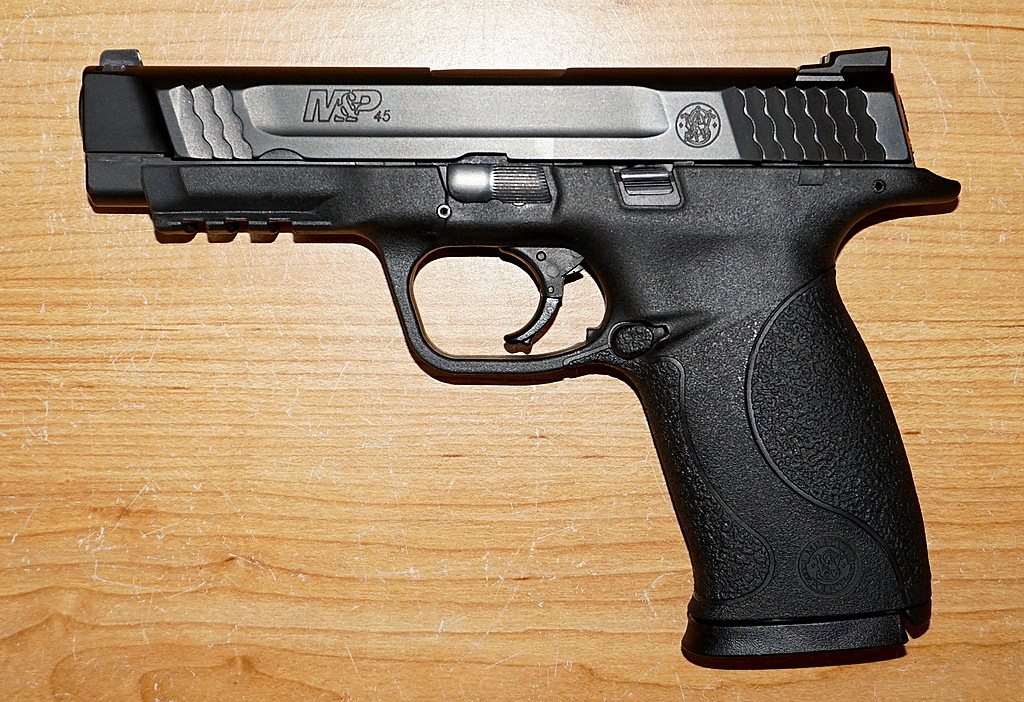
Early releases of the Smith and Wesson Military and Police series suffered from slide finishes that failed to meet expectations. The Melonite treatment was sometimes applied incorrectly, which led to widespread reports of rust forming on the slide serrations. Police officers carrying these duty weapons in humid climates noticed corrosion developing after only a few shifts on patrol. The manufacturer addressed these quality control issues in later batche,s but the early models remain infamous for their rusting potential. Owners of these specific pistols must remain vigilant and keep a light coat of oil on the surface.
Blued Steel Duck Guns
Classic blued-steel shotguns used for waterfowl hunting are practically guaranteed to rust the moment they come into contact with the marsh environment. The combination of saltwater spray and morning mist attacks the traditional bluing immediately and relentlessly throughout the hunt. Unlike modern Parkerized or Cerakote finishes, the old-school blue offers minimal protection against the harsh saline conditions found in a duck blind. Hunters who cherish these vintage firearms know that a complete disassembly and oil bath are required immediately upon returning home. Ignoring this step destroys the finish and pits the metal within hours of exposure.