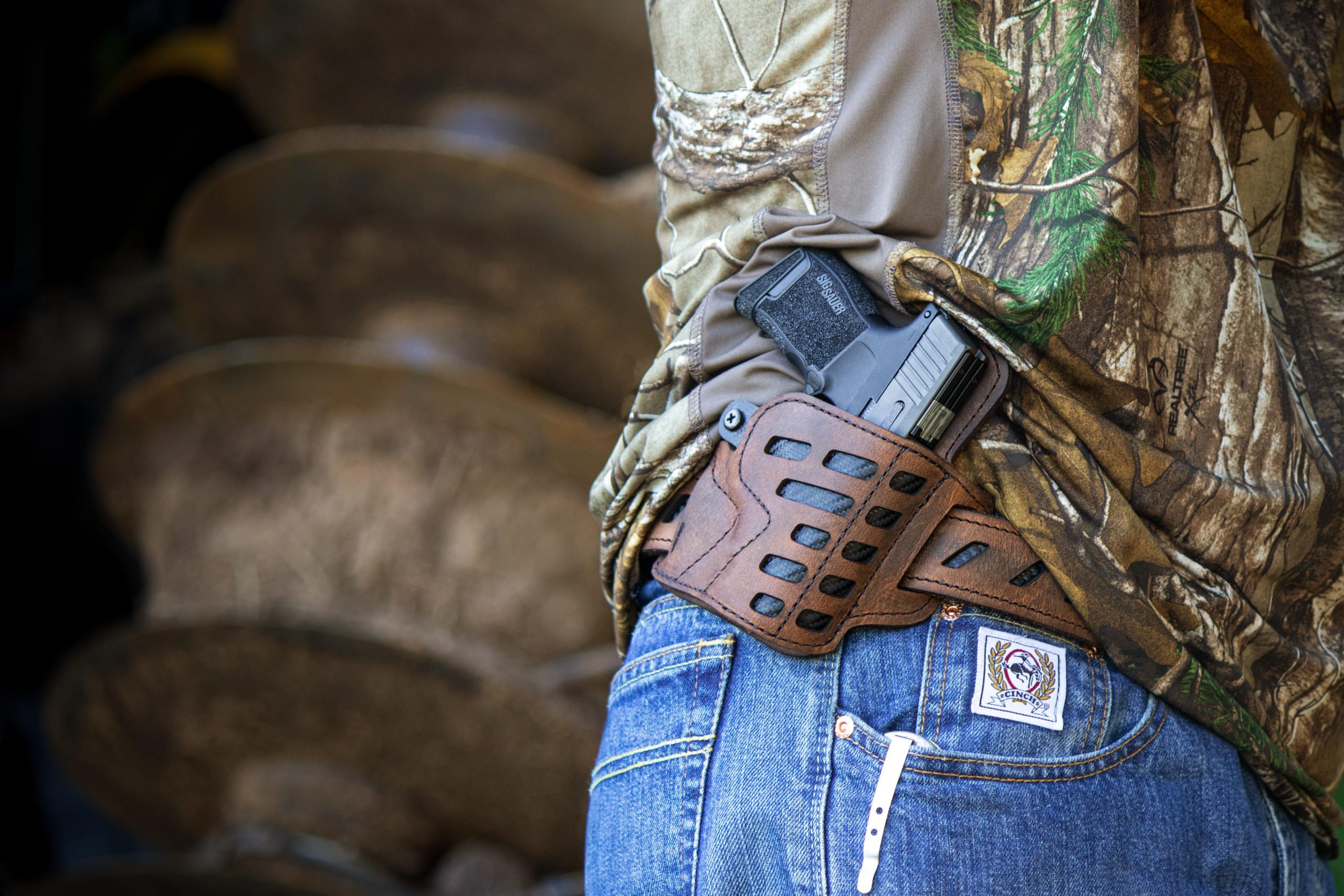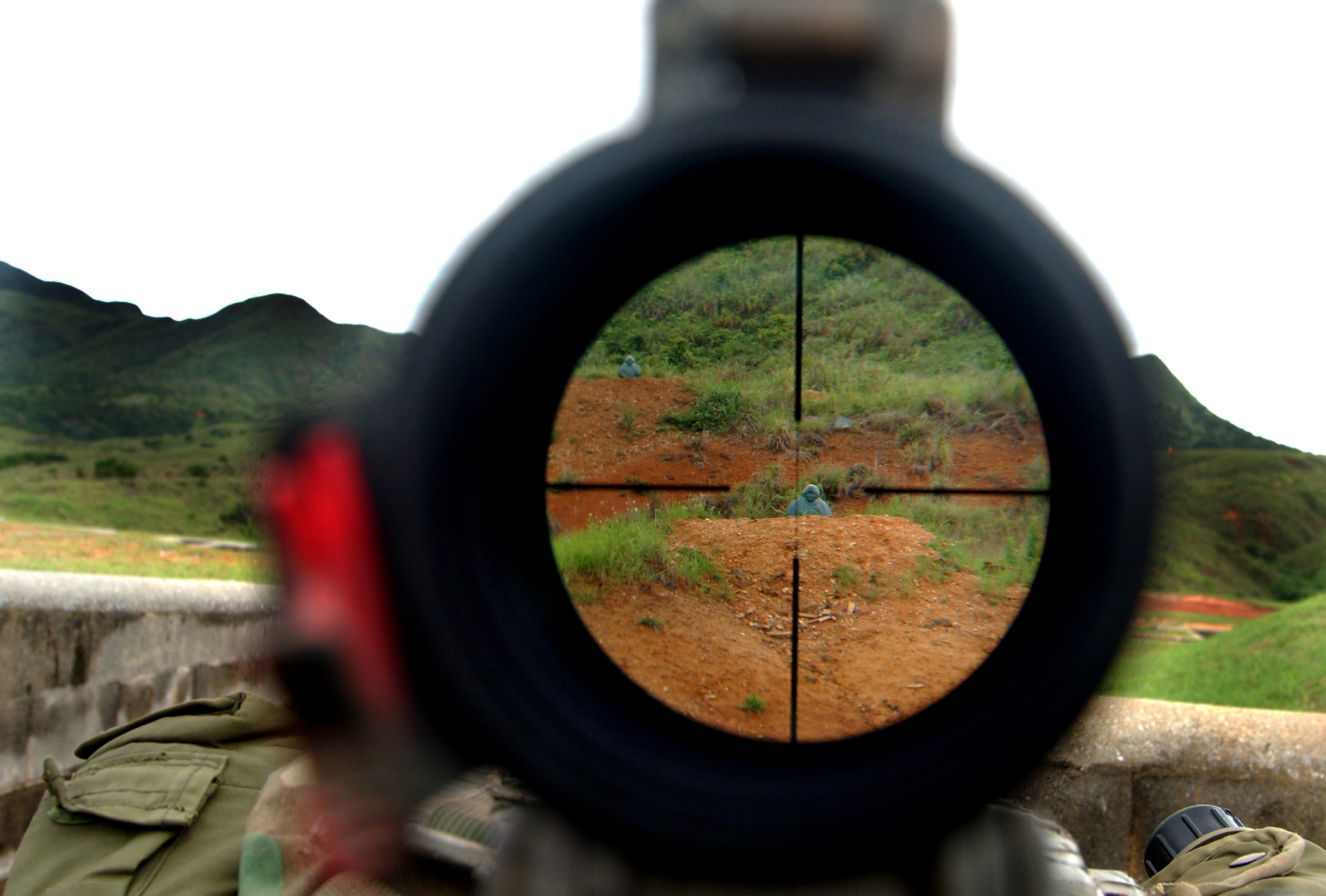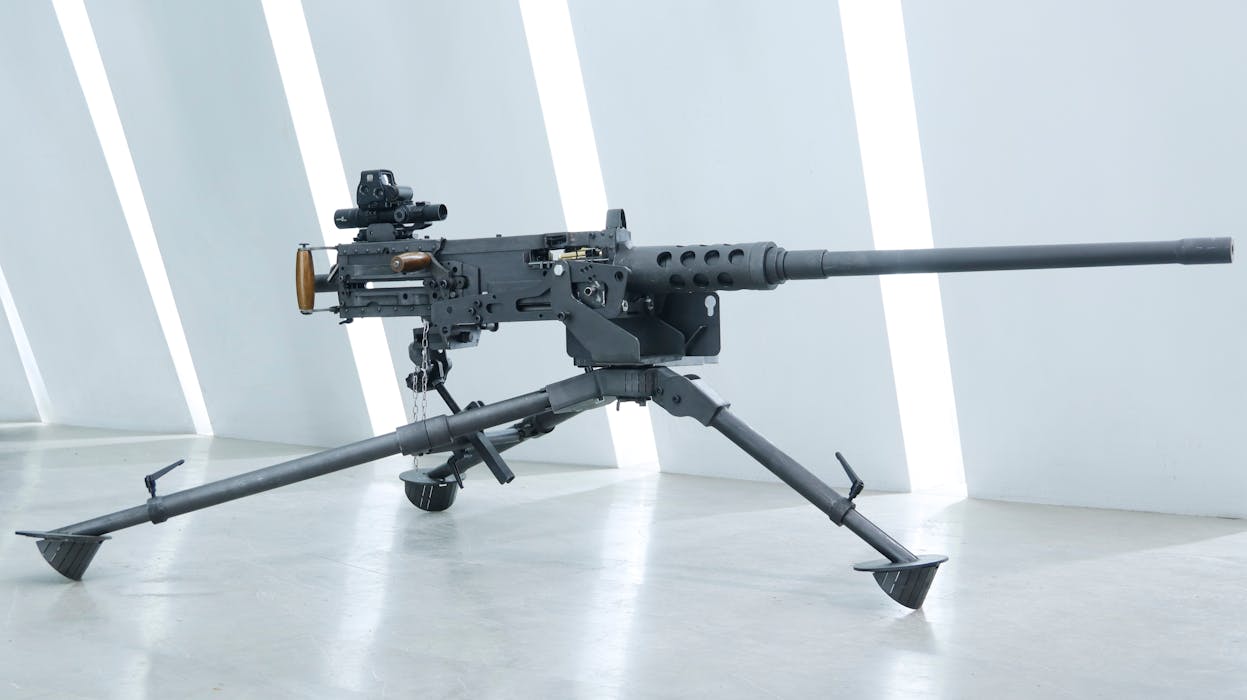
Packing a firearm for camping often feels reassuring, yet legality does not automatically translate into practicality or comfort outdoors. Some guns remain completely legal to own but introduce unexpected challenges once carried into campgrounds or shared outdoor spaces. Weight, noise, storage demands, visibility, and social perception all influence whether a firearm becomes useful or burdensome. Campsites involve close quarters, families, and varying regulations that amplify these issues. Understanding which firearms create complications helps avoid discomfort or conflict. These examples highlight guns that, while lawful, frequently prove awkward, disruptive, or stressful to manage during typical camping trips, especially in crowded or family oriented campground settings.
Large Frame Revolvers
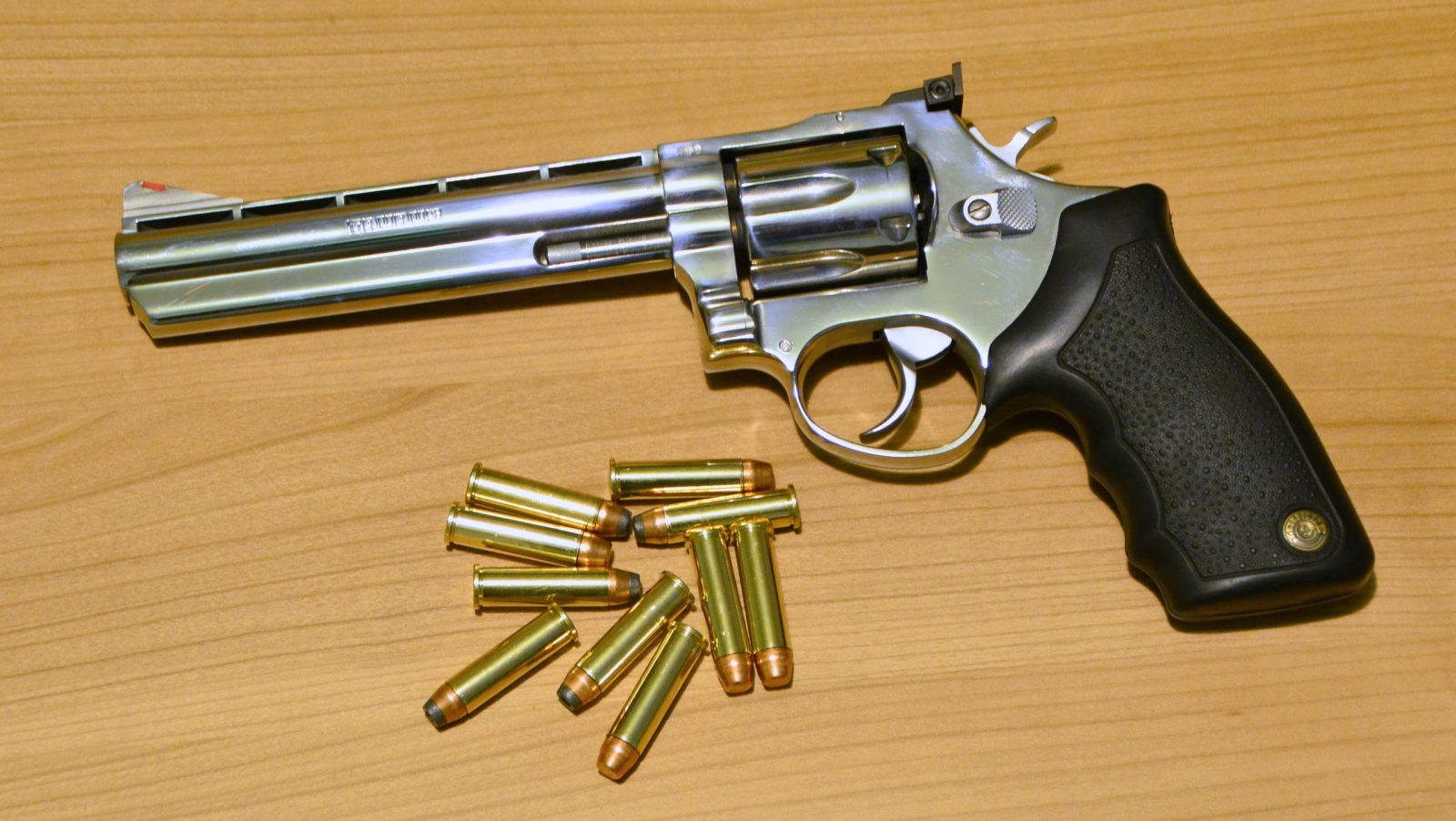
Large frame revolvers are legal to own but often problematic while camping because their heavy steel construction strains belts, holsters, and shoulders during extended movement. Drawing or securing them around camp feels cumbersome, especially when bending, cooking, or setting up shelters. Recoil and muzzle blast feel excessive in close quarters, while ammunition weight adds bulk. Storage inside tents or vehicles proves awkward, and noise concerns disturb nearby campers. Although powerful and reliable, these revolvers feel impractical for relaxed camping environments where comfort, discretion, and mobility matter more than raw stopping power for most recreational campers. Extended wear often causes fatigue that diminishes overall outdoor enjoyment significantly.
Long Barrel Hunting Rifles
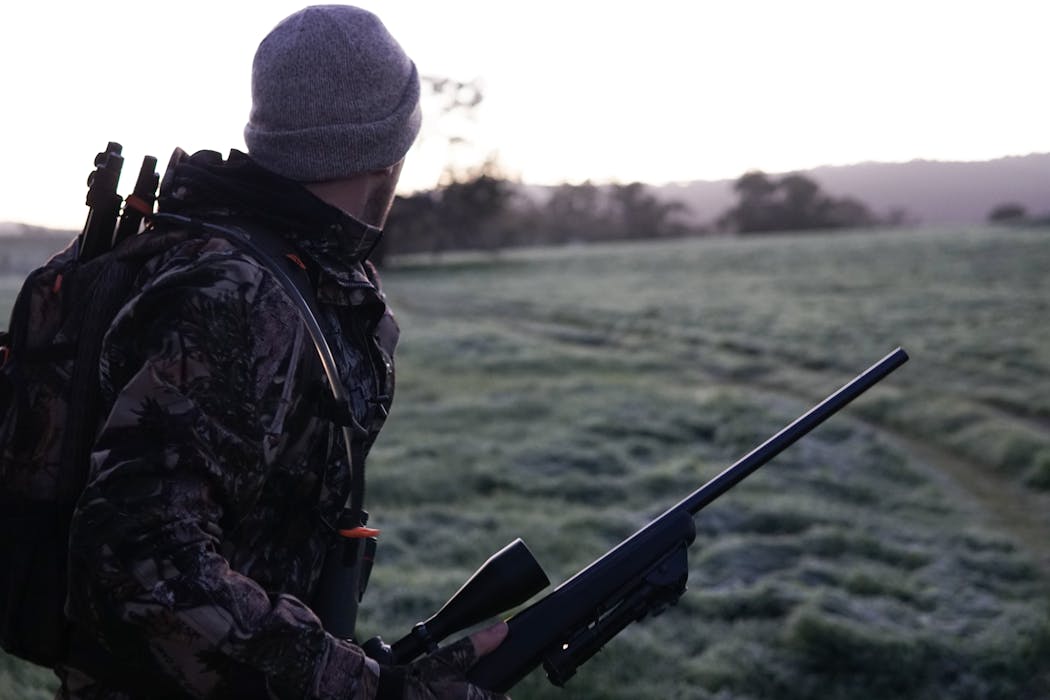
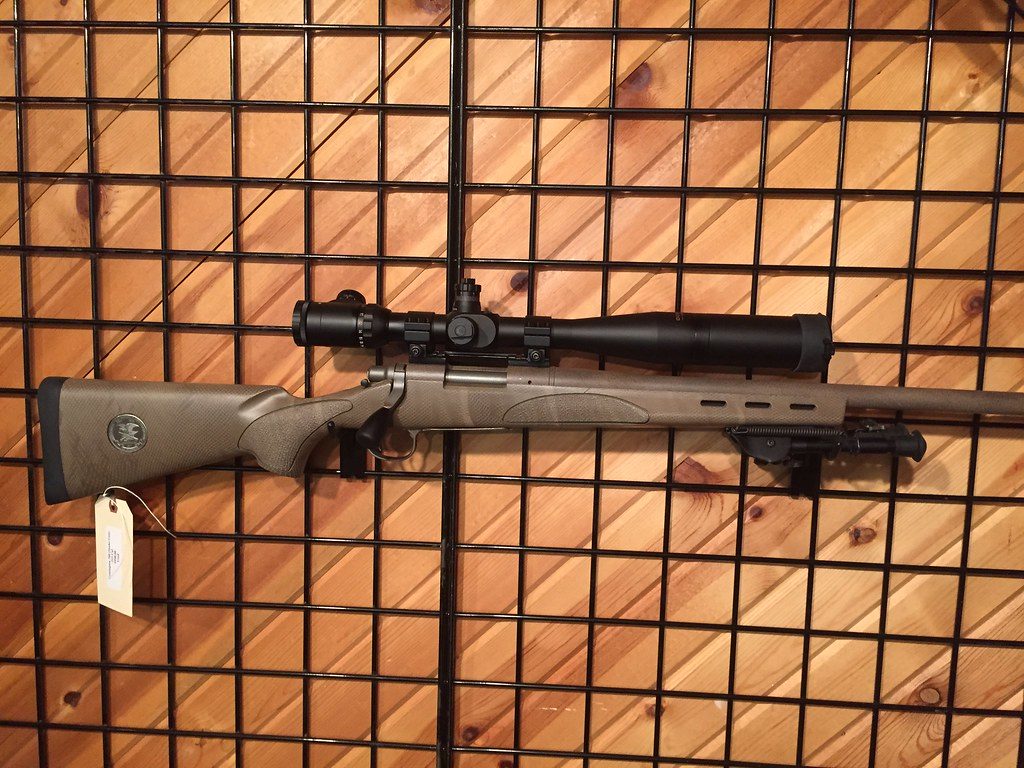
Long barrel hunting rifles present challenges at camp despite legal ownership, primarily due to their length and handling limitations. Extended barrels snag on brush, gear, and tent openings, while slings catch on packs and clothing. Safe storage requires space rarely available in tents or crowded campsites. Accidental contact creates loud noises that attract attention. Campgrounds usually restrict firearm discharge, making these rifles functionally unnecessary. While ideal for dedicated hunting trips, they feel cumbersome during general camping activities where compact storage, flexibility, and low visibility are preferred by most campers. Their size complicates movement through campsites filled with people.
Shotguns With Extended Magazines
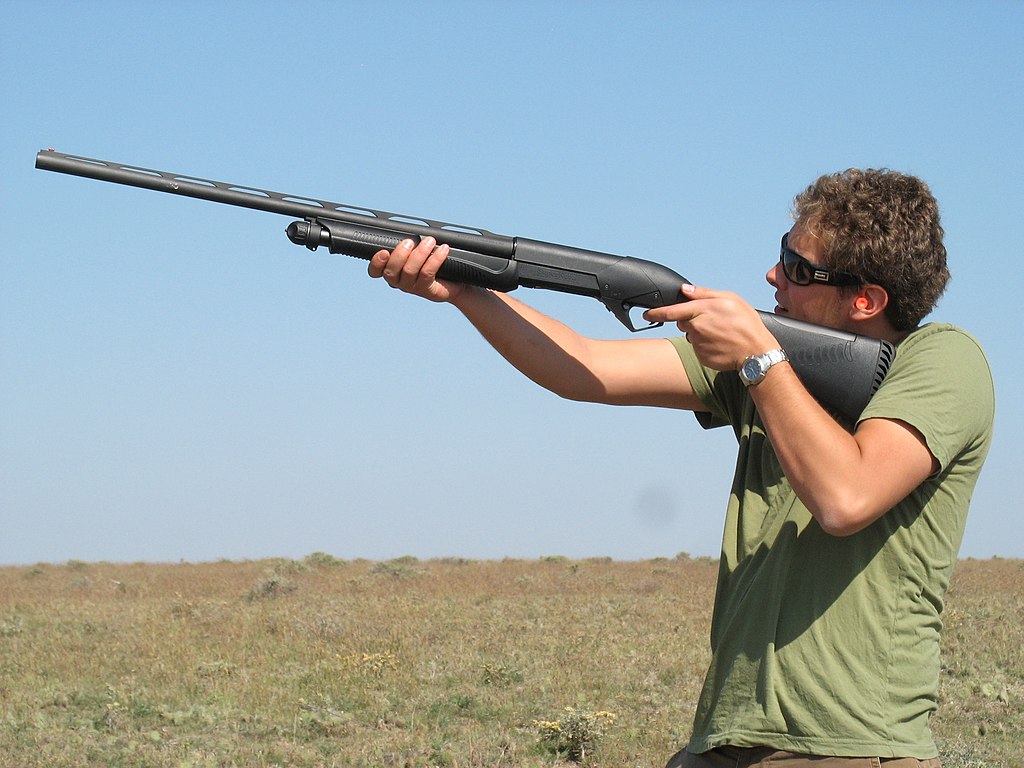
Shotguns equipped with extended magazines remain legal in many areas but feel especially awkward while camping. Added length and weight alter balance, making prolonged carry tiring and storage difficult. Reloading becomes clumsy in confined spaces, while the firearm’s visual profile often alarms nearby campers. Noise potential remains extreme even without firing. Campgrounds rarely permit use, and their tactical appearance raises questions despite legality. These shotguns serve specialized roles but clash with campground expectations centered on quiet, safety, and minimal disruption during recreational outdoor stays shared with others. Their presence often invites unnecessary attention from staff and neighbors.
AR-Style Rifles
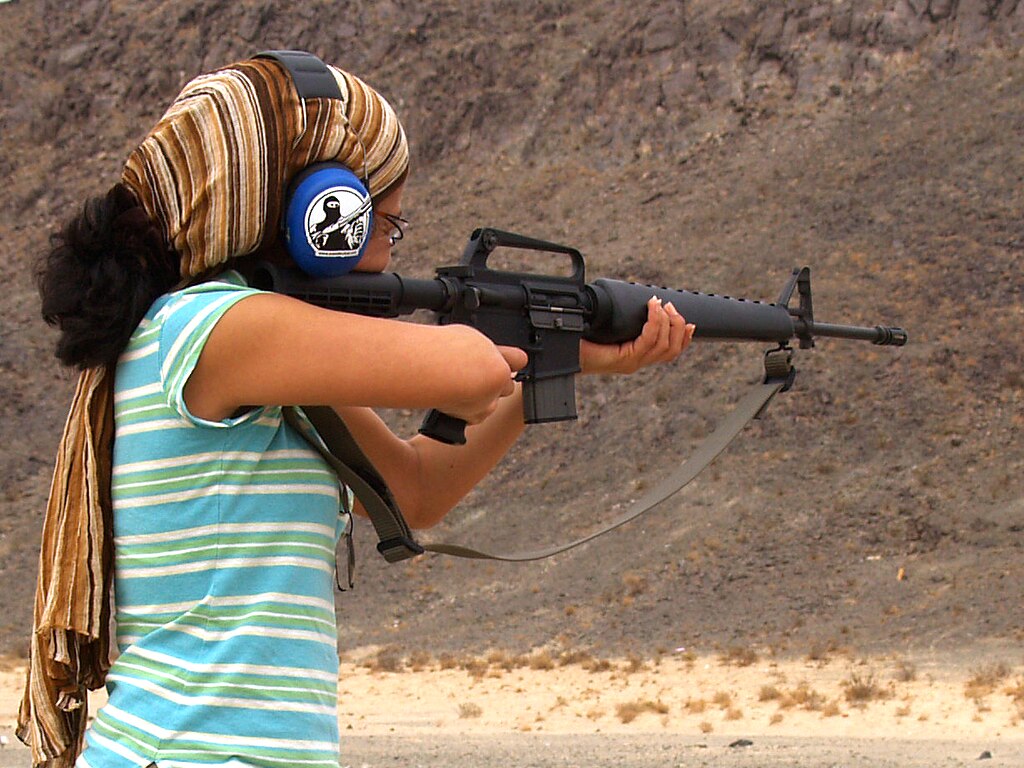
AR-style rifles are legal in many states yet frequently create discomfort when brought into campgrounds. Their appearance draws immediate attention, prompting unease among other campers and increased scrutiny from staff. Accessories add weight and complicate transport, while sling carry can appear aggressive in communal spaces. Storage requires discretion, and regulations vary sharply across jurisdictions. Even lawful possession invites questions. Although highly functional in controlled environments, these rifles often conflict with the relaxed, shared atmosphere of campgrounds where low-profile gear reduces tension and social friction significantly. Perception often outweighs legality in close communal outdoor settings.
Short Barrel Pistols
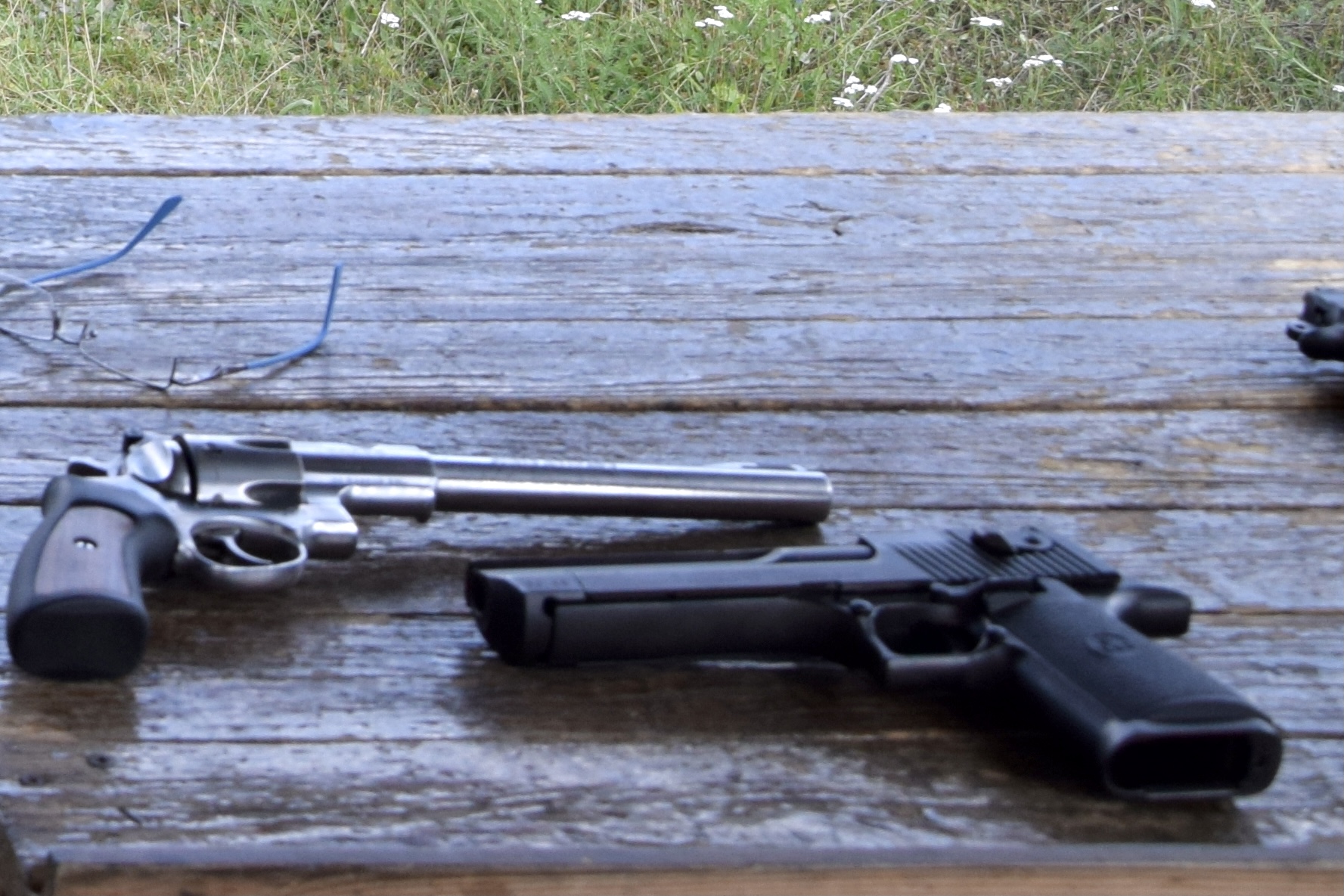
Short barrel pistols may be legal but prove challenging while camping due to sharp recoil, intense muzzle blast, and reduced accuracy. Lightweight frames feel uncomfortable during extended wear, while secure holster retention becomes critical during movement. Noise easily disturbs nearby campsites, and safe storage around sleeping areas demands constant attention. Practical outdoor advantages remain limited compared to their drawbacks. Although lawful, these pistols require heightened vigilance and discretion, making them less compatible with calm camping environments focused on simplicity and shared safety for everyone present nearby. Their drawbacks often outweigh perceived defensive convenience outdoors.
Antique Or Black Powder Firearms

Antique and black powder firearms often remain legal yet introduce multiple complications at camp. Loading requires time, space, and careful handling, while components scatter easily and moisture affects reliability. Smoke and noise draw unwanted attention, and cleaning becomes messy. Storing powder raises safety concerns, and campground rules may restrict use entirely. Though historically appealing, these firearms conflict with modern campground expectations, creating logistical and safety challenges that outweigh their novelty during routine camping trips where convenience and low impact matter most. Weather sensitivity further complicates safe handling in outdoor environments.
Large Caliber Handguns

Large caliber handguns are legal but frequently problematic while camping due to weight, recoil, and excessive noise. Ammunition adds bulk, while overpenetration concerns arise in close quarters. Their visual presence can unsettle others, and secure storage becomes critical around shared spaces. Practical use remains unlikely in typical campground scenarios. Although suitable for specific defensive contexts, these handguns introduce unnecessary complexity where discretion, quiet, and communal safety define responsible camping behavior among diverse groups of outdoor visitors sharing limited space. Their power exceeds realistic needs in most camping situations.
Firearms Without Secure Storage Options
Any firearm lacking secure storage becomes especially problematic while camping, regardless of legality. Campsites involve shared access, children, pets, and unsecured tents or vehicles. Improvised storage increases accident risk and constant stress. Campground rules emphasize safety, and unattended firearms draw scrutiny. Without dedicated storage solutions, even lawful firearms turn into liabilities. For camping trips centered on relaxation and communal enjoyment, firearms without proper securing methods undermine safety and peace of mind for everyone nearby, especially during busy peak season weekends. Secure storage often matters more than firearm selection itself.