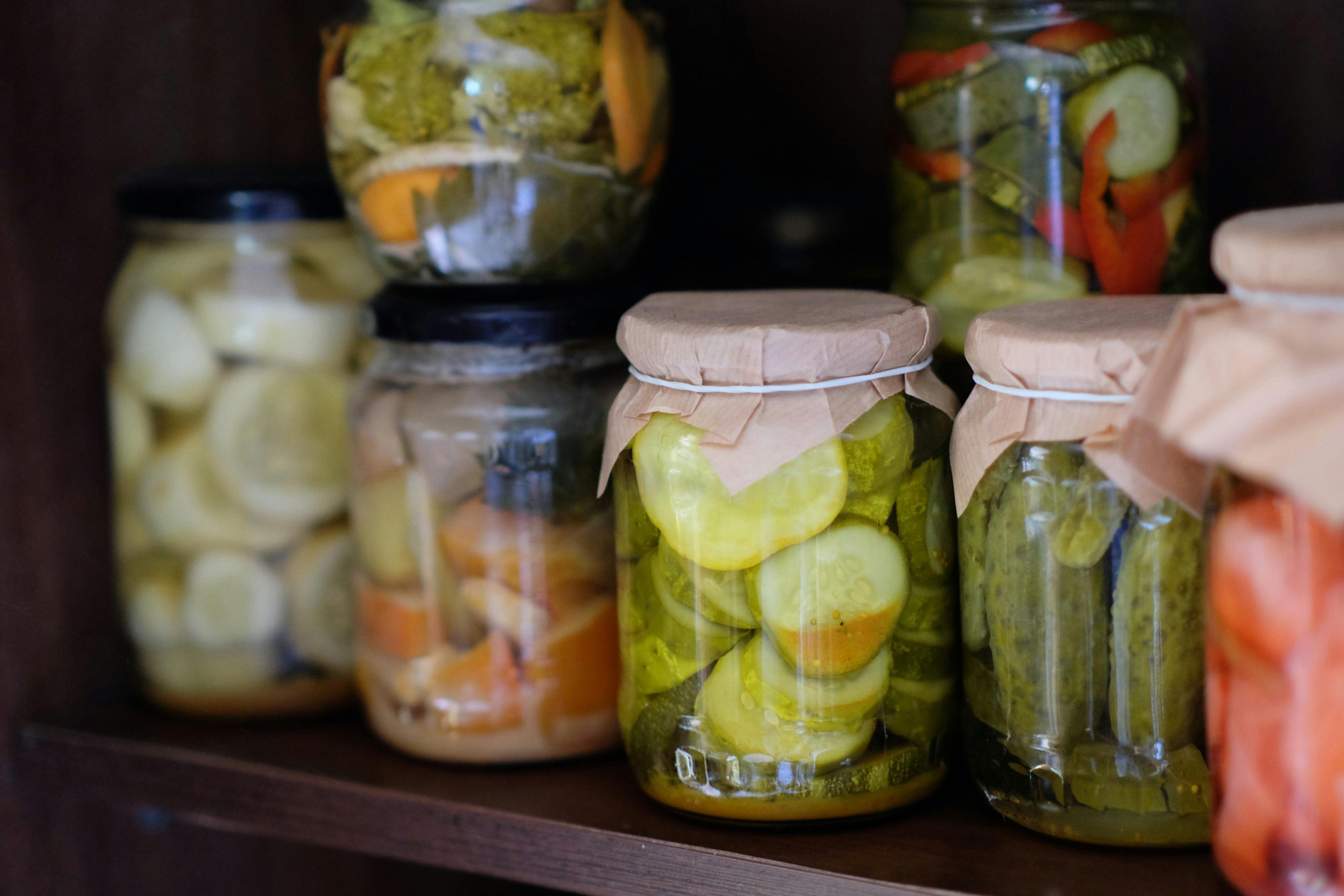
Before refrigeration became a standard part of American households, people relied on clever methods to keep food fresh without a single block of ice. These traditional techniques were shaped by climate, available tools, and the need to stretch harvests through long winters or dry spells. Today, many of these old practices still work remarkably well, offering sustainable options for campers, off-grid homesteaders, or anyone curious about how earlier generations handled food preservation. Here are eight methods worth rediscovering.
1. Sun Drying on Elevated Wooden Racks
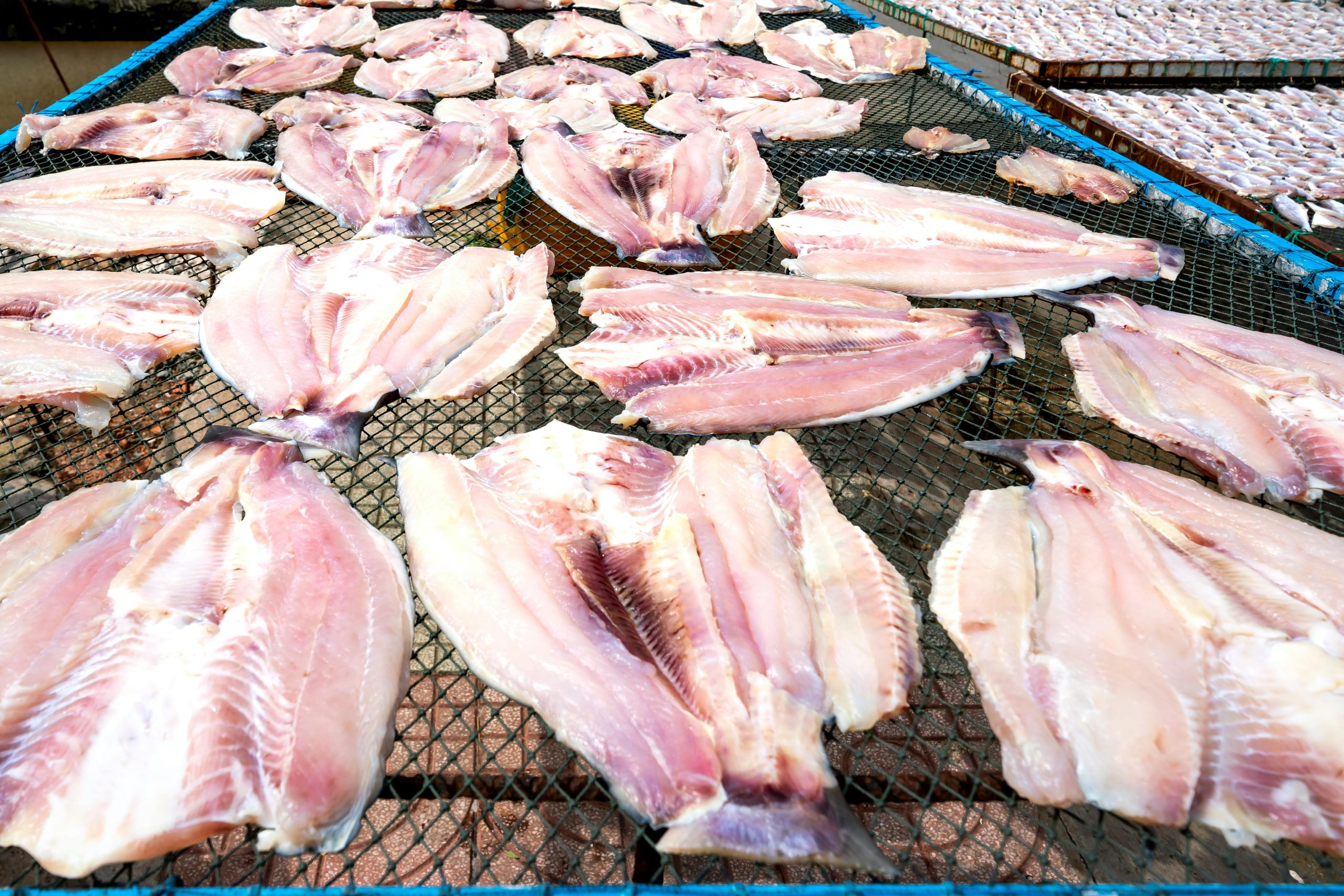
Sun drying depended on warm temperatures and steady airflow, making it a reliable way to preserve fruits, vegetables, and thin strips of meat. Produce was spread across elevated wooden racks so breezes could circulate beneath, reducing the risk of mold or contamination. Families turned each piece regularly to ensure even drying and prevent scorching. Once fully dehydrated, foods became lightweight, compact, and able to last for months without spoiling, which made them perfect for travel or long-term storage.
2. Salt Packing in Barrels or Stone Crocks
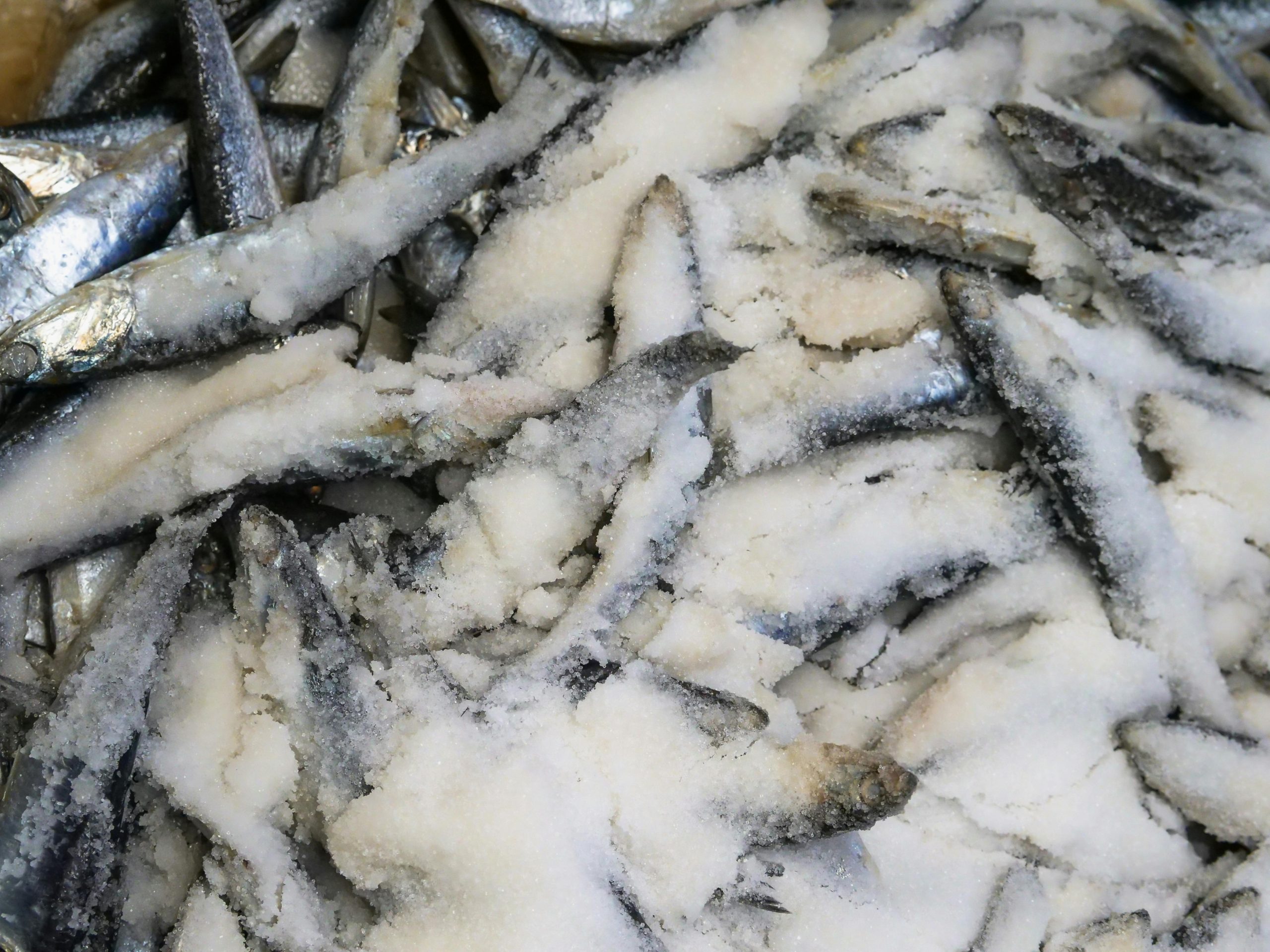
Salt packing was an essential method used to preserve cuts of fish, pork, and tough meats. The process involved layering food between thick coats of coarse salt inside sealed barrels or stone crocks stored in shaded areas. Salt naturally drew moisture out of the food, creating conditions where bacteria struggled to survive. Although the final product tasted intensely salty, a good rinse or soak restored it for cooking. This dependable technique allowed families to store protein safely through unpredictable seasons.
3. Vinegar Pickling with Homemade Brines
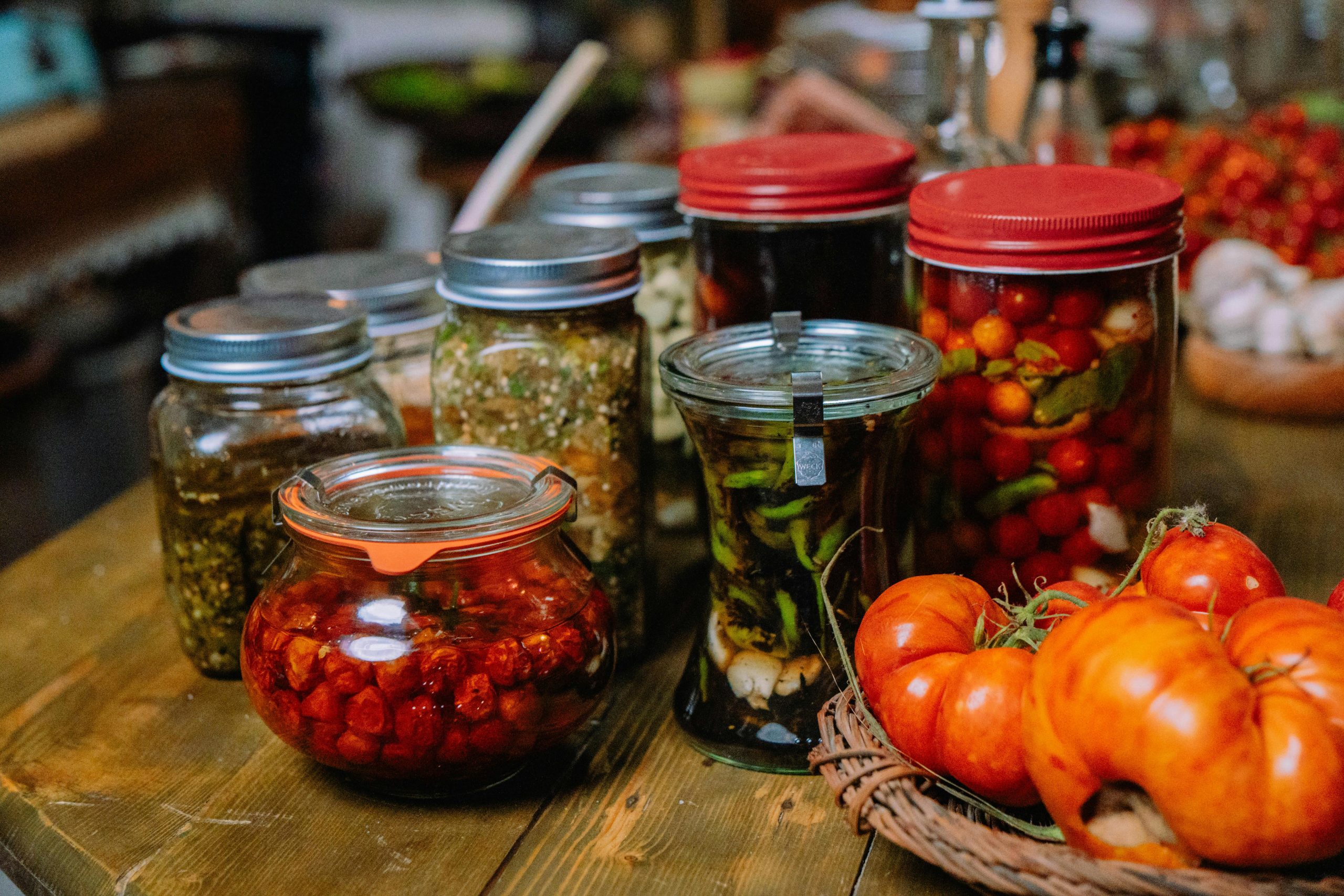
Pickling relied on vinegar’s acidity to keep fresh produce safe long after harvest. Vegetables were washed, trimmed, and placed into ceramic crocks before being covered with homemade brines seasoned with spices like dill, peppercorns, and garlic. The vinegar created an environment that discouraged harmful bacteria while giving the food a tangy, refreshing flavor. These pickles often lasted months in cool pantries, offering households reliable vegetables even when gardens were bare and winter stores ran low.
4. Natural Fermentation Using Brine Solutions

Fermentation was a method that turned simple ingredients into long-lasting staples filled with nutrients. Cabbage, root vegetables, and even wild greens were packed tightly in saltwater brine and left to ferment in cool, dark places. As beneficial bacteria worked, they created lactic acid that naturally preserved the food. The resulting flavors ranged from mildly sour to sharp and bold, offering variety during lean months. Fermented foods also boosted gut health, making them essential to daily diets before refrigeration.
5. Root Cellaring in Buried Storage Spaces

Root cellars offered steady, cool temperatures that kept hardy produce fresh for months. Families dug partially underground rooms or deep pits insulated with soil, straw, and wood to maintain specific humidity and temperature levels. Items like carrots, apples, beets, and potatoes thrived in these stable conditions and rarely spoiled. Darkness helped prevent sprouting, and minimal airflow kept the produce from drying out. This low-maintenance system made long-term storage possible without any form of ice or electricity.
6. Smoking Meats Over Slow-Burning Hardwood Fires

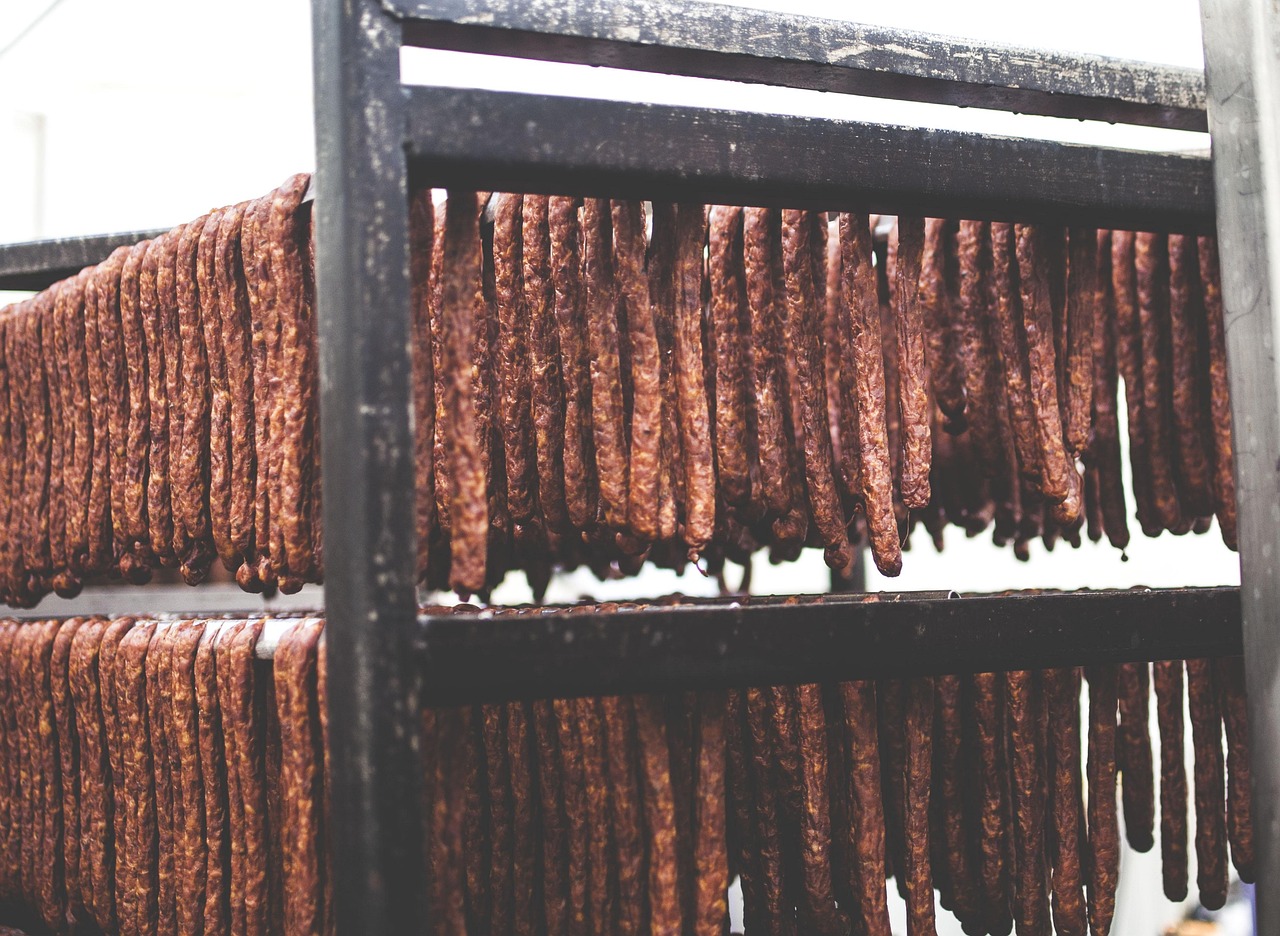
Smoking involved suspending meat above slow-burning hardwood fires for days at a time. Woods like hickory, oak, and mesquite infused meat with rich flavors while the smoke itself created a protective barrier that slowed spoilage. The gentle heat reduced moisture content, turning fresh cuts into preserved staples that stored well in cool, shaded areas. Smoked meats became essential for hunters, ranchers, and frontier families who needed reliable protein during long journeys or harsh winters.
7. Fat Sealing Through Traditional Confit Techniques
Confit preserved meat by cooking it slowly in its own fat until tender, then sealing it beneath a thick layer of cooled fat. Once stored in a cool pantry, this airtight seal kept out moisture and bacteria, allowing the meat to stay safe for weeks or months. It offered rich flavor, convenience, and long-term security when livestock could only be butchered seasonally. Many rural families relied on confit as a dependable source of ready-to-eat food throughout the year.
8. Clay Pot Evaporative Cooling Systems

Clay pot coolers worked by nesting a smaller pot inside a larger one filled with wet sand. As moisture evaporated through the porous clay, it pulled heat away from the inner chamber, lowering the temperature enough to preserve fruits, dairy, and cooked foods. This simple, energy-free system worked best in dry climates with steady airflow. Many households used these “desert refrigerators” to keep food fresh during hot seasons when ice was unavailable or impractical.