The firearms market in the United States moves in cycles, and experienced collectors know that prices do not always go up. Political changes, import restrictions, new production runs, and shifting demand can quickly affect the value of certain guns. In recent years, some firearms that once sold for high prices are now being listed for much less, causing many investors to sell before values drop further. Panic selling often happens when buyers realize that supply is increasing or interest is fading. This does not always mean the firearms are bad, but it does mean they may not hold the value people expected. Collectors who bought at peak prices sometimes rush to sell, which pushes prices even lower. Understanding which guns are losing value can help buyers avoid mistakes and help collectors decide when to hold or sell. The following firearms are often mentioned by traders and collectors as models that many investors are trying to move right now.
1. Remington 870 Express
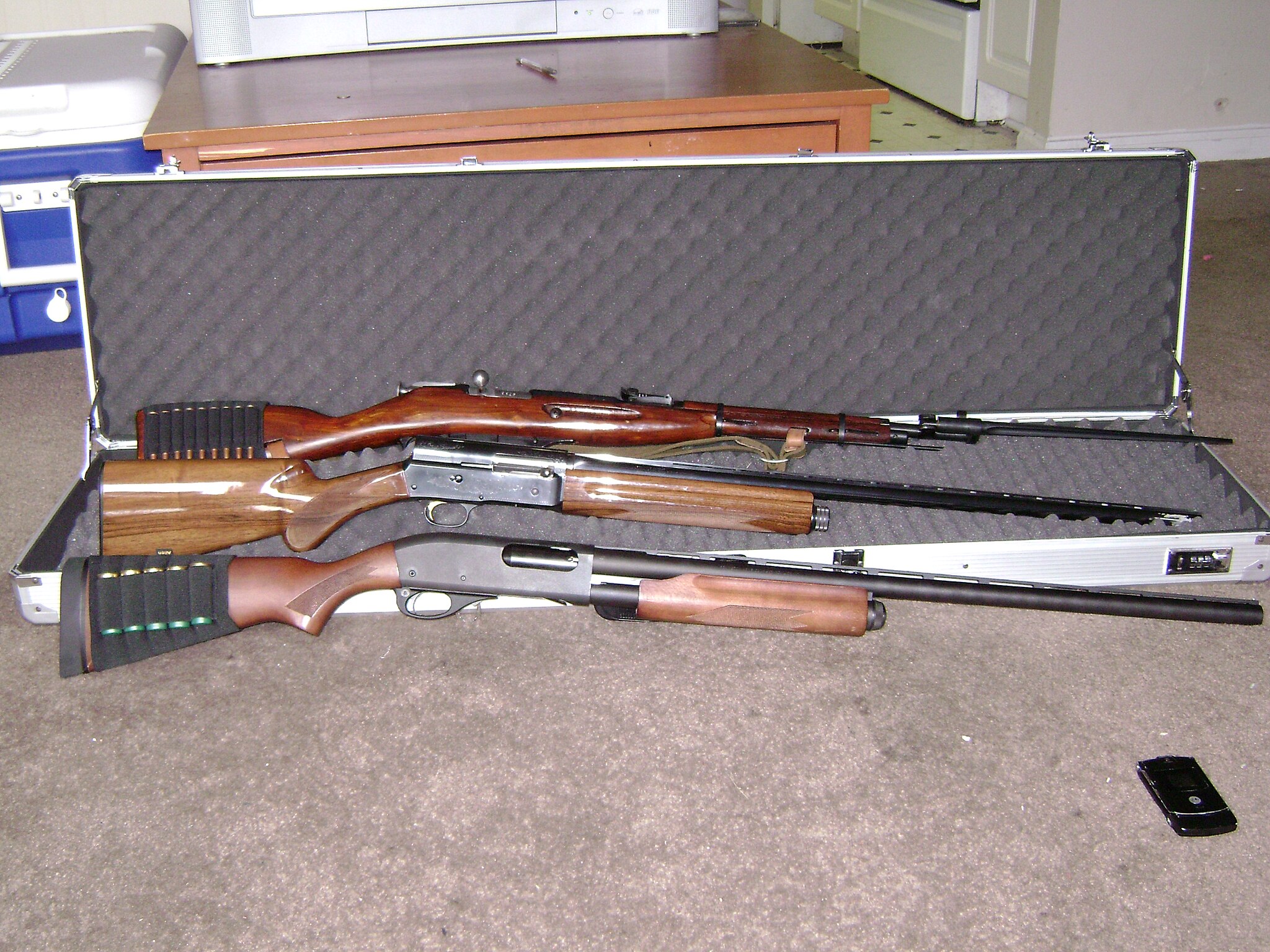
For many years, the Remington 870 Express was considered one of the safest shotgun investments because of its long history and strong reputation. However, after production changes and quality complaints during certain years, confidence among collectors dropped. When Remington went through bankruptcy and ownership changes, many buyers rushed to pick up older models, expecting prices to rise. Instead, large numbers of shotguns returned to the market once production restarted, which increased supply. Because the Express model was produced in huge quantities, it is not rare enough to keep a high collector value. Many investors who bought them during the shortage period are now selling because prices have leveled off. The shotgun is still useful and reliable for hunting and home defense, but usefulness does not always mean strong investment value. When supply is high, and demand becomes normal again, prices usually settle lower than people expected.
2. AR-15 Budget Builds

During periods of political uncertainty, AR-15 rifles often sell quickly, and many buyers assume they will always increase in value. In recent years, large numbers of budget AR-15 rifles have entered the market from many manufacturers. Because parts are easy to find and rifles can be assembled from kits, supply has become extremely high. When demand slows down, these lower-priced builds lose value faster than premium models. Investors who bought multiple rifles expecting future restrictions to raise prices are now finding it harder to sell them for profit. Buyers today often prefer higher-quality brands instead of basic builds, which leaves many budget rifles sitting unsold. Panic selling happens when owners realize there are more rifles available than buyers. The AR-15 platform itself remains popular, but not every version becomes collectible. Mass production usually means lower long-term value.
3. SKS Rifles

SKS rifles were once considered a great investment because imported military surplus guns often become more valuable over time. For many years, prices steadily increased as fewer rifles were available. Recently, however, large numbers of SKS rifles appeared again through private sales and collections being sold off. When many owners try to sell at the same time, prices stop rising and may even drop. Some investors bought SKS rifles at high prices, expecting the supply to disappear completely, but that has not happened. Condition also affects value, and many rifles on the market today show heavy use. Buyers are more selective now, which makes it harder to sell average-condition pieces. The SKS is still a historic rifle with collector interest, but the fast price growth seen in the past has slowed, leading some investors to sell before the market becomes weaker.
. Glock Gen 3 Pistols
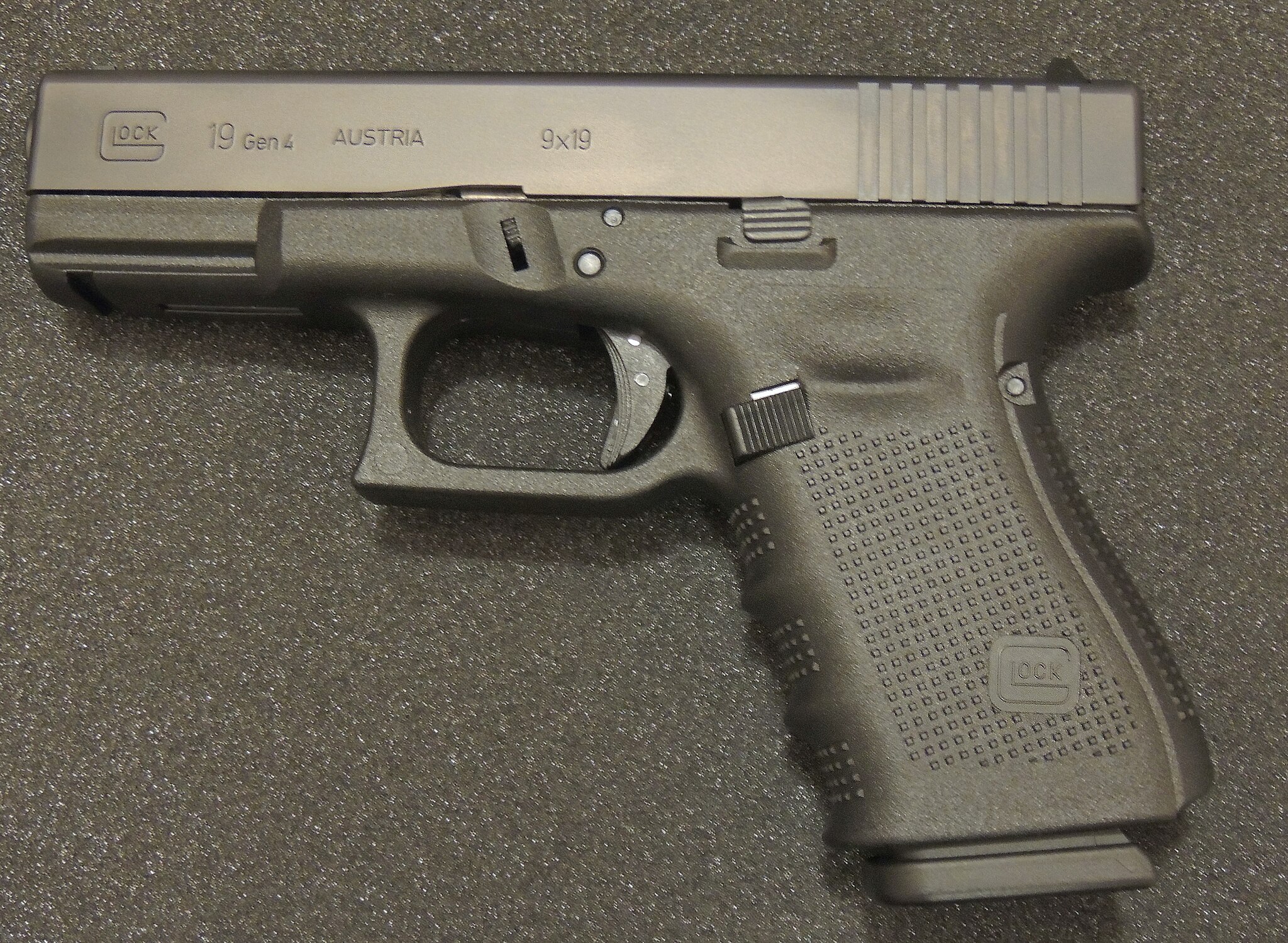
Glock pistols are known for reliability, but not every generation becomes valuable to collectors. The Gen 3 models were produced in very large numbers and are still widely available. At one time, some buyers believed certain versions would become rare, especially when newer generations were released. Instead, continued production and strong aftermarket support kept supply high. Because so many Gen 3 pistols exist, prices have stayed stable rather than increasing. Investors who bought extra pistols hoping for future profit are now selling because there is little sign of rising value. Most buyers today choose newer generations with updated features, which reduces demand for older standard models. The pistol itself remains dependable, but dependability alone does not create collector demand. When a firearm is easy to find almost everywhere, it usually does not become a strong investment piece.
5. Turkish Pump Shotguns
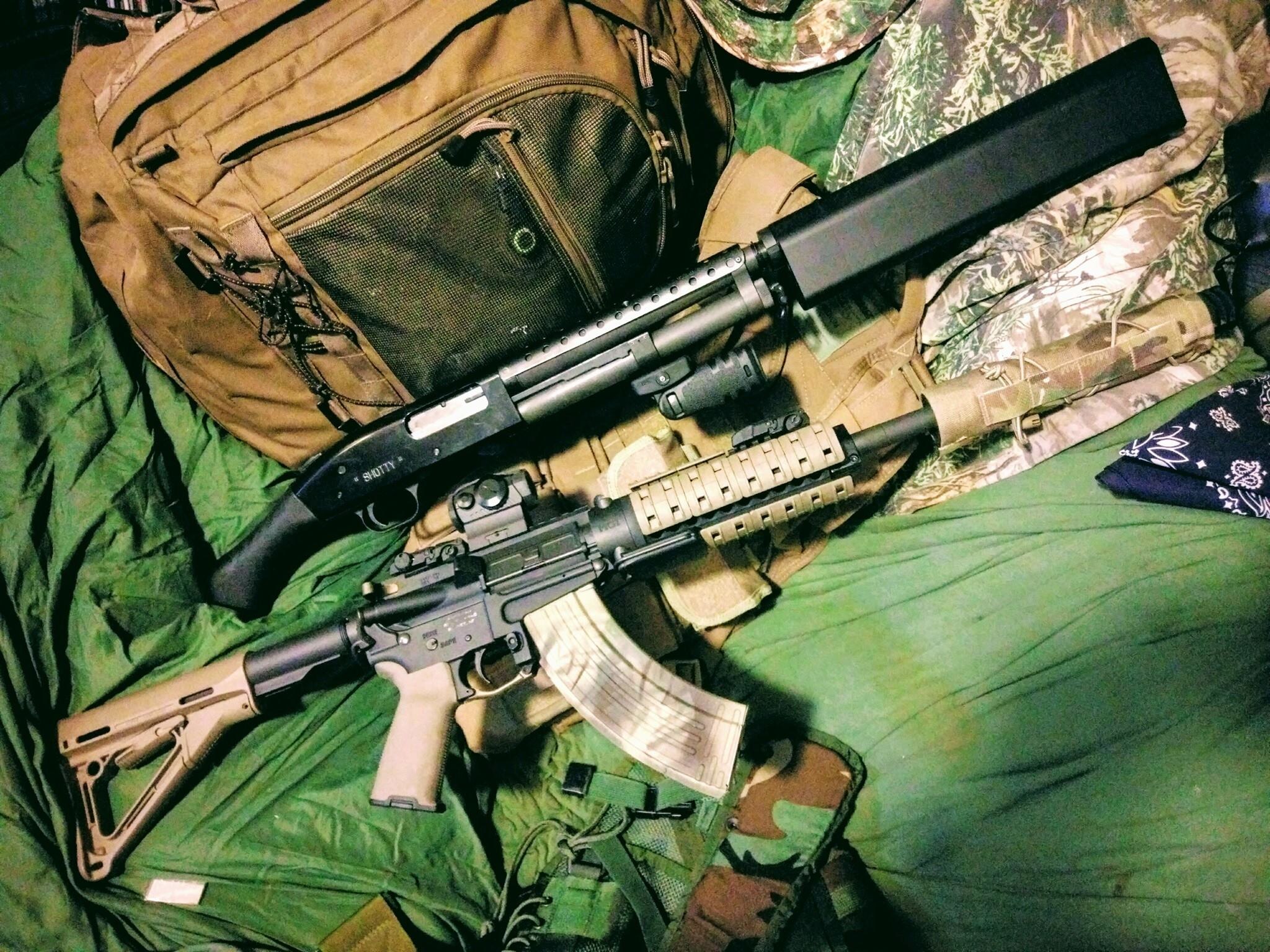
Turkish-made pump shotguns became very popular in the United States because of their low price and modern designs. Many buyers purchased them in large numbers, expecting them to become valuable imports if restrictions changed. Instead, new shipments continued to arrive, and several brands released similar models at the same time. With so many nearly identical shotguns available, the resale value dropped quickly. Investors who bought them hoping for future scarcity are now selling because the market is crowded. Some buyers also prefer well-known American brands, which makes it harder for lesser-known imports to hold value. These shotguns can still work well for range use or home defense, but investment value depends on rarity and demand. When supply stays high for too long, prices usually fall, and that is why many owners are trying to sell now.
6. .40 S&W Police Trade-In Pistols
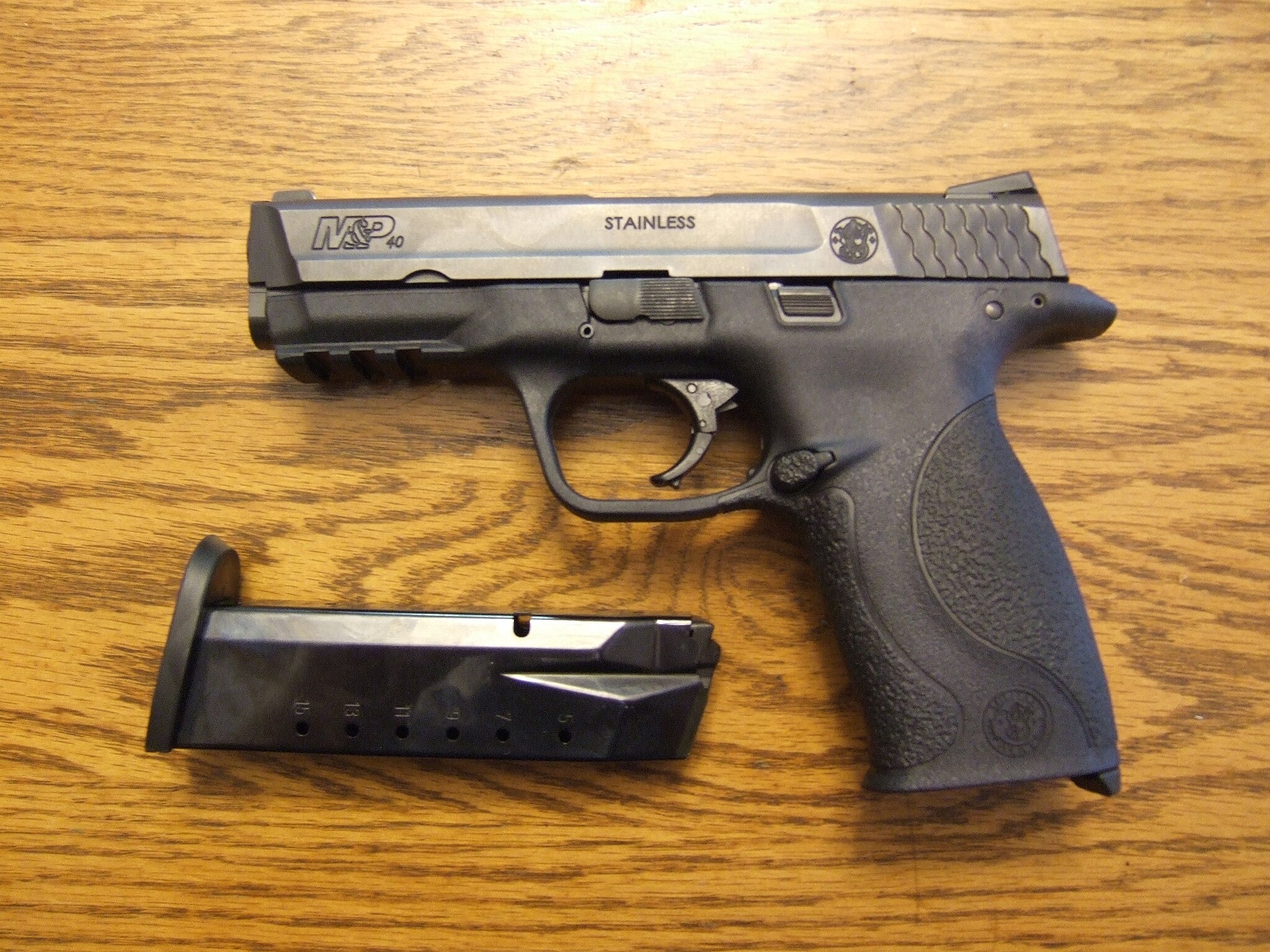
Police trade in pistols chambered in .40 S&W were once in high demand because they were affordable and built to last. When many law enforcement agencies switched to 9mm, thousands of used pistols entered the civilian market at the same time. The sudden increase in supply pushed prices down, making them less attractive as investments. Buyers today often prefer 9mm because ammunition is cheaper and easier to find, which reduces demand for .40 caliber guns. Investors who bought trade-ins expecting prices to rise later are now selling because the market has stayed low for years. These pistols are still reliable and can be good for personal use, but collector value depends on limited availability. When large numbers of the same model are sold at once, prices usually remain low for a long time.
7. AK Pattern Rifles From Recent Imports

AK pattern rifles often increase in value when imports stop, but the market changes whenever new shipments arrive. In the past few years, several new imports reached the United States, which increased supply again. Investors who expected older rifles to become rare suddenly found many similar models available for lower prices. When buyers have more choices, they become less willing to pay high amounts for average condition rifles. Some collectors still look for specific countries of origin, but common imports do not always hold value. Panic selling happens when owners see prices starting to drop and try to sell before losing more money. The AK platform remains popular, but popularity alone does not guarantee rising prices. Investment value depends on a limited supply, and when imports continue, prices often stay lower than expected.
8. Commemorative Edition Hunting Rifles
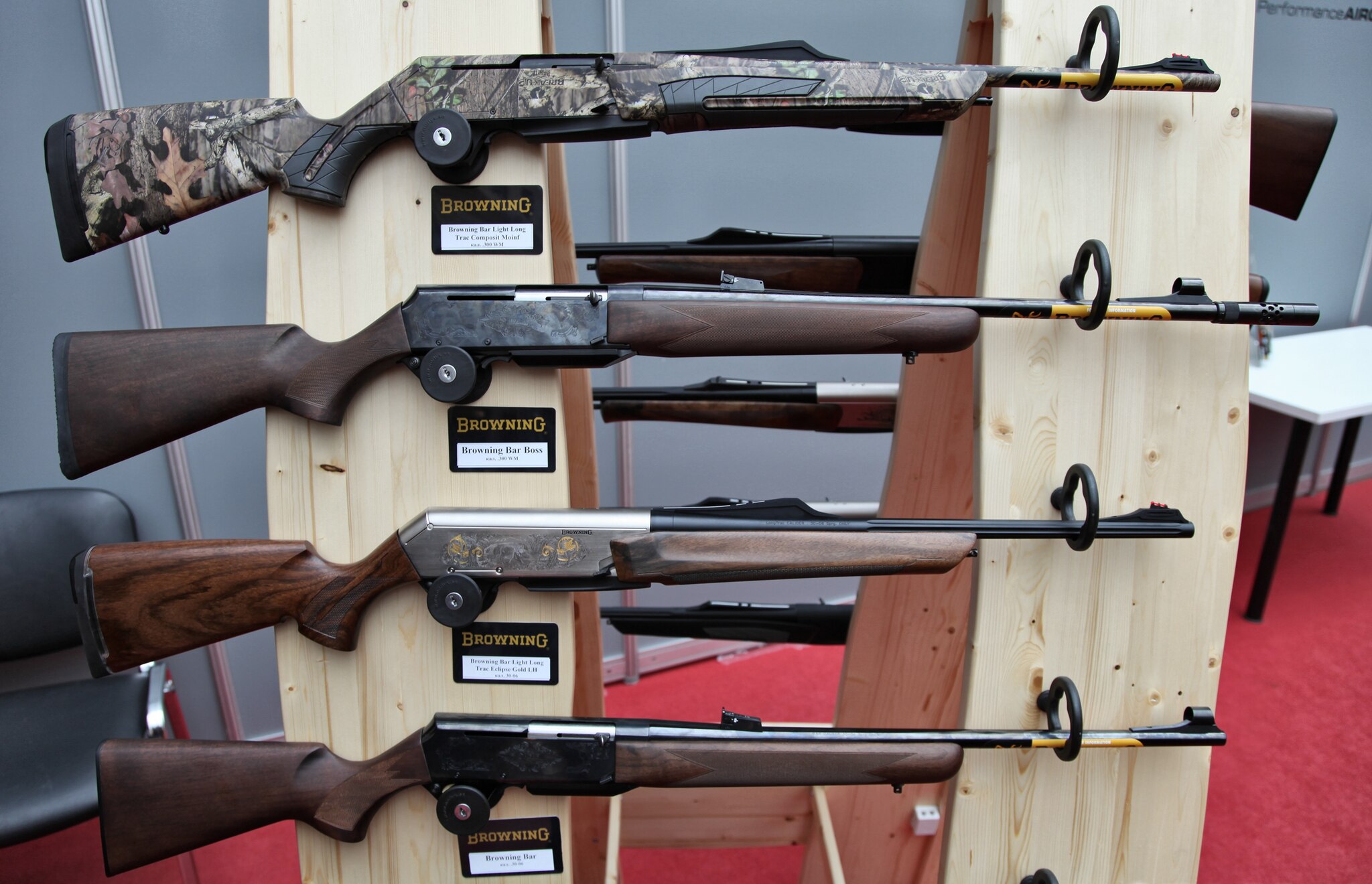
Commemorative hunting rifles were once marketed as collectibles that would increase in value over time. Many buyers purchased them without ever using them, believing they would become rare. The problem is that large numbers of these rifles were made, often with only small differences in engraving or markings. Because so many were saved in excellent condition, they never became scarce. Today, collectors usually prefer older original rifles instead of modern commemorative editions. As a result, many investors are selling these guns because prices have not increased as expected. Some models still have value, but most do not sell for much more than standard versions. Collectible value depends on true rarity and strong demand, not just special labels. When too many people buy something as an investment, it often becomes less valuable instead of more.