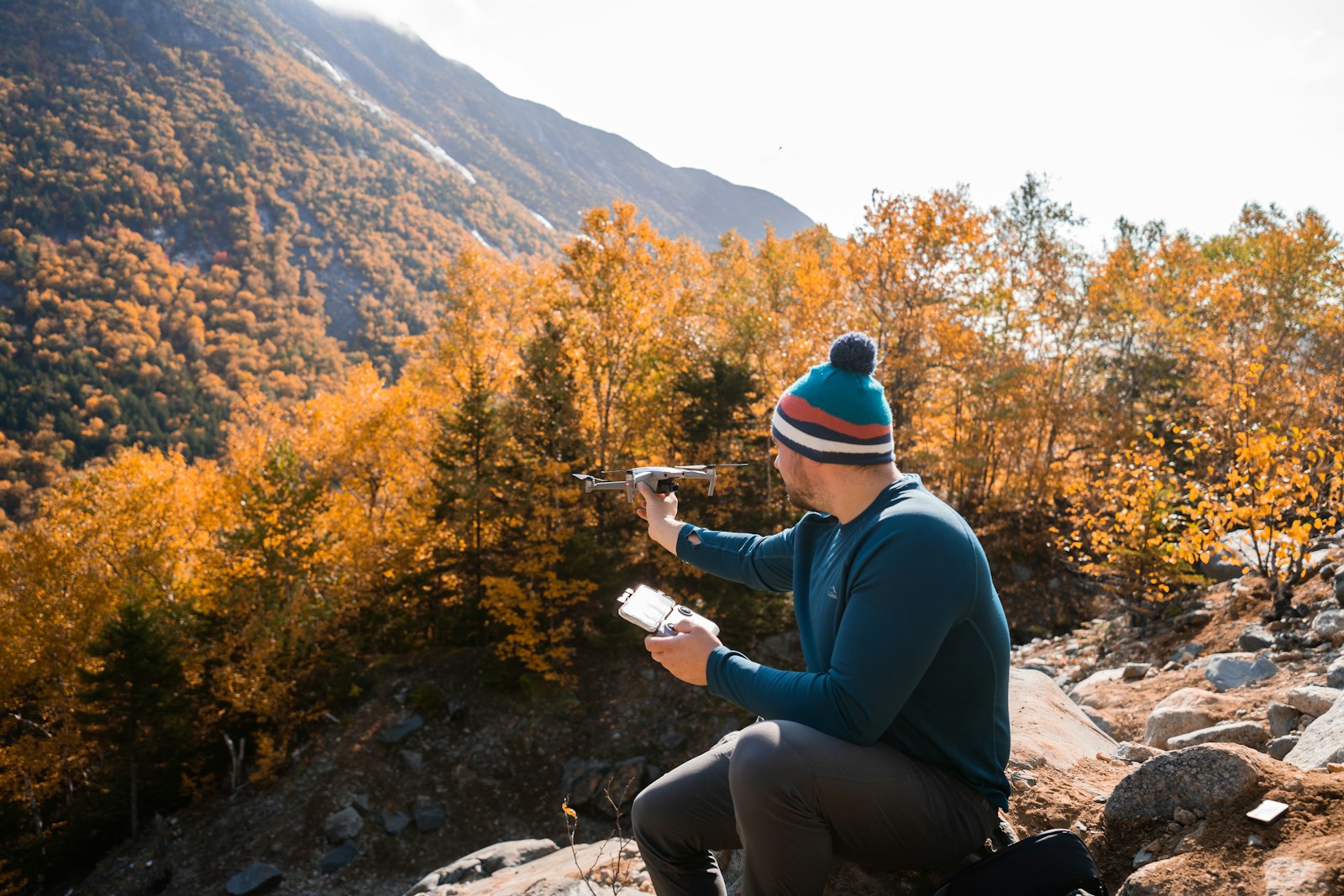
Remote travel often feels safer when a clear exit seems available, yet assumptions about leaving can quietly collapse. Distance, terrain, weather, and physical limits reshape routes over time. Paths that look reliable on maps behave differently on the ground. Familiar logic from urban travel rarely applies far from infrastructure. Small delays multiply consequences. Many incidents begin with confidence in an exit that later proves unrealistic. Understanding how exit planning fails helps travelers adjust expectations early. These eight exit route assumptions repeatedly break down in remote travel, revealing how escape options shrink as environments change and decisions compound beyond initial plans.
Roads Will Remain Passable
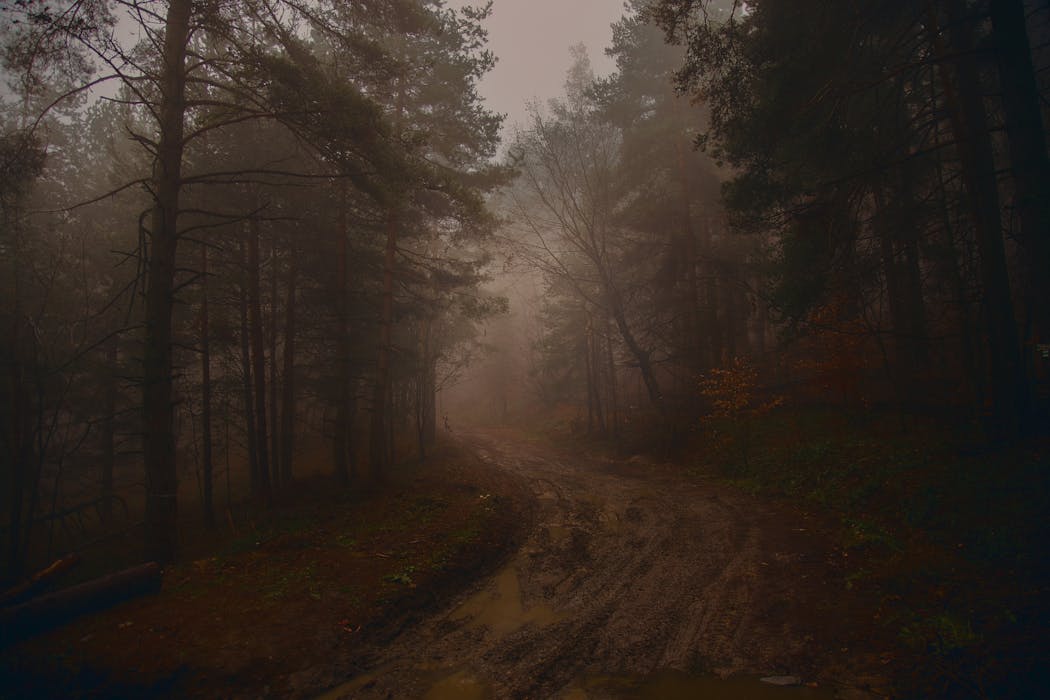
Assuming roads will remain passable often fails in remote areas. Weather can erase tracks quickly. Rain turns dirt roads into mud. Snow blocks mountain passes. Flooding washes out crossings. Fallen trees and rockslides appear without warning. Maps rarely reflect current conditions. Cell service disappears before trouble becomes visible. Turning around may become impossible. Vehicles get trapped far from help. This assumption treats roads as static when they are dynamic. In remote travel, roads behave like temporary features, not guarantees, and relying on them as fixed exit routes often leads to immobilization, delayed rescue, and escalating exposure as conditions deteriorate rapidly.
Trails Will Be Clearly Marked
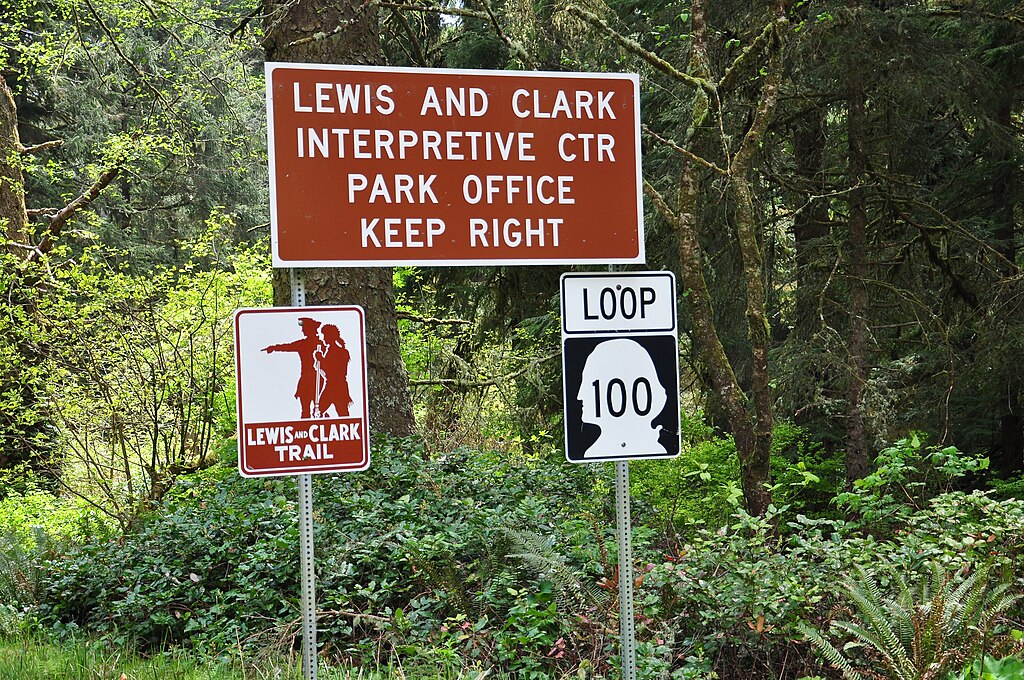
Assuming trails remain clearly marked fails frequently in remote regions. Weather erodes signs. Vegetation overgrows paths. Snow hides tread completely. Animals alter ground features. Older maps reference routes no longer maintained. Trail intersections confuse direction. Cairns collapse or disappear. Visibility drops in fog or forest. Fatigue reduces navigation accuracy. Without clear markers, progress slows and errors increase. This assumption relies on human maintenance that may not exist. In remote travel, trails fade into terrain, and expecting consistent markings limits adaptability, causing missed turns, wasted energy, and growing disorientation that complicates safe exit planning significantly.
The Way In Is The Way Out
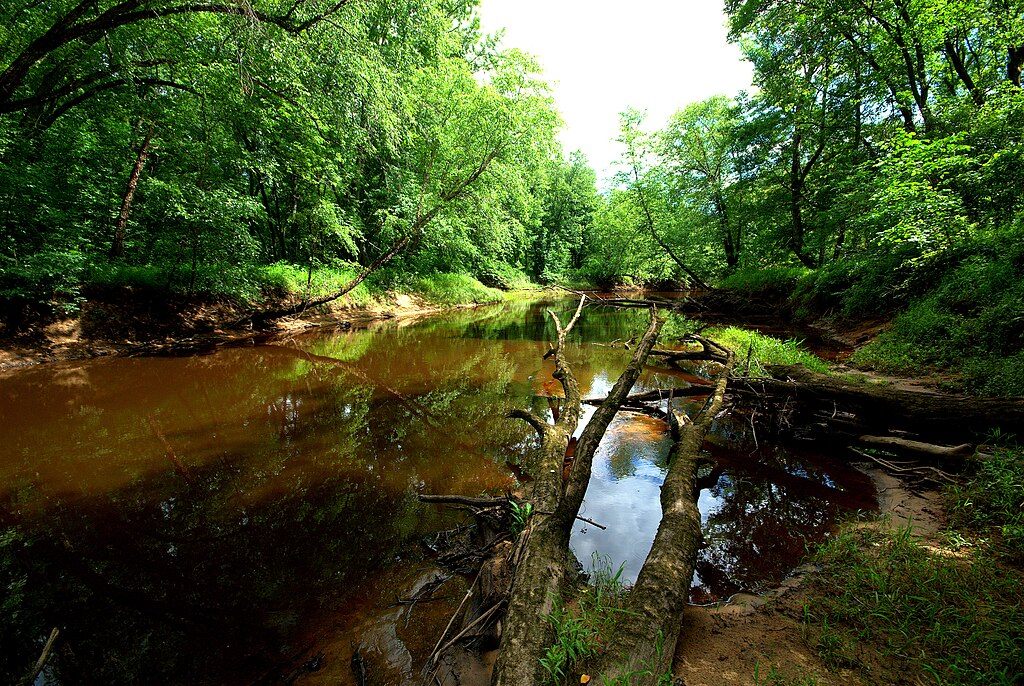
Believing the way in will remain the way out often fails. Conditions change after entry. Rising water blocks crossings. Snow accumulates behind movement. Tides alter coastal access. Wildlife or hazards shift routes. Energy declines, altering pace. Carrying loads changes balance. What felt manageable entering becomes dangerous exiting. This assumption ignores time and environment. Remote travel requires flexible thinking. Relying on reversal limits options when return becomes unsafe. Many incidents occur when travelers commit forward without alternate exits, discovering too late that the original path no longer supports safe retreat under altered physical or environmental conditions beyond initial expectations.
Distance Equals Difficulty
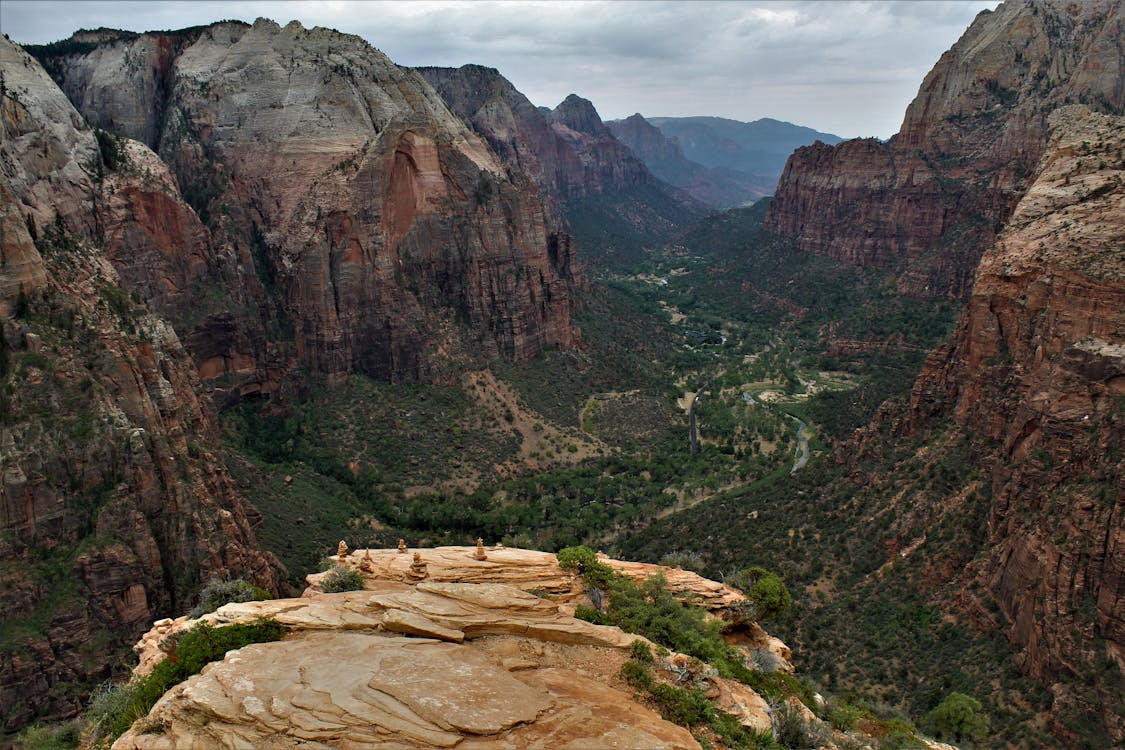
Assuming distance alone defines exit difficulty often misleads. Short routes may cross steep terrain. Longer routes might follow gentle contours. Elevation gain matters more than mileage. Surface conditions affect speed. Dense brush slows progress. Weather exposure varies by route. Fatigue amplifies obstacles. Navigation complexity outweighs length. This assumption simplifies reality. In remote travel, the easiest exit is rarely the shortest. Focusing on distance alone causes poor choices, steering travelers into technically demanding paths that exhaust energy quickly, increase injury risk, and close remaining options when progress stalls unexpectedly in challenging terrain with limited visibility.
Emergency Extraction Is Available
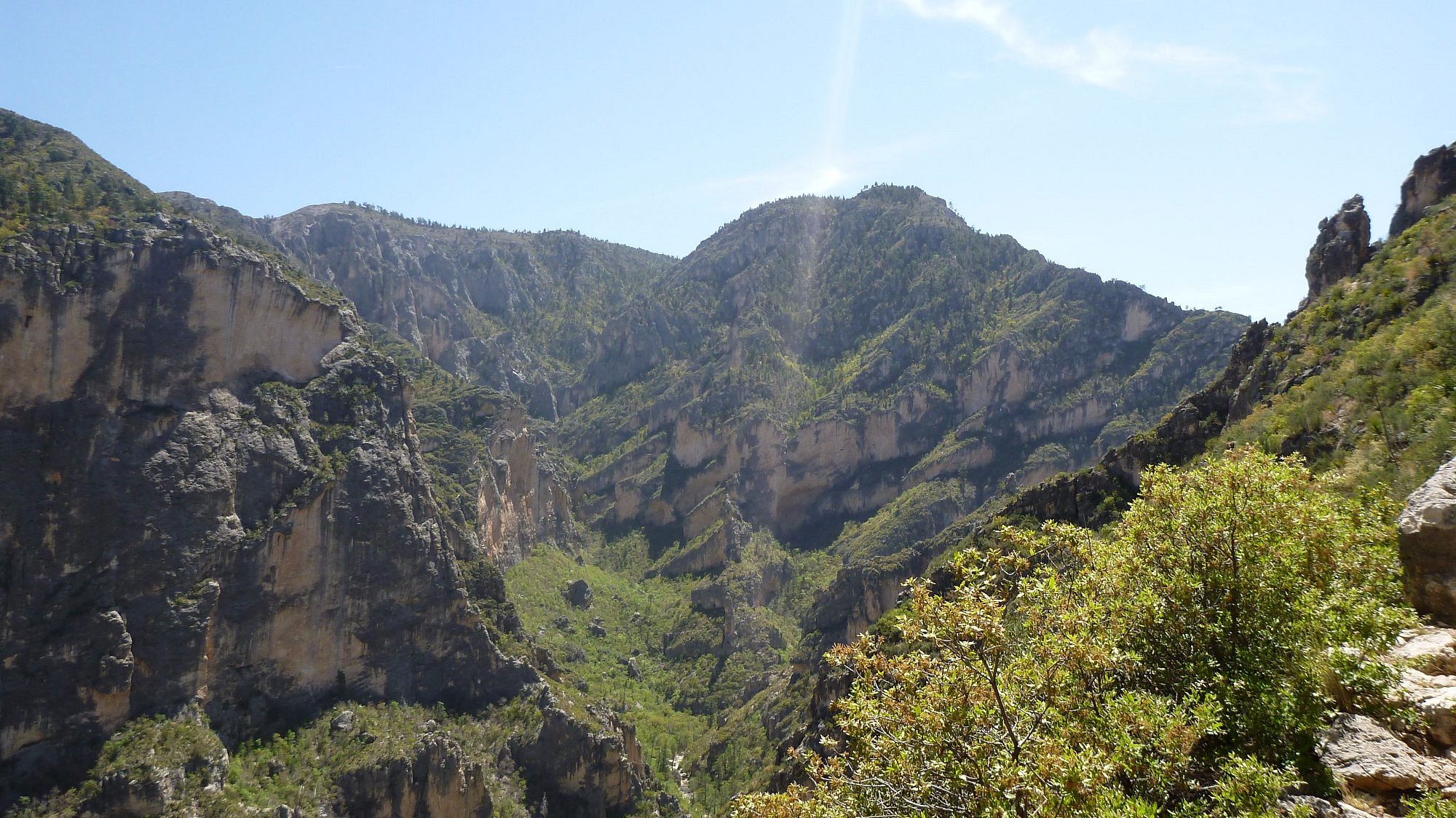
Assuming emergency extraction is available often fails in remote travel. Rescue resources may be distant. Weather grounds aircraft. Terrain prevents landing. Communication devices fail. Response times stretch into days. Jurisdictional delays occur. Rescue depends on conditions, not intention. This assumption shifts responsibility outward. In reality, self reliance dominates early survival. Expecting extraction encourages riskier decisions. When help cannot reach the location, travelers face extended exposure. Planning exits around rescue availability narrows preparation and leaves individuals unprepared when conditions prevent assistance, forcing reliance on limited skills and resources under increasing physical and psychological stress.
Maps Accurately Reflect Reality
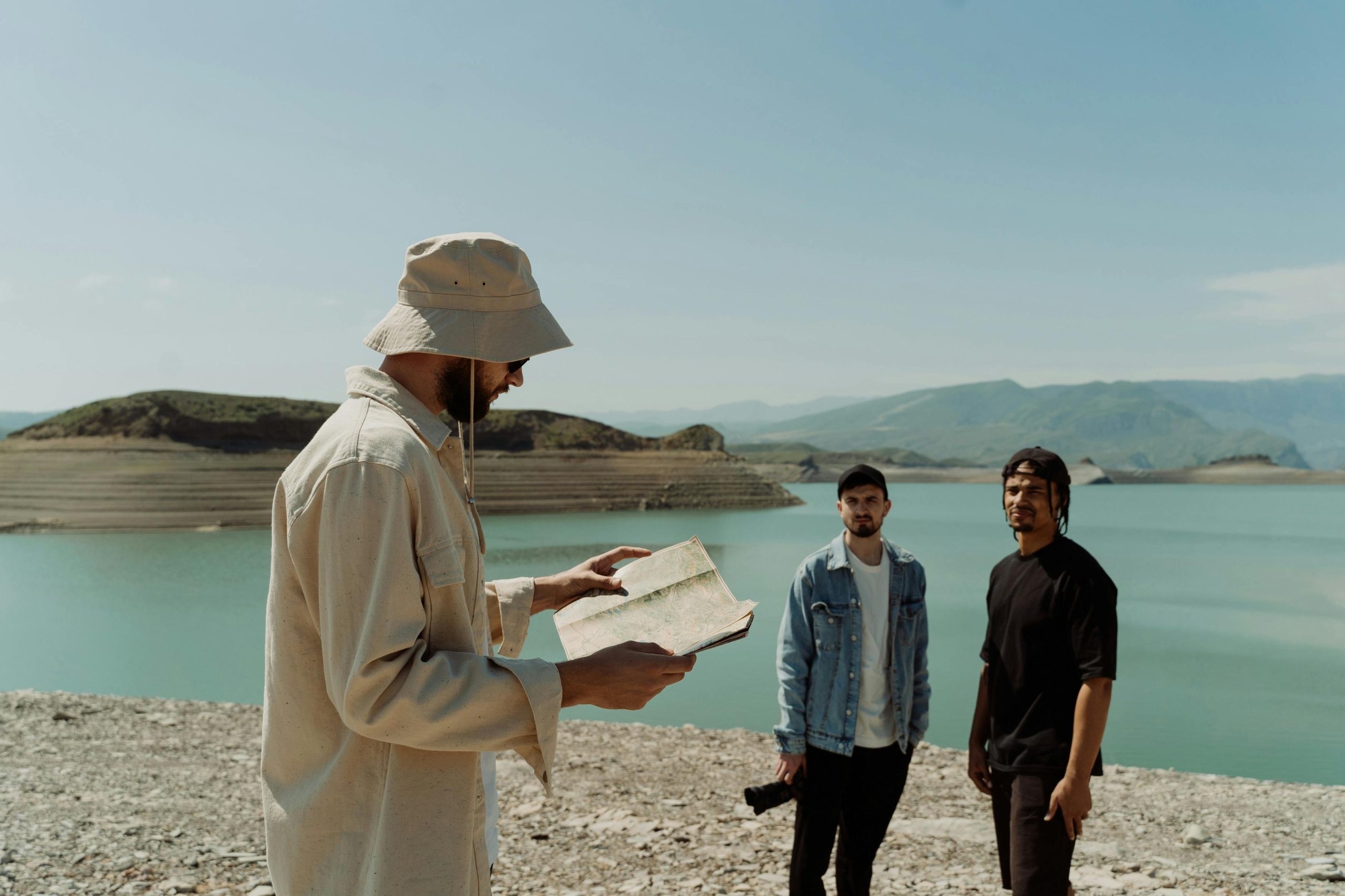
Assuming maps accurately reflect current reality often proves false. Trails disappear. Rivers change course. Roads wash out. Seasonal routes close. Vegetation density shifts. Printed maps age quickly. Digital maps lag updates. Scale hides obstacles. Contour lines fail to show cliffs or dense growth. This assumption treats representations as ground truth. In remote travel, maps provide guidance, not certainty. Overconfidence in mapped exits leads to surprises that slow progress and drain energy. Travelers who expect perfect alignment between map and terrain often struggle when features fail to match expectations, complicating navigation and delaying safe exit decisions.
Physical Condition Will Remain Stable
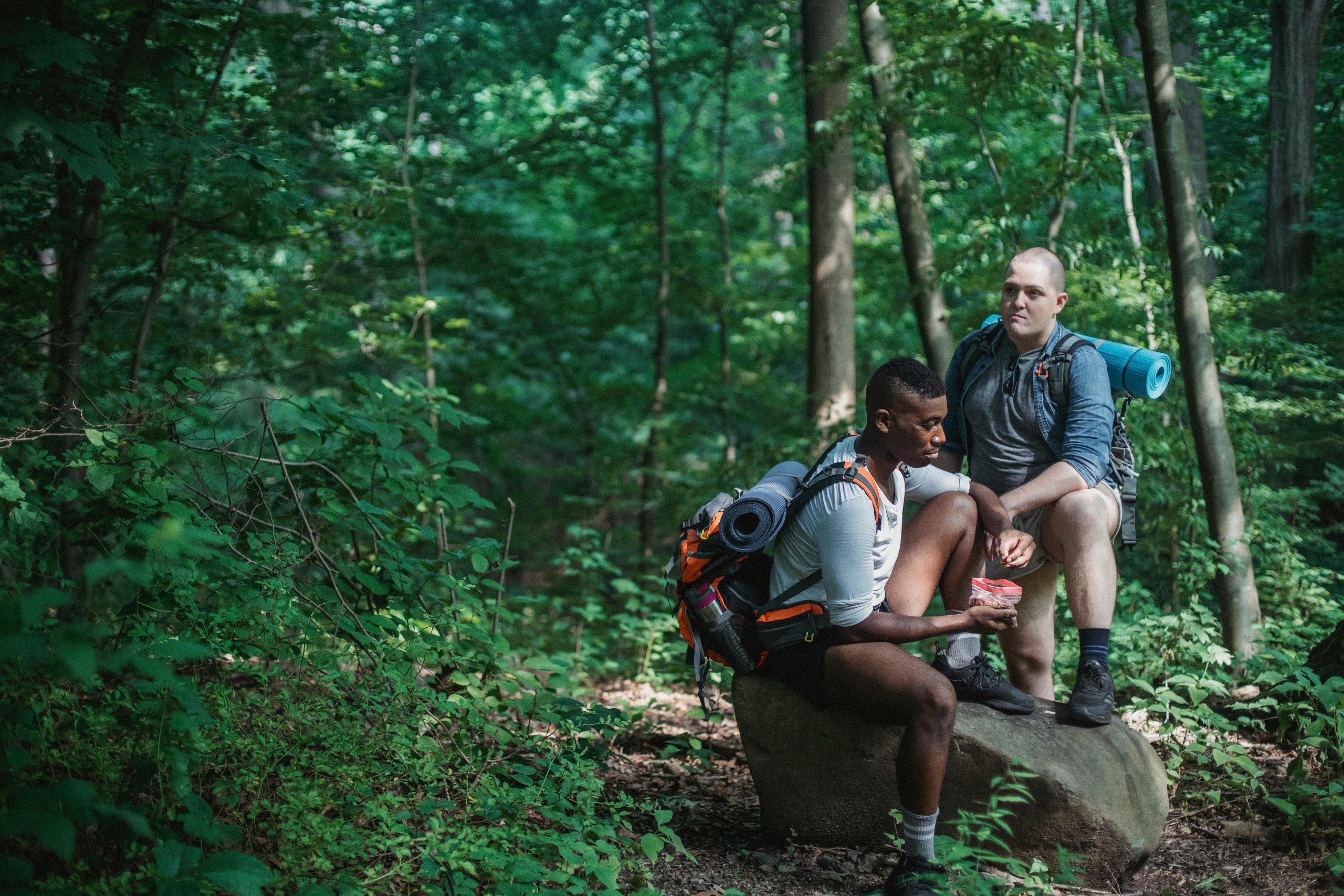
Assuming physical condition remains stable undermines exit planning. Fatigue accumulates. Dehydration reduces strength. Injury risk increases. Altitude affects breathing. Heat or cold drains energy. Illness emerges unexpectedly. Stress impairs judgment. Carrying weight compounds strain. This assumption ignores bodily limits. Remote travel magnifies physical decline. Exits planned under peak condition become unrealistic later. When strength drops, routes requiring scrambling or speed fail. Relying on unchanged capability narrows margins, leading travelers to commit to exits they cannot complete safely as exhaustion sets in and recovery options disappear in isolated environments.
Daylight Will Be Sufficient
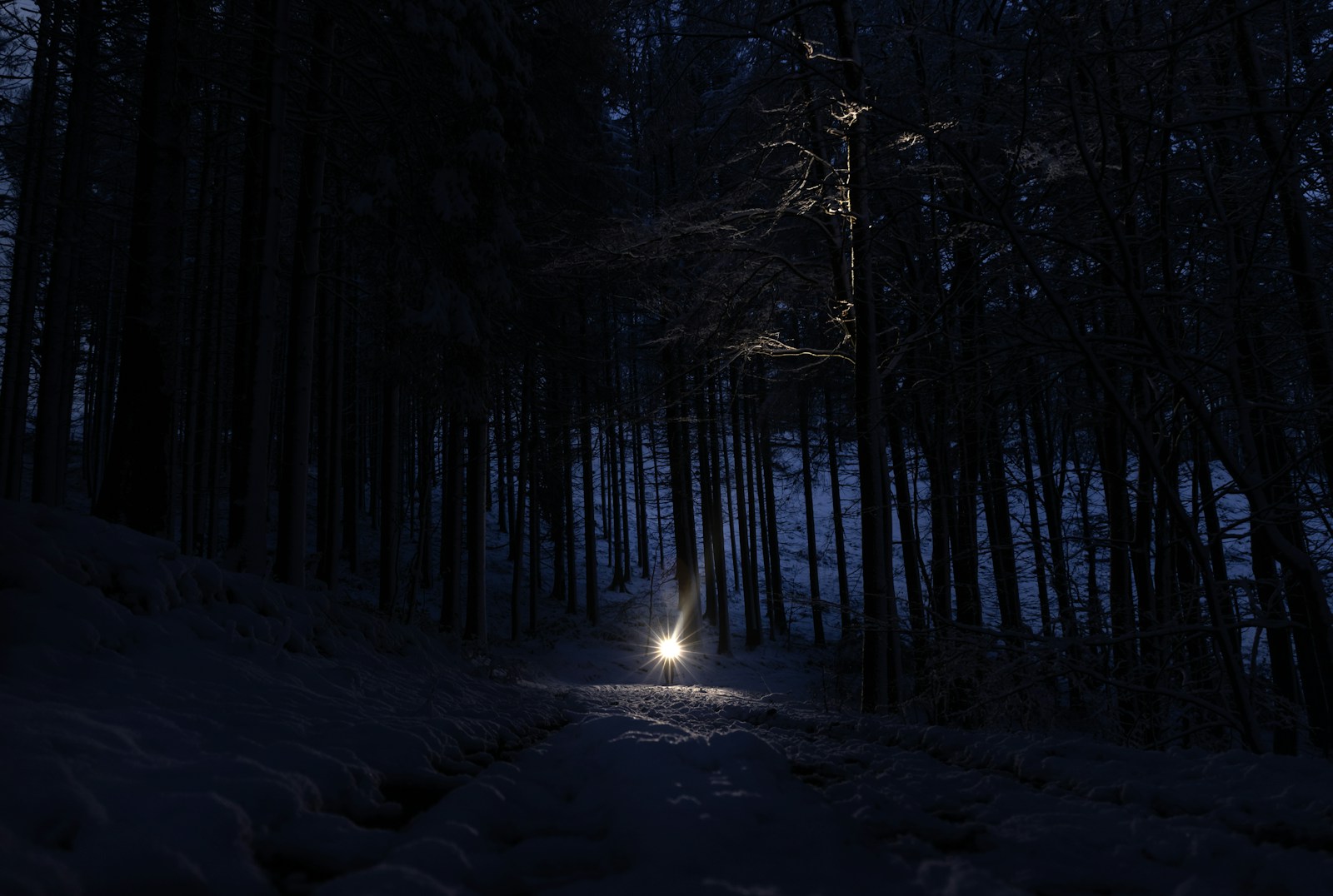
Assuming daylight will be sufficient frequently fails in remote settings. Travel takes longer than expected. Weather reduces visibility. Dense terrain slows movement. Navigation errors consume time. Short winter days shrink margins. Fatigue delays pace. Darkness transforms familiar ground. Hazards multiply at night. This assumption underestimates time costs. In remote travel, losing daylight complicates exits dramatically. Routes safe by day become dangerous after sunset. Expecting enough light encourages late movement and rushed decisions, increasing fall risk, navigation errors, and exposure when darkness arrives before shelter or safety is reached.