Oregon’s damp forests call for shelters that handle steady rain, soft ground, and dense vegetation with reliable structure and simple materials. The region’s mossy landscapes, soaked leaf litter, and evergreen canopies shape the way shelters are built for warmth and dryness. Natural resources found throughout the Pacific Northwest provide strong building elements that work well in wet conditions. With thoughtful construction, these shelters offer comfort in some of the state’s most moisture-rich terrain.
A-Frame Branch Shelter
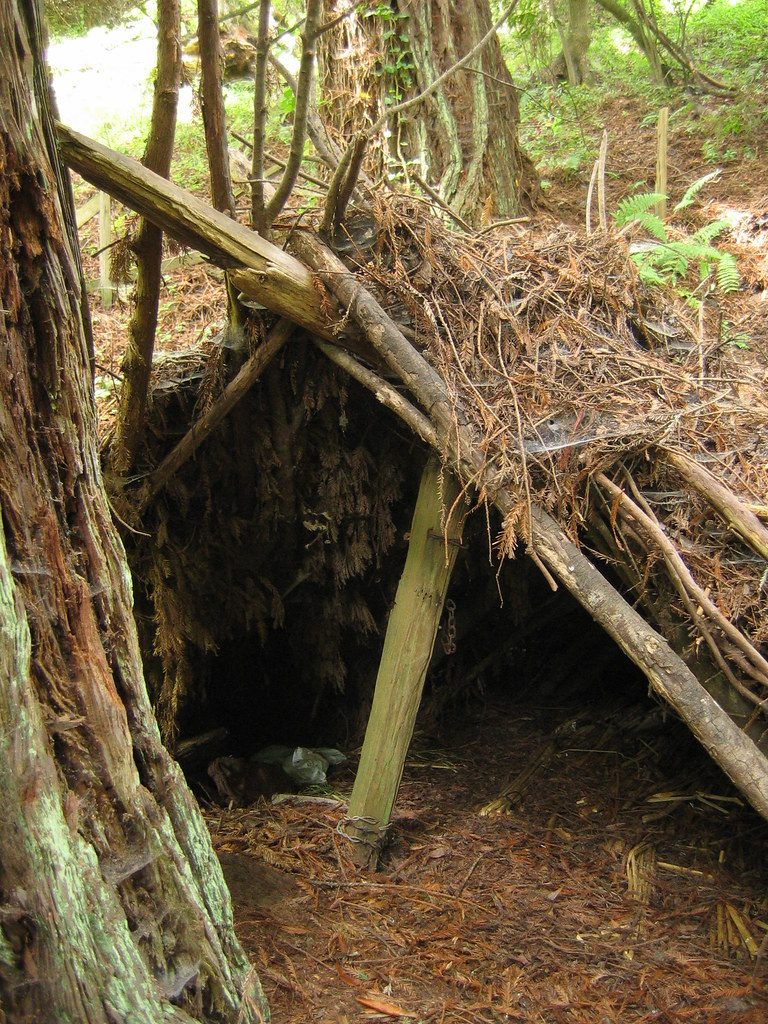
An A-frame branch shelter suits Oregon’s rainy forests with a steep design that directs water away from the interior. Sturdy branches form the central frame, while thick layers of fir boughs or leaves add insulation and drainage. The angled roof prevents pooling and helps retain warmth. Its simple shape blends well with forest surroundings and performs reliably in persistent moisture.
Lean-To with Rain Baffle
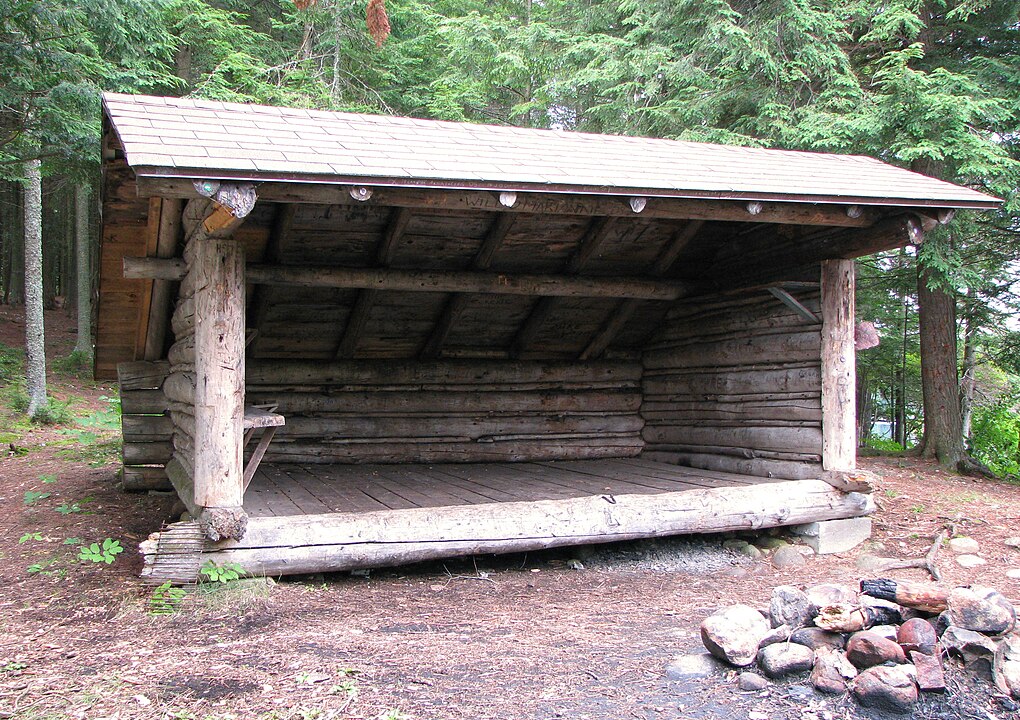
A lean-to with a rain baffle offers open access while improving rain control in damp environments. A strong support beam anchors the roof, which angles downward to divert rainfall efficiently. A secondary baffle can be added to slow heavy runoff. The open front works well near a sheltered fire area, allowing warmth to enter while keeping precipitation outside.
Debris Hut
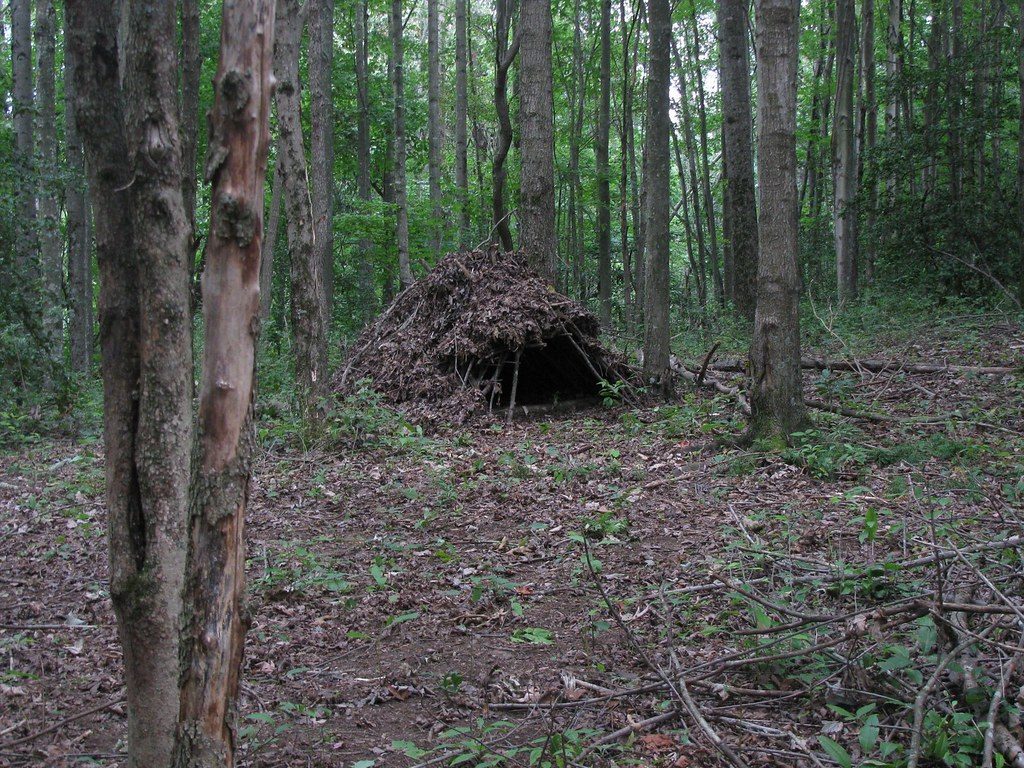
A debris hut uses forest litter to build a compact, insulated structure suited to Oregon’s cool, wet climate. A central ridge pole creates the main frame, which is then covered with branches, moss, and deep layers of leaves. When built thick enough, the debris provides significant warmth and moisture resistance. Its small interior helps maintain heat on cold, rainy nights.
Elevated Platform Shelter
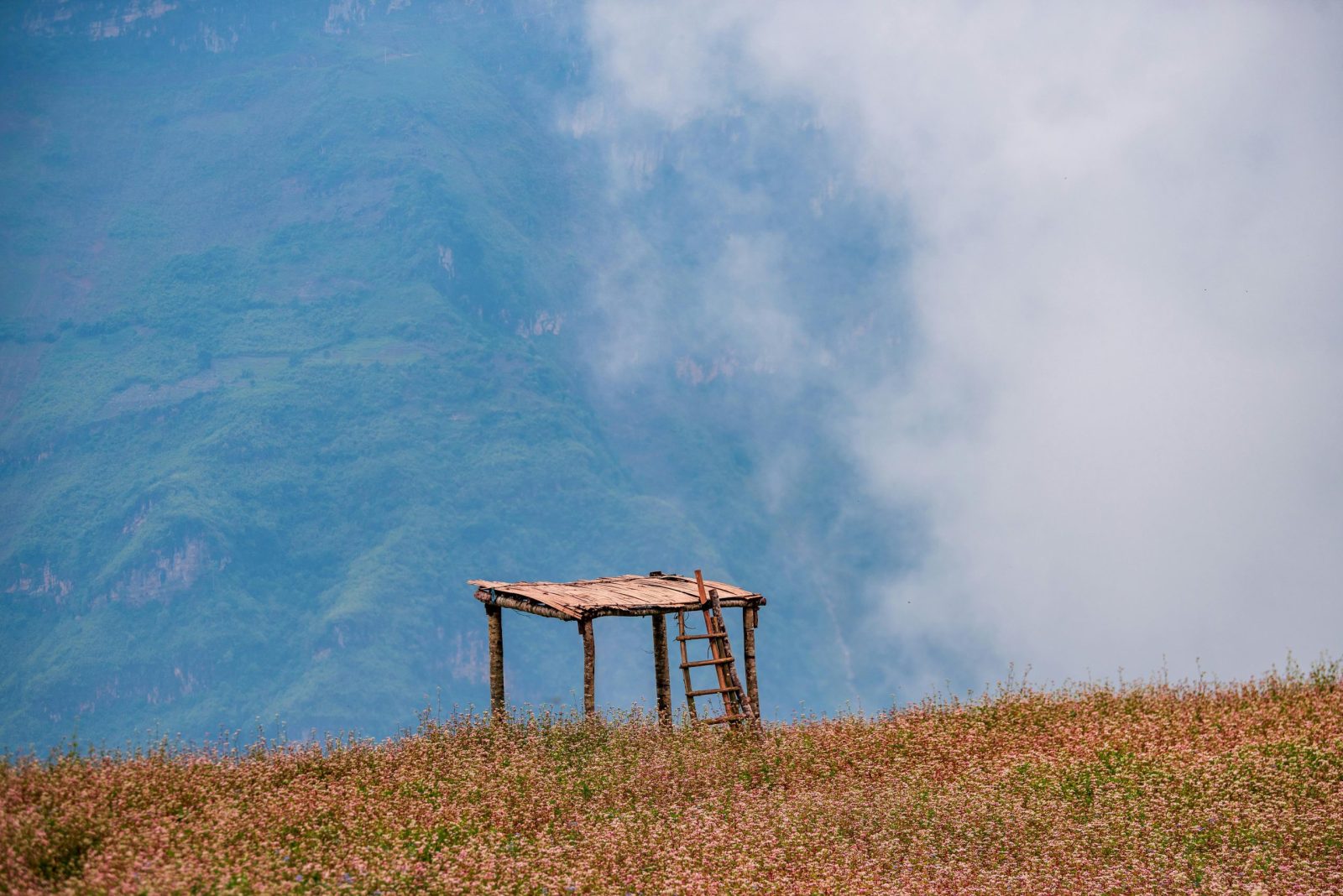
An elevated platform shelter lifts the sleeping area above saturated ground, reducing the effects of moisture seeping upward. Logs or sturdy branches create a raised base, topped with brush for cushioning. A lightweight roof made from bark panels or broad leaves completes the setup. Elevation keeps bedding dry and improves airflow in consistently wet conditions.
Wicki-Up Style Dome
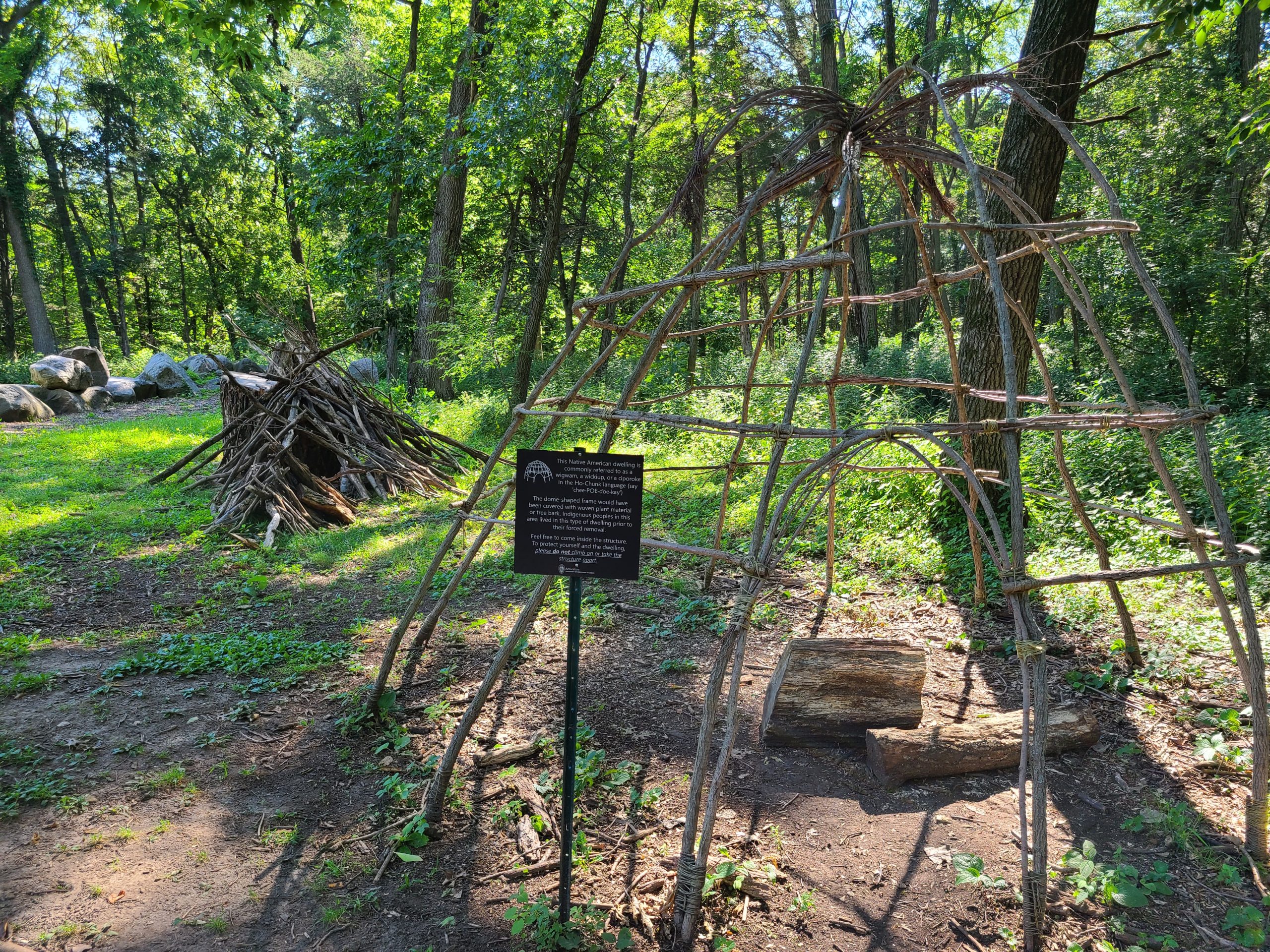
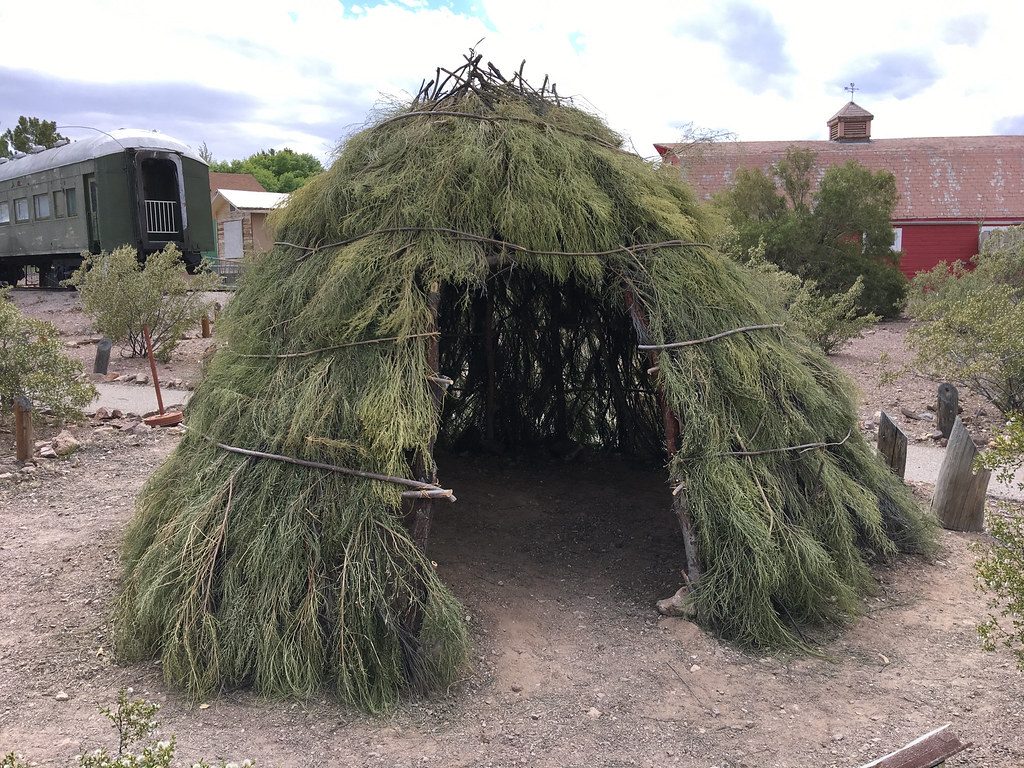
A wicki-up style dome forms a strong, rounded structure that handles rain effectively. Flexible poles bent into a circular frame support layers of vegetation, bark, or woven mats. The curved shape promotes even weight distribution and efficient water runoff. This style remains stable across shifting weather and suits Oregon’s humid, evergreen-covered landscapes.
Split-Roof Shelter
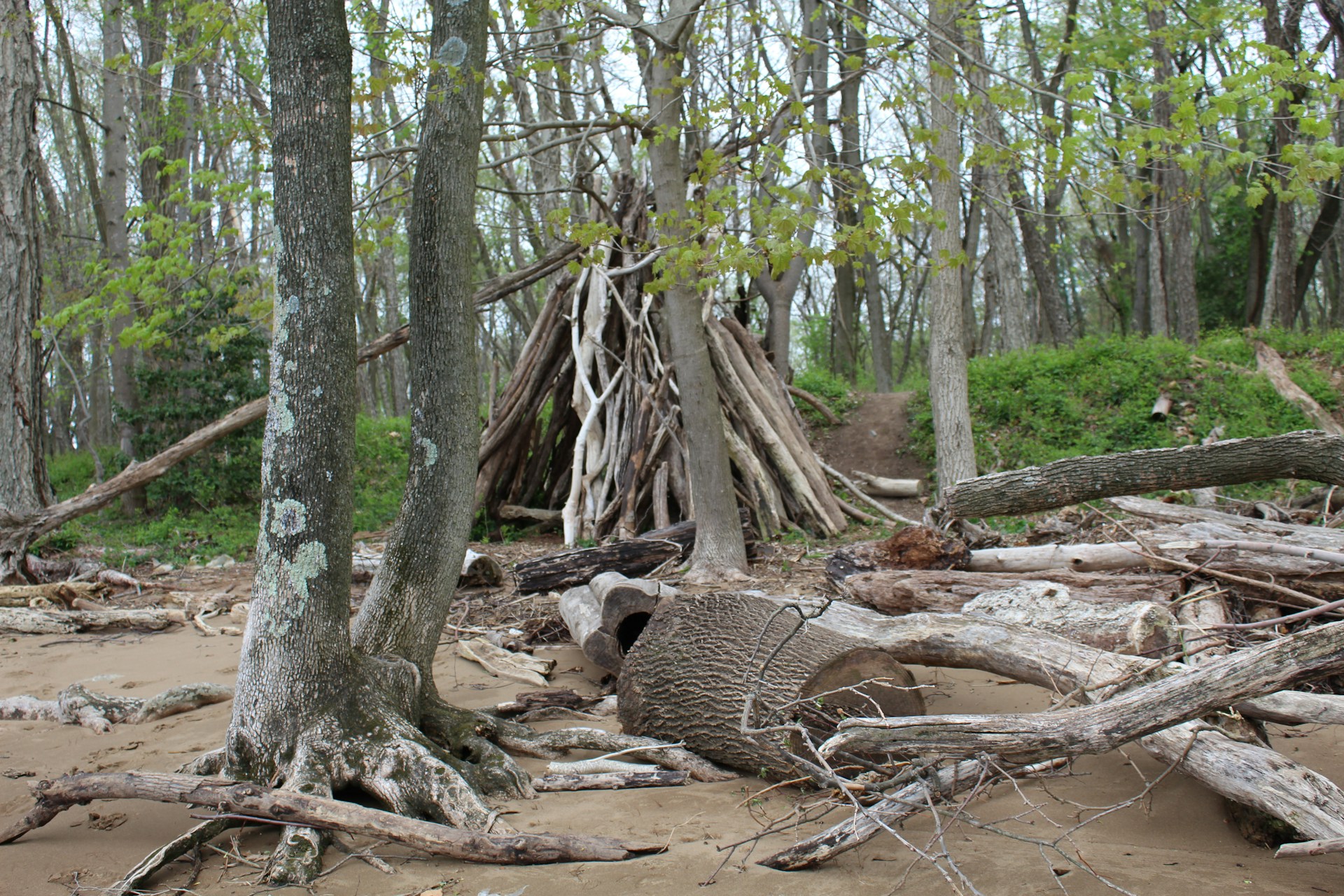
A split-roof shelter features two angled roof sections that meet at a central ridge, creating dependable runoff during heavy rain. The divided design reduces sagging and ensures drainage even when materials become saturated. Fireboughs or bark sheets improve insulation and water resistance. The structure provides interior space without trapping excess condensation.
Tree Well Lean Shelter
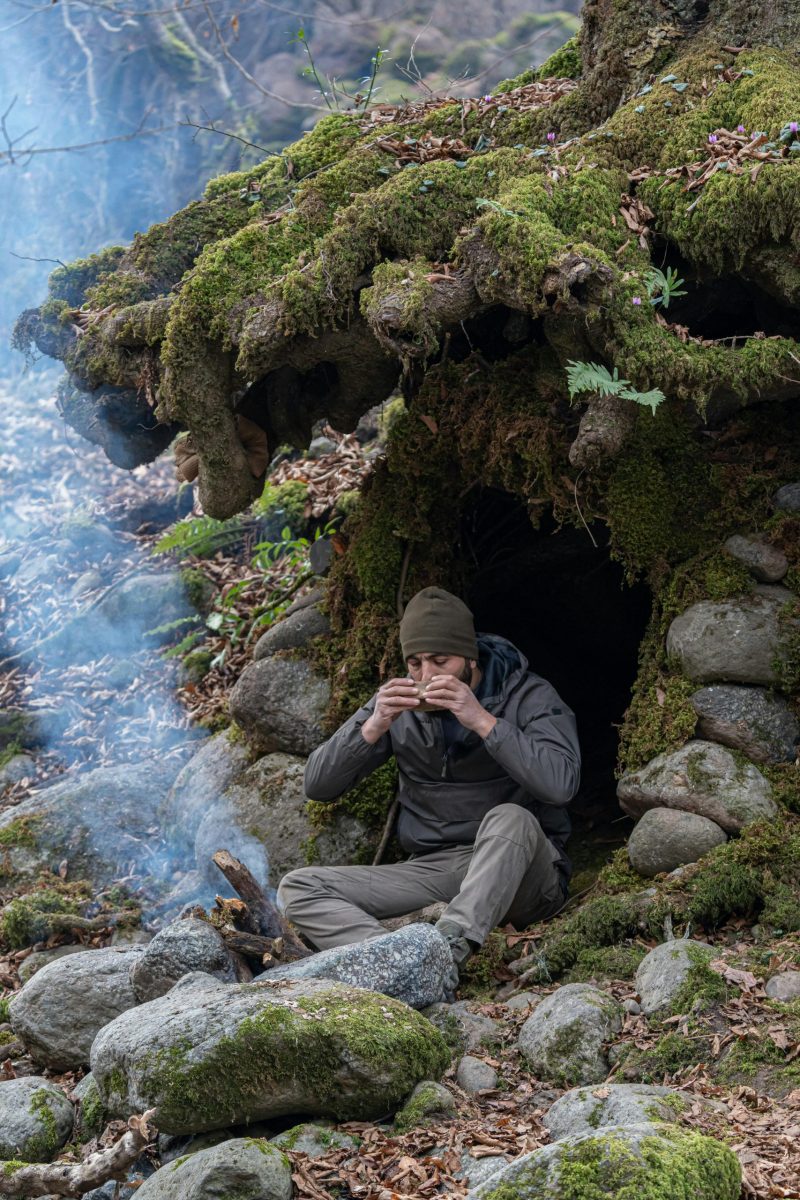
A tree well lean shelter uses the naturally protected ground found at the base of large evergreens. These areas often stay drier due to thick branches overhead. Adding a sloped roof of branches and debris expands the shelter while preserving natural coverage. The surrounding tree canopy offers wind protection and reduces the impact of rainfall.
Bark Sheet Shelter
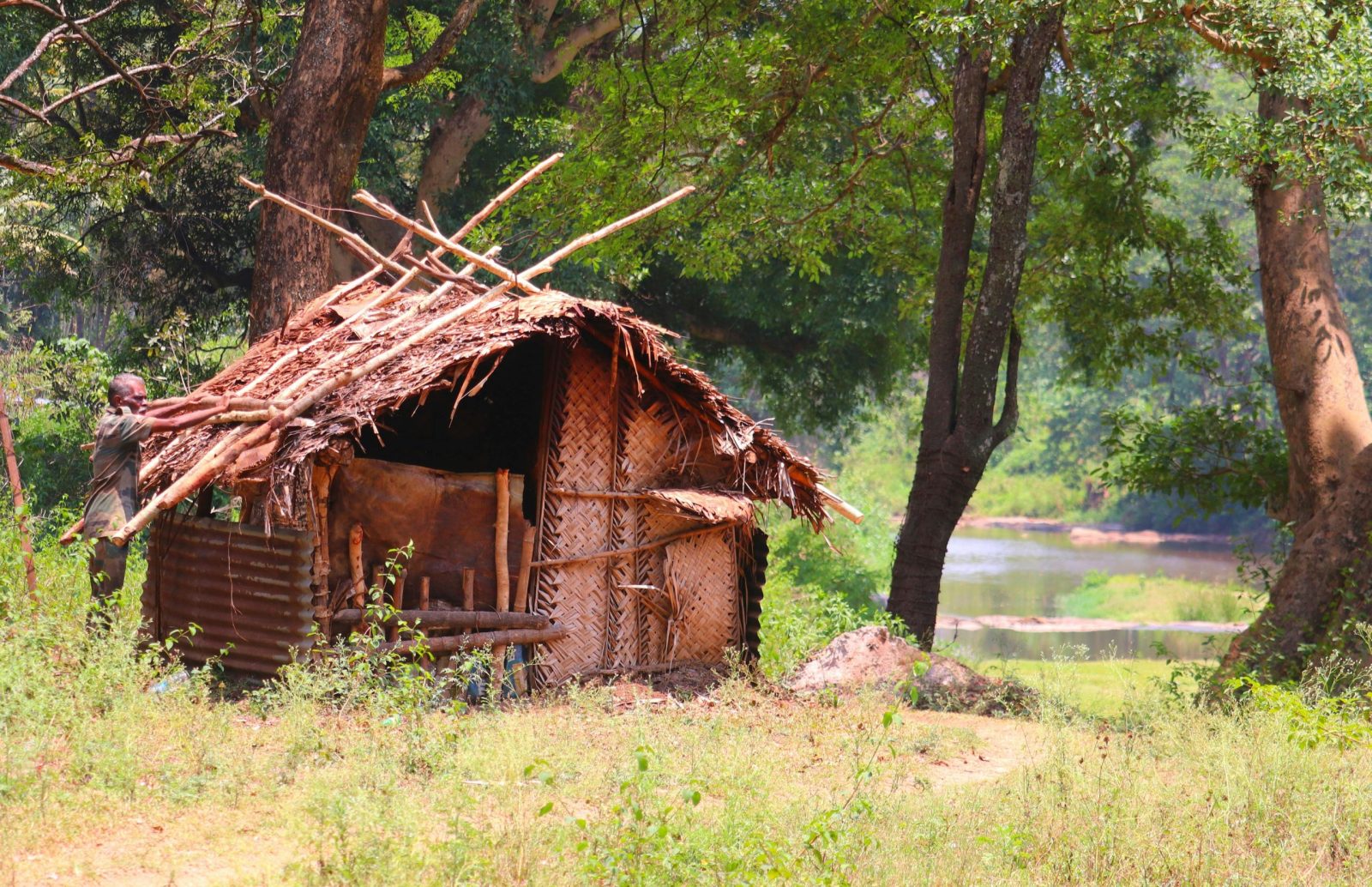
A bark sheet shelter takes advantage of large pieces of fallen cedar or fir bark, which naturally resist moisture. Leaning bark slabs against a central support create strong walls that repel rain effectively. Additional layers increase insulation and durability. Oregon’s forests frequently provide suitable bark, making this shelter both practical and long-lasting.