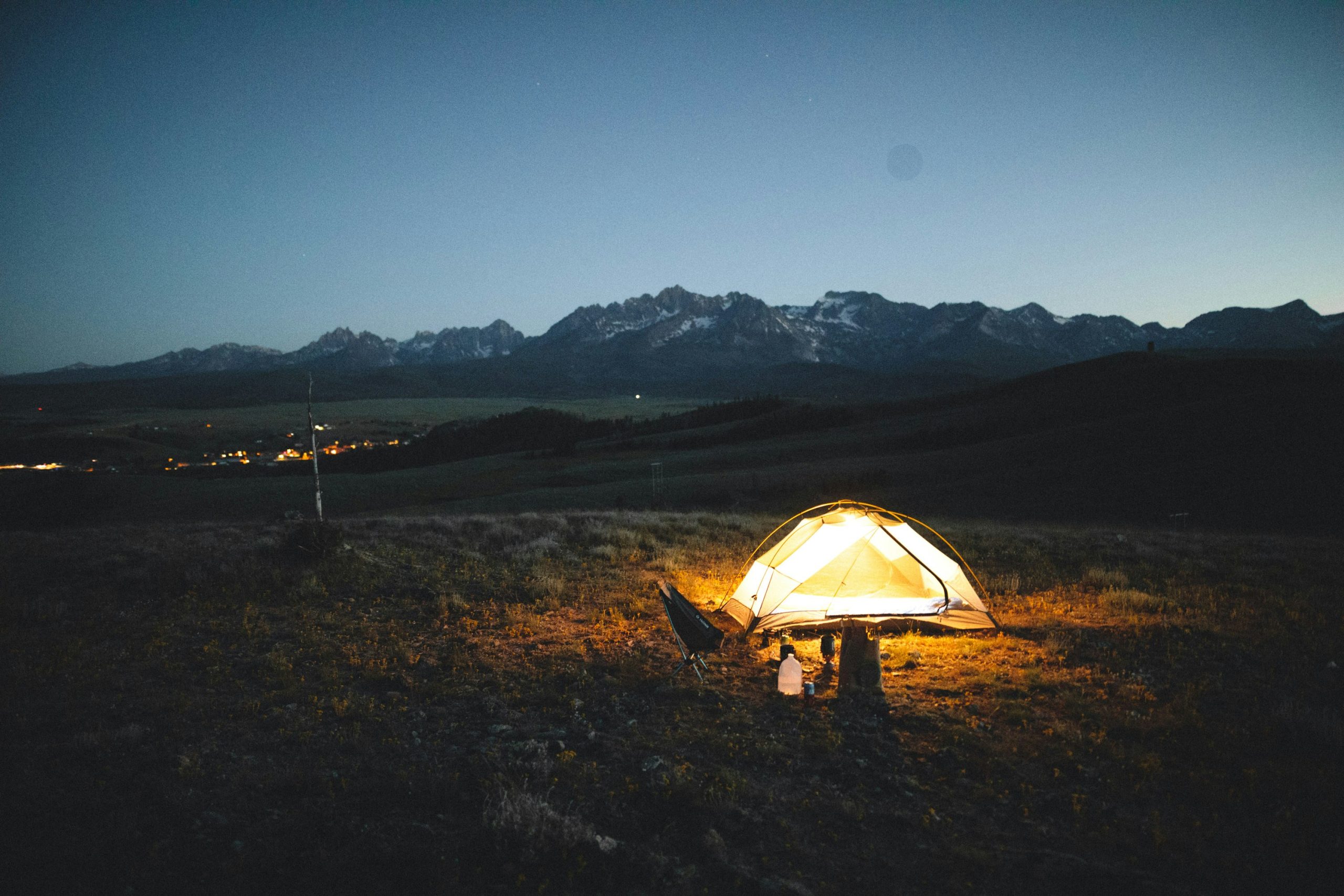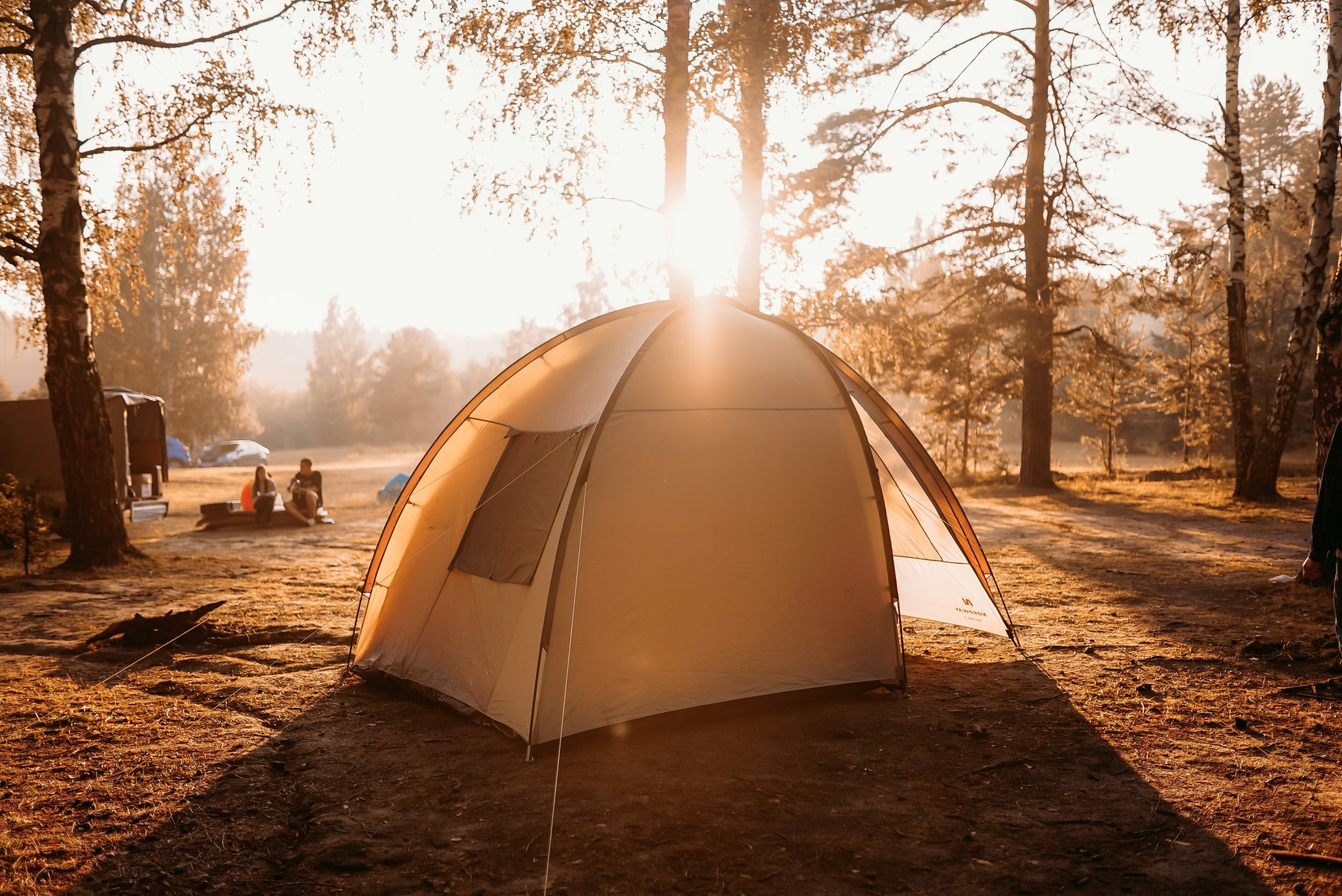
Camping feels like freedom, but the outdoors is still governed by laws that many campers never realize exist. These rules vary by state, park, and land type, and breaking them can result in fines, eviction, or even criminal charges. What makes these laws tricky is that many seem harmless or common sense to ignore. Things like where you pitch a tent, how you handle firewood, or even how you use light at night can quietly put you on the wrong side of regulations. Understanding these lesser-known camping laws helps protect natural spaces, wildlife, and other campers while also saving you from expensive surprises. Below are eight bizarre but very real camping laws that many people break without realizing it.
1. Sleeping in Your Car Is Not Always Legal
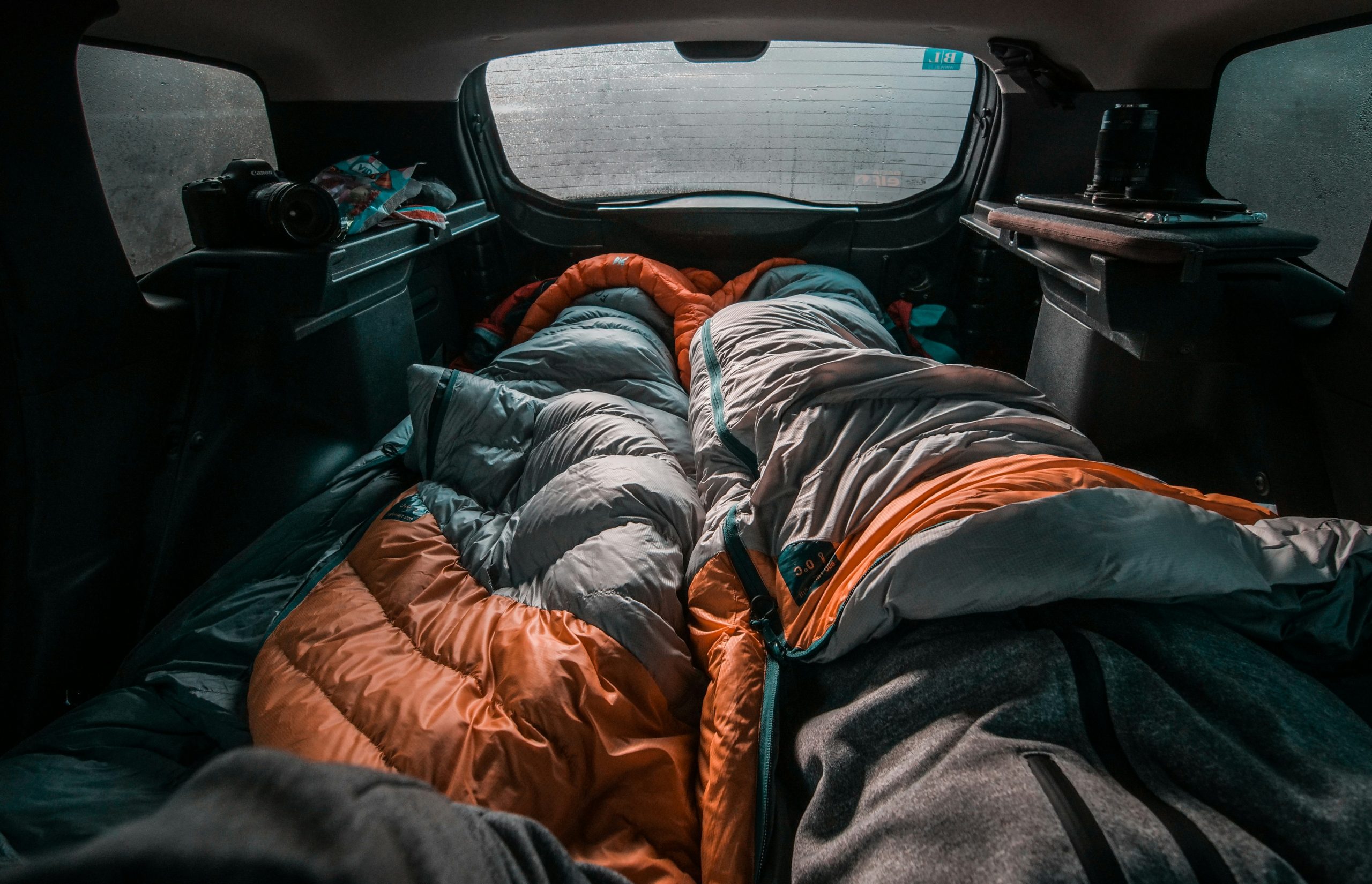
Many campers assume sleeping in a vehicle is allowed anywhere parking is permitted. In reality, many states, cities, and parks restrict overnight vehicle sleeping. Some areas classify it as illegal lodging, while others enforce anti-loitering or public safety ordinances. National parks often allow it only in designated campgrounds. Even rest areas may limit how long you can stay. Rangers and local police regularly issue fines for violations. Experienced campers research overnight parking laws before arriving. Assuming your car counts as a legal shelter can result in tickets or forced relocation late at night.
2. Collecting Firewood Can Be Illegal
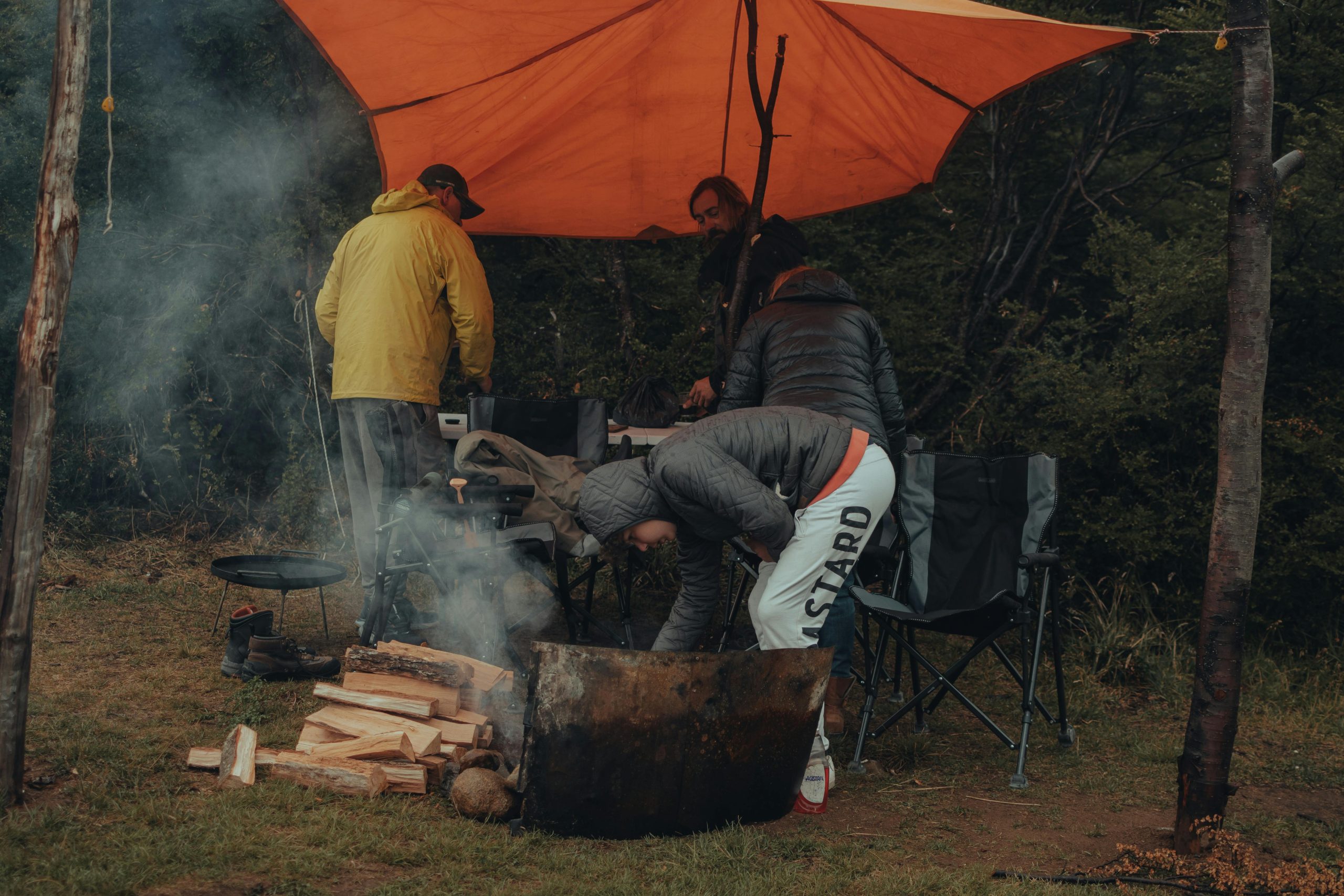
Grabbing fallen branches feels natural, but many parks prohibit collecting wood. Deadwood provides habitat for insects and nutrients for soil. Removing it can damage ecosystems. Some parks require campers to buy approved firewood to prevent invasive pests from spreading. Transporting wood across state lines is often illegal. Rangers enforce these rules strictly. Campers caught gathering wood may face fines even if the wood looks abandoned. Always check local firewood regulations before starting a fire.
3. Camping Too Close to Water Is Often Prohibited
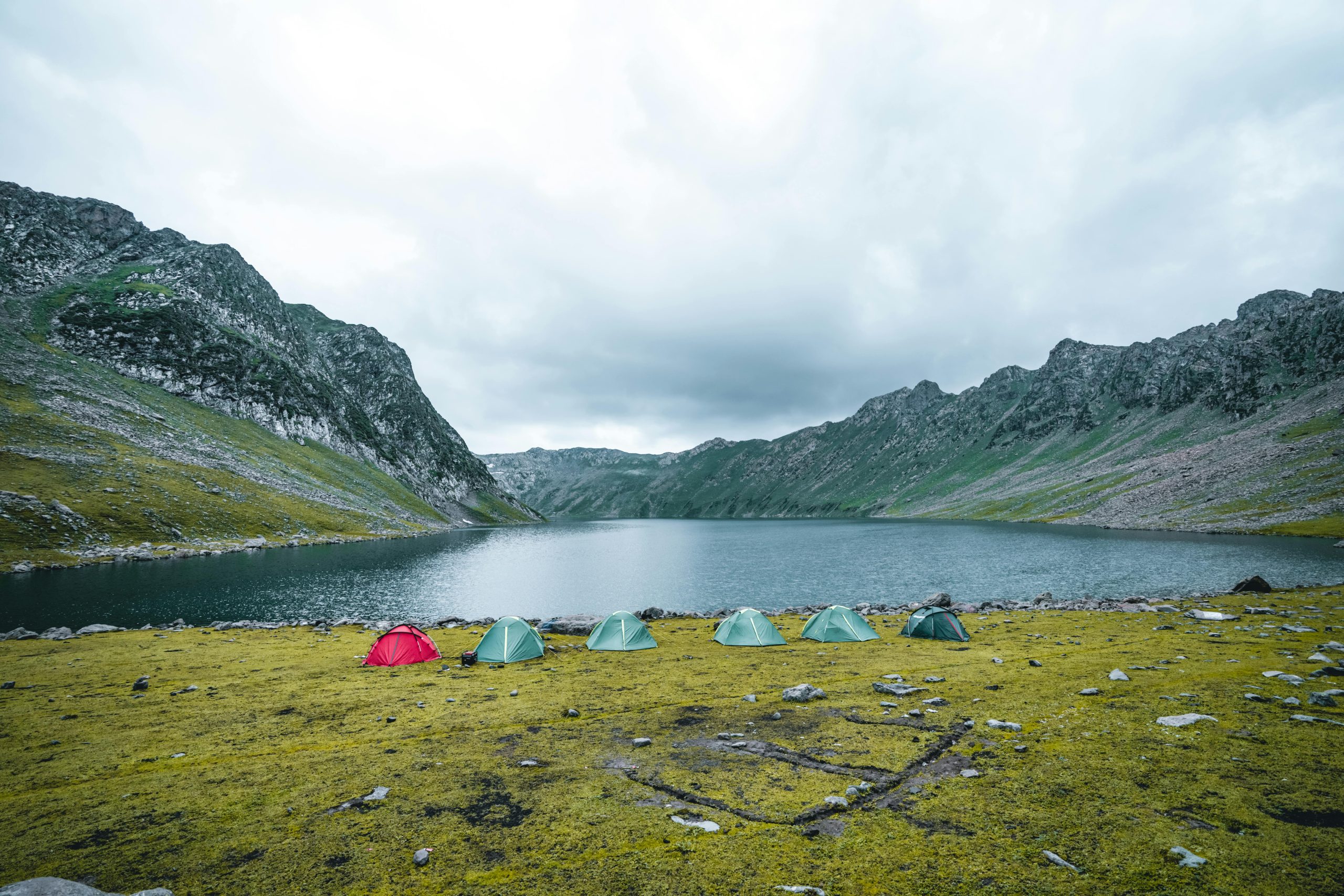
Many campers love setting up tents near lakes or rivers. However, laws often require camping a specific distance from water sources. This protects water quality, wildlife paths, and erosion control. Violating setback rules can lead to citations or eviction from campsites. Even dispersed camping areas enforce distance requirements. Campers who ignore these rules risk contaminating water and attracting animals. Measuring distance before setting up camp prevents legal trouble and environmental harm.
4. Feeding Wildlife Is a Serious Offense

Feeding animals may seem kind, but it is illegal in most parks. Wildlife that associates humans with food becomes aggressive and dangerous. Laws strictly prohibit feeding birds, squirrels, deer, and larger animals. Even leaving food scraps accessible counts as feeding. Fines can be substantial, especially in national parks. Proper food storage is legally required in many areas. Ignoring this law endangers both animals and campers.
5. Noise Laws Apply Even in the Wilderness
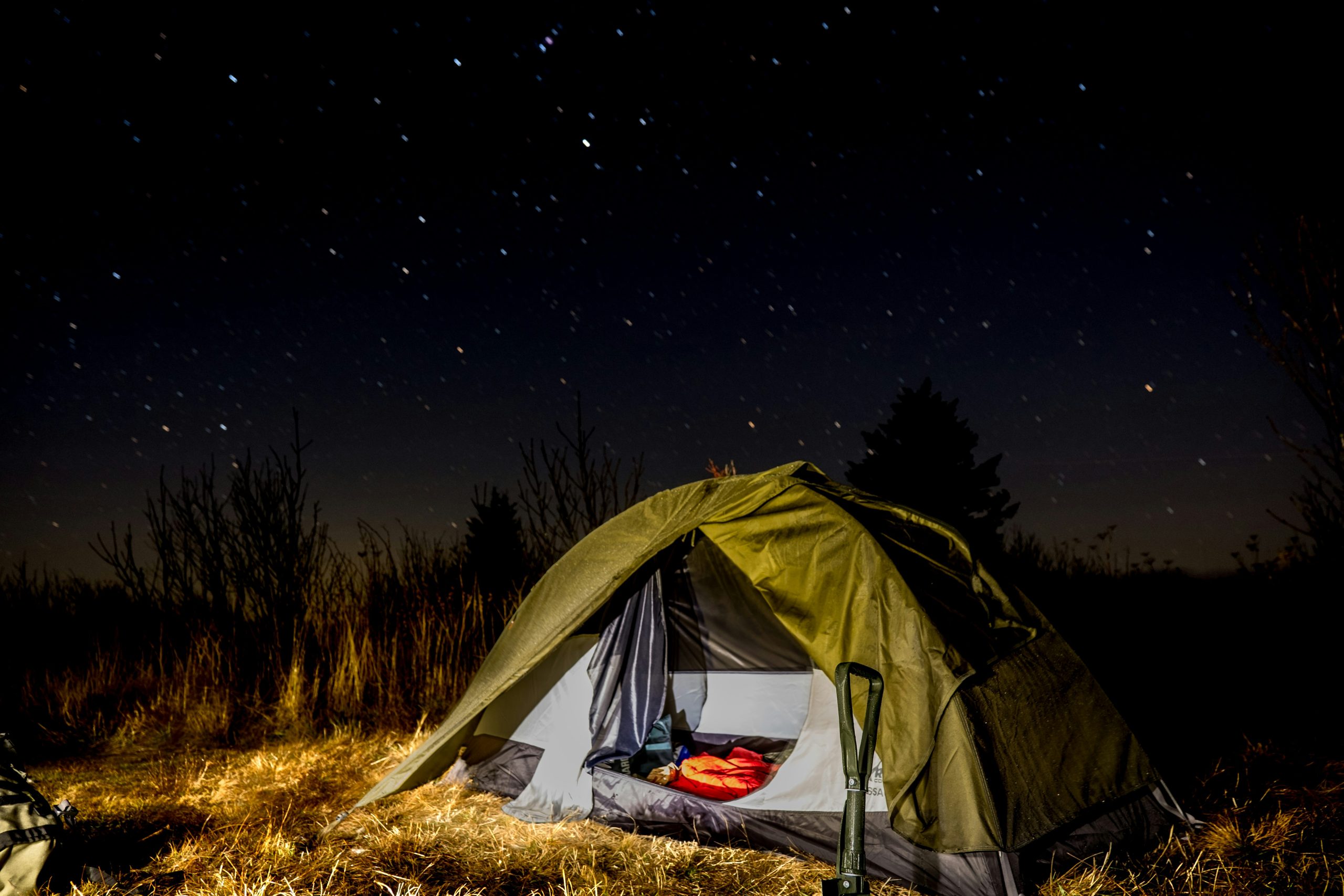
Many campers believe noise rules disappear in remote areas. Quiet hours are enforced in most campgrounds and public lands. Excessive noise can result in fines or removal. Sound travels far in nature, disturbing wildlife and other campers. Generators, loud music, and shouting often violate regulations. Rangers frequently patrol for noise complaints. Respecting quiet hours is both courteous and legally required.
6. Improper Waste Disposal Is Illegal
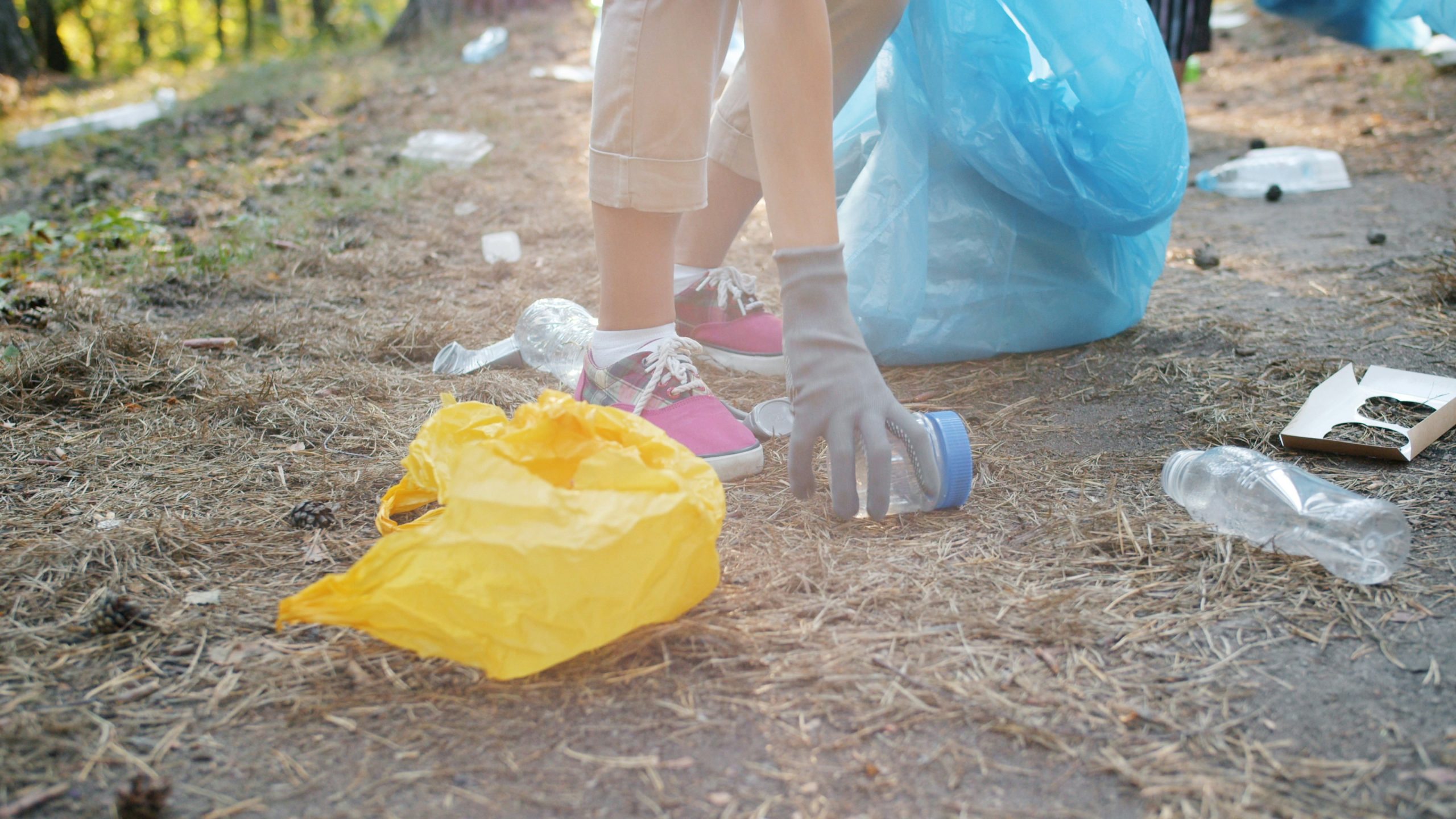
Dumping gray water or burying trash is illegal in many camping areas. Waste must be disposed of in designated facilities. Even biodegradable waste can attract animals and contaminate soil. Laws require campers to pack out trash in many locations. Violations can result in steep fines. Leave no trace principles are often enforced by law, not just ethics.
7. Campfires Are Regulated More Than You Think
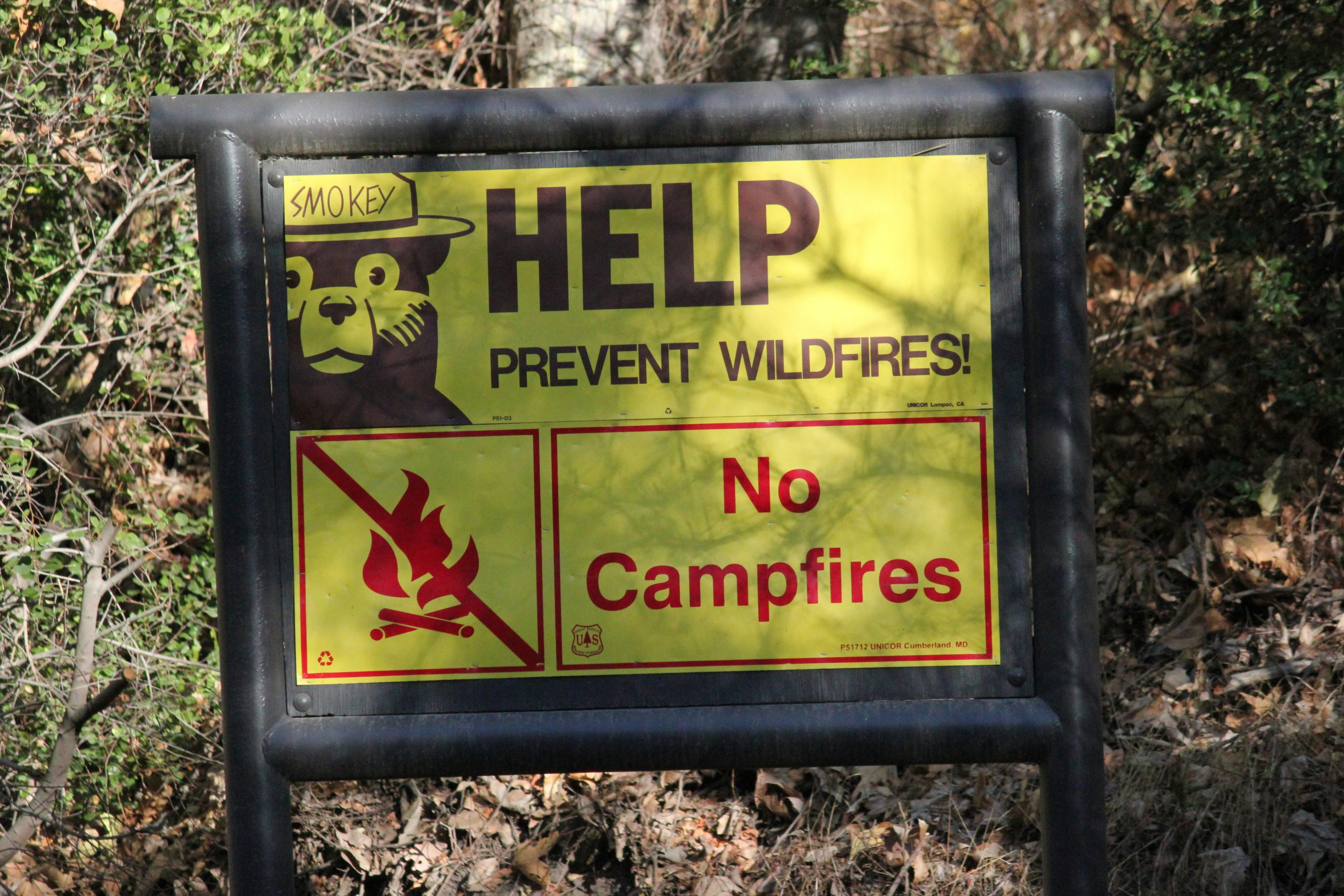
Fire restrictions change frequently based on weather and wildfire risk. Lighting a fire during a ban can lead to criminal charges. Even using the wrong fire ring can be illegal. Some areas restrict flame size or fuel type. Campers must check daily fire conditions. Assuming fires are always allowed is a dangerous mistake.
8. Using Drones Can Be Illegal While Camping
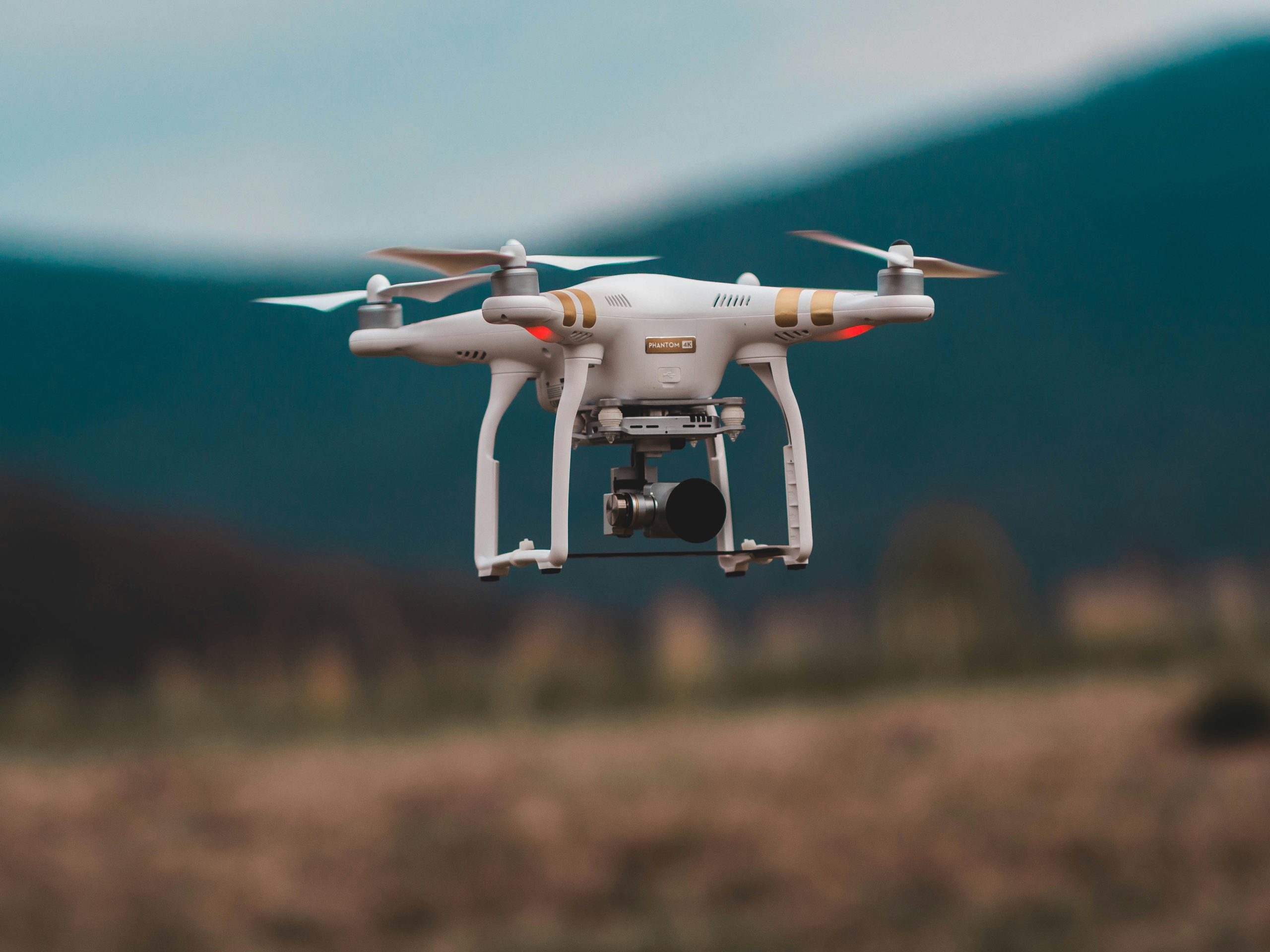
Many campers bring drones for photography, unaware that drone use is banned in most national parks and many state parks. Drones disturb wildlife and other visitors. Launching or landing drones can result in fines and confiscation. Even quiet drones are prohibited. Always check drone regulations before flying near campsites.