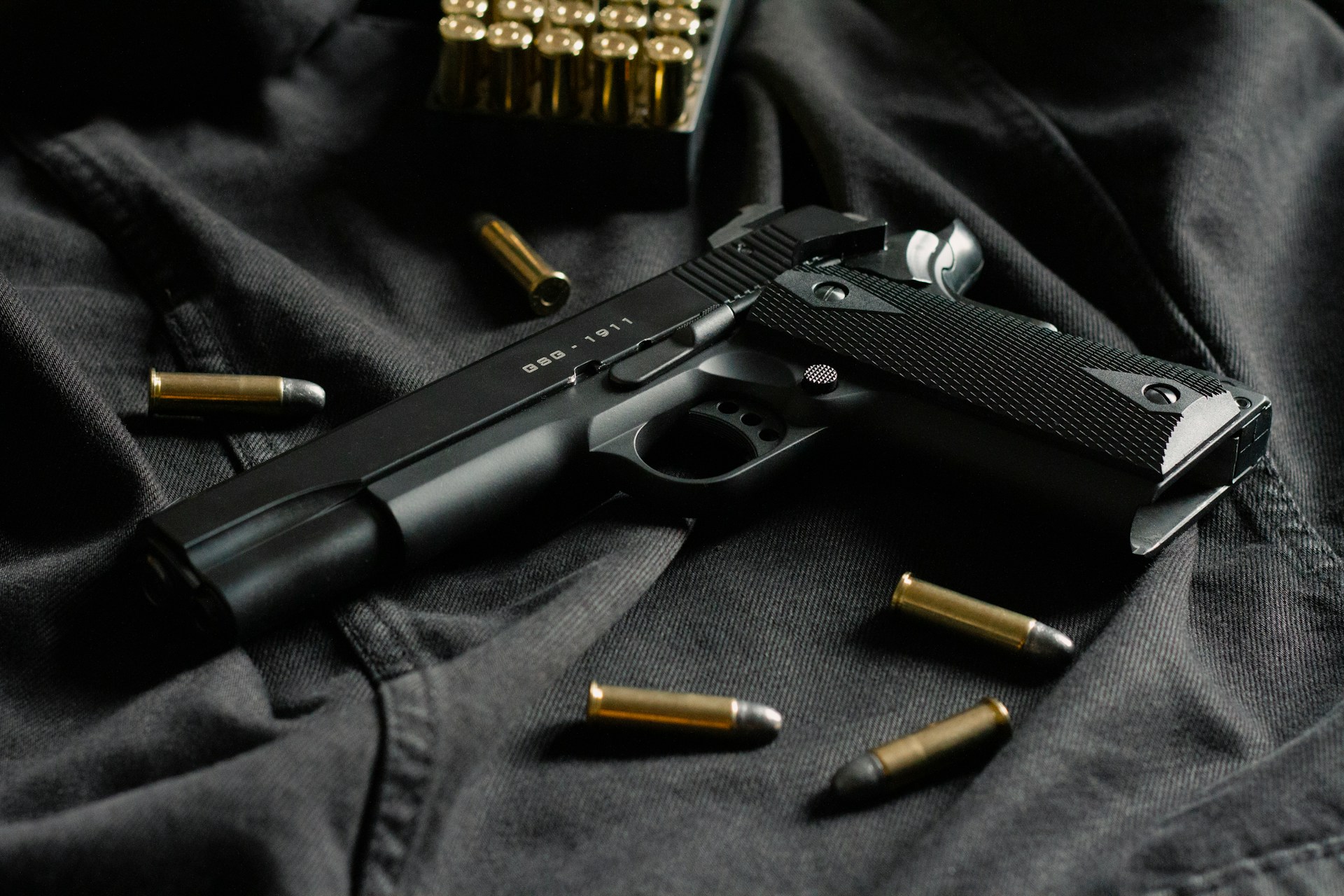
Handgun calibers can feel like alphabet soup, yet each one was developed for a particular mix of size, recoil, and real-world availability. Range shooters often notice differences in how a round handles in compact versus full-size pistols, how easy it is to find practice ammunition, and how consistently a platform runs with common loads. Local laws, supply swings, and even travel plans can also shape what ends up in a range bag. This guide looks at eight widely encountered calibers and focuses on practical comparisons, keeping the conversation centered on typical use, cost, and shooting experience rather than self-defense advice.
.22 Long Rifle
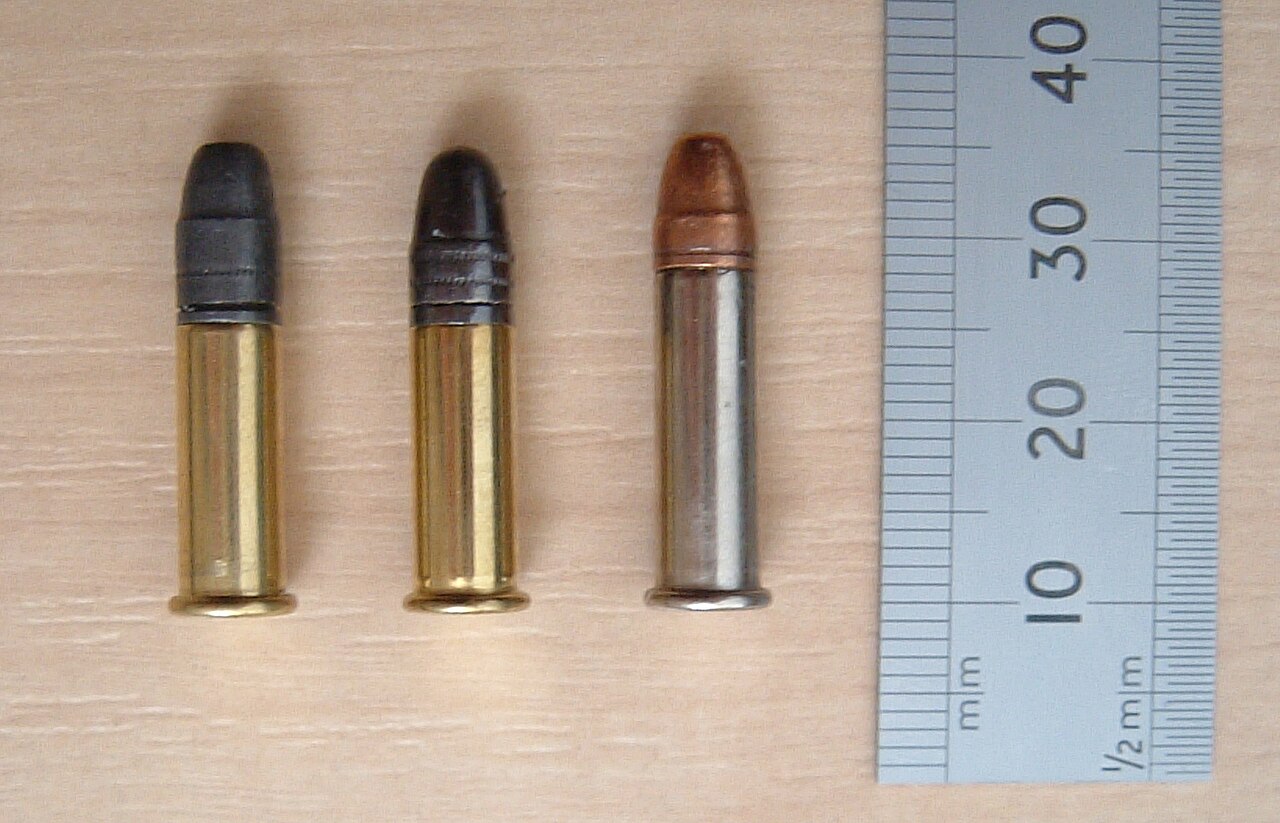
.22 Long Rifle remains one of the most common cartridges in America, largely because many shooters start with it and many ranges stock it. Recoil stays minimal in most handguns, which can help new shooters focus on sight alignment and trigger control without flinching. The round often appears in dedicated rimfire pistols and conversion kits, although reliability depends on the specific firearm and ammunition quality because rimfire priming varies. .22 LR also supports high-volume practice when supply is steady, yet shortages can still happen. Cleaning matters, since rimfire ammunition can leave noticeable residue over long sessions.
9mm Luger
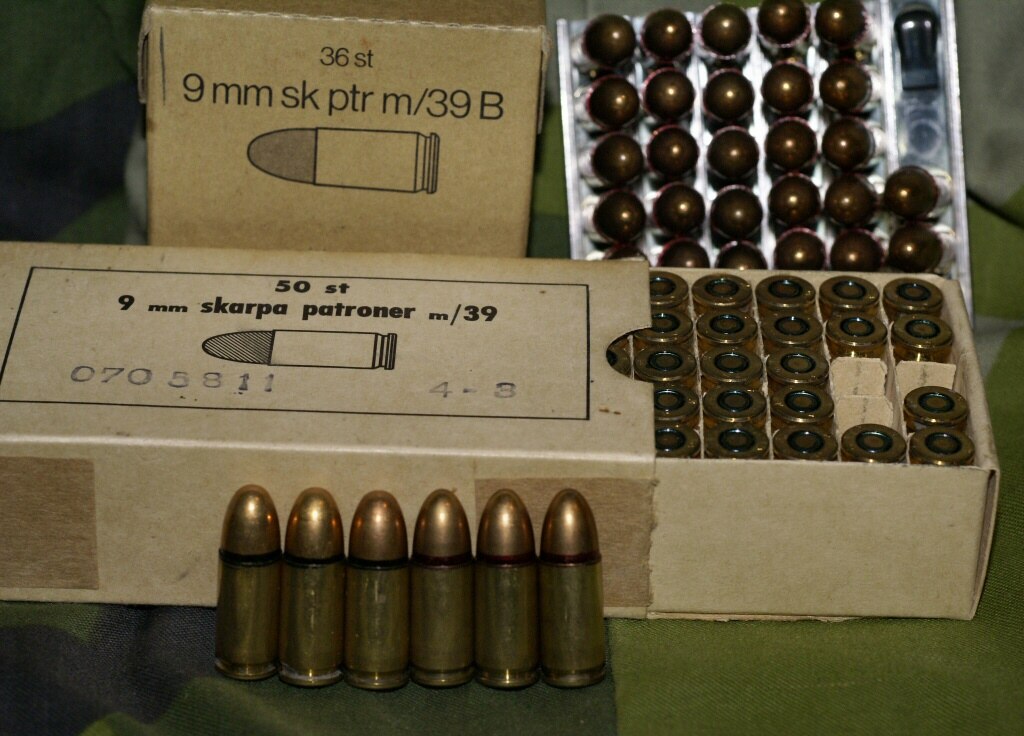
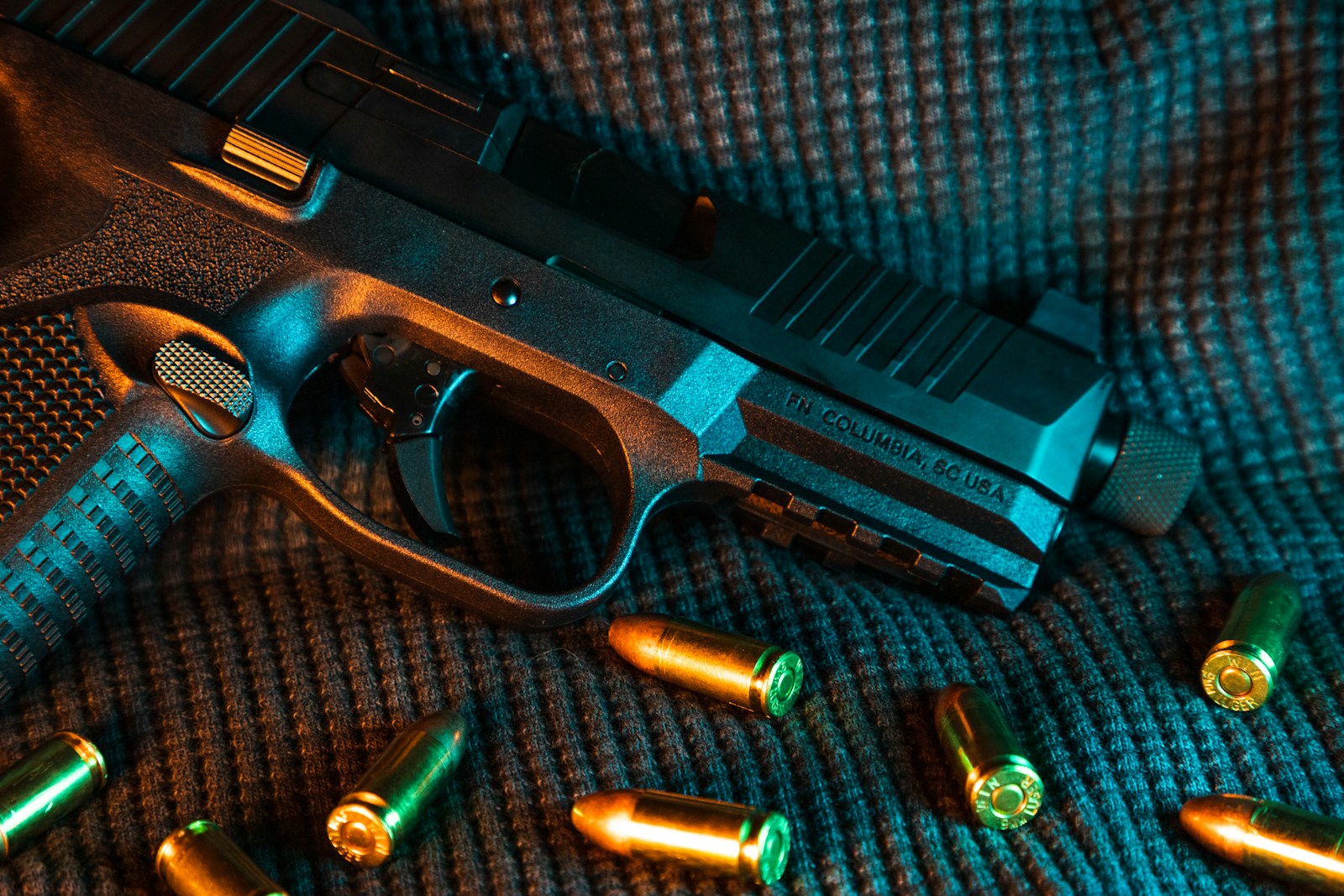
9mm Luger, also called 9×19, dominates modern handgun shelves because many service pistols and compact carry models chamber it. Ammunition availability tends to be broad compared with many alternatives, which can make it easier to keep a consistent practice routine across different ranges. Recoil feels moderate for many shooters, though it depends heavily on firearm weight and grip design, with smaller pistols often feeling snappier. The caliber’s popularity also means many training classes and rental counters standardize around it. For comparison shopping, it helps that most brands offer multiple load types and price points.
.380 ACP
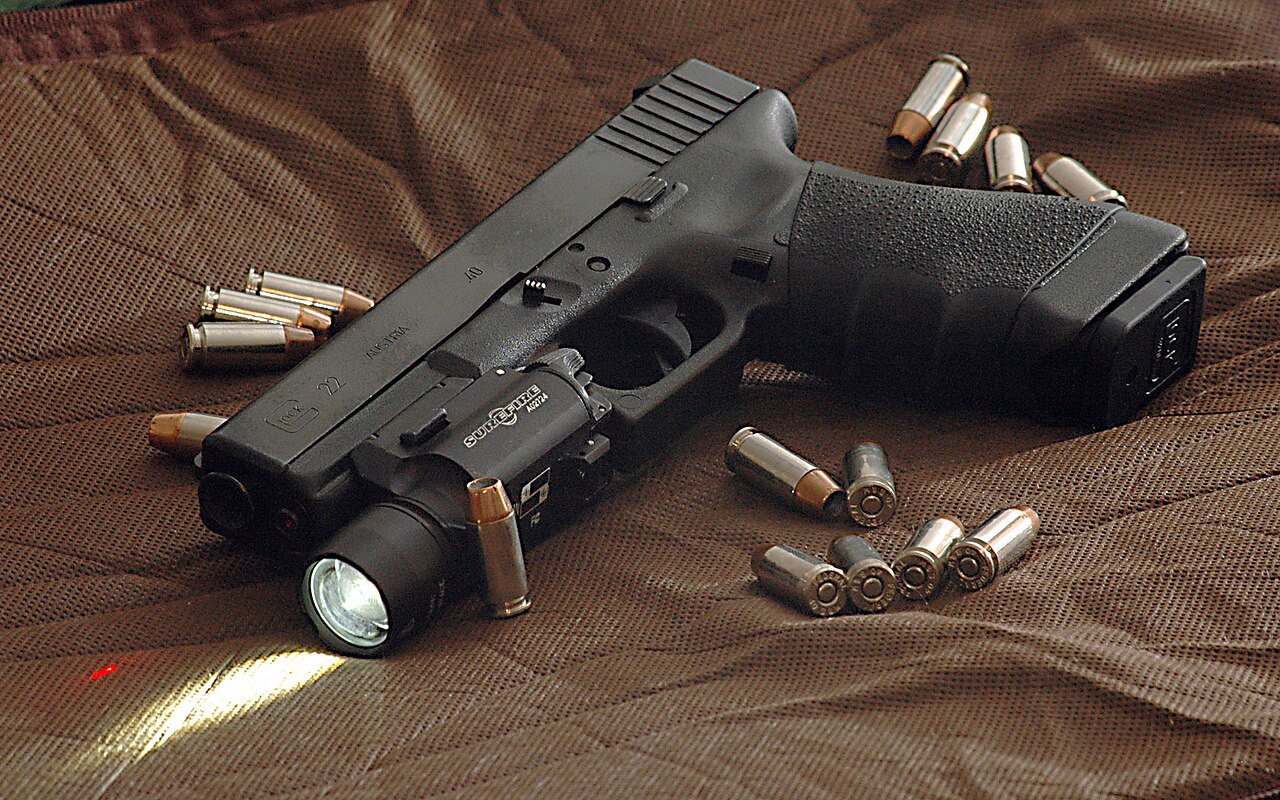
.380 ACP often shows up in compact pistols built for convenience and light weight, and that smaller size shapes the shooting experience. While the cartridge generally produces less recoil than 9mm in similar gun weights, tiny pistols can still feel sharp due to limited grip area and short barrels. Ammunition can cost more than 9mm in many markets, and availability may fluctuate depending on local demand. Many shooters appreciate that .380 pistols can be easy to pack and simple to operate, yet practice remains important because small sights and short sight radius can challenge accuracy at distance.
.38 Special
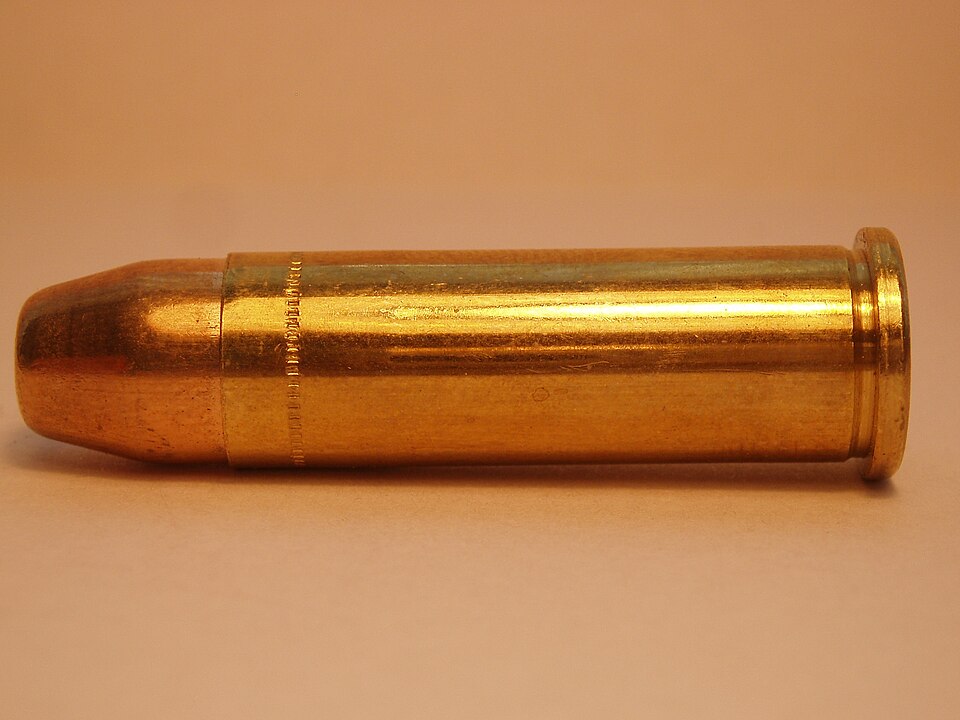
.38 Special remains closely associated with revolvers, and its long history keeps a wide range of load options on the market. In steel-frame revolvers, recoil can feel mild to moderate, while lighter snub-nose models can make the same cartridge feel noticeably livelier. The caliber also offers a straightforward introduction to revolver operation, including double-action trigger control and cylinder loading routines. Ammunition availability is usually steady, though prices vary by brand and bullet style. Because many revolvers also chamber .357 Magnum, some owners choose .38 Special for regular practice due to its softer shooting characteristics.
.357 Magnum
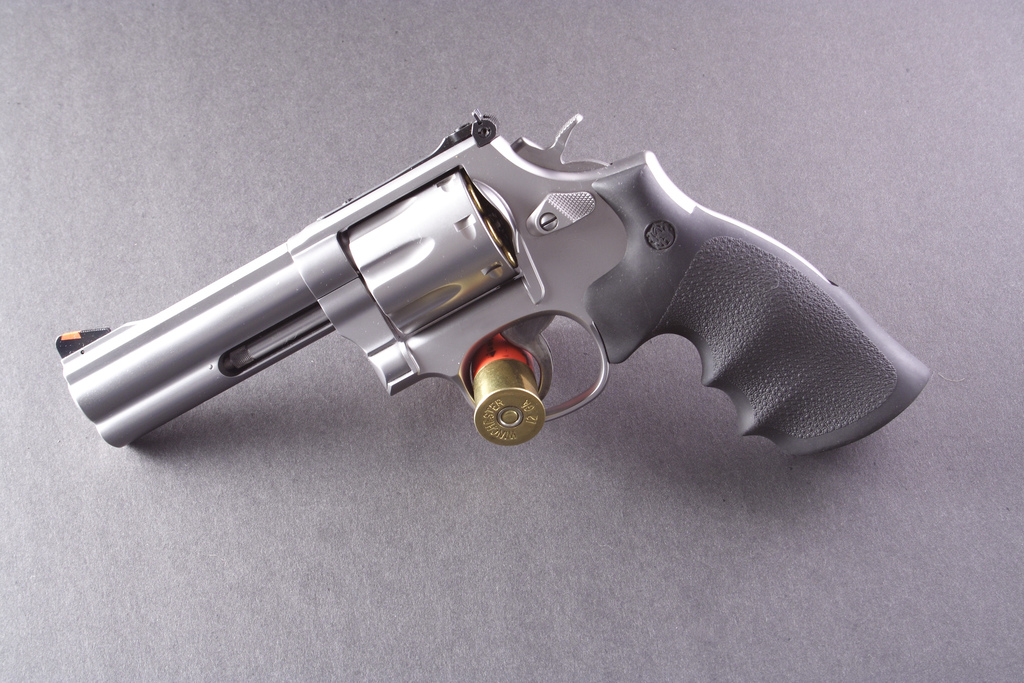
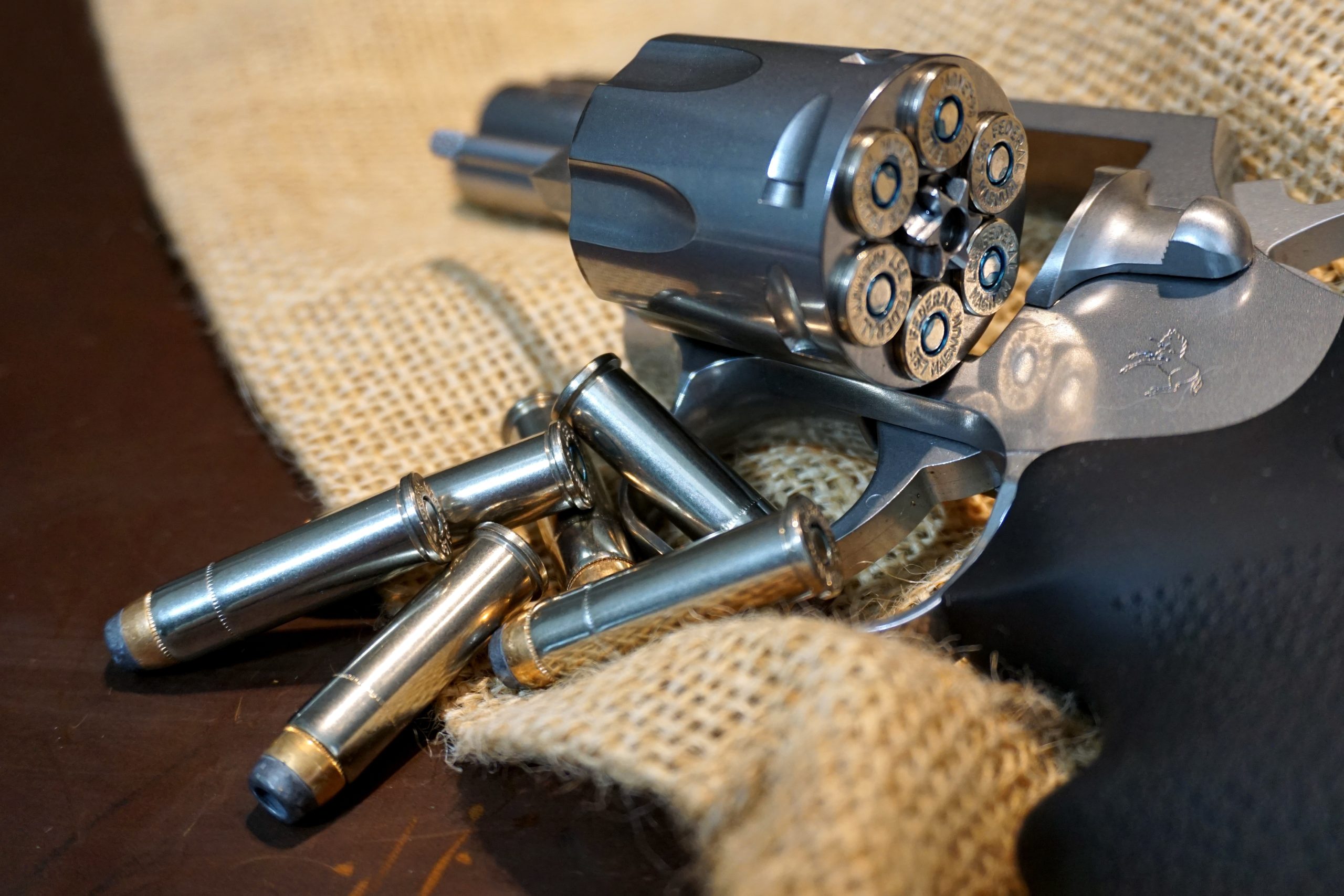
.357 Magnum is another revolver staple, known for high performance and a distinct recoil and blast signature, especially from shorter barrels. In medium or large revolvers, many shooters find it manageable, yet lightweight frames can make it feel intense and fatiguing over long strings. Ammunition cost often runs higher than .38 Special, and the louder report can affect comfort, making good hearing protection essential. A practical advantage is flexibility, since many .357 Magnum revolvers also fire .38 Special, letting owners tailor practice intensity. For range routines, the caliber rewards firm grip technique and deliberate pacing between shots.
.40 S&W
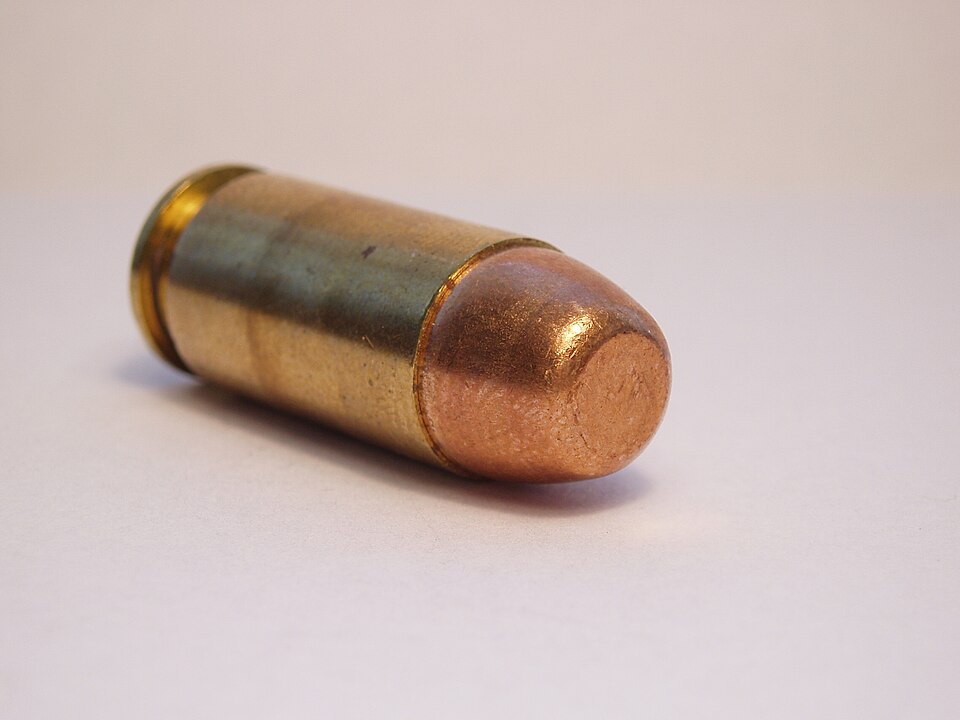
.40 S&W became widely adopted in law enforcement for years, and it still appears in many full-size duty pistols and used-market bargains. Shooters often describe its recoil as snappy compared with 9mm, particularly in compact frames, which can influence comfort during long practice sessions. Ammunition pricing varies by region, and some stores stock it less heavily than 9mm, though it remains common. Many platforms that once dominated the market in .40 now have 9mm siblings, so caliber choice can shape magazine capacity, parts availability, and training resources. The round can feel rewarding for those who like a stronger impulse.
.45 ACP
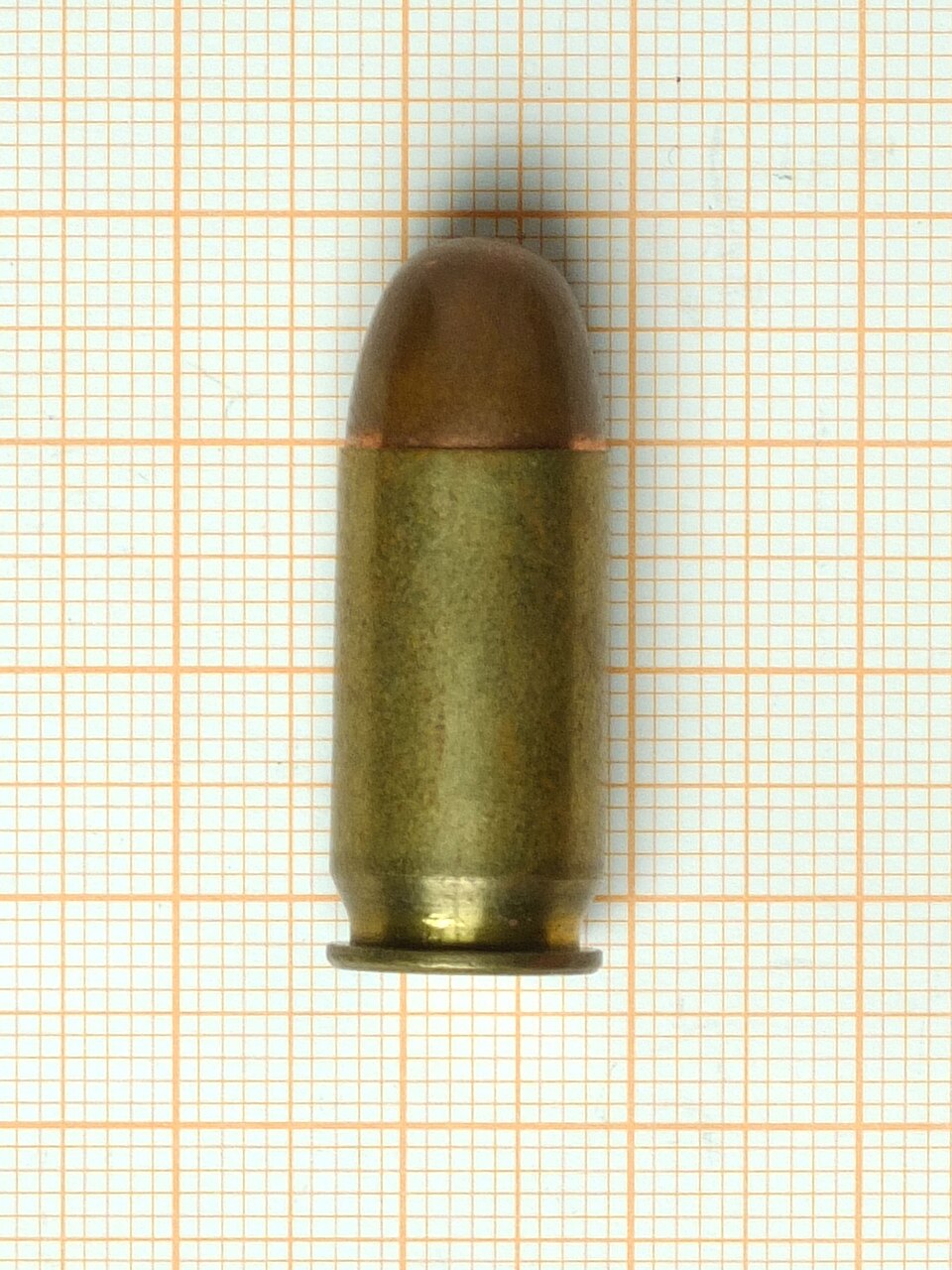
.45 ACP carries a classic reputation tied to long-running pistol designs, and many shooters notice its slower, heavier recoil pulse compared with sharper calibers. In full-size pistols, the cartridge can feel surprisingly controllable, while compact .45 models can feel more demanding due to lighter weight and shorter grips. Ammunition typically costs more than 9mm, which can limit high-volume practice for some budgets. Still, availability remains decent at many retailers because of its popularity and history. The caliber also influences firearm dimensions, since double-stack designs often get wider to accommodate larger cartridges. Comfort often improves with a good grip fit and consistent technique.
10mm Auto
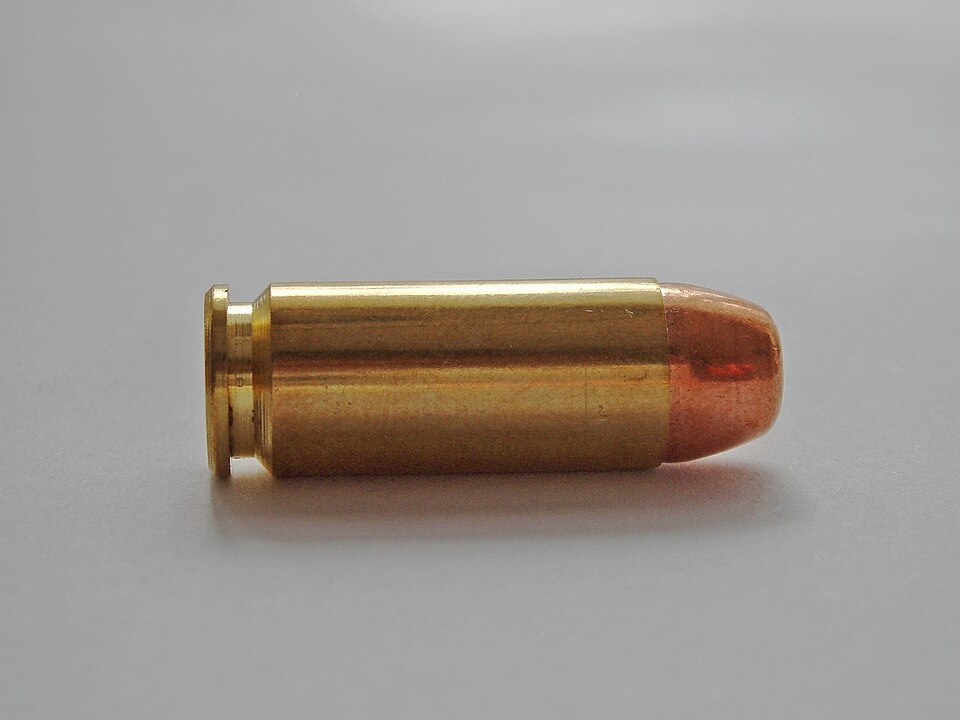
10mm Auto occupies a distinct niche, offering high performance that often attracts shooters who enjoy a more powerful semiautomatic experience. Recoil varies widely because ammunition ranges from lighter practice loads to hotter offerings, so reading box labels and understanding intended use can help manage expectations. Many 10mm pistols run on larger frames, which can improve control but also add weight. Ammunition generally costs more and may be less available than mainstream rounds, depending on the region. For range days, the caliber often rewards careful pacing, strong fundamentals, and attention to reliable magazine function, since higher forces can stress marginal components.