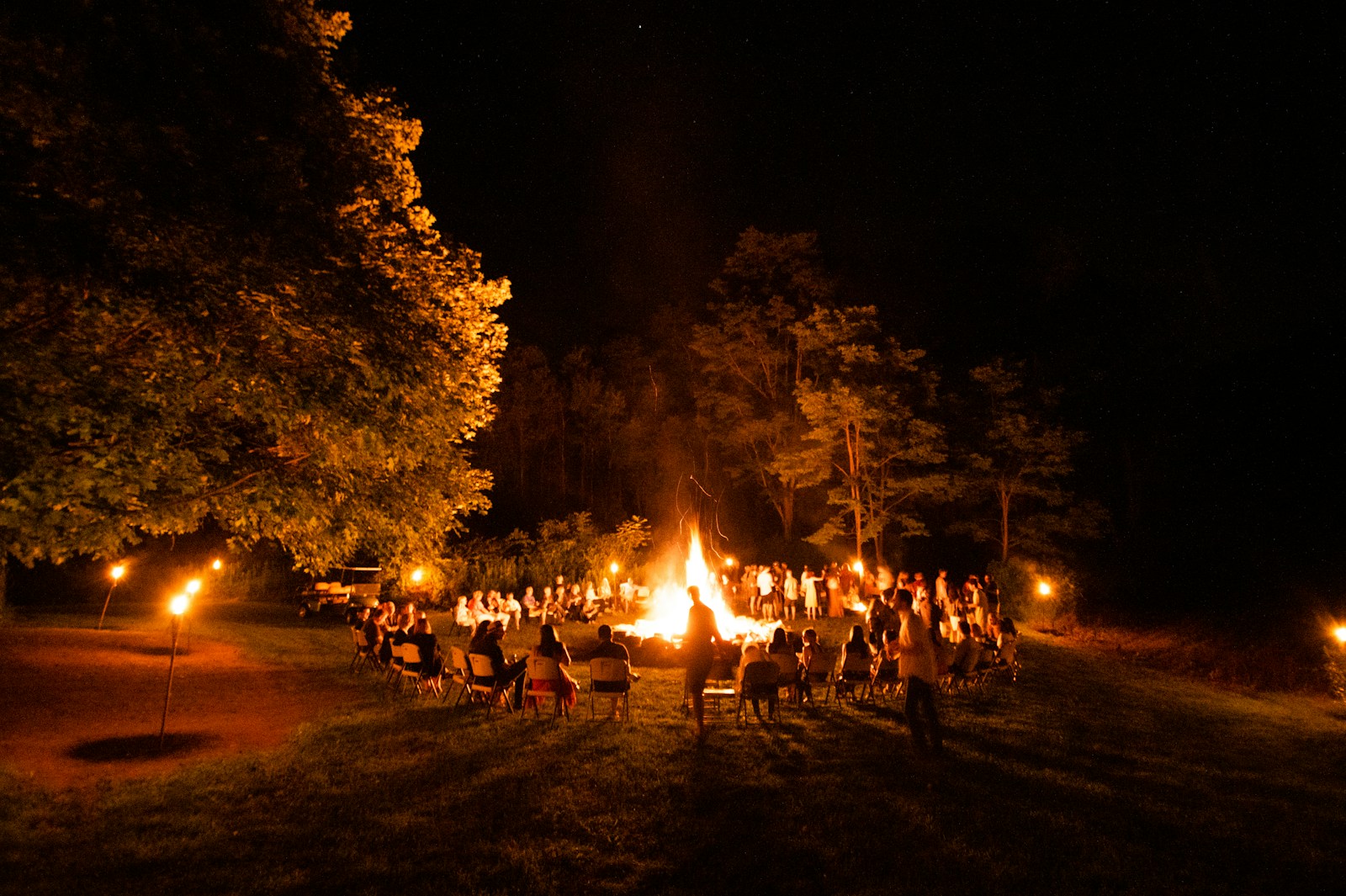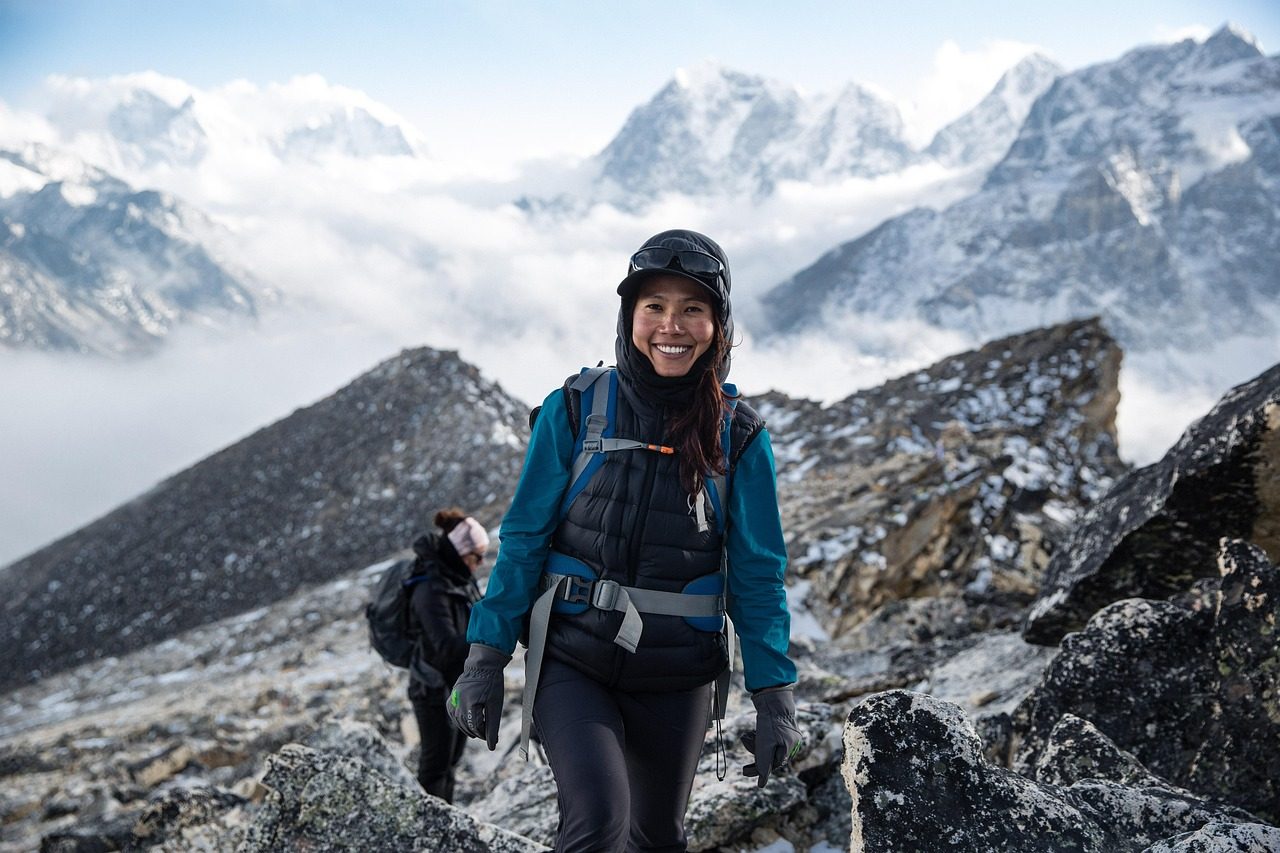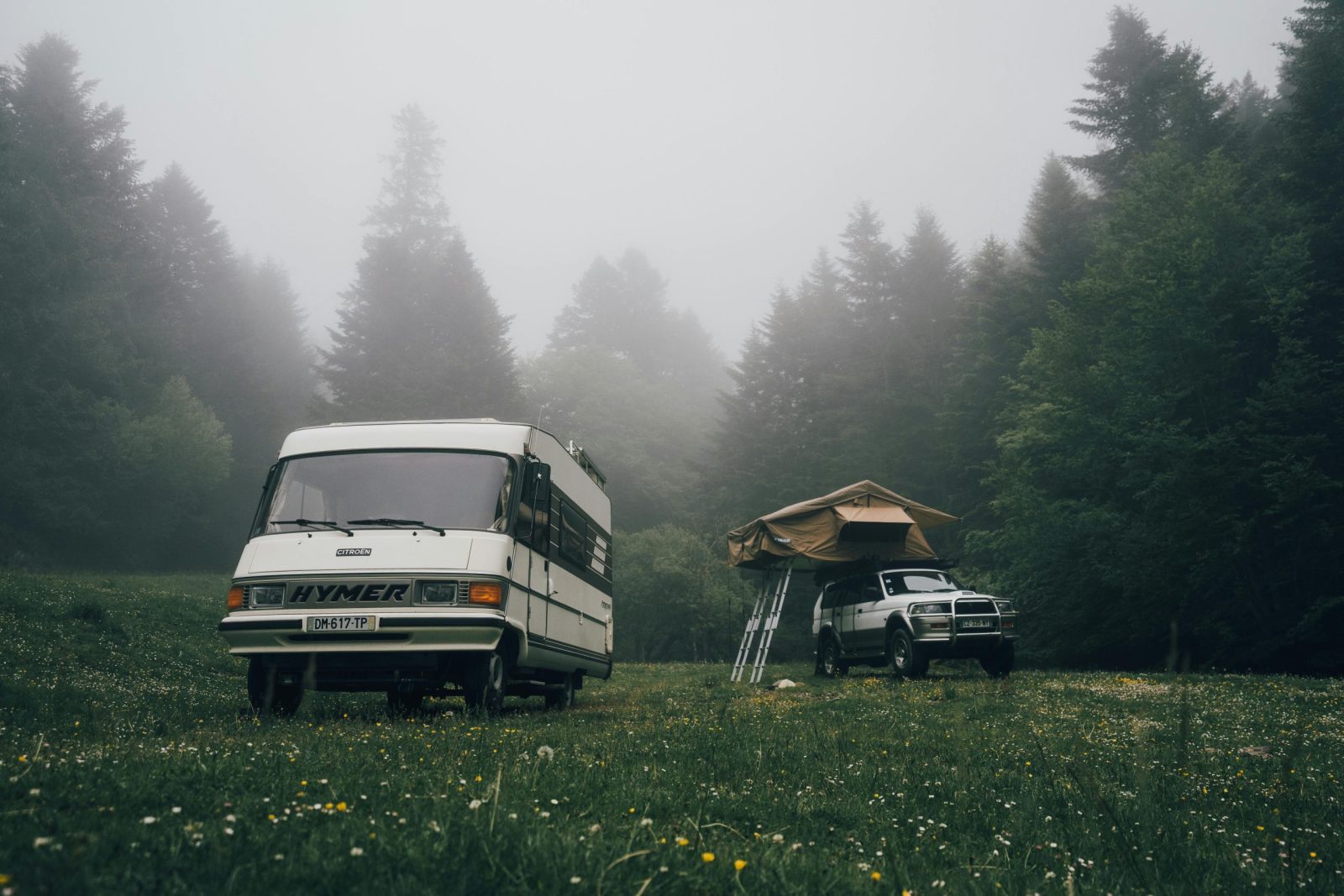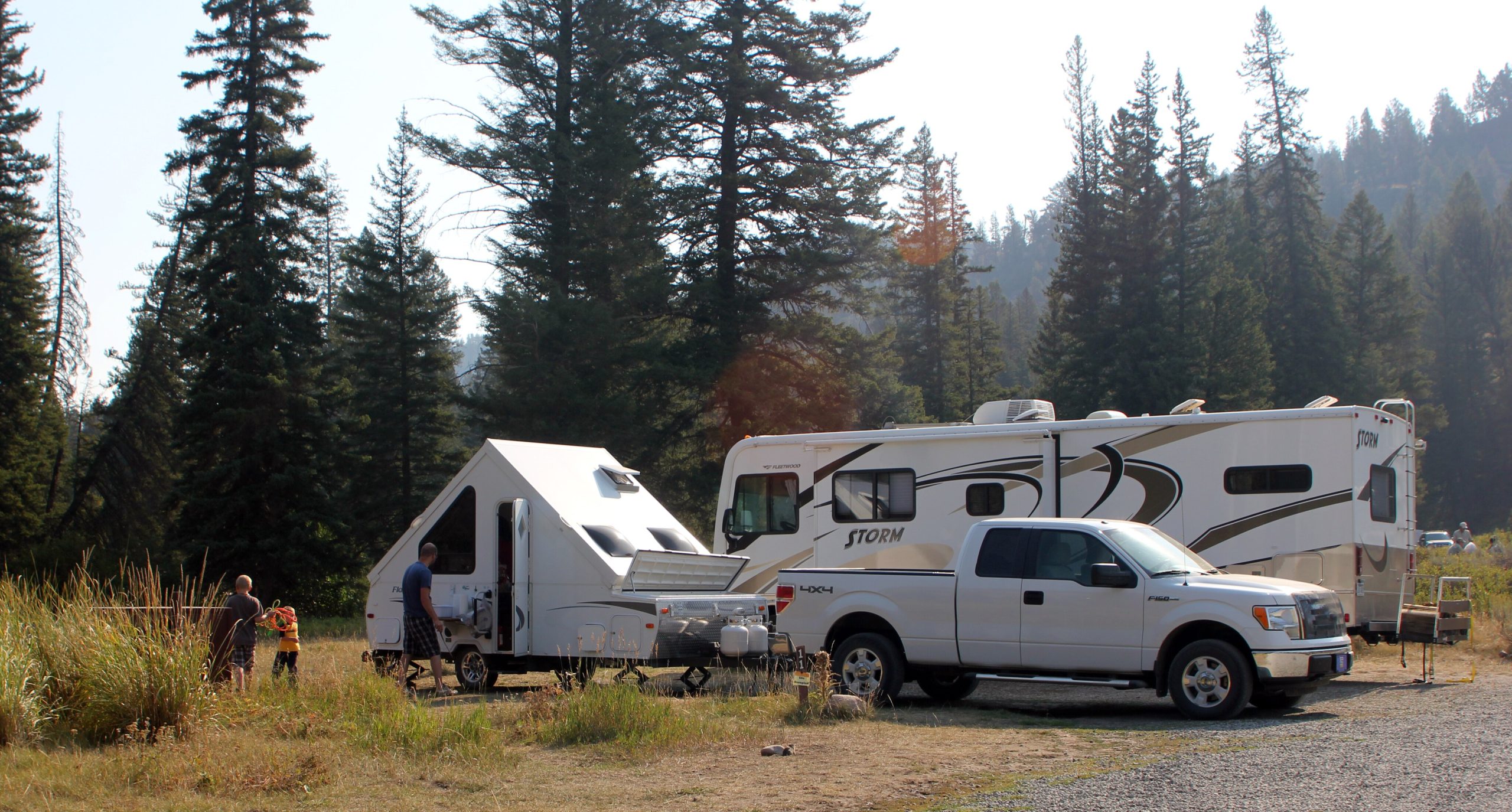
Backcountry camping isn’t just about pitching a tent; it’s about choosing the right wilderness basecamp that matches your goals, terrain, and skill level. For hunters and hikers alike, the best backcountry campsites offer strategic access to trails, abundant wildlife, water sources, and solitude without crowds. These sites are found in a range of ecosystems, from high alpine lakes to desert canyons and coastal rainforests. They demand careful planning permits, weather awareness, and Leave No Trace principles are non-negotiable. Whether you’re stalking elk in mountainous forests or watching for deer along ridgelines, knowing where to set up camp can make the difference between an average trip and a truly memorable adventure.
1. Upper Teklanika River, Denali National Park
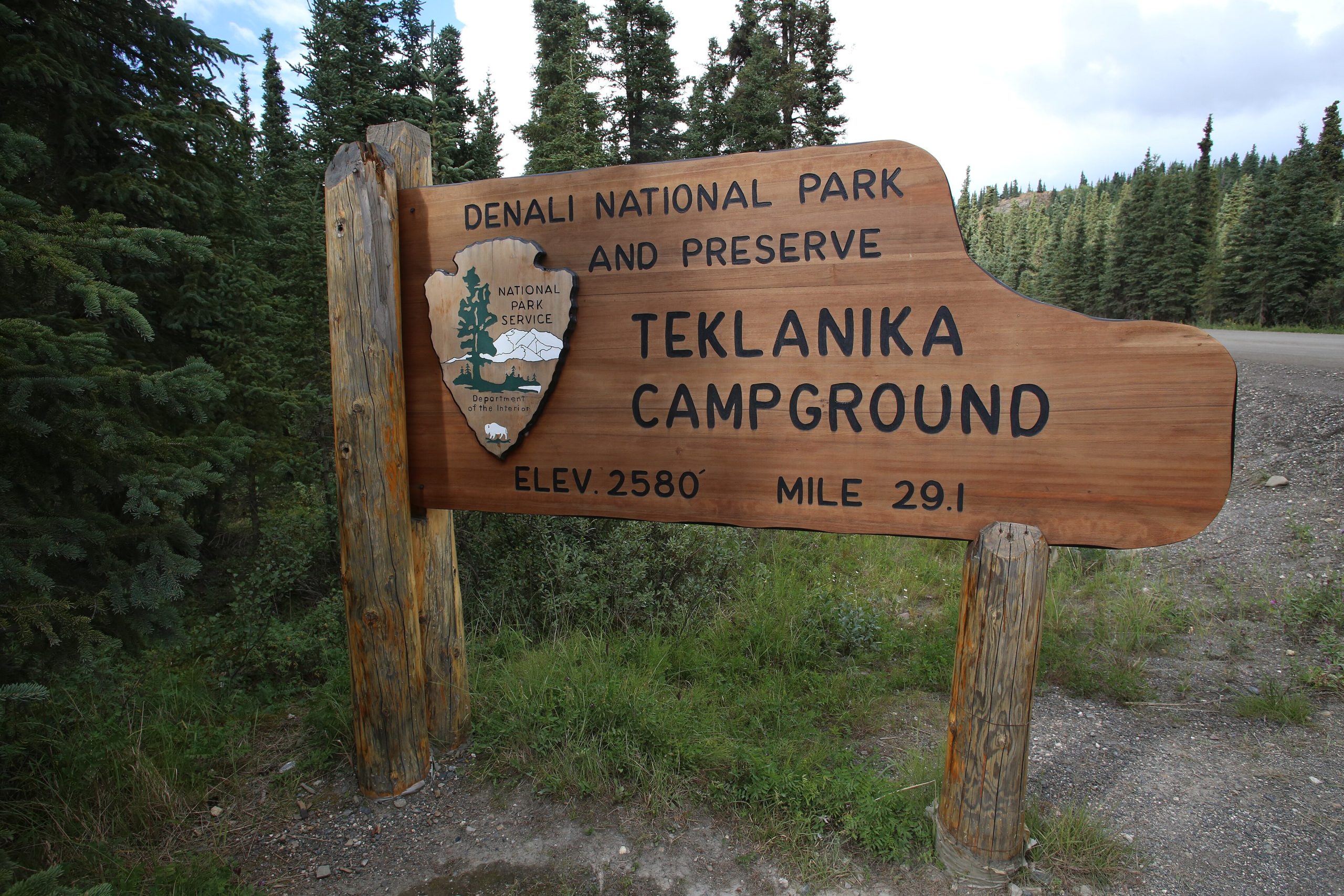
The Upper Teklanika River campsite in Denali National Park is one of America’s most scenic and remote backcountry destinations. Set against the backdrop of the Alaska Range’s glaciated peaks, this site delivers solitude and stunning wilderness views, ideal for hikers seeking challenge and hunters targeting big game migrations. The riverbed’s pebbled banks make natural tent platforms, and expansive sightlines help with scouting and tracking. Access requires careful planning, wilderness permits, and awareness of wildlife, particularly bear activity. The combination of panoramic vistas, wildflowers in season, and the sheer sense of isolation makes this site legendary for backcountry enthusiasts.
2. Lake Ellen Wilson, Glacier National Park
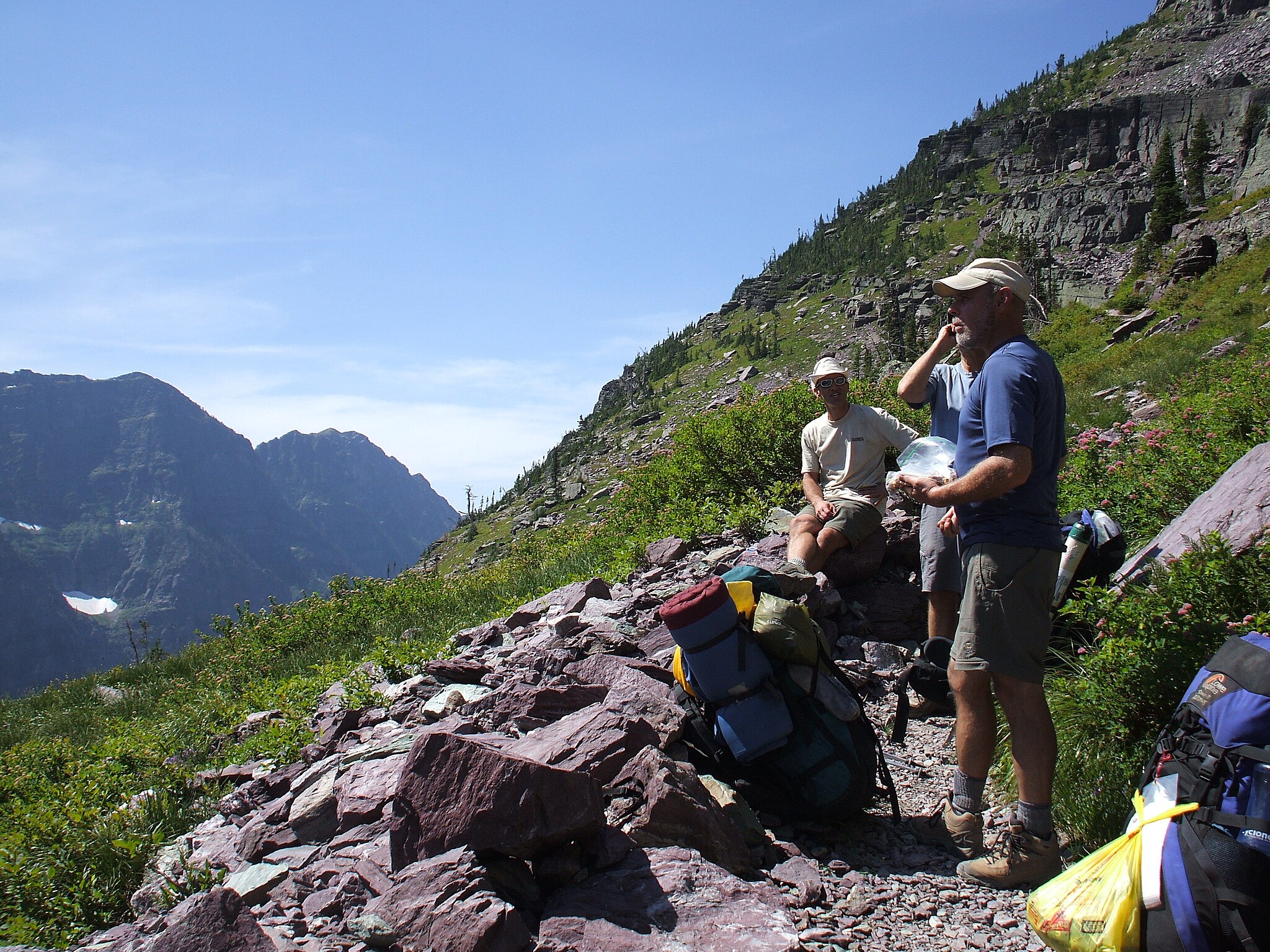
Lake Ellen Wilson in Glacier National Park offers a quintessential backcountry experience with clear alpine waters, towering cliffs, and verdant forests. Reachable via the Gunsight Pass Trail, this campsite is a favorite for hikers and hunters seeking both challenge and peace. The remote lake provides an excellent base for exploring adjacent trails or observing wildlife movement in the morning and evening light. Backcountry permits are required, and conditions demand good navigation skills. This site’s beauty lies in its dramatic backdrop: sheer rock faces, glacial runoff, and verdant meadows that fill with wildflowers in summer. It’s the kind of place that rewards early rising with unforgettable sunrise vistas.
3. Cottonwood Camp, Zion National Park
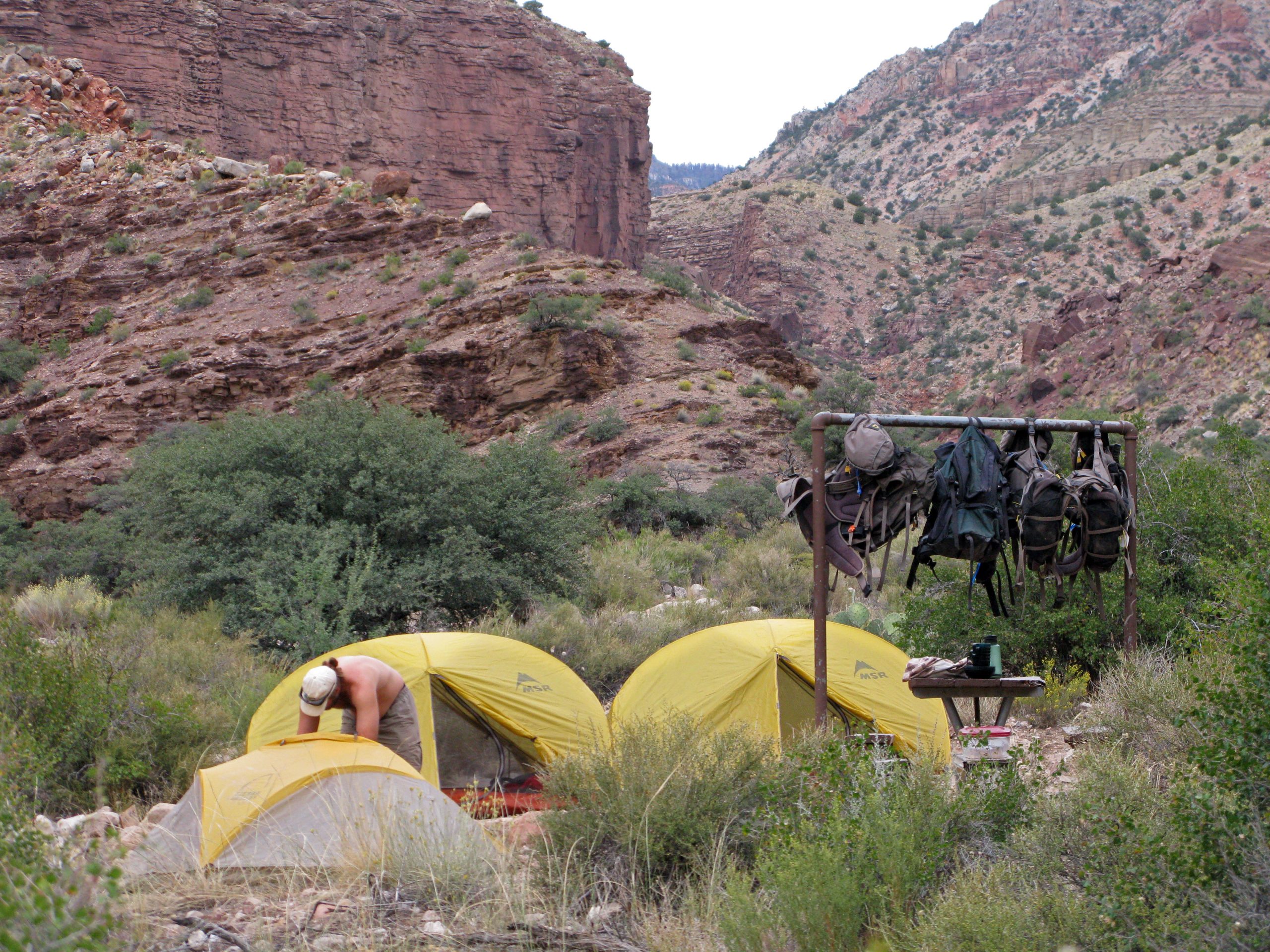
Cottonwood Camp in Zion National Park sits tucked within the awe-inspiring sandstone landscapes of southern Utah. This backcountry location, about a seven-mile hike from the Lee Pass Trailhead, provides panoramic desert views and access to slot canyons, wildlife pockets, and natural arches. Camping here means disconnecting from crowded viewpoints and instead waking up to rust-colored cliffs and wide open skies. Water sources may be seasonal, so planning and filtration are essential. Despite its desert setting, the terrain supports diverse wildlife and footholds for hunters and trekkers alike. The solitude and stark beauty make Cottonwood a standout backcountry campsite.
4. Boundary Waters Canoe Area Wilderness, Minnesota
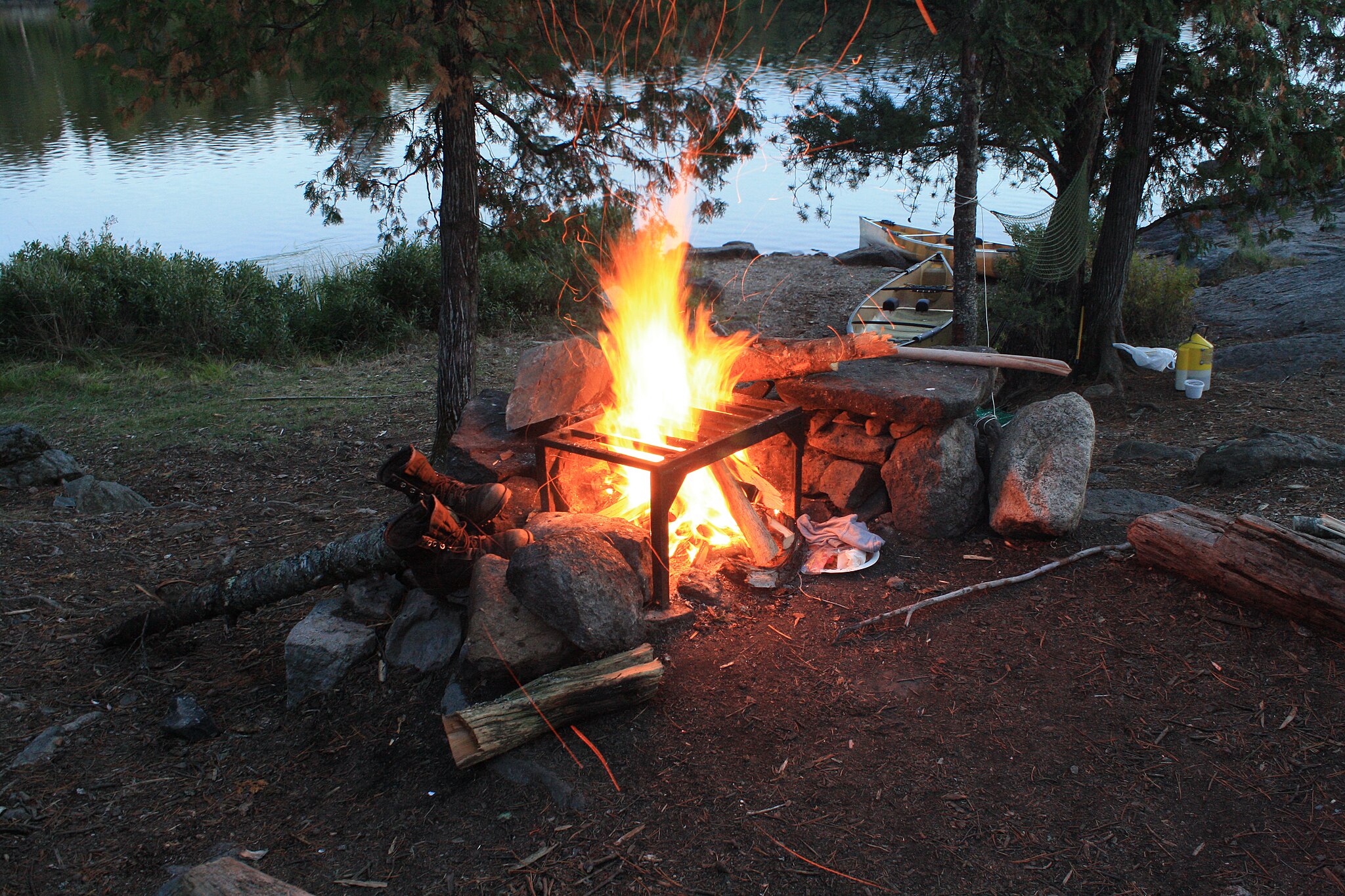
The Boundary Waters Canoe Area Wilderness offers a unique backcountry experience built around interconnected lakes, portage trails, and remote shoreline campsites. Popular with hunters and hikers who value isolation, this region rewards careful planning and quiet travel. Campsites are dispersed, primitive, and positioned near freshwater access, making them ideal for extended stays. Wildlife activity is high, especially deer, moose, and waterfowl, and early mornings provide excellent observation opportunities. Canoe access limits foot traffic, preserving solitude and natural soundscapes. Permits are required, and navigation skills are essential, but the payoff is a peaceful, immersive wilderness camp rarely matched elsewhere.
5. Teton Crest Trail Campsites, Grand Teton National Park
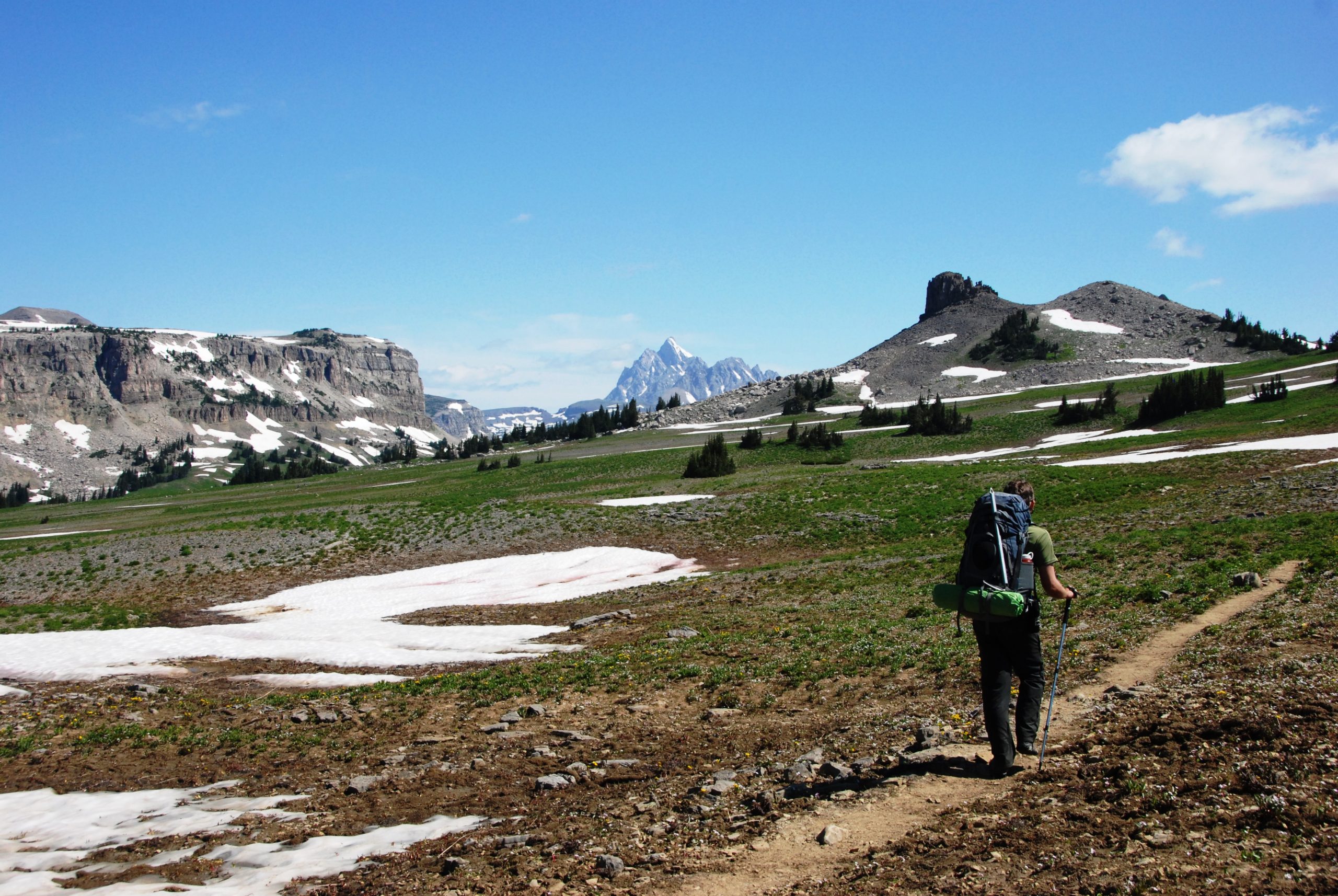
The Teton Crest Trail backcountry campsites offer expansive mountain vistas and direct access to alpine terrain that draws hunters and hikers alike. These dispersed sites along the ridge line of the Tetons deliver solitude, wildflower fields in summer, and breathtaking panoramas that range from glacial valleys to jagged peaks. The weather here can change rapidly, so preparedness is key. Backcountry permits and a strong respect for wildlife are essential. For those seeking to combine disciplined hiking with prime vantage points for observing wildlife or planning hunting routes, this region is exceptional. The elk, deer, and other big game found here make these campsites an adventure destination.
6. Mountain Lakes in Yosemite Wilderness, California
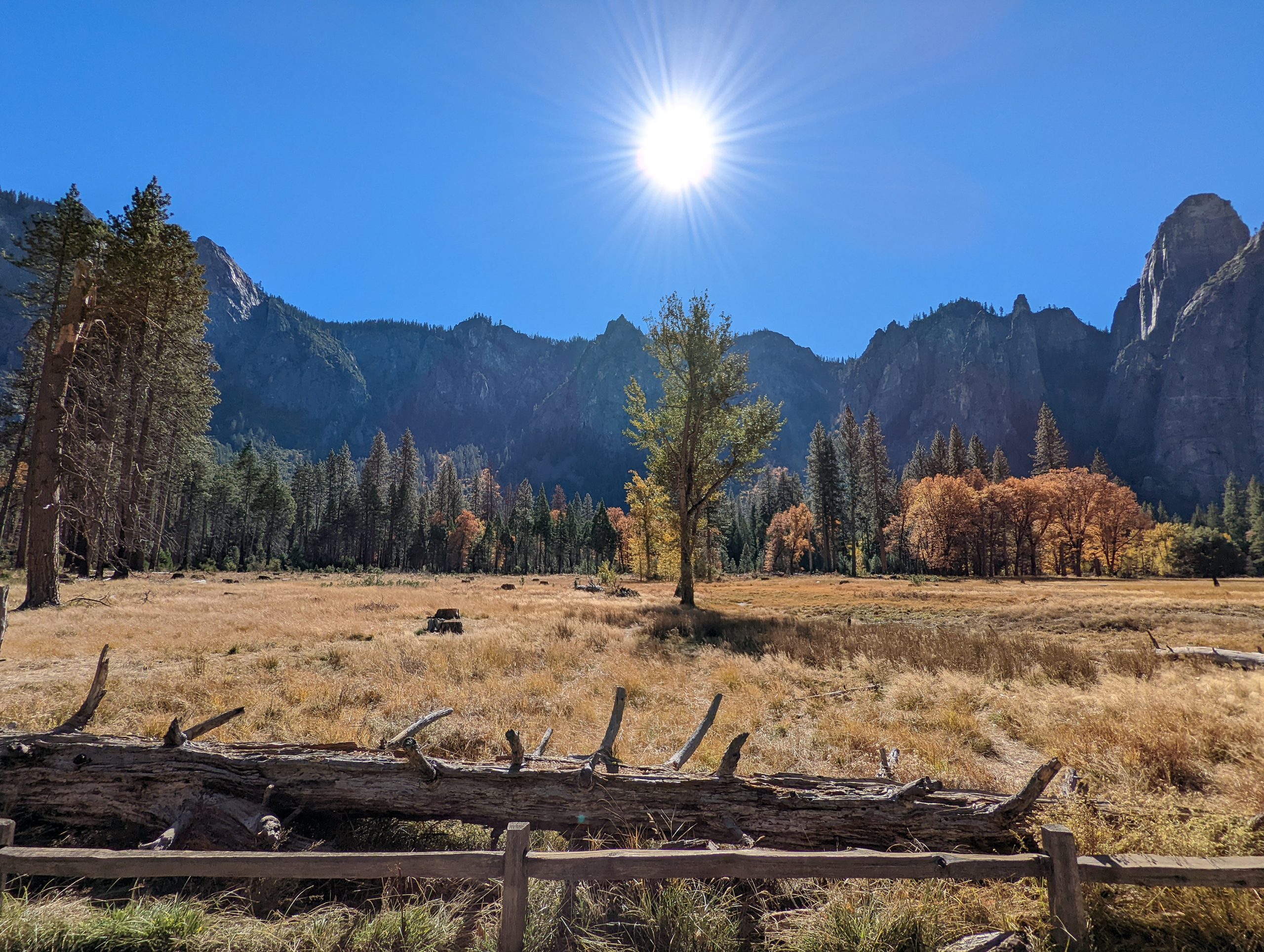
Yosemite National Park’s high country backcountry, including lakes like Lyell and Cathedral, provides an iconic wilderness absolutely worth the trek. With over 750 miles of trails and permit systems for overnight stays, Yosemite’s backcountry rewards hikers with forested inlet sites, starlit skies, and cool mountain air. These lakeside camps offer excellent access to fishing, wildlife viewing, and ridge walks. Permits are required year-round for backcountry camping, and familiarization with bear safety and weather changes is essential. Camps near high-country lakes allow visitors to immerse themselves in the classic Sierra Nevada wilderness rarely experienced by day-hikers.
7. Slough Creek, Yellowstone National Park
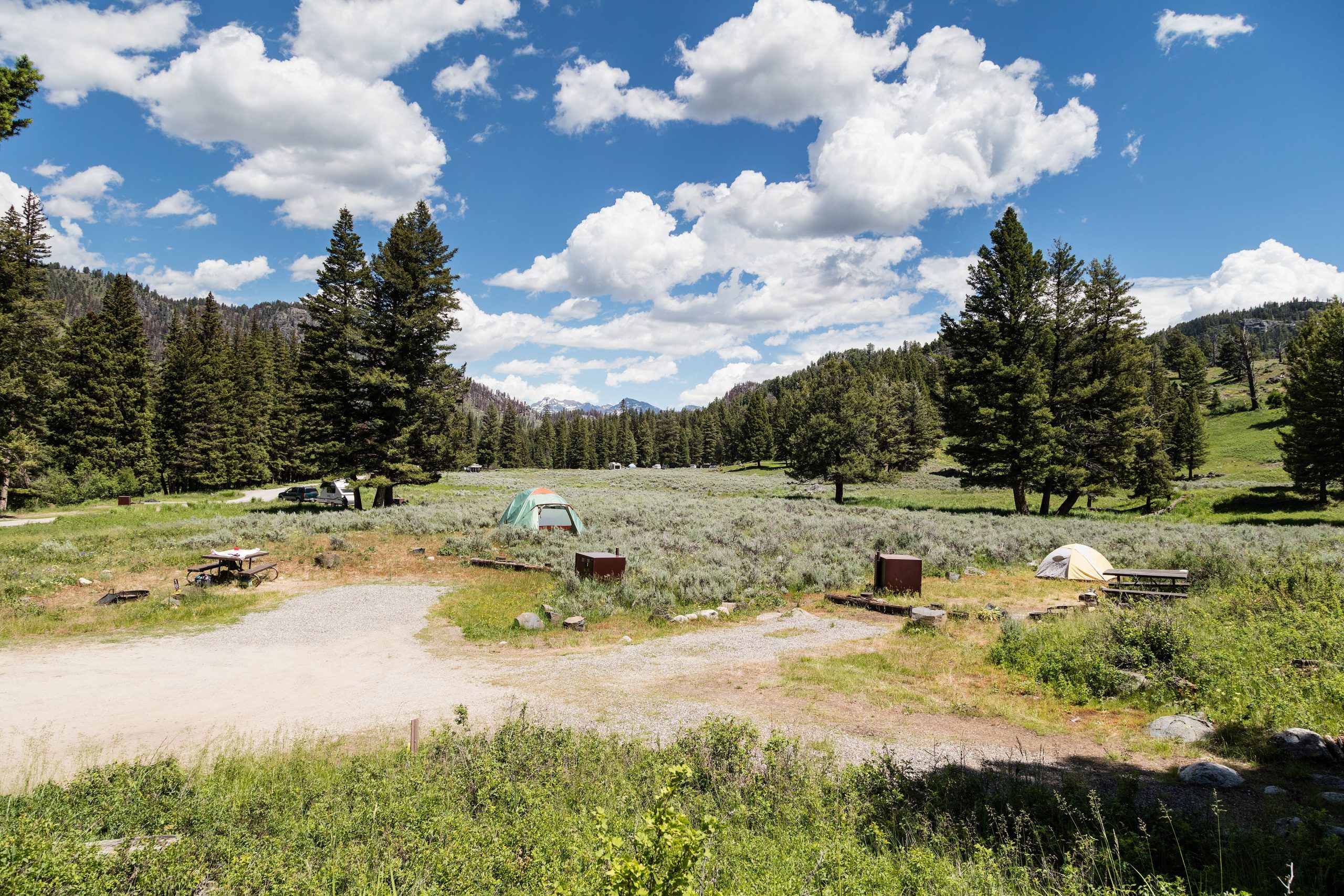
Slough Creek in Yellowstone National Park is a classic backcountry spot for those drawn to wildlife watching, fishing, and solitude. The campsite lies along a pristine creek that attracts elk, bison, and a broad range of birdlife, making it a prime location for serious backcountry seekers. Yellowstone’s deep wilderness requires careful food storage and bear-aware practices. Seasonal patterns influence animal movement, and early mornings here offer some of the best opportunities to observe big game from your camp. While permits and campsite quotas ensure conservation, the payoff is a deep connection with largely untouched landscapes and the sense of truly being in the wild.
8. Crabtree Meadows, Sequoia National Park
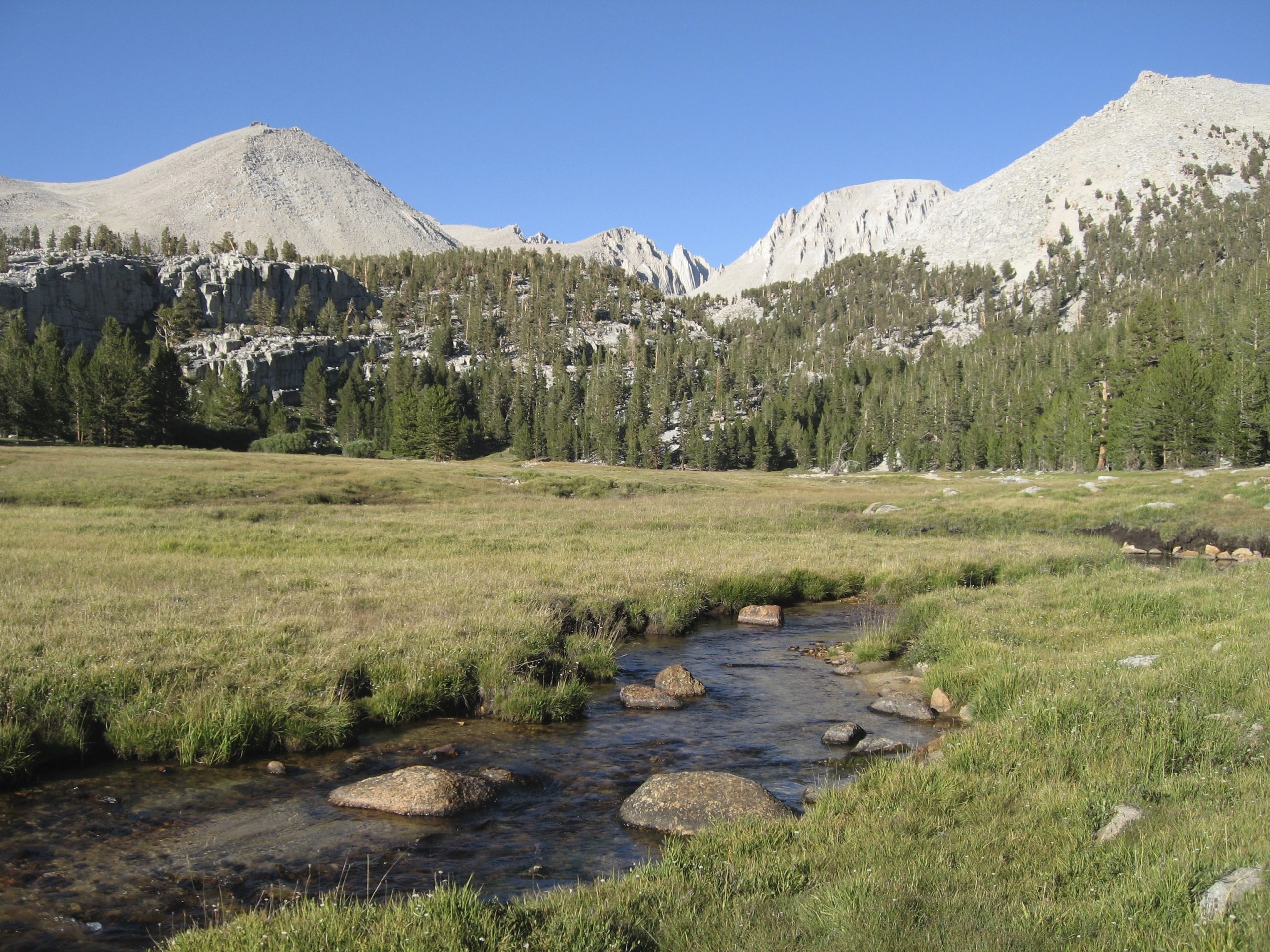
Crabtree Meadows in Sequoia National Park is a superb backcountry basecamp that blends accessible trails with iconic Sierra beauty. Located near the junction of classic routes, it offers access to pristine meadows, rugged ridges, and domed granite features that reward both hikers and hunters seeking elevation and wild terrain. The area’s solitude, combined with the visual grandeur of towering trees and alpine streams, makes every backcountry night memorable. Ascending from lower elevations to this high plateau often reveals abundant wildlife and quiet pockets perfect for setting camp. Permits are required, and thorough preparation ensures a safe, enriching experience.