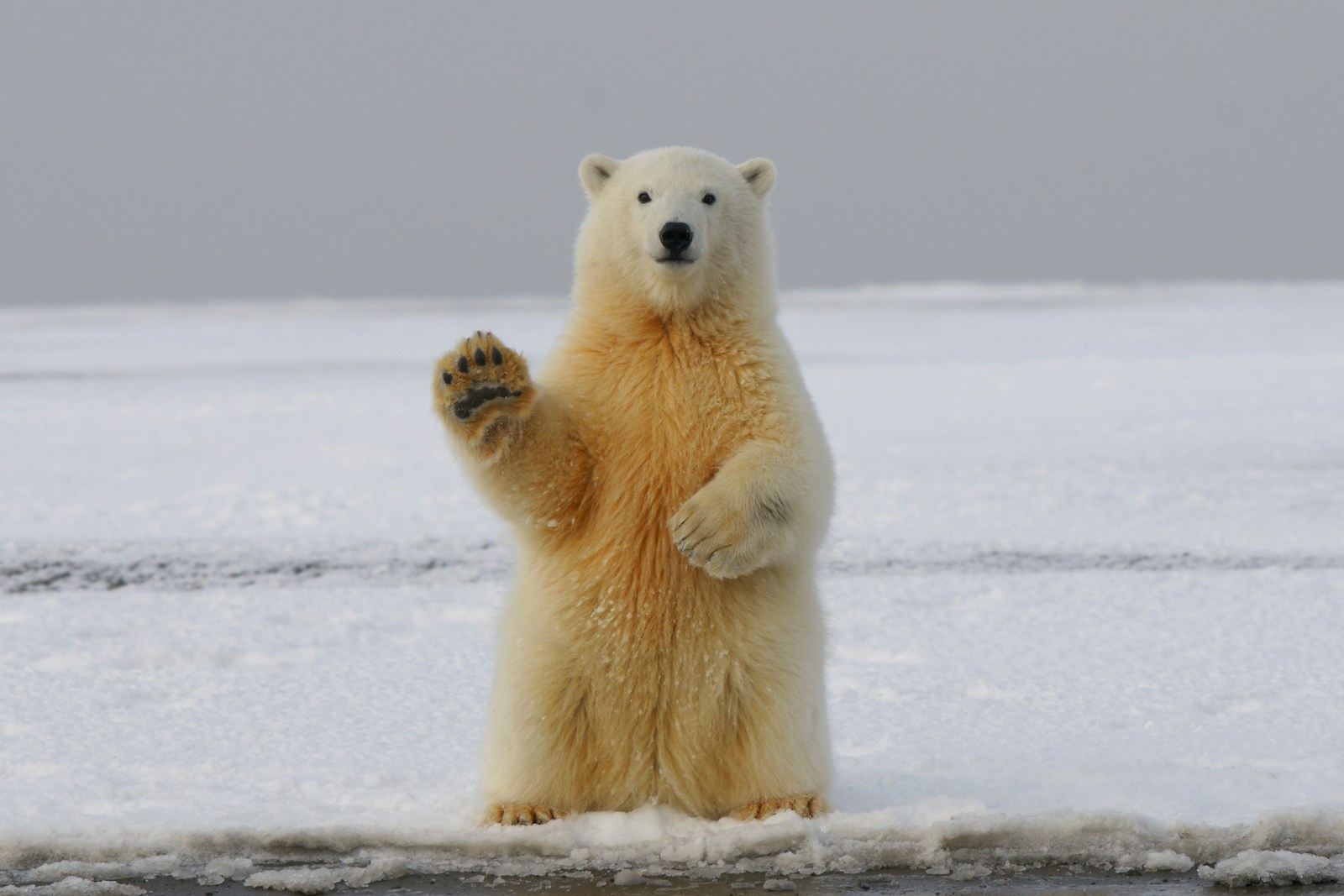
Wildlife experts recently evaluated bears ranked by deadliness in 2026 attacks across various global wilderness regions. Studying these bears ranked by deadliness in 2026 attacks helps outdoor enthusiasts stay safe while exploring remote habitats. Many travelers mistakenly believe all bear species behave identically when encountering humans unexpectedly. However, distinct behavioral patterns and physical capabilities drastically influence the survival rates of victims during these terrifying animal ambushes. Understanding these specific biological differences ensures that hikers prepare properly before entering dangerous territories. This comprehensive guide provides essential safety information regarding the most formidable predators currently wandering the beautiful wilderness today.
Polar Bear
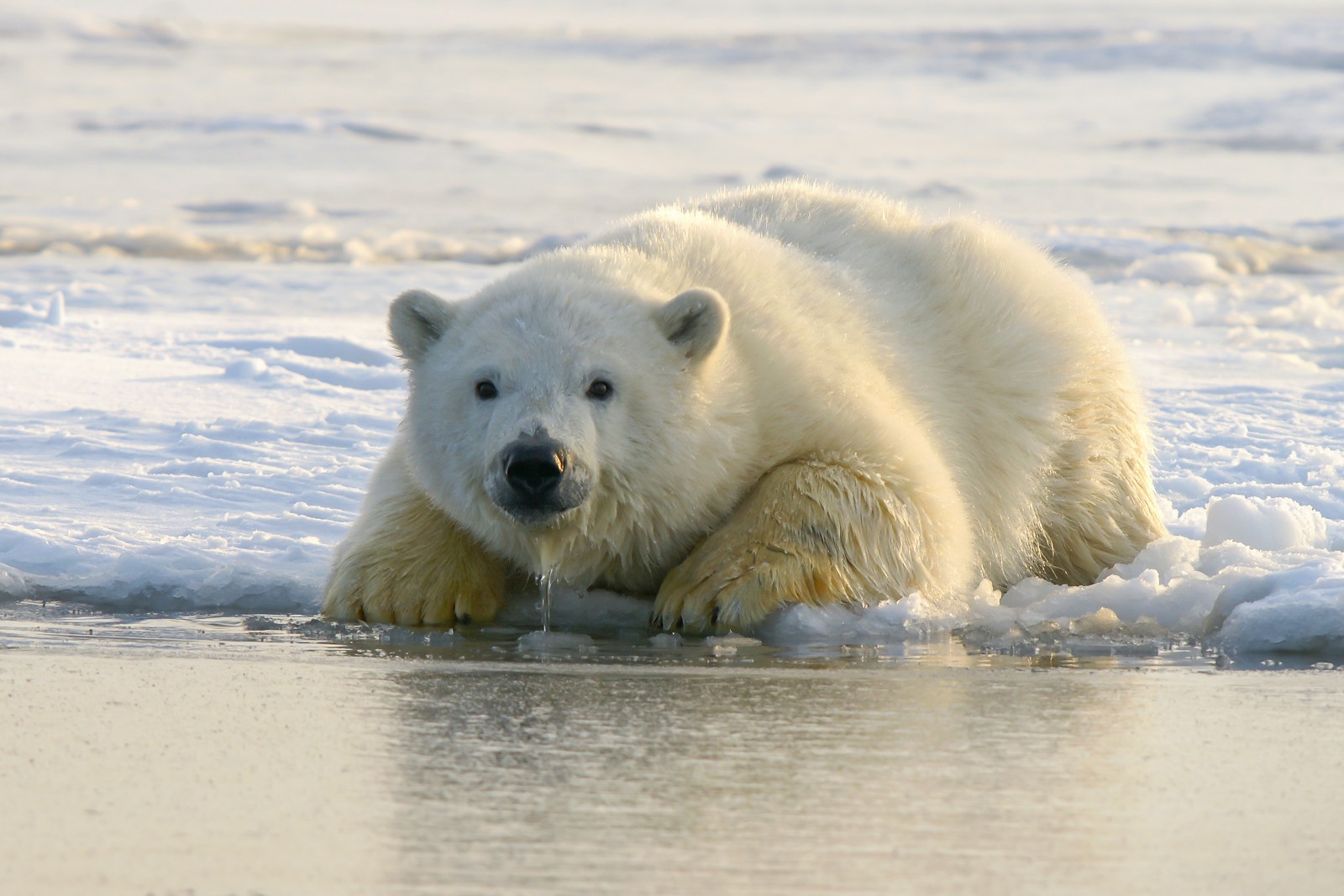
The majestic polar bear remains the most formidable predator currently wandering the frozen Arctic landscape with absolute confidence. These massive marine mammals view humans simply as another viable food source during the brutal winter months. Because they live in exceptionally harsh environments with scarce calories, they actively stalk any living creature that enters their territory. Their immense physical strength and predatory focus make escaping an unprovoked attack almost impossible for unprotected researchers. The icy conditions further complicate defensive maneuvers when facing these determined white giants. Maintaining a highly respectful distance remains the absolute only way to survive an unexpected Arctic encounter safely.
Grizzly Bear
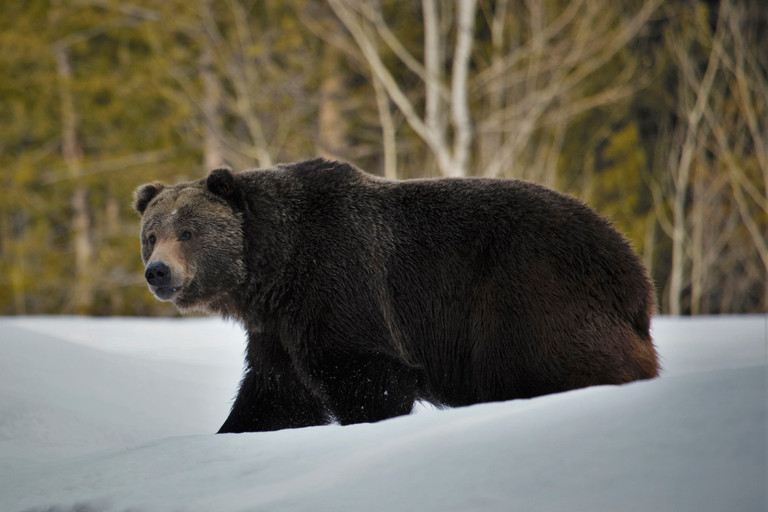
The North American grizzly bear commands absolute respect from anyone venturing deeply into remote mountain territories this year. These aggressive omnivores fiercely protect their secluded feeding grounds and hidden offspring from any perceived human intrusion. Their phenomenal speed and massive claws allow them to neutralize potential threats with frighteningly swift and violent force. Many incidents occur when hikers accidentally startle a resting bear or walk between a protective mother and her cubs. Carrying strong bear spray and making constant loud noise remains crucial for safely navigating heavily forested western environments. This formidable predator continues to dominate the dangerous wildlife statistics across various northern regions.
Kodiak Bear
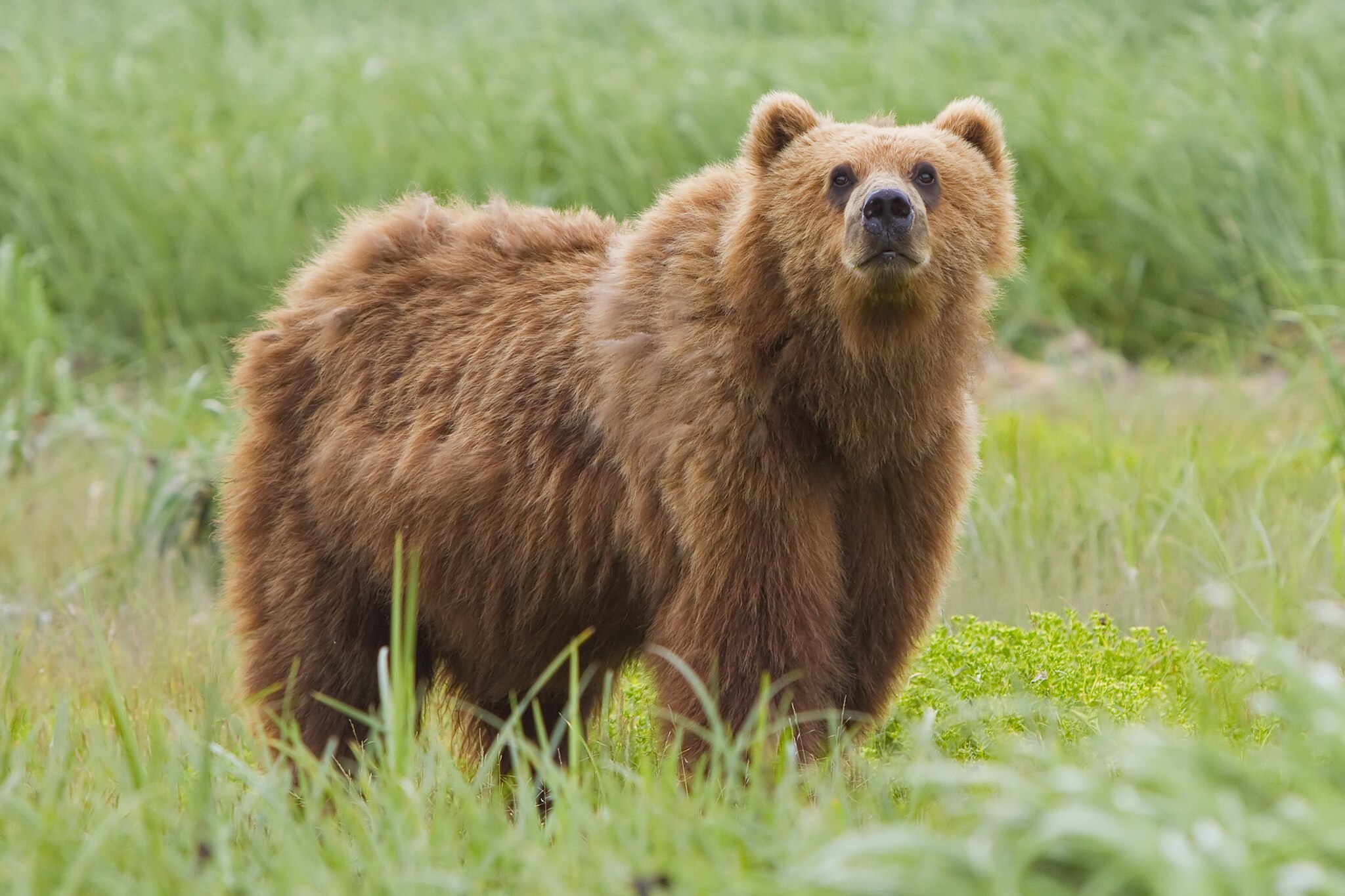
The massive Kodiak bear thrives exclusively on the remote islands of the Alaskan archipelago with incredible power. These enormous giants can weigh over fifteen hundred pounds and possess terrifying physical strength during close-range encounters. While they generally enjoy abundant salmon runs, their sheer size makes any defensive strike exceptionally lethal for victims. They demonstrate remarkably territorial behavior when defending prime fishing spots from other bears or curious outdoor photographers. Encountering these magnificent creatures requires intense vigilance and specialized wilderness training to avoid triggering an immediate and violent response. Their isolated habitat keeps interactions relatively rare but consistently dangerous for unsuspecting human visitors.
Sloth Bear
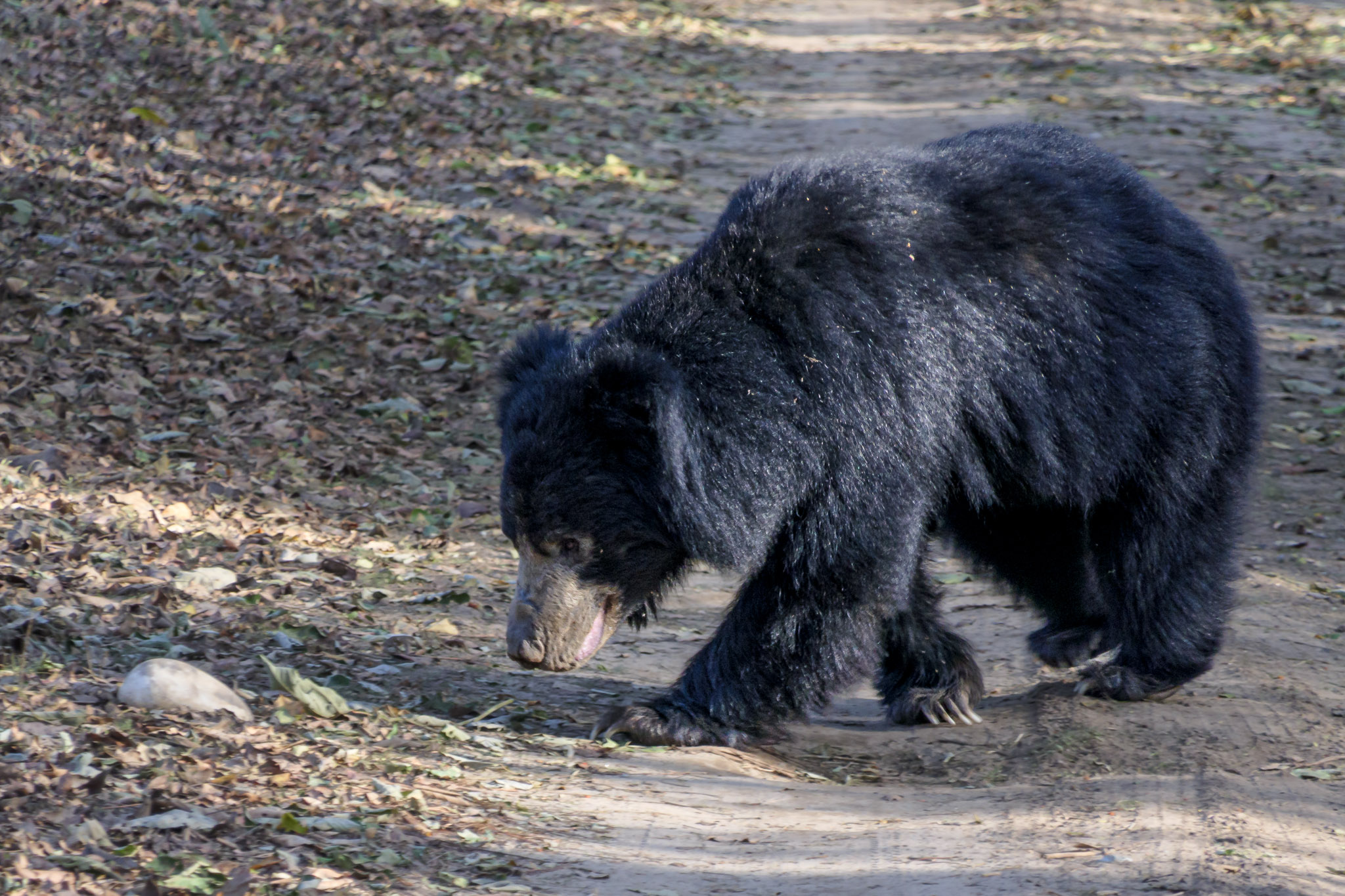
The highly unpredictable sloth bear causes significant concern across various rural regions of the Indian subcontinent today. These shaggy black bears possess notoriously bad tempers and frequently charge without showing any preliminary warning signs. Their incredibly long and curved claws are designed for tearing into termite mounds, but easily inflict severe injuries. Most attacks occur when local villagers accidentally encounter these secretive animals in dense brush during early morning hours. Their lack of fear and aggressive defensive instincts make them one of the most dangerous species encountered. Professional wildlife biologists strongly advise maintaining extreme caution when exploring the thick forests where they reside.
Eurasian Brown Bear
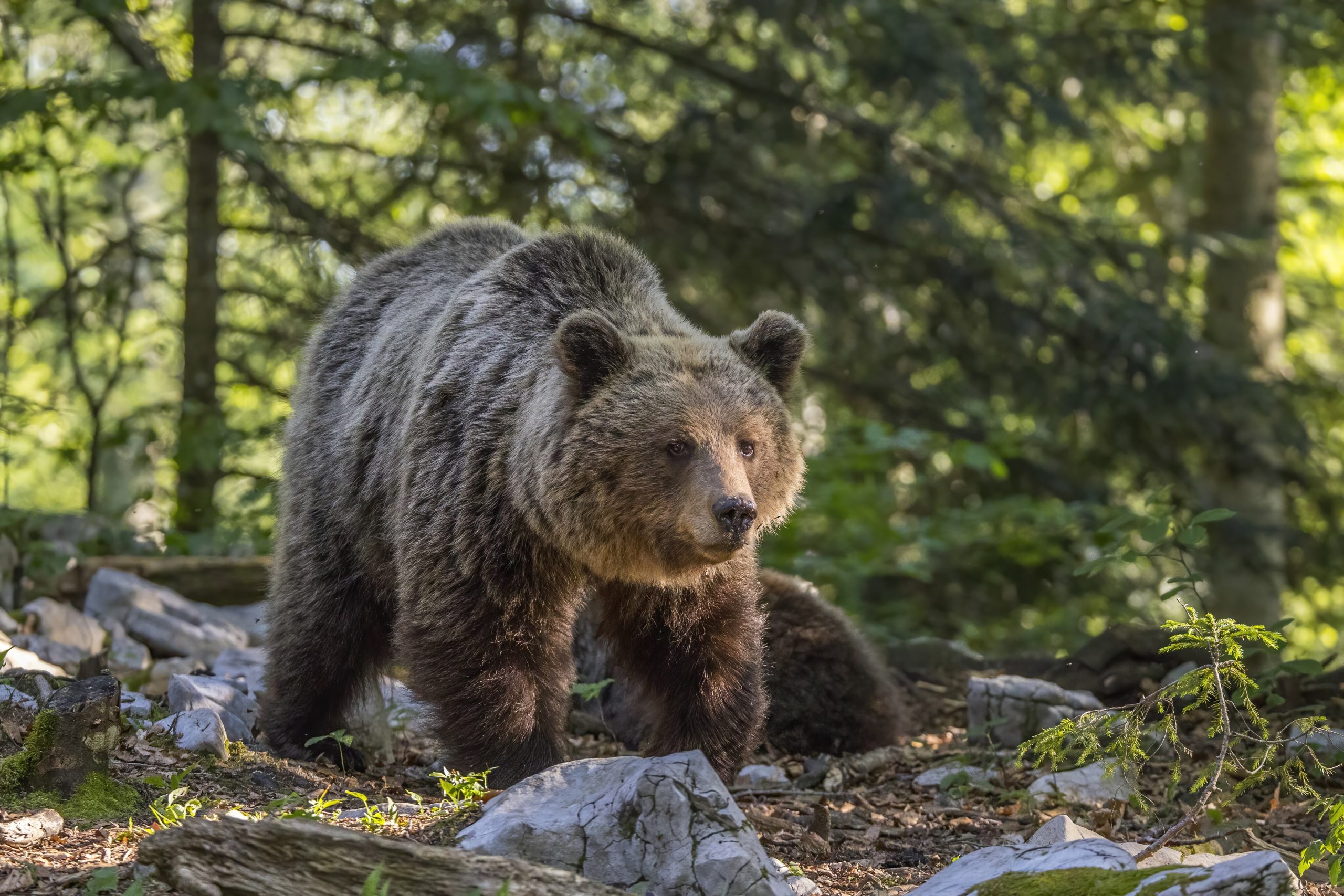
The formidable Eurasian brown bear inhabits vast stretches of dense forest across Russia and various European countries. These powerful predators closely resemble their North American cousins in terms of physical capability and aggressive behavior. They frequently clash with humans when searching for easy food sources near remote agricultural villages or mountain camps. Their immense strength allows them to overpower victims quickly if they feel cornered or threatened during an encounter. Managing these conflicts requires coordinated conservation efforts and strict public safety regulations to prevent tragic incidents. Enthusiastic hikers must remain constantly alert while traversing the rugged terrain where these powerful bears actively hunt.
American Black Bear
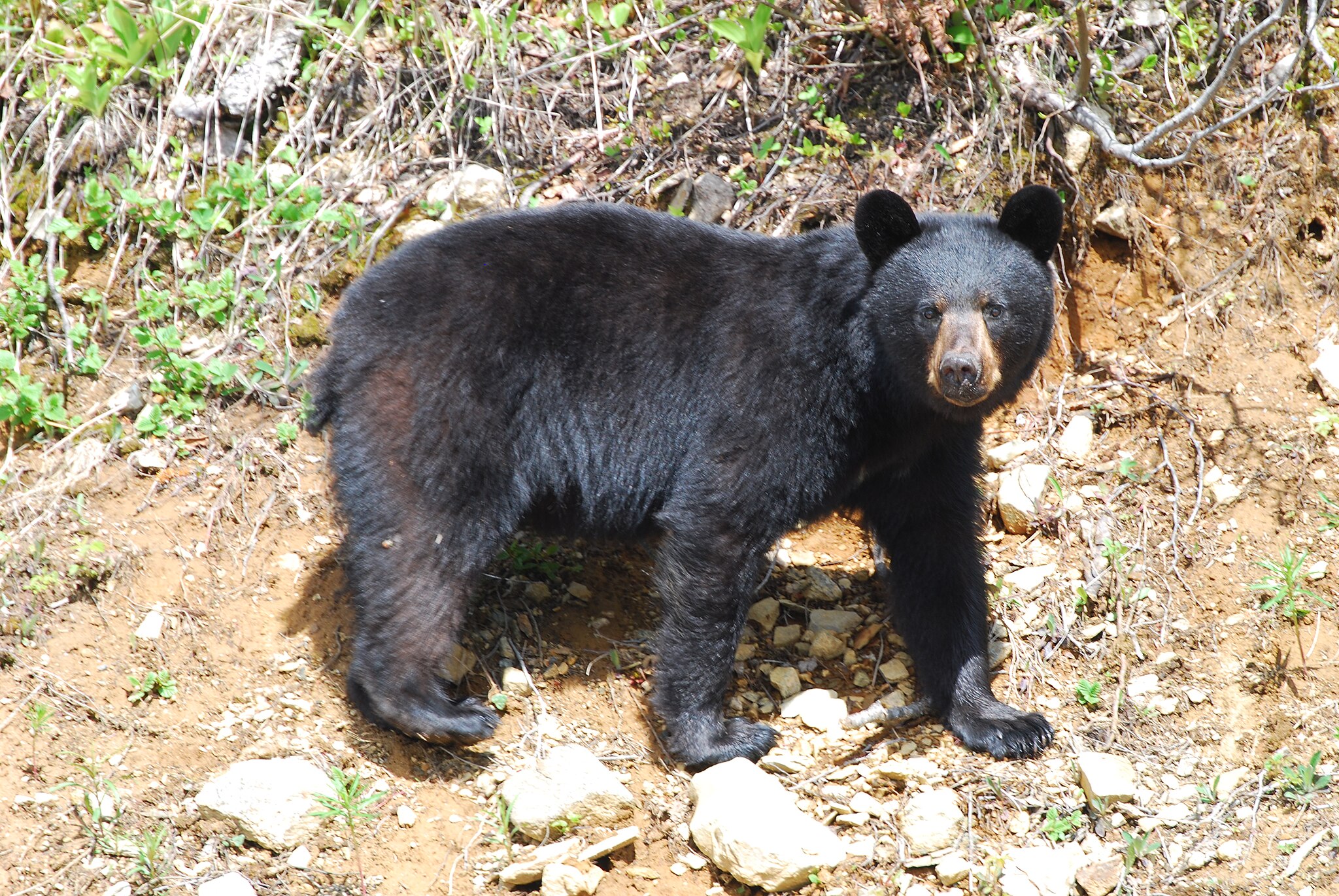
The common American black bear is the most widely distributed species encountered by hikers throughout the entire country. While they generally appear less aggressive than grizzlies, they still pose a significant threat when habituated to human food. Most dangerous interactions happen in crowded campgrounds where bears have lost their natural fear of people entirely. Mothers will fiercely defend their young if they perceive a threat from a nearby hiker or dog. Understanding their body language and knowing how to respond correctly can prevent most minor encounters from escalating. These bears remain highly capable predators that require constant respect during any wilderness excursion.
Asiatic Black Bear
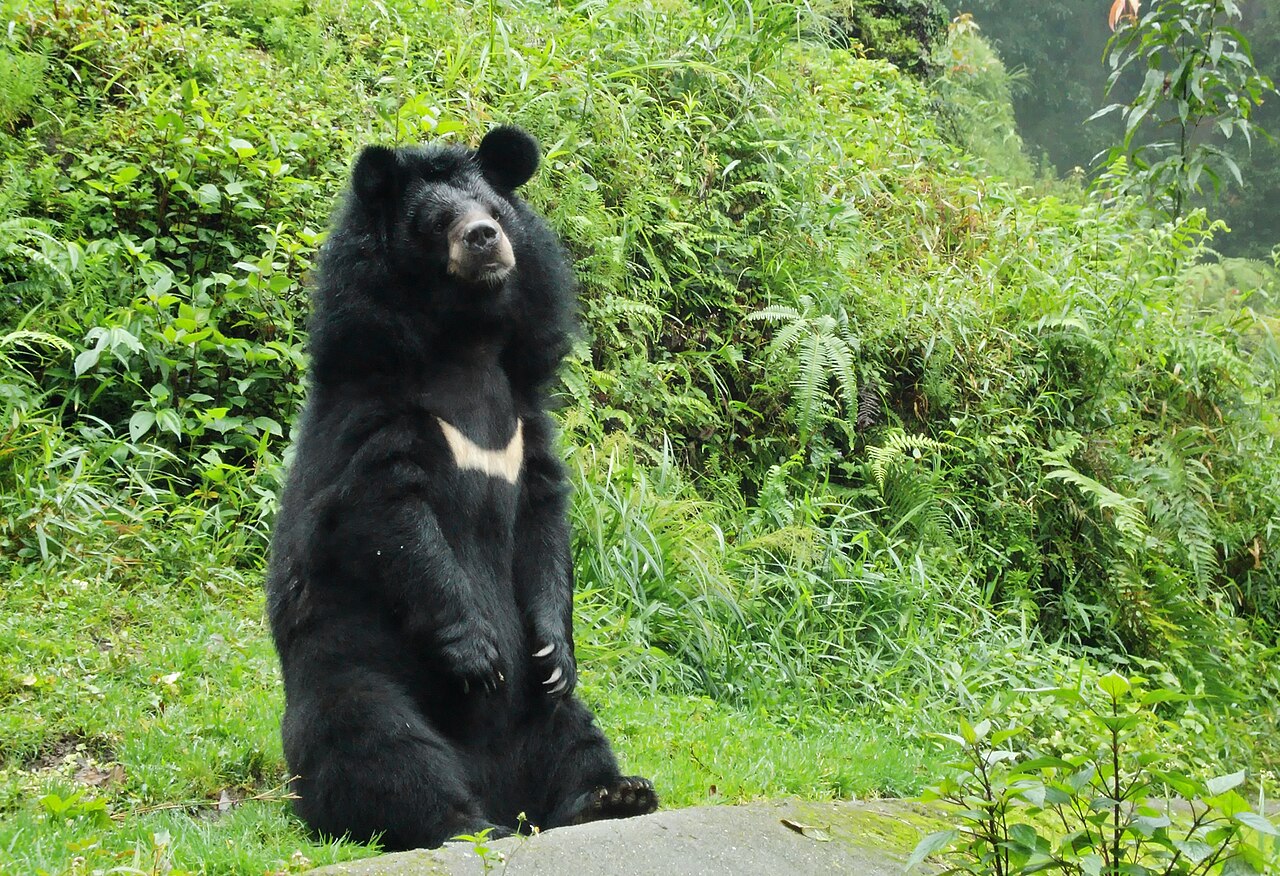
The elusive Asiatic black bear lives primarily in the steep mountain forests of eastern Asia and remains quite dangerous. These bears are known for being more aggressive toward humans than their North American counterparts during surprise encounters. They often inhabit the same regions as dense human populations, leading to frequent and sometimes violent territorial conflicts. Their sharp claws and strong jaws allow them to inflict serious damage very quickly if they feel startled. Most incidents happen on narrow mountain trails where visibility is limited by thick vegetation and rugged terrain. Avoiding these areas during dawn and dusk can significantly reduce the risk of a terrifying encounter.
Andean Bear
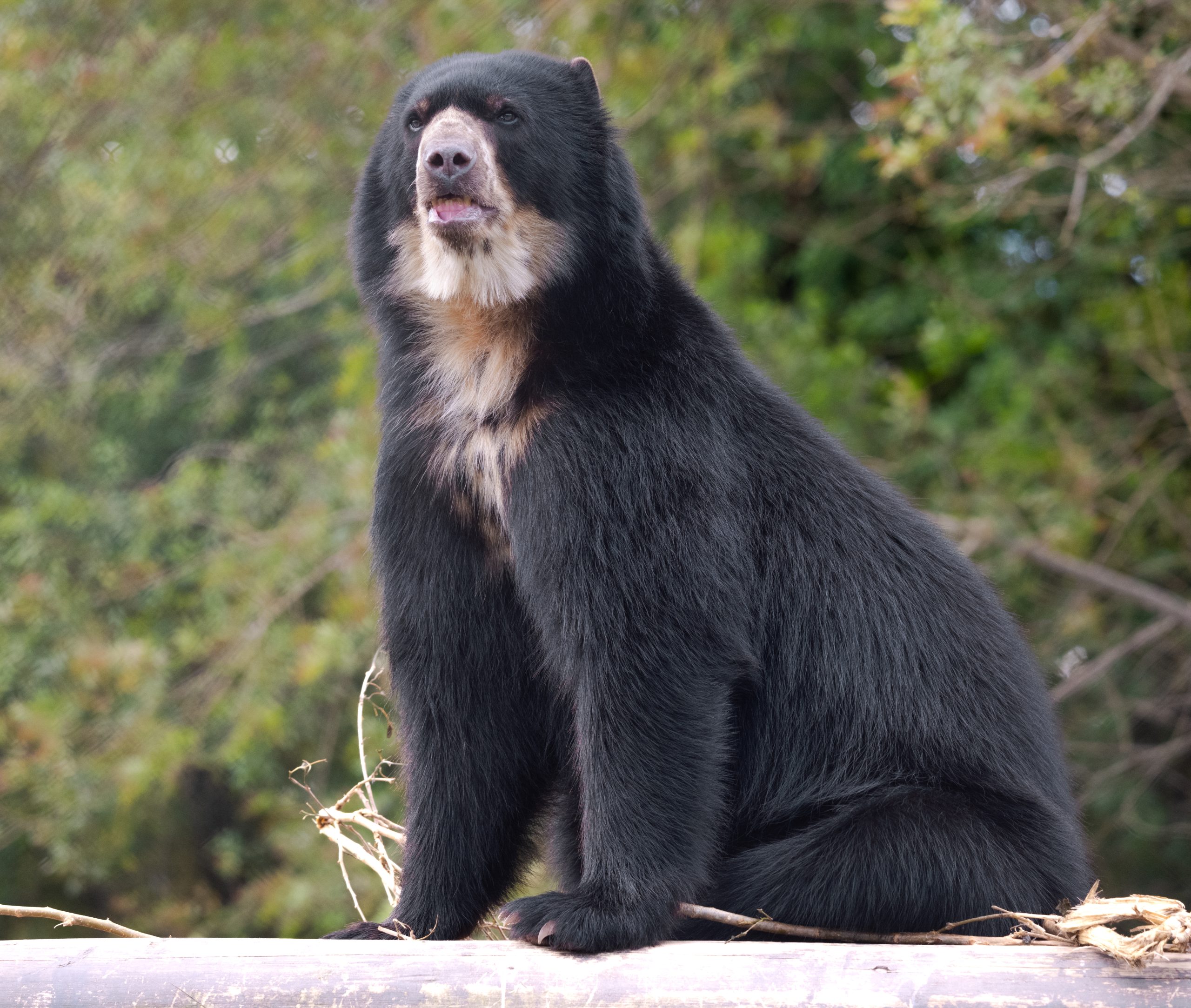
The shy Andean bear is the only species native to South America and typically avoids human contact. However, they can become quite dangerous if they are cornered or if a mother feels her cubs are threatened. These bears are excellent climbers and often spend their time high in the cloud forest canopy searching for food. Attacks are extremely rare but can be lethal due to the bear’s significant physical strength and sharp claws. Conservationists work hard to protect their shrinking habitat and minimize the potential for dangerous human-bear interactions. Respecting their space and following local safety guidelines ensures a safe experience for everyone.