Bears inspire awe, fear, and fascination in equal measure. While most bear encounters end without violence, some species possess the size, strength, temperament, and territorial instincts that make them far more dangerous than others. Deadliness isn’t just about aggression; it’s a mix of raw power, speed, habitat overlap with humans, and how a bear reacts when surprised or threatened. From Arctic ice fields to dense Asian jungles, different bears dominate their environments in very different ways. Understanding which bears pose the greatest risk helps explain why certain encounters turn fatal while others do not. Ranked below are eight bear species, evaluated by their physical capabilities, documented attacks, defensive behavior, and likelihood of human interaction in the wild.
1. Polar Bear
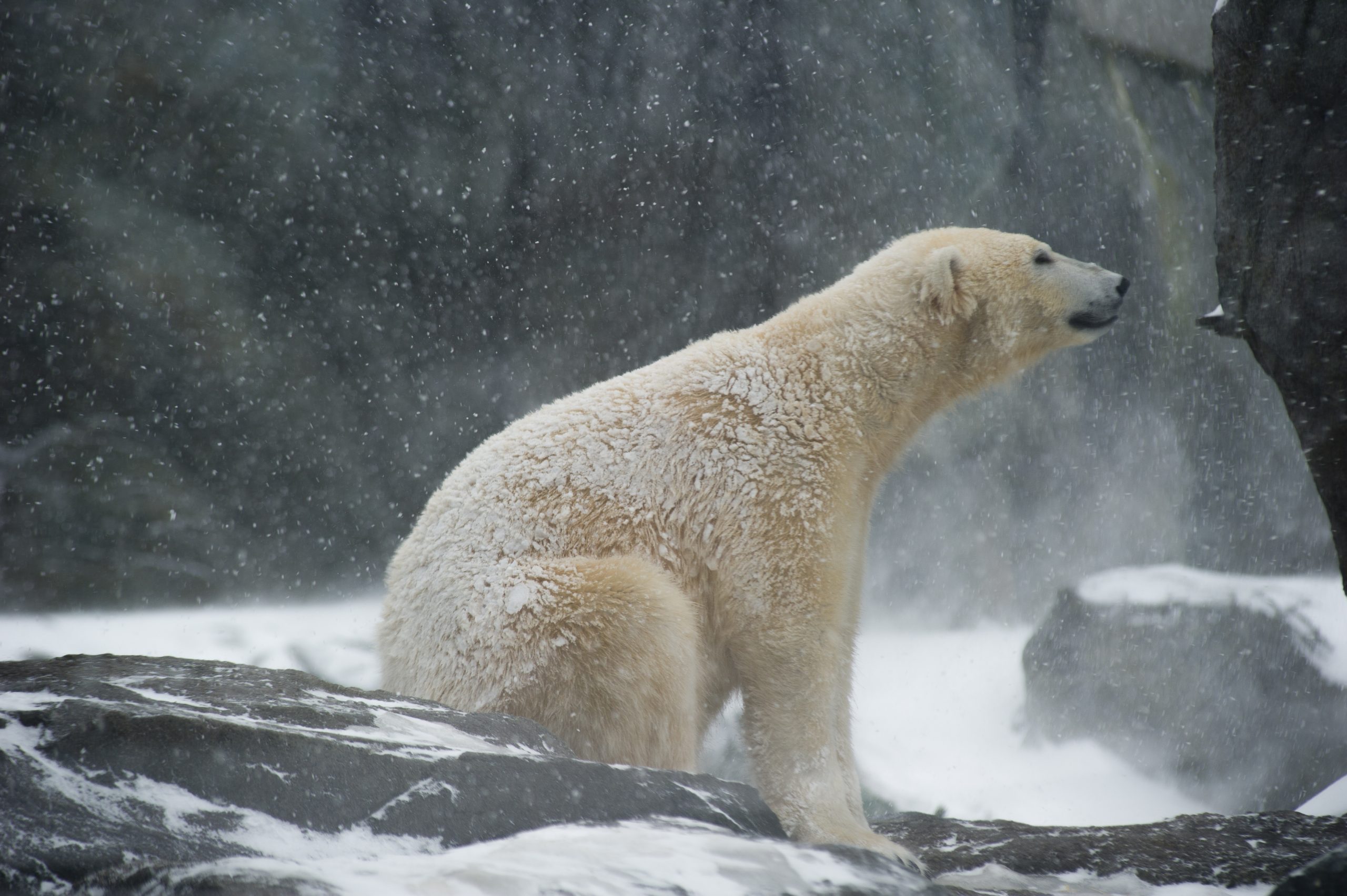
Polar bears sit at the top of the deadliness scale due to their size, strength, and predatory mindset. Unlike most bears, polar bears actively hunt large prey and view humans as potential food rather than just threats. Adult males can exceed 1,500 pounds and move quickly across ice or land with surprising agility. Living in harsh Arctic environments, they rely on high-calorie kills and cannot afford hesitation. As melting ice forces them closer to human settlements, encounters have increased. A polar bear attack is rarely defensive and often relentless, making survival difficult without immediate intervention or deterrents.
2. Grizzly Bear
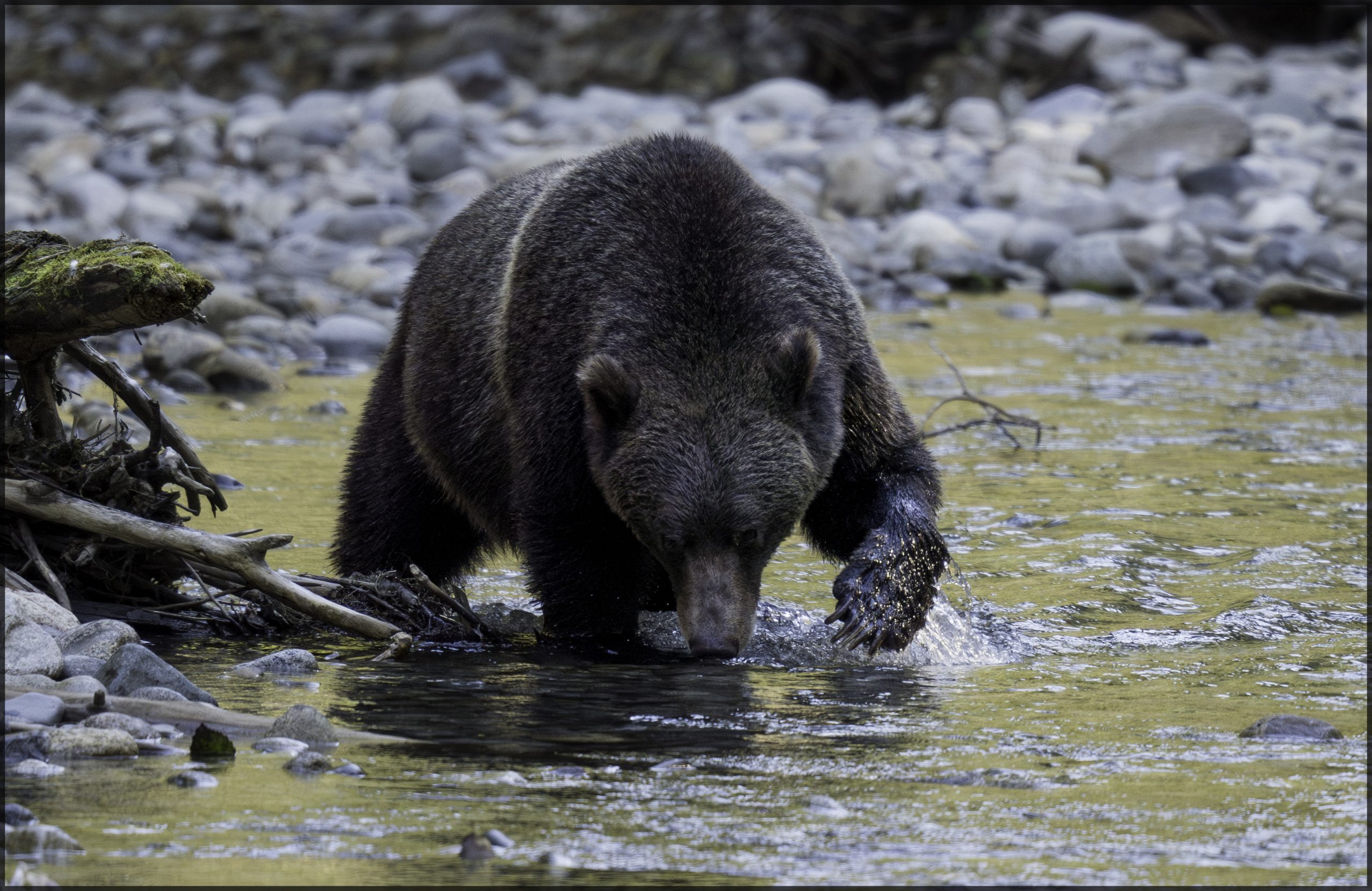
Grizzly bears are infamous for their explosive defensive aggression. Found across North America’s wilderness, they are extremely territorial and highly protective of cubs and food sources. A grizzly can weigh over 700 pounds and reach speeds faster than a sprinting human. Most attacks occur when hikers surprise them at close range, triggering an instinctive charge. Their long claws and powerful bite cause severe trauma within seconds. While grizzlies do not hunt humans, their willingness to confront perceived threats head-on places them among the continent’s most dangerous animals.
3. Kodiak Bear
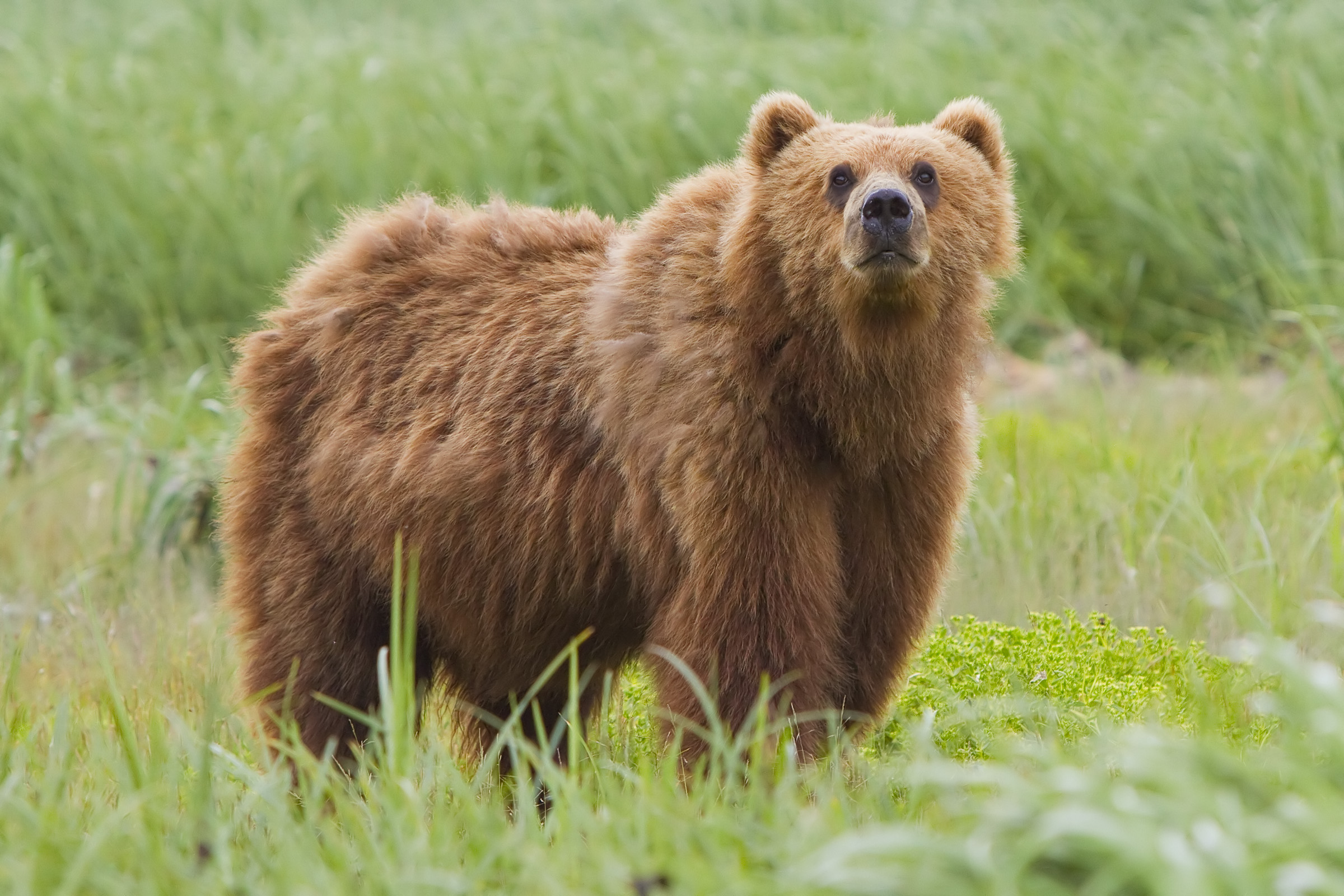
Kodiak bears are a massive subspecies of brown bear found only in Alaska’s Kodiak Archipelago. Similar to grizzlies but often larger, they can exceed 1,600 pounds thanks to rich coastal food sources. Despite their size, Kodiak bears generally avoid humans, which reduces attack frequency. However, when confrontations occur, the results are often catastrophic. Their sheer mass, strength, and bone-crushing bite make them capable of overpowering nearly any threat. Isolation limits encounters, but in close quarters, a Kodiak bear is as deadly as any land predator alive.
4. American Black Bear
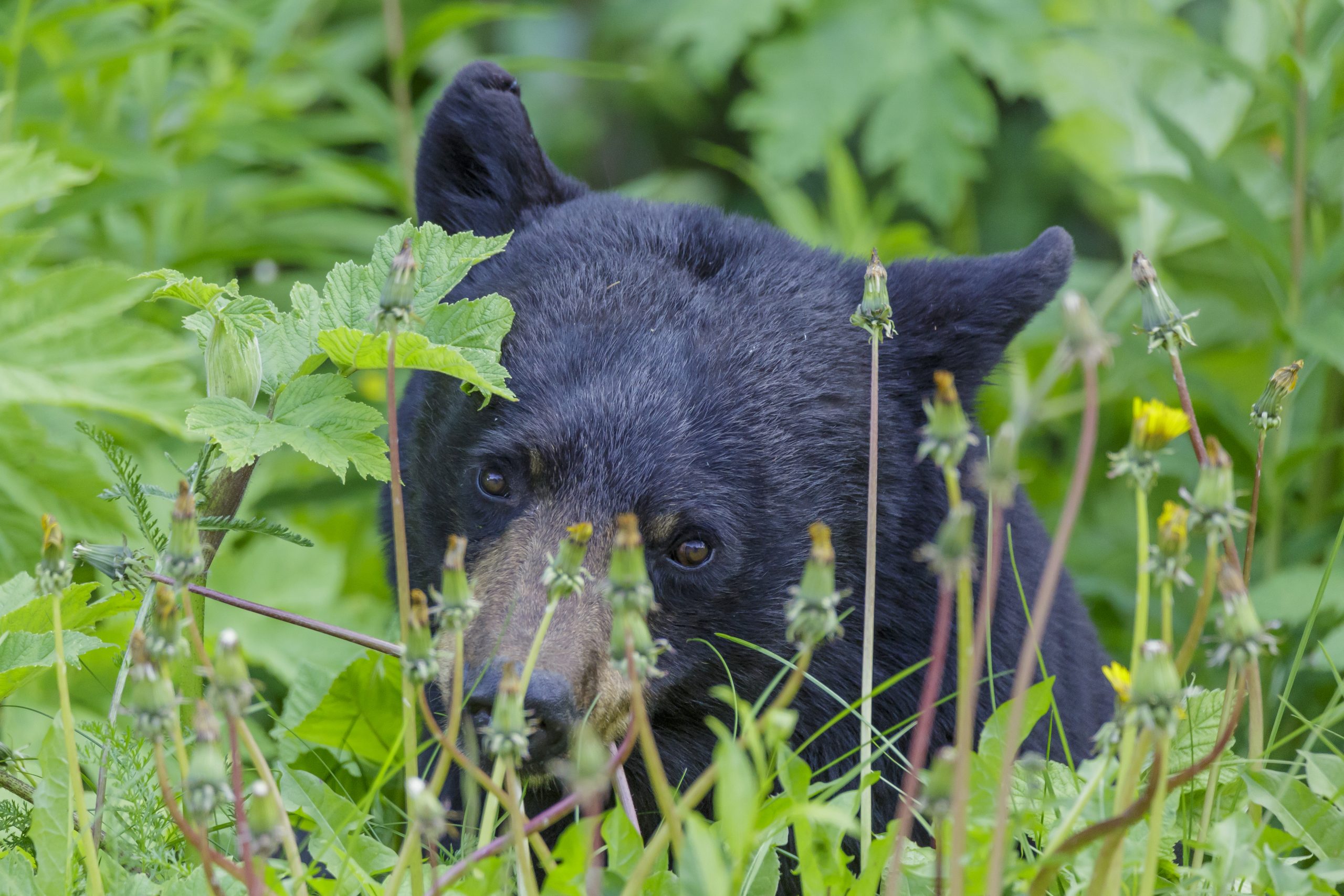
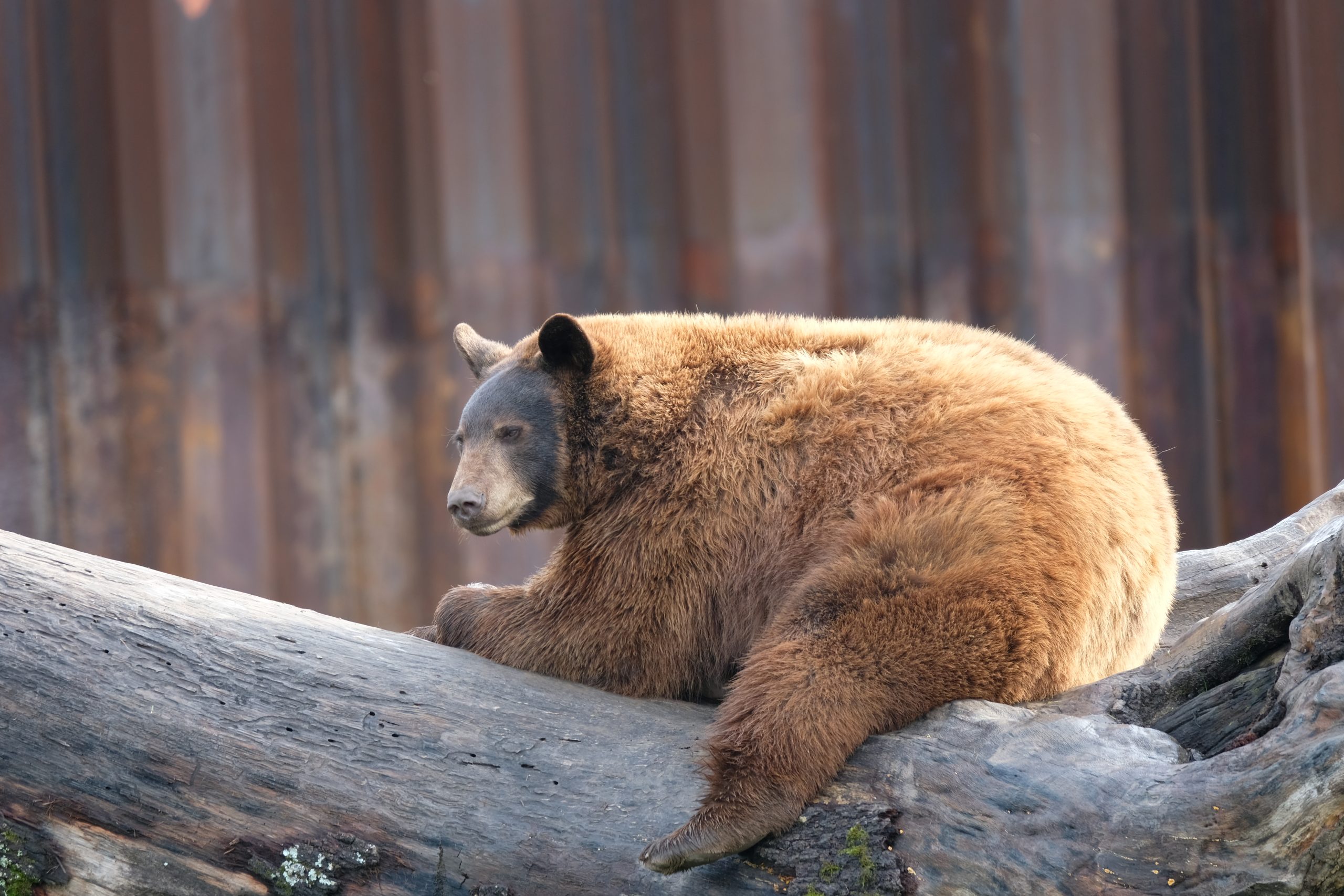
American black bears are the most widespread bear species in North America, and the one humans encounter most often. While smaller than grizzlies, they are strong, fast, and excellent climbers. Most black bear attacks occur due to food conditioning or habituation near human areas. Though typically shy, some individuals become bold and aggressive, especially when defending cubs. Fatal attacks are rare but documented. Their deadliness lies in unpredictability rather than size, as human familiarity often leads to risky behavior on both sides of the encounter.
5. Sloth Bear
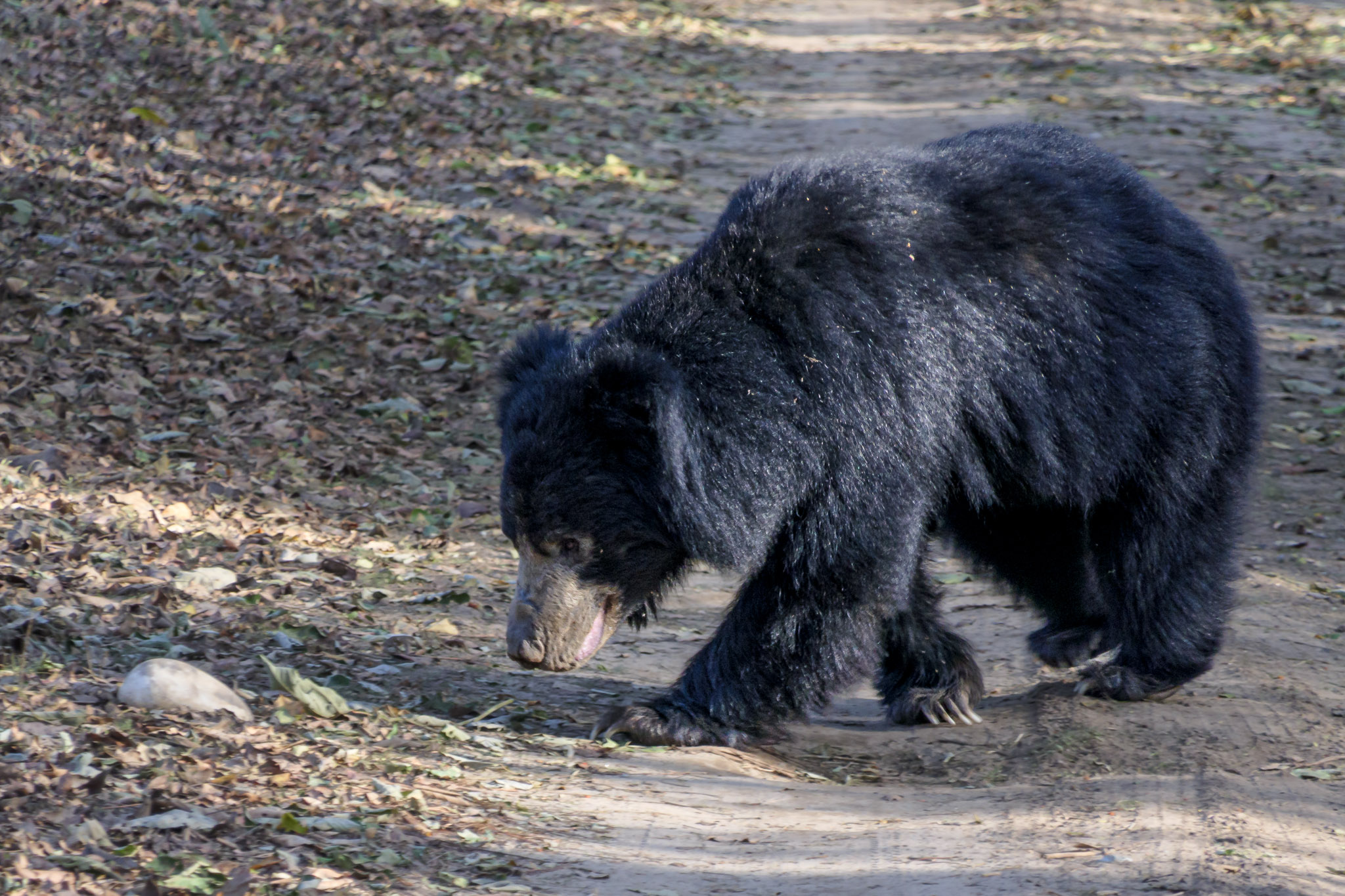
Sloth bears are among the most aggressive bears relative to their size. Native to India and Sri Lanka, they frequently share territory with dense human populations. Poor eyesight and a defensive nature make surprise encounters common, especially in forests and farmland. Sloth bears often stand their ground rather than flee, launching violent attacks aimed at the face and neck. Though smaller than brown bears, they are responsible for a high number of serious injuries and fatalities annually. Their aggression stems from survival instincts developed alongside large predators.
6. Asiatic Black Bear
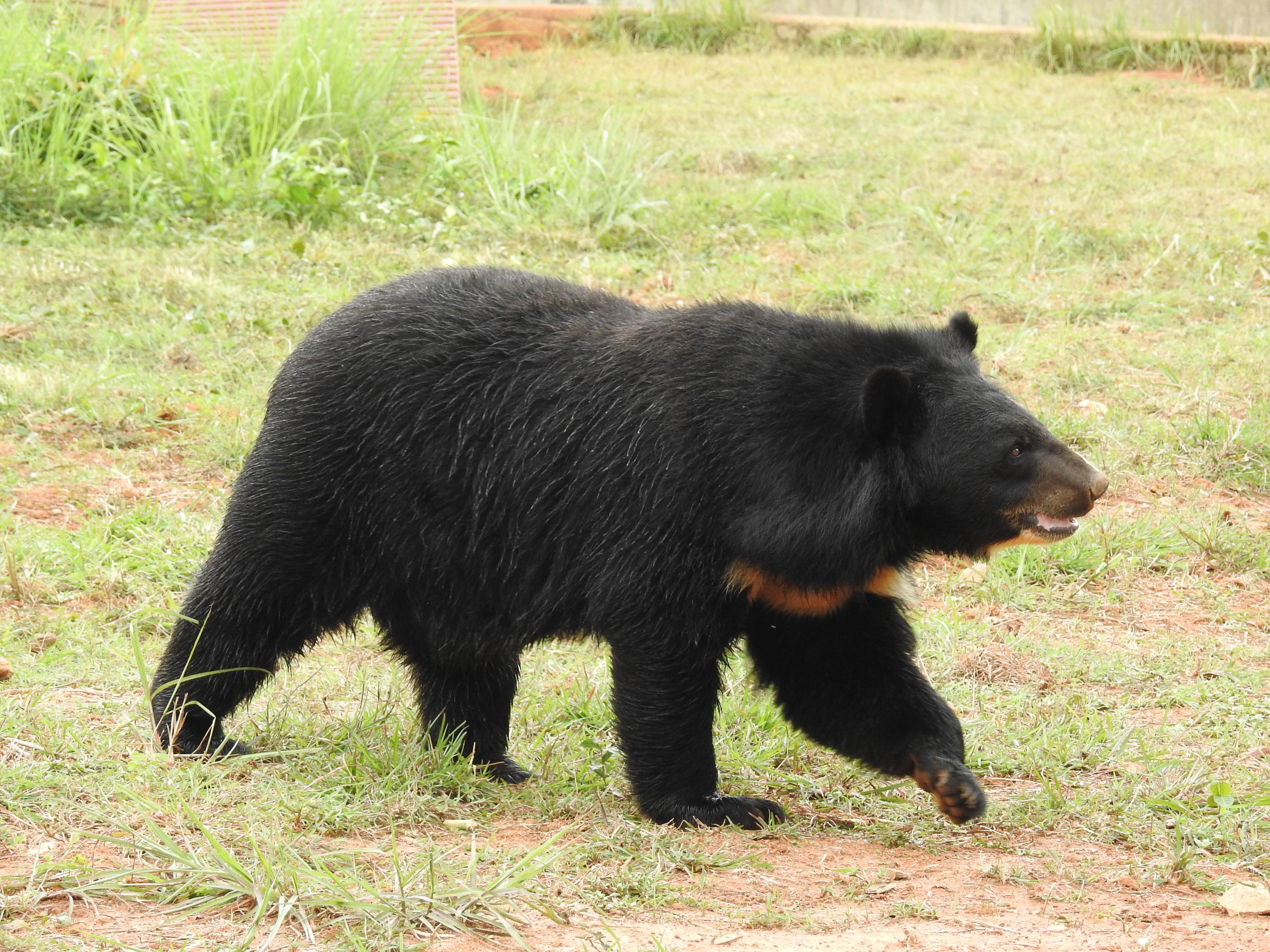
Asiatic black bears inhabit forested regions across Asia and are known for sudden, unprovoked attacks. Habitat loss has pushed them closer to villages, increasing conflict. They are strong climbers and often attack from elevated positions, catching victims off guard. Unlike American black bears, Asiatic black bears show less avoidance behavior when encountering humans. Attacks frequently involve severe facial injuries. While not the largest species, their boldness and proximity to people raise their danger level significantly compared to other mid-sized bears.
7. Sun Bear
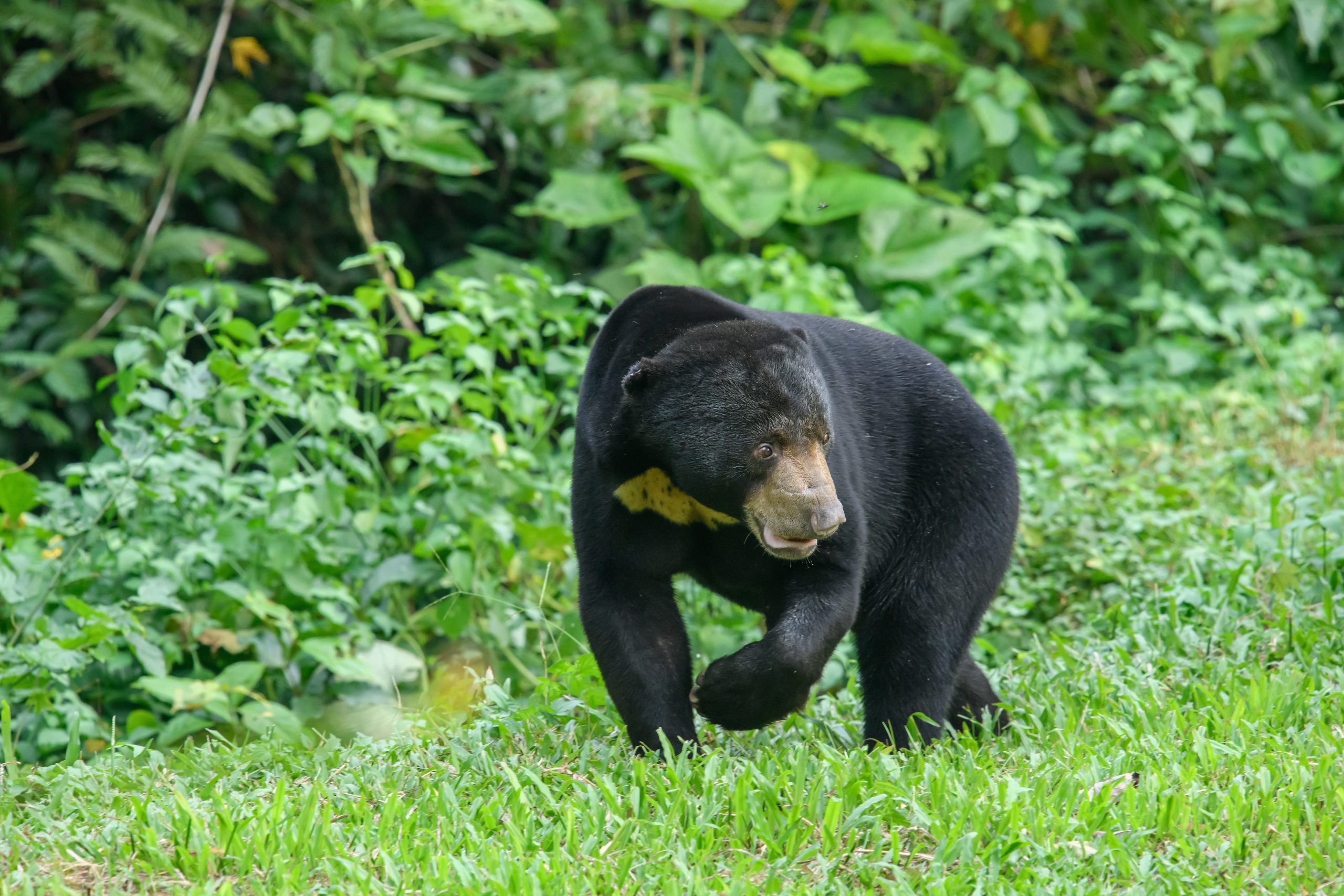
Sun bears are the smallest bear species, but size does not eliminate danger. Found in Southeast Asia, they are highly territorial and possess powerful jaws designed to tear through hardwood and termite nests. When cornered or surprised, sun bears respond with intense aggression disproportionate to their stature. Habitat destruction has increased encounters, especially in plantations and forest edges. While fatalities are uncommon, injuries can be severe due to sharp claws and strong bites. Their reputation among locals reflects a bear that should never be underestimated.
8. Spectacled Bear
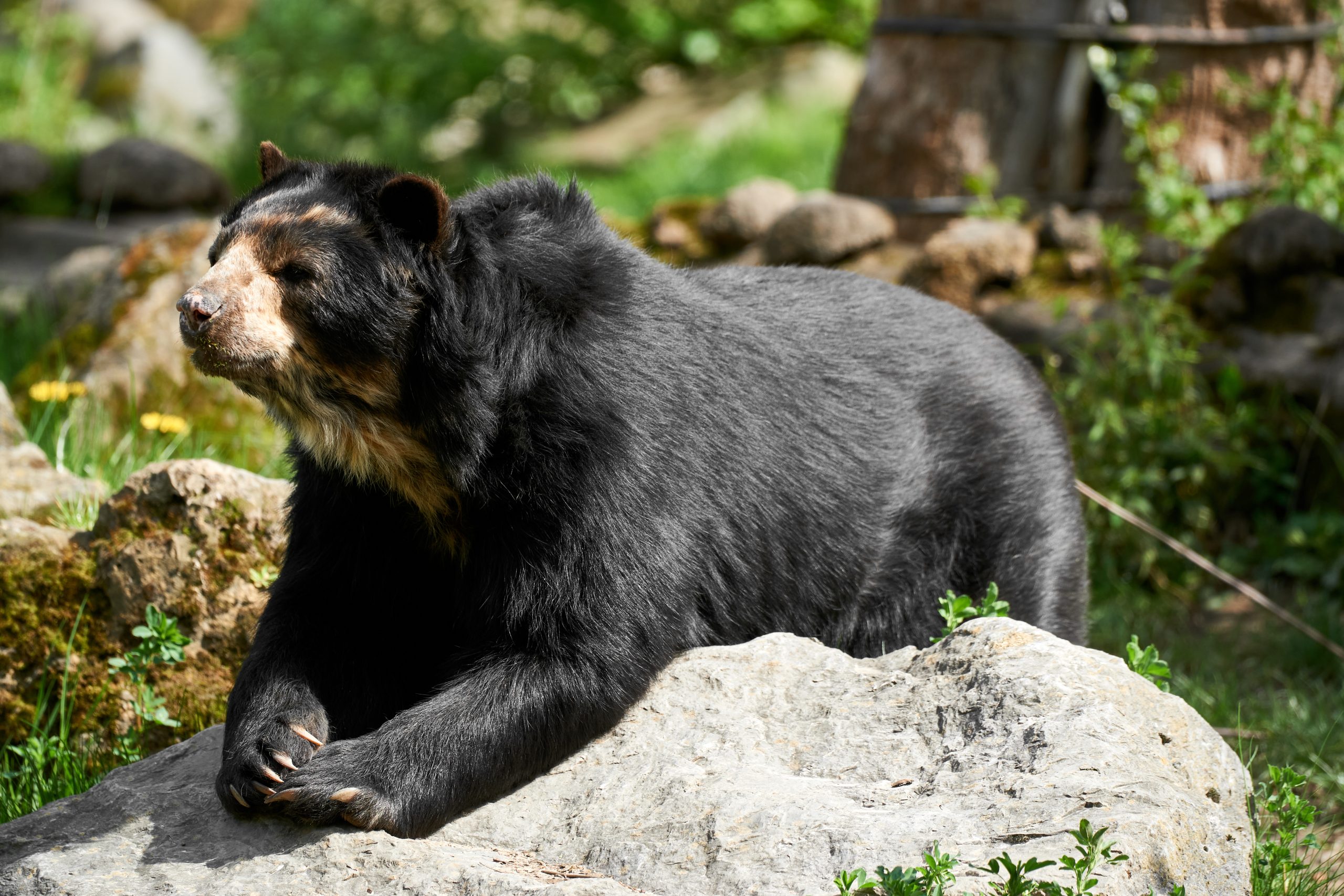
Spectacled bears are the least deadly of all bear species, primarily due to their reclusive nature and plant-heavy diet. Native to South America’s Andes, they avoid humans whenever possible and rarely display aggression. Most encounters end with the bear retreating into dense vegetation or rugged terrain. However, they are still powerful animals capable of defending themselves if cornered. Their low ranking reflects minimal recorded attacks rather than weakness. Even the least deadly bear remains a wild animal deserving caution and respect.