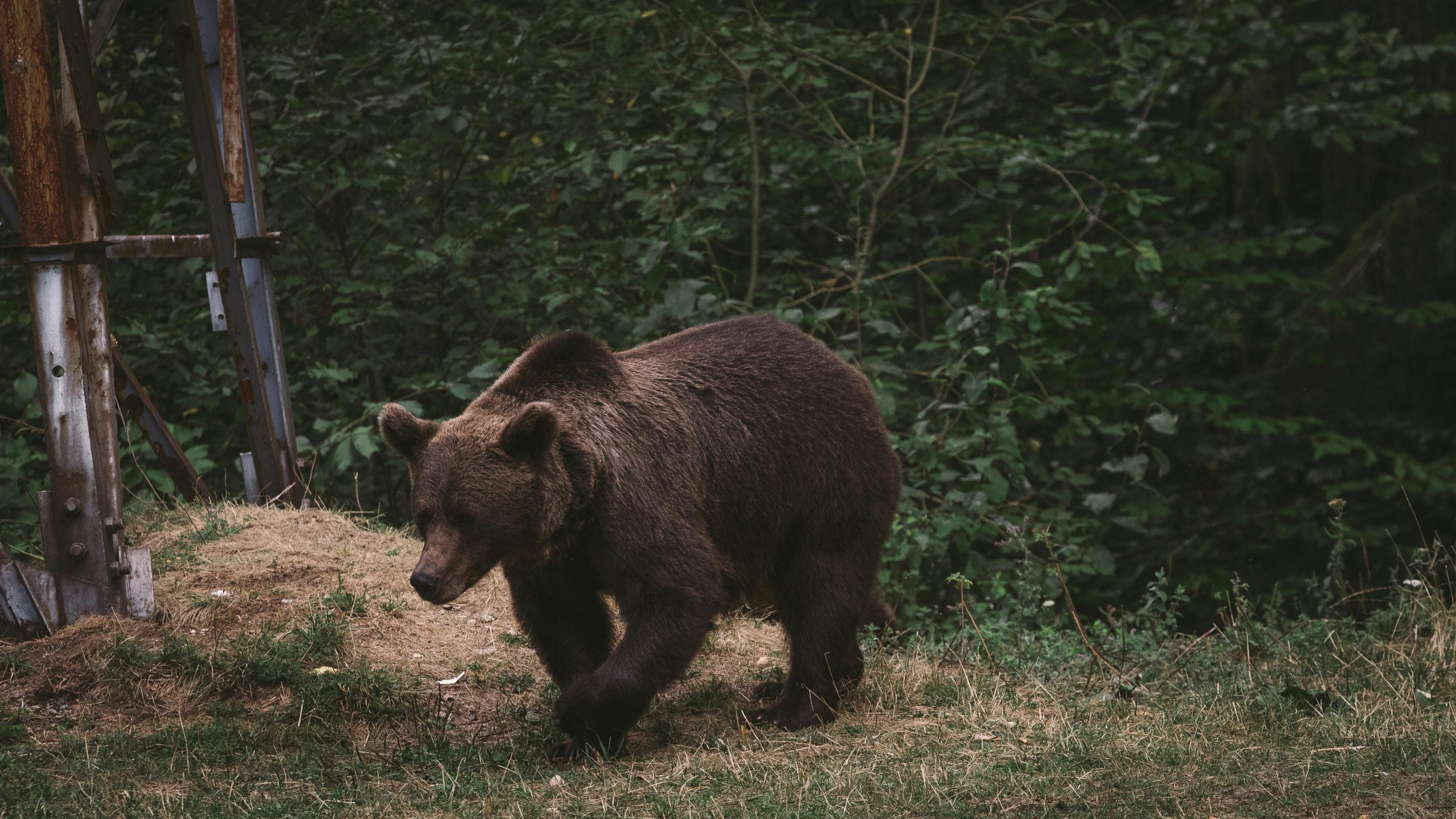
Bears are powerful, thick-skinned animals with heavy bone structure and dense muscle. Successfully and ethically harvesting one requires deep penetration, reliable expansion, and enough energy to reach vital organs from imperfect angles. Some popular calibers are often misunderstood or overestimated because they perform well on smaller game. When scaled up to bears, their limitations become dangerous. Using underpowered cartridges increases the risk of wounding rather than stopping an animal. This list focuses on calibers that may seem capable but consistently fall short for bear hunting due to energy loss, penetration limits, or unreliable terminal performance.
1. .223 Remington
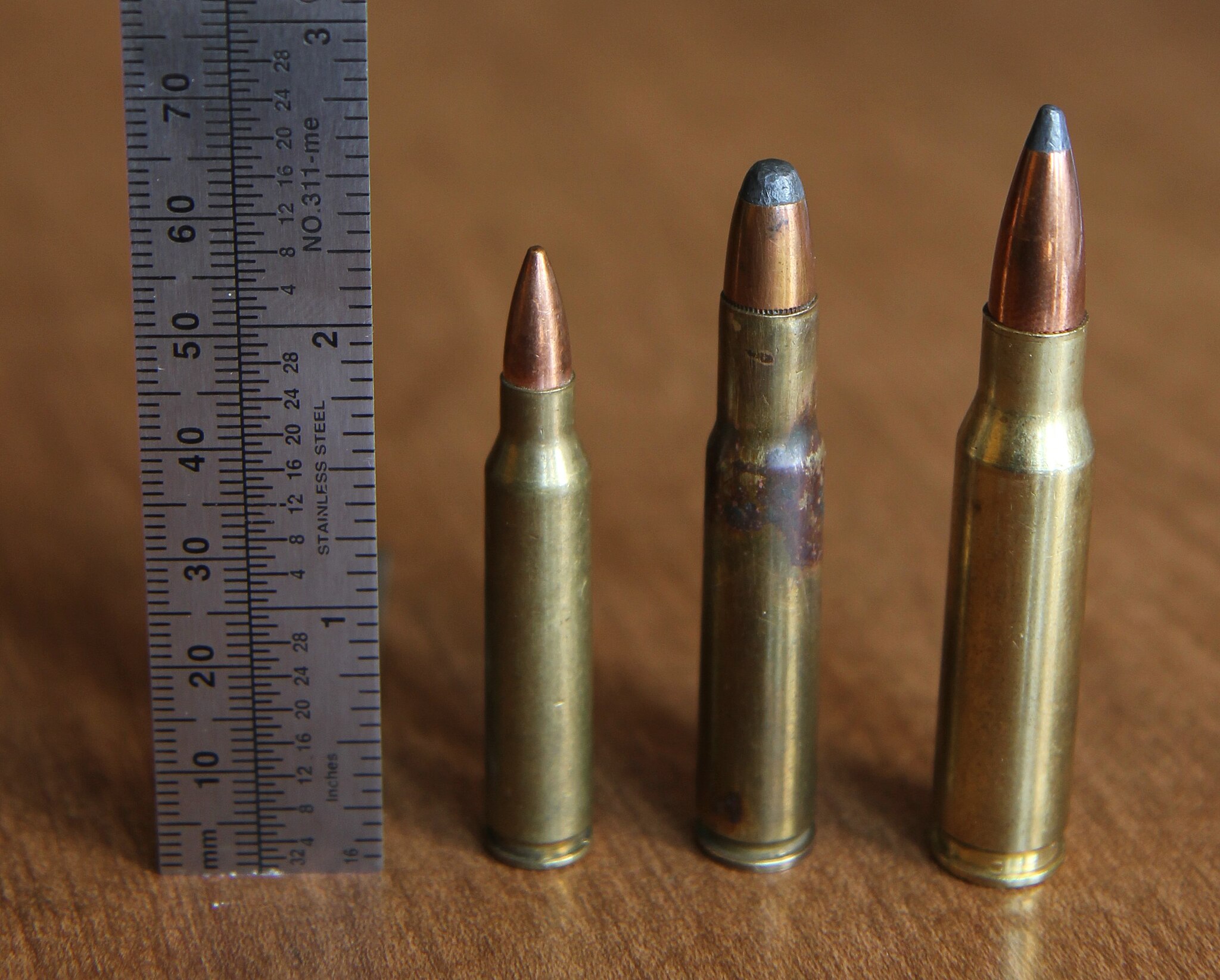
The .223 Remington is widely used and highly accurate, which leads some to believe it can handle large animals. On bears, it performs poorly. The small bullet diameter and light projectile weight limit penetration through thick hide, fat, and bone. Even with premium bullets, margins are extremely thin. Shot angles must be perfect, which is unrealistic in real encounters. Wind drift and energy loss further reduce effectiveness. Bears require decisive stopping power. The .223 was designed for speed and control, not deep tissue disruption. Its visual precision hides a serious lack of authority when facing large, dangerous game.
2. .22-250 Remington
The .22-250 Remington delivers extreme velocity, making it impressive on varmints. That speed becomes a liability for bears. Lightweight bullets often fragment on impact, failing to reach vital organs. Penetration through the shoulder bone or heavy muscle is unreliable. Energy drops quickly after initial contact. While the cartridge looks powerful on paper, terminal performance does not match the demands of bear hunting. Wind sensitivity at longer ranges adds another layer of risk. Bears require controlled expansion and depth. The .22-250 prioritizes speed over mass, which is the opposite of what ethical bear hunting demands.
3. .243 Winchester
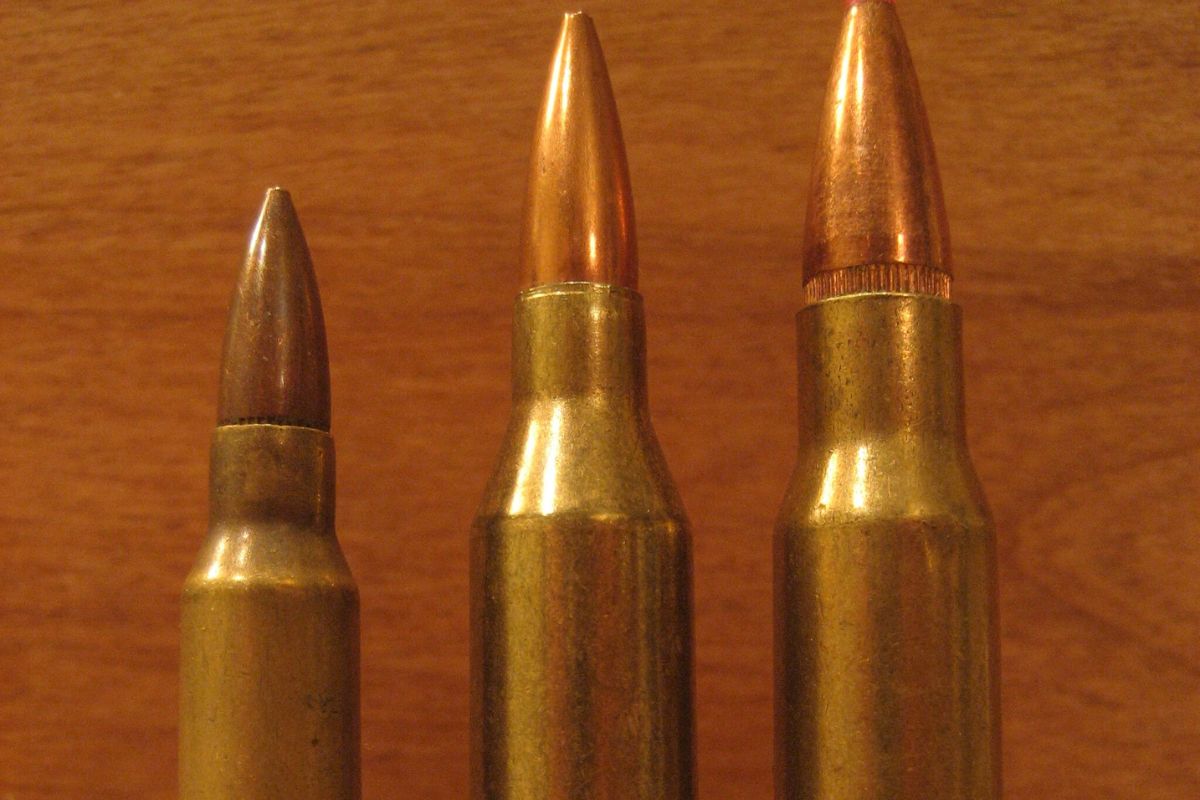
The .243 Winchester sits near the lower edge of acceptable big game cartridges. On bears, it is simply inadequate. Bullet weight is limited, and penetration suffers when encountering dense bone. While it can perform on deer with proper placement, bears offer no such margin for error. Steep angles, movement, and adrenaline complicate real scenarios. Energy levels drop quickly with distance. Visual calm shooting conditions can be misleading. The .243 rewards precision but punishes mistakes harshly. Bears demand decisive impact. This cartridge lacks the reserve power necessary to stop or anchor such a large animal reliably.
4. 5.56×45mm NATO
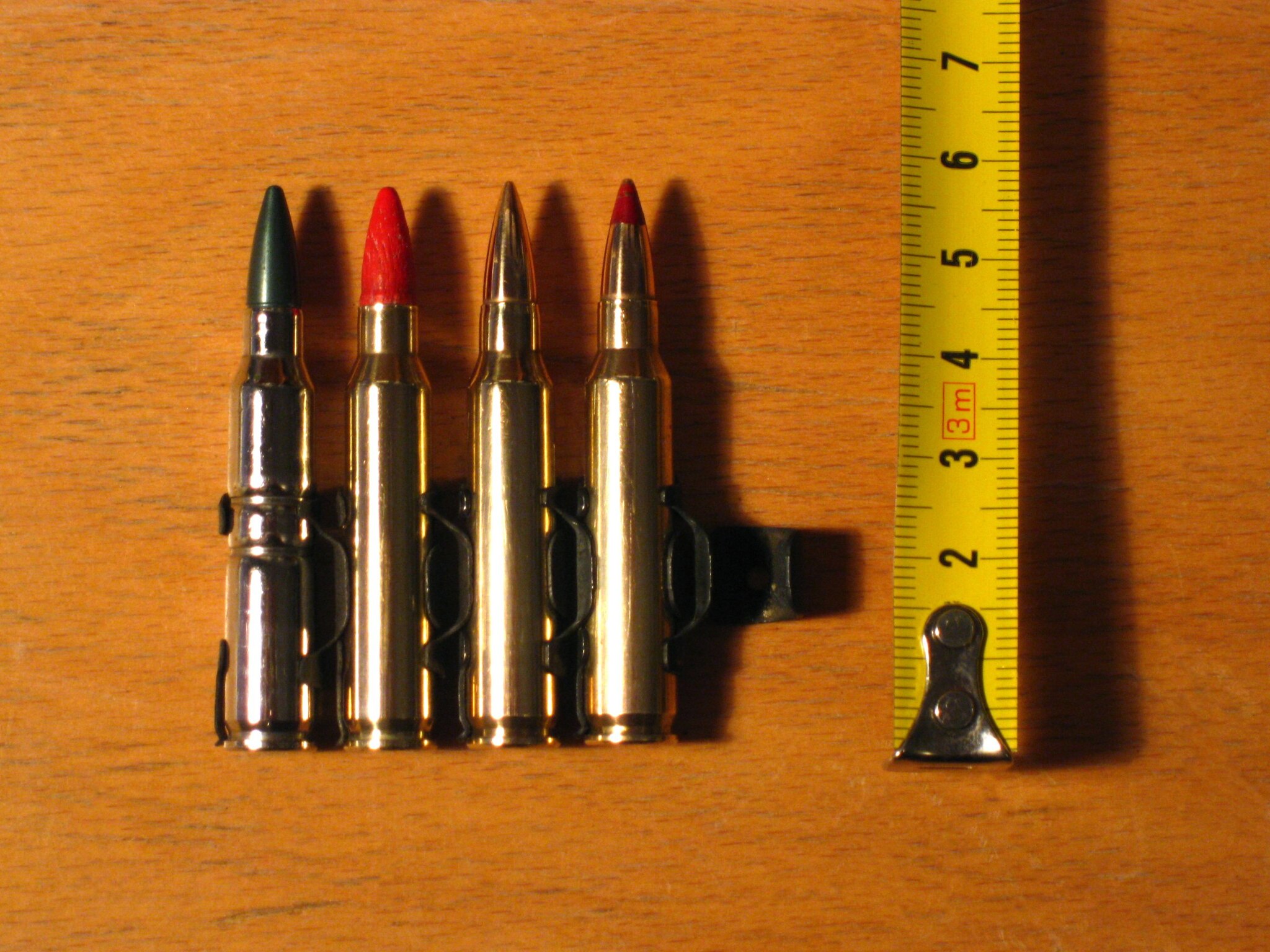
Often confused with stronger hunting rounds, the 5.56×45mm NATO is not suitable for bears. Many loads are designed for military performance, not controlled hunting expansion. Penetration varies widely depending on bullet design and impact speed. Energy levels are insufficient for consistent results on large animals. Bone strikes often deflect or fragment projectiles. While accurate and easy to shoot, the cartridge lacks stopping power. Bears require depth and mass. The 5.56 may look capable due to its widespread use, but its design priorities do not align with the demands of ethical bear hunting.
5. .204 Ruger
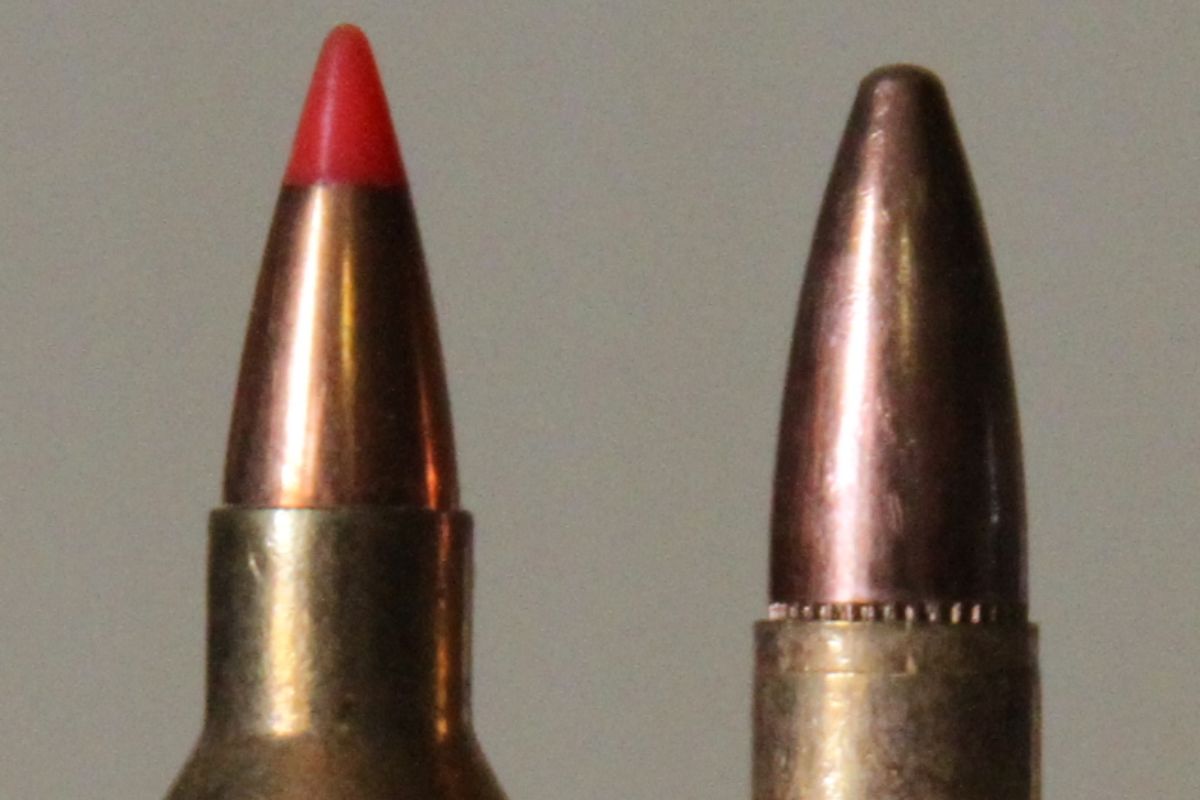
The .204 Ruger offers extreme velocity and pinpoint accuracy. Its ultra-light bullets, however, lack sectional density. On bears, penetration is almost nonexistent. Expansion occurs too rapidly, often on the surface. Wind drift affects the small projectile more than expected. Energy transfer is shallow and inconsistent. The cartridge excels on small animals in open fields, not large predators with heavy muscle layers. Visual sharpness of impact creates false confidence. Bears require deep, controlled penetration. The .204 Ruger sacrifices mass for speed, making it one of the least suitable choices for large, dangerous game.
6. .17 HMR
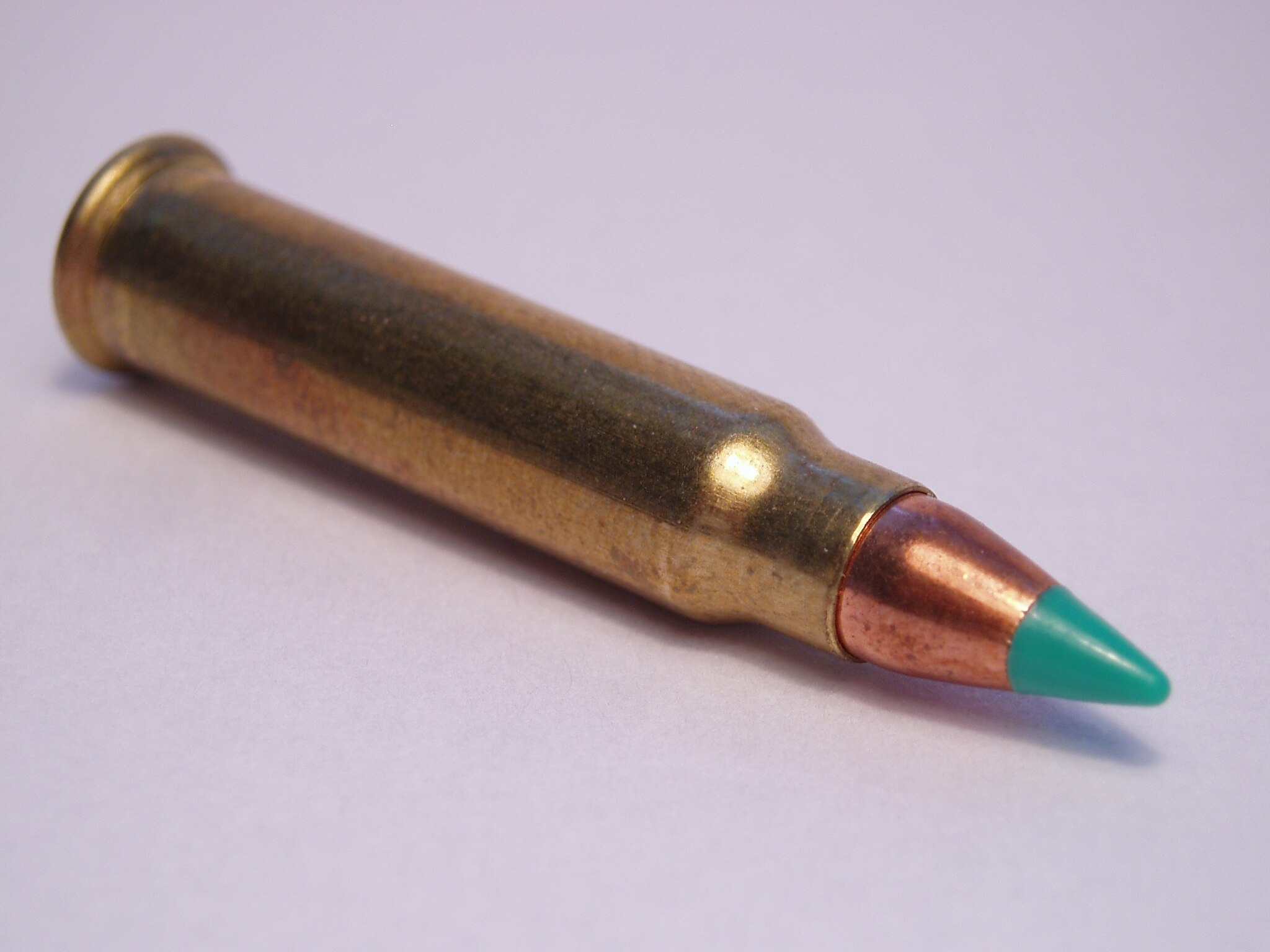
The .17 HMR is entirely inappropriate for bear hunting. Despite its speed and accuracy, it is a rimfire cartridge designed for small game. Its tiny bullets fragment instantly and fail to penetrate even modest tissue. Energy drops almost immediately after impact. Wind drift dramatically affects accuracy beyond short distances. Using this cartridge on a bear is unethical and unsafe. Visual confidence at close range does not compensate for its limitations. Bears require heavy bullets and deep penetration. The .17 HMR simply does not belong in any serious discussion of large game hunting.
7. .224 Valkyrie
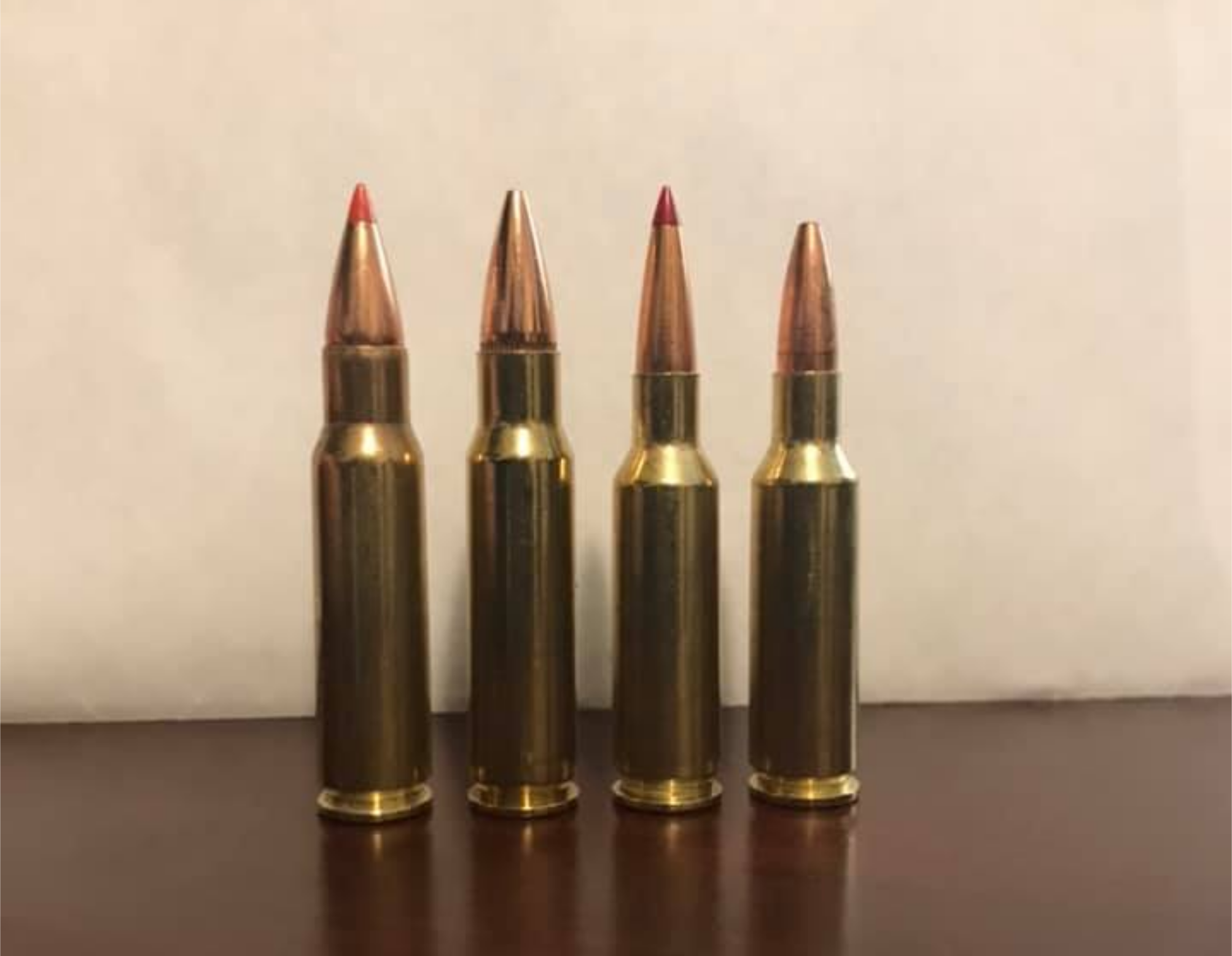
The .224 Valkyrie was developed for long-range target shooting, not dangerous game. While it maintains velocity well, the bullet diameter and weight remain small. Terminal performance on thick muscle and bone is unreliable. Expansion can be unpredictable, especially at varying distances. Energy levels fall short of what bears demand. The cartridge rewards precision on steel targets, not organic resistance. Visual confidence at long range hides weak penetration margins. Bears require authority and depth. The .224 Valkyrie prioritizes ballistics over stopping power, making it a poor and risky choice for bear hunting.