Winter weather often brings damp air, freezing rain, and lingering moisture that test how well clothing performs beyond basic warmth. While low temperatures influence layering decisions, humidity quietly determines whether fabrics stay insulating or become uncomfortable over time. Certain materials absorb water, lose heat retention, or cling unpleasantly when exposed to moisture for extended periods outdoors. Others dry too slowly, allowing cold to settle close to the body and sap energy. Recognizing how fabrics respond to humidity explains why some popular winter staples disappoint in wet conditions. This revised guide breaks down seven common winter clothing materials that struggle in humid environments and explains the specific reasons they underperform during prolonged cold seasons.
Cotton
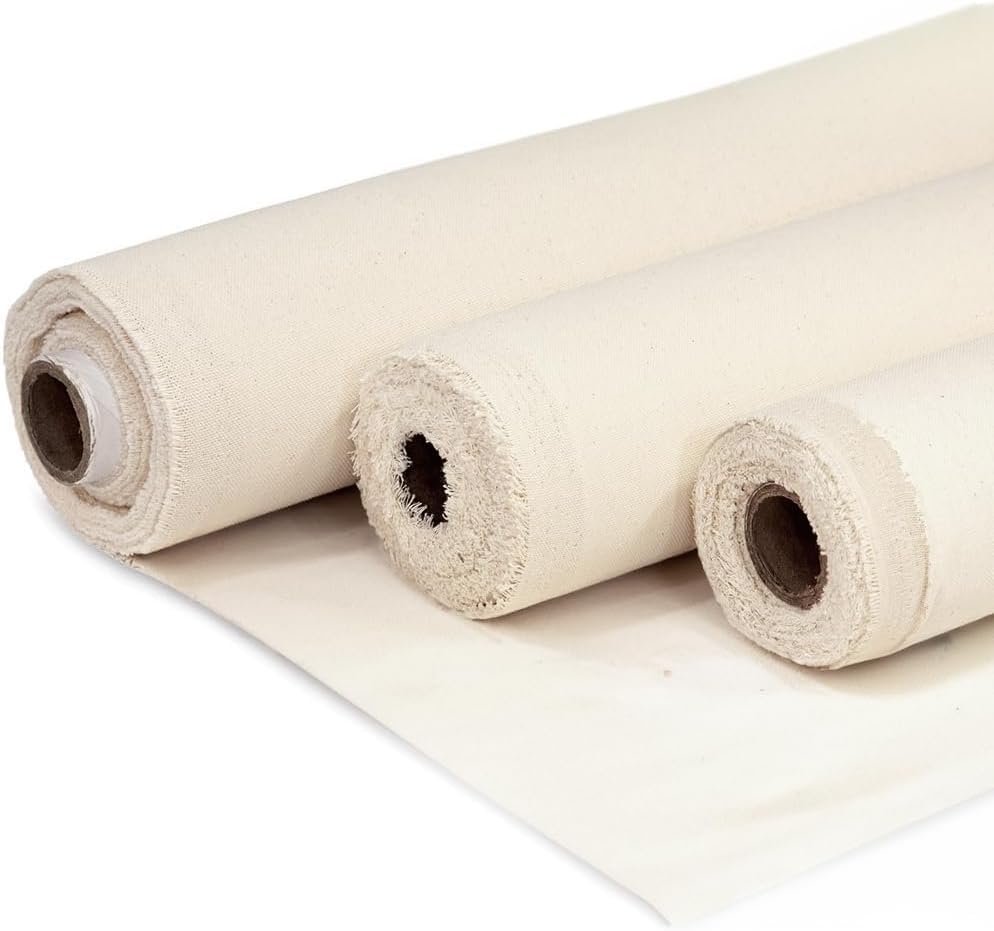
Cotton performs poorly in humid winter weather because it absorbs water quickly and releases it slowly into surrounding air. Damp conditions from snow, fog, or perspiration easily saturate the fibers, causing the fabric to lose insulating ability rapidly. Once wet, cotton clings to the skin and creates a chilling sensation that intensifies in low temperatures. The material also becomes noticeably heavier, restricting movement and overall comfort during daily wear. Because cotton pulls heat away from the body when damp, it increases discomfort during prolonged exposure. Although comfortable in dry conditions, cotton fails to provide reliable warmth or protection in cold environments where moisture remains constant.
Denim
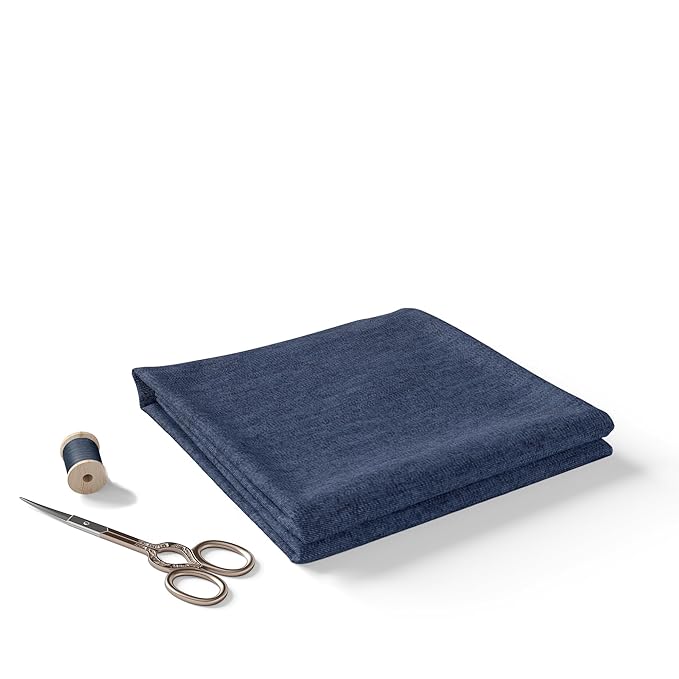
Denim struggles in humid winter conditions due to its tightly woven cotton structure and limited moisture management properties. The fabric readily soaks up water and holds onto it, becoming stiff and cold when exposed to damp air for hours. High humidity prevents denim from drying efficiently, allowing moisture to remain trapped against the skin. This leads to increased heat loss, especially during windy or overcast weather. Denim also lacks insulating loft, offering little warmth once wet. While durable and fashionable, denim is poorly suited for winter settings where moisture and cold persist throughout long, active days outdoors.
Wool Blends With High Cotton Content
Wool blends containing large amounts of cotton lose many advantages associated with pure wool in humid winter conditions. Wool naturally resists moisture and retains warmth when damp, but cotton fibers counteract these benefits by absorbing water quickly. In humid environments, the fabric often feels cool and clammy rather than insulating or breathable. Drying time increases noticeably, and temperature regulation becomes inconsistent throughout wear. These blends may appear practical but perform unreliably during wet winters. When humidity rises, garments with high cotton content struggle to maintain comfort and warmth compared to options made primarily from wool fibers alone.
Fleece Made From Low Quality Polyester
Low quality polyester fleece can disappoint in humid winter environments despite its reputation for lightweight warmth and softness. Inferior fleece materials often trap moisture close to the body, especially when airflow is limited by outer layers. In damp conditions, sweat vapor struggles to escape, creating a sticky and uncomfortable feeling during movement. Once moisture builds up, the fabric loses much of its insulating effectiveness. Cheaper fleece also lacks proper structure for efficient wicking. While fleece excels in dry cold, lower grade versions fail to manage humidity, reducing comfort during extended exposure to wet winter conditions outdoors.
Acrylic Knits
Acrylic knits mimic the appearance of wool but fall short in performance when humidity increases. The synthetic fibers do not regulate moisture well and often trap perspiration against the skin during activity. In damp winter air, acrylic garments can feel clammy and uncomfortable for extended periods. Insulation declines as moisture accumulates, and breathability remains limited compared to natural fibers. Acrylic also tends to retain odors when wet, adding to overall discomfort. Although lightweight and budget friendly, acrylic knits struggle to balance warmth and moisture control, making them unreliable choices for cold climates where dampness is frequent.
Leather Without Weather Treatment
Leather that lacks protective treatment performs poorly in humid winter conditions and requires careful handling. The porous material allows moisture to seep in, leading to stiffness, warping, and reduced flexibility over time. Cold, damp air slows drying significantly, increasing the likelihood of long term damage. Wet leather also feels colder against the body and loses much of its insulating value. Without weather resistant finishes, humidity accelerates cracking and surface wear. While leather blocks wind effectively, untreated versions fail to handle moisture, making them impractical for consistently wet winter environments without extensive maintenance.
Heavy Canvas
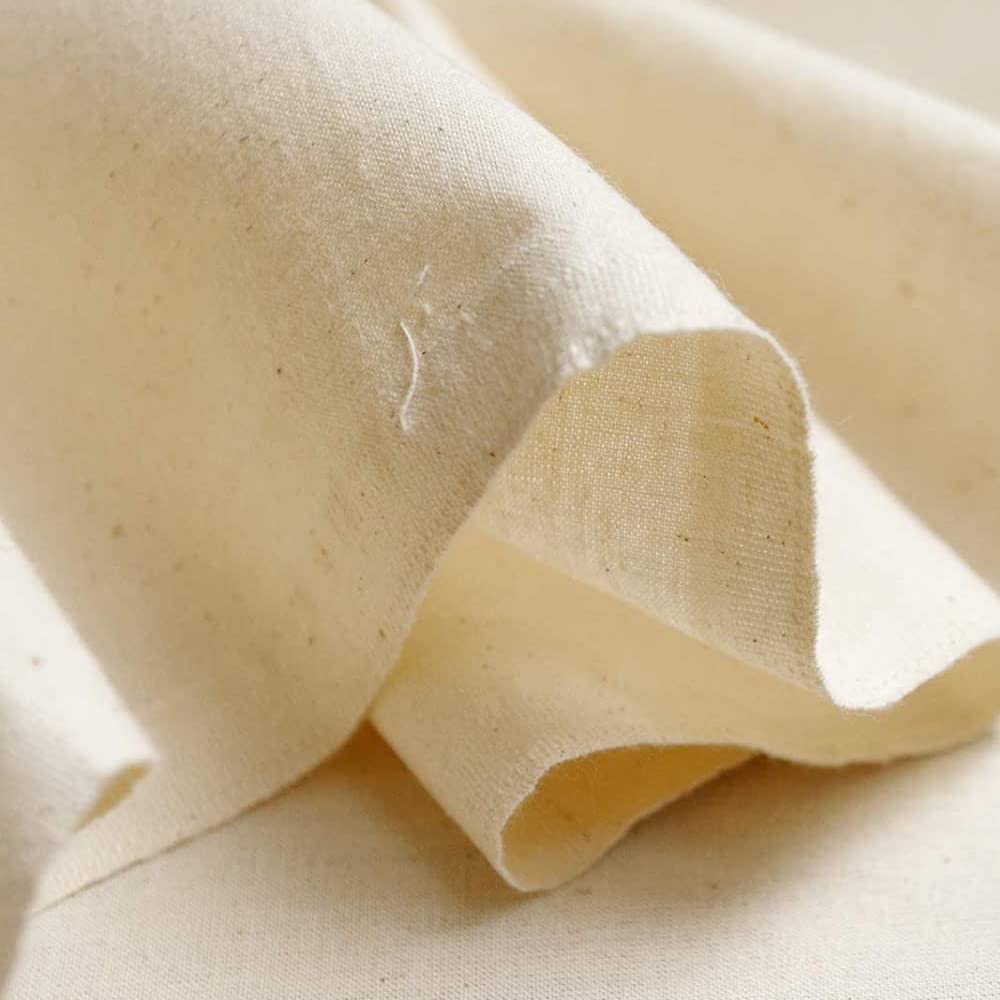
Heavy canvas struggles in humid winter weather because of its thick cotton based construction and strong tendency to absorb moisture. Snow, rain, and mist quickly saturate the fabric, causing it to become bulky and slow to dry fully. The trapped moisture draws heat away from the body, increasing cold discomfort during wear. Canvas also limits airflow, allowing dampness to build up inside garments over time. Although durable in dry conditions, canvas lacks flexibility in wet winter climates. Its weight, stiffness, and moisture retention reduce practicality when cold weather combines with persistent humidity outdoors.