Understanding the difference between human and animal trail use can help outdoor enthusiasts interpret recent activity and move through natural areas with greater awareness. Trails record subtle clues that reveal who passed through, whether hikers, cyclists, deer, or smaller forest animals. Footprints, disturbed soil, vegetation patterns, and the presence or absence of certain markings each provide meaningful hints when read carefully. Moisture, weather conditions, and trail composition also influence how long signs remain visible within a twenty-four-hour period. Learning to observe these details transforms an ordinary walk into a chance to understand how humans and wildlife interact with shared environments. This awareness allows travelers to appreciate natural rhythms while gaining insight into the movement and behavior of the animals that inhabit the landscape.
Footprint Depth and Definition
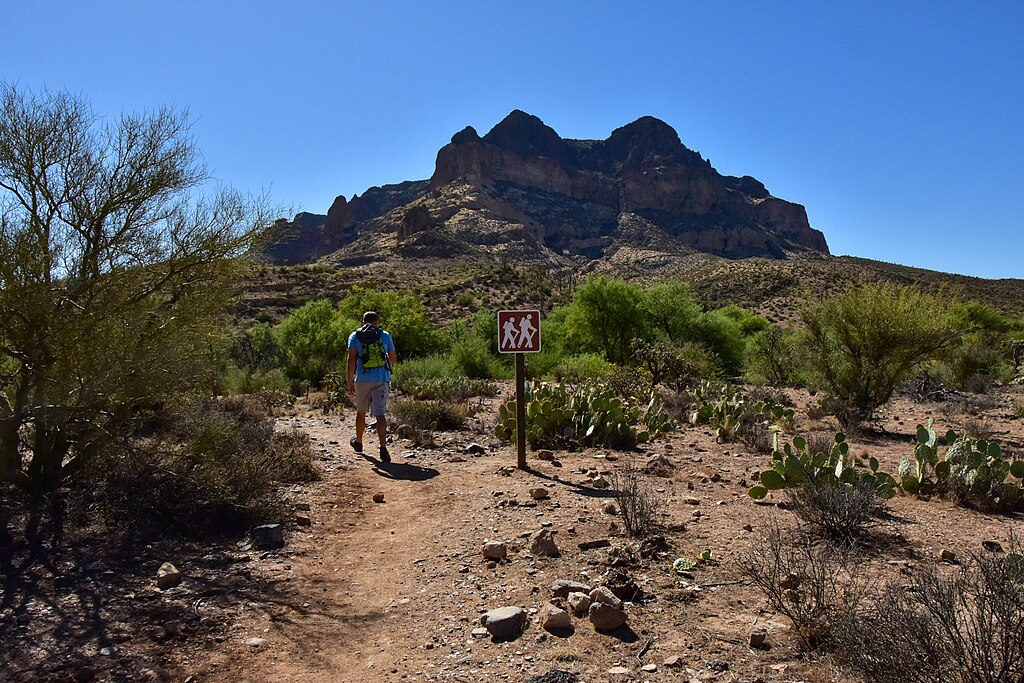
Footprints provide the clearest indication of recent trail use, especially when moisture and soil conditions preserve shape and detail. Human footprints often appear deeper and more defined due to concentrated weight distributed across a flat shoe sole. In contrast, animal tracks show distinctive toe shapes, pad impressions, or hooves depending on species. Trails touched within twenty-four hours typically display crisp edges, minimal erosion, and visible texture within the print. Larger animals such as deer leave elongated hooves, while smaller mammals create light, clustered marks that diminish quickly with wind or sun. Observing how clean or blurred the tracks appear helps determine how recently the trail was used, offering meaningful insight into both direction and activity level.
Vegetation Disturbance
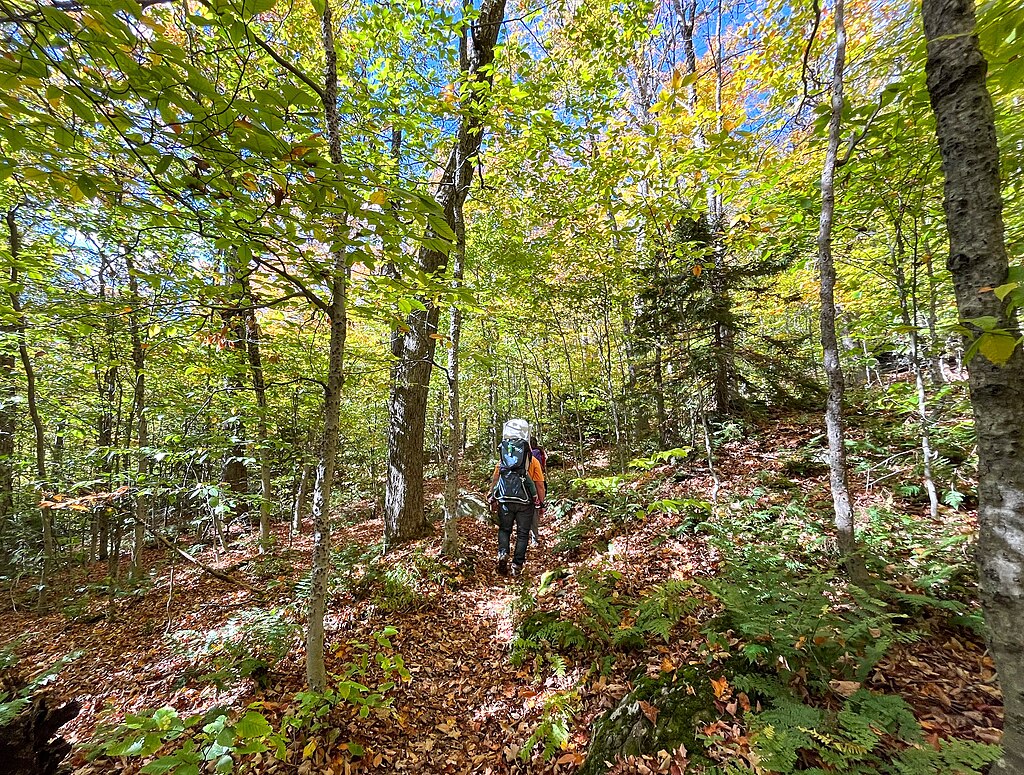
Vegetation provides reliable clues when distinguishing between human and animal movement, particularly on narrow trails bordered by grasses, shrubs, or low branches. Human passage often bends taller plants uniformly in one direction or flattens them against the ground, creating a wider disturbance pattern. Animals typically leave narrower paths with irregular bending or snapping that reflects quick or cautious movement. Freshly disturbed vegetation feels pliable and may show broken stems with exposed inner tissue, indicating recent contact within the last day. Dew patterns also offer insight, as trails walked in early morning often show wiped or parted moisture. Examining these subtle changes helps illustrate which type of traveler passed through and how recently the interaction occurred.
Soil Compression and Surface Texture
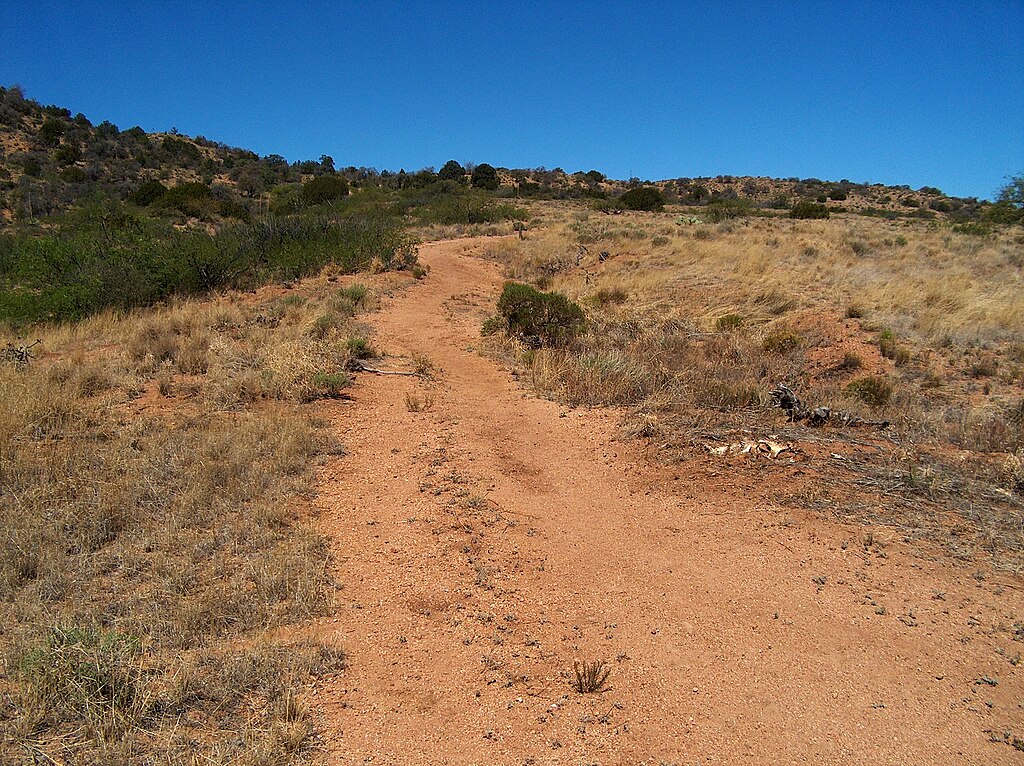
Soil responds differently to human and animal traffic depending on weight distribution and gait, making compression patterns a helpful indicator of recent trail use. Human steps create broader, more evenly spaced impressions, while animals leave varying depths and shapes related to their stride and foot structure. Fresh compression usually appears darker from retained moisture or stands out with sharp edges where soil has been displaced recently. Trails touched in the past twenty-four hours often show minimal settling, allowing surface granules to appear shifted but not yet dispersed. Wind, sunlight, and temperature gradually soften impressions, helping observers gauge the timeline of activity. Comparing texture, depth, and pattern offers valuable information about who last used the trail.
Scat Characteristics
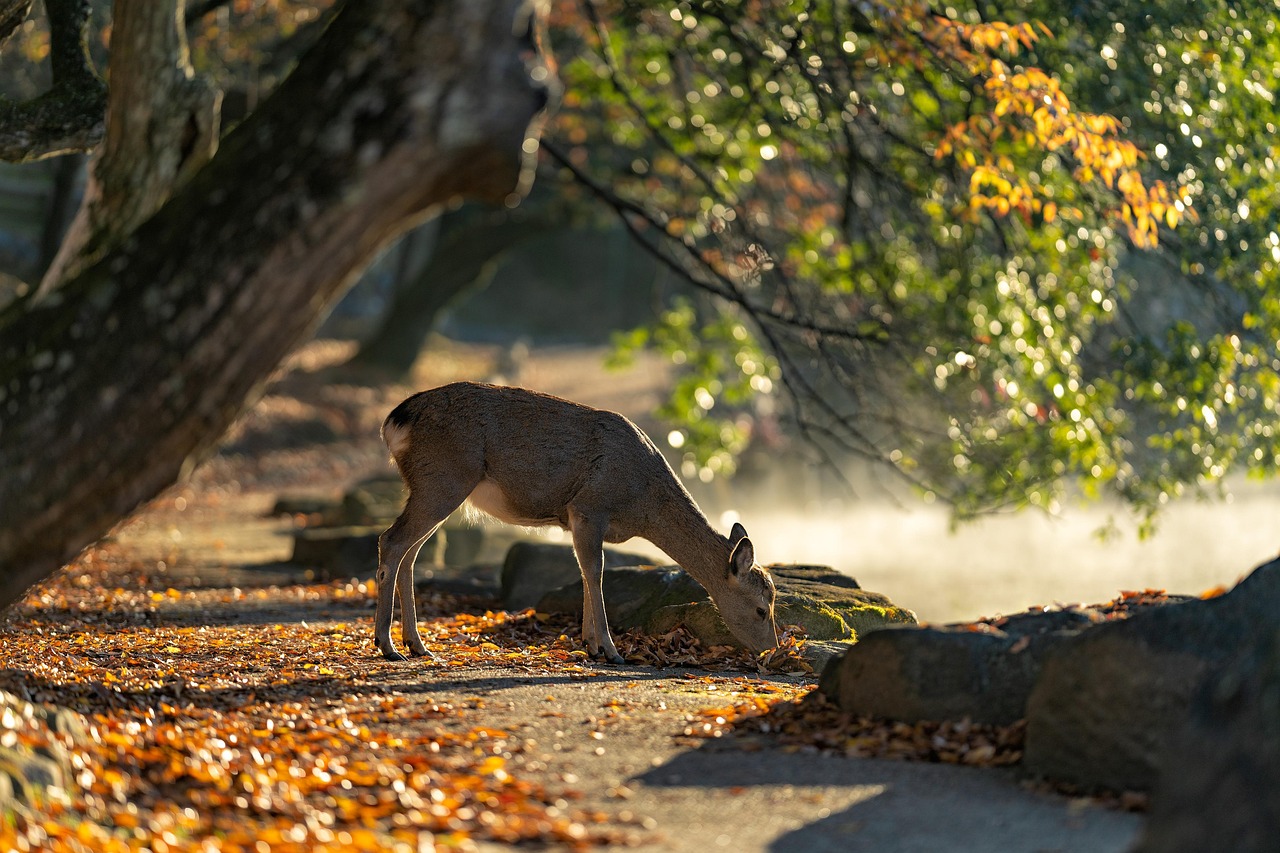
Scat provides one of the most definitive signs of recent animal presence, with appearance, moisture level, and placement revealing activity within a short timeframe. Fresh scat often appears glossy or moist and retains shape without cracking at the edges. Human presence rarely leaves such markers in natural trail settings, making identification easier when determining whether wildlife passed through recently. Different species create distinct forms, such as pellet clusters from deer, tubular segments from carnivores, or fine granular piles from small mammals. Trails showing scat within twenty-four hours typically feature pieces free of dust accumulation or insect disturbance. Observing scat carefully helps identify species, estimate timing, and understand how animals move through shared spaces.
Broken Twigs and Branch Patterns
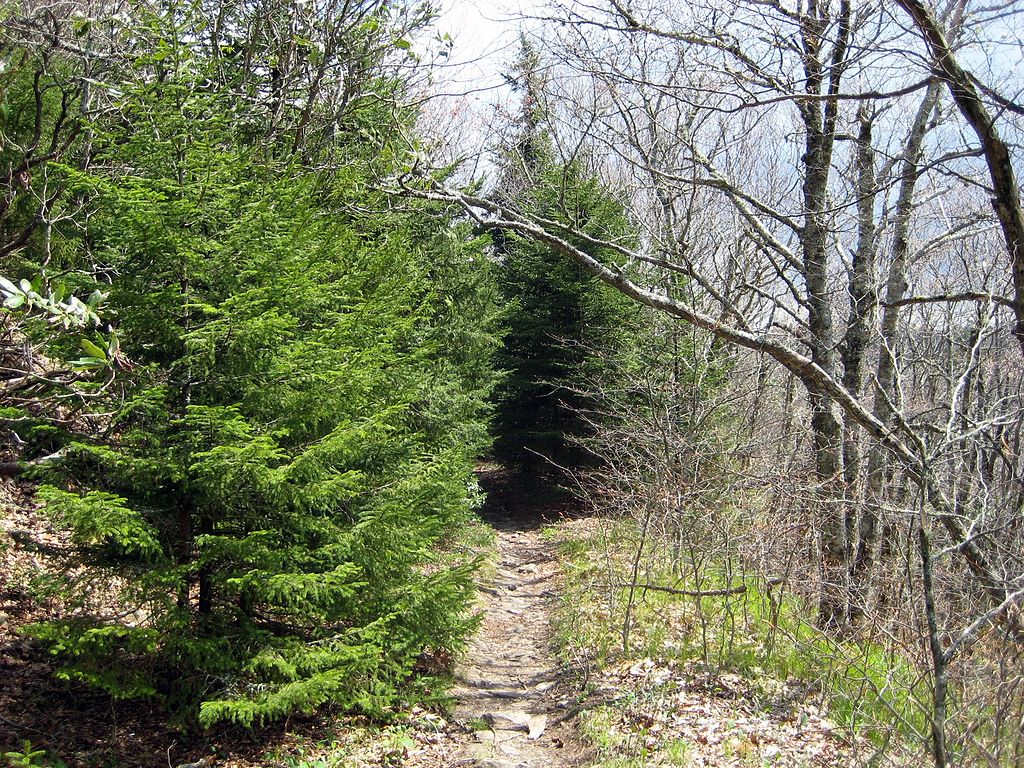
Broken twigs and low branches help reveal recent movement, especially along forested trails or brush-lined paths. Humans tend to snap branches cleanly and at predictable heights, often around arm or shoulder level. Animals usually break or bend vegetation closer to the ground, leaving uneven marks shaped by quick steps, grazing, or narrow passage. Fresh breaks display lighter inner wood and may release subtle scents from sap, indicating recent disturbance. Over twenty-four hours, exposed surfaces begin to darken, offering a timeline for interpretation. Observing branch height, break angle, and freshness provides strong clues about whether people or wildlife recently traveled the area.
Sound Cues and Environmental Disturbance
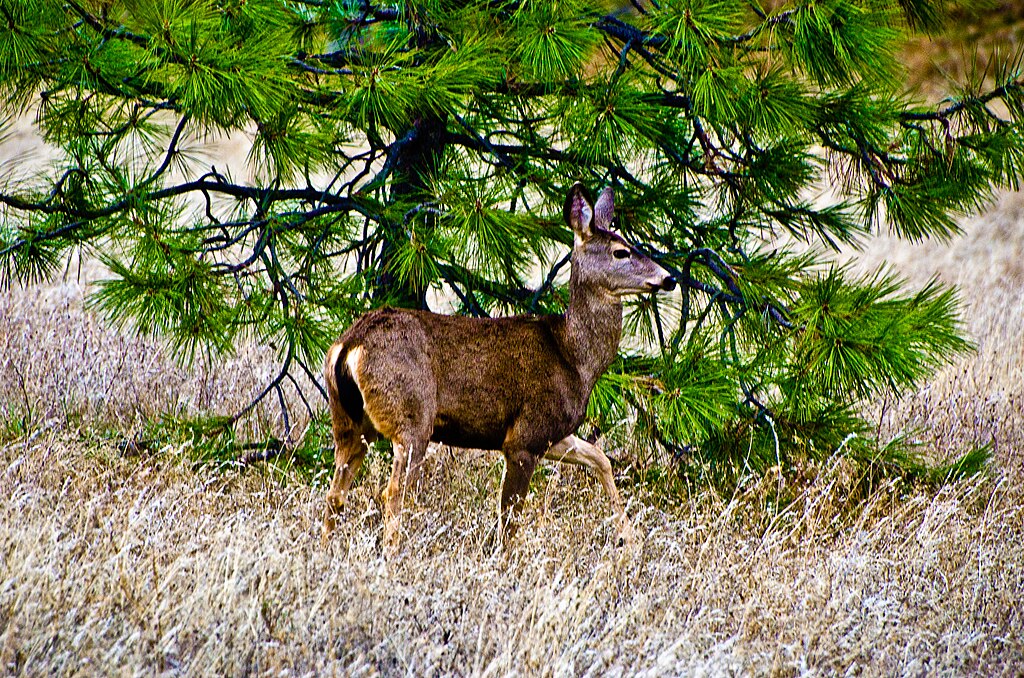
Environmental sounds offer additional hints about recent trail use, as rustling leaves, startled birds, or shifting brush often react to movement within a short timeframe. If these disturbances persist, they may indicate wildlife passing through moments earlier. Human movement tends to create louder, more rhythmic noises, while animals move lightly or unpredictably. Trails touched within the last day sometimes show disturbed leaf litter or displaced stones that still appear recently shifted. Listening carefully and observing how the landscape responds helps distinguish between different types of activity. These subtle cues enhance awareness and reveal how trails remain dynamic even in apparent stillness.
Scent and Residual Trails
Scent provides an overlooked but meaningful indicator of recent trail use, as animals often leave faint odors associated with glands, fur, or food remnants. These scents dissipate quickly, typically within twenty-four hours, depending on wind and humidity, making their presence useful for interpreting recent movement. Humans leave different markers, such as traces of sunscreen, detergent, or smoke, which occasionally linger along narrow paths. Fresh animal scent may attract insects or create subtle changes in nearby vegetation where contact occurred. Observing how noticeable or faint these residual indicators appear helps determine timing and activity type. Paying attention to scent adds another layer of understanding to how trails reveal stories of both human and wildlife passage.