Outdoor skills once relied on observation, repetition, and calm decision making rather than layers of gear or instructions. As outdoor culture evolves, complexity often replaces simplicity, promising efficiency while quietly eroding confidence. Extra tools, advanced systems, and detailed rules can distract from basic awareness and practical judgment. Instead of strengthening ability, complexity sometimes introduces hesitation, dependency, or confusion. Understanding how this happens helps explain why simple skills fade even as equipment improves. The following examples show how adding too much structure or technology can weaken foundational outdoor abilities that historically kept people capable, adaptable, and attentive in changing natural environments over time.
Overreliance On Specialized Gear
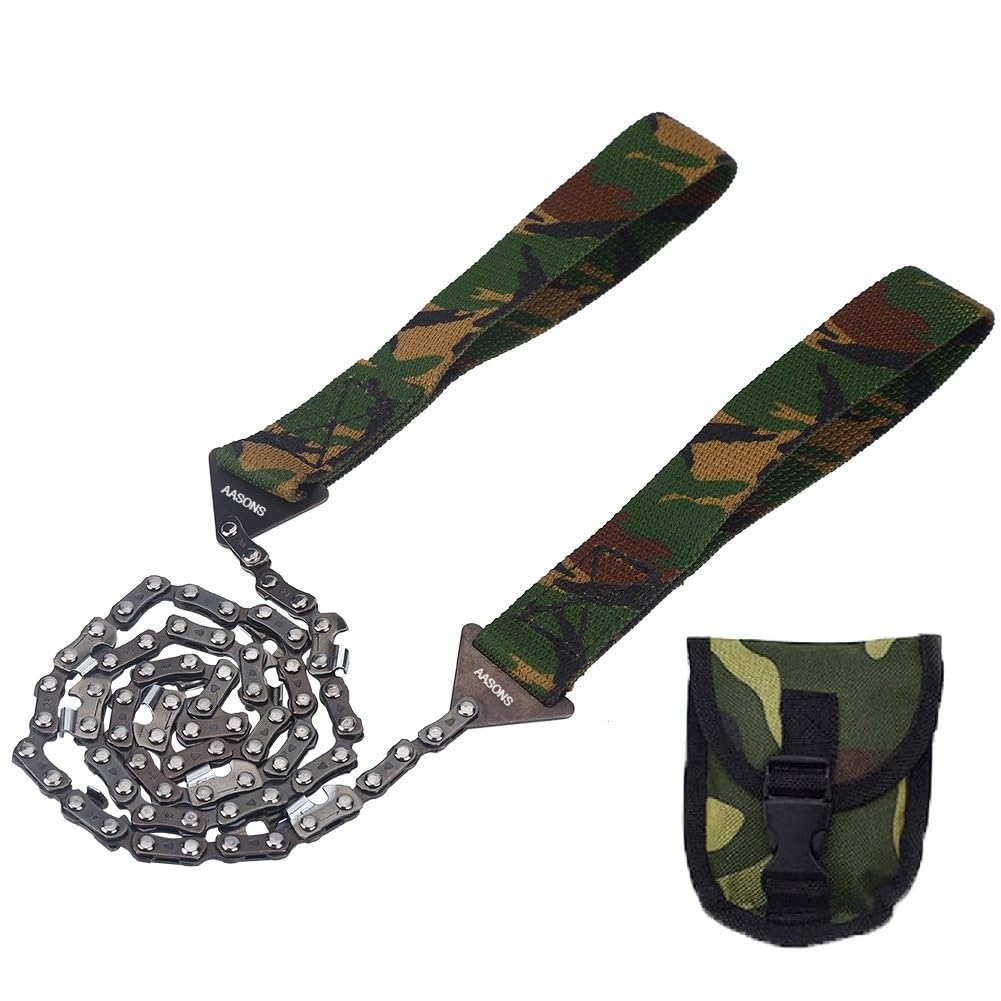
Overreliance on specialized gear weakens basic outdoor skills. When tools promise to solve every challenge, observation and problem solving decline. Campers may stop learning how to read terrain, weather, or natural signs. If equipment fails, confidence disappears quickly. Simple skills like knot tying, shelter building, or navigation require practice, not products. Complex gear can also create hesitation, as users second guess instructions instead of acting. While tools have value, dependence reduces adaptability. This dynamic shows how convenience can quietly replace competence, leaving people less prepared when conditions change and technology becomes unavailable in real outdoor situations.
Too Many Navigation Tools
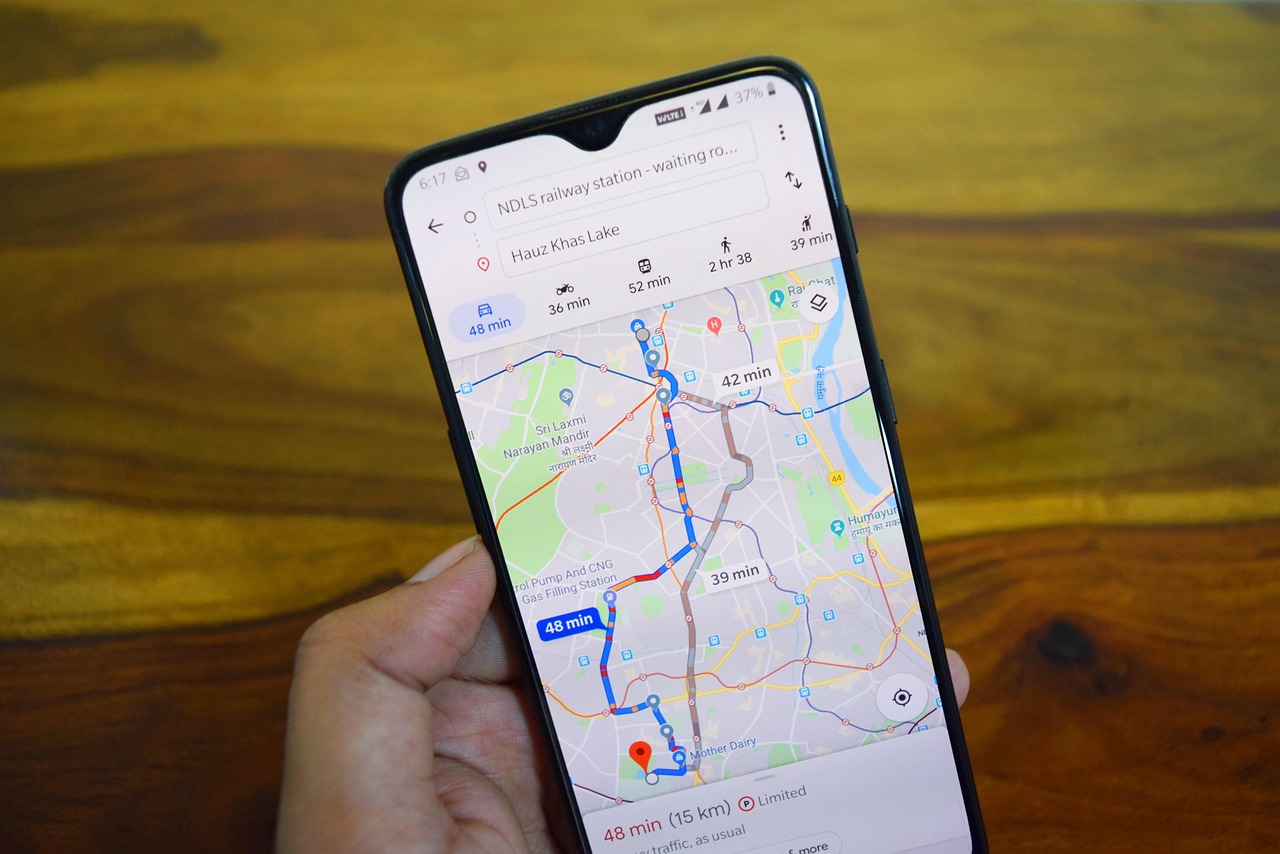
Too many navigation tools can undermine directional awareness. GPS units, apps, and digital maps often replace learning landmarks or reading topography. Switching between devices distracts attention from surroundings. When signals drop or batteries fail, uncertainty increases. Traditional skills like using a compass or recognizing terrain patterns fade without practice. Complexity creates mental clutter rather than clarity. Simple navigation relies on steady observation and memory. This example shows how adding layers of technology can weaken spatial understanding, making movement less intuitive and increasing anxiety instead of confidence during hikes or backcountry travel where conditions demand calm, informed decisions.
Overcomplicated Fire Starting Methods

Overcomplicated fire starting methods often discourage practical skill. Multiple tools, chemical aids, or elaborate systems replace learning how materials interact. When conditions differ, those systems fail. Campers unfamiliar with basic ignition struggle to adapt. Simple fire building requires understanding airflow, fuel size, and moisture. Complexity introduces dependence on specific items rather than technique. If one component is missing, the entire method collapses. This illustrates how excessive options can reduce resilience. Mastery grows from repetition and simplicity, not from stacking accessories that obscure foundational knowledge needed to safely and reliably build fire outdoors.
Excessive Instruction Without Practice

Excessive instruction without practice weakens learning. Watching tutorials or reading guides creates familiarity without competence. Outdoor skills develop through repetition, mistakes, and adjustment. Complex instructions can overwhelm beginners, making action feel risky. Instead of experimenting, people hesitate, fearing incorrect steps. Simple skills like pitching a tarp or packing efficiently improve through doing, not memorizing. Overinstruction shifts focus from experience to compliance. This approach shows how complexity in learning formats can slow progress, replacing confidence with caution and reducing the intuitive understanding that comes only from hands on engagement with outdoor tasks.
Dependence On Multiuse Tools

Dependence on multiuse tools can undermine basic technique. Tools combining many functions often perform each one imperfectly. Users rely on mechanisms instead of learning manual methods. When a tool breaks, multiple skills vanish at once. Simple tools encourage understanding of purpose and process. Complexity creates shortcuts that bypass learning. This dependence shows how efficiency can reduce skill depth. Outdoor ability grows when each task is understood independently. Multiuse solutions may save space, but they can quietly erode proficiency, leaving users less capable when adaptability and improvisation matter most in unpredictable environments.
Complicated Camp Systems

Complicated camp systems replace intuitive routines. Color coded bags, labeled processes, and rigid setups demand constant management. Instead of observing needs, campers follow systems. When something changes, adjustment becomes difficult. Simple camps rely on awareness, memory, and flexibility. Complexity increases setup time and mental load. This undermines calm decision making. Outdoor living benefits from responsiveness rather than structure. This example shows how organization, when excessive, can interfere with situational awareness, reducing the ability to adapt smoothly to weather shifts, group dynamics, or unexpected challenges that require quick, uncomplicated responses.
Overthinking Risk Management

Overthinking risk management can undermine judgment. Endless checklists and hypothetical scenarios create hesitation. While safety matters, excessive analysis delays action. Simple risk assessment relies on awareness, experience, and proportional response. Complexity magnifies unlikely dangers while distracting from immediate conditions. People may freeze, waiting for certainty that never comes. Outdoor environments require timely decisions. This demonstrates how structured caution can replace practical wisdom. Effective risk management balances preparation with trust in basic skills. When complexity dominates, confidence erodes, making even manageable situations feel overwhelming and reducing the ability to respond calmly and effectively.