Winter landscapes often appear barren and lifeless to the casual observer but the sleeping forest actually hides a surprising variety of nutritious wild edibles. Foraging during the coldest months requires a keen eye and specialized knowledge because many traditional food sources disappear under heavy blankets of white snow. This seasonal activity provides a unique opportunity to connect with nature while sourcing fresh ingredients that offer distinct flavors and vital vitamins. Finding these hidden treasures transforms a simple hike into an adventurous scavenger hunt across the frozen terrain. Patience and proper identification remain the most essential tools for every successful winter forager.
Eastern White Pine
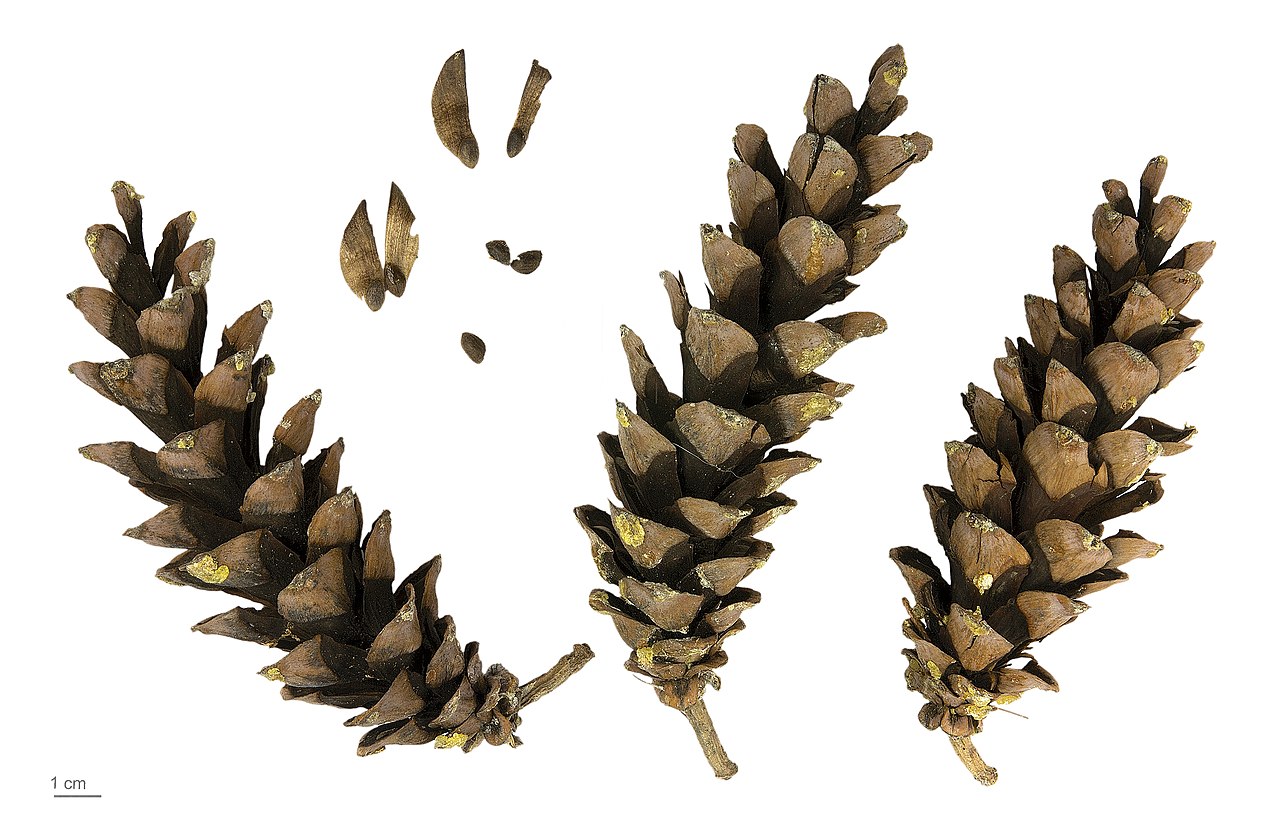
The towering Eastern White Pine serves as a vital survival resource because its vibrant green needles remain accessible throughout the entire winter season. These needles contain significantly more vitamin C than many citrus fruits and provide a refreshing citrus flavor when steeped in hot water. Foragers simply harvest a small handful of young needles and soak them to create a nourishing herbal tea that warms the body. This tree grows across much of North America and remains easily identifiable by its clusters of five soft needles. It offers a reliable and steady source of nutrients when other ground plants remain completely dormant.
Common Burdock Roots
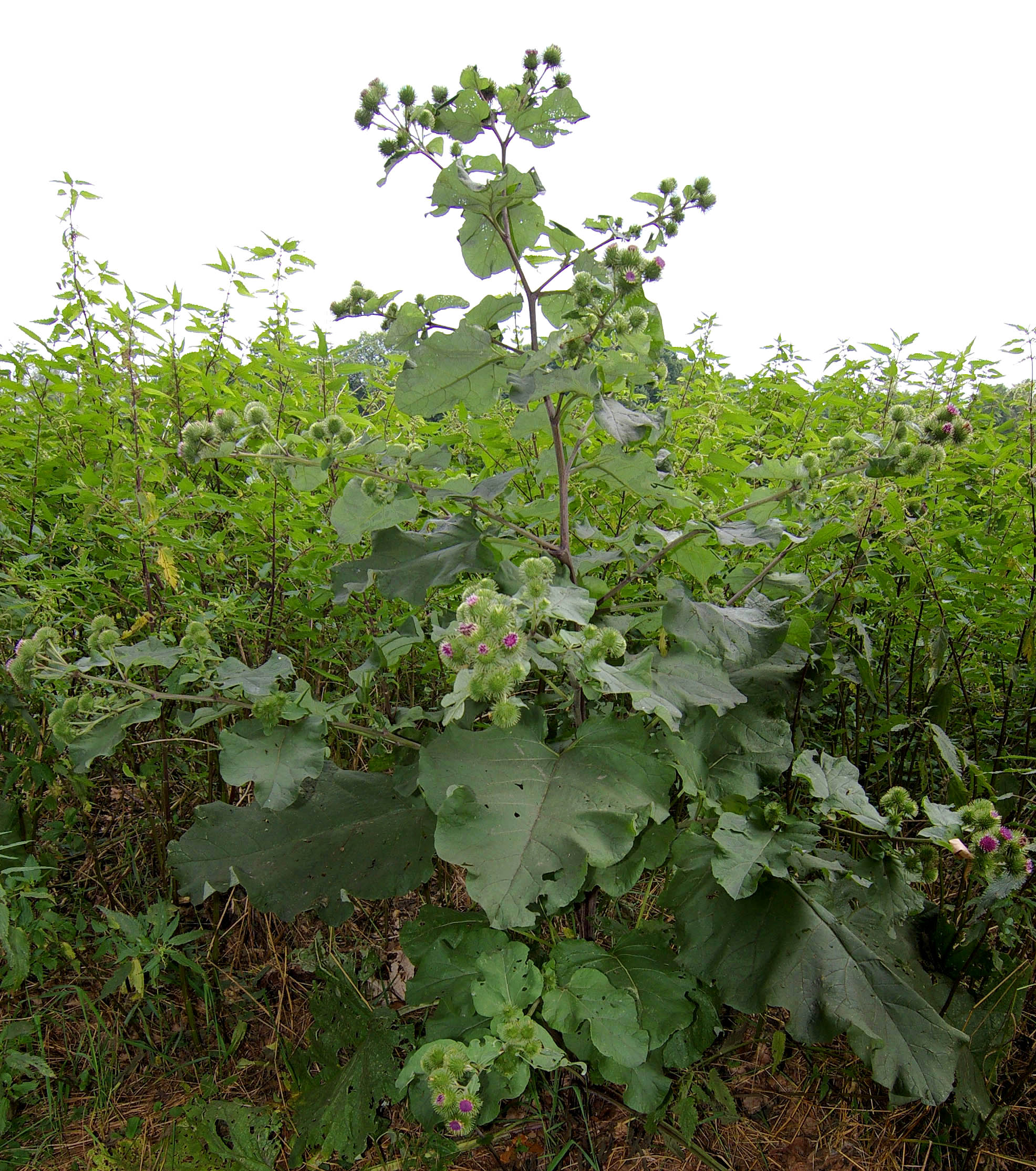
While the prickly burs of the burdock plant are a nuisance in the autumn the deep taproots remain a delicious vegetable option during the winter. Digging through the frozen topsoil reveals a long brown root that tastes remarkably similar to a mild artichoke or a sweet earthy potato. These roots stay firm and nutritious throughout the cold months because the plant stores its energy underground to survive the frost. Peeling the outer skin exposes a crisp white interior that works perfectly in slow-cooked stews or roasted medleys. This hardy biennial plant provides a substantial calorie source for dedicated cold weather foragers.
Rose Hips
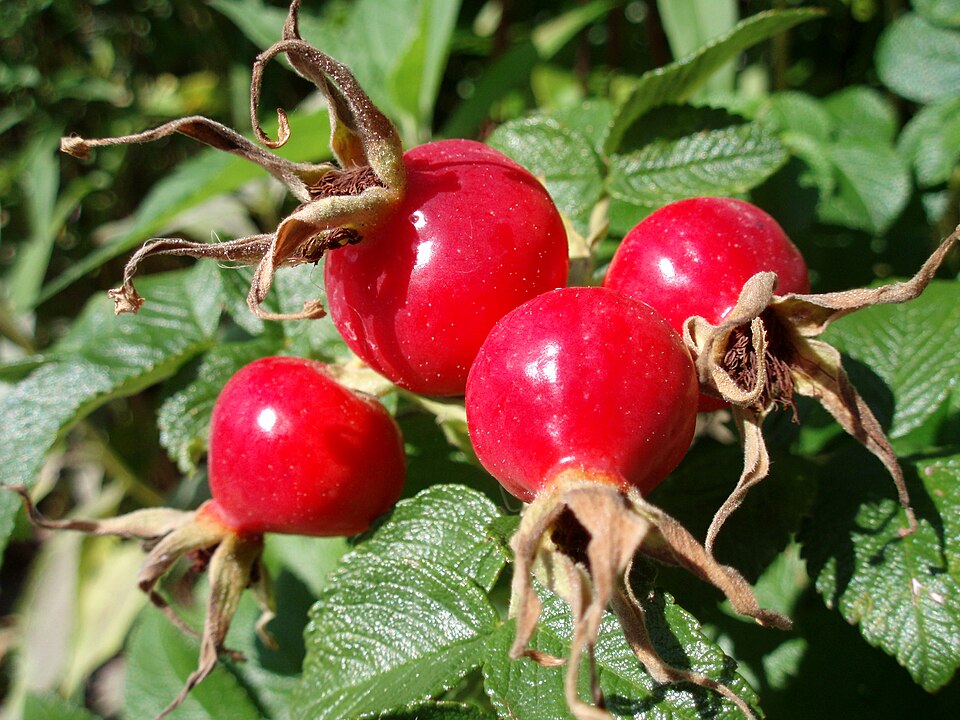
Wild rose bushes often retain their bright red or orange seed pods long after the petals and leaves have withered away. These small fruits known as rose hips become even sweeter after a few hard frosts concentrate their natural sugars. They provide a potent burst of antioxidants and can be eaten raw if the irritating internal seeds are carefully removed first. Many people prefer to simmer them into jams or dry them for a tart winter tea that supports the immune system. These colorful gems stand out vividly against the grey woods and offer a reliable winter food source.
Curly Dock Seeds
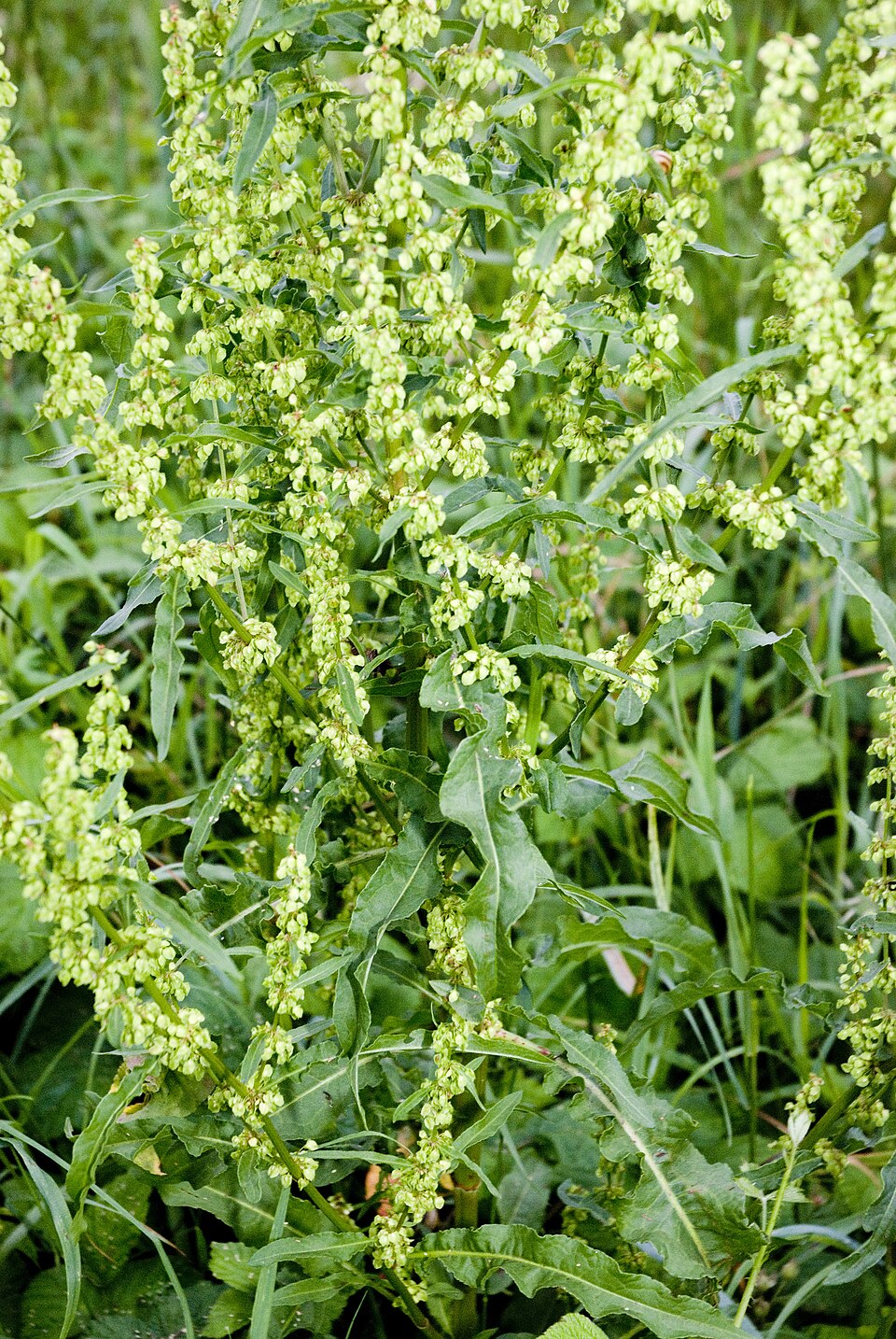
The tall and rusty brown stalks of curly dock frequently poke through the snow in open fields and forest edges during midwinter. These dried stalks hold onto thousands of small winged seeds that can be easily stripped by hand into a collection bag. Once harvested these seeds are ground into a dark gluten free flour that adds a rich nutty flavor to breads or crackers. The plant is incredibly common and easy to spot because its unique dark color contrasts sharply with the pale winter environment. This abundant resource ensures that foragers can find energy rich grains even in deep January.
Chickweed
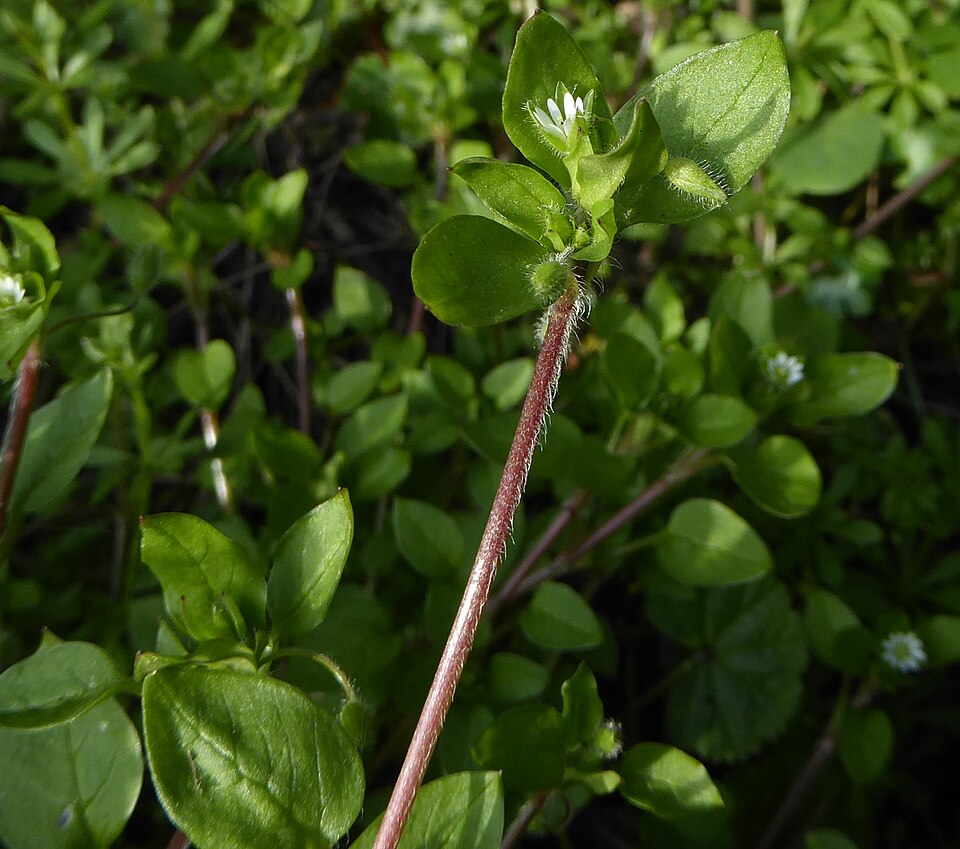
Surprisingly hardy chickweed often survives under the insulating layer of snow and continues to grow in sheltered patches near the base of large trees. This delicate green plant offers a fresh and grassy flavor that resembles corn silk or sweet spring peas. It serves as a rare source of fresh salad greens during a time when most other vegetation has completely turned brown. Foragers look for its small oval leaves and tiny white flowers in areas where the sun warms the soil. This resilient little herb provides essential minerals and a welcome crunch to any winter time foraging meal.
Oyster Mushrooms
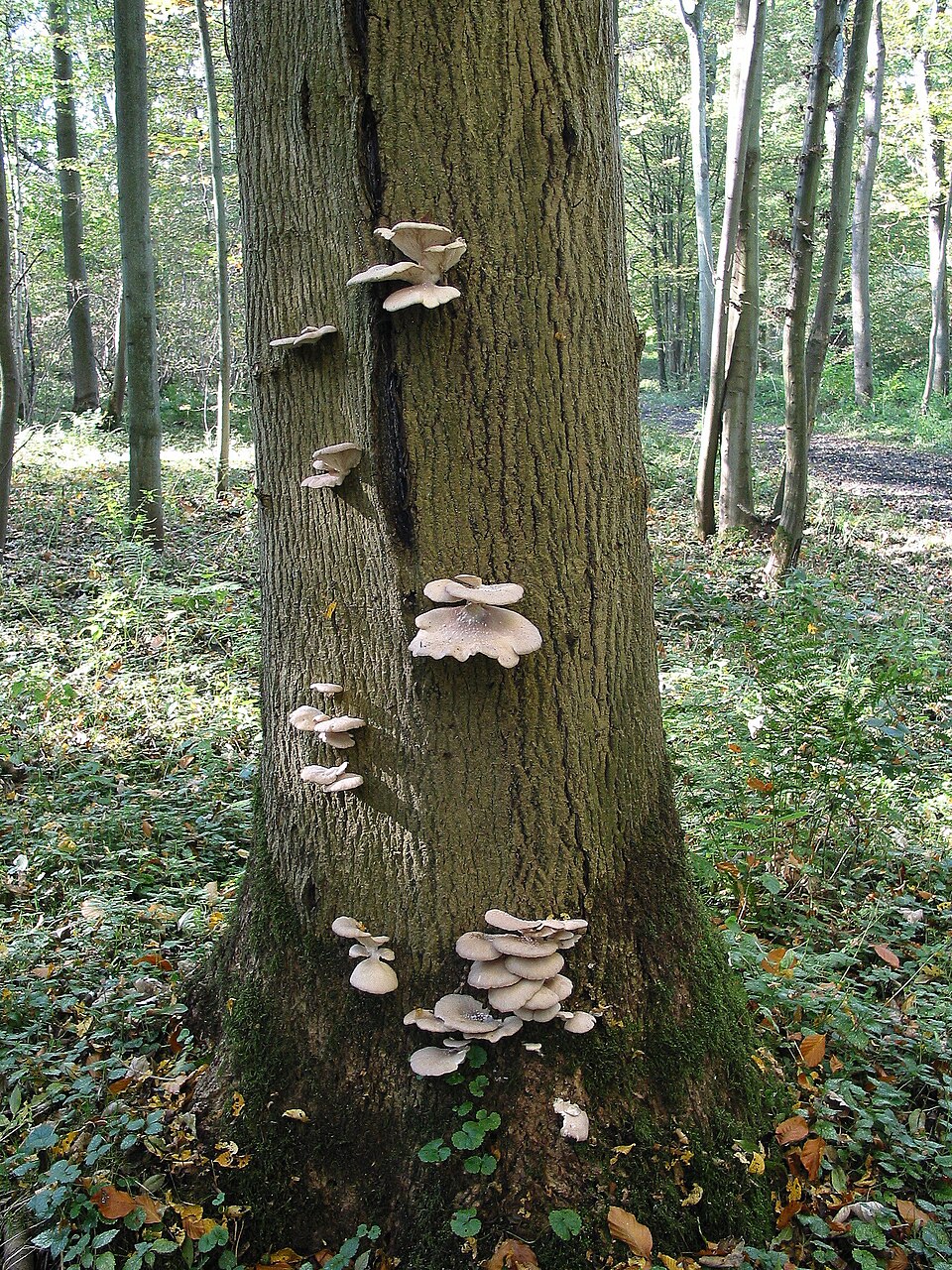
Certain species of oyster mushrooms actually prefer the cold and can be found growing on decaying hardwood logs even in the middle of February. These fungi exhibit a shelf like shape and vary in color from soft white to a deep brownish grey. They remain safe to harvest when frozen solid because the cold temperatures naturally preserve their firm texture and savory umami flavor. Finding a cluster of these mushrooms provides a high protein addition to a winter diet without the need for complex processing. They represent one of the few reliable fungal food sources available during the deep freeze.
Juniper Berries
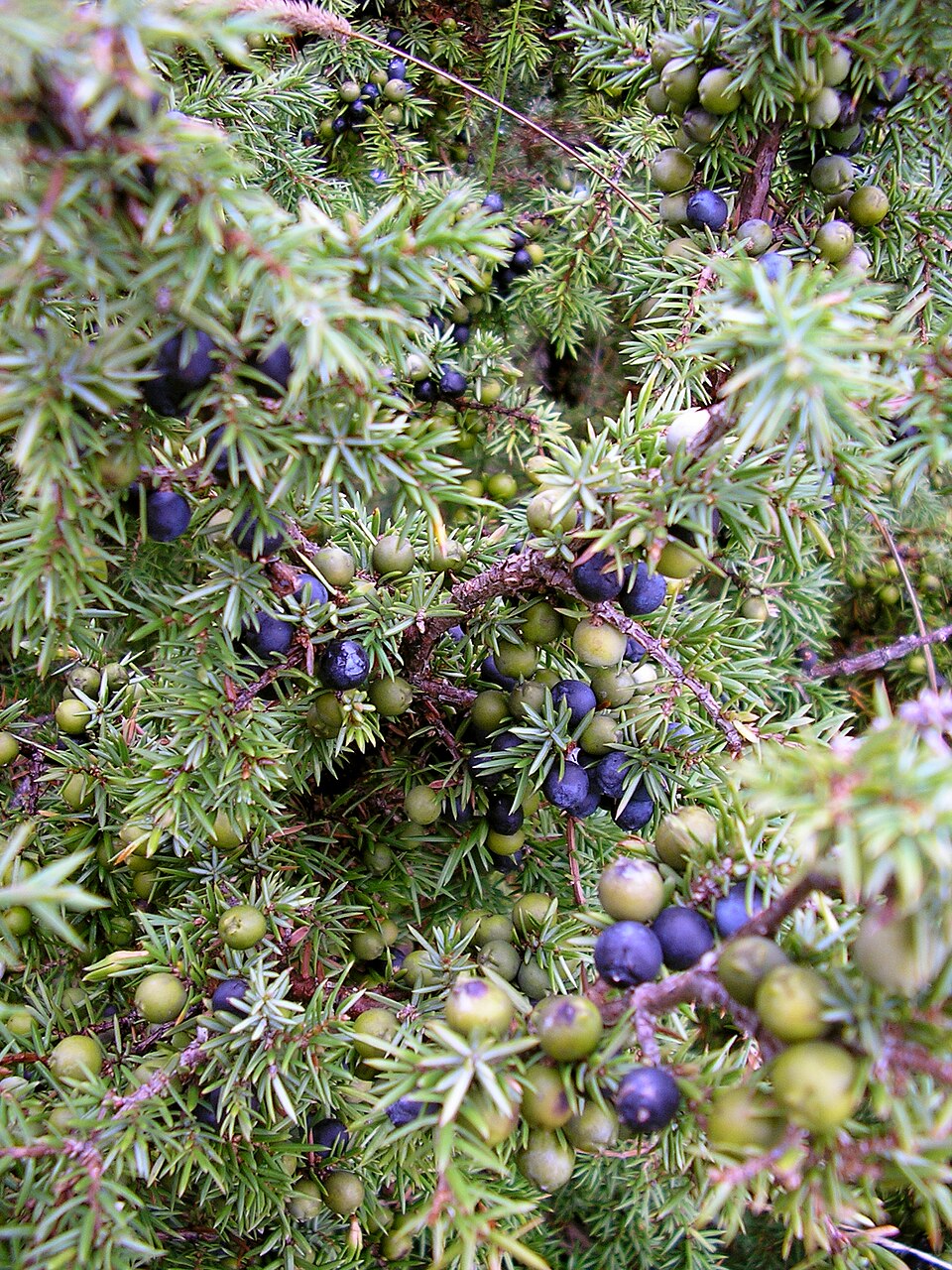
The small blueish purple cones of the juniper bush are often mistaken for berries but they provide a powerful seasoning for winter dishes. These aromatic fruits stay on the evergreen branches all year and offer a sharp peppery flavor that pairs exceptionally well with roasted meats. Foragers should use them sparingly because their flavor is quite intense and can easily dominate other ingredients in a recipe. These hardy evergreens thrive in poor soil and rocky outcrops making them easy to find during a winter trek. They add a sophisticated and wild gourmet touch to any harvested forest feast.