Outdoor trekking is one of the fastest-growing recreational activities, with more than 58 million Americans hiking annually, according to the Outdoor Industry Association. However, CDC and National Park Service data show that preventable hazards—ranging from heat illness to frostbite—account for thousands of rescue operations each year. Below are seven trekking risks supported by statistics and research, along with how they can be avoided.
Storms That Turn Deadly
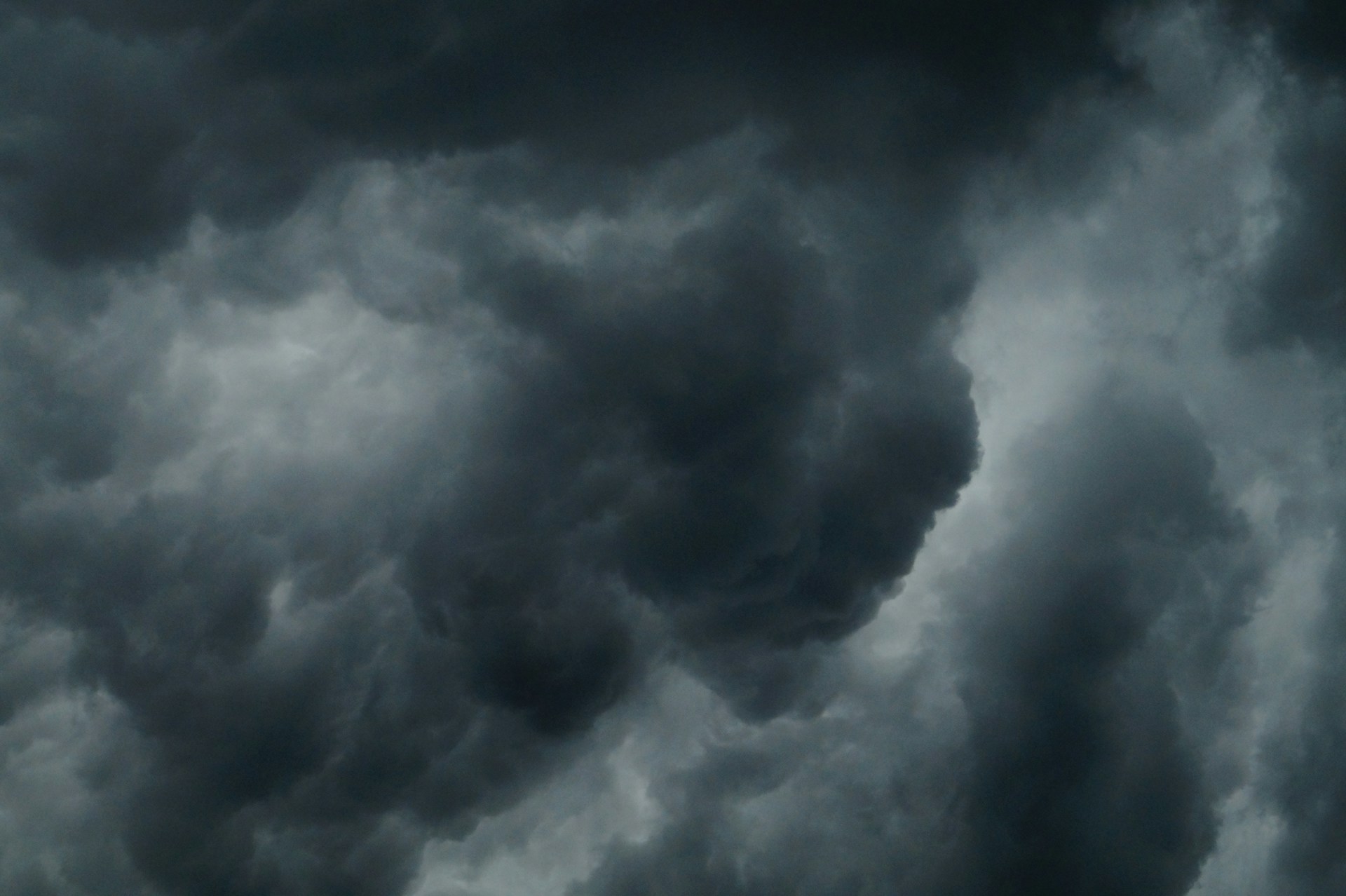
The National Weather Service reports that over 20 hikers are killed by lightning strikes annually in the U.S., with storms forming rapidly in mountainous areas. Sudden drops in temperature, hail, and flash floods also contribute to injuries and fatalities. Data from Yosemite shows that 60% of rescues in summer months involved hikers caught unprepared for weather shifts, highlighting the importance of monitoring real-time forecasts before and during treks.
Heat Illness: A Silent Threat on Trails

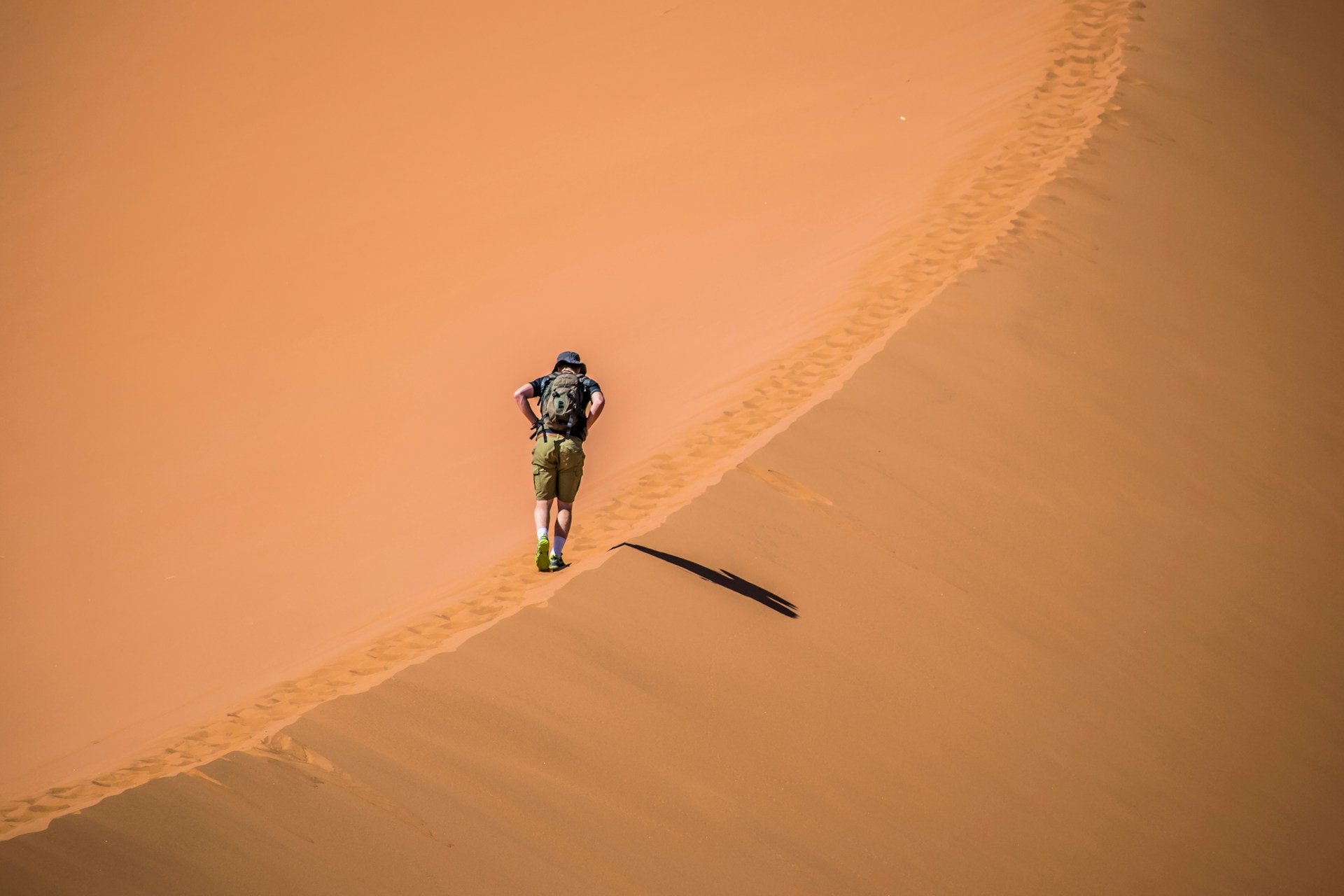
Heatstroke and heat exhaustion are leading causes of medical emergencies in desert and summer trekking regions. According to the CDC, over 600 people die annually in the U.S. from extreme heat, with hikers disproportionately affected due to physical exertion. Symptoms often escalate quickly, from dizziness and confusion to organ failure if untreated. A 2019 study in Wilderness & Environmental Medicine found that improper hydration and lack of acclimatization were the top triggers.
The Underestimated Risk of Sunburn
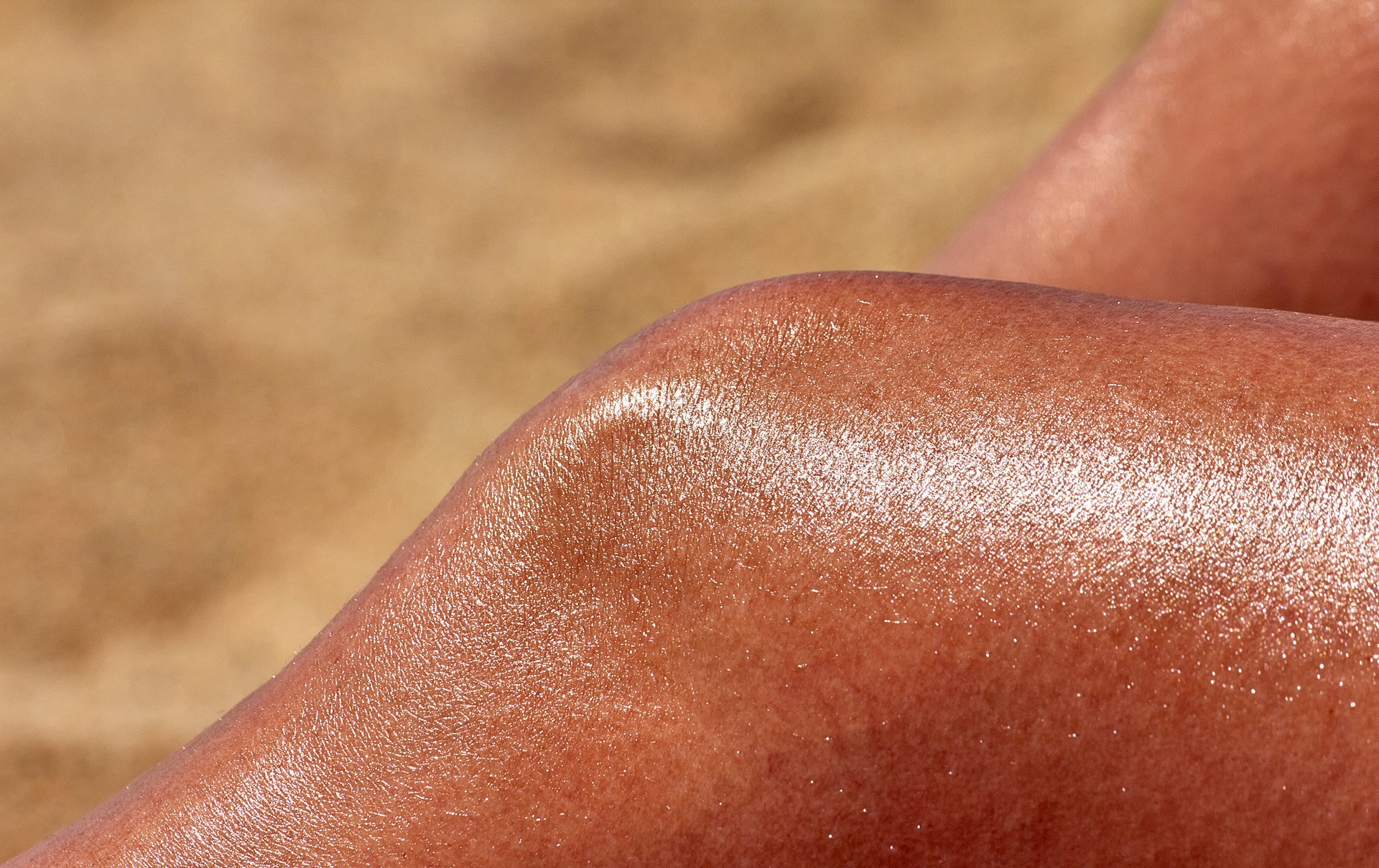
UV exposure increases significantly at higher elevations, with every 1,000 feet gained raising UV intensity by about 4–5%, according to the World Health Organization. Severe sunburn isn’t just painful—it raises long-term skin cancer risks. The Skin Cancer Foundation notes that one blistering sunburn in childhood or adolescence doubles melanoma risk later in life. For trekkers, prolonged exposure without protective clothing or SPF-rated sunscreen leads to rapid skin damage even in cool climates.
Frostbite in Extreme Cold

The CDC estimates that frostbite affects 1,500–2,000 people annually in the U.S., often in wilderness conditions. Frostbite risk rises sharply in windchill below –18°C (0°F), common at high-altitude treks. Tissue damage can begin in less than 30 minutes of exposure, especially to fingers, toes, and the nose. Mountaineering studies have shown that dehydration and inadequate layering increase frostbite susceptibility, underscoring the importance of moisture-wicking clothing and proper insulation in cold environments.
Tiny Bites, Big Consequences
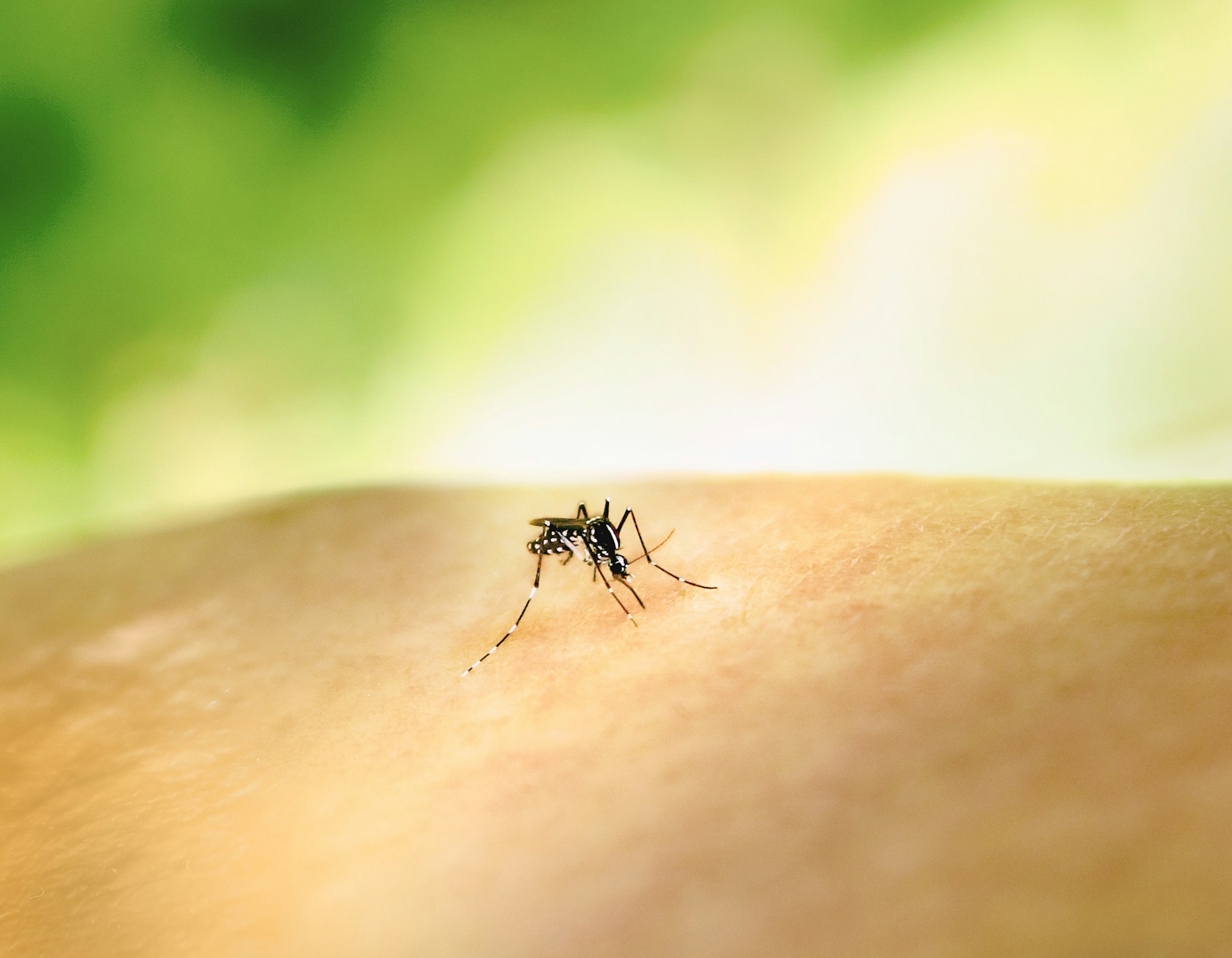
Bug bites in the outdoors are more than a nuisance. The CDC tracks over 50,000 annual Lyme disease cases in the U.S., mostly from black-legged tick bites during summer hikes. Mosquitoes also transmit West Nile virus, with 1,126 cases reported nationwide in 2022. Data from the Wilderness Medical Society shows that insect-borne illnesses are the most common infections in backcountry travelers, making repellents with DEET or picaridin a critical piece of gear.
Dehydration: The Hidden Performance Killer
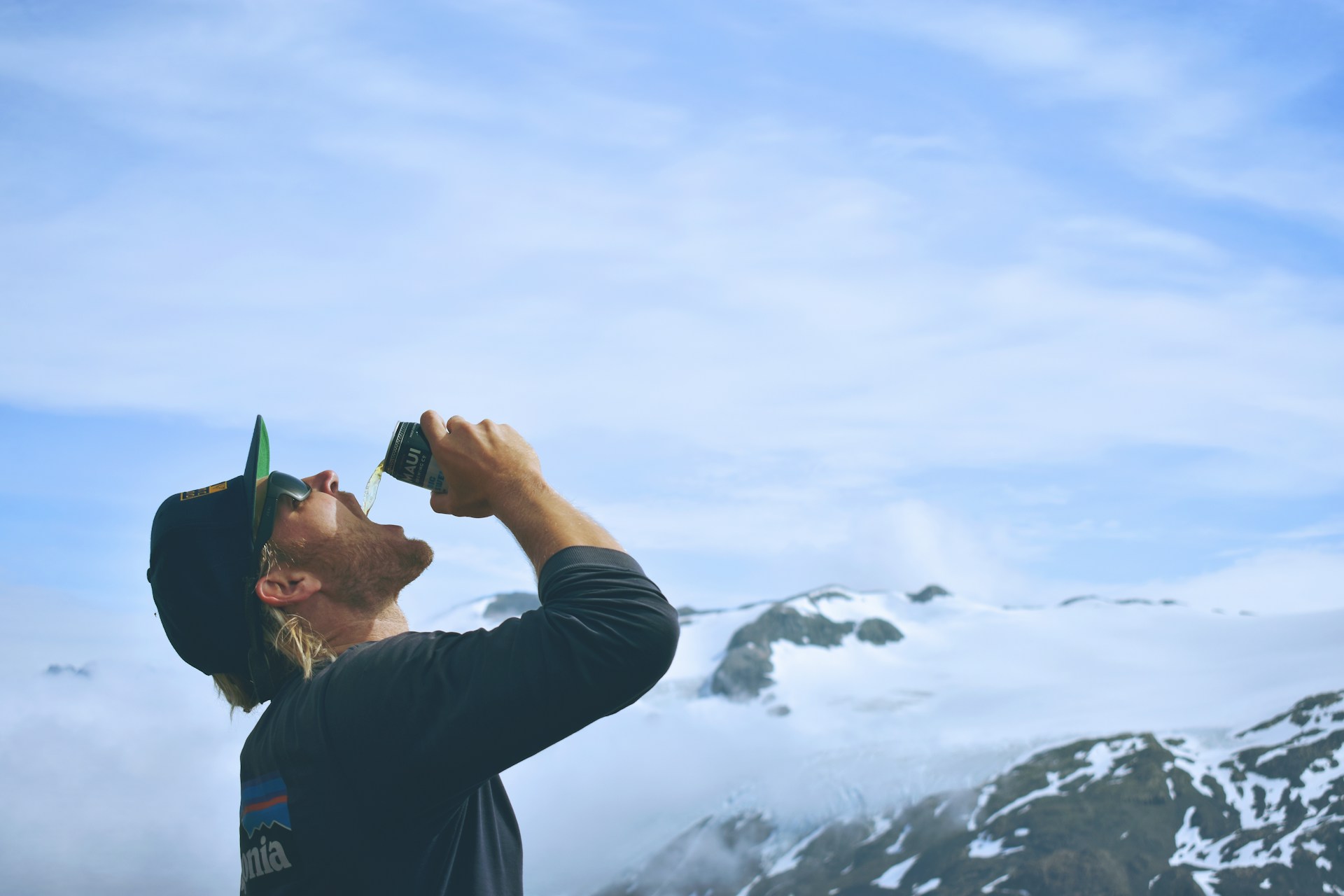
A loss of just 2% of body weight from dehydration reduces physical performance and cognitive function, according to the National Institutes of Health. In hot and dry trekking zones, hikers can lose 1–1.5 liters of water per hour, leading to fatigue, poor judgment, and kidney strain if not replaced. A 2020 Grand Canyon National Park report found that dehydration was the leading factor in 40% of hiker rescues, making water management essential.
Lost and Alone: Stranding Risks
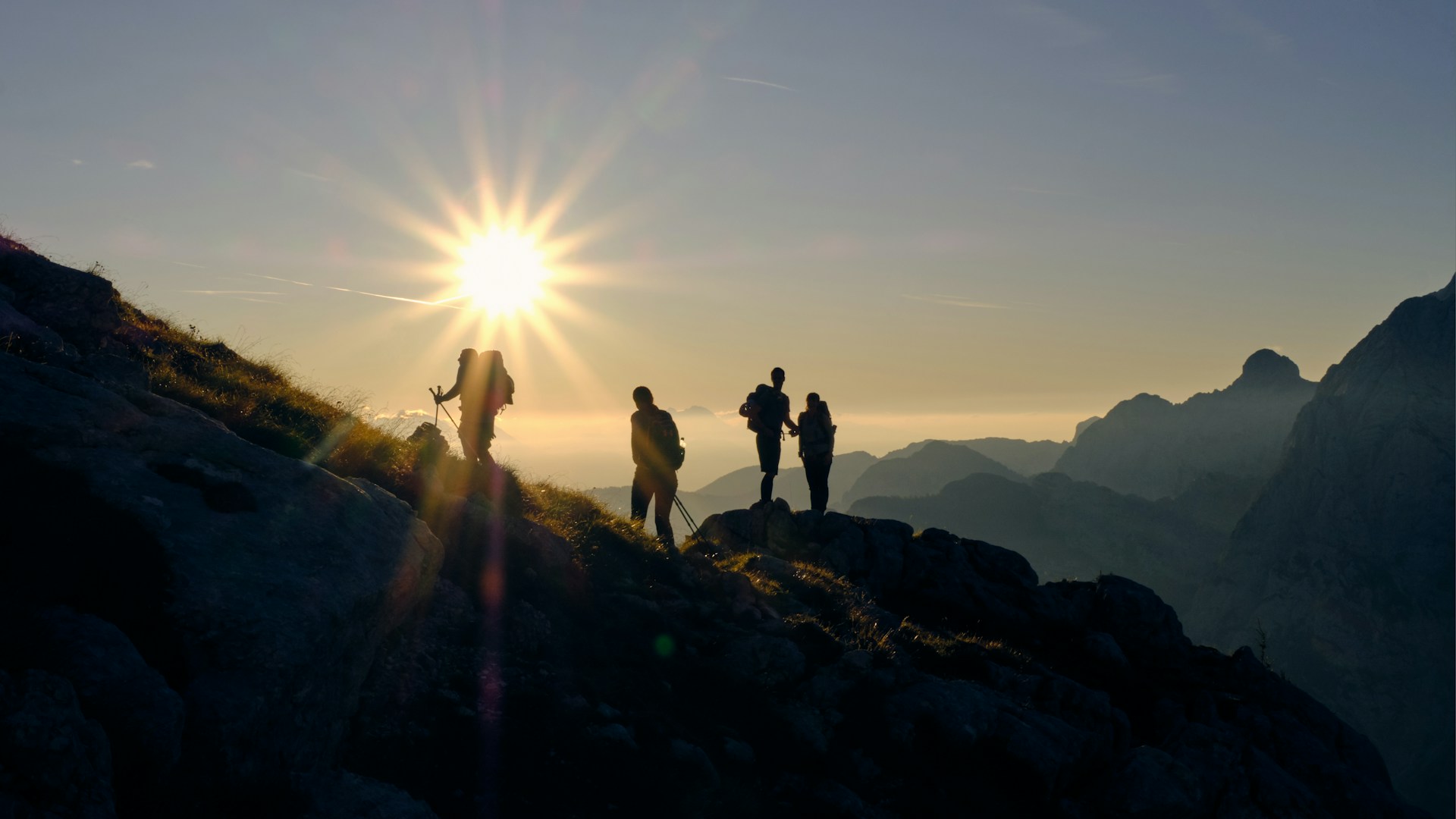
The National Park Service responds to more than 3,000 search-and-rescue operations annually, with “getting lost” as the most common cause. A review of rescue reports in Arizona and Colorado found that lack of navigation tools accounted for 41% of cases where trekkers were stranded. Battery failure in GPS devices and poor cell coverage compound the issue, proving the importance of carrying physical topographic maps and compasses as backups.