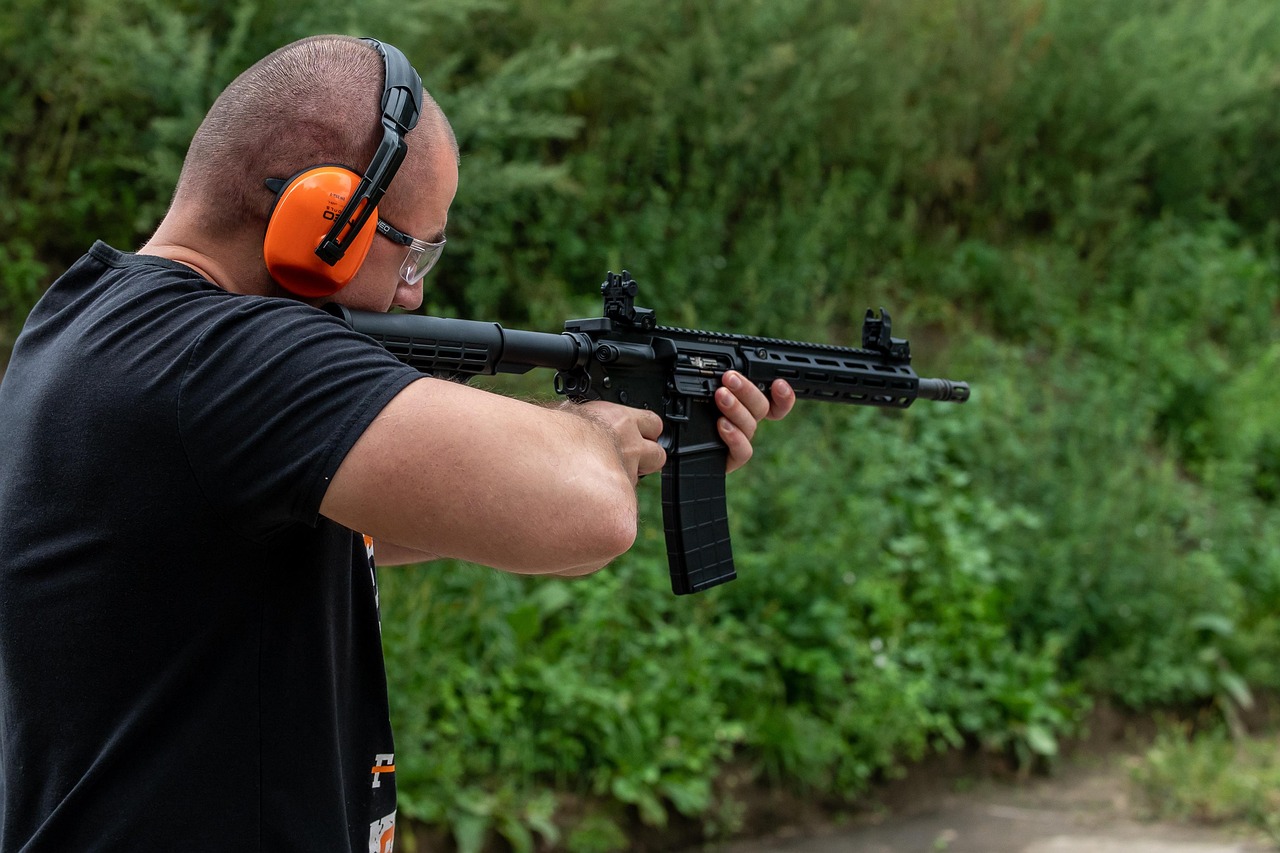
These 7 tactical guns you shouldn’t trust in high-stakes situations prove that a modern appearance does not always guarantee mechanical reliability during a crisis. While many shoppers choose a firearm based on its aggressive style and advertised features, the reality often involves significant design flaws that compromise personal safety. Relying on a tool with a history of frequent jamming or poor quality control can lead to catastrophic consequences when every single second counts for survival. Understanding these common technical pitfalls helps every owner make a much smarter investment in a dependable weapon that functions perfectly during a stressful encounter.
The Remington R51
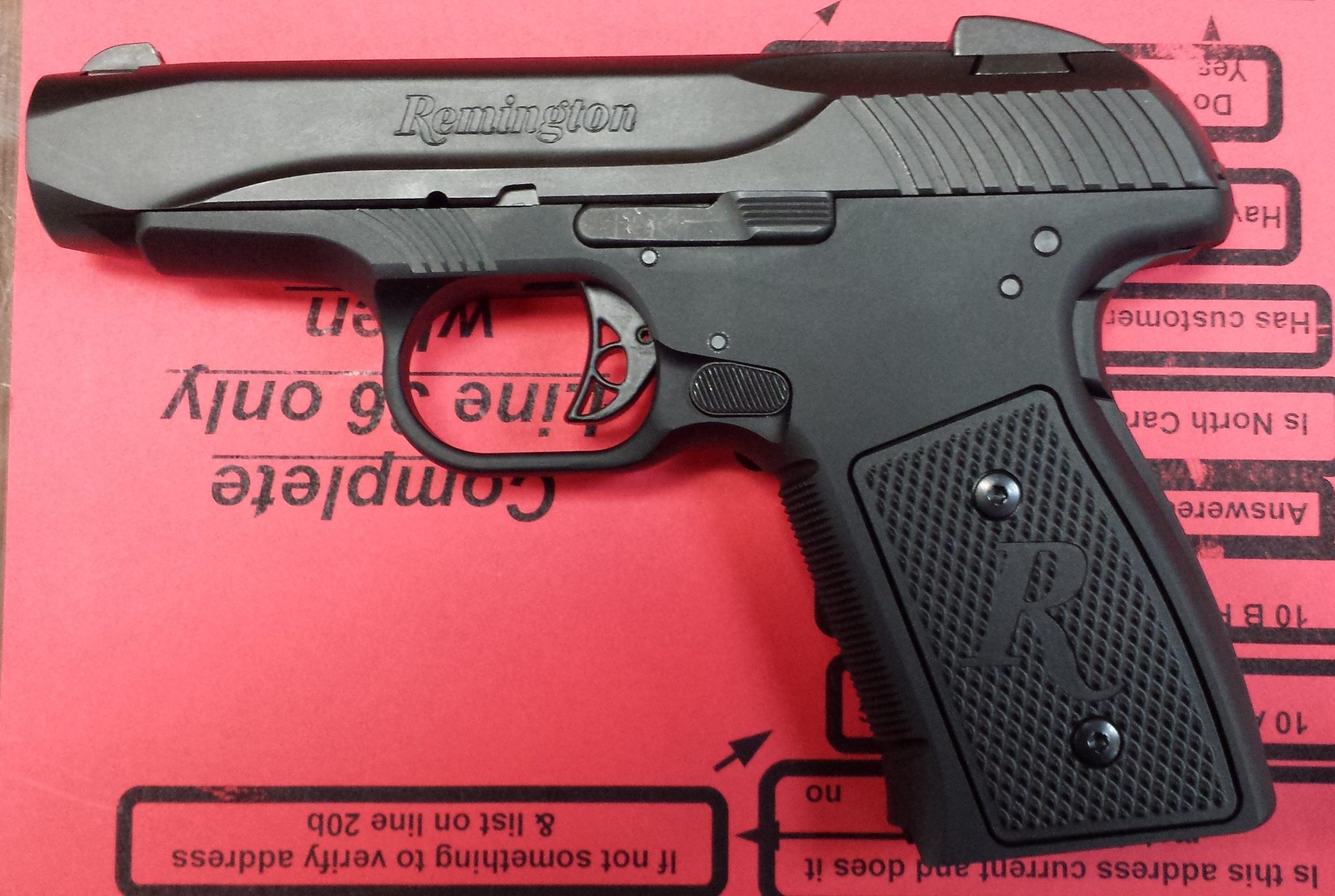
The Remington R51 utilized a unique Pedersen hesitation lock action that was supposed to reduce felt recoil and allow for faster follow-up shots today. Unfortunately, the modern production models suffered from massive reliability problems and frequent jams that occurred even during light use with high-quality ammunition in the field. The complex assembly process also meant that any basic maintenance was a difficult task for the average owner to perform correctly without professional help. When rushed, the unpredictable nature of the action often resulted in failures to feed or extract properly, which could leave a person vulnerable and in danger.
The Kel-Tec KSG
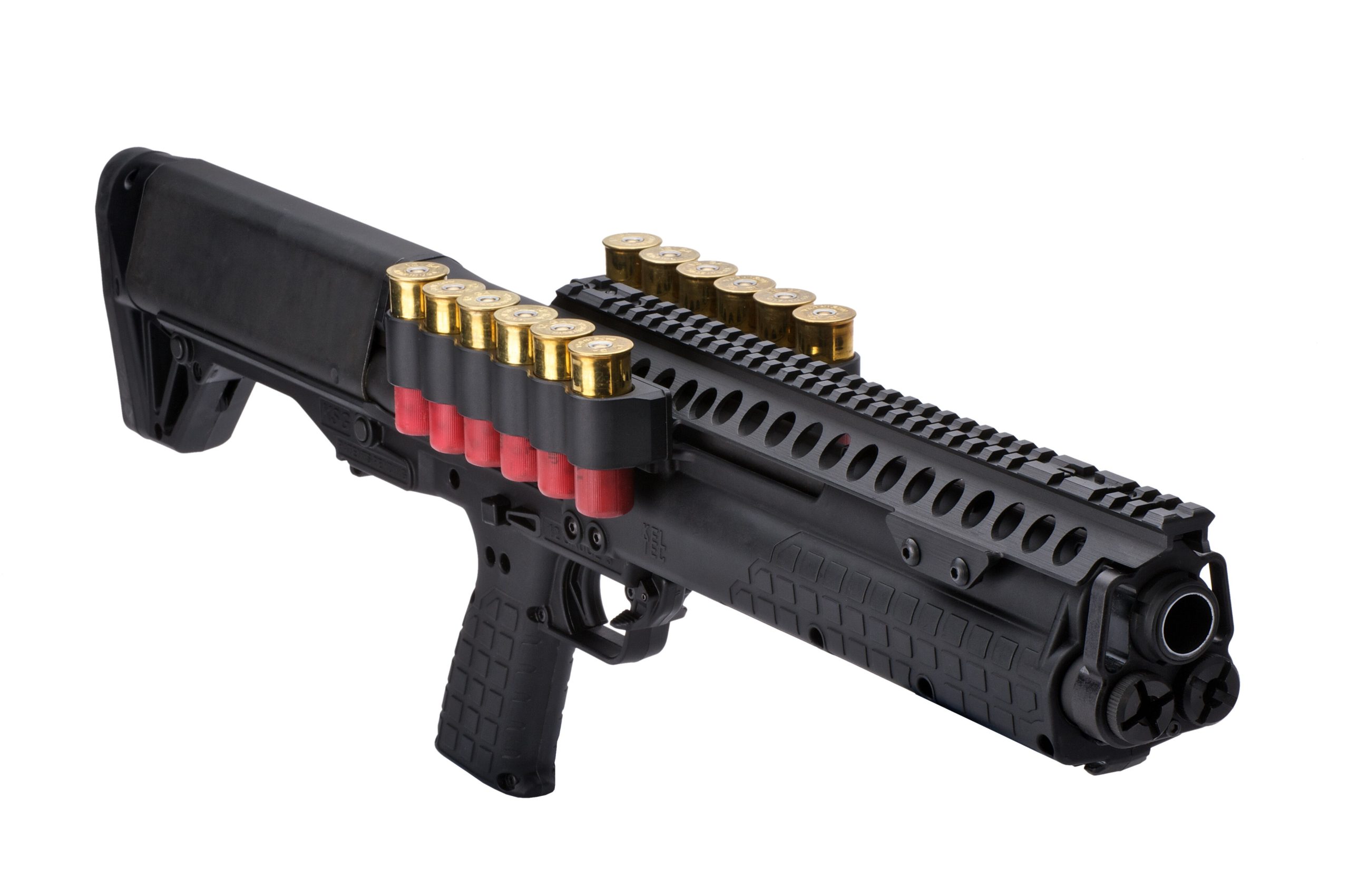
The Kel-Tec KSG offers an impressive capacity and a compact bullpup design, but the dual tube magazine system is notoriously difficult to operate under stress. Many users experience short stroking, where the slide is not pulled back with enough force to cycle the next round into the chamber correctly. This mechanical error leads to a jammed action that requires significant time and two hands to clear effectively during a sequence. The downward ejection port can also catch on clothing or gear, which adds another layer of potential failure for the user. Reliability must always come before a high ammunition count.
The Taurus Spectrum
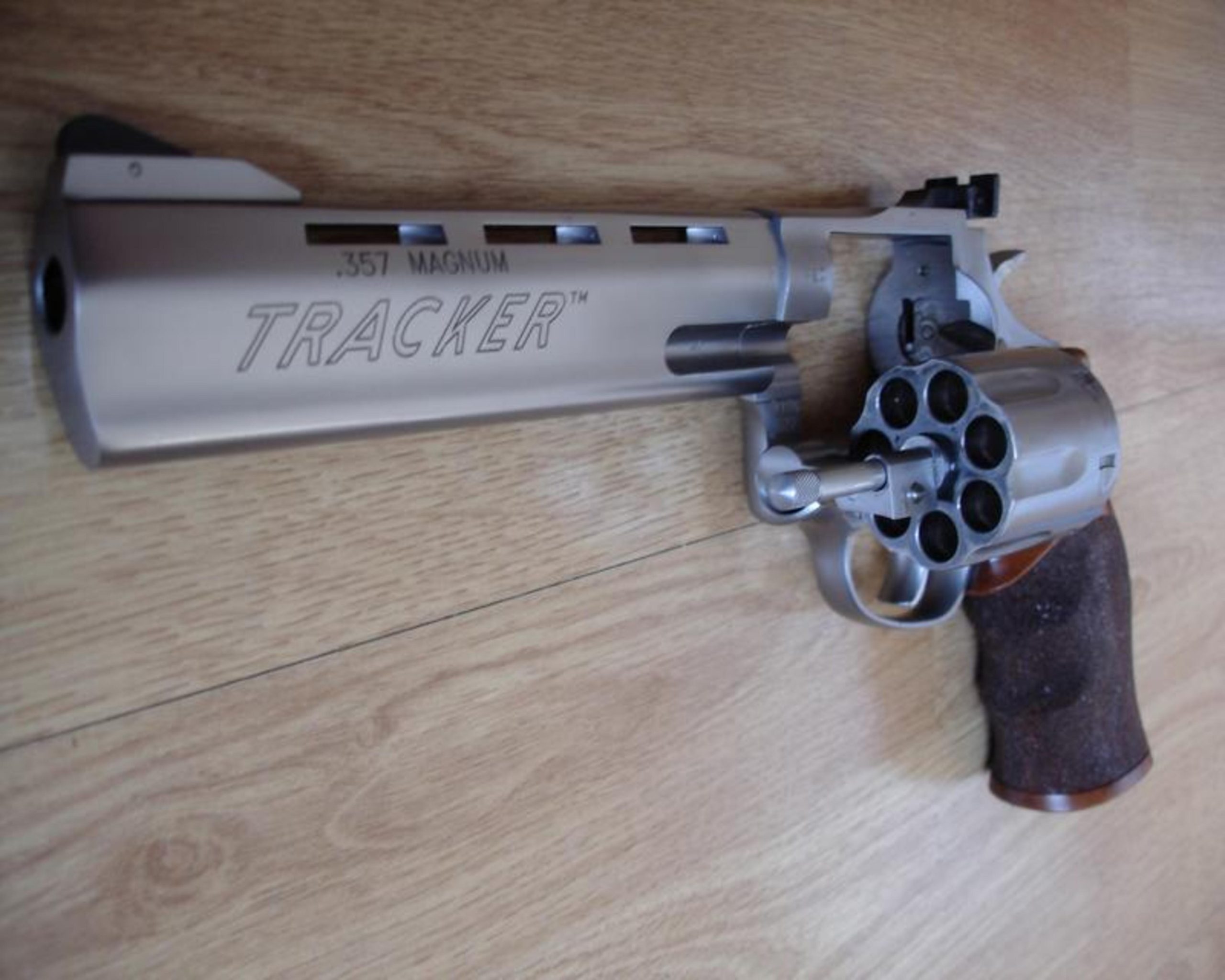
The Taurus Spectrum was designed to be a stylish and ergonomic pocket pistol, but it faced numerous reports of light primer strikes and total failures to fire. These mechanical issues often stem from a complex firing pin assembly that is sensitive to debris and different brands of primer on the market. When a person needs their weapon to function immediately, a failure to ignite the cartridge is a catastrophic and very dangerous event for the owner. While the colorful rubber inserts provide a good grip, the underlying reliability of the firearm remains a major concern for many defensive and safety experts.
The Century Arms C39V2
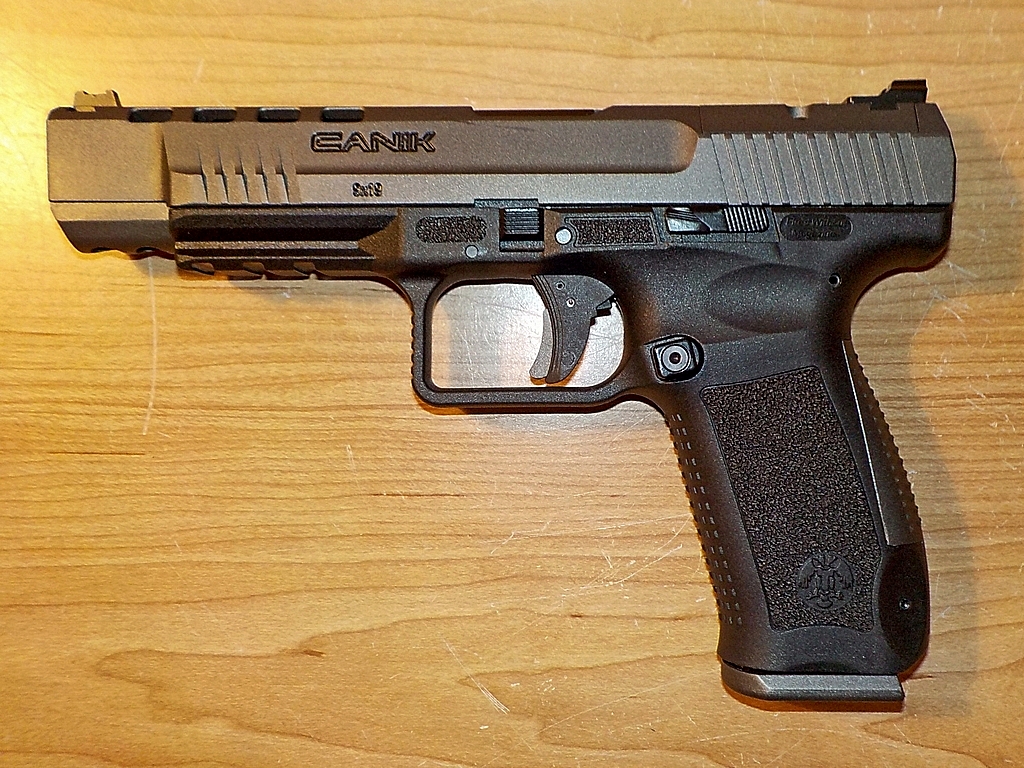
The Century Arms C39V2 is a popular American-made AK-style rifle that has faced severe criticism for its very poor long-term durability and soft metal parts. Many users report that the bolt and the front trunnion show excessive wear after only a few hundred rounds of regular use at the range. This can lead to dangerous headspace issues that make the firearm unsafe to operate without a professional and expensive repair to the frame. While the milled receiver looks impressive, the lack of proper heat treatment on critical components makes it a very risky choice for high stakes.
The Walther P22
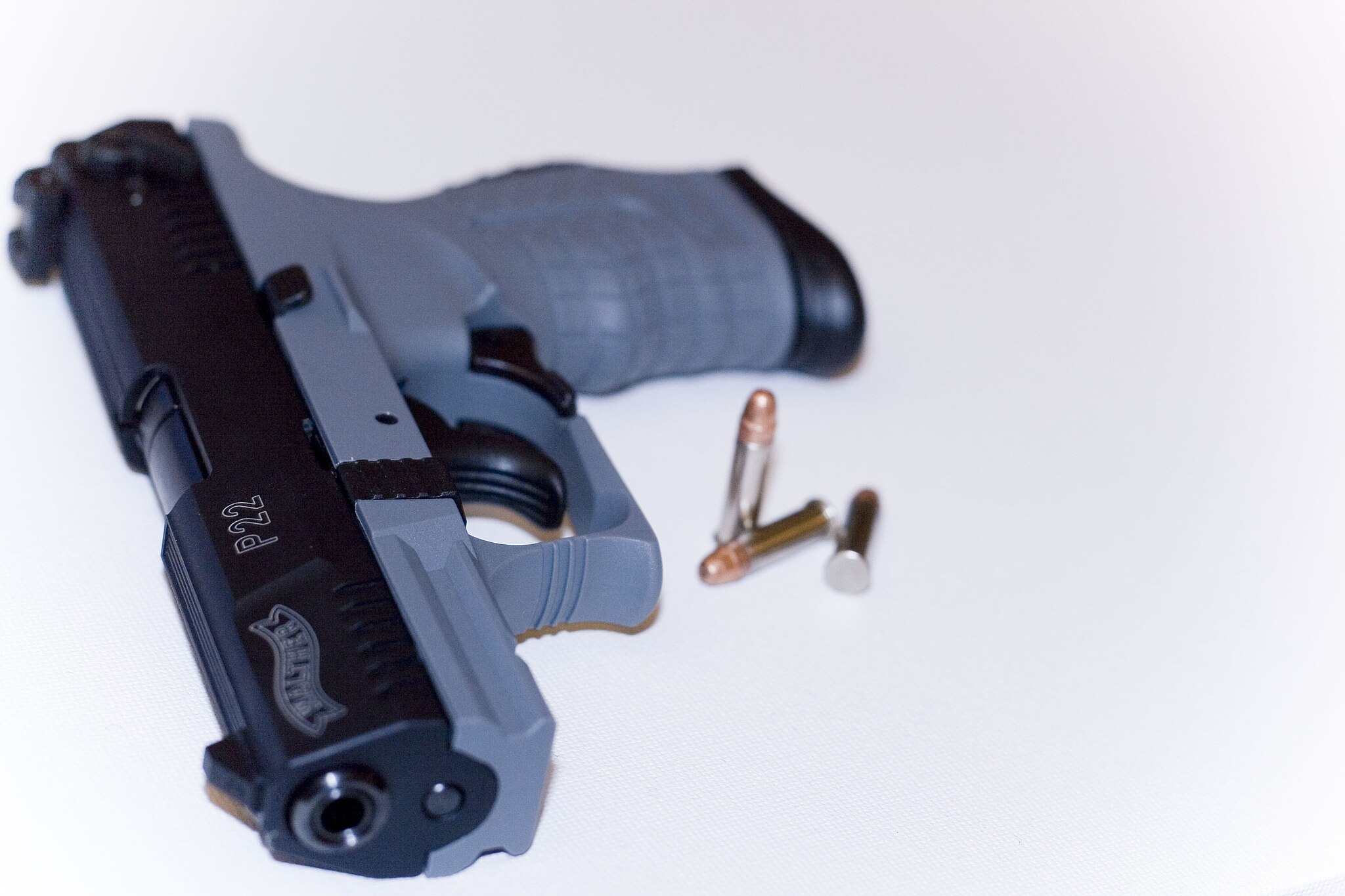
The Walther P22 is a popular tactical rimfire pistol that often suffers from significant cycling issues when used with anything other than high-velocity ammunition today. Many shooters experience frequent stovepipe malfunctions where the spent casing becomes trapped in the slide during the firing cycle in a sequence. This problem is often exacerbated by the use of inexpensive zinc alloys in the construction of the slide, which can wear down quickly. While it is a fun tool for casual practice, its inconsistent performance makes it unsuitable for any serious defensive application where absolute and total mechanical reliability is required.
The Smith And Wesson SD9VE
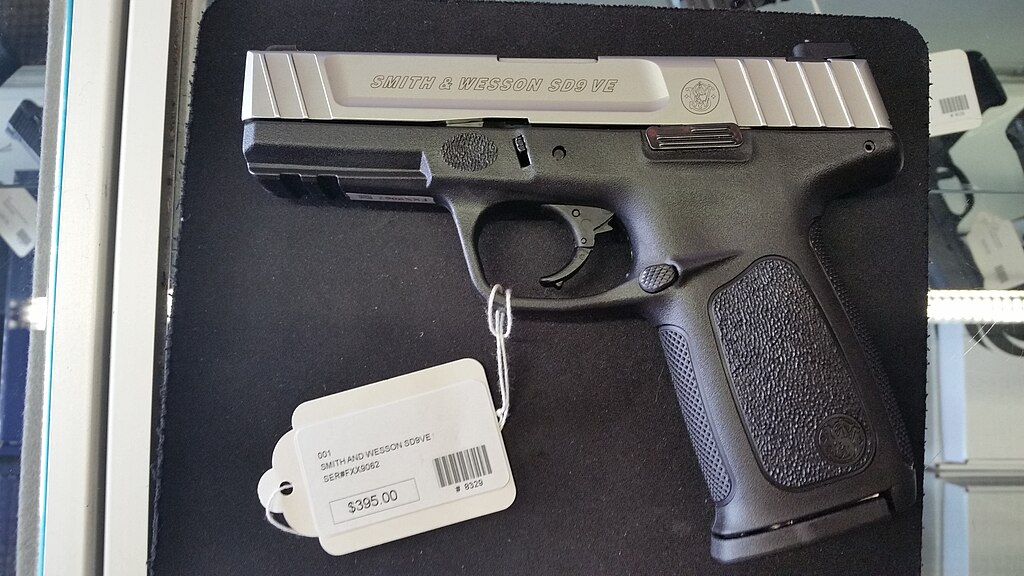
The Smith and Wesson SD9VE is often marketed as a budget-friendly tactical option, but its heavy and gritty trigger pull hinders accurate shots under pressure. Many users find that the lack of a smooth reset makes follow-up shots slow and difficult to time during a fast-moving encounter. While the firearm is generally reliable, the poor ergonomics and crude controls can lead to frustration and a lack of confidence in the weapon. Professionals often suggest spending a little more money on a more refined polymer pistol that offers better balance and a much superior trigger system for safety.
The Kriss Vector
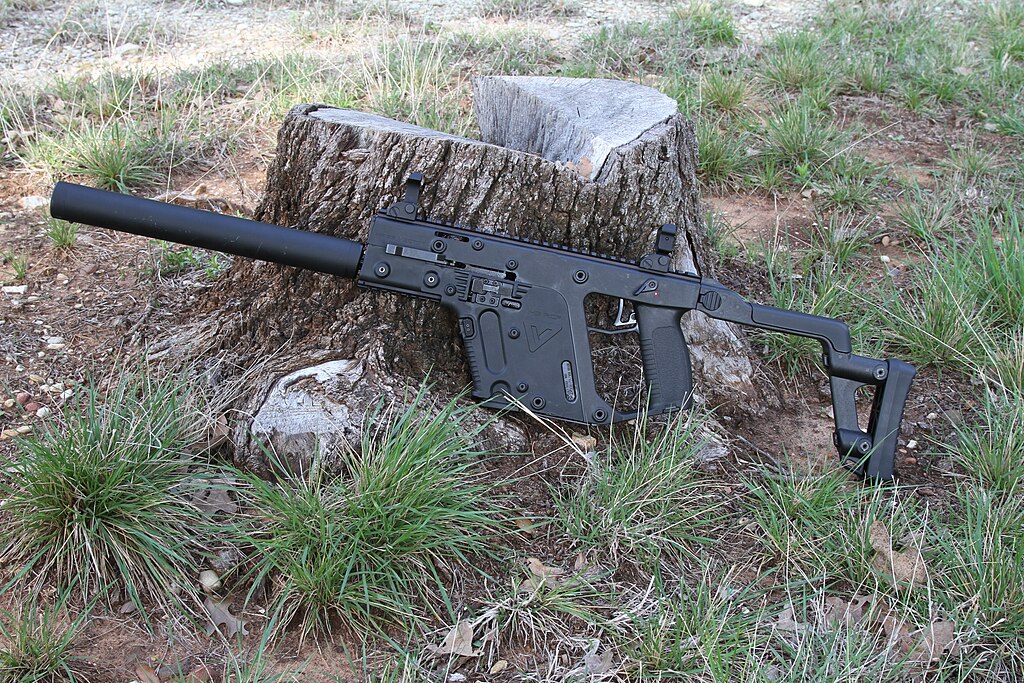
The Kriss Vector features an innovative recoil mitigation system, but the complex internal mechanism is prone to frequent jams if it is not kept perfectly clean. Many owners report that the unique bolt path attracts significant carbon buildup, which can cause the action to fail sluggishly after only a few magazines of use. This sensitivity makes it a poor choice for rugged environments where dirt and debris are common and regular maintenance is difficult. While the technology is fascinating, the high level of maintenance required is a major drawback for anyone seeking a truly dependable and rugged tactical tool.