
In the age of online survival content, countless videos promise shortcuts and hacks for surviving extreme wilderness conditions. While entertaining, many of these tips conflict with real-world data collected by search-and-rescue teams. Experienced rescuers and outdoor professionals know what works and what doesn’t. By comparing popular myths with actual incidents, it becomes clear that some widely shared survival advice is not only misleading but can put adventurers at serious risk. Understanding what is safe and effective can mean the difference between a manageable mishap and a true emergency.
1. You Should Drink Stream Water Without Treatment
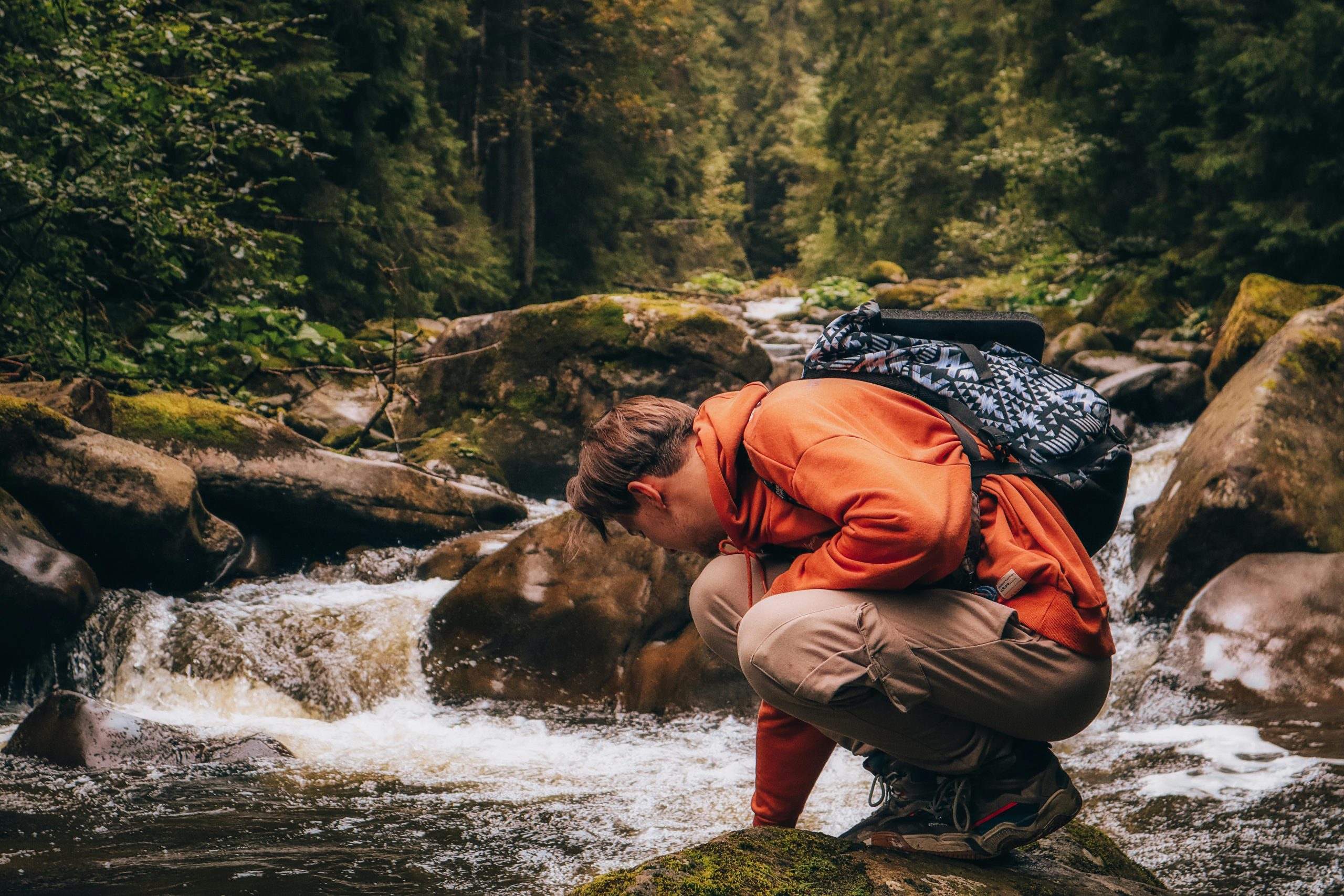
Many survival videos suggest that drinking from streams or rivers is safe if no human activity is nearby. Search-and-rescue data shows this advice is extremely risky. Untreated water often contains harmful bacteria, protozoa, and viruses that cause serious gastrointestinal illness. Wilderness professionals always recommend boiling, filtering, or chemically treating water before drinking. Ignoring this step is a leading cause of preventable medical emergencies in outdoor situations. Always prioritize safe water sources to avoid dehydration and illness.s
2. Build a Fire Immediately in Every Situation
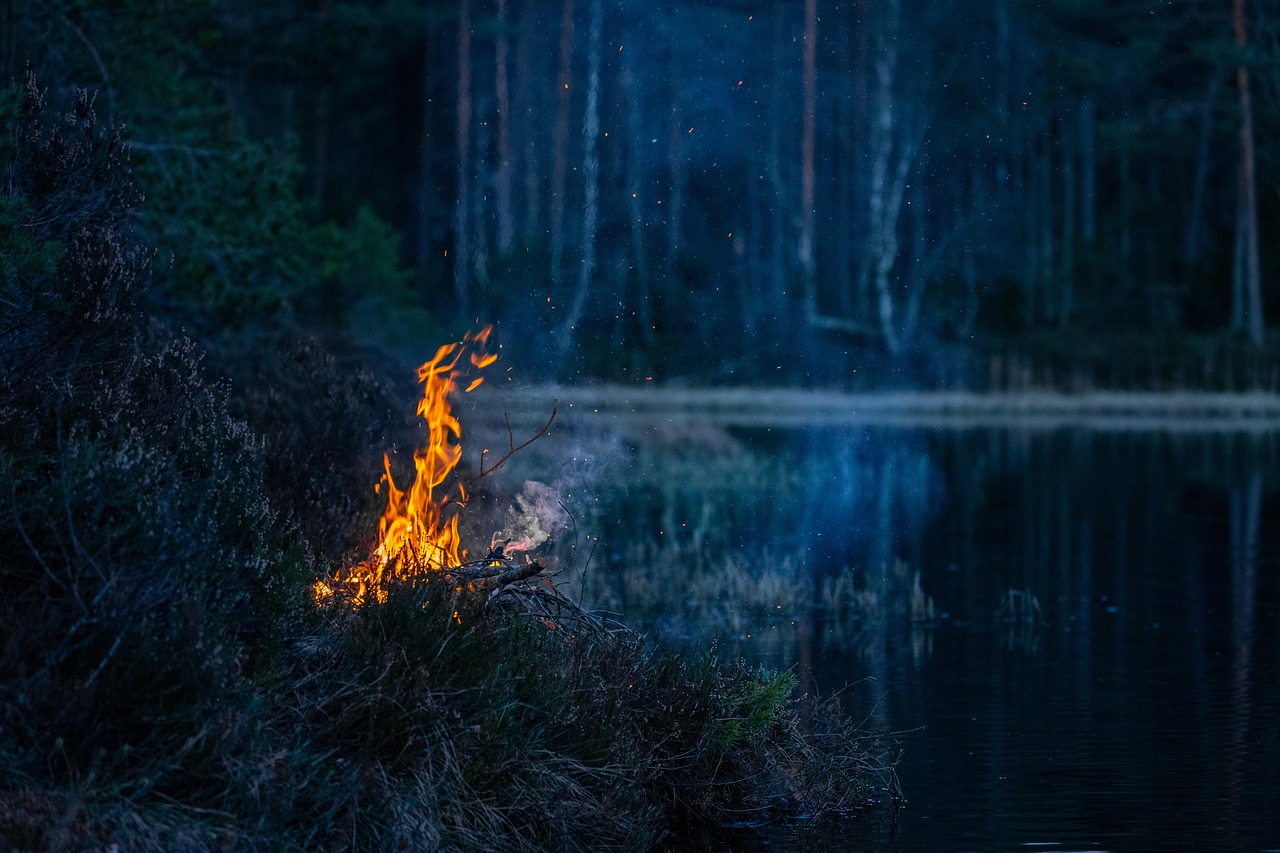
YouTube videos often glorify fire-building as the ultimate survival skill. While fire is useful for warmth, cooking, and signaling, search-and-rescue reports reveal that mismanaged fire attempts frequently waste energy, expose individuals to smoke hazards, or damage fragile environments. In some emergencies, conserving body heat through layering or shelter can be more effective than rushing to light a fire. Knowledge of when and how to build a fire is far more important than attempting it automatically in every outdoor scenario.
3. You Should Eat Any Plant You Find

Many online survival tutorials encourage eating wild plants with minimal identification. Search-and-rescue data repeatedly show that consuming unknown flora can lead to poisoning, allergic reactions, or severe gastrointestinal distress. Proper plant identification is complex, and mistakes are common even among experienced hikers. Experts emphasize focusing on stored food, edible known items, or foraging with clear, verified guides. Survival depends on caution, not impulse, when it comes to consuming natural resources.
4. Staying Put Is Always the Safest Option
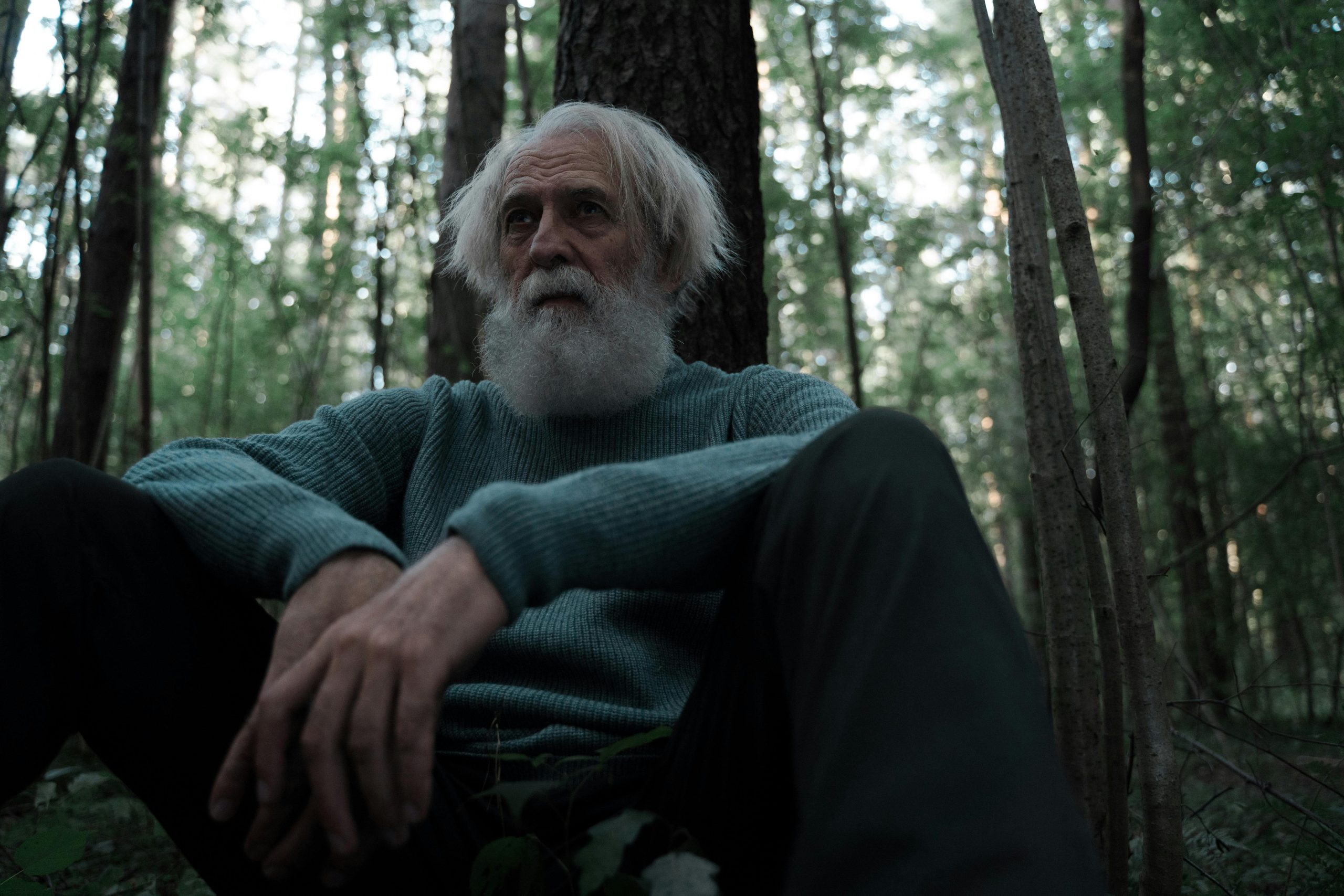
YouTube videos often claim that staying in one place guarantees rescue. While staying visible can help rescuers locate individuals, real-world incidents show that remaining immobile without resources can worsen dehydration, hypothermia, or exposure. Experienced rescuers advise evaluating terrain, shelter availability, and personal energy levels before deciding whether to stay put or move. Blindly following “stay in place” advice can turn a manageable situation into a serious emergency.
5. You Can Easily Follow a Compass in Dense Forests
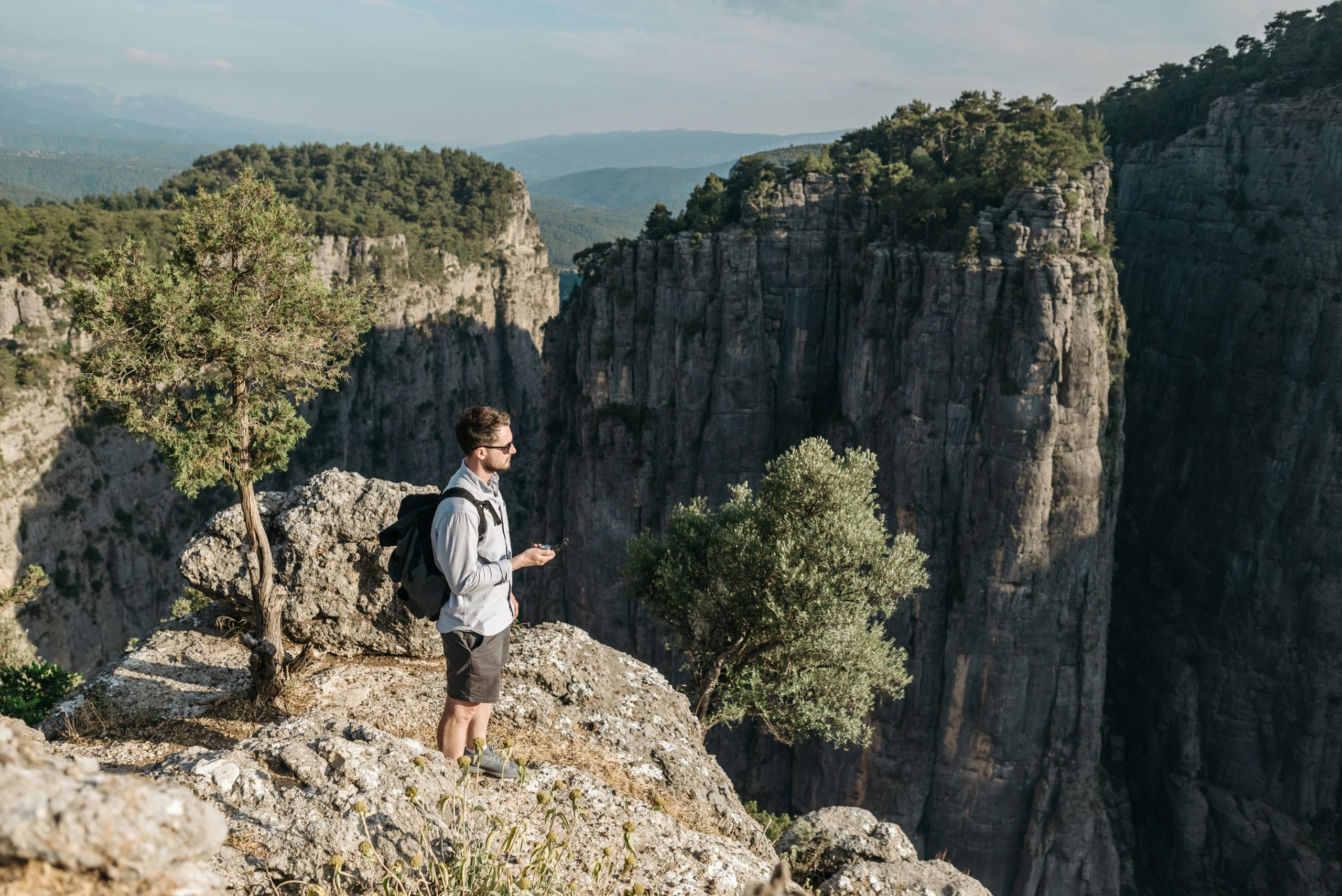
Survival channels often suggest that a compass alone guarantees direction in thick woods. Search-and-rescue records indicate that misreading a compass or ignoring terrain features leads many hikers off course. Dense forests, uneven terrain, and obstacles can create false confidence. Combining compass use with maps, GPS devices, and natural navigation cues is far more reliable. Education on orientation and consistent verification of bearings is critical for safe wilderness travel.
6. You Can Survive on Minimal Water and Food for Weeks
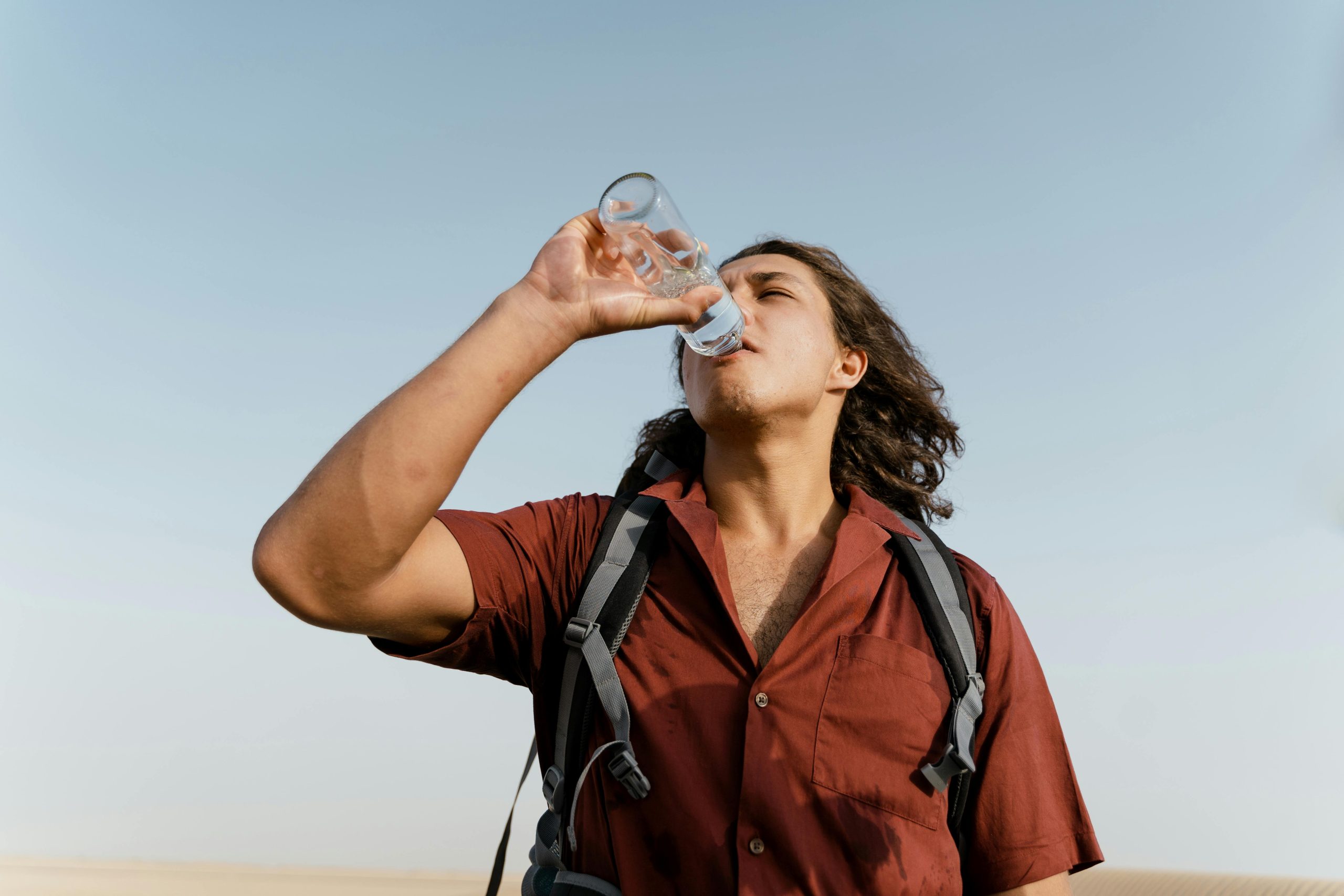
Many videos glorify extreme fasting in survival situations, suggesting that minimal hydration or foraging is sufficient. Data from rescues show dehydration, hypoglycemia, and exhaustion occur rapidly when caloric and fluid intake is ignored. Realistic survival planning accounts for regular water and food replenishment. Wilderness professionals emphasize preparation with proper rations, water treatment methods, and energy management. Overestimating endurance can turn a manageable hike into a life-threatening emergency.
7. You Can Always Signal Rescuers with Fire, Mirrors, or Noise
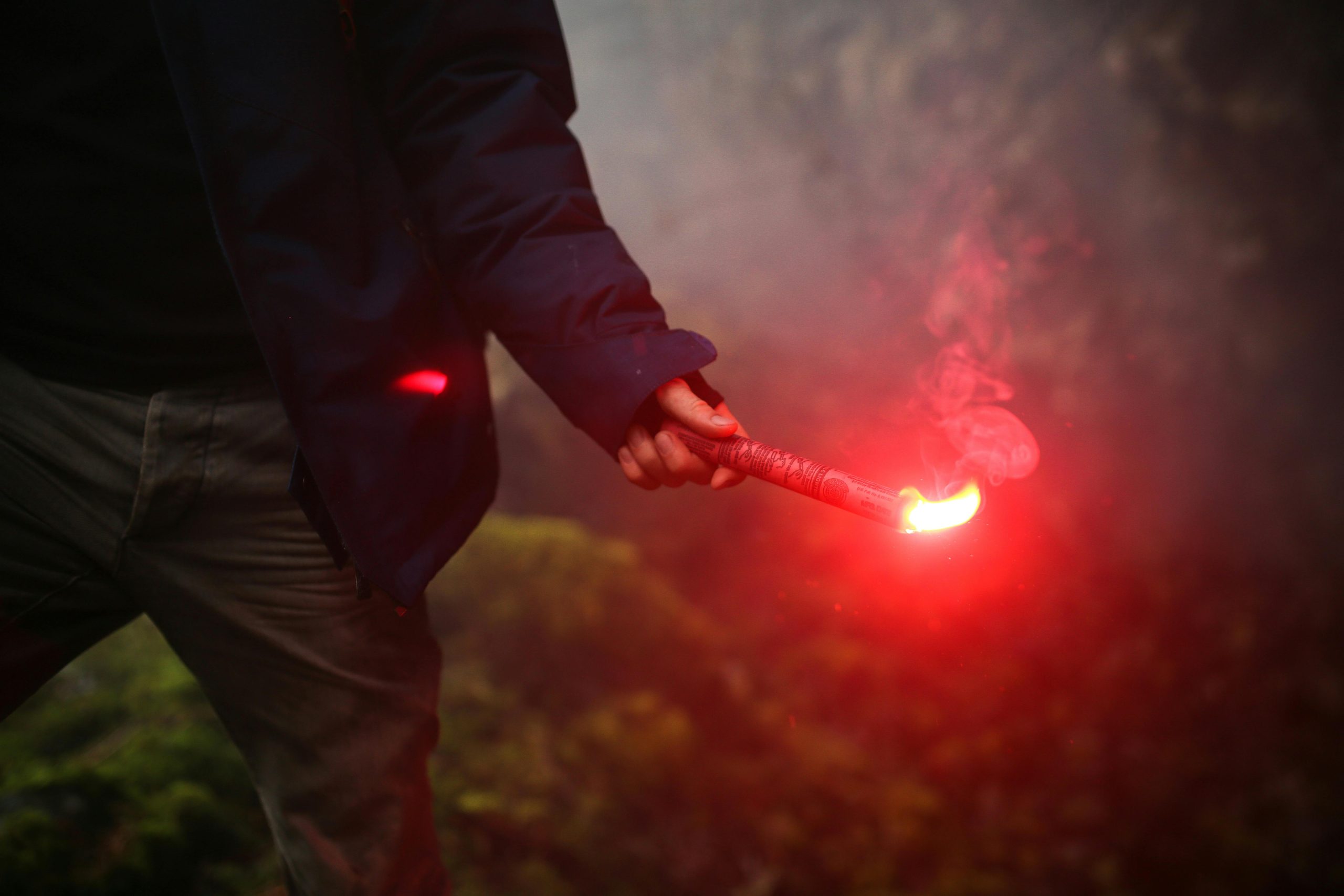
YouTube tutorials often suggest that fire, reflective mirrors, or loud sounds guarantee a rapid rescue. Search-and-rescue experience shows these methods often fail due to weather, distance, or terrain. While signaling is important, relying solely on one technique can be misleading. Experts recommend multiple signaling methods, carrying personal locator beacons, and maintaining visibility through clothing and position. Combining strategies significantly increases the likelihood of being found safely.