Hollywood has a long and enthusiastic history of lying about firearms. Not casually or occasionally, but systematically and with remarkable consistency across decades of action films, survival thrillers, and post-apocalyptic dramas. Guns in movies never run out of ammunition at inconvenient moments, never jam in the rain, never require the shooter to manage recoil between rounds, and never once demand the kind of maintenance that real firearms need to function reliably under stress. The result is a deeply distorted public perception of what specific firearms actually do when real conditions replace carefully choreographed cinematography. This matters beyond simple trivia because people genuinely build survival plans, purchasing decisions, and emergency preparedness strategies around weapons they have seen perform flawlessly on screen. When reality eventually introduces itself, the gap between expectation and performance can be dangerous rather than merely disappointing. The seven firearms below are among the most mythologized in cinema history. Each one has a specific, documented performance reality that differs sharply from its screen reputation, and understanding that gap is genuinely worth the time it takes to close it.
1. Desert Eagle .50 AE
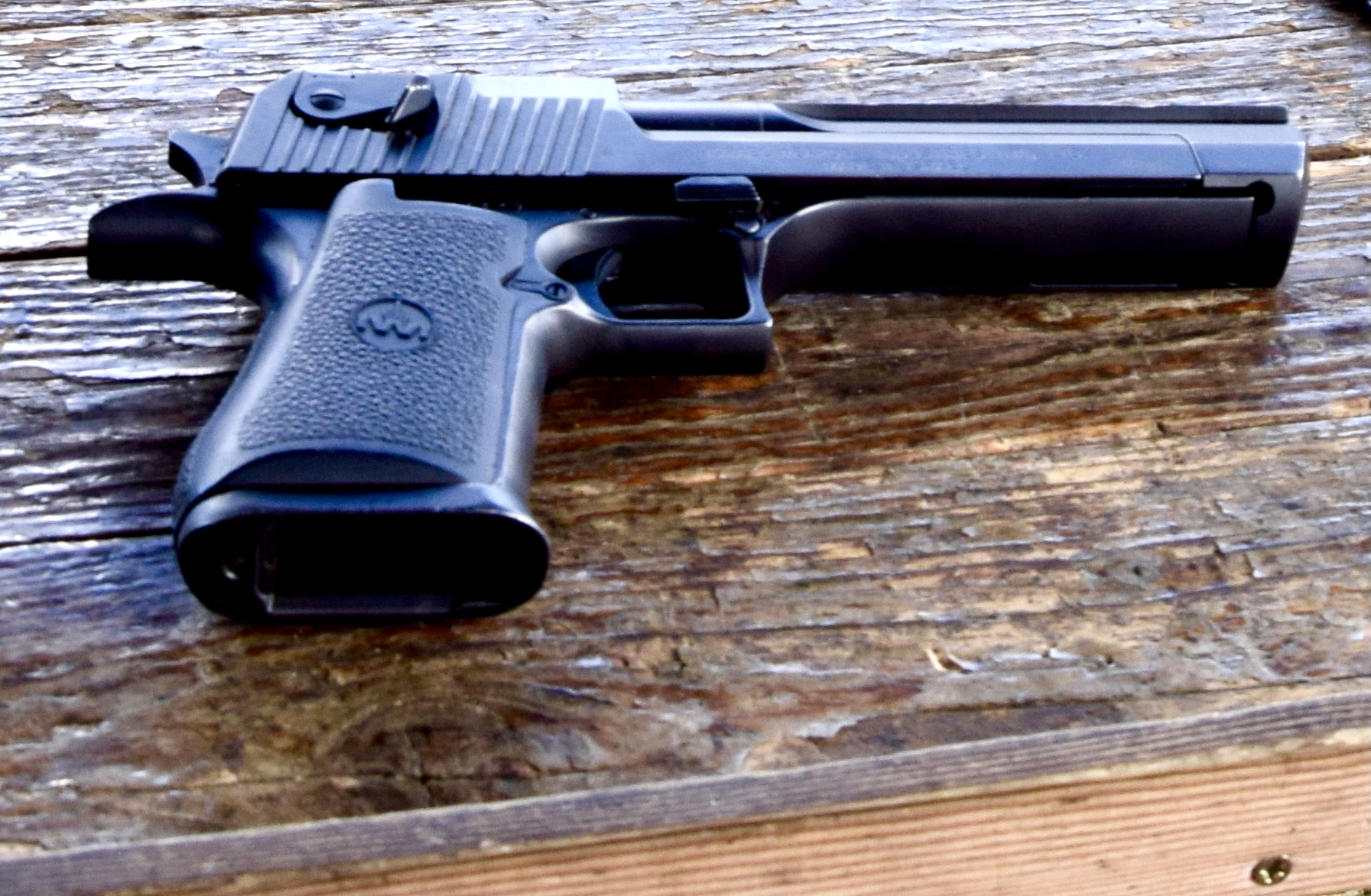
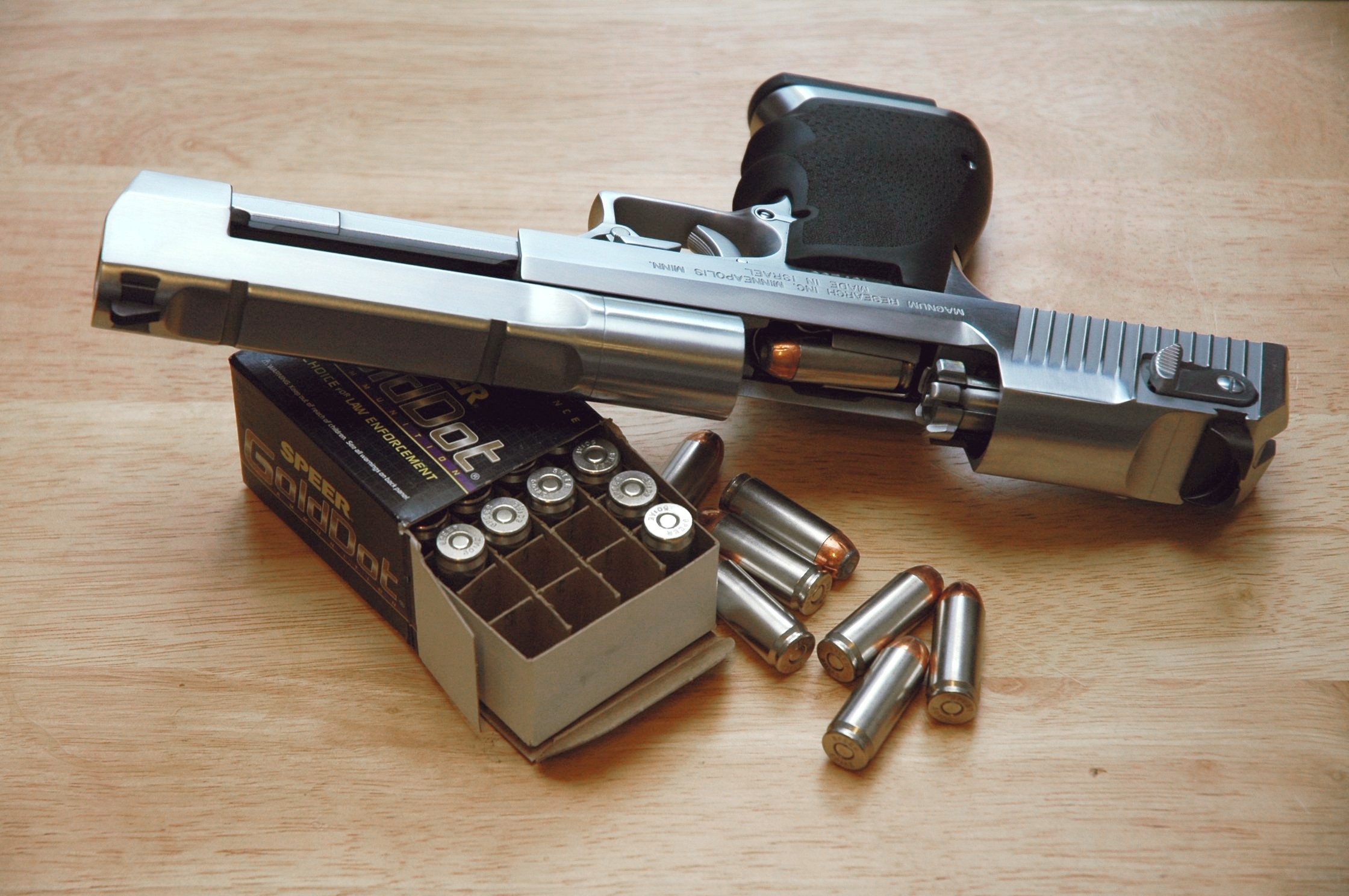
Cinema loves the Desert Eagle with a devotion that borders on obsession. It has appeared in over 600 films and television productions, almost always in the hands of someone who fires it one-handed with complete control while hitting targets at implausible distances. The reality involves a gas-operated rotating bolt system generating 1,449 foot-pounds of muzzle energy that produces recoil forces, making controlled one-handed shooting genuinely difficult for most trained shooters, let alone untrained survivors in crisis scenarios. Muzzle flip is severe enough that follow-up shots require deliberate repositioning between rounds. The mechanism demands full-power factory ammunition to cycle reliably, with failure rates climbing to 12 to 18 per 100 rounds using underpowered loads. Weighing 4.4 pounds fully loaded, carrying it through survival terrain for extended periods creates physical fatigue that compounds over hours. Movies never show the Desert Eagle jamming in dust or debris, yet field contamination is precisely where its gas system struggles most. It is a spectacular-looking firearm built for controlled environments that survival situations categorically are not.
. Winchester Model 1887 Lever-Action Shotgun
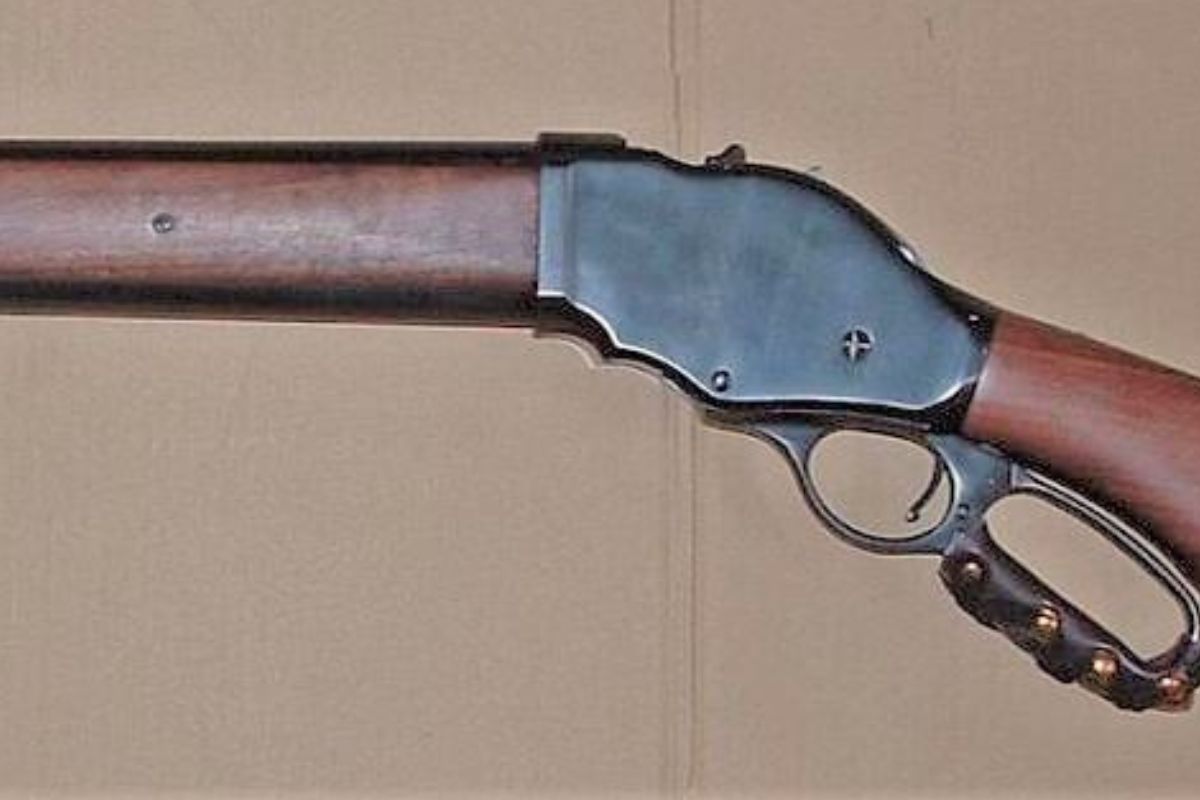
The Winchester 1887 achieved its peak cinematic fame when Arnold Schwarzenegger one-handed it dramatically in Terminator 2, spinning and cocking it with a single wrist flick that looked extraordinary because it essentially was. That specific stunt required a modified reproduction with a shortened lever and lightened action, not a standard production gun. The original Model 1887 is a lever-action shotgun chambered in 12 gauge with a 4-round tubular magazine, weighing approximately 8 pounds with a lever loop designed for two-handed operation under normal circumstances. Cycling the lever requires a deliberate, complete stroke covering roughly 8 inches of travel. Partial strokes cause failures to eject at rates that make the action unreliable under rushed or weakened operation. In wet conditions, the exposed action accumulates debris that increases cycling resistance noticeably. Reproduction models used in film typically have significantly lighter springs and polished internals that standard production guns do not share. The one-handed spinning maneuver that millions of viewers absorbed as possible takes a specifically modified firearm and considerable practice to execute even once, let alone repeatedly during a survival emergency.
3. Colt Single Action Army Revolver
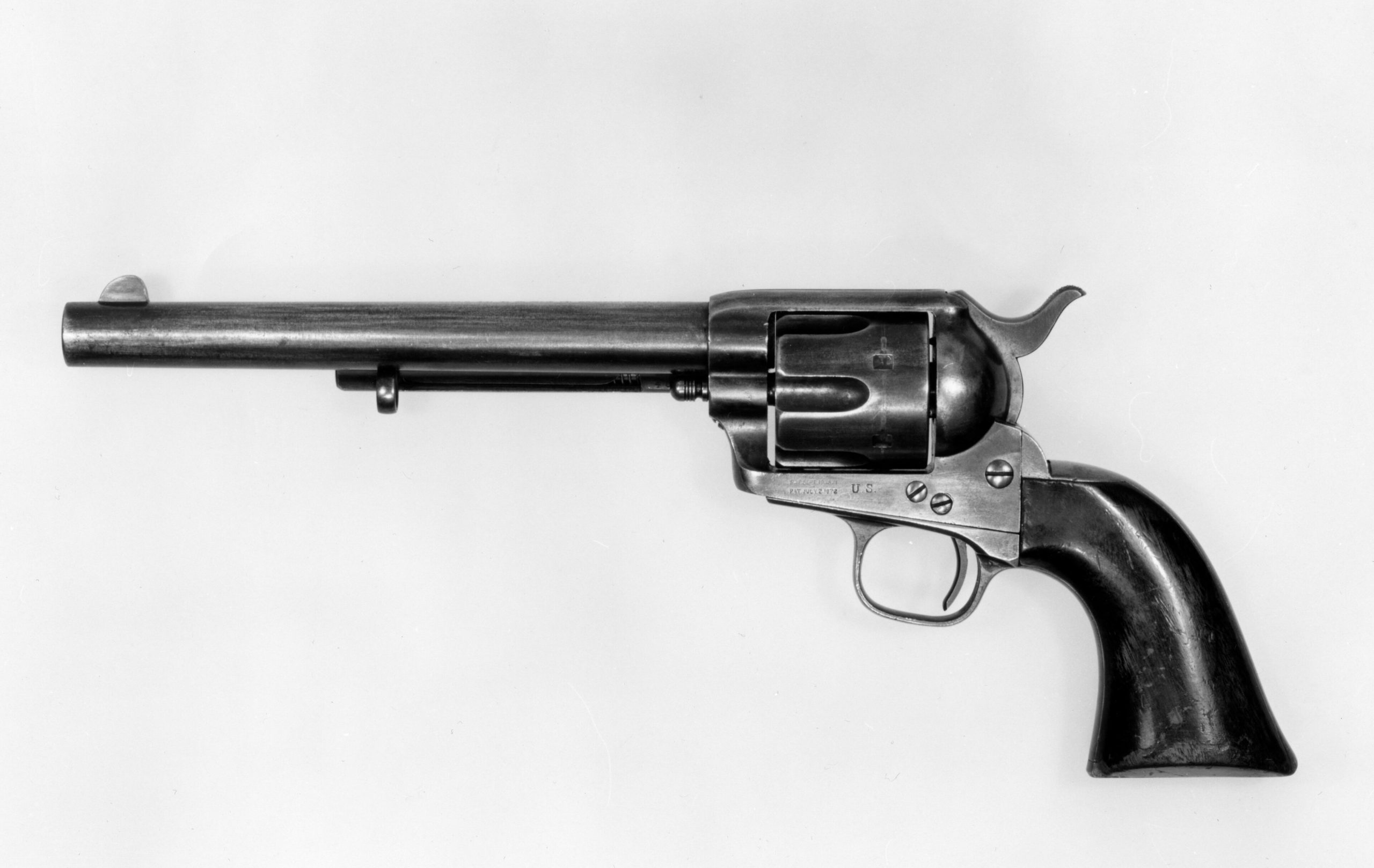
The Colt Single Action Army has starred in more Western films than any other firearm in history, typically depicted as a fast, accurate, endlessly reliable sidearm that cowboys draw and fire with fluid speed across meaningful distances. The SAA fires .45 Colt cartridges generating approximately 400 foot-pounds of muzzle energy, which is legitimate stopping power by any honest measurement. The cinematic problems begin with the manual of arms. The SAA requires cocking the external hammer fully rearward before each shot, a deliberate mechanical step that trained shooters manage smoothly but stressed survivors under genuine threat find significantly slower than movies suggest. Loading requires opening the loading gate and feeding cartridges one at a time through a single port, with the cylinder indexed manually between each round. A full 6-round reload takes a practiced shooter 25 to 35 seconds under range conditions and considerably longer under stress or in darkness. The fixed sights offer no adjustability for distance or windage. At 15 yards, groups of 4 to 6 inches are realistic for average shooters. Movies compress all of this into effortless seconds that simply do not translate to reality.
4. Sawed-Off Double-Barreled Shotgun
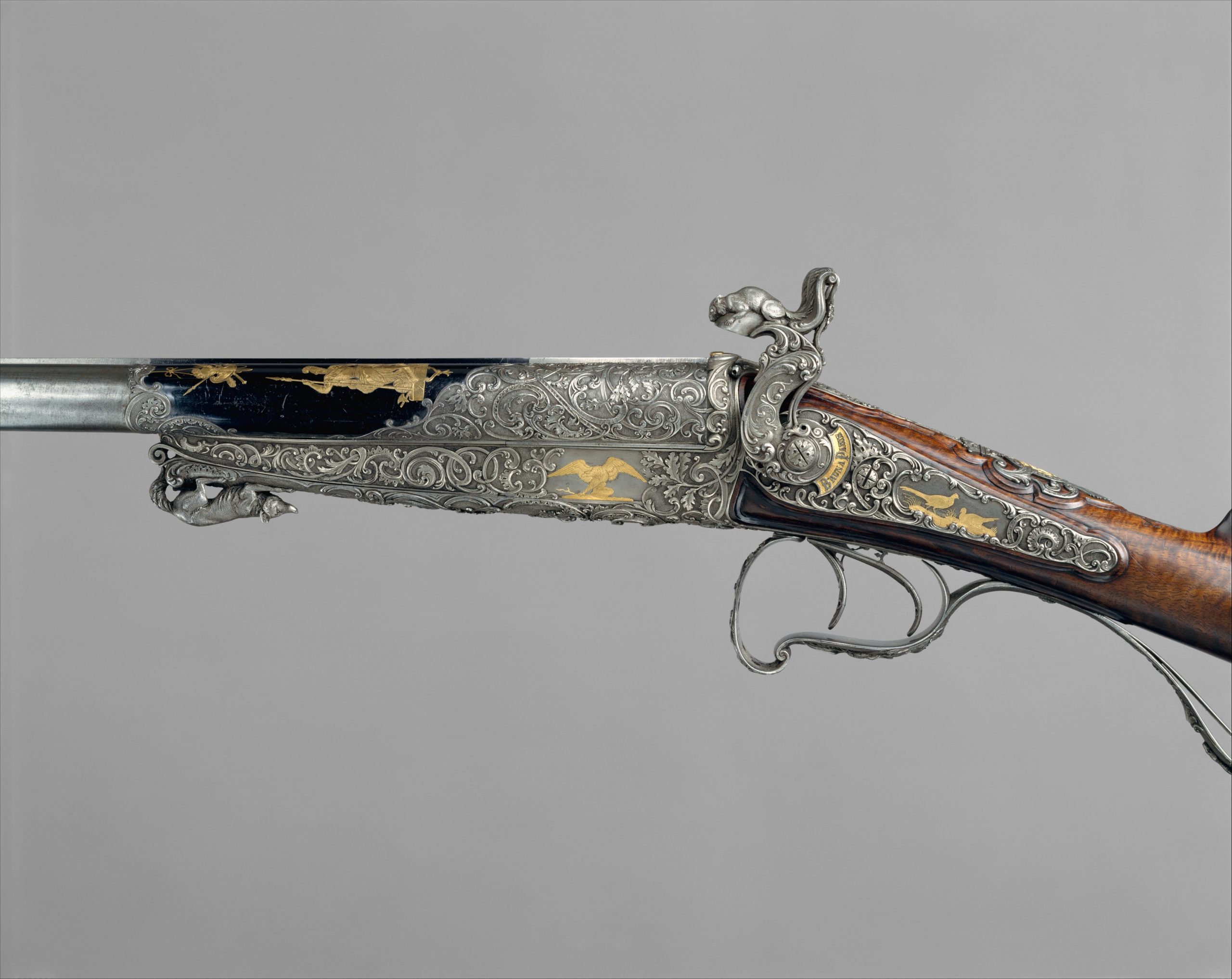
Few survival firearms carry more cinematic mythology than the sawed-off double-barreled shotgun, depicted across decades of film as a devastatingly compact, brutally effective weapon that clears rooms and stops threats with authority at meaningful distances. The mechanical reality involves some immediate legal context: barrels shortened below 18 inches without proper NFA registration constitute a federal felony in the United States, which survival films universally ignore. Setting legality aside, the ballistic performance of a genuinely shortened barrel changes shot patterns dramatically. At 10 feet, .00 buckshot from a barrel cut to 12 inches produces patterns already spreading 8 to 12 inches, reducing effective hit probability on specific targets. At 25 feet that pattern approaches 24 inches or wider, meaning pellets are distributing across an area far larger than a human torso. Recoil from full-power 12 gauge loads in an unmodified stock-removed configuration produces forces averaging 45 to 54 foot-pounds, which causes loss of control in inexperienced hands after a single shot. Two shots exhaust the entire ammunition supply before any reload is possible. Movies skip every one of these complications systematically.
5. Glock 17 With Unlimited Ammunition
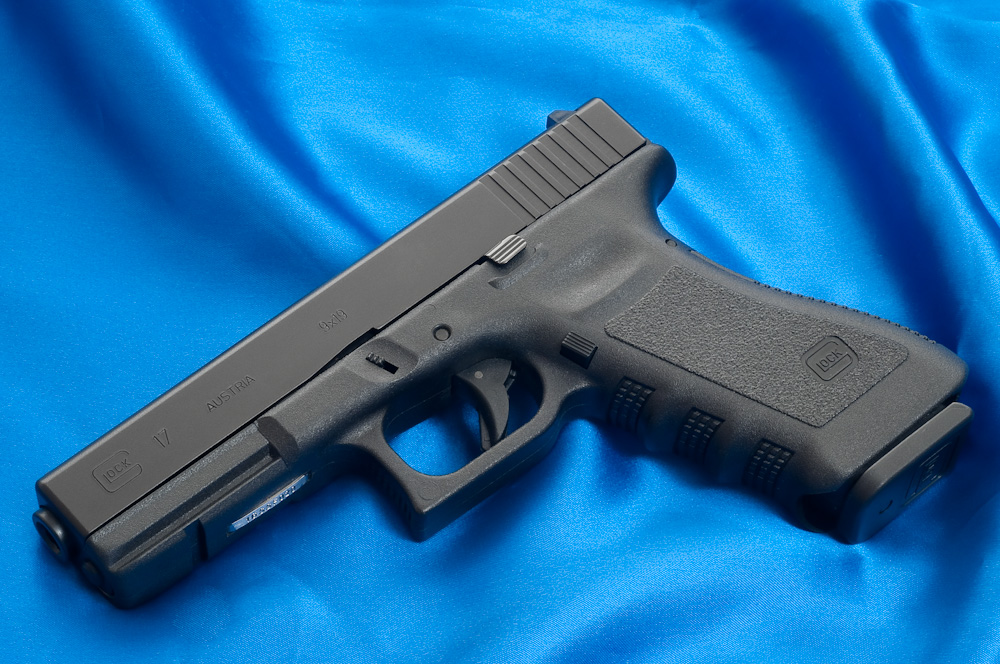
The Glock 17 is one of the most genuinely capable and reliable service pistols ever manufactured, with documented failure rates below 1 per 1,000 rounds under normal conditions and a 17-round standard magazine capacity that makes it legitimately competitive in real defensive scenarios. The survival movie version, however, operates under physics that the actual Glock does not share. On screen, Glock 17s fire 30, 40, and occasionally what appears to be 60 or more rounds between reloads without comment or explanation, while the shooter maintains perfect accuracy during full-sprint movement across uneven terrain. In reality, shooting accurately while running produces hit rates that even trained law enforcement officers rarely exceed 20 to 30 percent under stress testing. Standard 9mm ammunition generates approximately 350 foot-pounds of muzzle energy, which is adequate but not the one-shot-stop that cinema consistently implies. Each 17-round magazine weighs approximately 12 ounces loaded, meaning carrying meaningful ammunition reserves adds real weight. Reloads under stress take 2 to 4 seconds for trained shooters and significantly longer for untrained survivors. The Glock is excellent. The movie Glock is fictional equipment operating under fictional rules.
6. AR-15 in Survival Scenarios
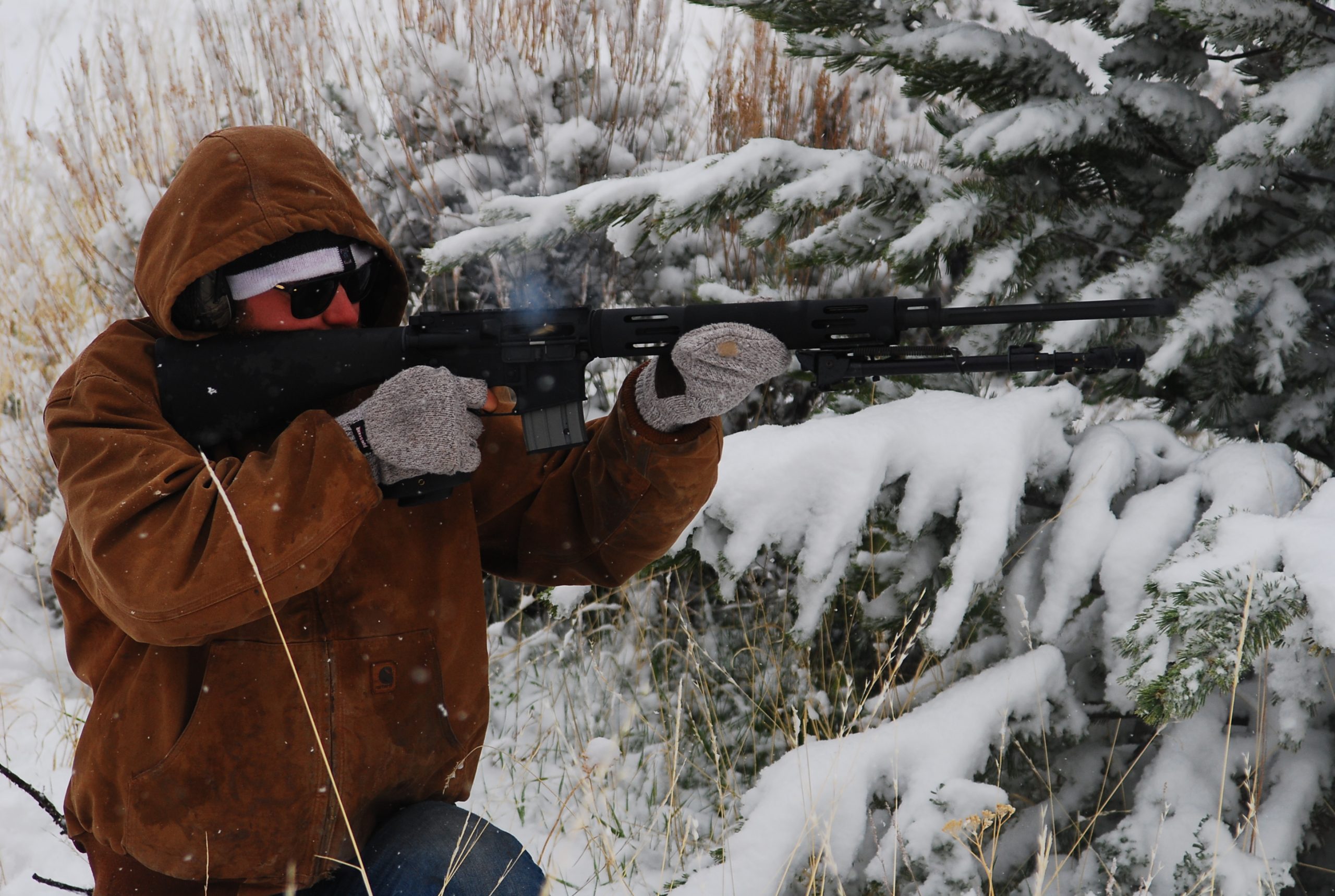
The AR-15 platform appears throughout survival cinema as the definitive solution to essentially every threat scenario, operated effortlessly by protagonists who absorb no meaningful recoil, never clean the action, and maintain surgical accuracy at distances that challenge dedicated precision rifles. A standard AR-15 chambered in 5.56 NATO pushes a 55-grain projectile to approximately 3,200 fps, generating around 1,250 foot-pounds of muzzle energy at the muzzle, which drops to around 600 foot-pounds at 300 yards. Effective practical accuracy for a standard barrel under field conditions without support typically runs to 200 to 250 yards for most shooters, not the 400 to 600-yard shots that films routinely depict with iron sights. The direct impingement gas system vents carbon directly into the bolt carrier group, requiring cleaning every 1,000 to 1,500 rounds to maintain peak reliability. In genuinely dirty field conditions, that number compresses significantly. A standard 30-round magazine weighs approximately 1 pound loaded, and carrying 10 magazines for the 300 rounds films imply characters routinely fire adds 10 pounds to a survival load before any other gear is considered. Reality has weight that movies consistently subtract.
7. Lever-Action Rifle in Long-Range Engagements
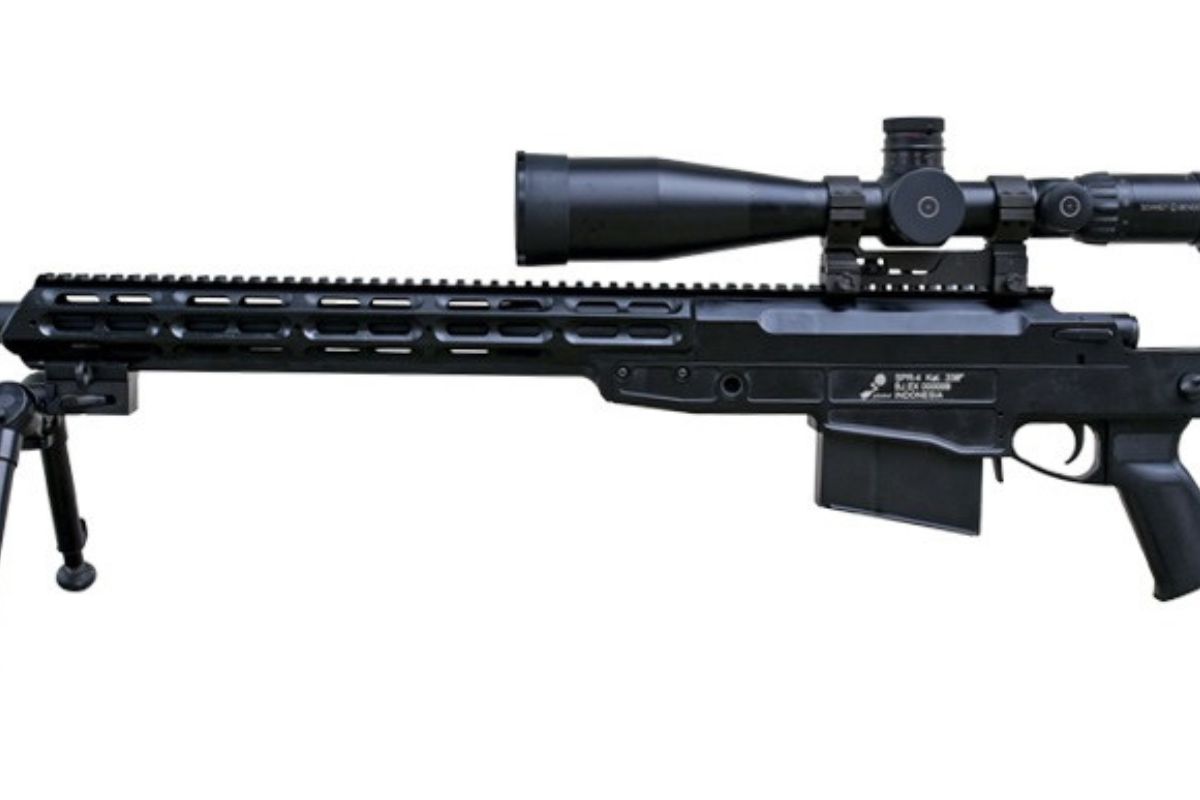
Lever-action rifles occupy a romanticized position in survival cinema, depicted as capable of precise long-range shooting that their mechanical design and cartridge ballistics simply do not support at the distances shown. The Winchester Model 94 in .30-30 Winchester is perhaps the most representative example, chambering a cartridge that pushes a 150-grain flat-nosed bullet to approximately 2,390 fps at the muzzle, generating around 1,900 foot-pounds of energy. That muzzle performance is genuine and respectable for ranges under 150 yards, where the .30-30 has accounted for more whitetail deer harvests than any other cartridge in American history. Beyond 200 yards, the flat-nosed bullet design required for tubular magazine safety sheds velocity and energy rapidly, dropping to approximately 860 foot-pounds at 300 yards with significant trajectory arc that demands precise holdover knowledge. Movies regularly show lever rifles making 300 to 500-yard shots with iron sights that the cartridge’s ballistic coefficient makes extremely difficult even for experienced shooters. The 6 to 8 round capacity and manual cycling between each shot further limits the platform compared to its cinematic portrayal. It is a legitimate, capable survival tool within its actual parameters, which films consistently and dramatically exceed.