Whether you’re hiking the Rockies, camping in the Sierras, or road tripping through the Andes, gaining elevation changes much more than just your view. As you climb higher, the air thins and oxygen levels drop, triggering a chain reaction throughout your body. Your lungs, heart, brain, and even digestive system all scramble to adjust to the new environment. These changes can feel strange, even alarming, but most are natural responses designed to help you adapt to life above the clouds.
1. Your Breathing Becomes Shallow and Rapid
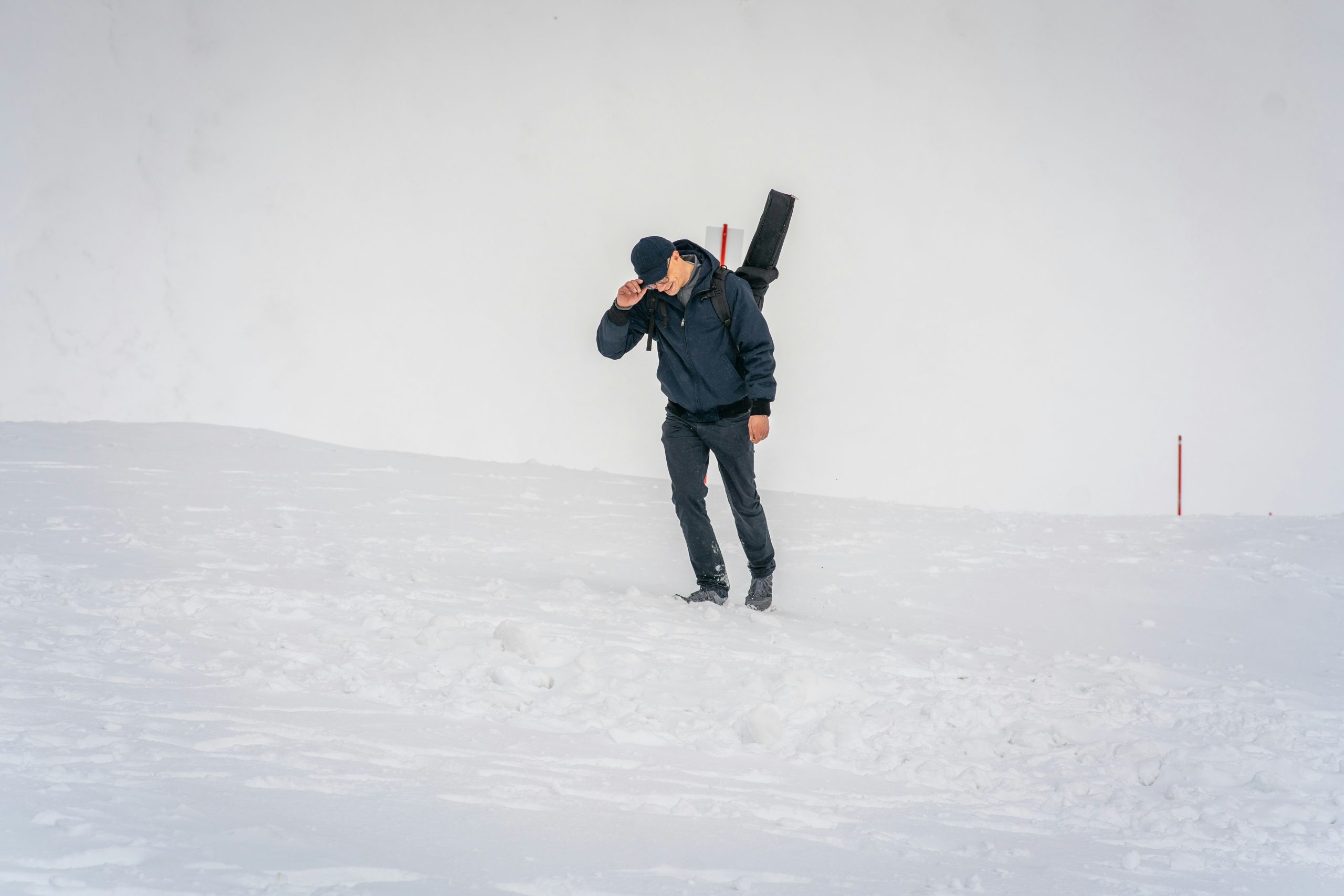
One of the first signs of altitude adjustment is faster, shallower breathing. The air at higher elevations carries less oxygen, forcing your lungs and diaphragm to work harder to deliver enough to your bloodstream. You might find yourself gasping after minimal effort or talking in shorter bursts. This reaction is normal; it helps your body increase oxygen intake and maintain energy. Staying hydrated, pacing your movements, and taking deep, steady breaths can ease the transition and prevent early fatigue.
2. Headaches Strike as Blood Vessels Expand
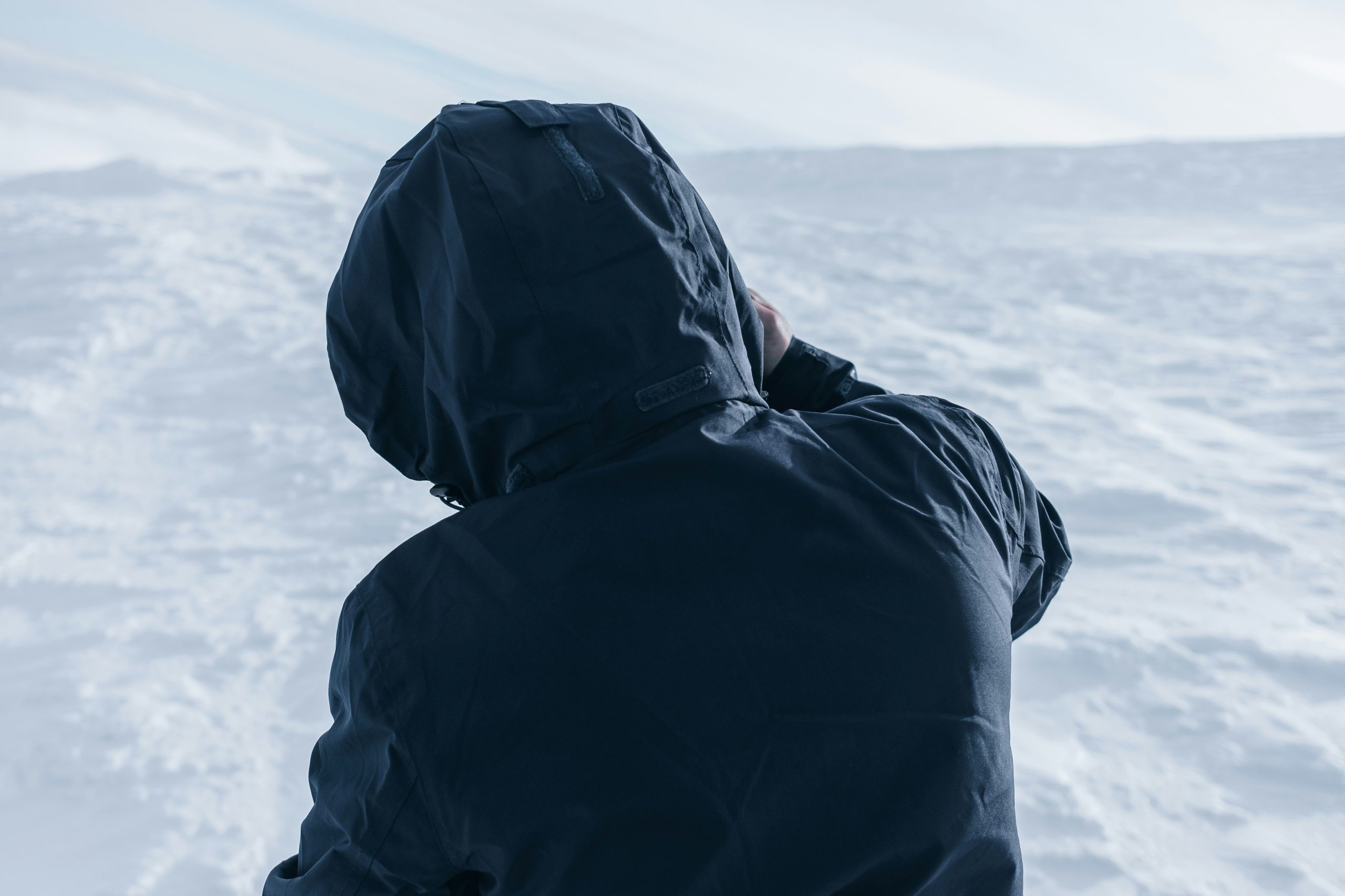
Altitude headaches often sneak up a few hours after ascent, caused by expanding blood vessels that try to push more oxygen to the brain. The increased pressure can lead to a dull or pounding pain, sometimes paired with nausea. This is your body’s natural attempt to adapt to reduced oxygen. Resting, avoiding alcohol, and hydrating well usually ease symptoms within a day. If pain intensifies or lasts longer than expected, it may signal mild altitude sickness and take it as a cue to slow down or descend.
3. Sleep Patterns Turn Unpredictable
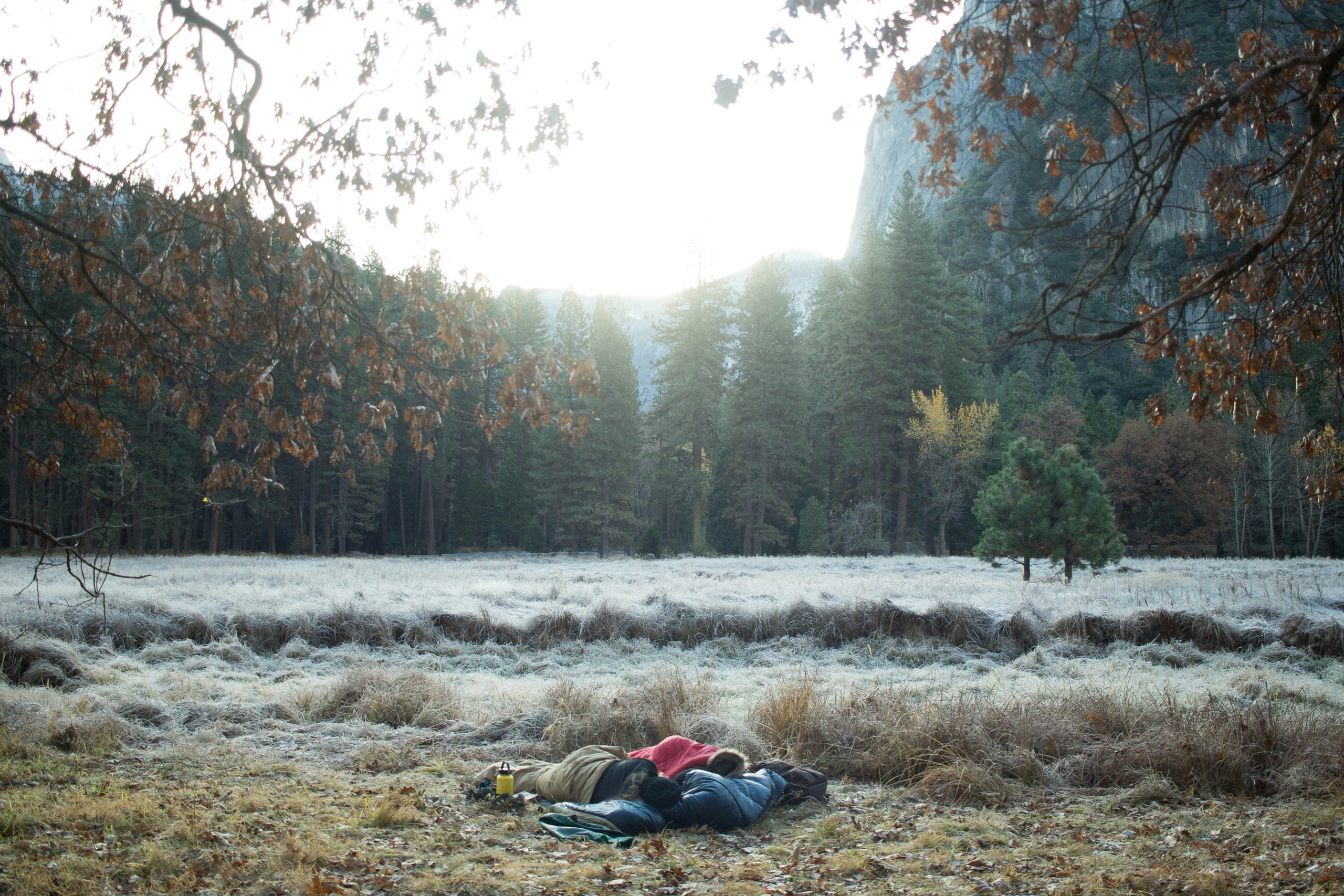
At higher elevations, sleep can become strangely fragmented. Your body’s breathing rhythm changes due to fluctuating oxygen and carbon dioxide levels, often causing you to wake repeatedly through the night. Many experience vivid dreams or restless tossing despite exhaustion. This occurs because your brain is still learning to regulate oxygen intake efficiently while you rest. Sleeping slightly elevated, maintaining warmth, and avoiding caffeine or alcohol before bed can help you regain better rest within a few nights.
4. Your Appetite Diminishes Unexpectedly
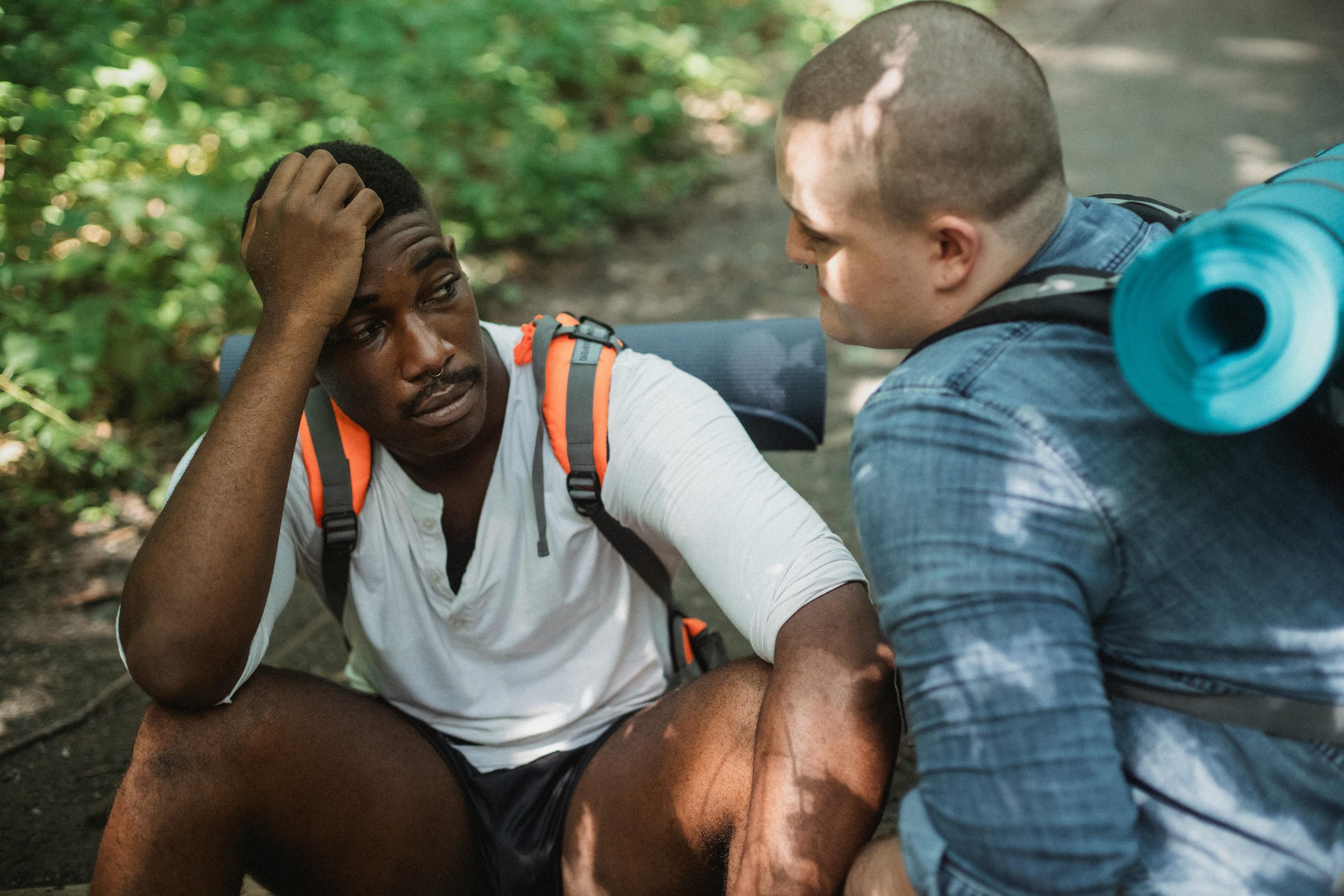
Strangely enough, while your body burns calories faster at elevation, your desire to eat can plummet. Lower oxygen levels slow digestion and reduce blood flow to the stomach, leaving you feeling bloated or nauseated after small meals. Yet, maintaining energy is crucial for acclimatization. Opt for light, carb rich foods like bread, rice, or soups, which digest easily and restore glycogen levels. Eating small portions frequently keeps your metabolism running smoothly while avoiding the fatigue that hunger can cause.
5. Swelling Appears in Hands, Feet, and Face
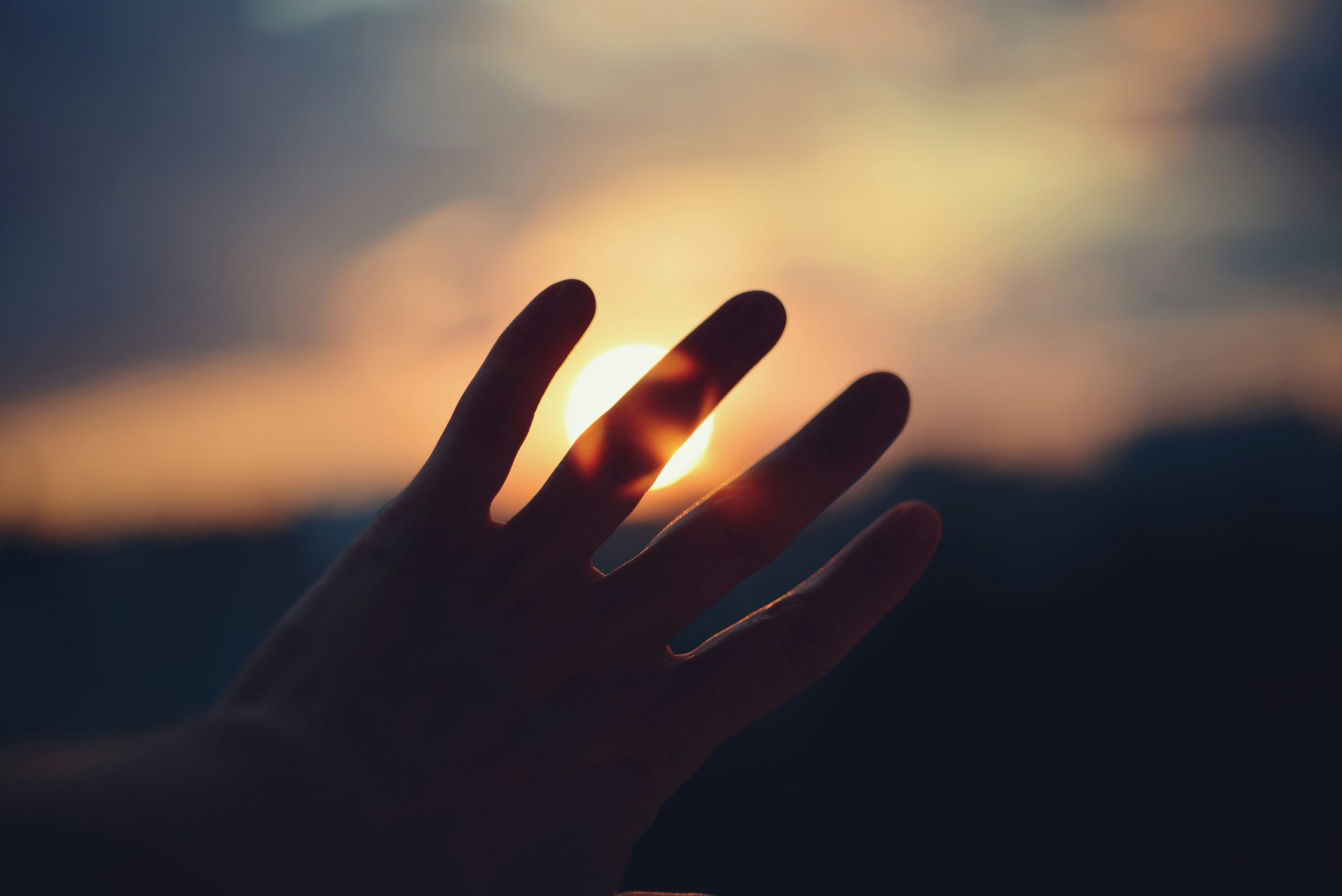
At high altitudes, mild swelling, especially in the fingers, ankles, and face, is surprisingly common. Thinner air and fluid shifts cause minor tissue expansion, leading to puffiness that feels odd but isn’t dangerous. It’s a visible sign that your body is adapting to reduced pressure and blood circulation. Staying mobile, stretching, and drinking plenty of water encourage proper fluid balance. The swelling usually subsides after a day or two once your body acclimates to its new altitude environment.
6. Mood and Focus Shift Without Warning
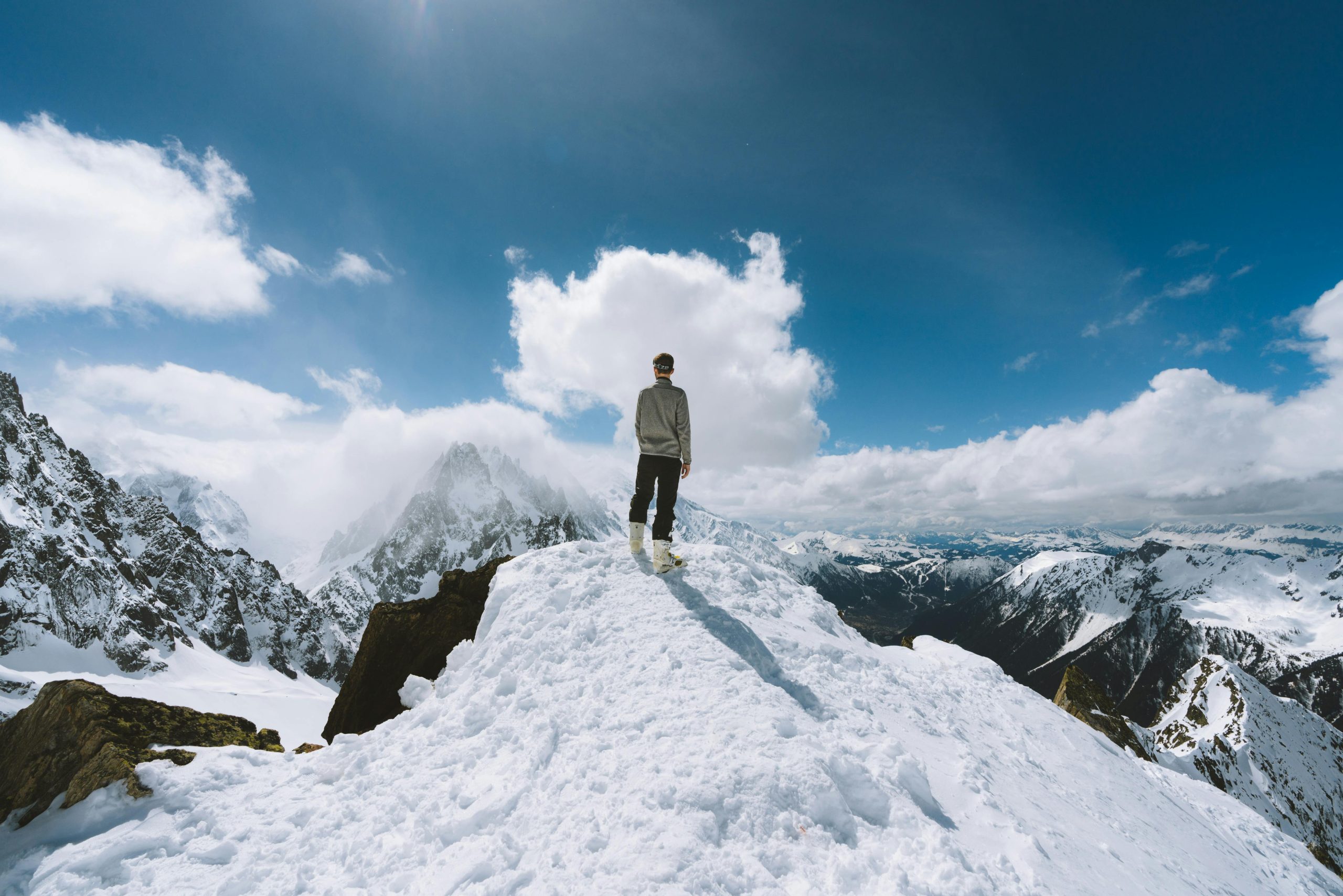
Emotional swings and foggy thinking can occur as the brain reacts to lower oxygen levels. You might feel unusually anxious, euphoric, or irritable, even over small things. Concentration may also waver, especially during long hikes or climbs. These shifts are temporary but can impact safety if ignored. Eating regularly, staying hydrated, and taking breaks to rest your mind and body help stabilize your mood. Within days, your brain chemistry adapts, restoring mental clarity and emotional balance.
7. Vision Changes and Colors Intensify
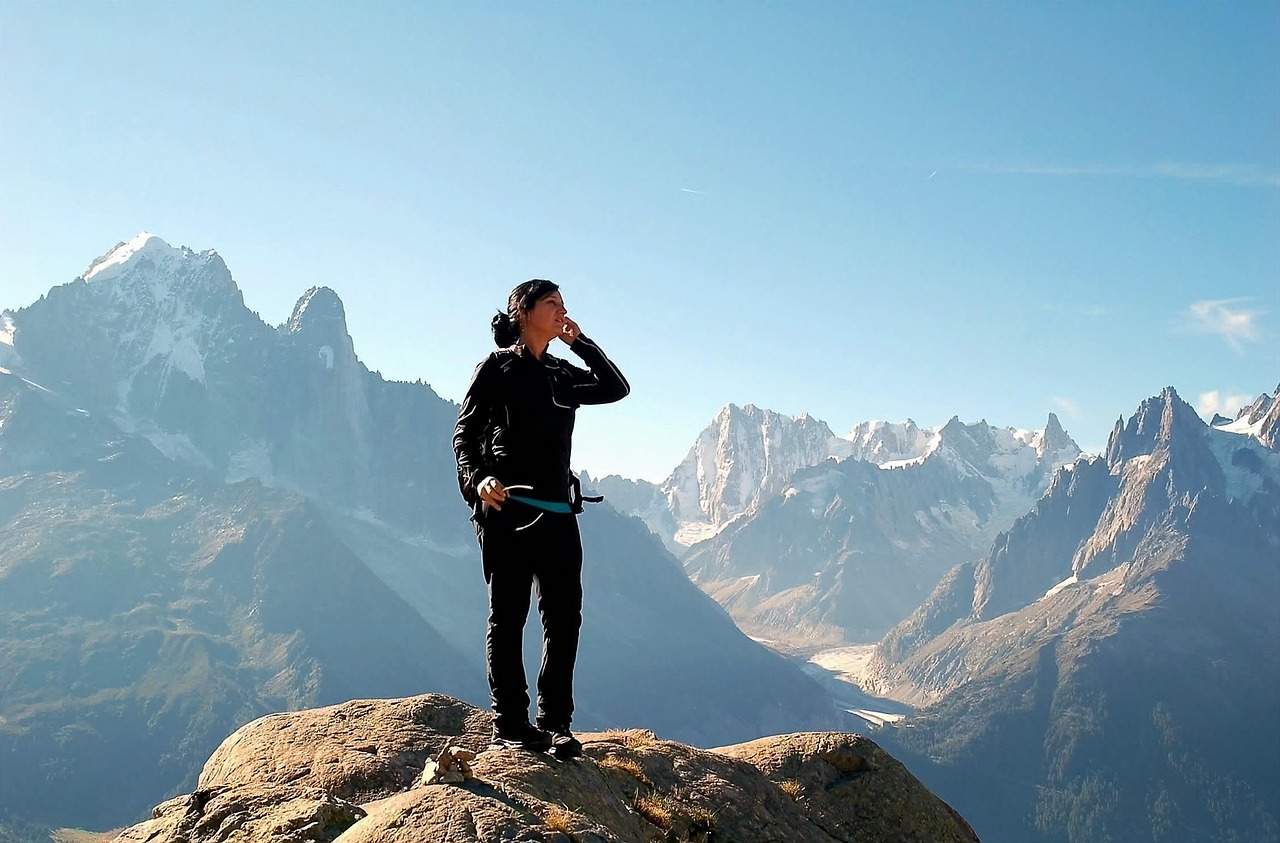
The thinner atmosphere and stronger UV rays at higher elevations can subtly alter your vision. You may notice brighter whites, deeper blues, and sharper contrasts as your eyes react to intense sunlight. While breathtaking, this can also lead to eye strain or temporary snow blindness if unprotected. High-quality polarized sunglasses are essential for cutting glare and filtering UV exposure. With proper protection, you’ll appreciate the scenery without risking long-term eye damage or discomfort from overexposure.