The United States offers a surprising variety of terrain where outdoor enthusiasts can sharpen their skills across drastically different landscapes. From dense swamps and rugged mountains to snowy fields and high deserts, each region brings its own challenges. Training in these environments helps hikers, survival learners, and adventure travelers develop adaptability and confidence. These seven states stand out for offering diverse terrain that prepares you for almost any outdoor condition.
1. Florida
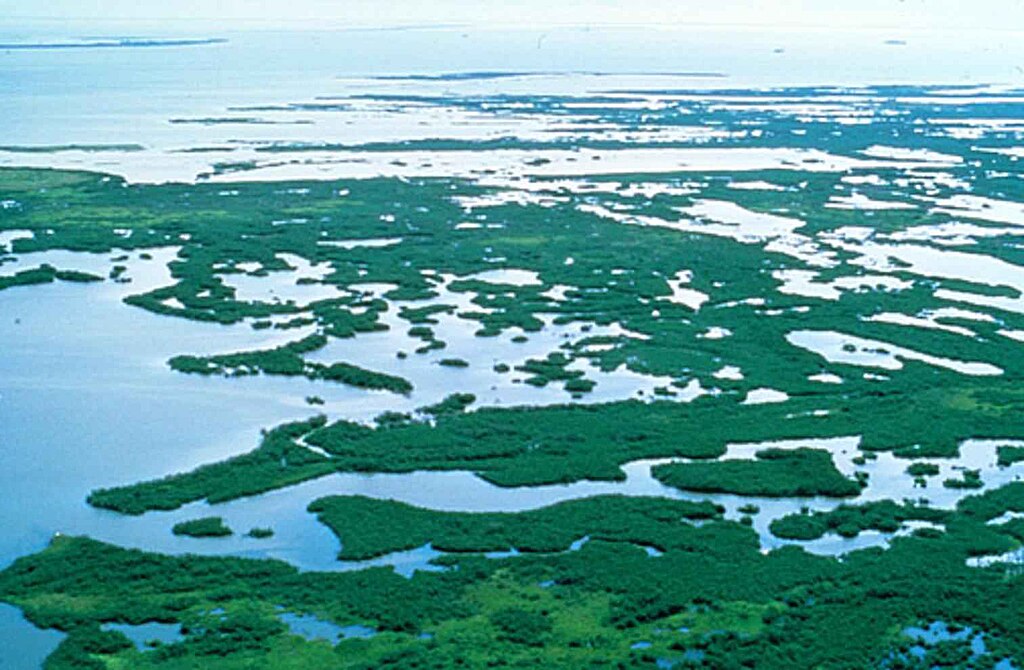
Florida’s swamps, marshes, and mangrove channels offer some of the best terrain for training in wet, humid conditions. The Everglades and other coastal preserves let visitors practice navigating muddy ground, avoiding soft pockets, and managing gear in constant moisture. The mix of heat and thick vegetation forces slower, more cautious movement, building endurance and awareness. It’s ideal for anyone preparing for tropical or subtropical environments where water shapes every step.
2. Colorado
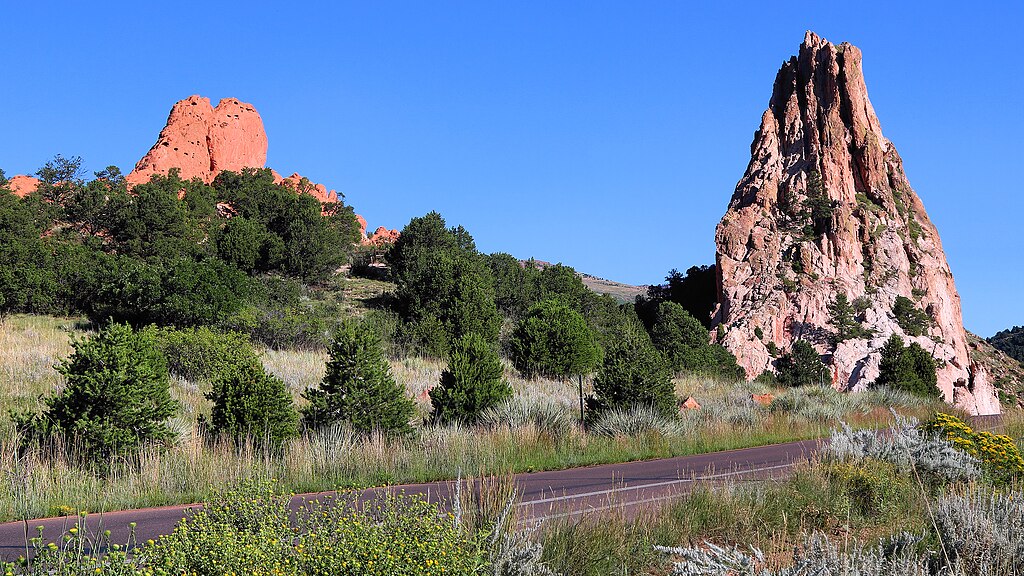
Colorado provides access to high-elevation terrain where thin air and steep climbs push both physical and mental limits. The state’s alpine zones deliver rocky paths, sudden weather changes, and long ascents that build strength and stability. Trails above tree line allow hikers to get used to exposed conditions and unpredictable winds. This terrain is perfect for anyone preparing for mountainous expeditions or high-altitude travel where stamina and balance are crucial.
3. Alaska
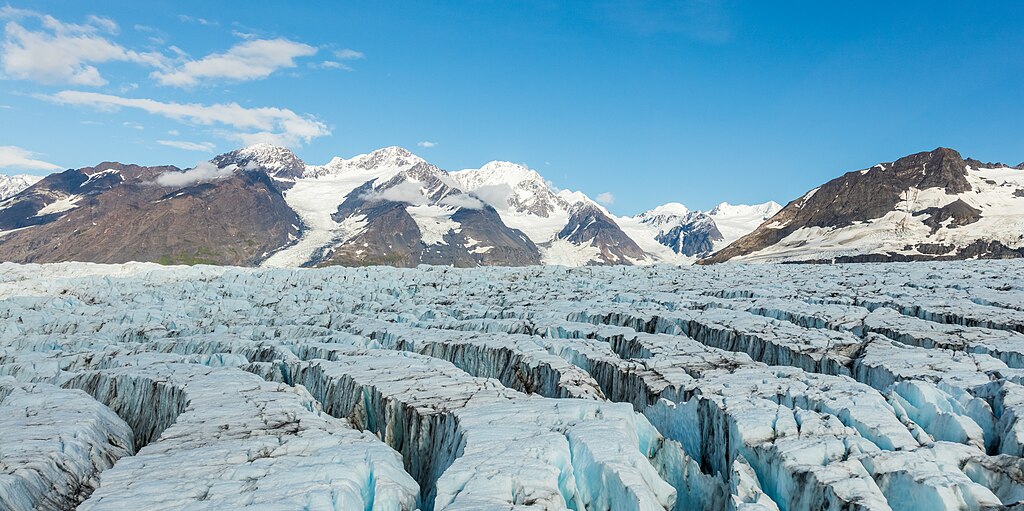
Alaska’s remote landscapes offer the closest experience to true Arctic training without leaving the United States. Large snowfields, icy valleys, and frozen lake routes help adventurers practice cold-weather navigation and layering techniques. The long stretches of silence build mental resilience, while the shifting snowpack teaches caution and slow, deliberate movement. Training here prepares you for extreme cold, limited visibility, and the demanding conditions found in polar environments.
4. Utah
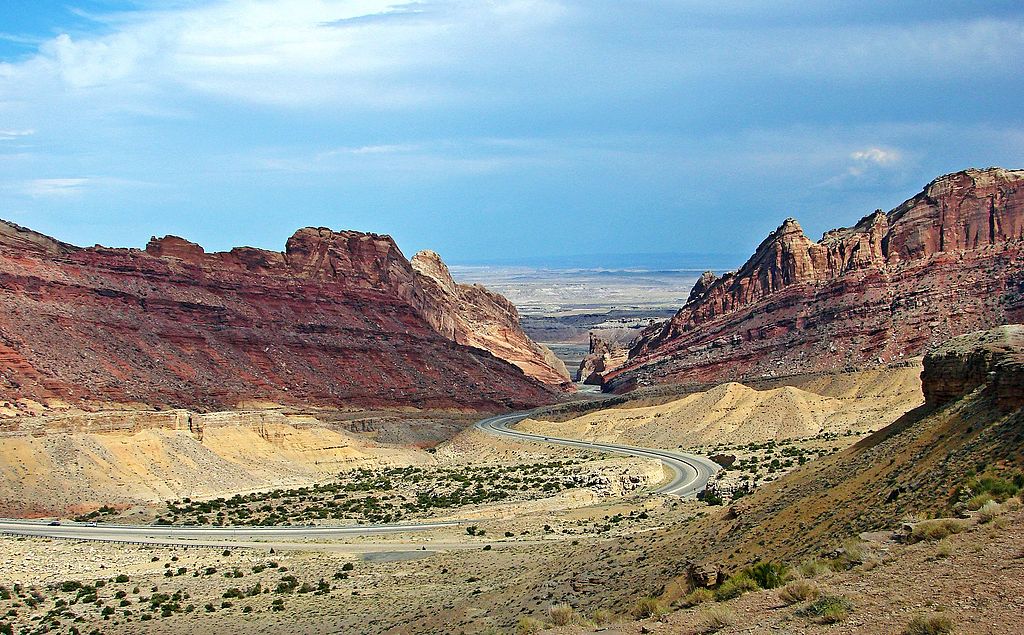
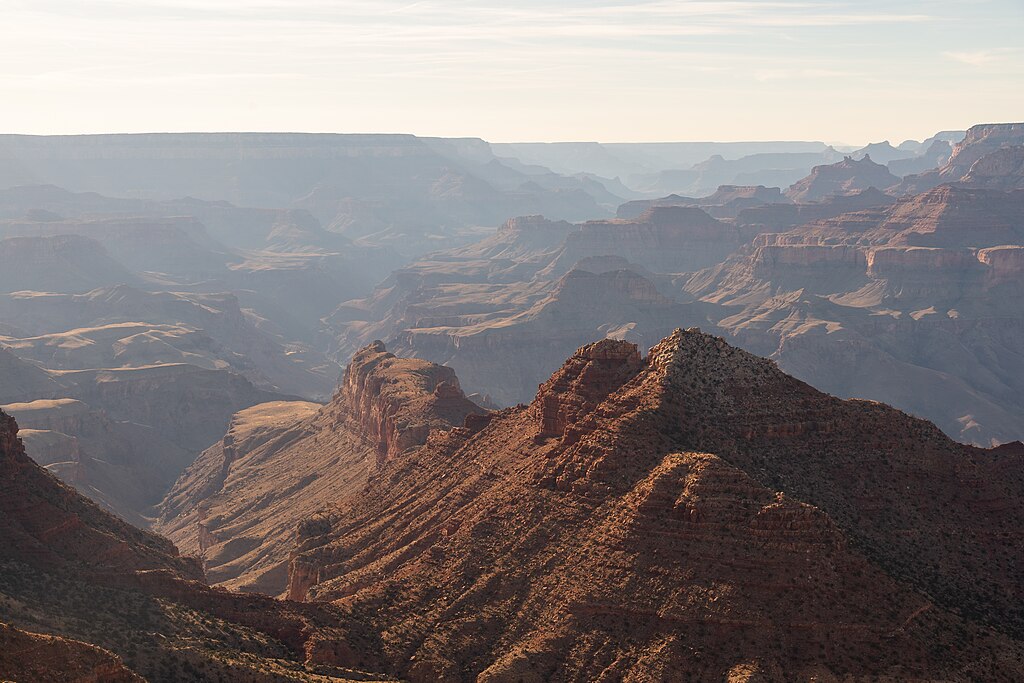
Utah’s red-rock deserts and slot canyons offer challenging terrain that requires careful planning and sharp spatial awareness. The heat, open exposure, and rugged sandstone paths teach travelers how to conserve water, move steadily, and handle uneven surfaces. The tight canyon corridors help develop navigation skills in confined spaces, while wide desert mesas test endurance. This landscape is ideal for training in dry climates where resources are scarce and temperatures shift quickly.
5. Washington
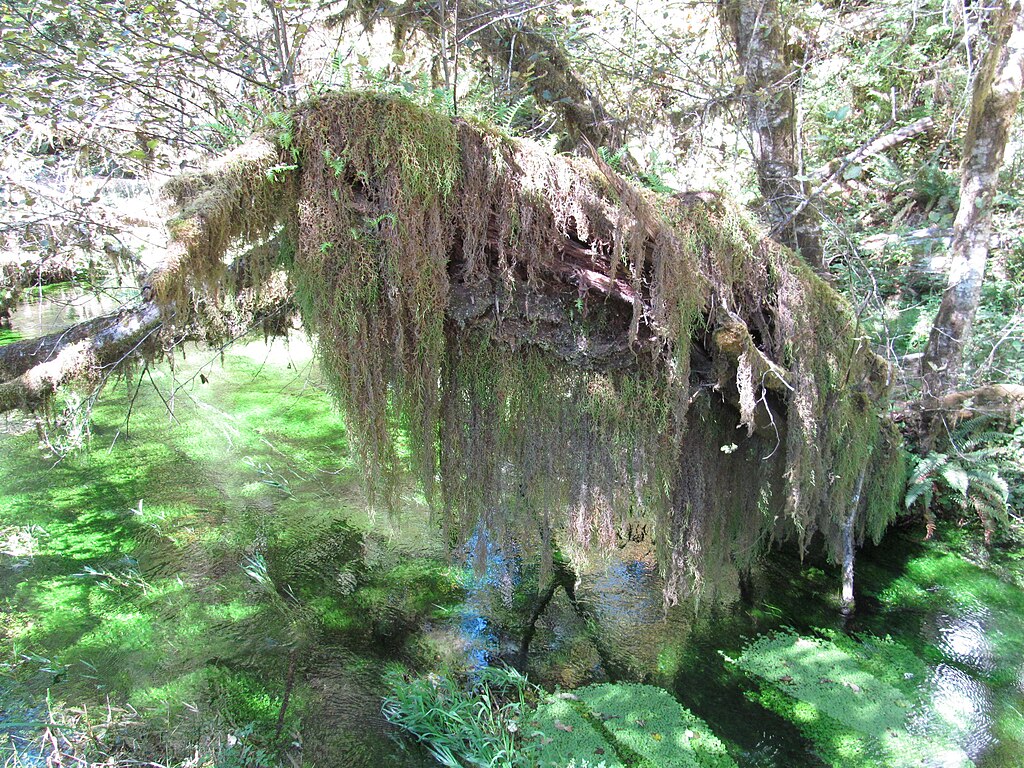
Washington delivers a rich mix of temperate rainforests and mist-covered mountains that help hikers train in damp and unpredictable conditions. The thick moss, slippery logs, and narrow forest paths sharpen balance and foot placement. Higher elevations bring fog, drizzle, and cool winds, encouraging careful navigation and preparedness. Training here builds comfort with moisture-heavy environments, making it excellent for anyone expecting wet climates with steady rainfall and dense greenery.
6. Arizona
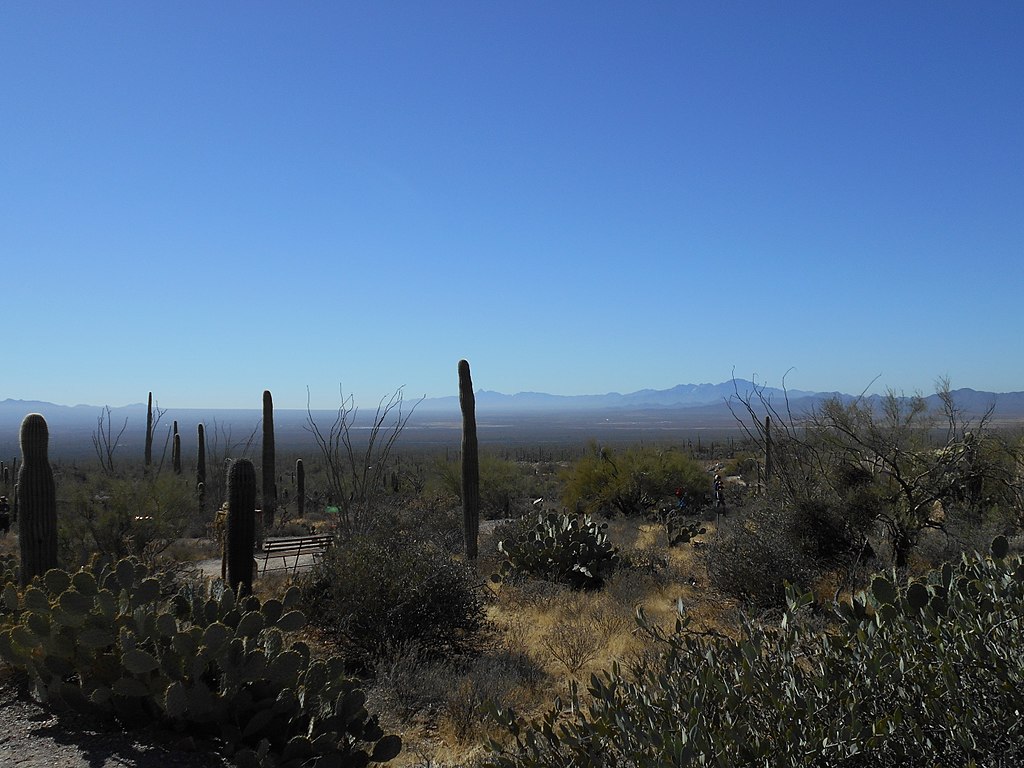
Arizona’s desert landscapes offer intense heat, bright sunlight, and long stretches of exposed terrain that reveal how demanding dry environments can be. Training here teaches the importance of timing, hydration, and managing energy in wide-open spaces. The rocky ground and spiny vegetation encourage deliberate, thoughtful movement. This terrain builds the skills needed for survival in hot climates where shade is limited and daytime temperatures rise quickly.
7. Vermont
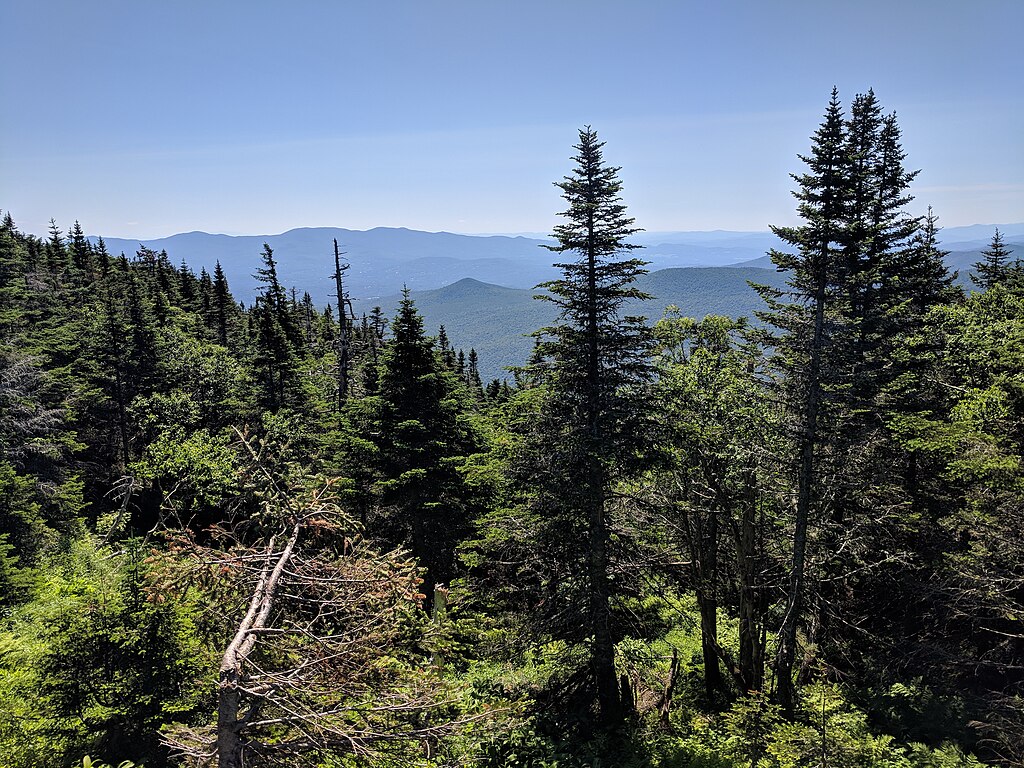
Vermont provides year-round opportunities for training in wooded terrain that shifts dramatically each season. Its rolling hills and mixed forests help hikers learn how to navigate leaf-covered paths, cold mornings, and slippery winter trails. Snowy routes in the Green Mountains develop balance on packed surfaces and teach travelers how to maintain warmth during slow, steady climbs. Vermont’s consistent seasonal changes make it great for practicing layered movement and winter trail awareness.