When you spend enough time outdoors, you begin to notice that shadows often reveal information long before your navigation tools do. A compass is dependable, but it cannot interpret the landscape or warn you about changes happening around you. Shadows respond instantly to light, terrain, movement, and weather, which makes them an underrated guide for anyone traveling through the wilderness. By learning to read how shadows shift, stretch, and fade across different environments, you gain a valuable set of clues that support navigation, safety, and awareness far beyond what a needle alone can offer.
1. Using the Sun’s Movement to Find a More Accurate Heading
Shadows become reliable in open terrain because they show the sun’s movement in a way that feels steady and easy to interpret. When minerals or metal gear interfere with your compass, the shadow direction remains unaffected. By watching a shadow shift over a few minutes, you can identify a clear east-to-west arc without relying on a single reading. This method helps most in deserts, plains, and beaches where horizon lines are wide and open. Travelers use these subtle movements to confirm bearings and avoid unnecessary course corrections caused by compass distortion.
2. Identifying Terrain Hazards Hidden in Deep Contrast
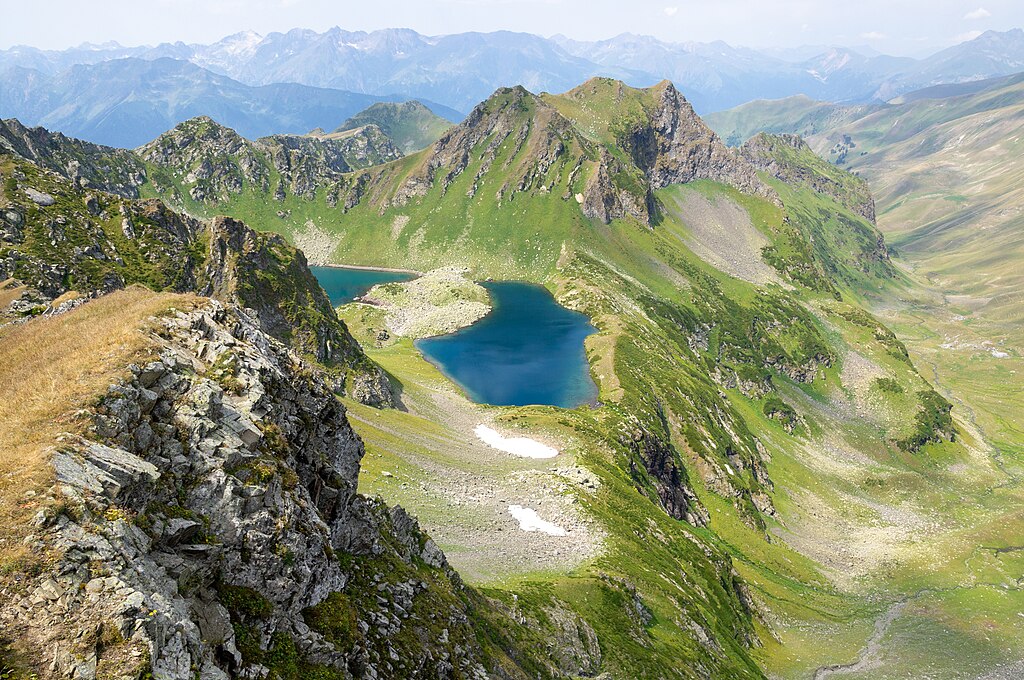
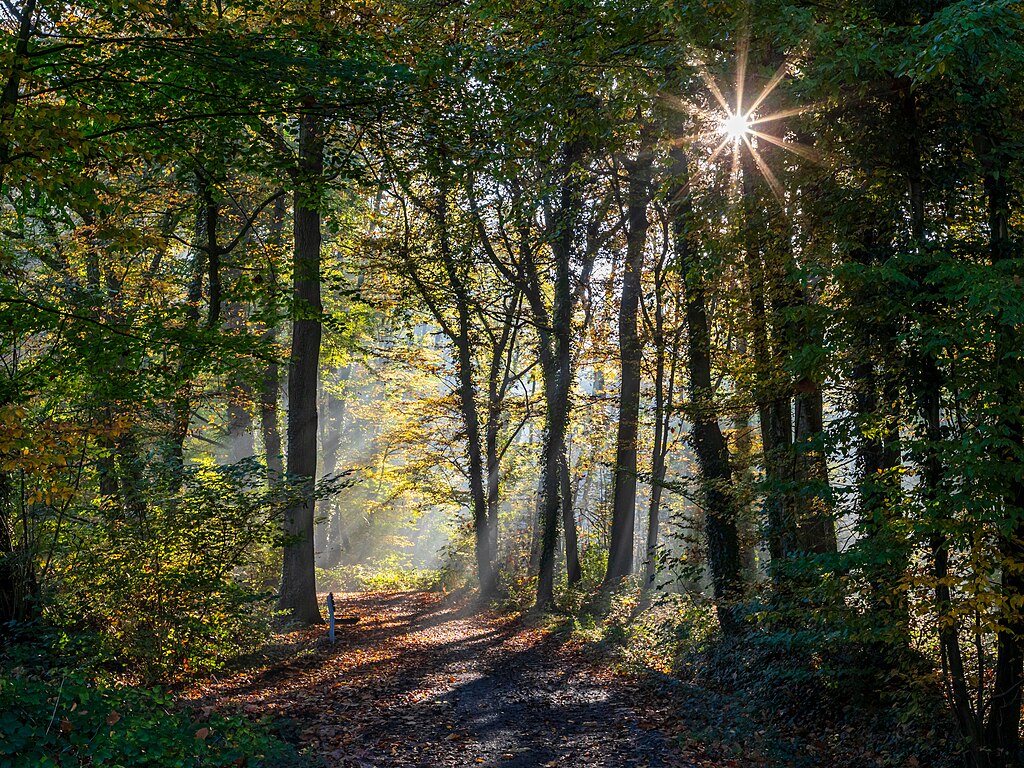
In early morning or late evening light, long shadows stretch across ridges, valleys, and thick forests, revealing terrain details that remain invisible under direct sunlight. These extended shapes show dips and rises that mark unstable ground or sudden drops. Hikers use the contrast to gauge slope angles, locate safe paths, and recognize places that might collapse under weight. When maps lack detail or vegetation blocks your view, these shadows offer real-time information about the landscape. Their depth and direction help you sense the land’s structure and avoid hazards before you step into them.
3. Reading Cloud Shadows to Predict Incoming Weather Fast
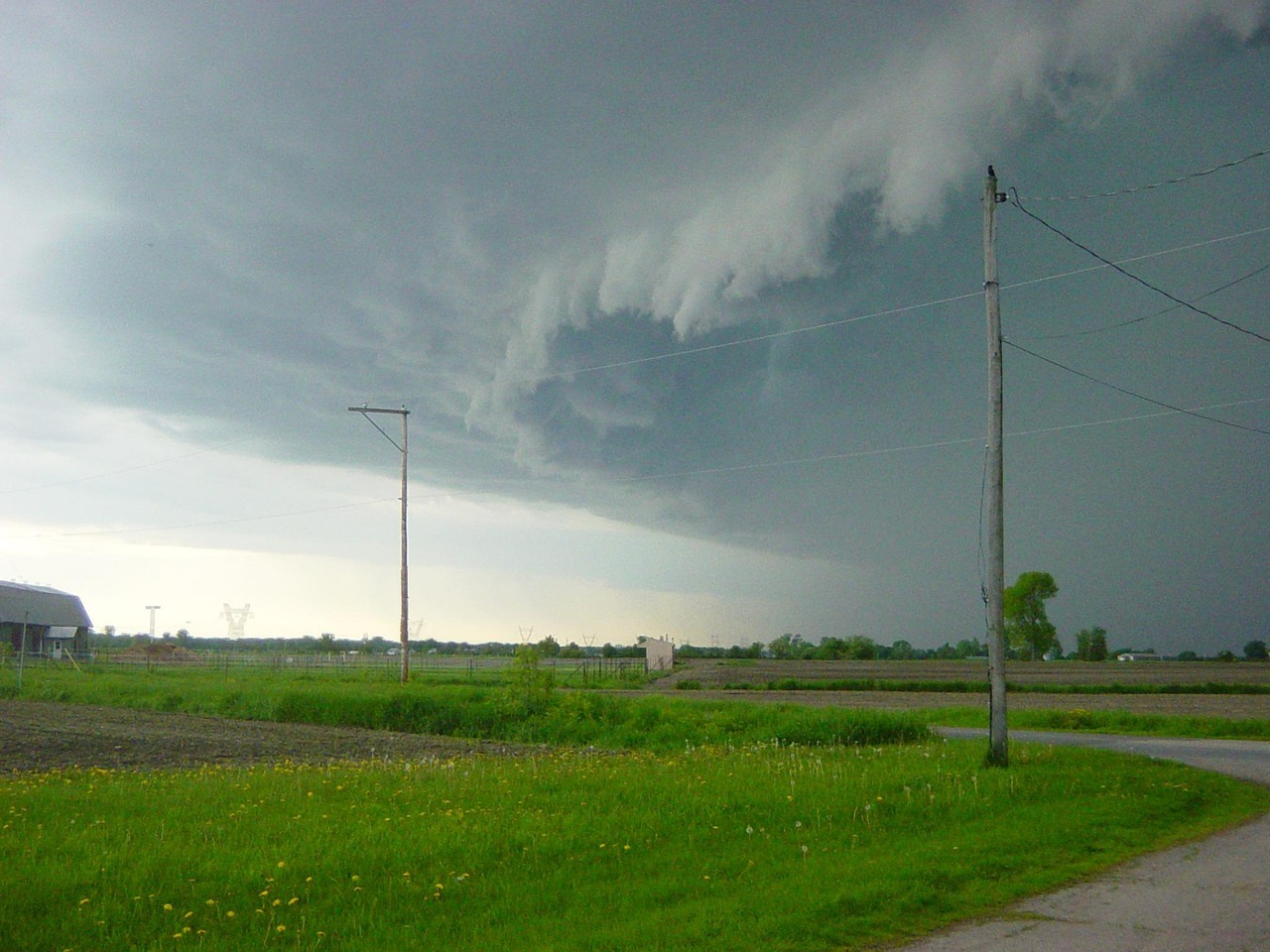
Cloud shadows move across the land at a pace that often warns you about approaching weather several minutes before it arrives. When these shadows grow darker or stretch wider, they signal shifting winds or moisture building in the sky. In mountain regions, this early warning becomes extremely valuable because storms form quickly and travel fast. While a compass cannot forecast anything, shadows give a preview of the conditions headed your way. Watching how fast they glide across the terrain helps you decide when to change direction, speed up your pace, or seek shelter.
4. Measuring Time by Tracking Shadow Length and Position

If your watch fails or your phone loses power, shadows provide a surprisingly accurate sense of time. As the sun climbs and lowers, the shadows it casts shift length and angle in predictable patterns. Outdoors, you can place a small stick upright and track how the shadow moves to estimate hours remaining before dark. This method helps travelers plan camp setup, judge how far to continue on a trail, or decide if daylight is too limited for further exploration. Reading shadow behavior becomes a practical backup when every minute of daylight matters.
5. Spotting Water Sources Through Vegetation Shadow Density
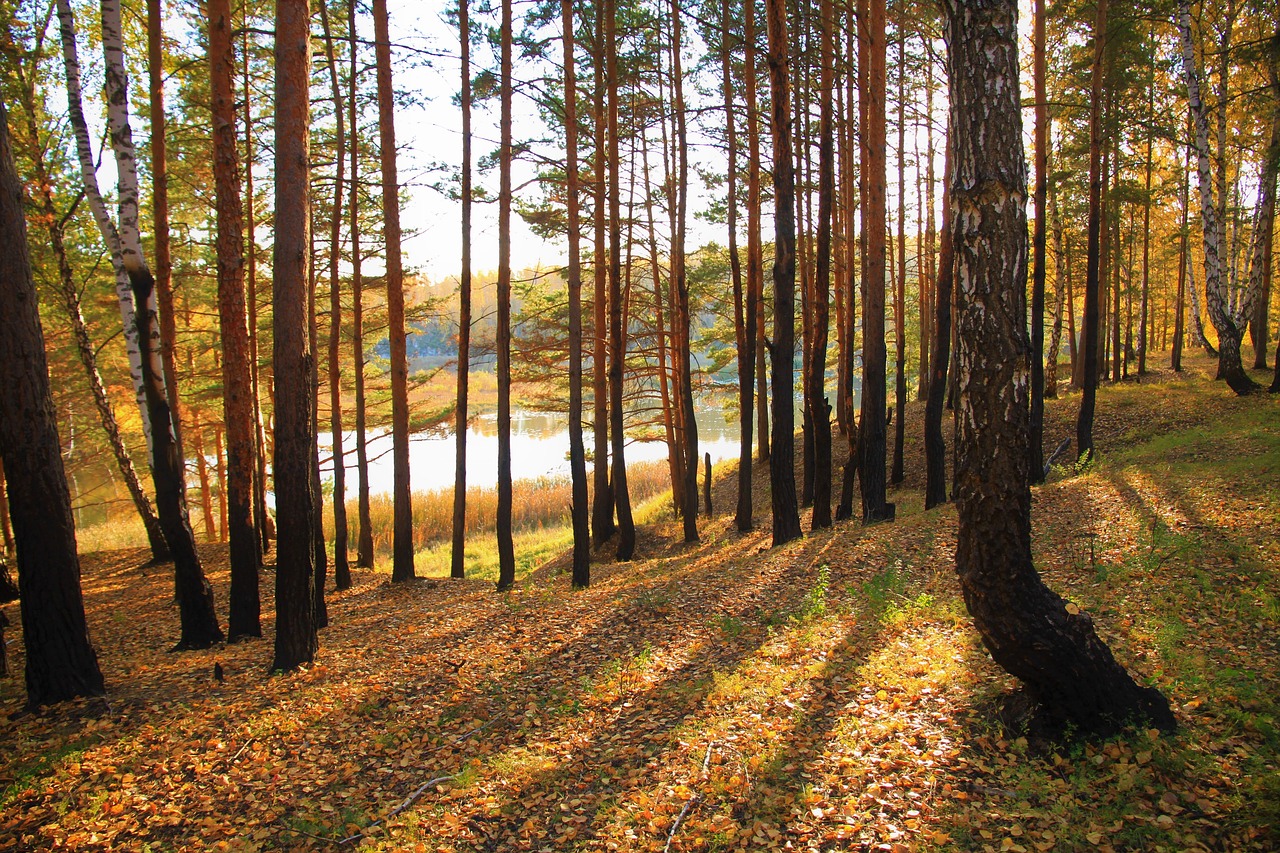
In dry or semi-arid regions, water-rich areas create thicker and darker shadows because vegetation grows taller and denser near moisture. These deeper patches of shade stand out against the lighter ground, giving clues about ponds, seep lines, or shaded ravines that hold lingering water. Travelers use this contrast to guide their search when maps offer little detail. Plants that grow near reliable moisture cast shadows shaped differently from surrounding brush, and their cooler, darker appearance suggests an environment that may support life, shelter, and hydration even when conditions seem dry.
6. Detecting Wildlife Through Faint and Early Shadow Movement
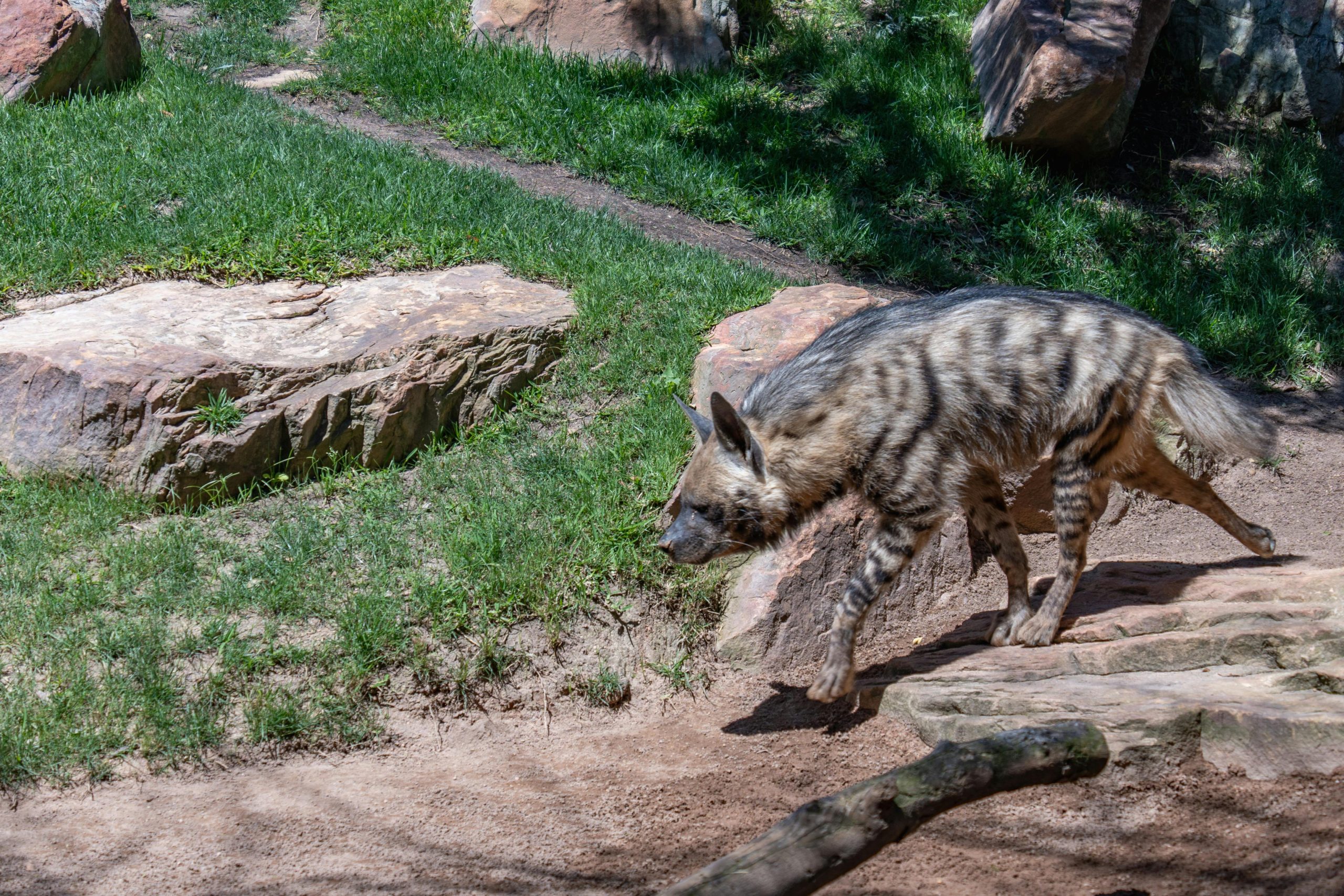
Shadows often reveal wildlife long before you spot actual movement. Animals passing through brush create slight shifts in light that appear as flickers or ripples on the ground. These subtle changes help you identify whether the animal is large or small, fast or slow, and whether it is traveling alone or in a group. Hunters and experienced hikers watch these faint signals to avoid startling animals at close range. Shadows move with a rhythm that reflects the creature’s behavior, allowing you to read the environment and respond calmly without relying solely on sound.
7. Using Your Own Shadow to Maintain a Consistent Direction
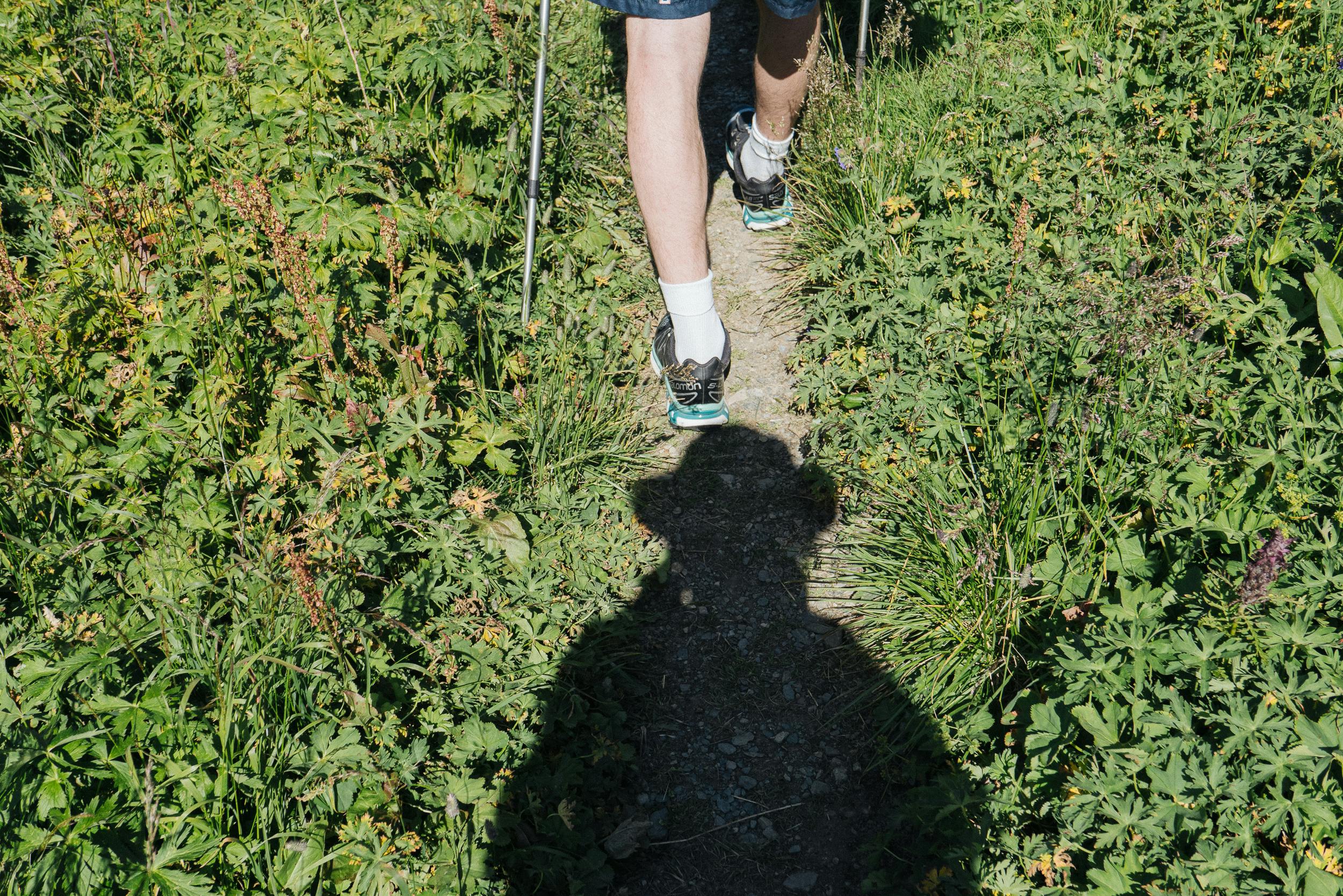
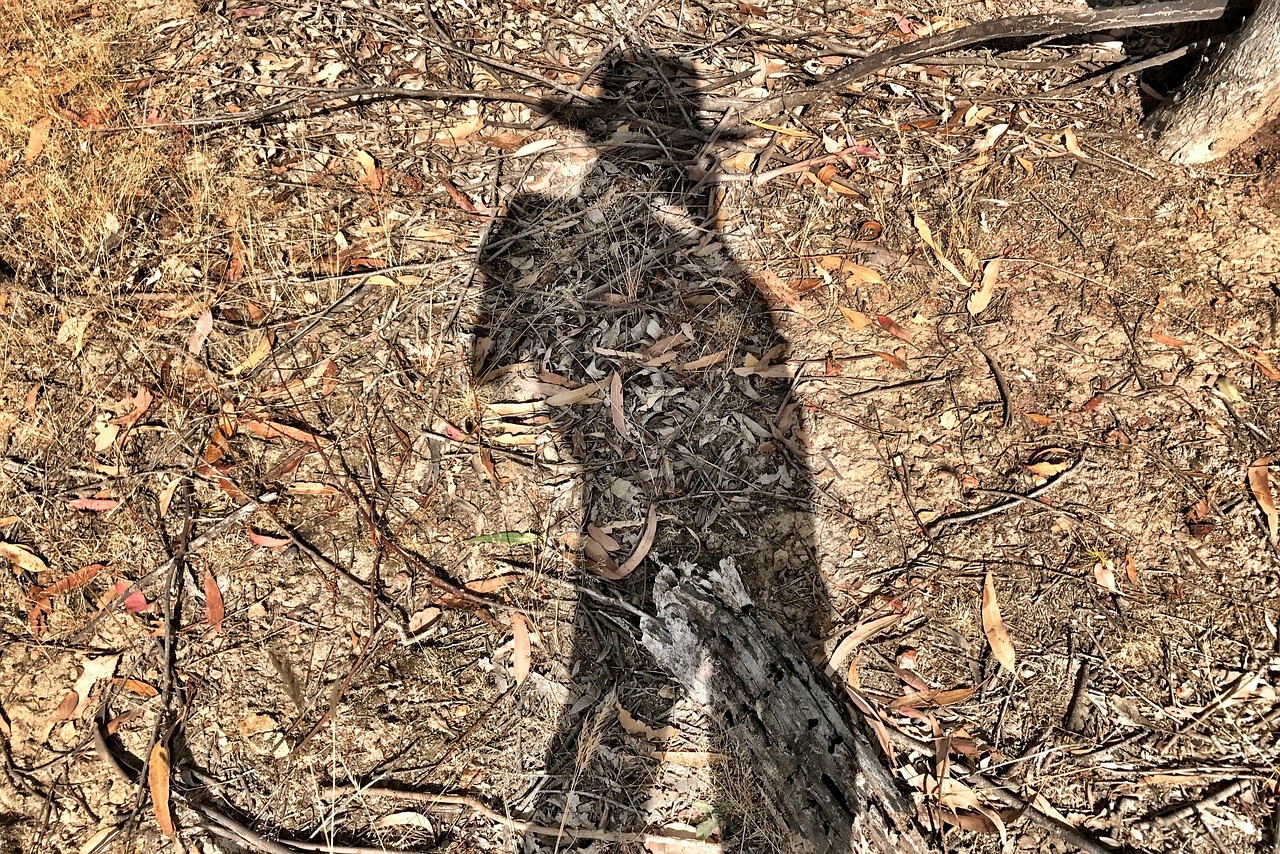
Your shadow can help you keep a steady heading without constantly checking your compass. As long as the sun remains visible, your shadow points consistently in a predictable direction relative to your movement. On long walks across open fields, tundra, or coastal flats, maintaining this alignment provides a simple visual reference that frees you from watching your gear. It also helps you conserve energy because you stay focused on terrain changes, obstacles, and distant markers. Using your shadow as a directional anchor supports smoother travel and a more confident sense of orientation.