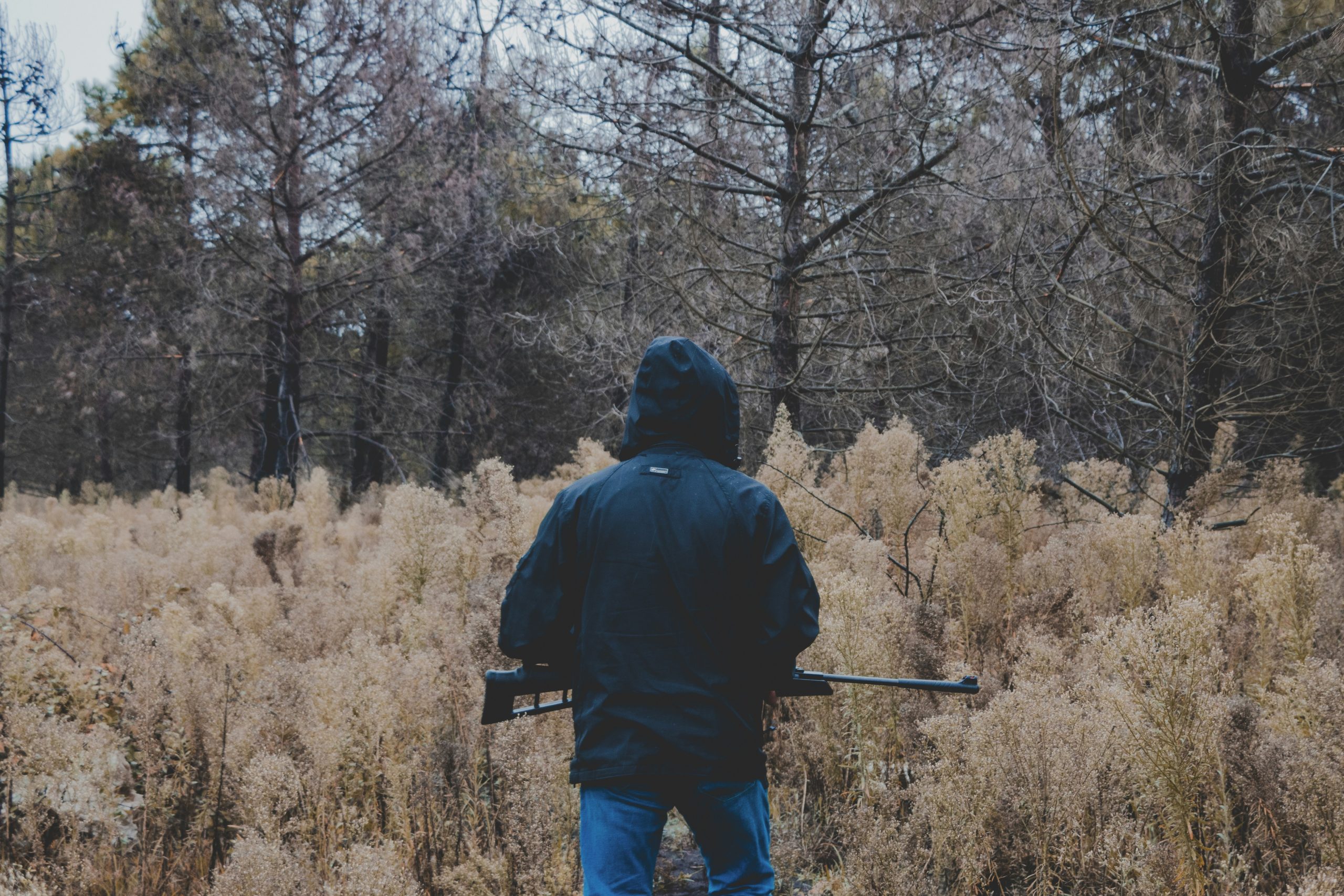
Preparing for your first big game hunt isn’t about bravado or owning expensive gear; it’s about readiness. Many beginners rush into the field without realizing that successful hunting requires mental discipline, physical preparation, and ethical awareness. Being “ready” means understanding wildlife behavior, respecting regulations, and knowing your own limits before stepping into unfamiliar terrain. It also involves patience, responsibility, and the ability to make sound decisions under pressure. This list highlights seven clear signs that indicate you’re prepared for the challenge ahead. If you recognize yourself in these points, you’re likely ready to move from practice and planning to a confident, responsible first big game experience.
1. You’re Comfortable Navigating and Self-Rescuing
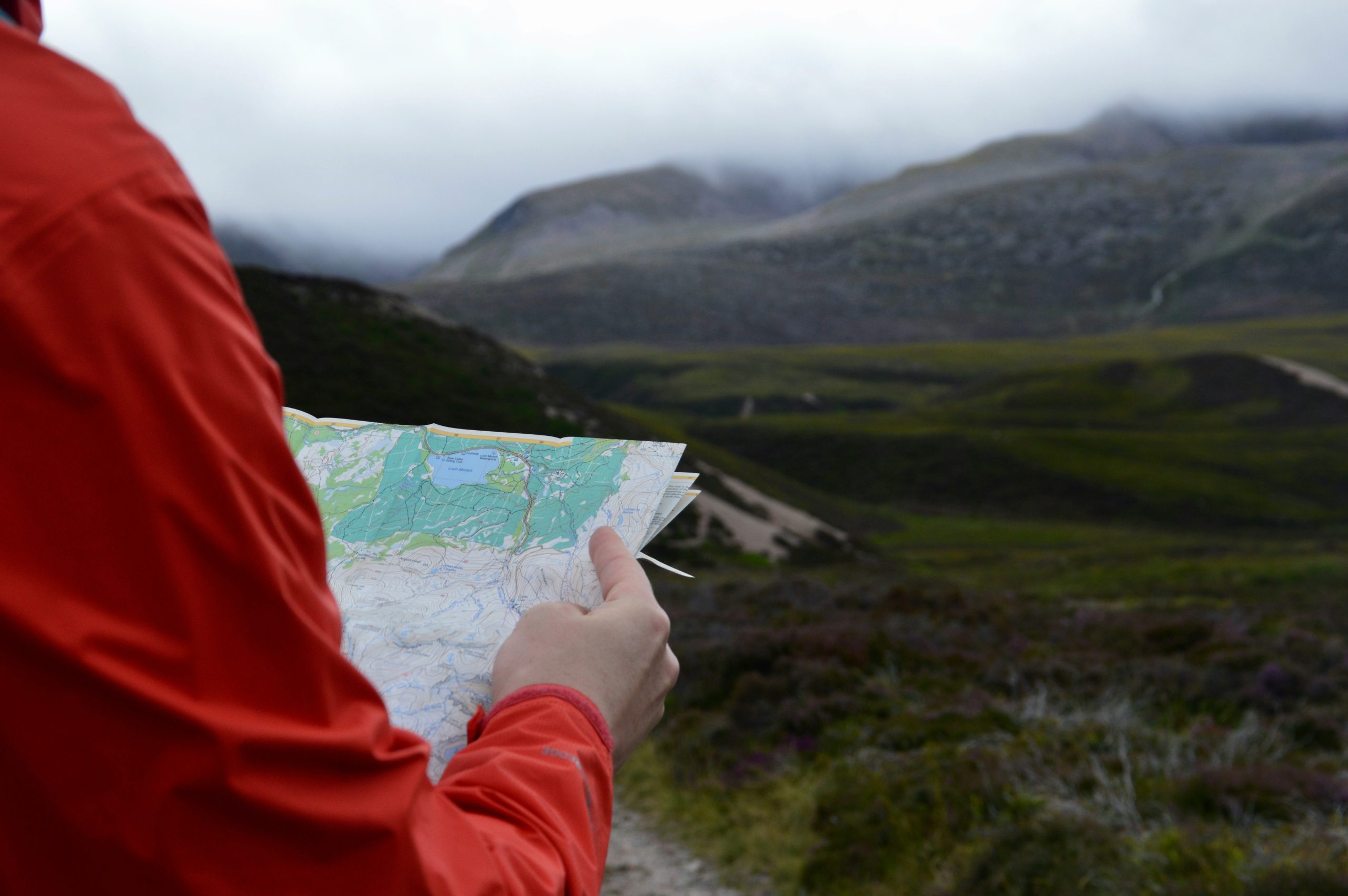
A clear sign you’re ready for your first big game hunt is confidence in navigation and basic self-rescue skills. You know how to read maps, use GPS tools, and orient yourself if technology fails. You plan routes ahead of time and understand how terrain, daylight, and weather affect travel. If something goes wrong, you remain calm and methodical rather than panicked. You carry emergency essentials and know when to turn back. This preparedness reduces risk and builds confidence. Hunters who can safely get themselves in and out of the field demonstrate true readiness, not just enthusiasm.
2. You Can Shoot Accurately and Consistently
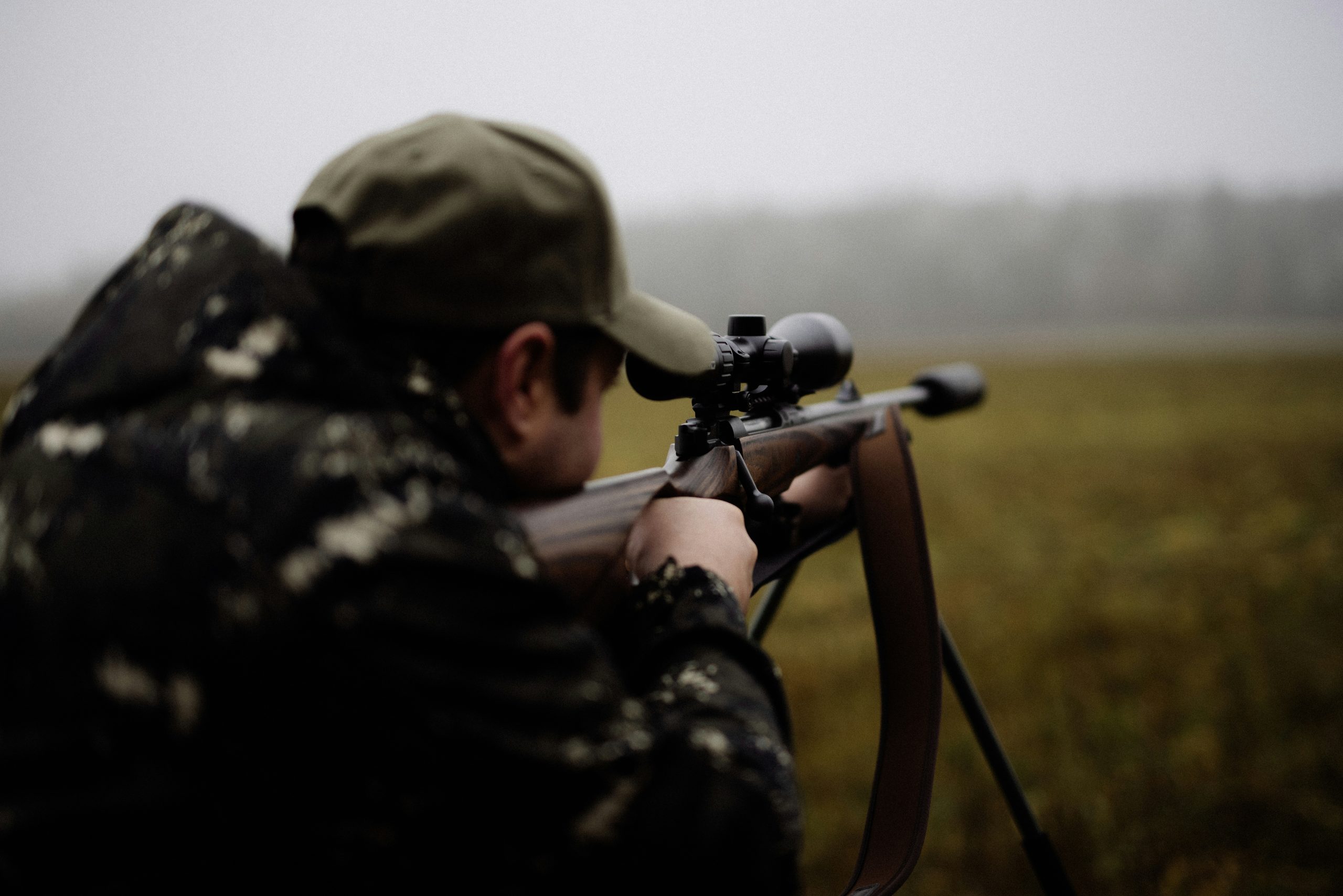
Readiness begins at the range. If you can consistently place accurate shots under realistic conditions, you’re on the right path. This means practicing from various positions, understanding your effective range, and knowing your firearm or bow inside and out. You’re comfortable with recoil, follow-through, and sight alignment. More importantly, you know when not to take a shot. Ethical hunters value precision over opportunity. Confidence built through repetition reduces hesitation and panic in real situations. When accuracy becomes second nature rather than forced concentration, it’s a strong indicator that you’re physically prepared for a responsible big game hunt.
3. You Know How to Read Animal Signs
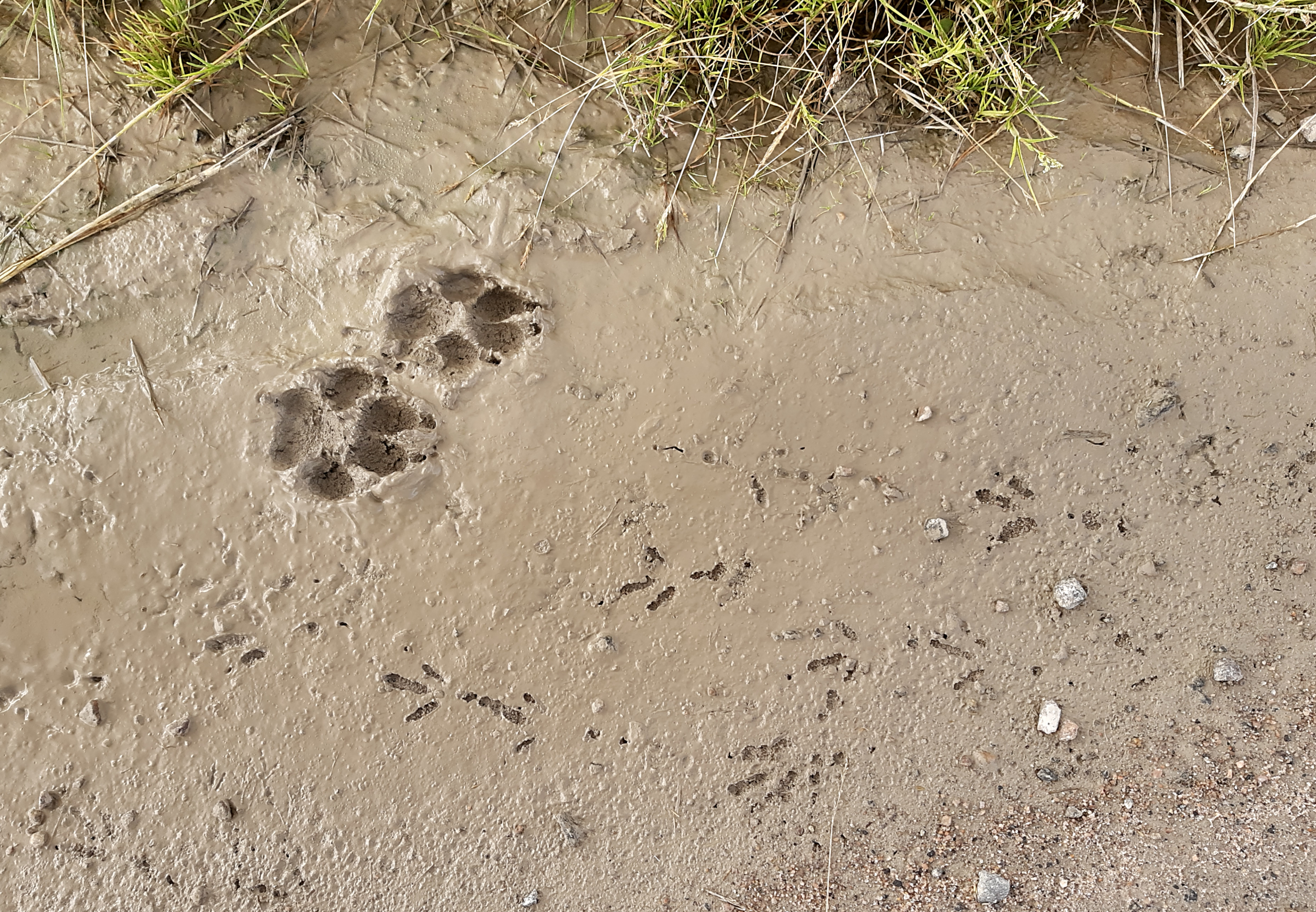
Being hunt-ready means recognizing tracks, scat, bedding areas, and feeding signs without confusion. You understand how wind, terrain, and weather affect animal movement. Instead of wandering aimlessly, you can interpret what the land is telling you. You’ve studied behavior patterns specific to your target species and can predict where animals may travel during different times of day. This awareness allows you to move deliberately and quietly. Readinga sign isn’t about luck, it’s about observation and patience. When you can follow clues confidently, you’re no longer guessing, which marks a major step toward readiness.
4. You’re Physically Prepared for the Terrain
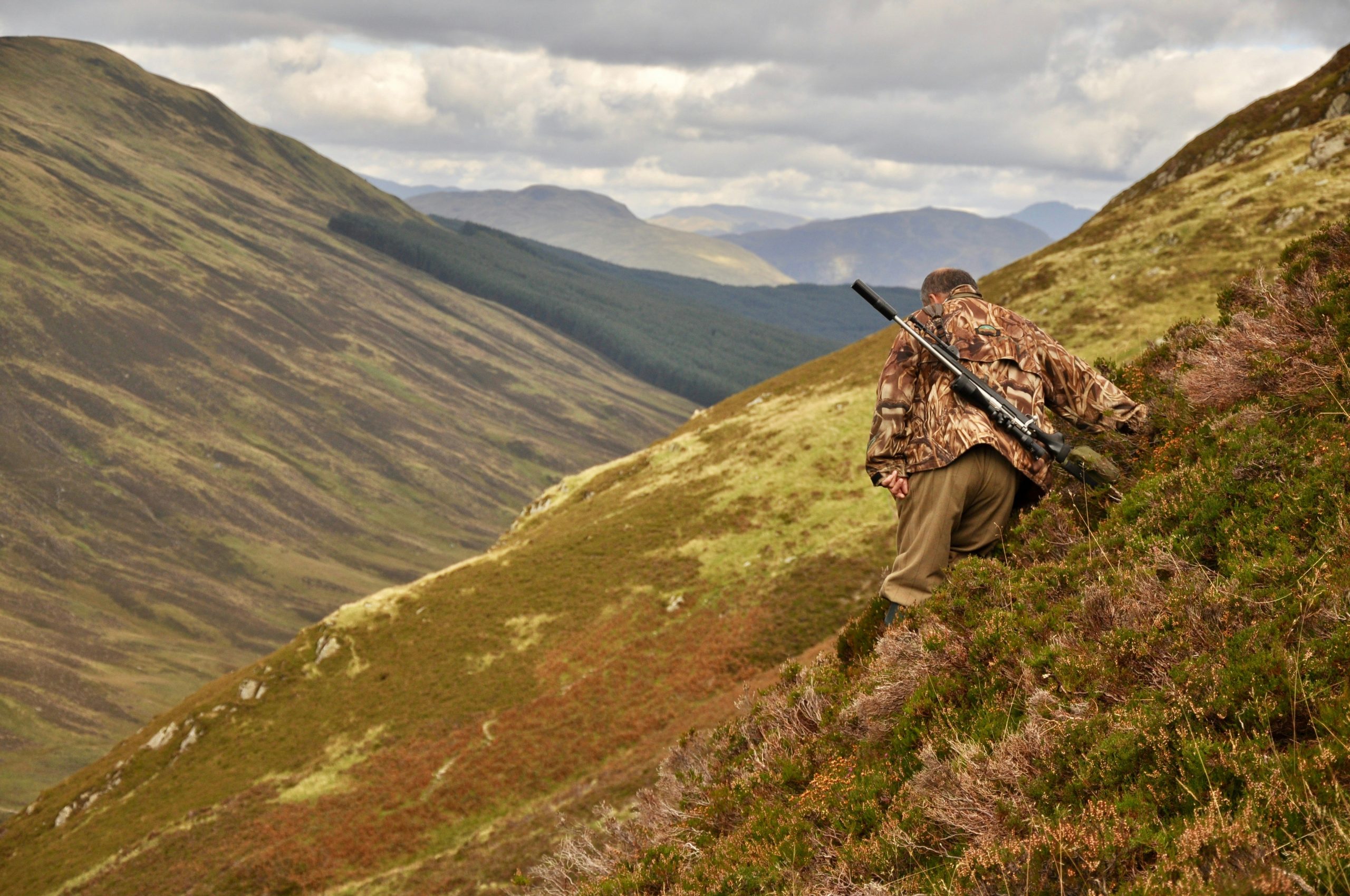
Big game hunting is physically demanding, often requiring long hikes, elevation changes, and carrying heavy loads. A clear sign of readiness is knowing you can handle these challenges without exhaustion becoming a safety risk. You’ve tested your boots, backpack, and endurance beforehand. You understand pacing, hydration, and energy management. Physical preparation doesn’t mean peak athleticism, but it does mean knowing your limits and planning accordingly. Hunters who underestimate terrain often make poor decisions under fatigue. When your body can support your intentions rather than limit them, you’re far better equipped for a successful first hunt.
5. You Can Make Calm Decisions Under Pressure
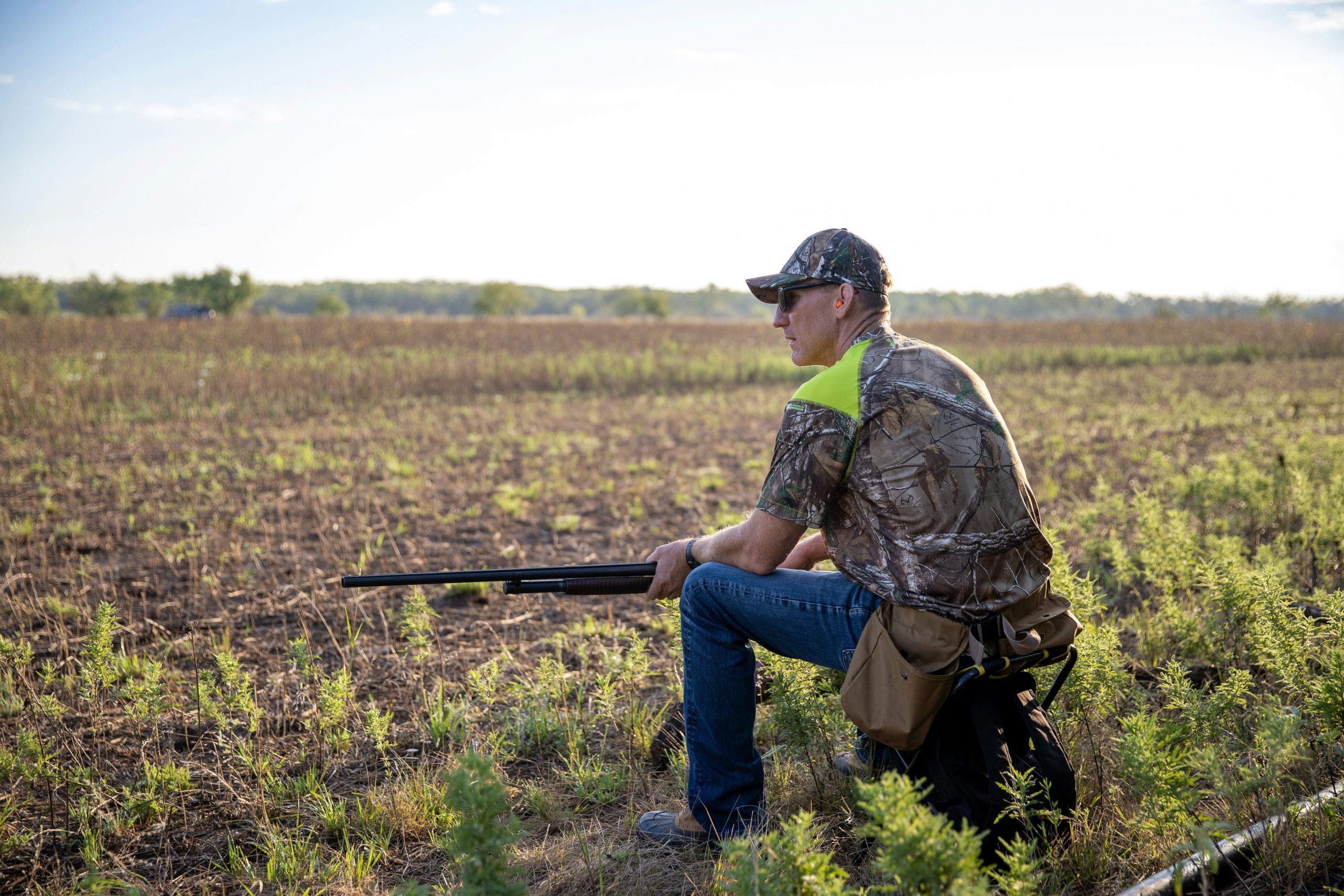
Hunting introduces stress, unexpected movement, limited shot windows, and high emotional stakes. Readiness means you can slow your thoughts and make rational decisions when adrenaline spikes. You don’t rush shots or abandon safety principles. Instead, you evaluate angles, backstops, and ethical considerations clearly. This mental discipline separates prepared hunters from impulsive ones. You understand that not every opportunity should be taken. Staying calm also helps with navigation, communication, and problem-solving if conditions change. When pressure sharpens your focus instead of overwhelming it, you demonstrate the mindset required for responsible big game hunting.
6. You’re Prepared to Handle the Harvest
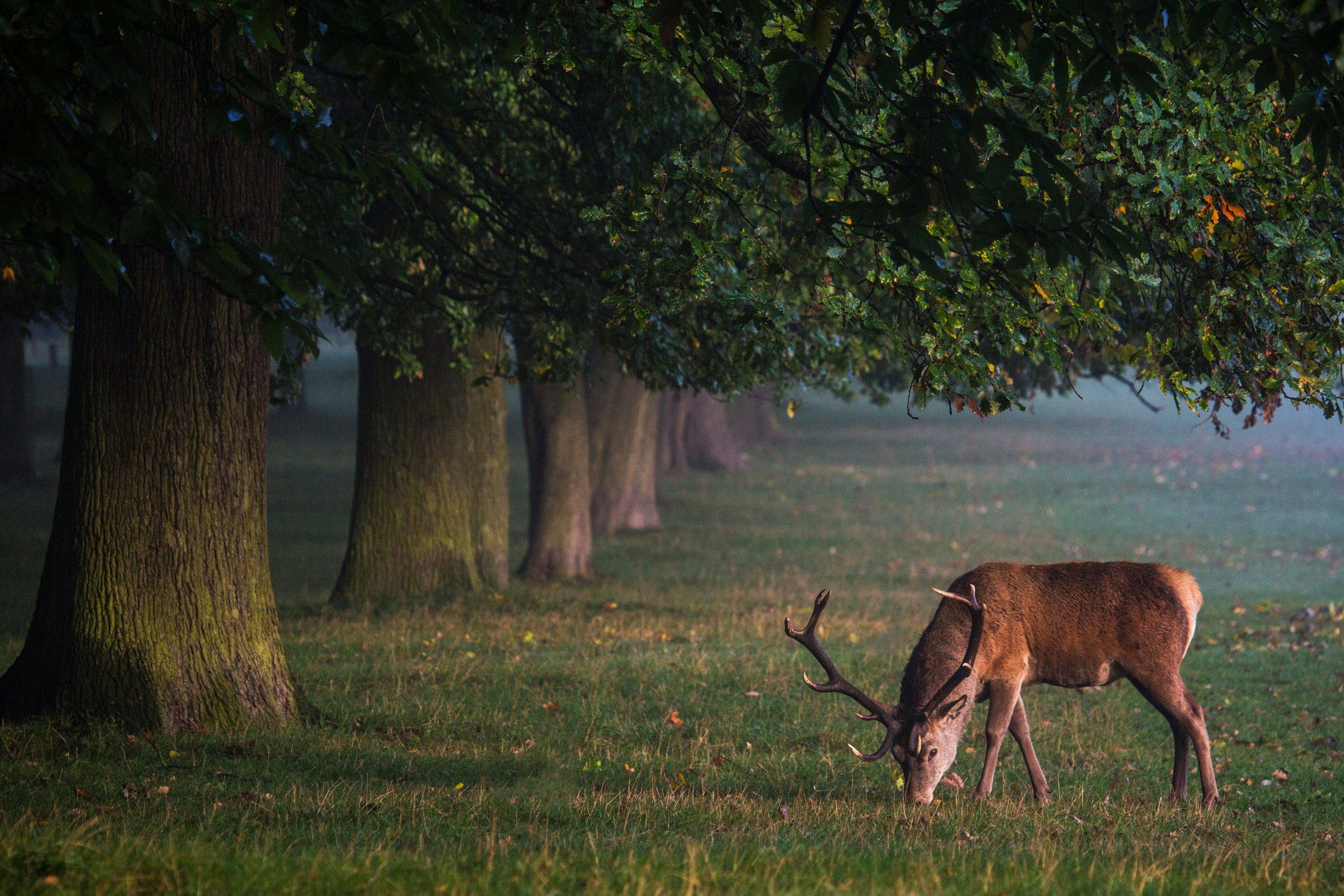
Many beginners overlook what happens after the shot. Being ready means you understand field dressing, meat care, and safe transport. You’ve learned proper techniques to prevent spoilage and respect the animal. You carry the necessary tools and know how long you can safely take. This preparation reflects maturity and responsibility. Harvesting game is not just an achievement,t it’s a duty. Knowing how to complete the process properly ensures nothing is wasted and the animal is honored. When you’re mentally and practically prepared for this step, it shows you understand the full responsibility of hunting.
7. You Respect Wildlife and the Hunting Process
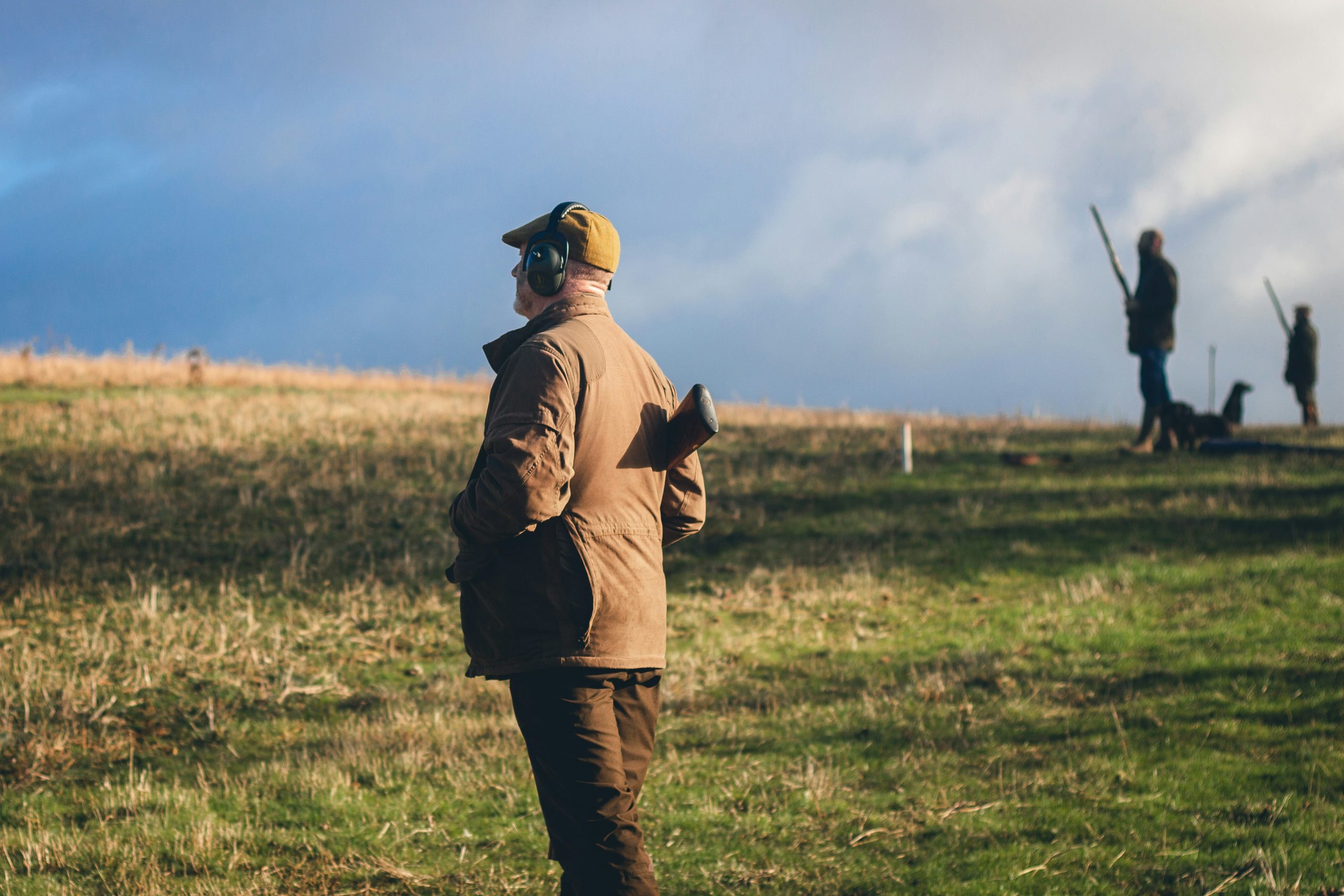
The final sign of readiness is respect for wildlife, land, and the hunting tradition itself. You’re not driven solely by the kill but by the experience and ethical participation. You follow Leave No Trace principles, respect other hunters, and prioritize safety. You understand that success isn’t guaranteed and accept that outcomes depend on nature, not entitlement. This mindset keeps expectations realistic and actions responsible. Hunters who respect the process tend to learn more, adapt better, and enjoy the experience regardless of results. When respect guides your decisions, you’re truly ready for your first big game hunt.