The wild outdoors holds more than just beauty; it hides an entire pantry of edible plants, berries, and roots waiting to be discovered by the observant camper or hiker. Knowing the signs of a region abundant in wild edibles can enhance your survival skills, deepen your connection with nature, and make foraging both safe and rewarding. Whether you’re exploring dense forests, open meadows, or riverbanks, these clues reveal when nature’s buffet is within reach.
1. Diverse Plant Life and Varied Vegetation
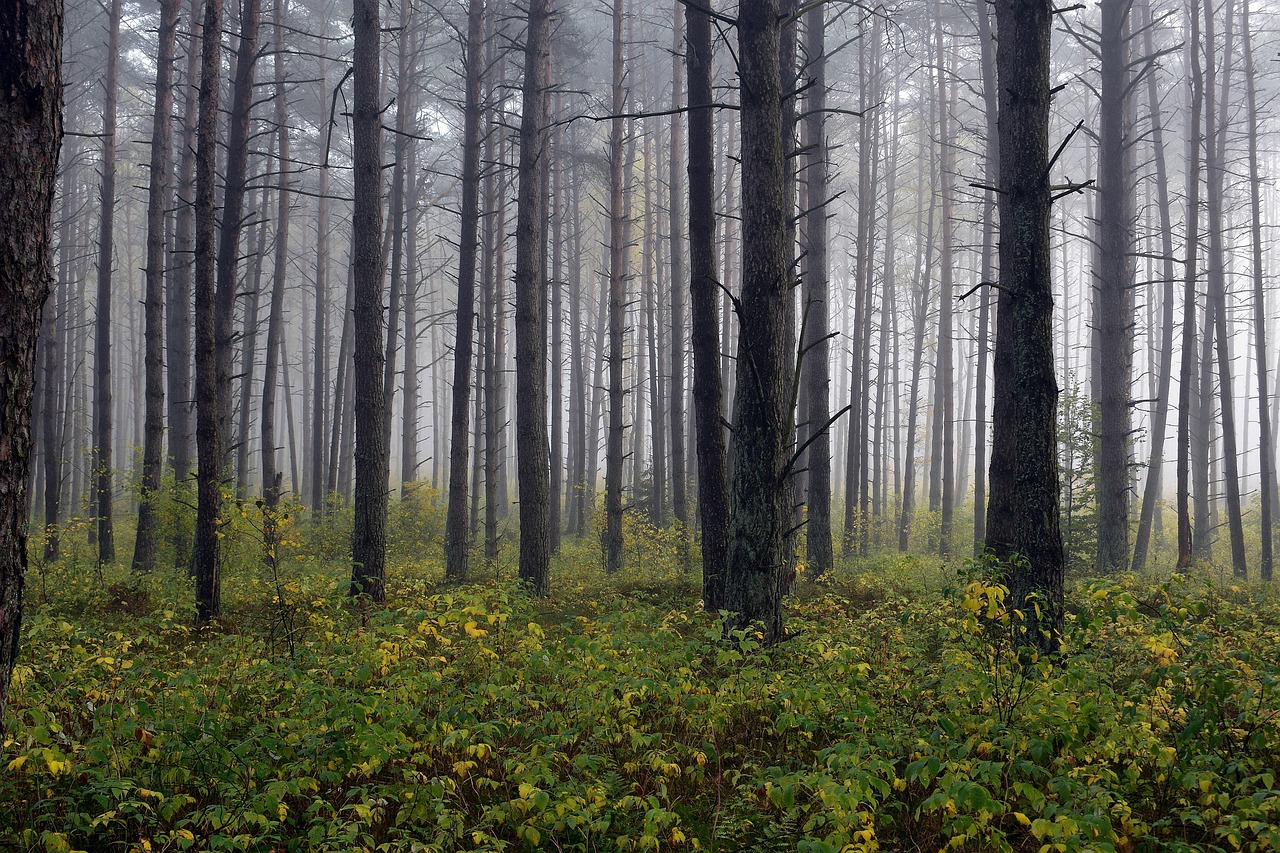
When you notice a wide range of plant species, shrubs, vines, flowers, and tall grasses, it’s a clear sign of fertile soil that supports wild edibles. Biodiversity usually means that edible species like dandelions, cattails, or wild onions could be nearby. Areas where native flora thrive also tend to produce fruit-bearing plants and nut trees. Look for patches of clover or plantain leaves; their presence often hints at edible greens thriving underfoot, waiting to be responsibly harvested.
2. Buzzing Pollinator Activity Around Blooms
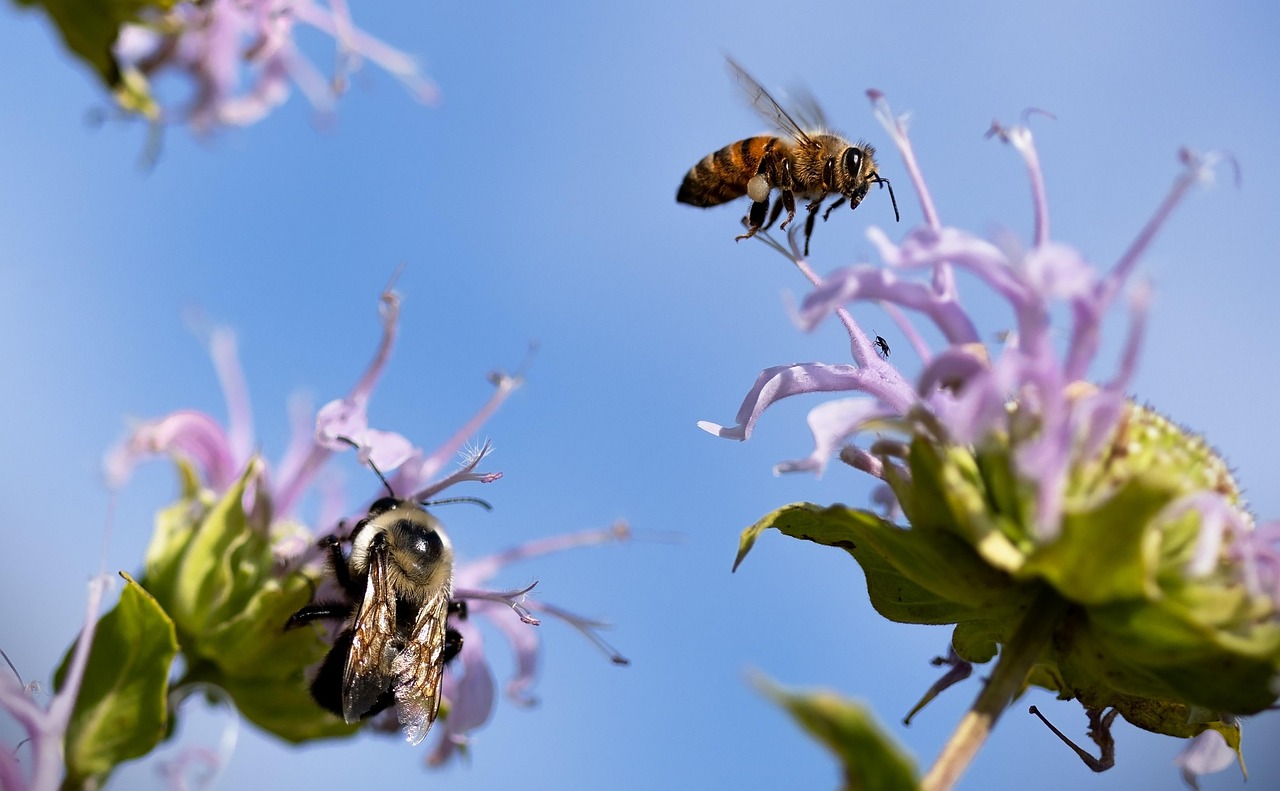
A high number of bees, butterflies, and other pollinators signals the presence of flowering plants, many of which bear edible fruits or seeds. The hum of pollinator traffic indicates plants are in bloom and actively producing nectar or pollen, leading to future berries and pods. Watch where bees gather most; it’s often near wild raspberries, honeysuckle, or milkweed. This living indicator helps you locate edible plants without disturbing the ecosystem, simply by following nature’s own harvesters.
3. Moist, Fertile Soil Near Water Sources
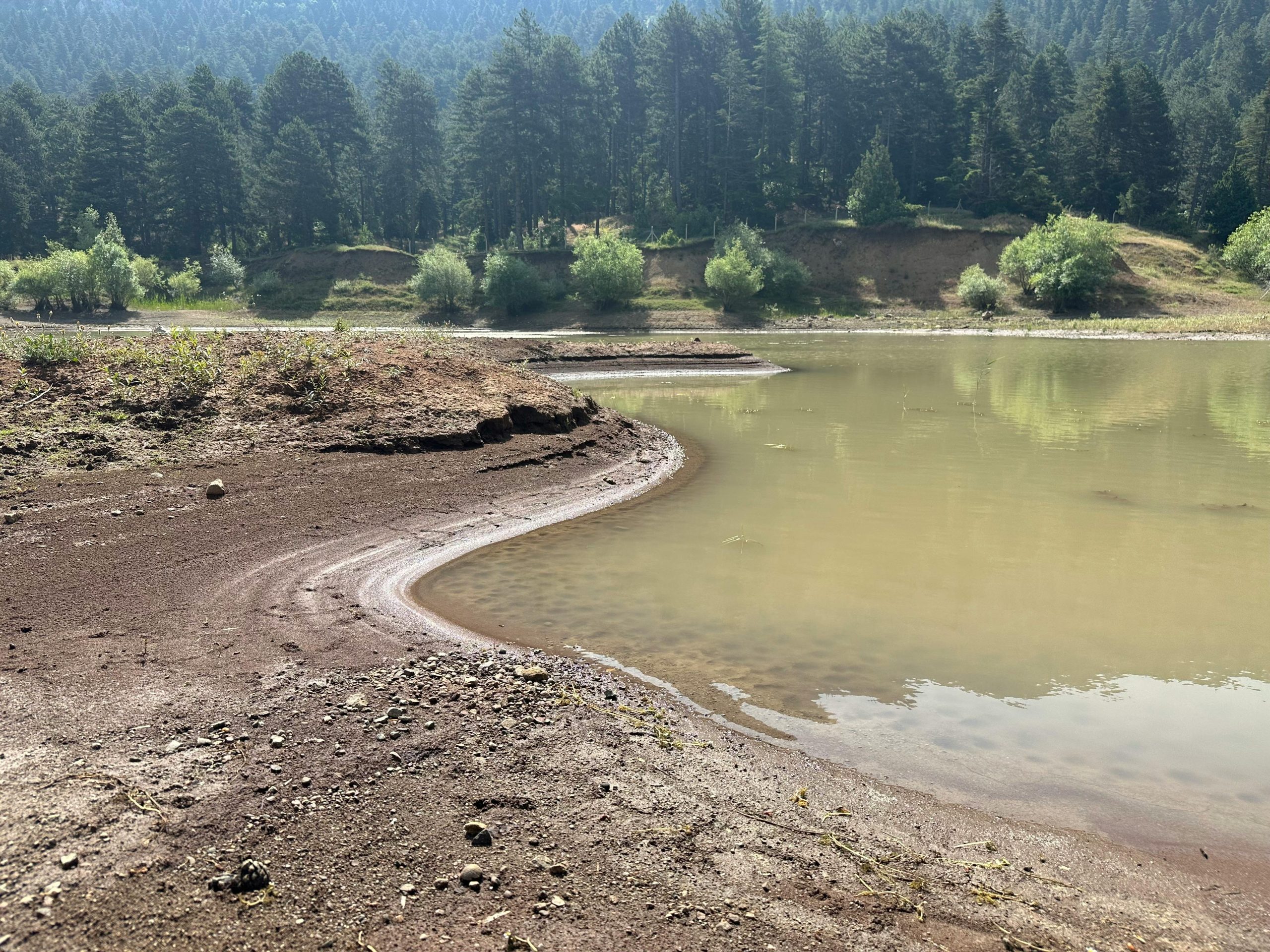
Areas near rivers, creeks, or marshlands are prime zones for wild edibles. Moist soil supports nutrient-dense plants like cattails, wild mint, and watercress, staples for both survivalists and foragers. The scent of damp earth and the hum of life around a water source hint at healthy plant growth. Where water flows gently and sunlight filters in, edible roots and shoots often flourish. Always avoid stagnant water areas, but in clean waterways, you’ll find some of the richest natural produce.
4. Signs of Wildlife Feeding and Tracks
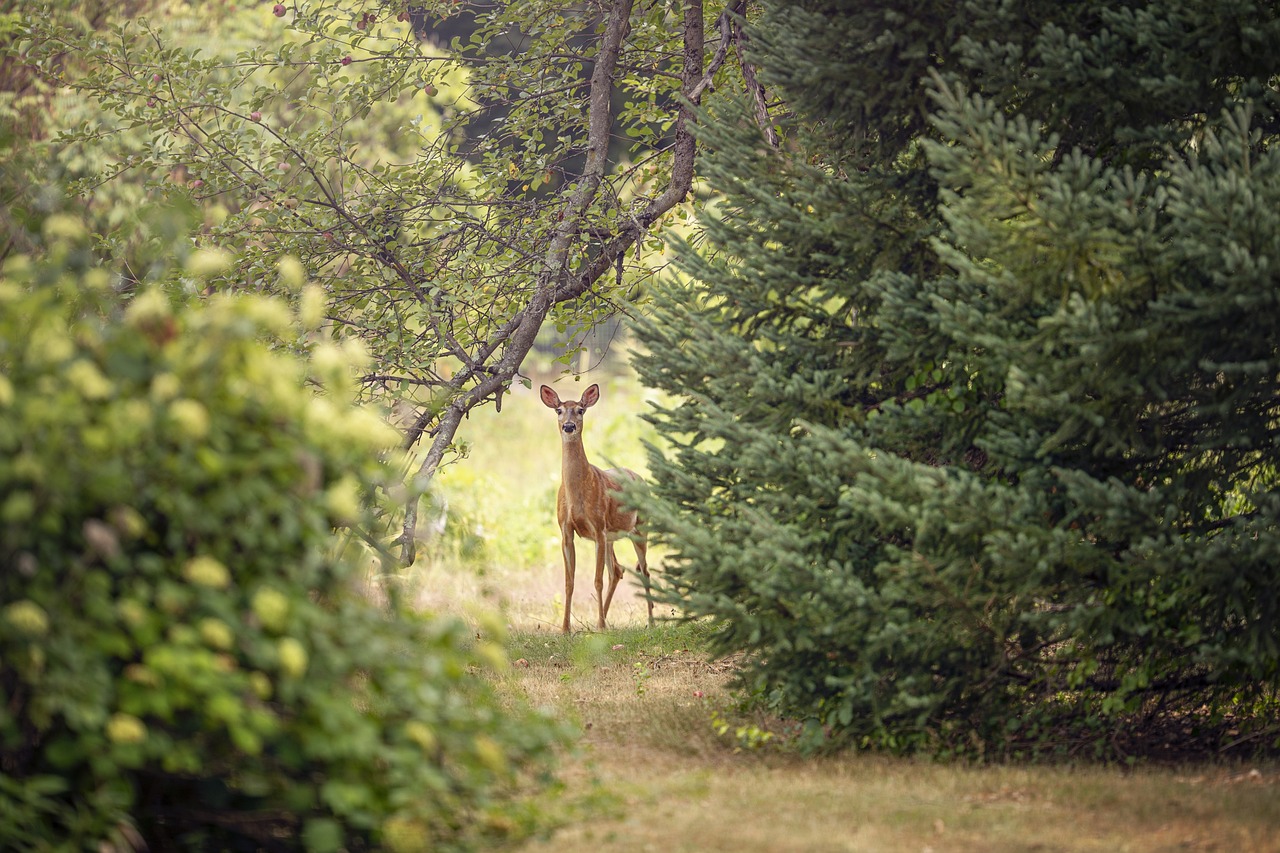
If you spot bird droppings beneath berry bushes, deer prints near nut-bearing trees, or chewed stems on leafy greens, animals are leading you straight to a natural food source. Wildlife instinctively locates the safest, most nutritious plants, so their feeding zones can reveal edible treasures. Areas teeming with small mammals or flocks of birds often coincide with fruiting seasons. Observing animal behavior is a classic survival tactic, where they dine, there’s usually something safe and nourishing for humans, too.
5. Seasonal Blooms and Fruiting Patterns
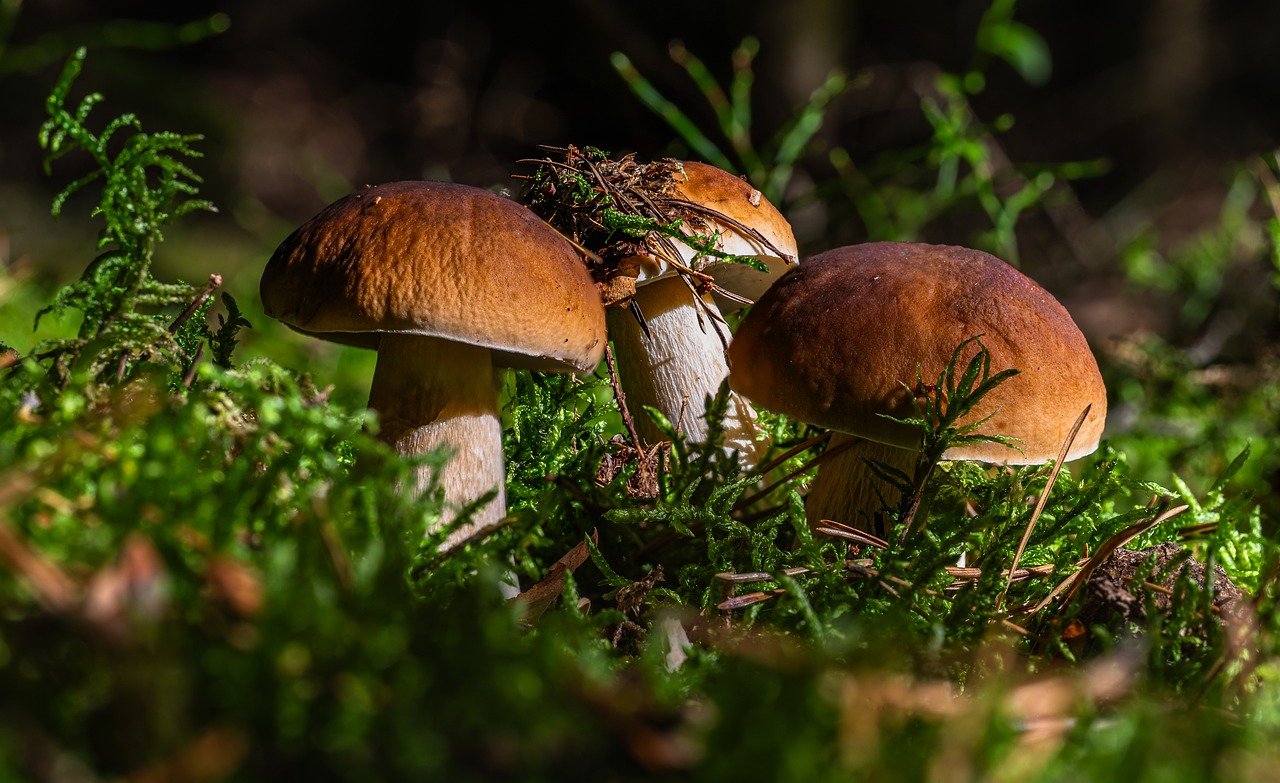
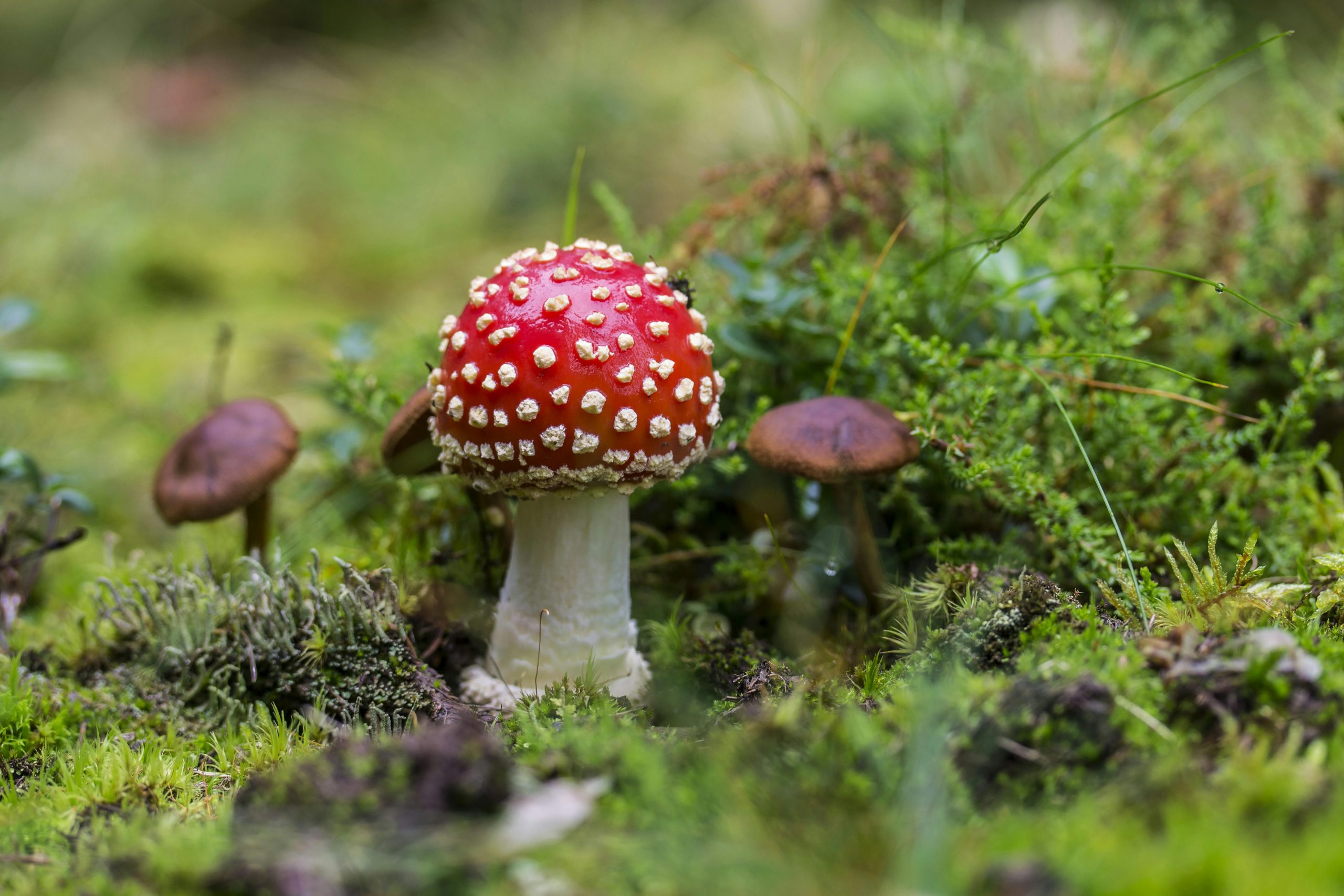
Recognizing seasonal growth cycles helps you identify when wild edibles are at their peak. In spring, tender greens like wild spinach and chickweed appear, while late summer brings berries and nuts. Fall signals mushroom season, with earthy aromas filling forest floors. Each region follows a rhythm tied to its climate, and learning that pattern ensures your foraging success. A landscape full of blossoms or fruiting vines is a visual cue that nature’s pantry is open and ready to explore.
6. Old Homesteads, Trails, and Cleared Fields
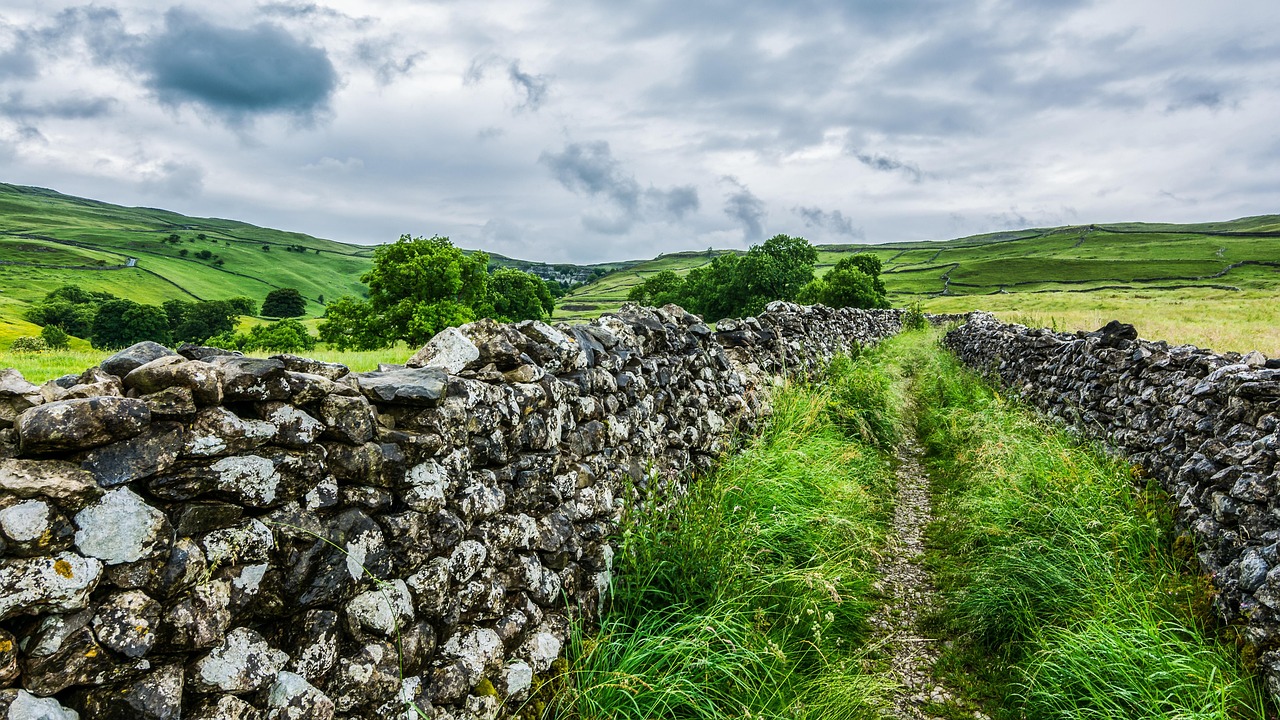
Former settlements and cleared paths often harbor edible plants left behind by early inhabitants, such as apple trees, blackberries, or asparagus. Human activity historically encouraged the spread of food-bearing plants, and many continue to thrive decades later. Exploring near stone foundations, fences, or overgrown trails may lead you to hidden fruit patches or wild herbs. These semi-wild zones often blend cultivated and native species, offering a variety of flavors that reflect both nature’s adaptability and human history.
7. Aromatic Scents Carried by the Wind
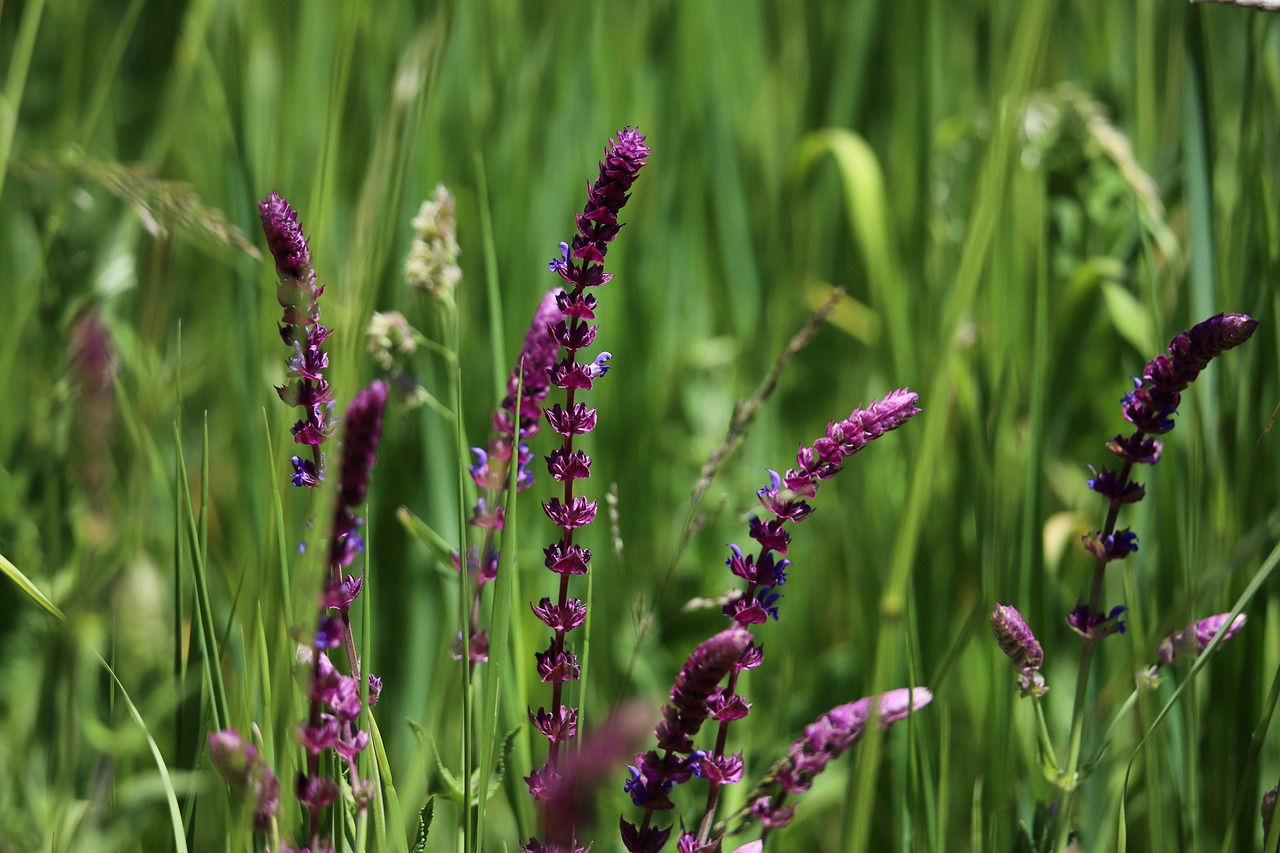
Sometimes your nose finds edibles before your eyes do. A sweet, minty, or earthy fragrance in the air often hints at nearby herbs or flowering plants. Wild mint, sage, and onion grass release distinct aromas when brushed by wind or animals. Following these scents can guide you toward edible zones, especially in open meadows or forest edges. Trusting your senses is part of learning nature’s language. Each scent tells a story of what’s ripe, ready, and waiting to be discovered.