Camping often feels peaceful, but certain warning signs quietly indicate when a site sits too close to potential danger. Many accidents happen not because conditions are extreme, but because subtle clues are ignored during setup. Safe campsites balance convenience with awareness of terrain, wildlife patterns, and environmental risks. Recognizing early signals allows campers to relocate before problems develop. From animal activity to landscape features, these signs often appear ordinary at first glance. Paying attention during arrival and setup can prevent injuries, property loss, or emergency situations later. The following indicators highlight when a campsite may be positioned in a risky location.
Fresh Animal Tracks Surround The Area
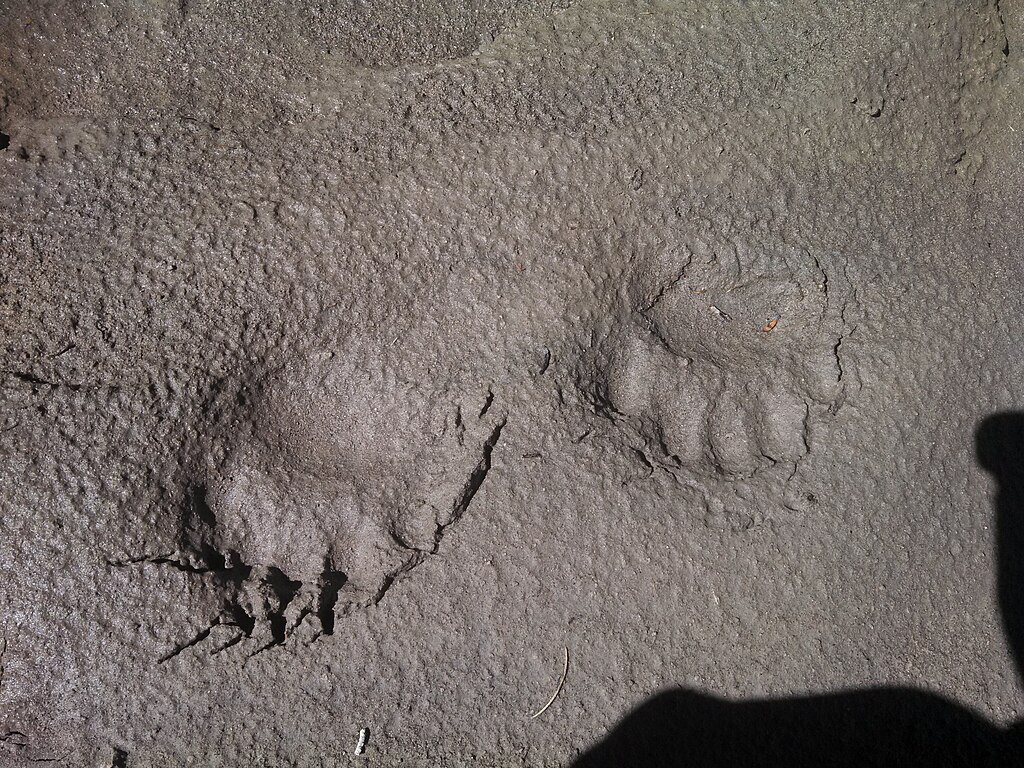
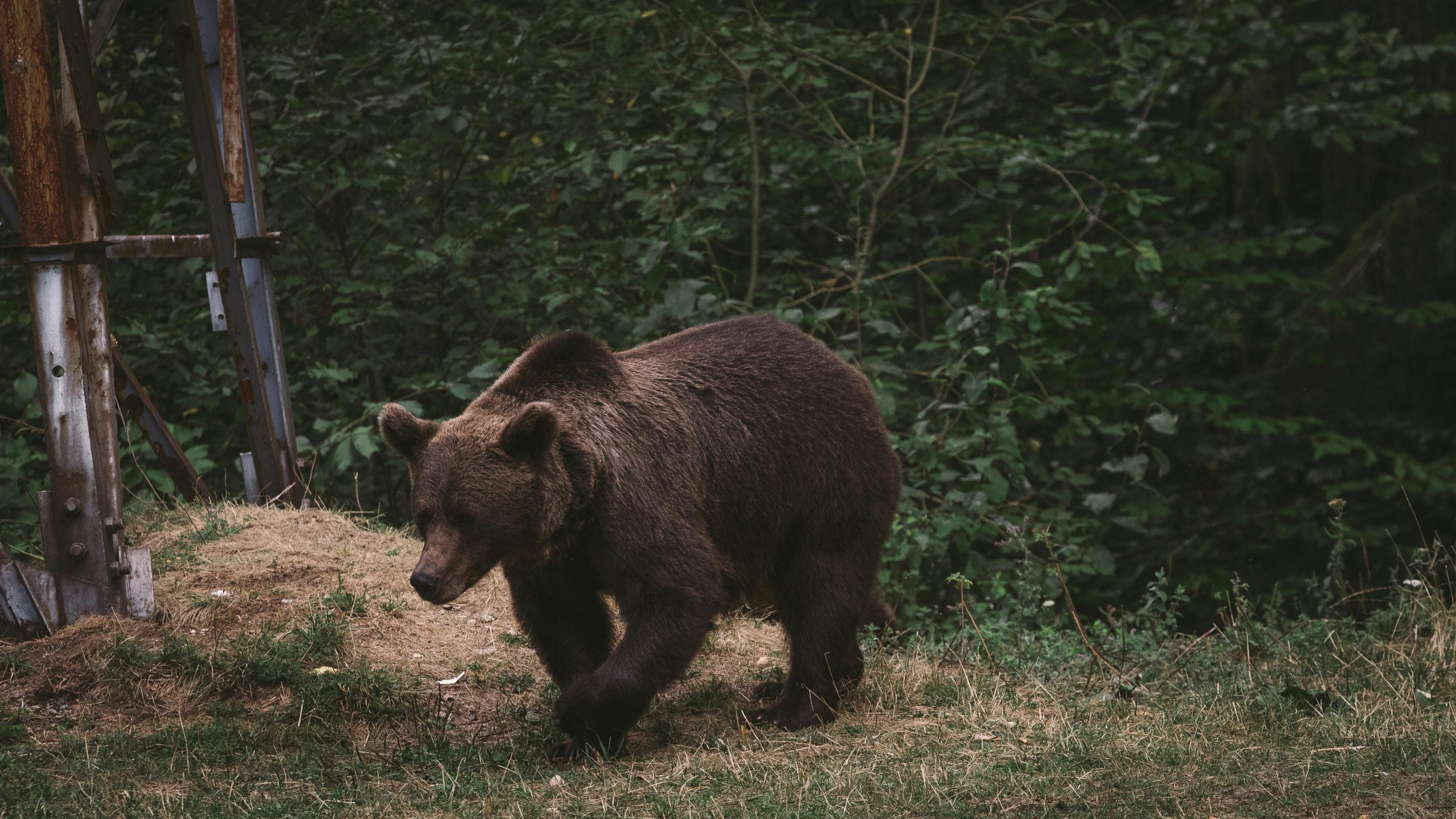
Fresh animal tracks near a campsite suggest active wildlife movement through the area. Large prints, repeated paths, or tracks leading directly through camp indicate a natural travel corridor. Animals often follow the same routes to water, food, or shelter, especially at night. Camping directly along these paths increases the chance of surprise encounters. Tracks combined with disturbed vegetation or flattened grass further confirm regular use. Even if animals are not immediately visible, recent signs mean activity continues. Relocating to higher ground or away from established paths reduces the likelihood of close encounters after dark.
Strong Food Or Waste Odors Linger Nearby
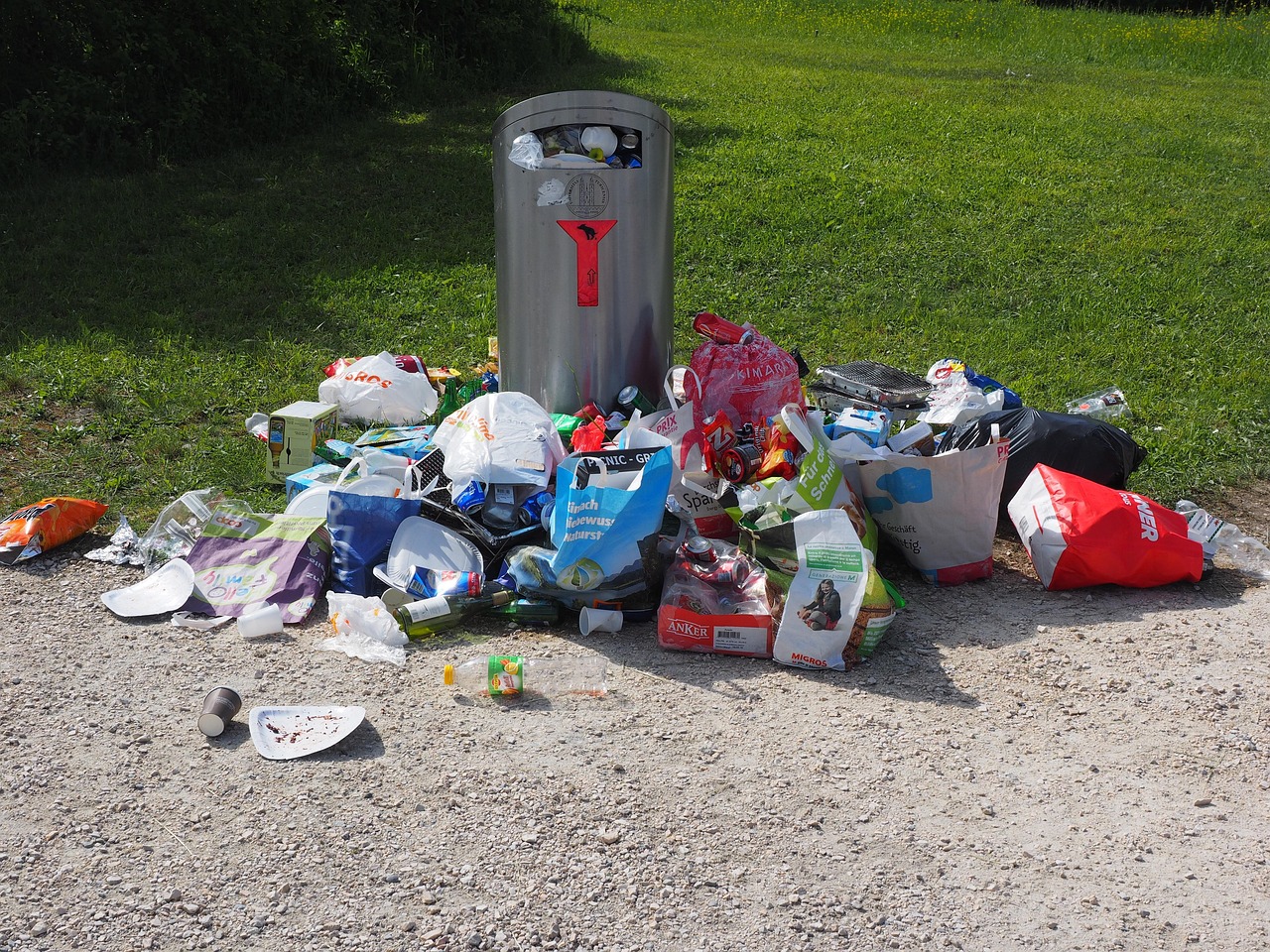
Persistent food or waste smells around a campsite indicate poor site history or nearby improper disposal. Odors attract wildlife long after campers leave, conditioning animals to investigate the area repeatedly. Even sealed trash left previously can leave scent traces in soil or vegetation. A campsite that smells strongly of food, grease, or waste signals increased animal interest. Cooking residue, fire pits with scraps, or nearby trash piles worsen the risk. Choosing a cleaner site minimizes attention from animals and reduces the chance of nighttime disturbances caused by scavenging wildlife drawn by lingering smells.
The Site Sits Directly Beside Water Sources
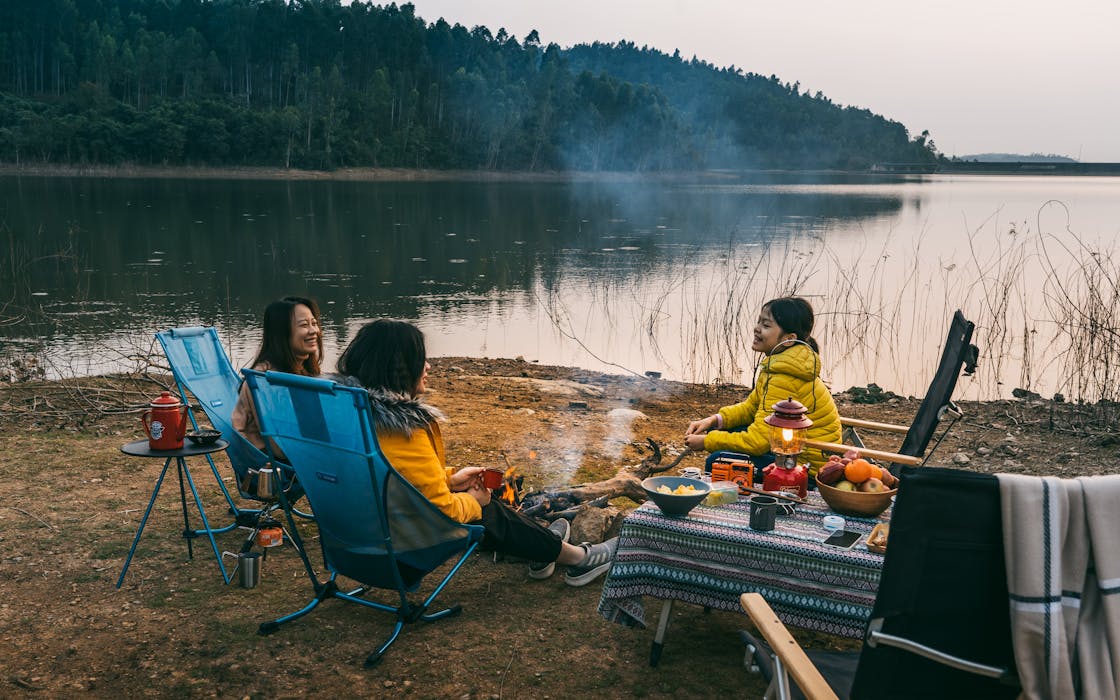
Campsites positioned directly next to rivers, lakes, or streams face multiple risks. Wildlife frequently visits water sources, increasing animal traffic through camp. Sudden weather changes can cause water levels to rise quickly, especially in mountain or desert environments. Cold air also settles near water overnight, increasing exposure risks. Insects concentrate near water, adding discomfort and health concerns. Safe camping guidelines recommend setting camp a reasonable distance away while maintaining access. Slight elevation and distance help reduce flooding risk and minimize encounters with animals following established watering routes.
Dead Trees Or Large Branches Hang Overhead
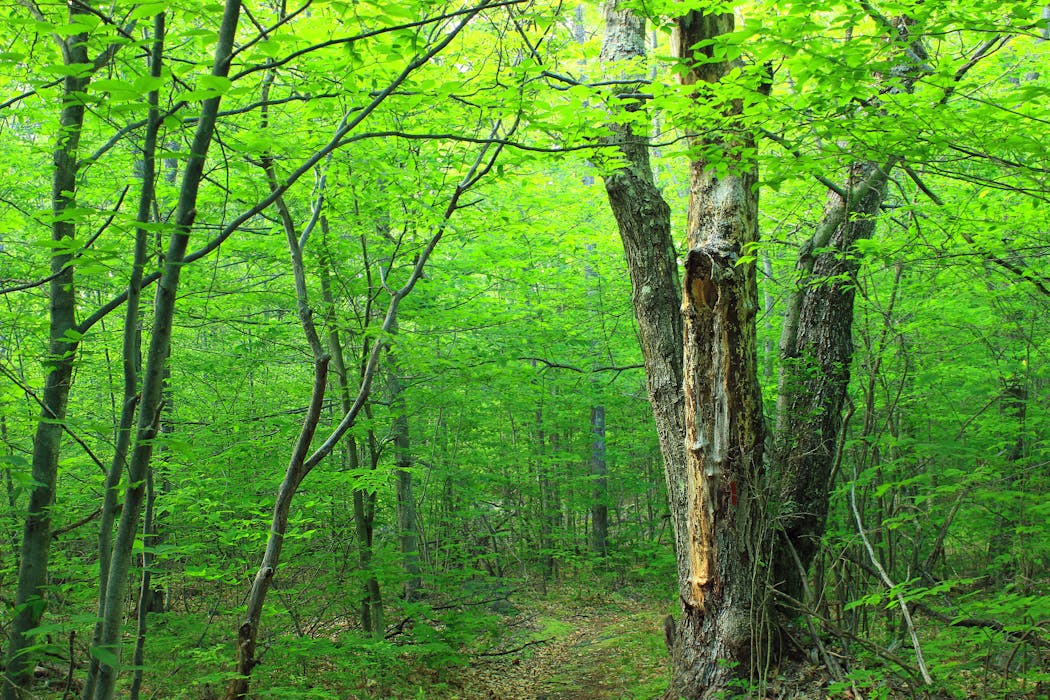
Standing dead trees or heavy branches above a campsite present serious hazards, especially during wind or storms. Known as widowmakers, these limbs can fall without warning. Rotting trunks, peeling bark, or cracked branches indicate structural weakness. Even healthy trees can drop limbs under stress from wind or snow. Setting camp beneath unstable trees increases injury risk during sleep or rest. Evaluating overhead conditions matters as much as ground selection. Choosing an open area with healthy surrounding trees reduces the chance of falling debris and provides a safer environment during changing weather conditions.
Heavy Insect Activity Persists All Day

Constant insect activity throughout the day often signals standing water, decaying material, or animal presence nearby. Swarms of mosquitoes, flies, or biting insects indicate environmental conditions that attract both pests and larger wildlife. Insects also increase the risk of disease transmission and allergic reactions. While some insect presence is normal outdoors, heavy activity suggests a problematic site. Moving to higher ground, better airflow, or drier terrain usually reduces insect concentration. A calmer insect environment often correlates with safer, more comfortable camping conditions overall.
The Ground Shows Signs Of Previous Damage
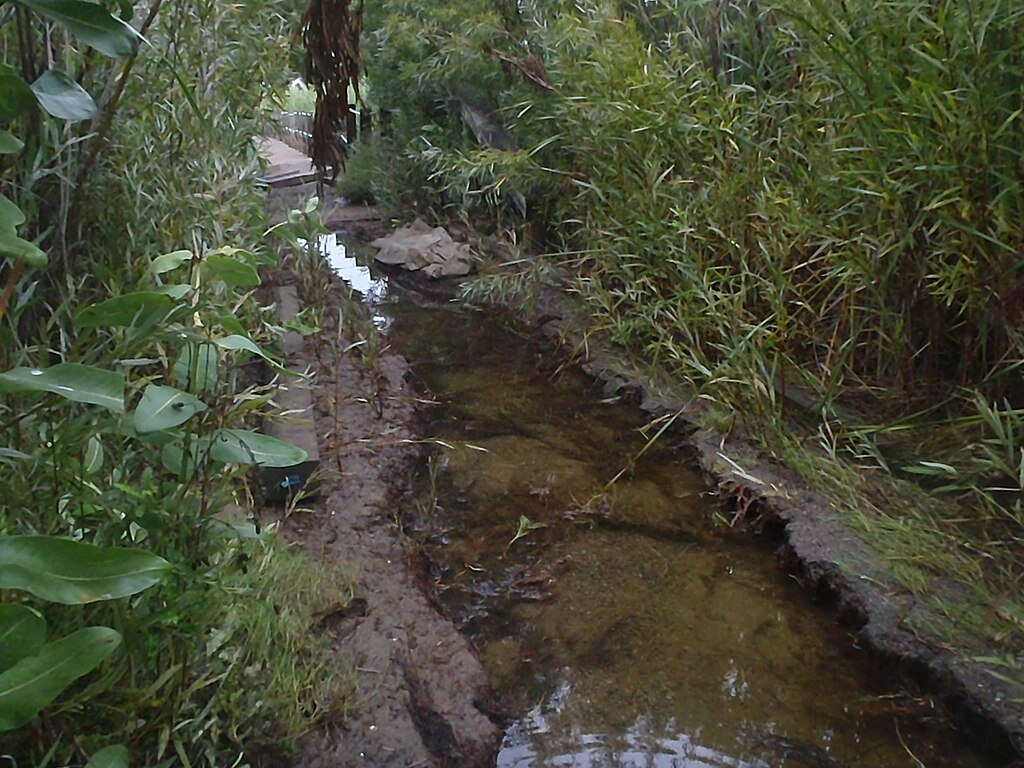
Damaged ground such as deep ruts, trampled vegetation, or exposed roots suggests heavy prior use or environmental stress. These areas may indicate unofficial campsites, vehicle traffic, or repeated flooding. Soil compaction reduces drainage, increasing mud and water pooling during rain. Previous damage can also signal proximity to trails or wildlife corridors. Camping on unstable or eroded ground raises the risk of slipping, equipment damage, or water intrusion. Selecting a durable, undisturbed surface helps ensure stability, proper drainage, and reduced environmental impact during the stay. Long term campsite safety improves.
The Area Feels Exposed To Sudden Weather
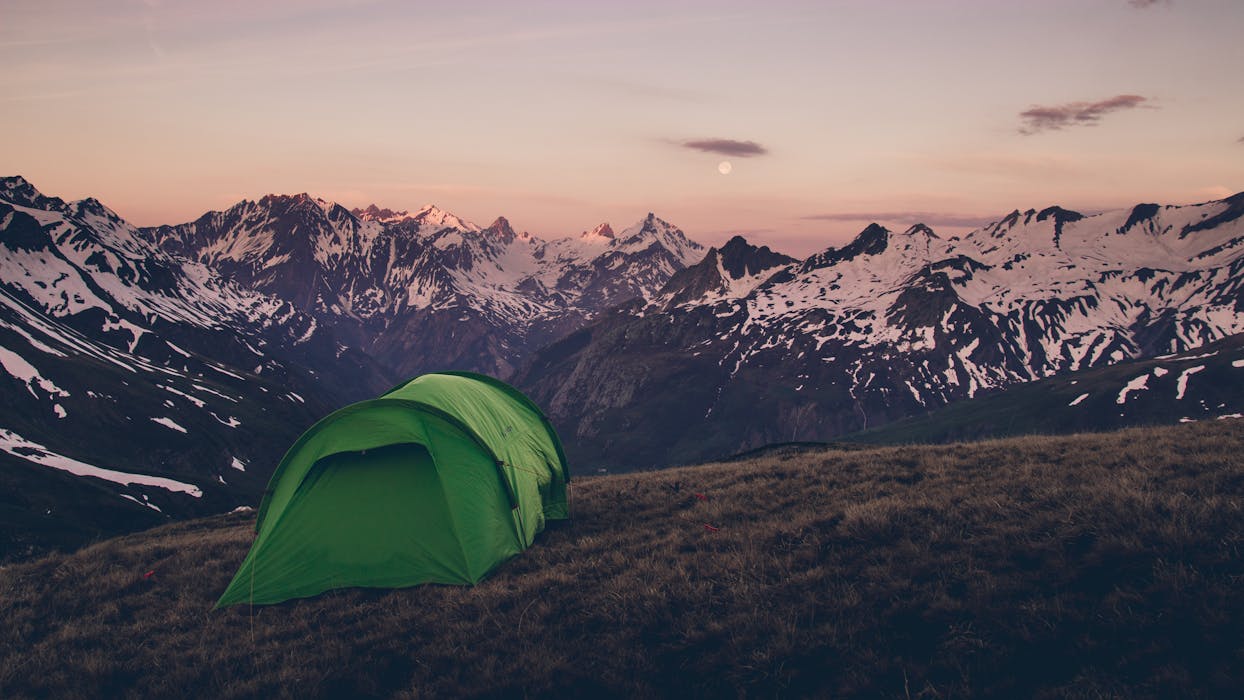
A campsite that feels overly exposed often lacks natural protection from wind, rain, or temperature shifts. Open ridges, valley bottoms, or flat clearings may seem convenient but offer little shelter. Sudden storms can bring strong gusts, lightning, or rapid temperature drops. Exposure increases the risk of hypothermia, falling debris, or tent failure. Observing wind patterns, cloud movement, and surrounding terrain helps assess exposure. Choosing sites with natural windbreaks and slight elevation provides better protection and reduces vulnerability to quickly changing weather conditions. These precautions help maintain safety overnight.