Handgun conversations often gravitate toward a handful of platform families that have long histories, large user communities, and broad aftermarket ecosystems. These models appear in movies, training ranges, and collector circles, which can create the impression that everyone knows them, even when details vary widely by generation and variant. This article maintains a focus on public-facing contexts, such as where each platform fits within the broader handgun landscape, its frequency of occurrence, and why it remains recognizable. It does not offer purchasing guidance or personal safety advice. Here are seven widely discussed handgun platforms that frequently come up in general conversation across the United States.
Glock 19
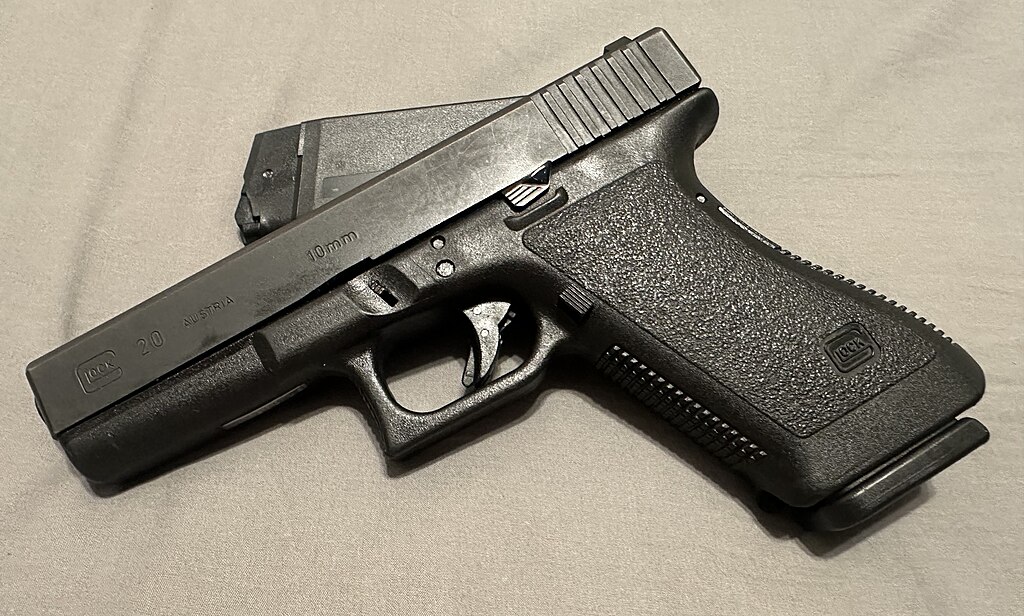
The Glock 19 is one of the most widely recognized modern semiautomatic pistols in the United States, largely due to its widespread adoption across law enforcement and civilian markets for decades. Its reputation centers on simple operation and consistent performance across many production runs, which has helped it become a reference point in general handgun discussions. The model sits in Glock’s broader 9mm lineup and has spawned many generations and variants over time. Due to its widespread popularity, the platform offers extensive aftermarket support, including sights, holsters, and magazines. The Glock 19 often appears in basic training settings and in conversations about contemporary service-style pistols.
Smith & Wesson M&P 9
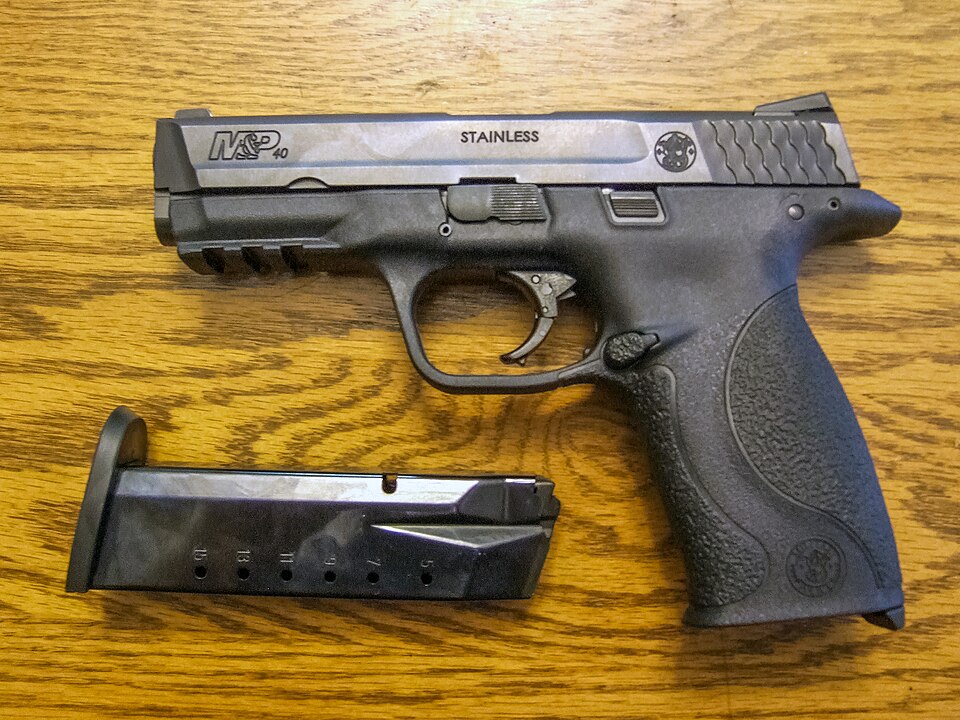
The Smith and Wesson M&P 9 is a prominent American-made striker-fired platform that has become a familiar name in both duty and civilian contexts. The M&P line has evolved through multiple iterations, and the series is often discussed as a mainstream counterpart to other modern polymer-frame pistols. Its presence in law enforcement procurement and its broad retail availability have kept it highly visible. Many conversations highlight its ergonomic focus, including interchangeable grip options on some models, though specific features vary by version. The M&P 9 also supports a sizable accessory market, and it frequently appears in training classes and rental counters where people try common platforms side by side.
SIG Sauer P320
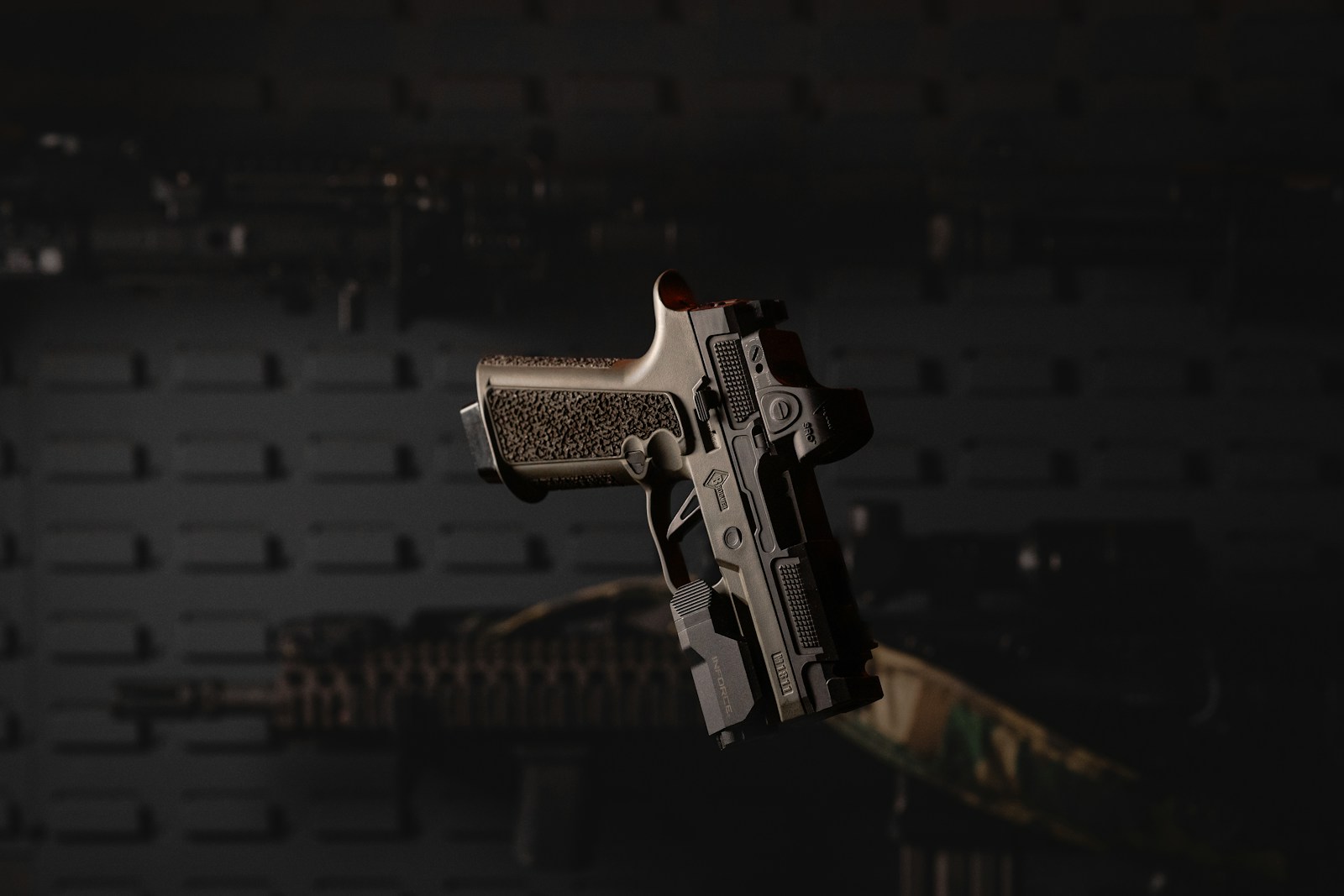
The SIG Sauer P320 is a widely known modular pistol platform that has become prominent in U.S. firearm discussions over the past decade. It gained visibility through large institutional adoption and through its modular concept, where components and sizes can vary within the same family. In everyday conversation, the P320 often comes up as an example of a modern, striker-fired service pistol, and it appears in many commercial configurations. The platform also has a large ecosystem of accessories, including optics-ready variants and aftermarket grip modules. Because the P320 family includes many sub-models, people often reference it as a broad platform category rather than one single, fixed configuration.
Ruger LCP
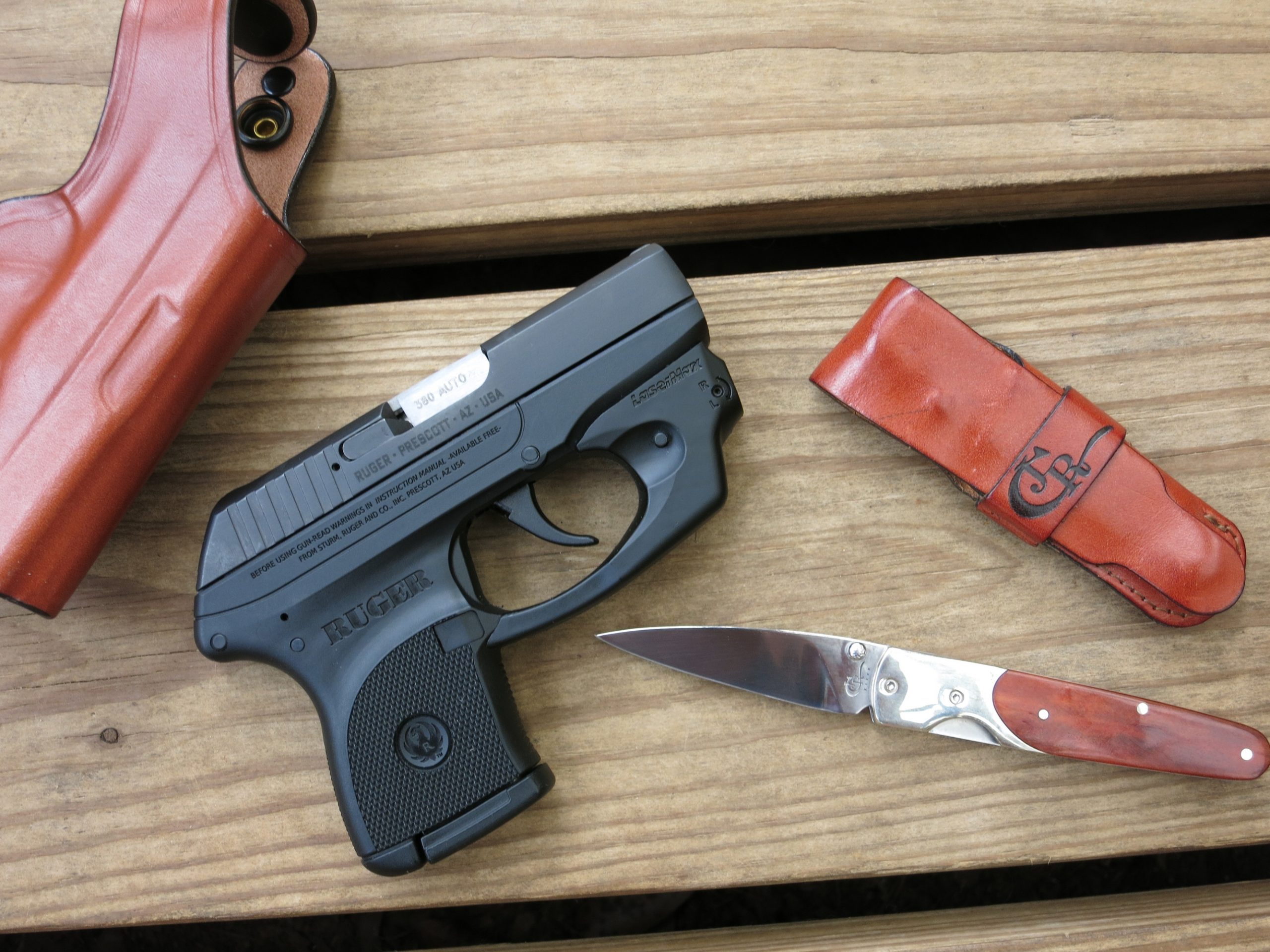
The Ruger LCP is a widely recognized micro-compact pistol platform that became popular for its small footprint and simple, utilitarian role in the broader handgun market. It is frequently mentioned in discussions about very compact handguns and has gone through several iterations over the years. The LCP name tends to signal a category more than a single exact model, since generations and variants can differ. In general conversation, the platform is often associated with ease of carry and minimal size, while also raising discussions about shooting comfort in small firearms. Ruger’s broad distribution has made the LCP a familiar reference point in many U.S. gun shops and range rental menus.
Beretta 92 Series
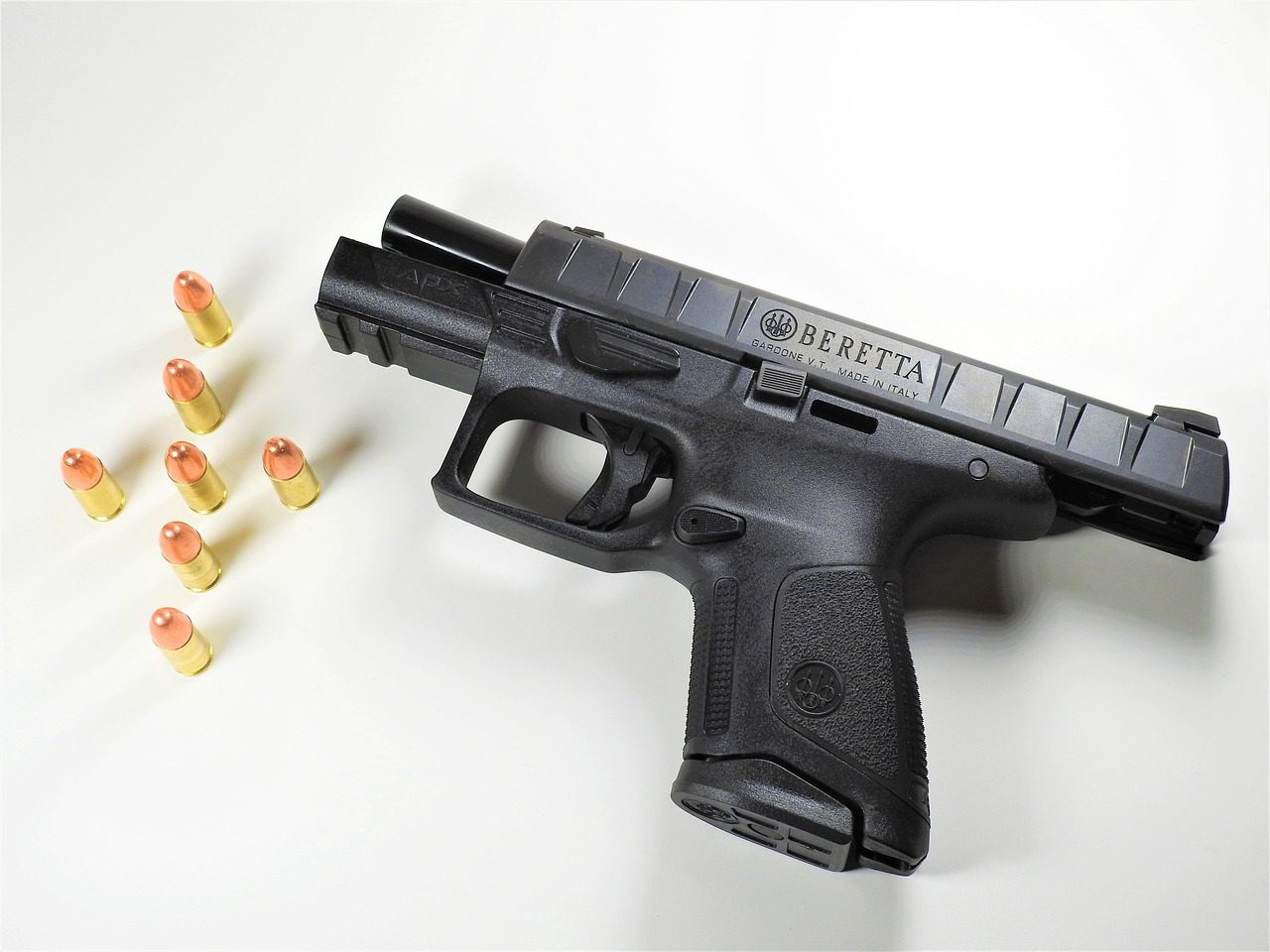
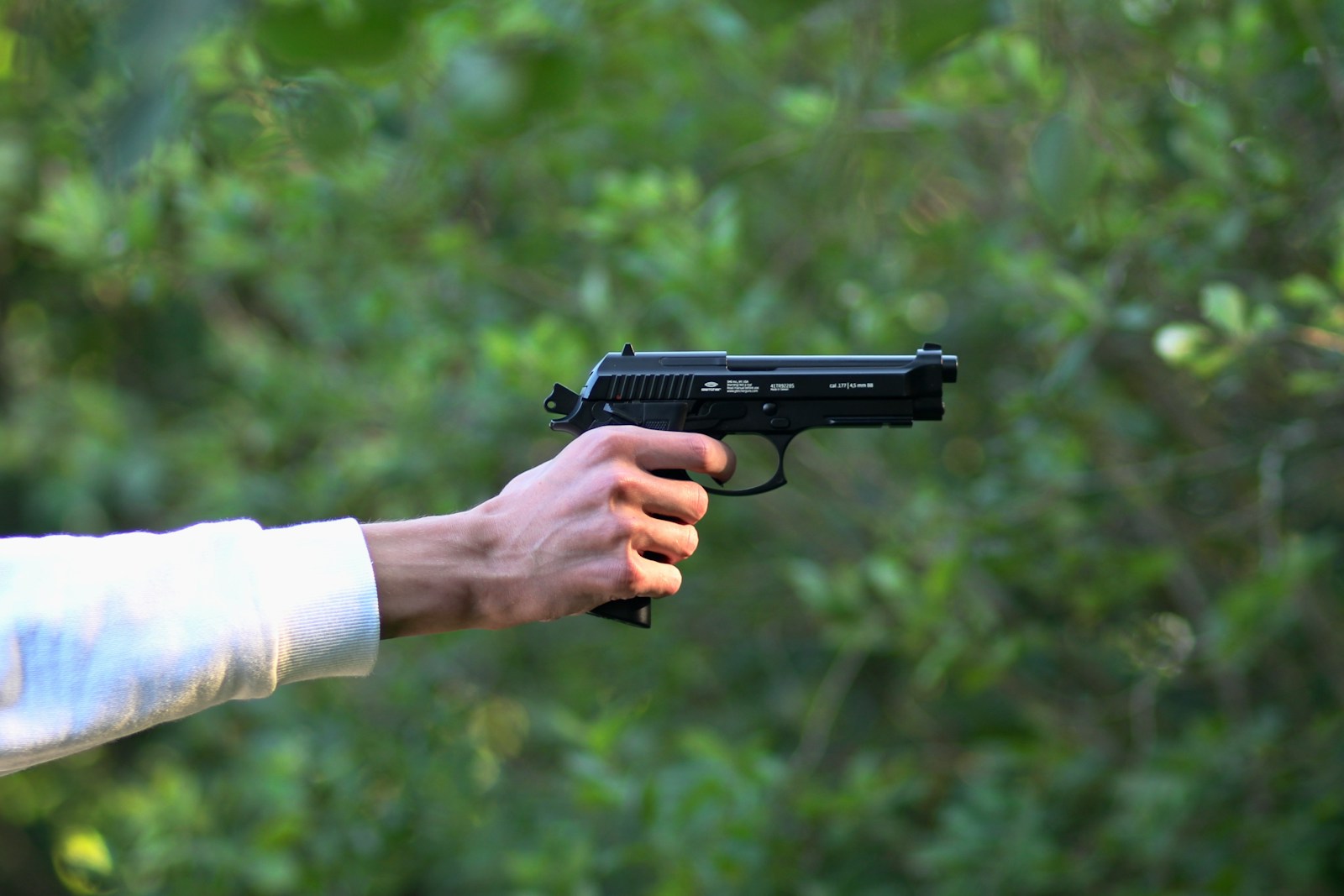
The Beretta 92 series is a classic full-size semiautomatic platform with strong cultural recognition, partly tied to long service history and frequent appearances in the media. Known for its distinctive profile, the platform is often discussed in terms of traditional double-action and single-action operation, though specific variants vary. Many people associate the 92 series with reliability and a durable metal-frame feel, and it remains a common point of comparison when discussing older service pistols. Collectors and enthusiasts often talk about differences across models and production eras, which can be substantial. The Beretta 92’s legacy status keeps it in rotation at ranges, in collections, and in general handgun conversations.
1911-Style Pistols
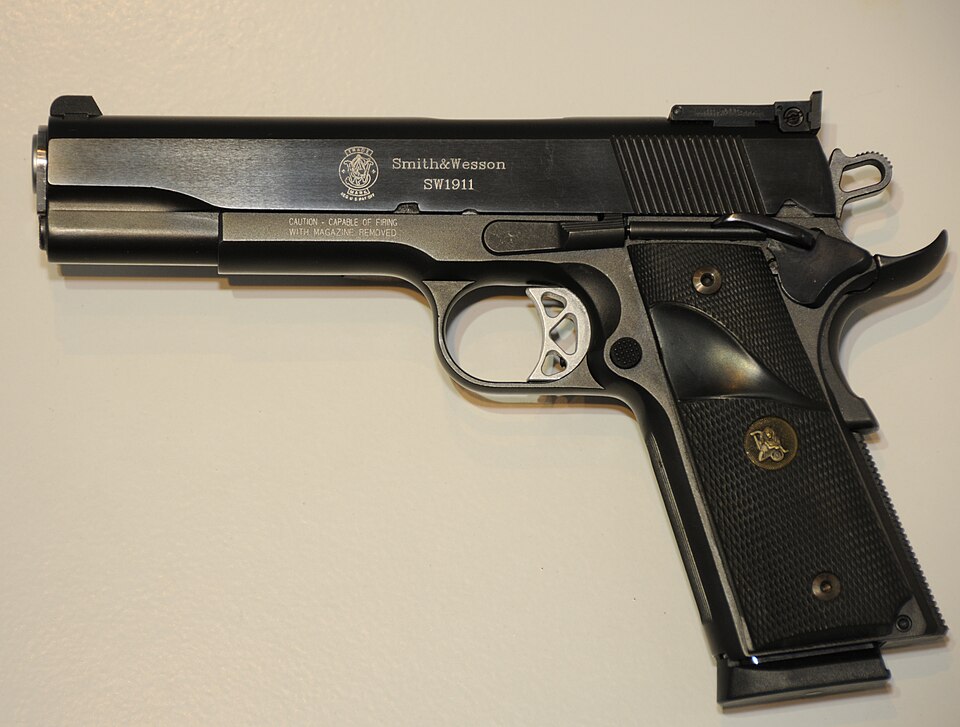
The 1911 platform is one of the most iconic handgun designs in American firearms history, originally developed in the early twentieth century and still produced by many manufacturers today. In casual conversation, “a 1911” often refers to a broad family of pistols sharing a similar single-action design and general silhouette, even though modern versions vary widely in materials, sizes, and features. The platform remains popular among enthusiasts who appreciate its history, trigger feel, and customization culture. It is also commonly discussed in competitive shooting circles and among collectors. Because so many companies produce 1911-style pistols, the platform functions as a category with deep variety rather than a single standardized product.
CZ 75
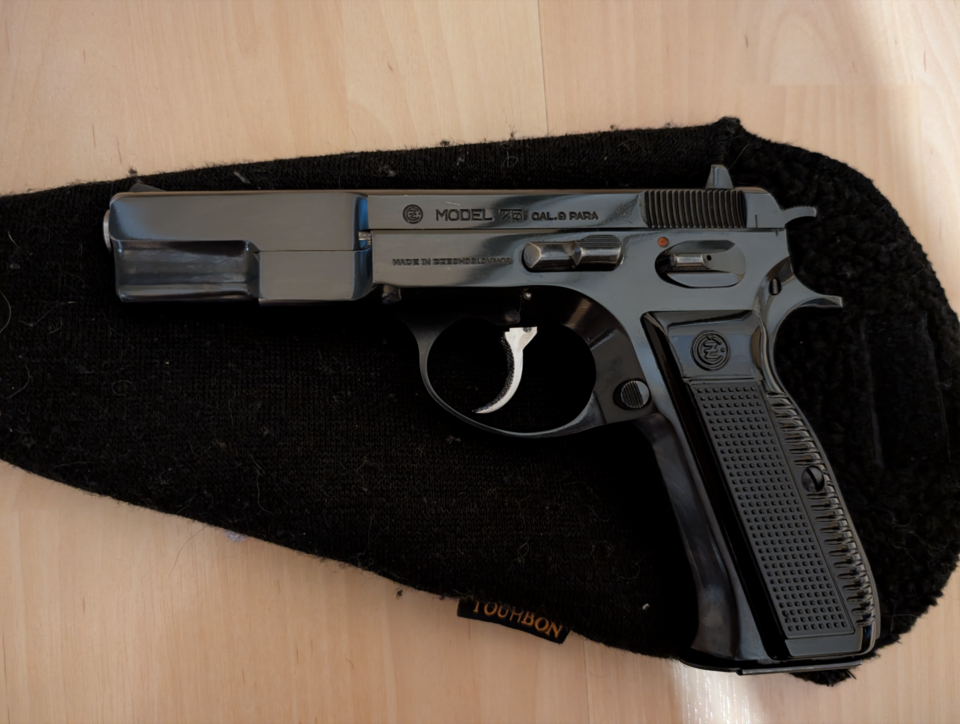
The CZ 75 is a widely respected pistol platform with a strong enthusiast following in the United States, often discussed for its ergonomics and its role as a classic metal-frame design. Over time, the CZ 75 family has expanded into many related models and variants, which keeps it relevant across different shooting communities. In general conversations, it often appears as a reference point for traditional double-action and single-action pistols, and it is frequently compared to other long-running service designs. Its reputation is supported by decades of production history and widespread international use. The CZ 75’s presence in sport shooting and collector circles helps maintain its visibility in everyday handgun talk.