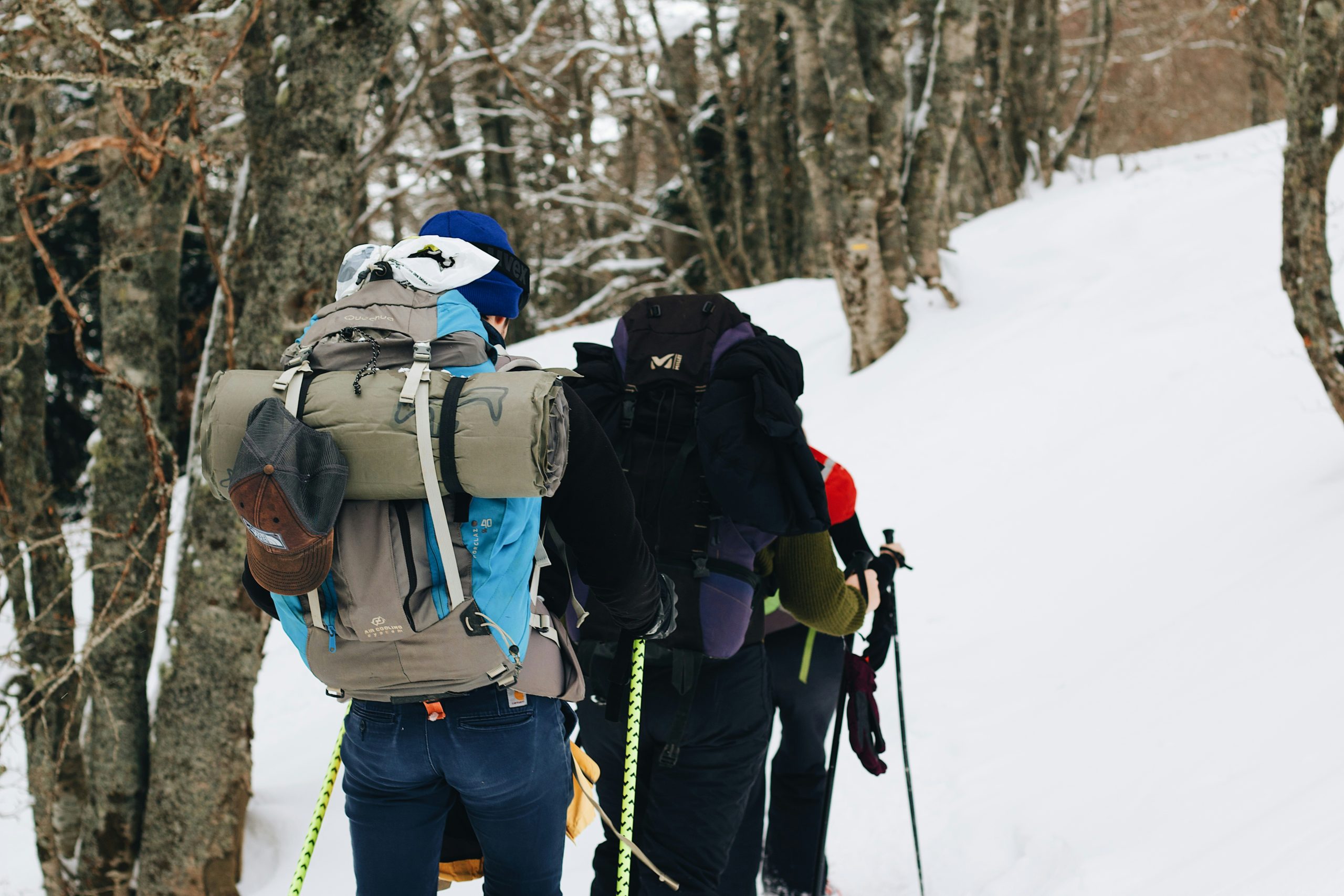
Packing gear feels reassuring, yet much of it goes unused outdoors. People often prepare for every possibility without considering real conditions. Weight, access, habit, and decision making shape what actually gets used. Stress, fatigue, and time pressure quietly influence choices once outside. Some gear feels too inconvenient, while other items seem unnecessary. Experience reveals patterns behind these decisions. Understanding why packed equipment stays untouched helps refine preparation. These reasons explain how intentions shift between packing lists and real use. Awareness improves efficiency, comfort, and confidence on future trips across varied environments and unpredictable situations daily.
Inconvenient Access
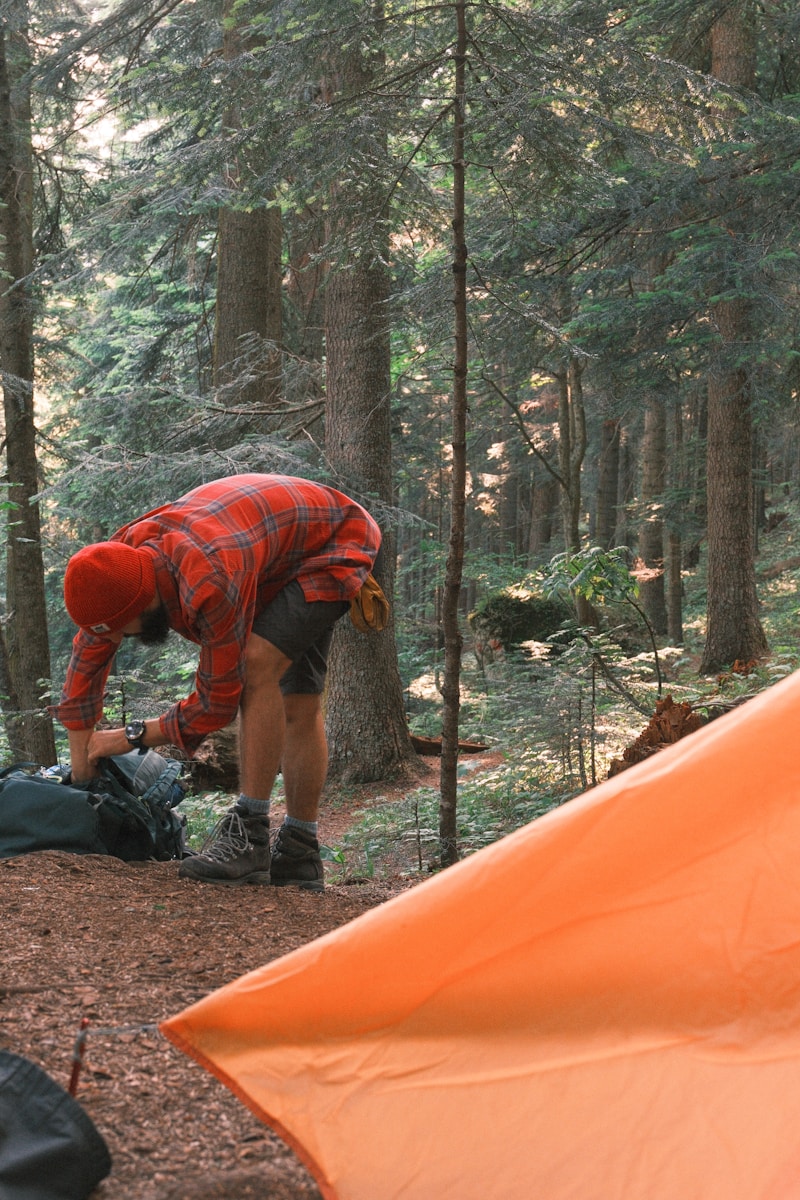
Some gear stays packed because accessing it feels inconvenient during movement. Items buried deep require stopping, unpacking, and repacking. When conditions change quickly, people avoid breaking rhythm. Gear strapped externally may feel awkward to remove. Frequent stops increase fatigue and frustration. As a result, users rely on what sits closest. Tools intended for emergencies remain untouched and unused. Convenience often overrides intention. Equipment placement matters as much as function. Poor accessibility turns useful gear into dead weight once momentum, weather, or group pace discourages deliberate pauses, especially during long hikes or fast moving travel days outdoors frequently.
Excess Weight
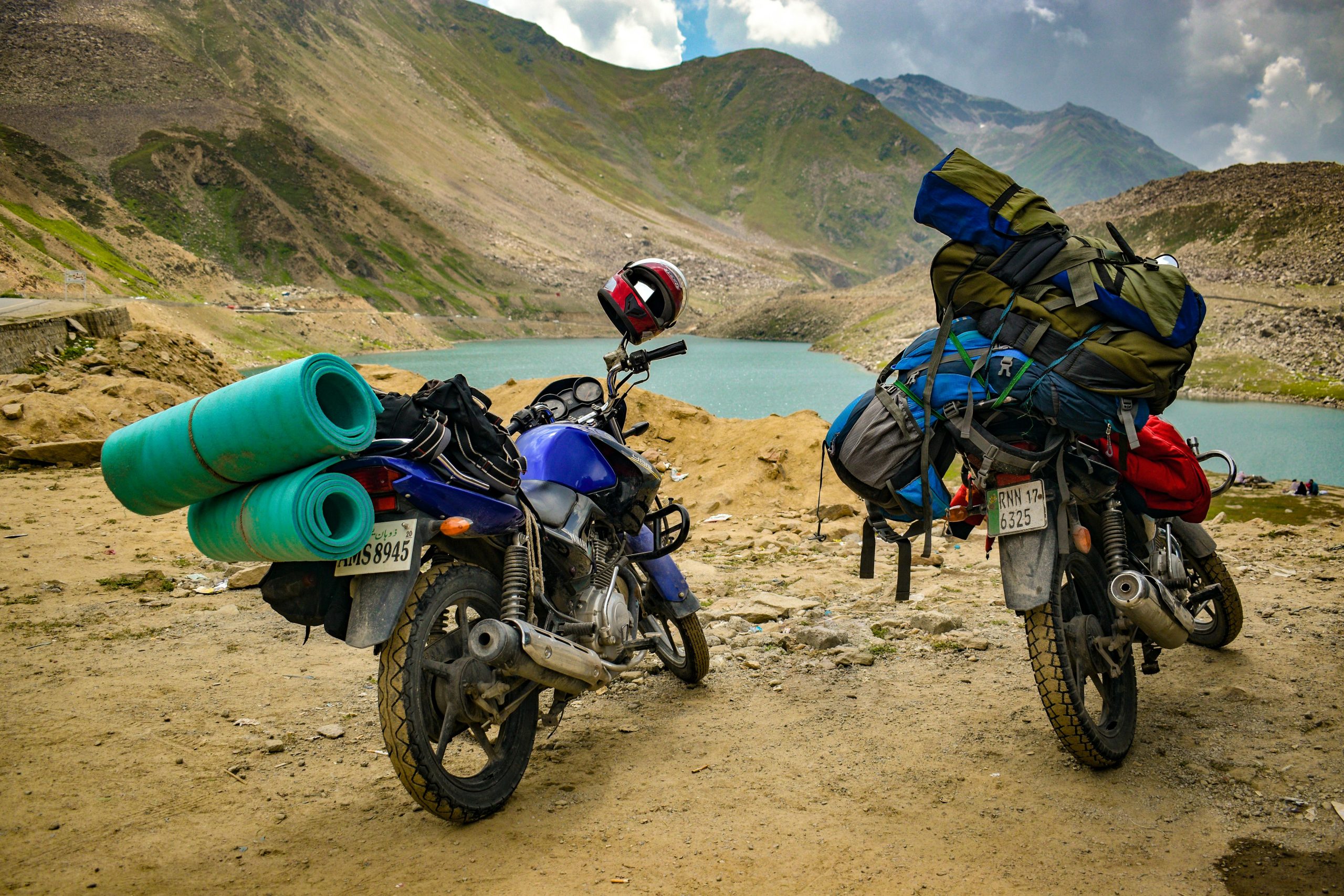
Excess weight discourages use even when gear seems helpful. Heavy packs strain shoulders and slow movement. Removing items feels exhausting. People ration effort subconsciously. Lighter alternatives feel preferable in the moment. Overpacked bags reduce flexibility. Users hesitate to access heavier tools. Fatigue amplifies avoidance. The mind favors simplicity under strain. As weight accumulates, priorities narrow. Gear chosen for rare scenarios remains untouched while lighter, familiar items dominate daily use throughout trips. Over time, discomfort teaches people to ignore equipment that complicates already demanding movement, especially during multi day journeys in challenging terrain with varying conditions.
Lack Of Familiarity
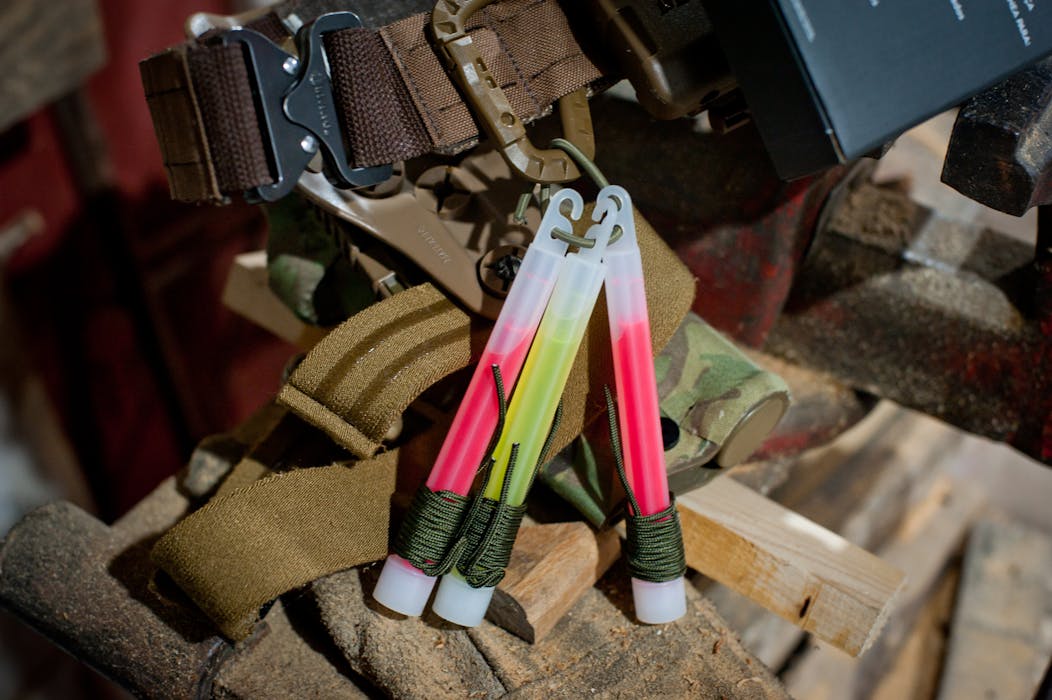
Unfamiliar gear often stays unused because confidence is missing. New tools require practice. Under stress, people avoid experimentation. Instructions feel forgotten. Using unknown equipment risks mistakes. Familiar habits feel safer. Even useful items remain untouched without muscle memory. Training gaps appear quickly outdoors. People default to known methods. Ownership does not equal readiness. Without repetition, packed gear becomes theoretical support rather than practical assistance during moments that demand quick, confident action. Stress magnifies hesitation and reinforces reliance on habits learned long before trips, leaving specialized tools untouched despite careful pre trip planning efforts by campers.
Time Pressure
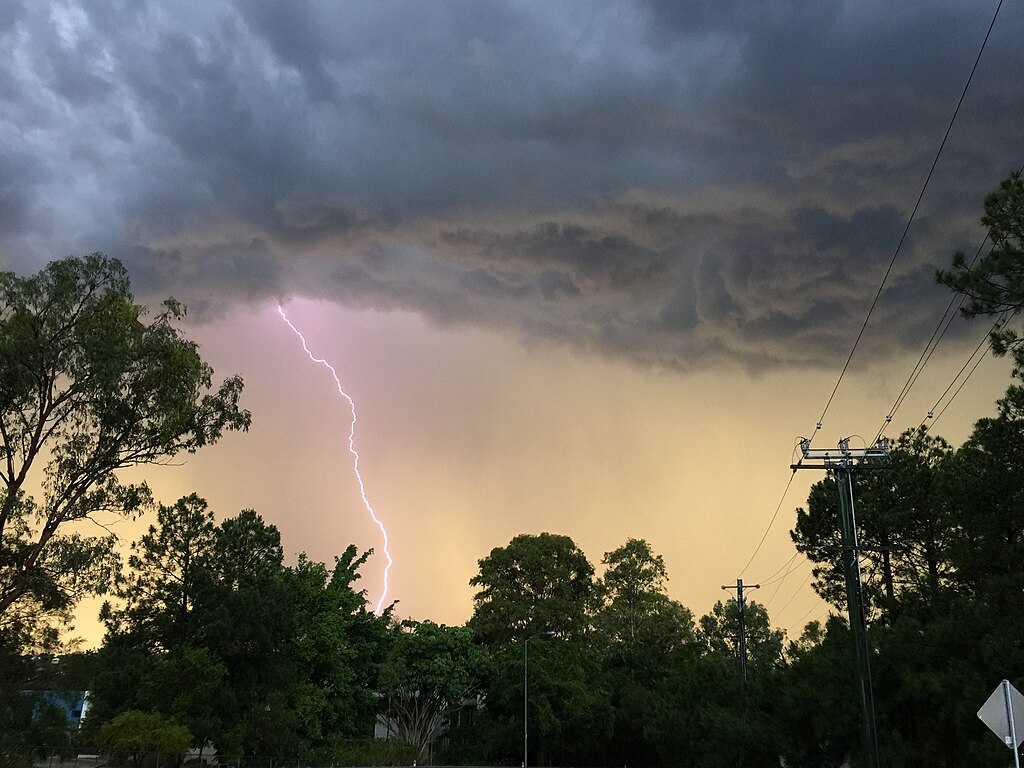
Time pressure discourages gear use more than people expect. Weather shifts demand quick decisions. Groups move faster than individuals. Stopping feels disruptive. People choose speed over setup. Complex tools remain unused. Short breaks replace careful deployment. Efficiency becomes priority. Gear requiring preparation gets skipped. Moments pass quickly outdoors. Under urgency, simple actions dominate while thoughtfully packed equipment stays unused despite being intended for specific situations. Haste reshapes judgment and reduces willingness to engage with anything complicated, even when those tools could improve safety, comfort, or overall outcomes during extended outings with shifting conditions and dynamics.
Social Pressure
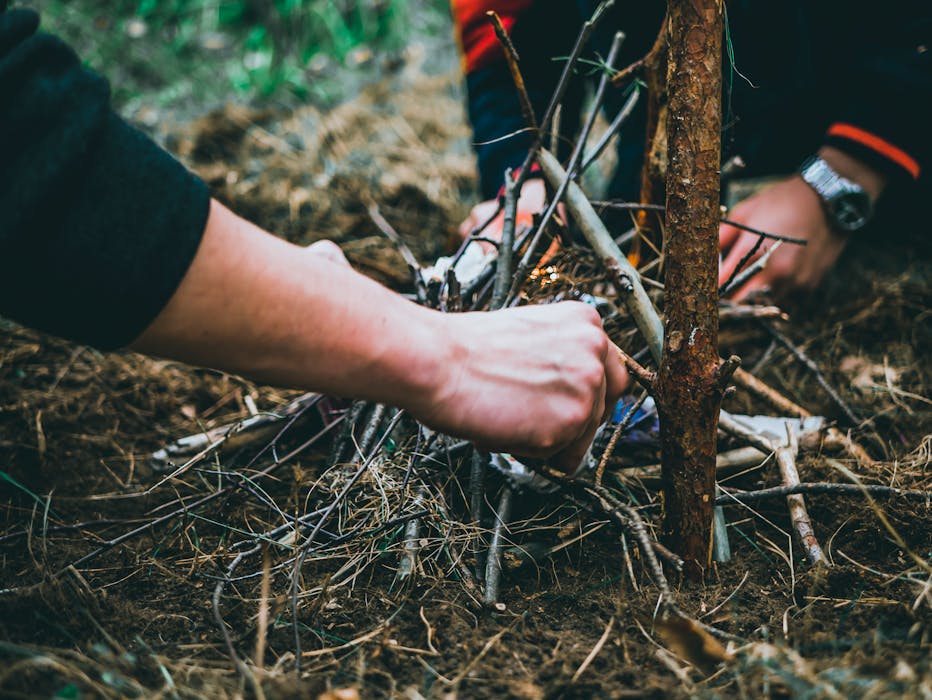
Social pressure influences whether gear gets used. People avoid slowing groups. Embarrassment shapes decisions. Using specialized tools draws attention. Individuals hesitate to stand out. Group norms dictate pace. Quiet compromises follow. Gear remains packed to maintain harmony. Safety tools go unused. Confidence erodes subtly. Shared trips reward conformity. As a result, individuals suppress preparation in favor of cohesion, leaving useful equipment untouched despite its potential benefits. This pattern appears often among friends, families, or organized outdoor groups, where maintaining flow feels more important than individual gear choices and preparedness decisions made earlier at home beforehand.
Weather Mismatch
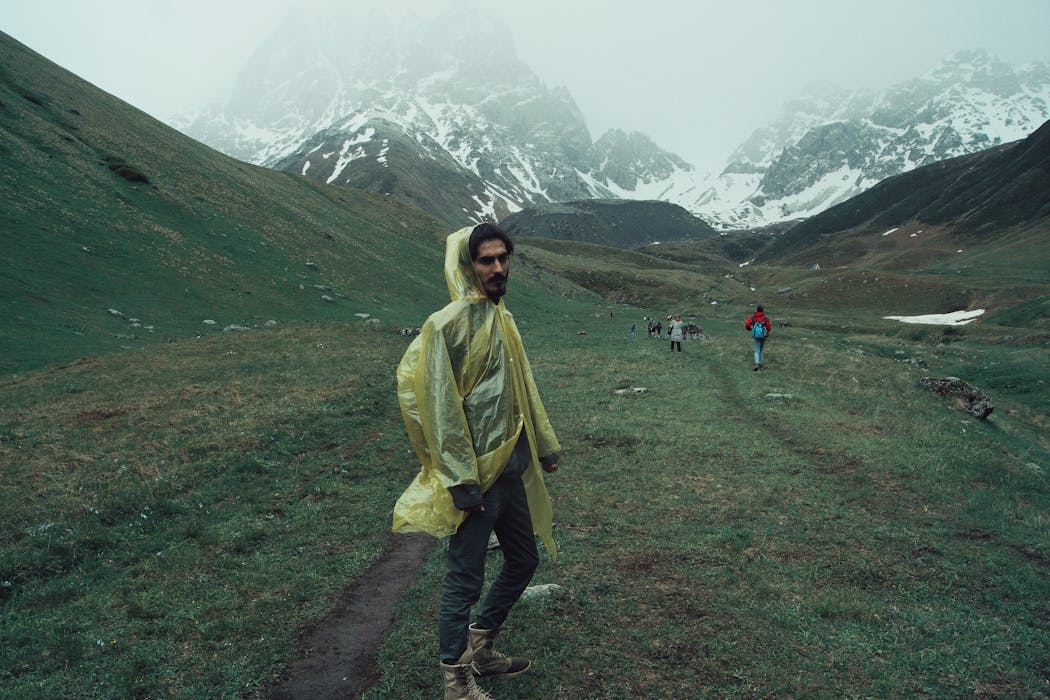
Weather changes render some packed gear irrelevant. Forecasts miss local shifts. Conditions improve unexpectedly. Rain never arrives, cold fades quickly and extra layers feel unnecessary. Rain gear stays buried. People adjust plans. Gear selected for worst cases remains unused. Packing reflects anxiety more than reality. Outdoors, adaptability replaces preparation. Mismatched expectations cause useful equipment to stay packed when conditions turn milder than anticipated during actual travel. Flexibility matters, but overpreparation often leads to carrying unused, unnecessary items, especially on short trips where weather windows shift rapidly and confidence increases after departure from home initially location changes.
Mental Fatigue
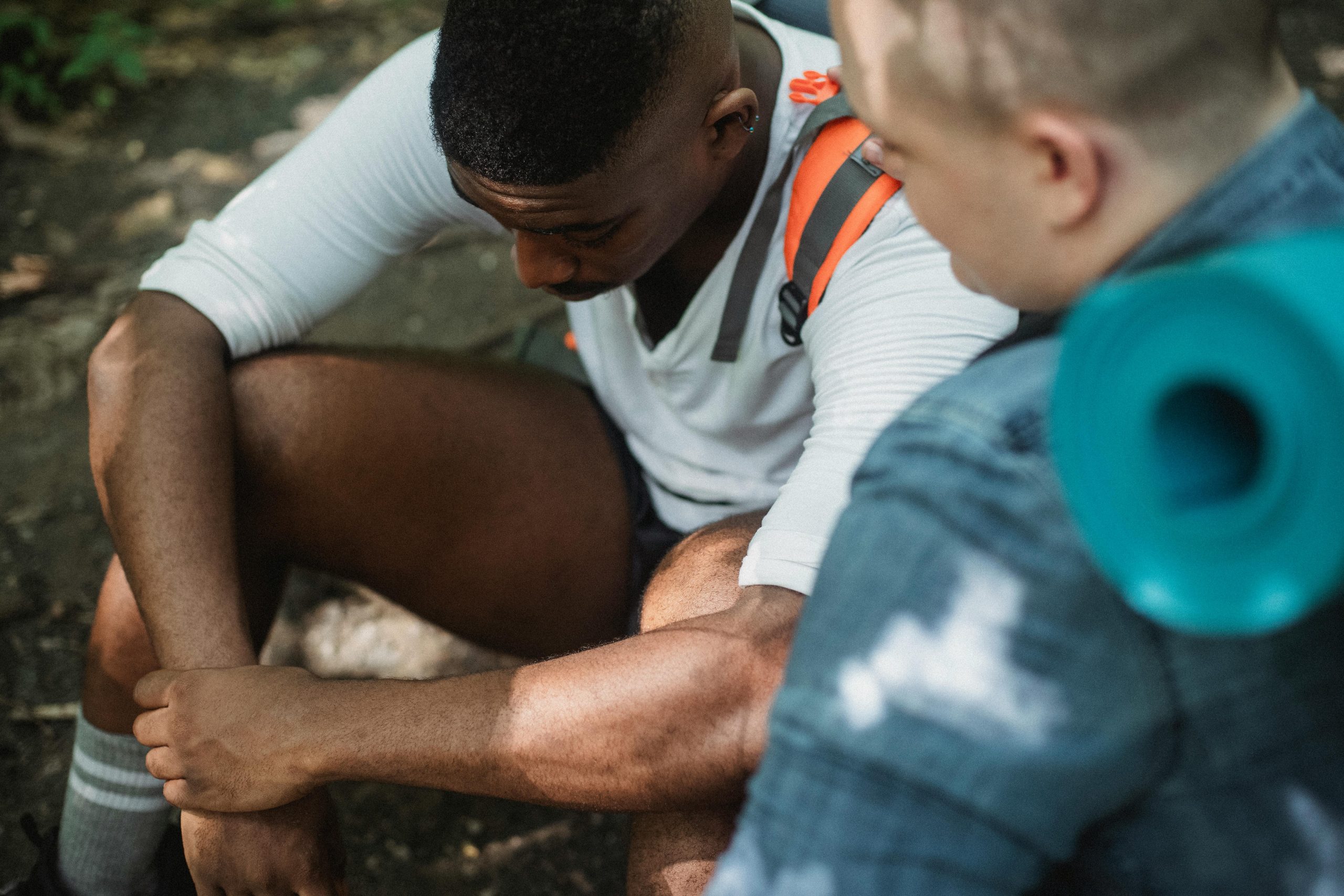
Mental fatigue discourages deliberate gear use. Decision making degrades over time. Small choices feel burdensome. People simplify behavior. Familiar actions dominate. New steps feel taxing. Even simple tools get ignored. Comfort overrides optimization. As exhaustion grows, intention fades. Outdoors, conserving mental energy often outweighs the perceived benefit of accessing equipment packed for thoughtful use. When tired, people choose the path of least resistance repeatedly, allowing well chosen tools to stay forgotten until trips end despite careful preparation and earlier intentions at home before departure during planning stages weeks earlier.