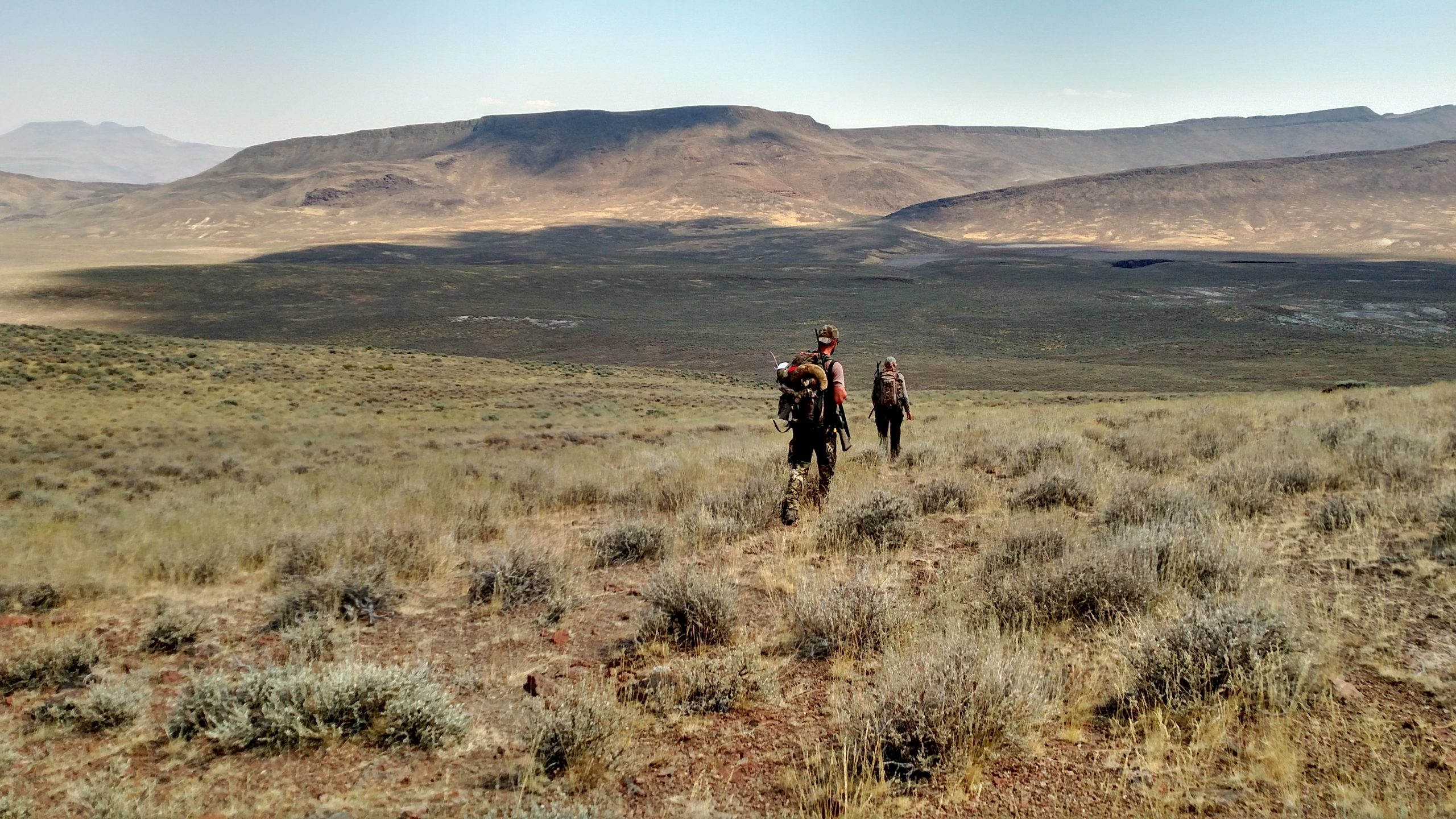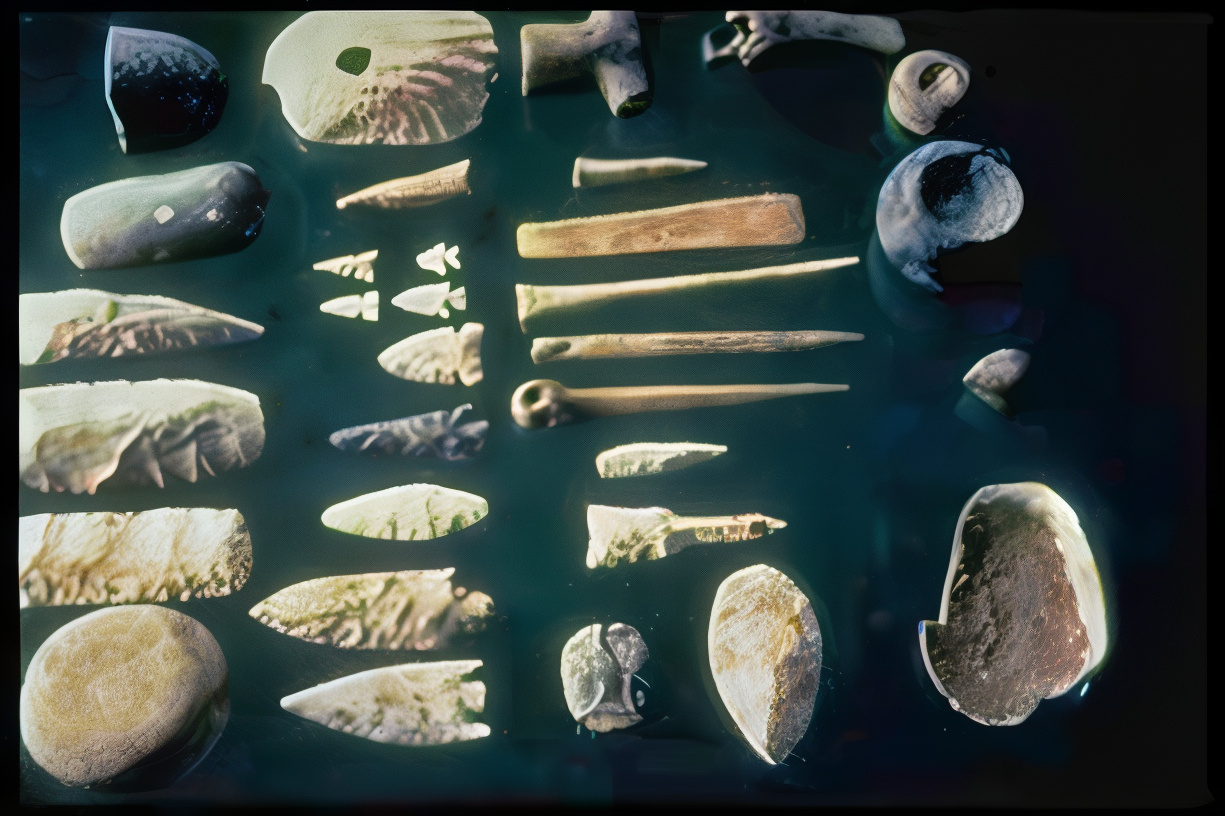
Desert landscapes appear empty, yet they offer materials capable of supporting human survival when knowledge replaces convenience. Long before modern equipment, Indigenous cultures and early travelers shaped tools directly from stone scattered across arid ground. These objects served hunting, cutting, fire making, and shelter tasks essential for endurance in harsh climates. Understanding what rocks can become matters when supplies fail or travel extends unexpectedly. This article explores seven primitive tools that can be crafted from desert stones, explaining their purpose and historical use while emphasizing respect for environment, safety awareness, and realistic expectations about limitations in survival situations.
Stone Knife or Cutter
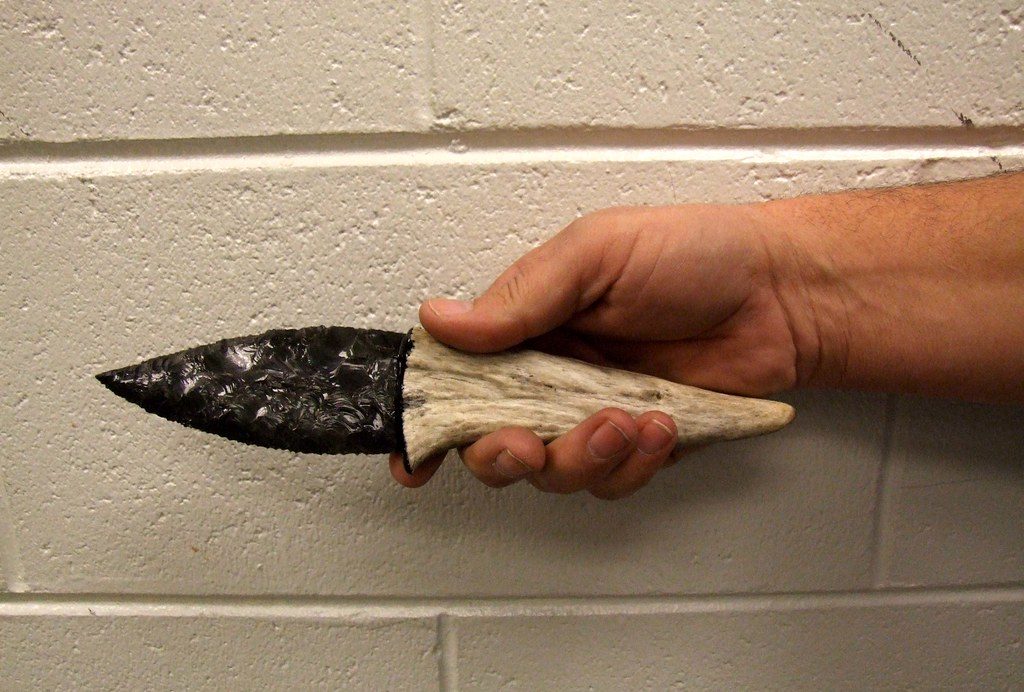
Sharp edged stones function as cutting tools when fractured correctly, creating usable blades for survival tasks. Obsidian, chert, and flint commonly found in desert regions fracture predictably and produce sharp edges. Such stone knives historically processed food, prepared hides, and shaped wood or bone. Their effectiveness depends on edge control rather than strength. These tools dull quickly and require careful handling to avoid injury. In survival contexts, stone cutters provide temporary utility, not precision or durability, reminding users that efficiency comes from technique and awareness rather than force or repeated heavy use under demanding desert conditions.
Stone Scraper
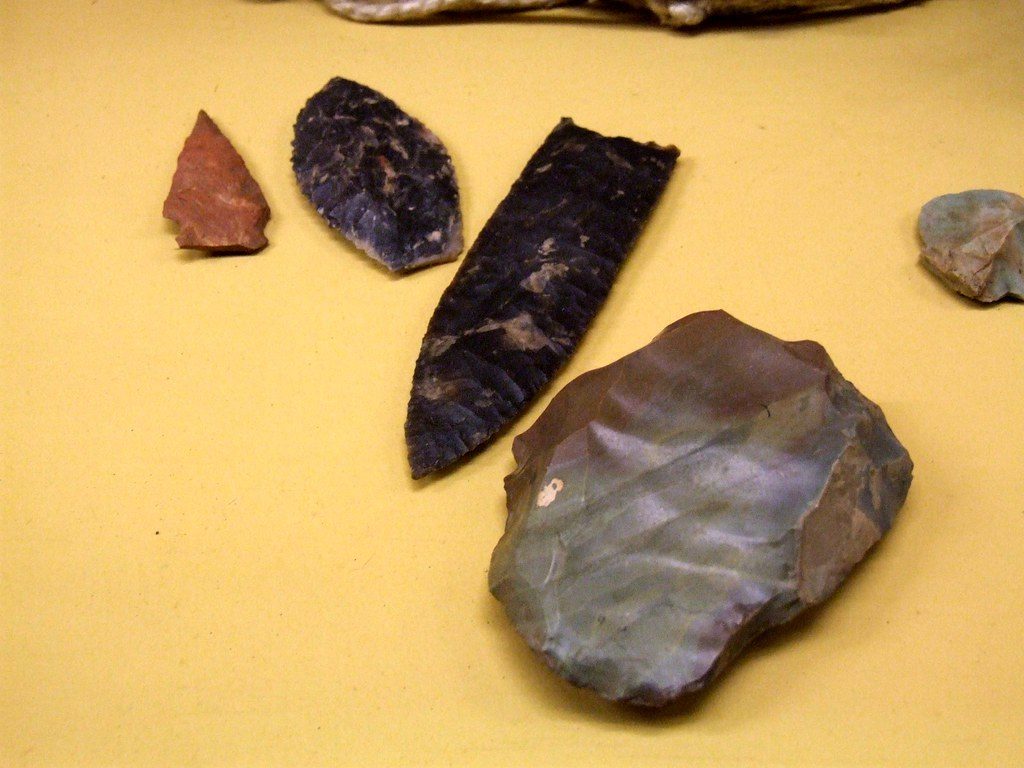
Stone scrapers rank among the oldest tools used by desert dwelling cultures for processing materials. Flat stones with carefully worked edges remove flesh from hides, clean plant fibers, and smooth wooden surfaces. In arid environments, scrapers helped prepare clothing and shelter components essential for temperature regulation. Their design favors control and leverage over sharpness. Scrapers reduce waste by maximizing usable material from limited resources. While simple in form, they require patience and practice. As survival tools, stone scrapers support long term sustainability rather than immediate rescue or rapid construction during extended desert living scenarios periods.
Hammerstone
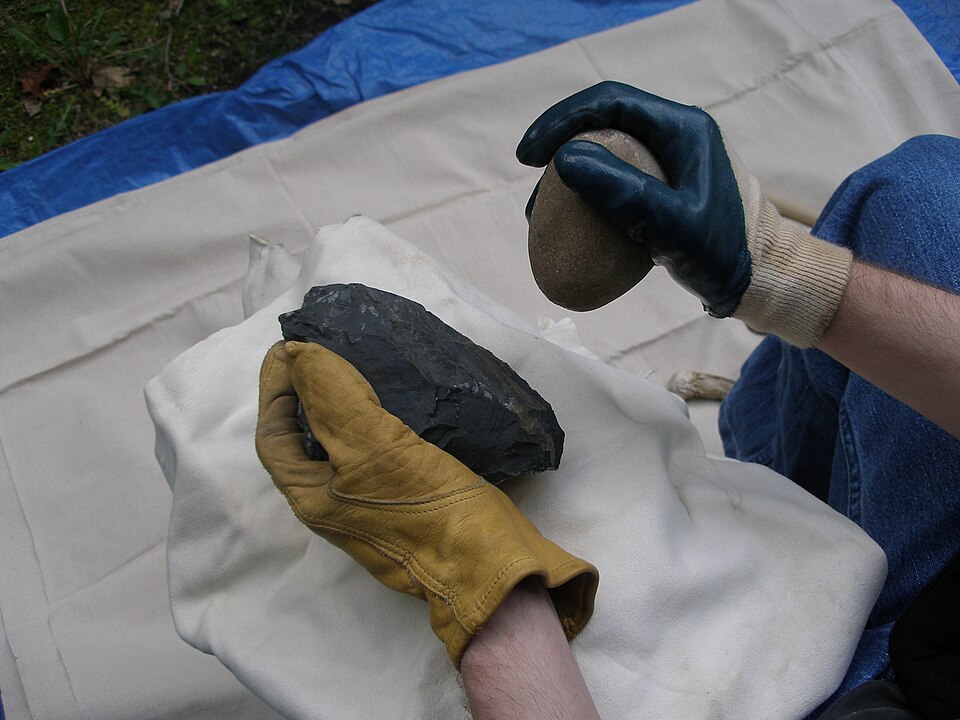
Hammerstones serve as multipurpose tools created from rounded, dense rocks found across desert floors. Their weight and durability make them useful for cracking bones, opening nuts, and shaping other stone tools. Archaeological evidence shows hammerstones formed the foundation of early toolmaking traditions worldwide. Selection depends on comfortable grip and resistance to fracturing. Overuse can cause hand fatigue or accidental breakage. In survival settings, hammerstones extend the usefulness of surrounding materials rather than acting alone. They function best as supportive tools that enable other primitive implements to exist within resource limited desert environments during prolonged emergencies.
Fire Striking Stone
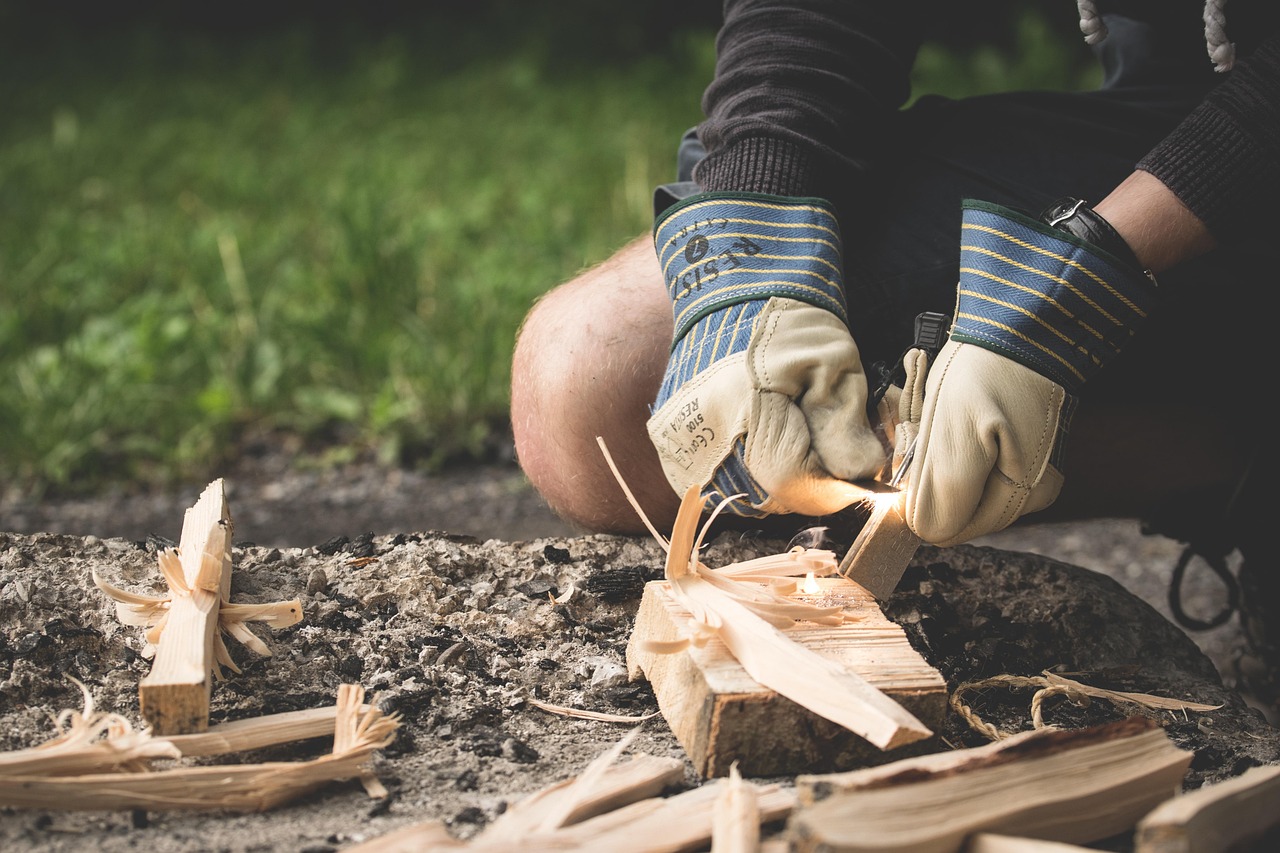
Certain desert stones can generate sparks when struck against steel or other hard minerals. Quartz rich rocks historically supported fire starting when paired with suitable tinder. Fire remains critical for warmth, cooking, signaling, and psychological stability in survival situations. Stone based fire striking requires knowledge of angles and materials rather than strength. Not all rocks produce sparks, making identification essential. These stones do not replace modern lighters but offer backup capability. In desert survival, fire striking stones represent resilience through understanding natural properties rather than reliance on manufactured gear during unexpected equipment failures in wilderness.
Grinding Stone
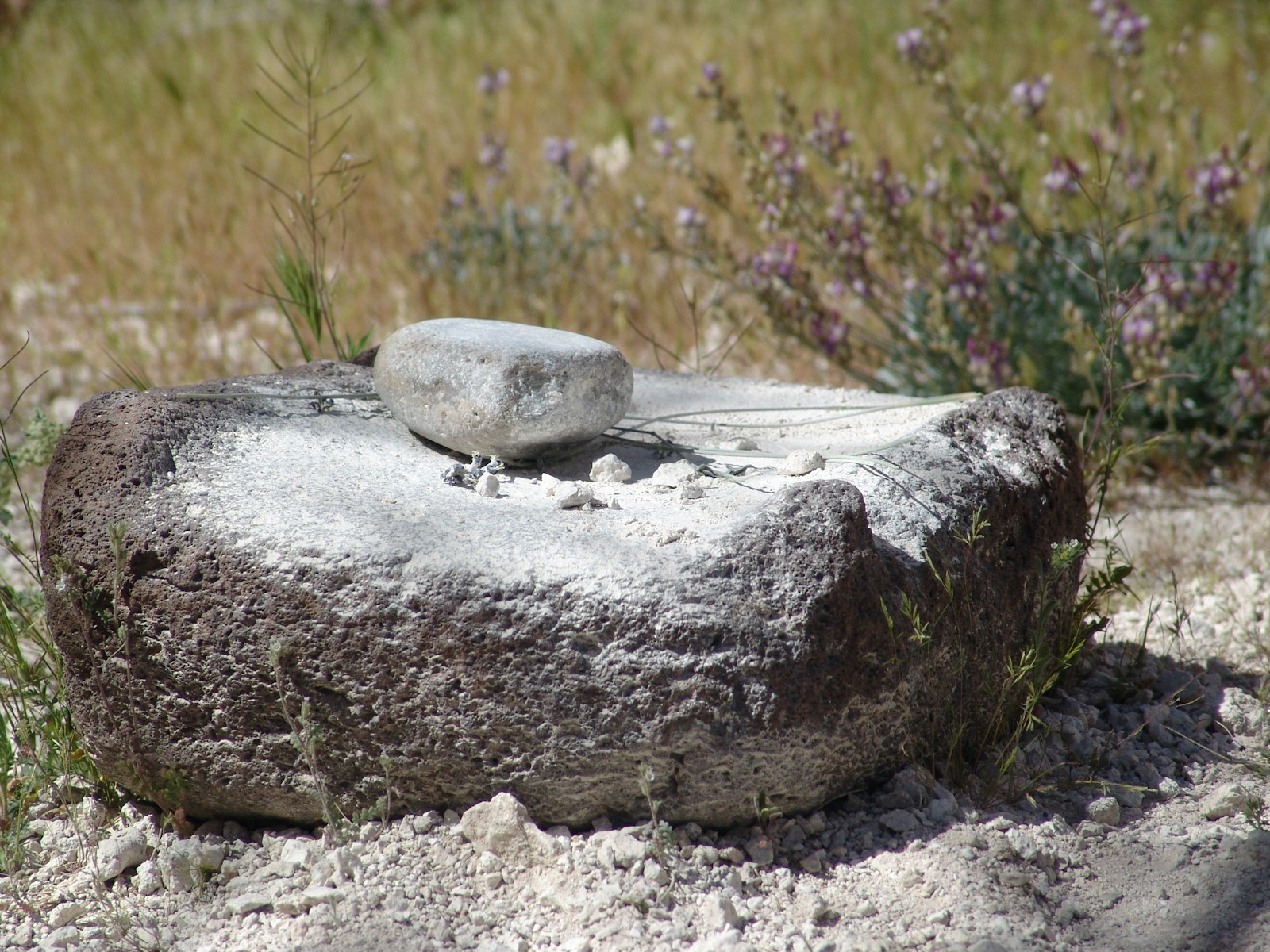
Grinding stones consist of flat or concave rocks used to crush seeds, roots, and minerals. Desert cultures relied on them to process tough plant foods into digestible forms. This tool supports nutrition when hunting proves unreliable. Grinding requires time and energy, emphasizing efficiency and caloric planning. The stone surface gradually smooths with use, improving performance. In survival contexts, grinding stones encourage use of available plant resources rather than dependence on meat alone. Their presence reflects adaptation to scarcity and the importance of preparation over immediacy in arid environments with limited external supplies and prolonged isolation.
Stone Point or Spear Tip
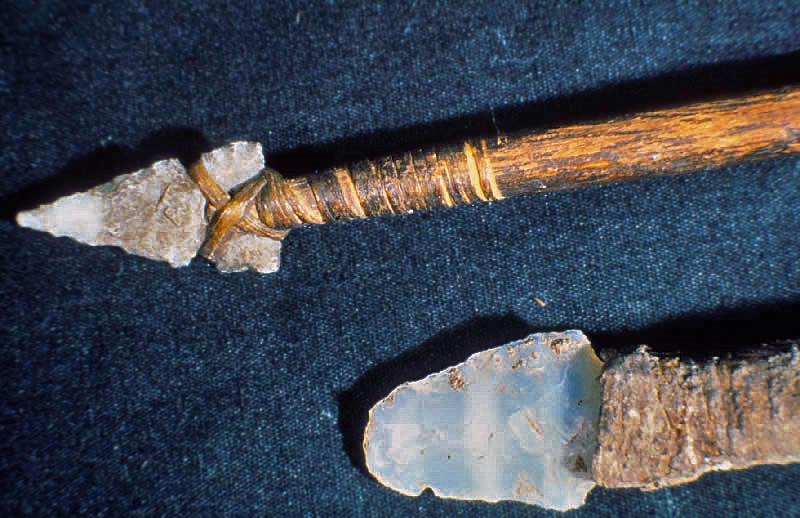
Stone points crafted from sharp flakes served as spear tips or arrowheads across desert regions. These tools improved hunting efficiency by extending reach and penetration. Historical evidence shows widespread use among nomadic societies adapting to scarce resources. Crafting points requires precision and understanding fracture patterns. Poorly shaped points break easily or cause injury. In survival use, stone points support small game hunting rather than large prey pursuits. Their effectiveness relies on placement and patience. Stone points illustrate how simple materials enhance capability when skill compensates for technological absence during extended desert survival scenarios without tools.
Stone Shelter Anchor
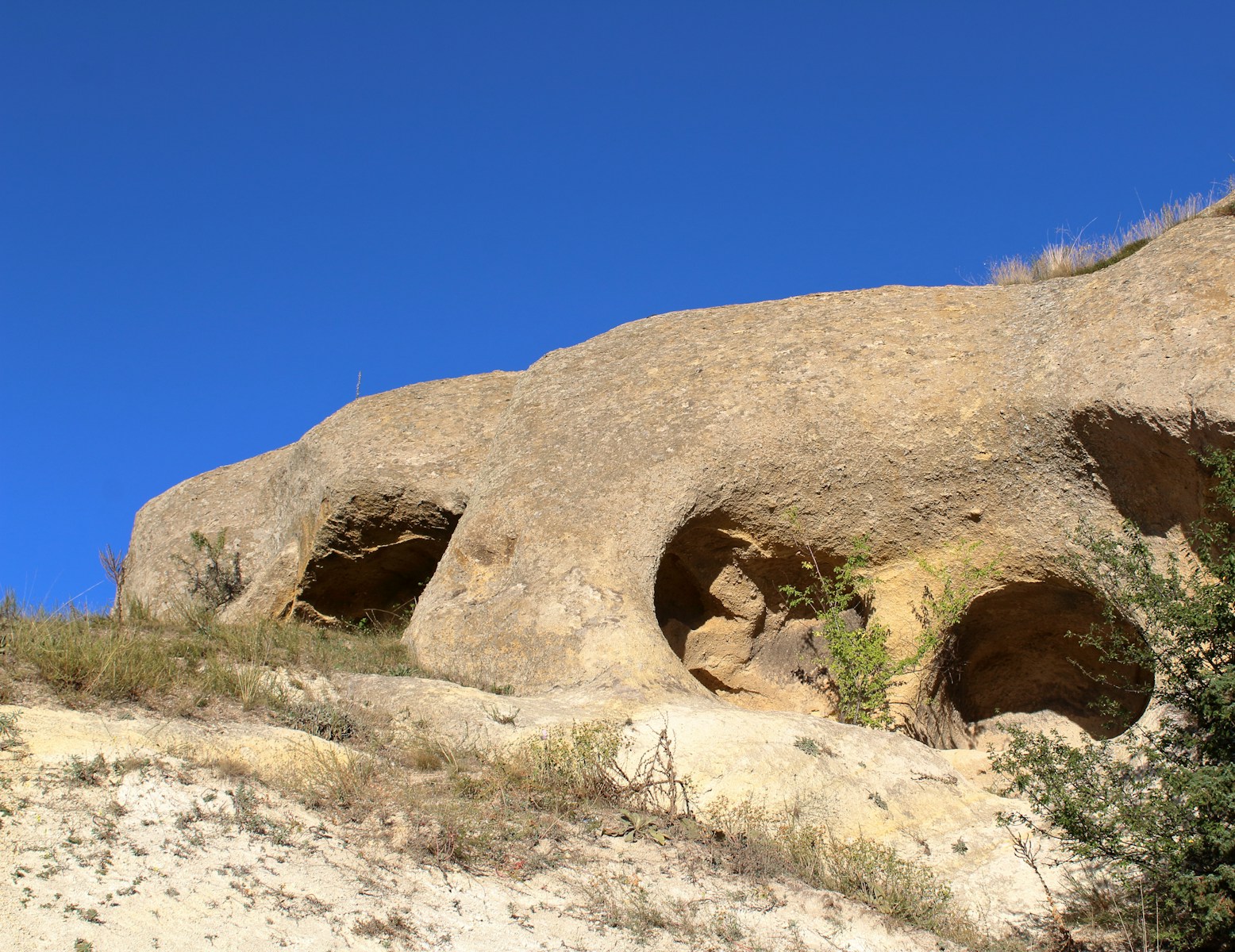
Heavy stones function as anchors for shelters in desert survival situations. Rocks secure tarps, brush, or natural coverings against wind without requiring cordage. This method reflects traditional desert shelter construction where materials remain scarce. Anchor stones provide stability while minimizing environmental impact. Selection favors weight and shape over sharpness. Improper placement reduces effectiveness and safety. In survival conditions, stone anchors support rest and protection rather than mobility. Their value lies in passive reliability, allowing energy conservation during extreme heat, cold nights, and prolonged exposure common in desert environments when resources remain limited for extended periods.