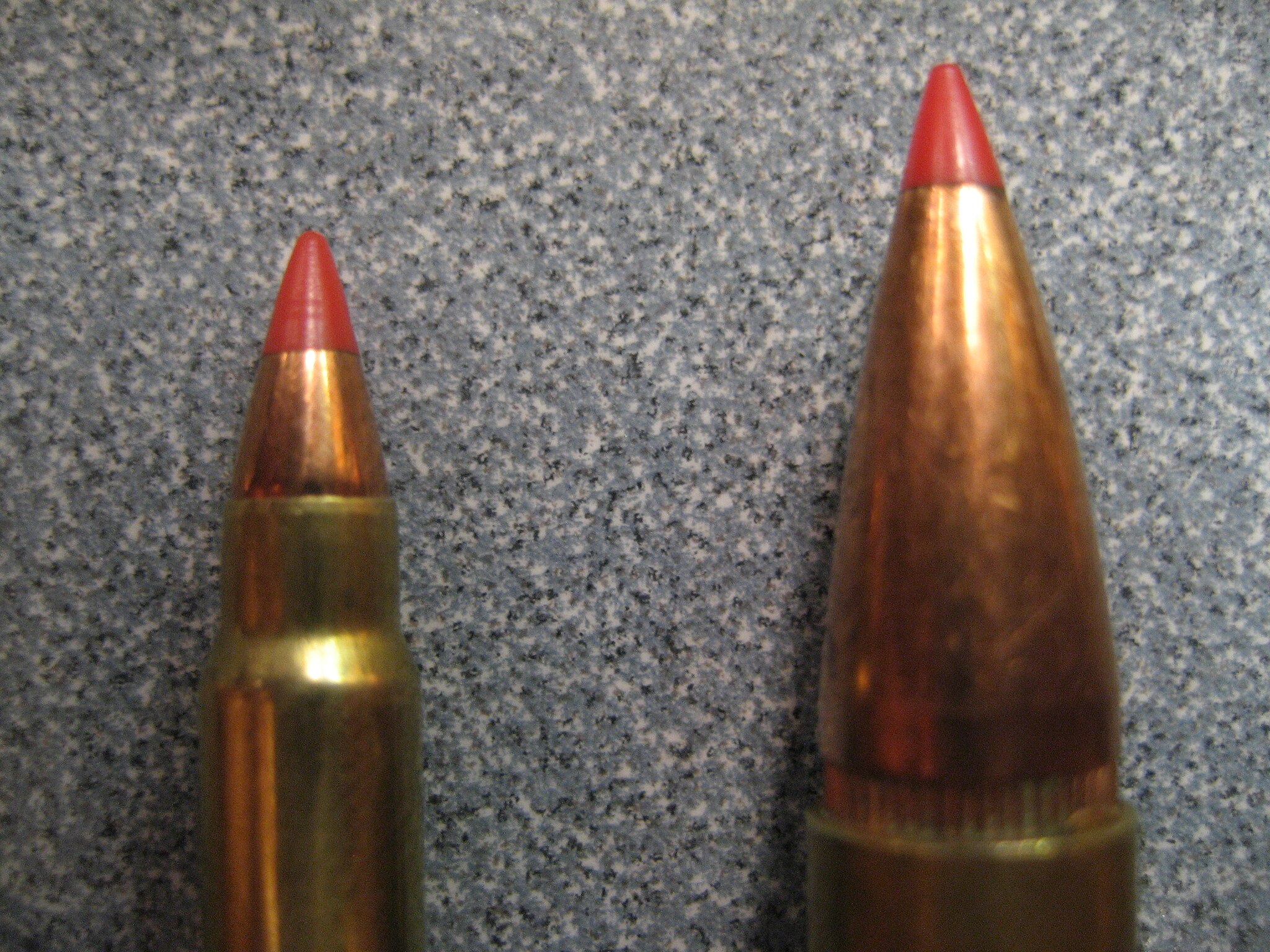
Many rifle cartridges gain popularity because they are affordable, easy to shoot, and effective for small to medium game. Over time, some develop reputations that stretch beyond their real capabilities. When hunters attempt to scale these cartridges up to large animals, limitations in energy, penetration, and bullet construction become clear. Ethical hunting demands proper cartridge selection based on the animal, distance, and conditions. This list explores widely used rifle cartridges that perform well in their intended roles but fall short when applied to big game. Understanding these limits protects both the hunter and the animal.
1. .223 Remington
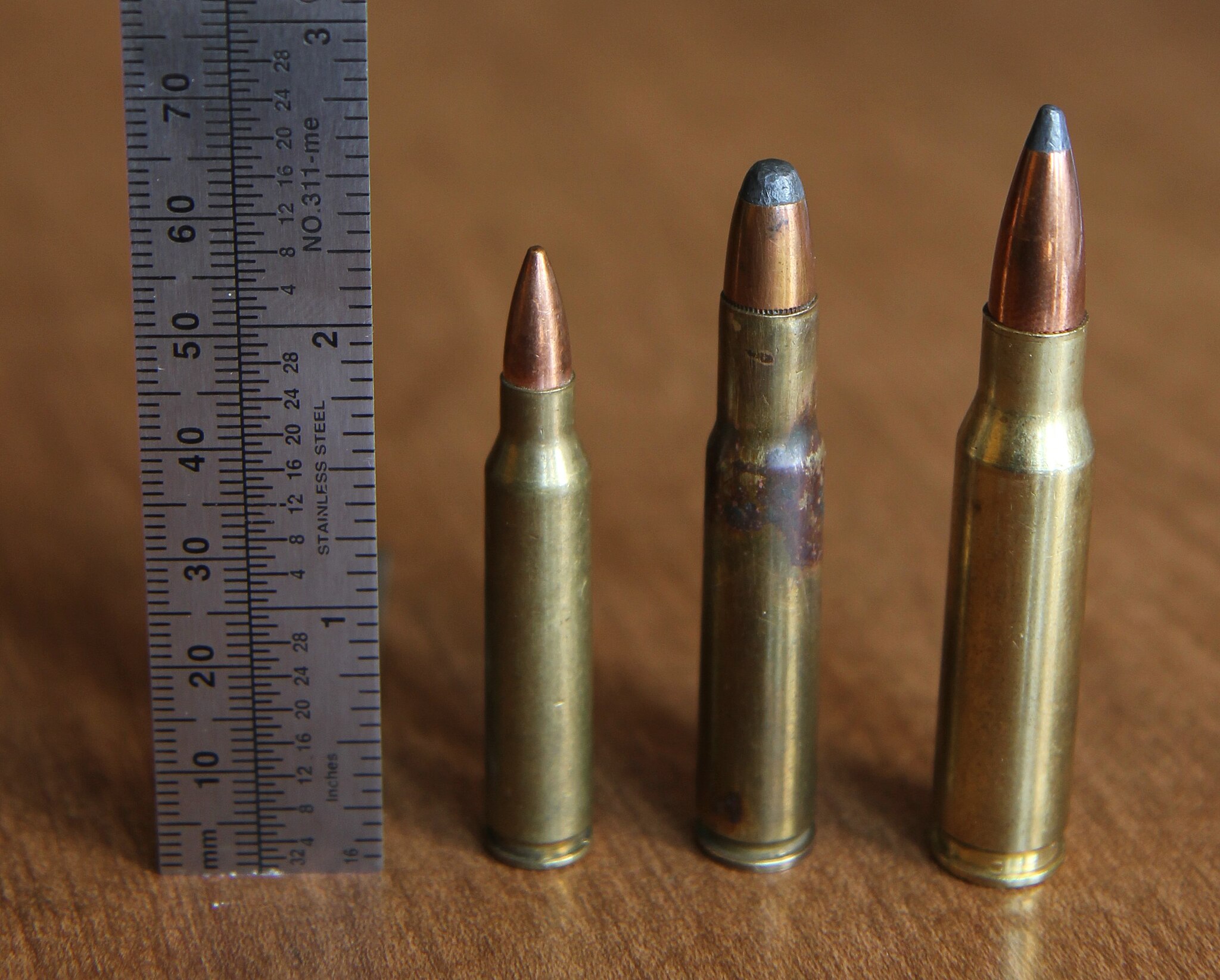
The .223 Remington is lightweight, fast, and extremely popular. It excels in varmint hunting and target shooting, offering low recoil and flat trajectories. However, its small bullet diameter and limited energy restrict its effectiveness on big game. While precise shot placement can achieve results on smaller deer in ideal conditions, margins are slim. Penetration through thick bone or heavy muscle is unreliable. Wind drift also becomes a factor at longer distances. The .223 was designed for speed, not mass. When scaled up to large animals, it lacks the power needed for consistent, ethical harvests.
2. .22-250 Remington
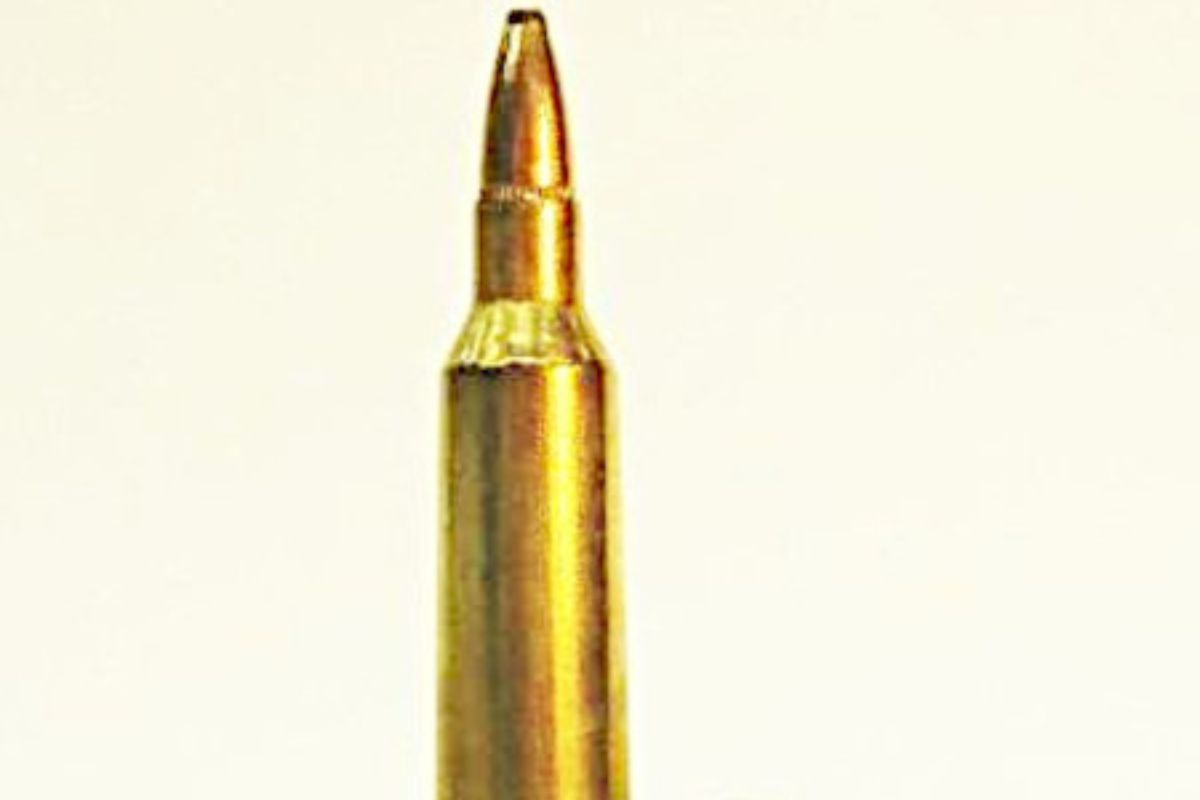
Known for blistering velocity, the .22-250 Remington dominates open fields when hunting varmints. Its explosive impact on small targets is visually impressive. That same trait becomes a liability on big game. Lightweight bullets often fragment too quickly, failing to reach vital organs. Energy drops rapidly beyond moderate distances. Even with controlled-expansion bullets, penetration remains limited. The cartridge shines on coyotes and ground-dwelling pests, not thick-skinned animals. Attempting to stretch its role increases wounding risk. The .22-250 rewards precision on small game but does not carry the mass required for larger animals.
3. .204 Ruger
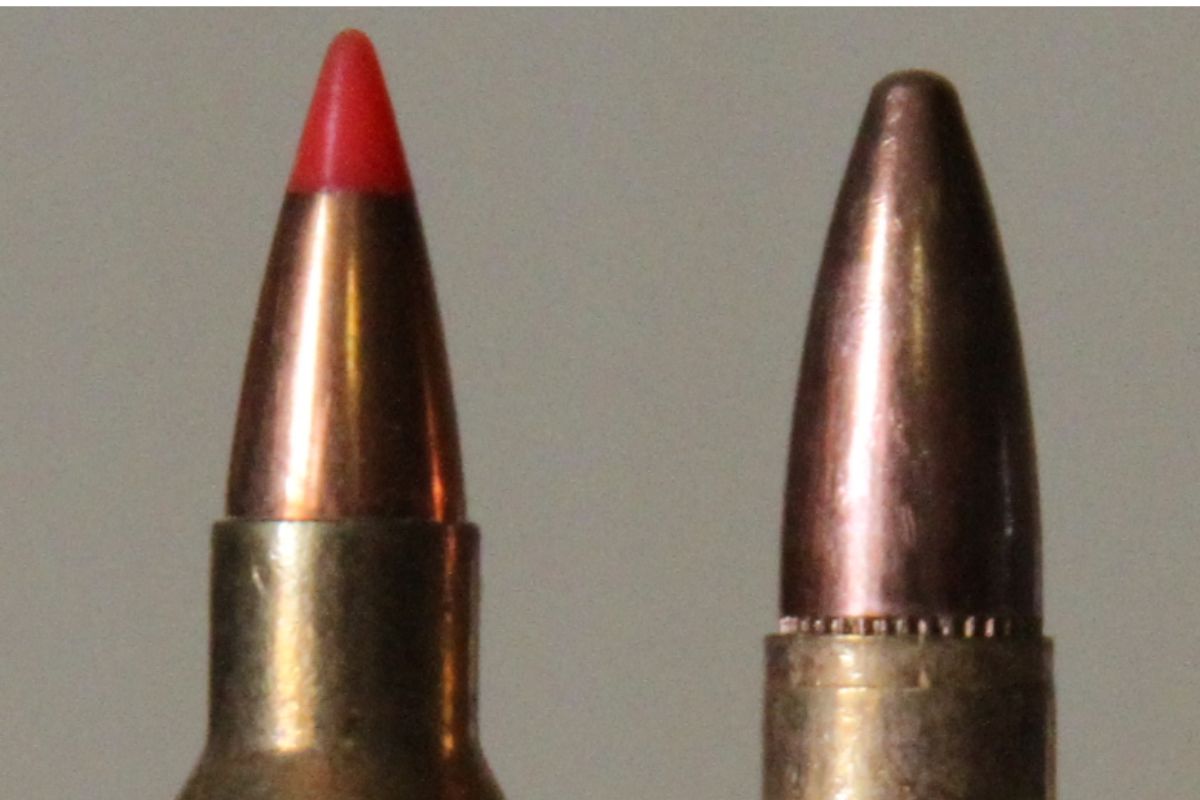
The .204 Ruger looks powerful on paper, boasting extreme velocity and laser-like accuracy. Its small caliber produces minimal recoil and dramatic visual impact on small targets. Unfortunately, its ultra-light bullets lack the sectional density needed for deep penetration. Big game requires controlled energy transfer and reliable reach to vital organs. The .204 Ruger struggles in this area. Wind drift also affects its lightweight projectiles more than expected. While excellent for prairie dogs and foxes, it was never designed for animals with thick muscle or bone. Scaling it up sacrifices ethics for novelty.
4. .243 Winchester
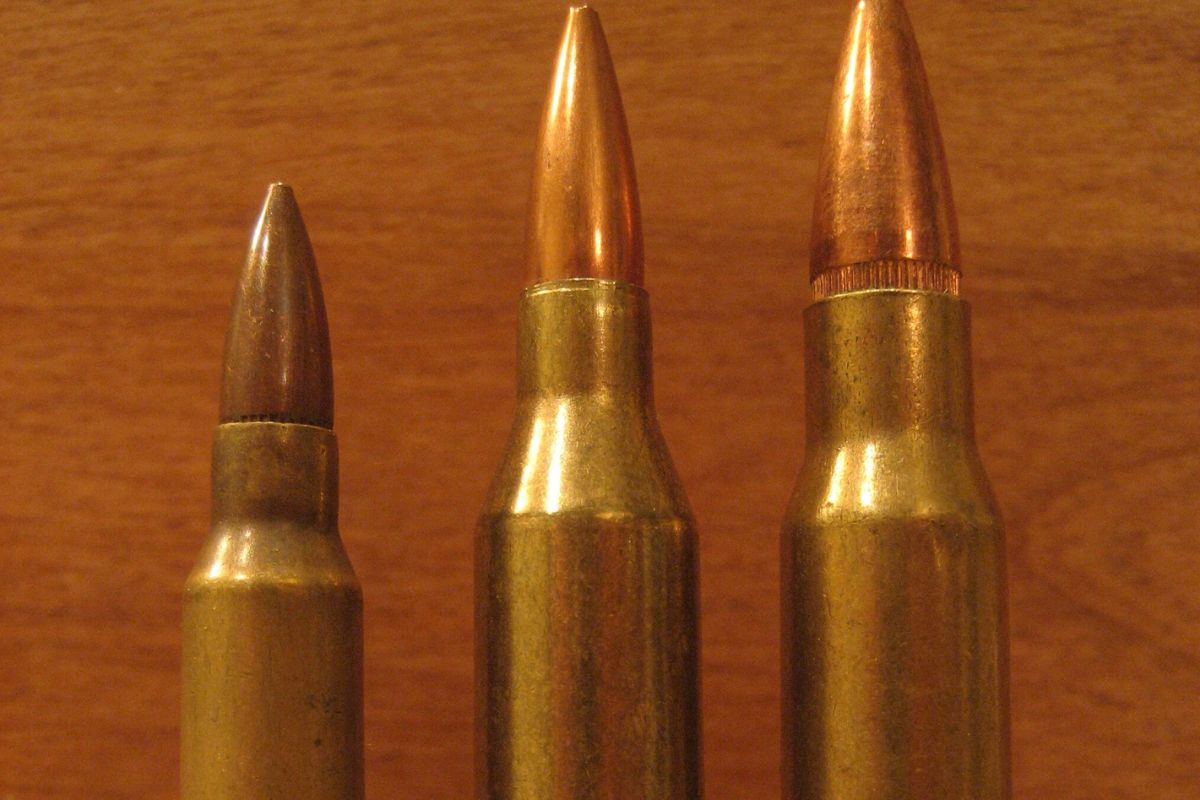
The .243 Winchester sits at the edge of acceptable big game cartridges. It performs well on deer-sized animals with proper bullets and careful placement. Problems arise when hunters attempt to push it further. Limited bullet weight restricts penetration on large-bodied animals. Heavy bone and steep angles reduce effectiveness quickly. While recoil remains mild and accuracy is excellent, the cartridge leaves little room for error. Visual calm shooting conditions often hide its narrow performance window. The .243 is a precision tool, not a powerhouse. It excels when used responsibly but does not scale comfortably beyond medium game.
5. 5.45×39mm
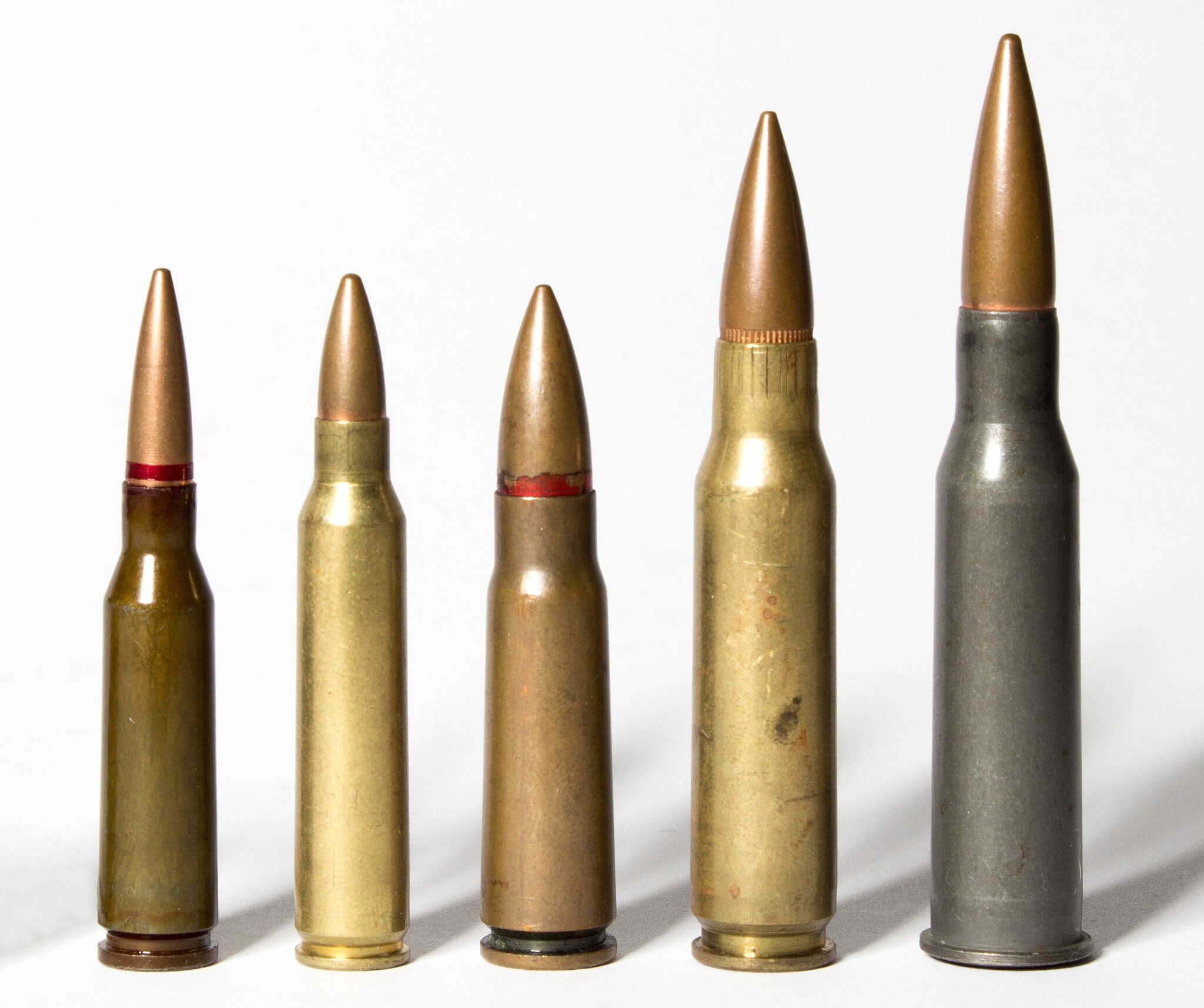
Often compared to the .223, the 5.45×39mm gained fame through military use. Its lightweight projectile and moderate velocity make it easy to shoot. In hunting contexts, it struggles. Bullet options are limited, and many loads prioritize yaw over controlled expansion. Penetration varies widely depending on impact speed. On a big game, this inconsistency becomes dangerous. Energy levels drop fast at a distance. The cartridge performs best on paper targets and small animals. While visually similar to more capable rounds, its design intent limits its ethical use when scaled to larger species.
6. .224 Valkyrie
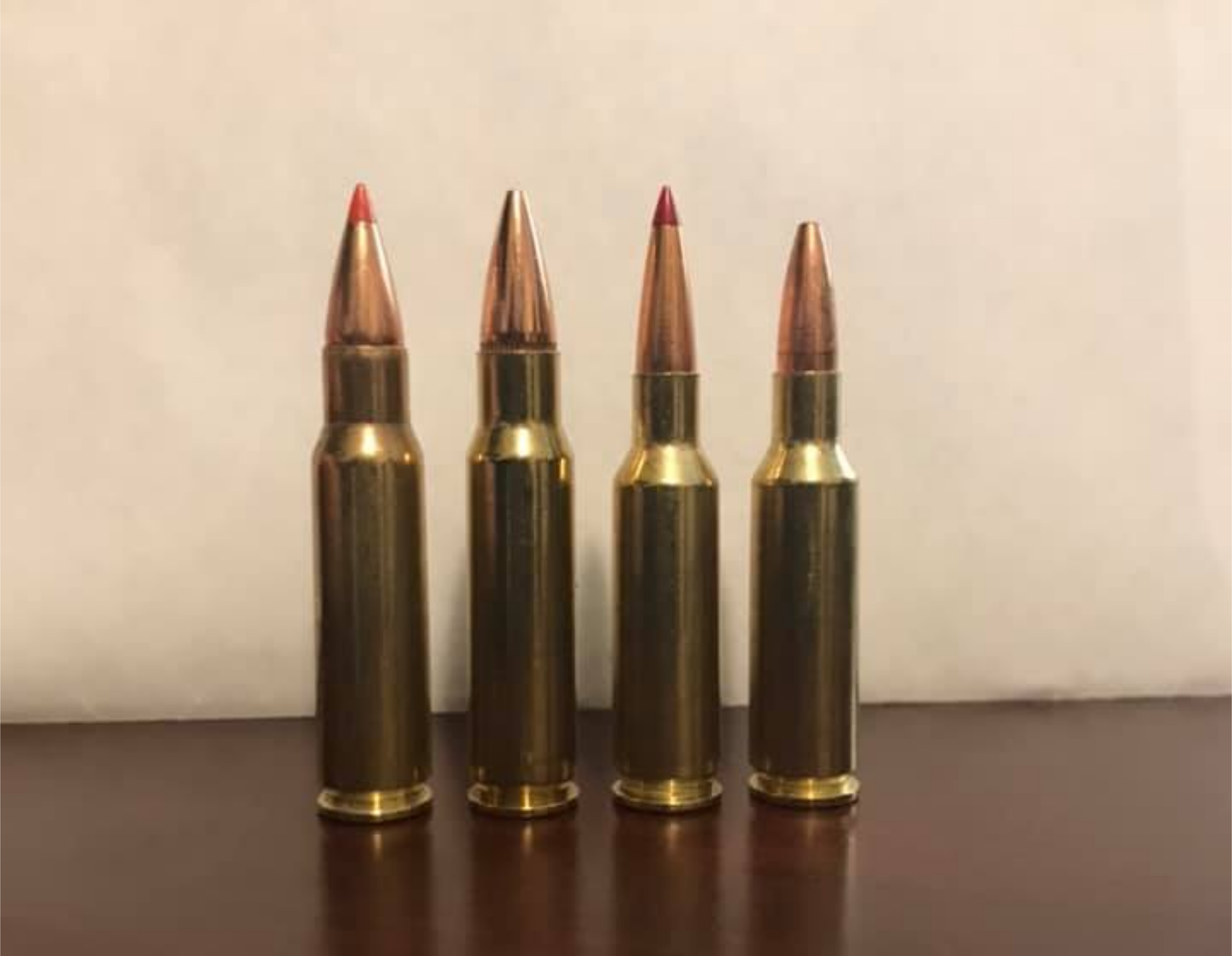
The .224 Valkyrie was built for long-range target shooting, not hunting heavy animals. It offers excellent ballistic coefficients and impressive accuracy. Despite this, bullet diameter and weight remain small. Energy retention improves over distance, but terminal performance does not match true big game cartridges. Expansion can be unpredictable on thick tissue. The round shines on steel targets and medium varmints. Visual confidence at long range often masks its real limitations. When applied to large animals, penetration margins remain thin. The Valkyrie rewards precision shooting but lacks the physical authority required for big game hunting.
7. .17 HMR
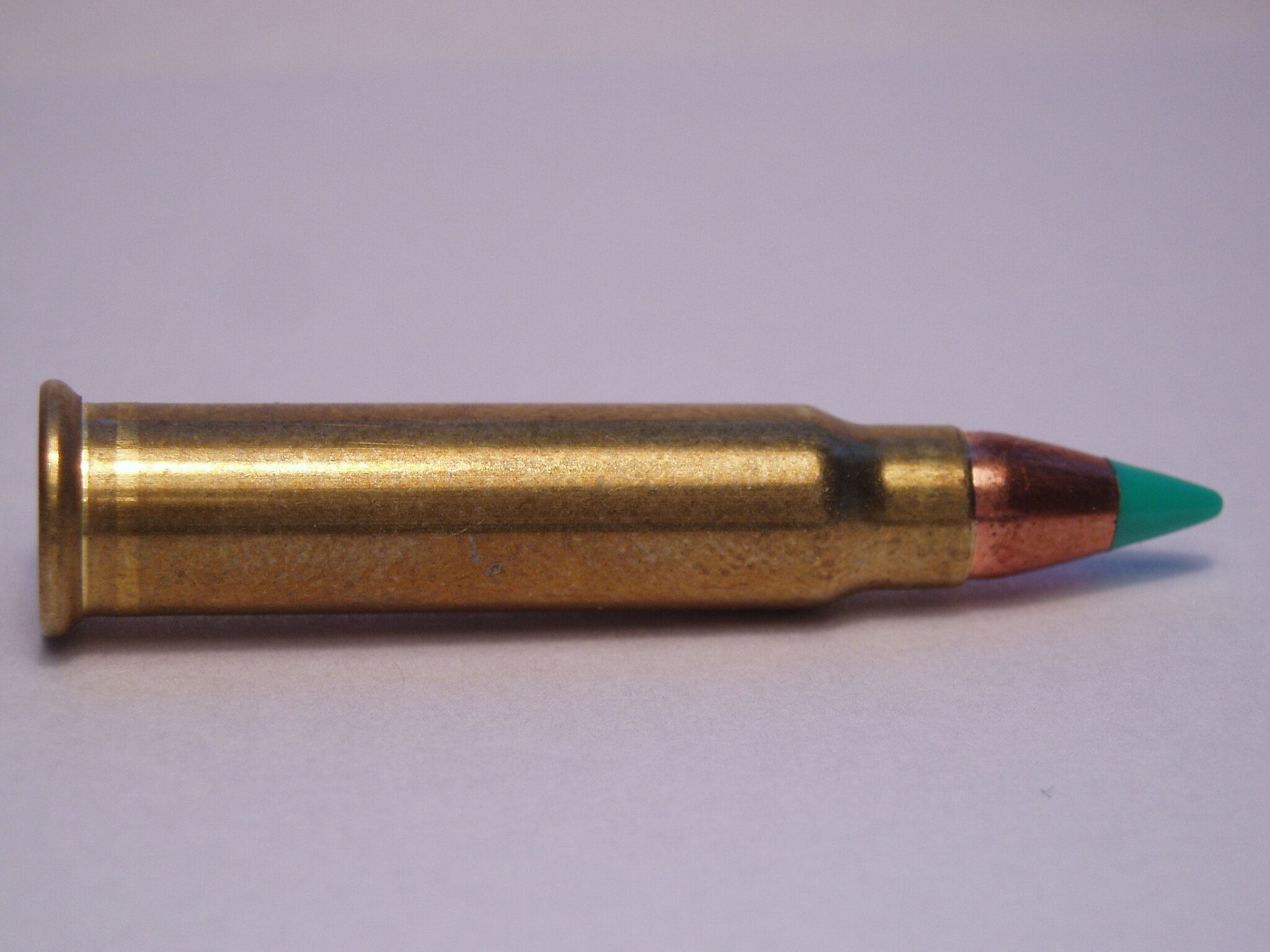
The .17 HMR is visually deceptive. Its speed and accuracy create an illusion of power. In reality, it is a rimfire cartridge designed for small game and pest control. Its tiny bullets fragment instantly and lack meaningful penetration. Even small-bodied animals require perfect conditions. On big game, the cartridge is completely unsuitable. Wind drift dramatically affects its lightweight projectile. The visual sharpness of impact hides how quickly energy disappears. The .17 HMR excels within its niche. Attempting to scale it up is not only ineffective but deeply unethical.