Many outdoor enthusiasts pack their bags with 7 pieces of “must-have” gear that backfire in the wild unexpectedly. Marketing campaigns often convince novice hikers that complex gadgets remain essential for survival during simple camping trips. However, experienced guides know that relying on flashy equipment frequently leads to dangerous situations when technology fails. Simple tools usually outperform expensive novelties when the weather turns bad or batteries die. This guide identifies specific items that add unnecessary weight and false confidence to a backpack. Avoiding these common traps helps adventurers stay safe and travel lighter on the trail.
Snake Bite Kits
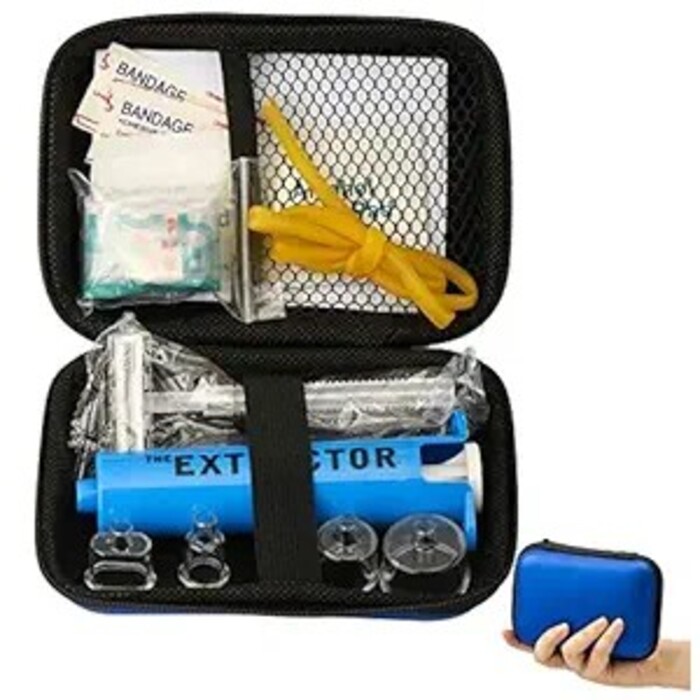
Commercial snake bite kits remain a popular purchase despite medical professionals universally advising against their use in emergencies. These suction devices fail to remove venom effectively and often cause significant tissue damage to the wound area. Cutting the skin or applying a tourniquet concentrates the toxin and accelerates local necrosis rather than helping the victim. Modern protocols strictly recommend keeping the patient calm and seeking immediate hospital transport rather than attempting field surgery. Carrying this outdated equipment wastes valuable space and encourages dangerous interventions that complicate medical treatment later. It offers a dangerous placebo effect.
Solar Powered Phone Chargers
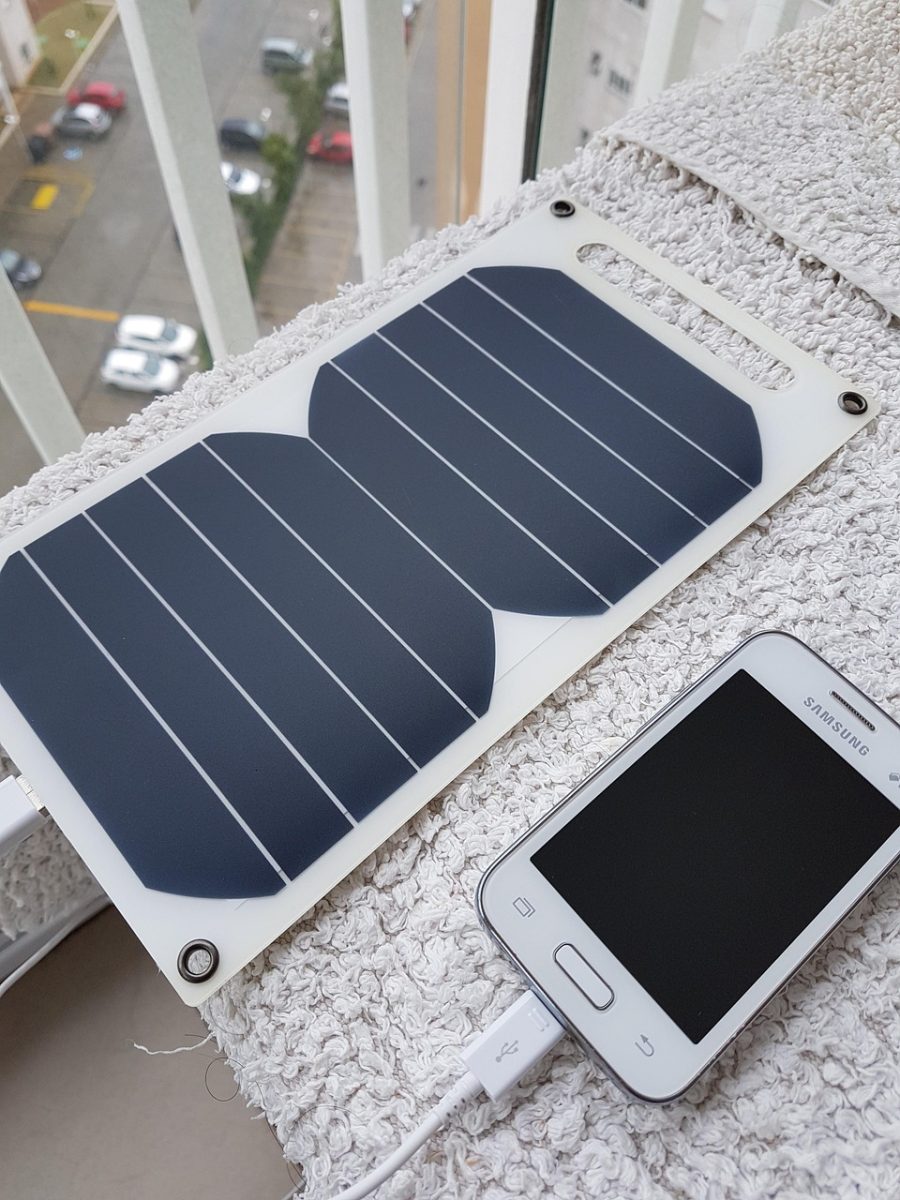
Hikers often clip small solar panels to their packs, hoping for limitless energy while trekking through the wilderness. In reality, these portable units rarely generate enough power to charge a modern smartphone during a standard day. Shifting shadows and cloud cover interrupt the charging cycle constantly, which drains the battery rather than filling it. The panels are also heavy and fragile compared to a simple portable power bank that works instantly. Relying on the sun for critical navigation or communication needs creates a significant risk if the weather turns overcast. A battery pack remains far superior.
Survival Knives With Hollow Handles
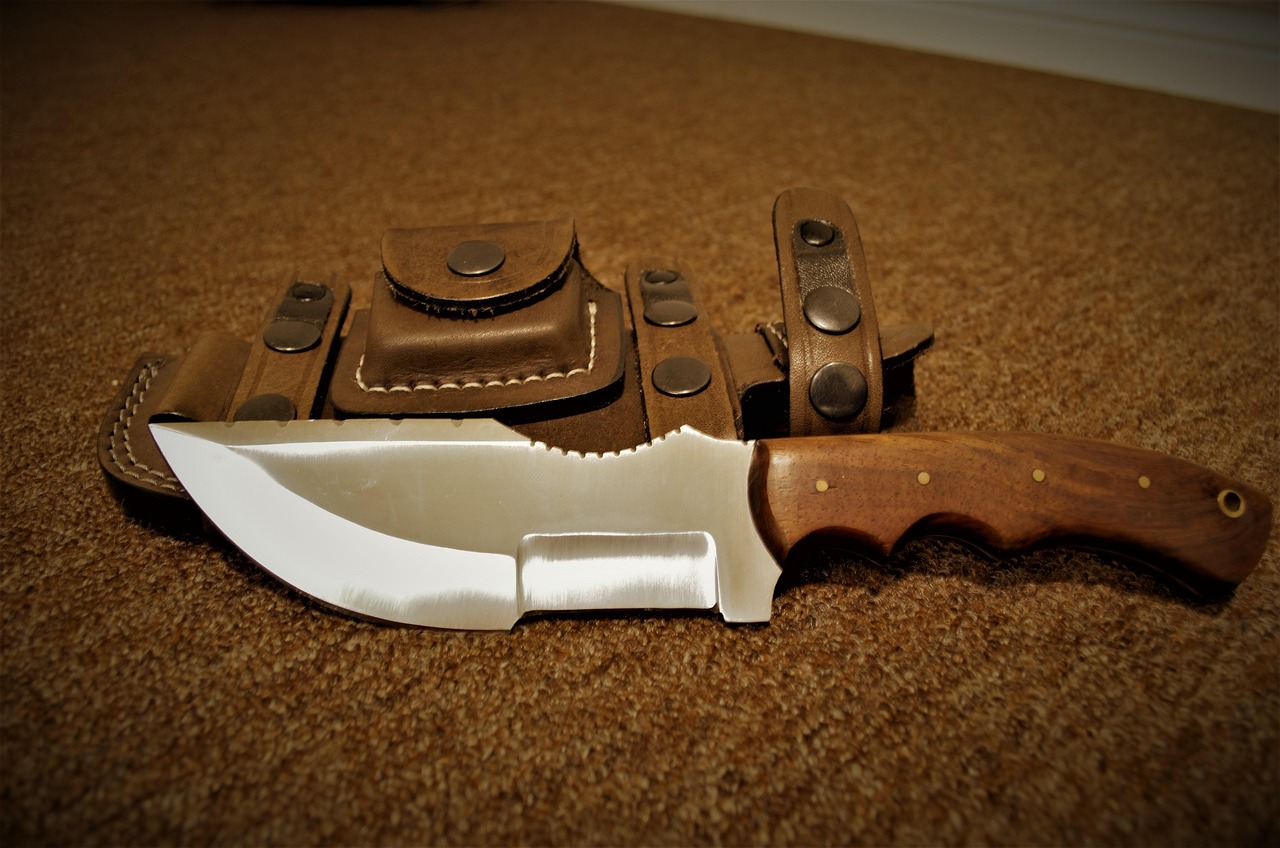
Hollywood movies popularized massive survival knives featuring hollow handles filled with matches and fishing line for emergencies. While the concept seems clever, the structural integrity of the blade suffers significantly due to the lack of a full tang. The blade often separates from the handle during heavy tasks like chopping wood or batoning branches for shelter. A broken knife renders the tool completely useless and leaves the user without a primary cutting instrument. Experienced bushcrafters always prioritize a solid fixed blade knife that extends through the handle for durability. Reliability matters more than hidden storage compartments.
Cotton Clothing
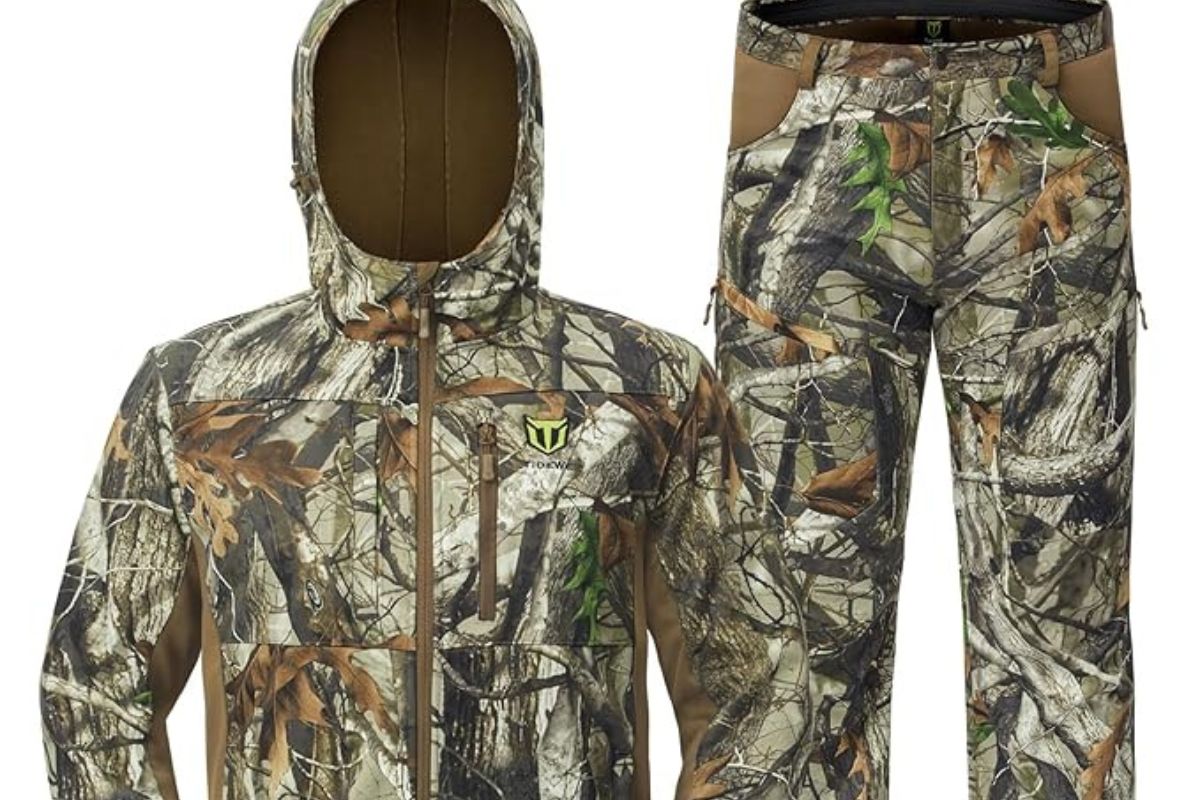
Cotton clothing feels comfortable at home but poses a severe hypothermia risk when worn in unpredictable outdoor environments. The fabric absorbs moisture rapidly and loses all insulating properties once it becomes wet from sweat or rain. Wet cotton clings to the skin and sucks body heat away twenty-five times faster than air does. Synthetic materials or merino wool wick moisture away and keep the user warm even when damp. Wearing jeans or cotton t-shirts in the backcountry is a rookie mistake that can turn a chilly evening into a medical emergency. Proper layering requires technical fabrics.
Wire Saws
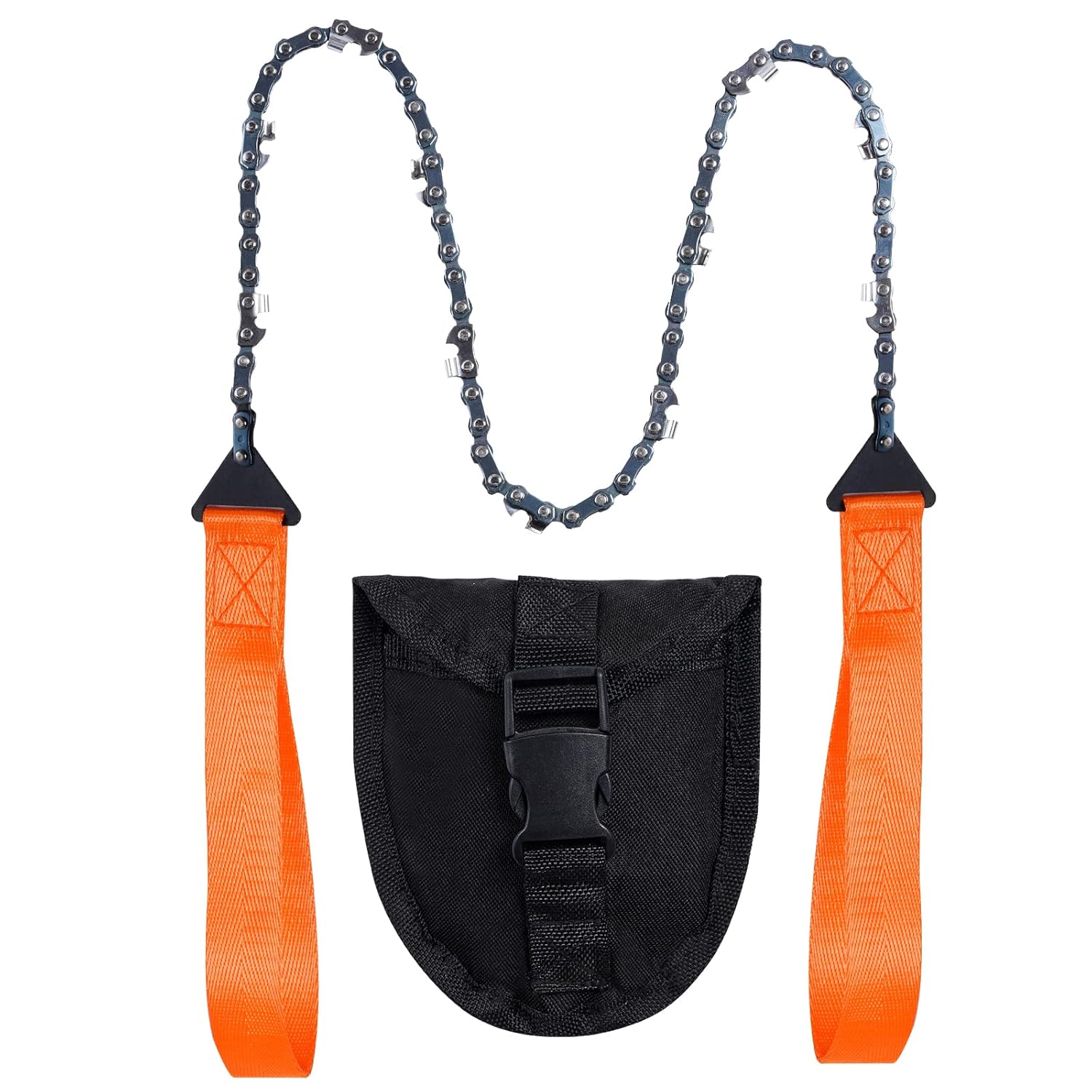
Minimalist survival kits frequently include flimsy wire saws that promise to cut through thick logs with ease. These thin strands of metal typically snap under tension or get stuck deep inside the wood during use. The finger loops cut into the hands painfully and make applying the necessary force nearly impossible for sustained cutting. A folding saw with a sturdy blade weighs slightly more, but it actually functions when processing firewood is necessary. Relying on a wire saw for building a shelter often results in frustration and broken equipment. Real tools are required for processing heavy timber safely.
Large First Aid Kits
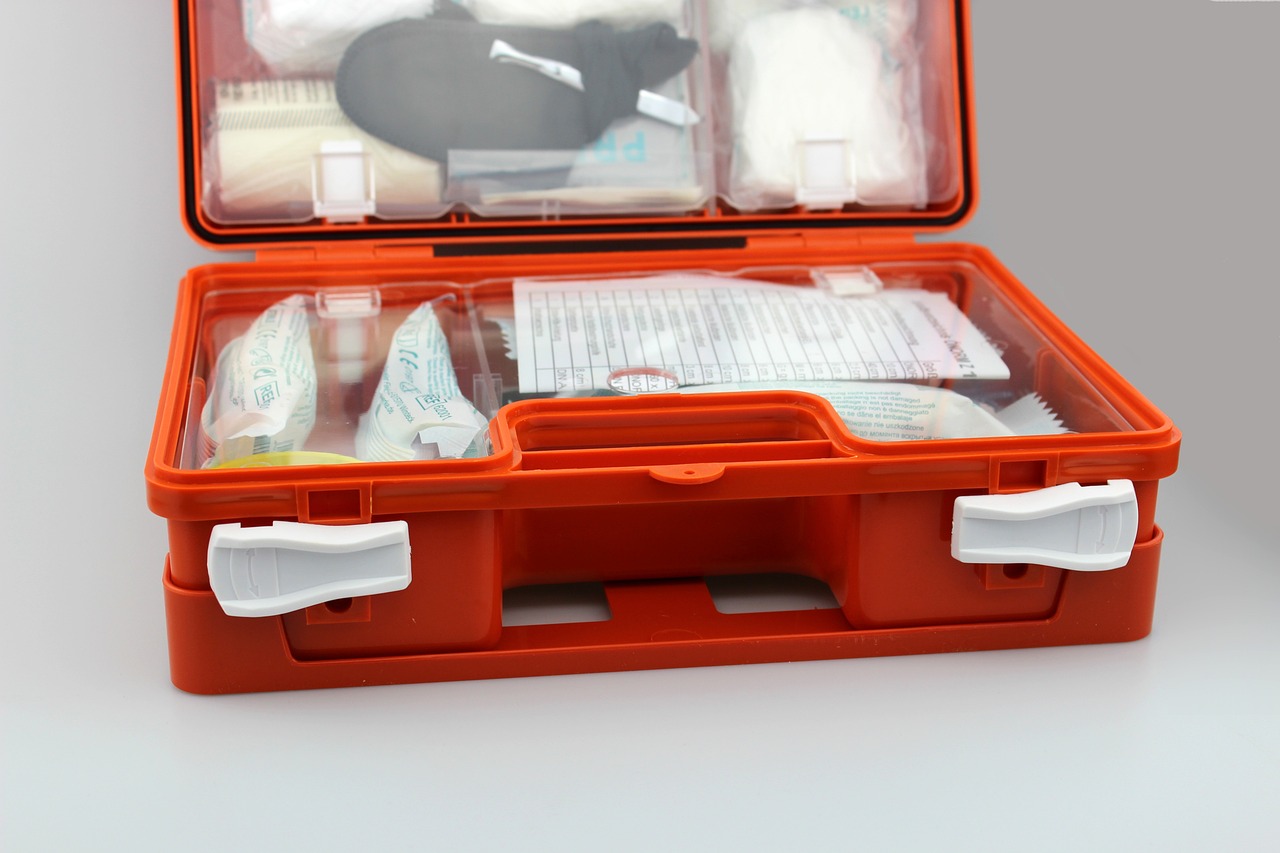
Prepackaged first aid kits sold at big box stores often contain hundreds of low-quality items that hikers never use. They are filled with cheap adhesive bandages and unnecessary creams that add bulk without offering real trauma solutions. Carrying a massive red box takes up critical space that could be used for water or extra insulation layers. Experienced medical responders recommend building a custom kit tailored to specific trip risks and personal knowledge. Carrying equipment that the user does not know how to use provides zero benefit during an accident. Streamlined and high-quality supplies are essential.
Laser Sights
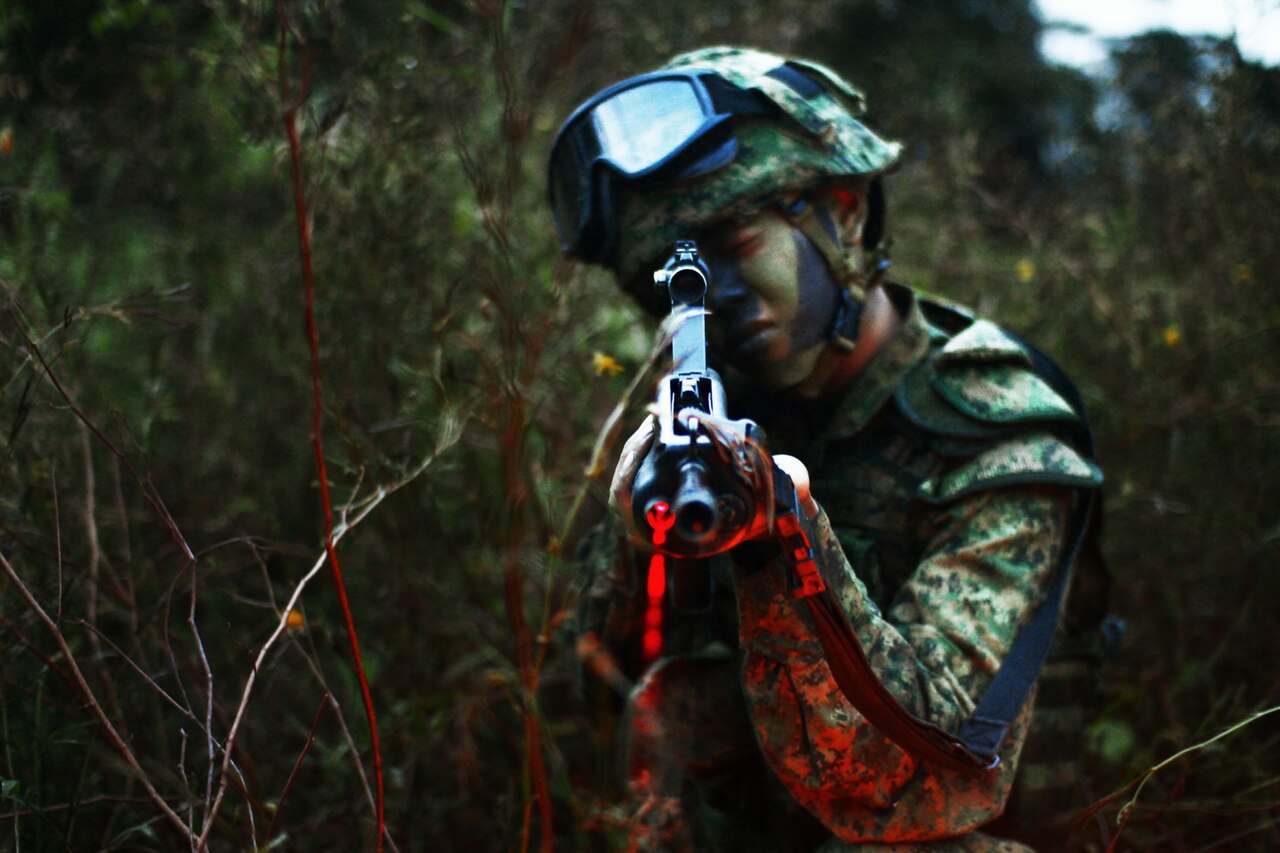
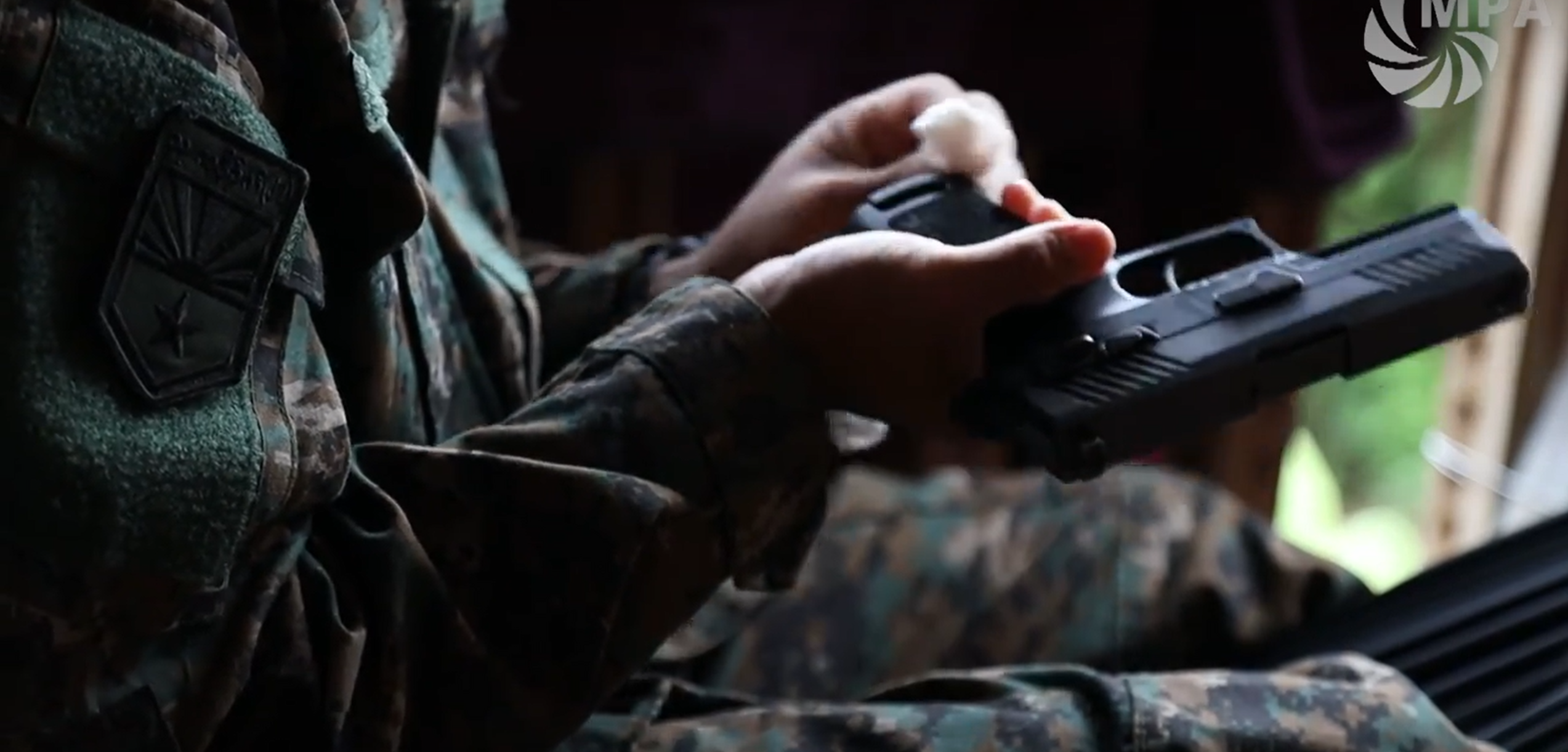
Defensive carriers often add laser sights to their trail guns, believing the red dot guarantees accuracy under stress. However, these electronic devices frequently fail due to dead batteries or cold temperatures found in the wild. The laser is often invisible against bright rocks or foliage during daylight hours, when most encounters occur. Relying on a dot rather than mastering iron sights degrades fundamental marksmanship skills required for effective protection. A simple flashlight is a far more practical addition for identifying targets in low-light conditions. Mechanical reliability always trumps electronic convenience when safety is on the line.