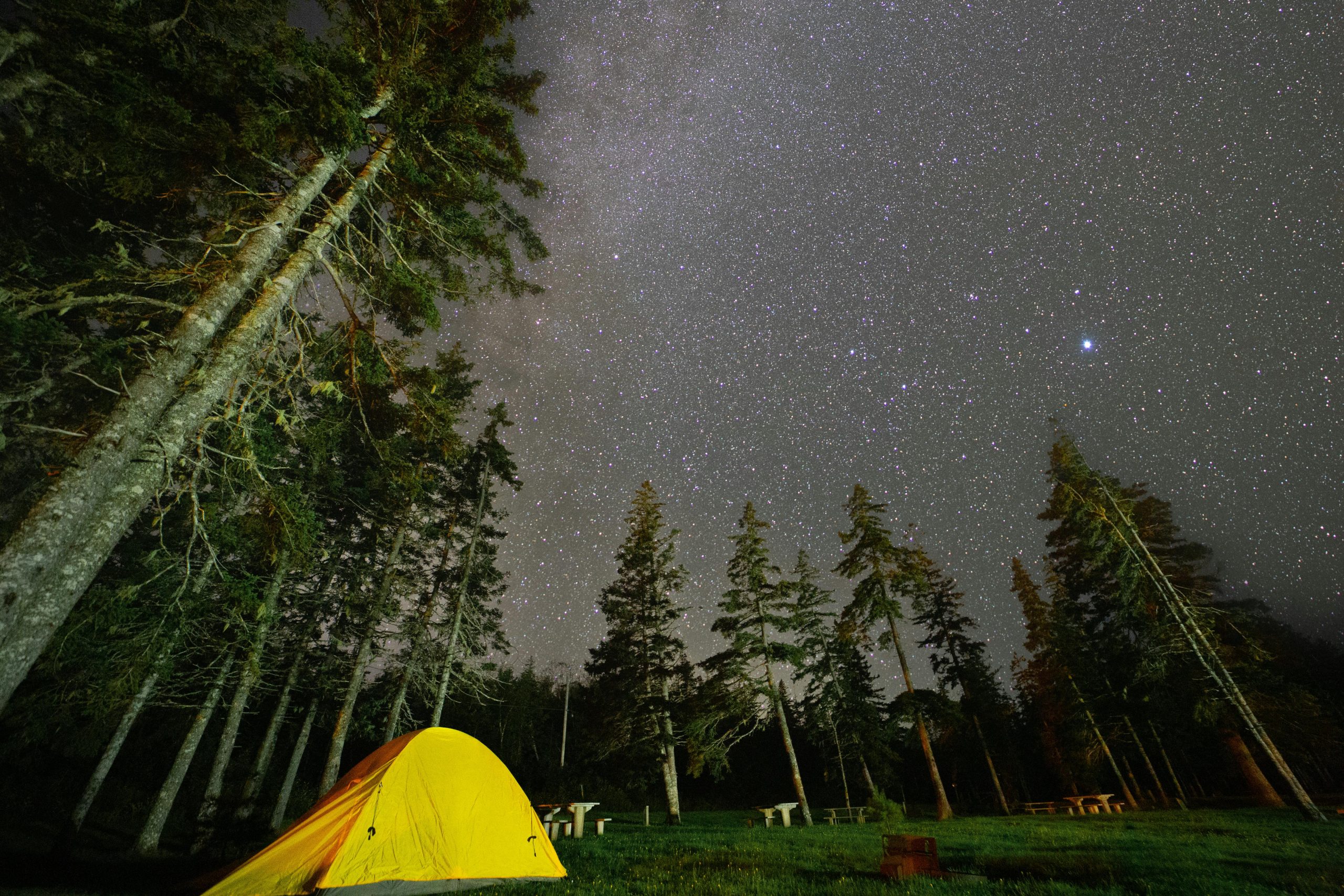
Sunset changes the outdoors in ways many people underestimate. Light fades quickly, temperatures shift, and the environment becomes harder to read. Familiar trails, campsites, and open spaces begin to feel unfamiliar as visual cues disappear. Human senses rely heavily on daylight, and when that advantage is gone, small risks can grow into serious problems. These dangers exist everywhere, from forests and deserts to plains and coastlines. They affect beginners and experienced outdoors people alike. Understanding what becomes more dangerous after dark helps reduce accidents, improve decision-making, and keep nighttime activities safer across all types of terrain.
1. Reduced Depth Perception and Visual Judgment
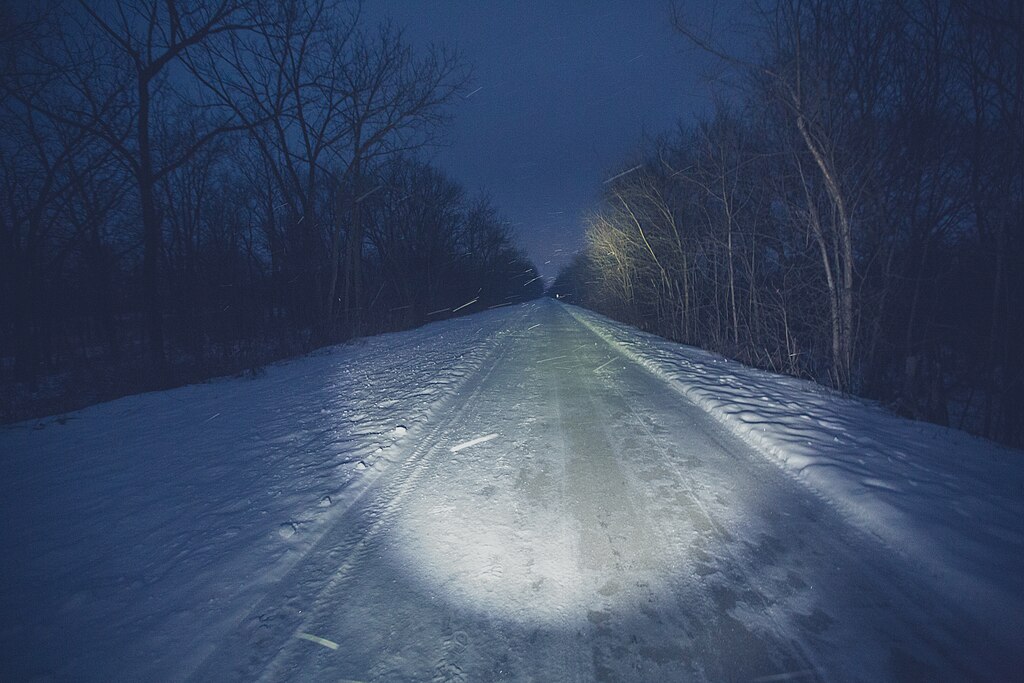
After sunset, the human eye struggles to judge distance, height, and surface texture. Shadows flatten the landscape, making rocks, holes, roots, and drop-offs harder to detect. Artificial light creates sharp contrast, which distorts depth and exaggerates shapes. A step that looks safe may be uneven or unstable. Even flat ground becomes deceptive when edges disappear into darkness. This danger exists on trails, roads, campsites, and open fields. Picture-friendly scenes often show long shadows, uneven terrain, and narrow beams of light revealing only fragments of the ground ahead.
2. Increased Wildlife Activity and Close Encounters
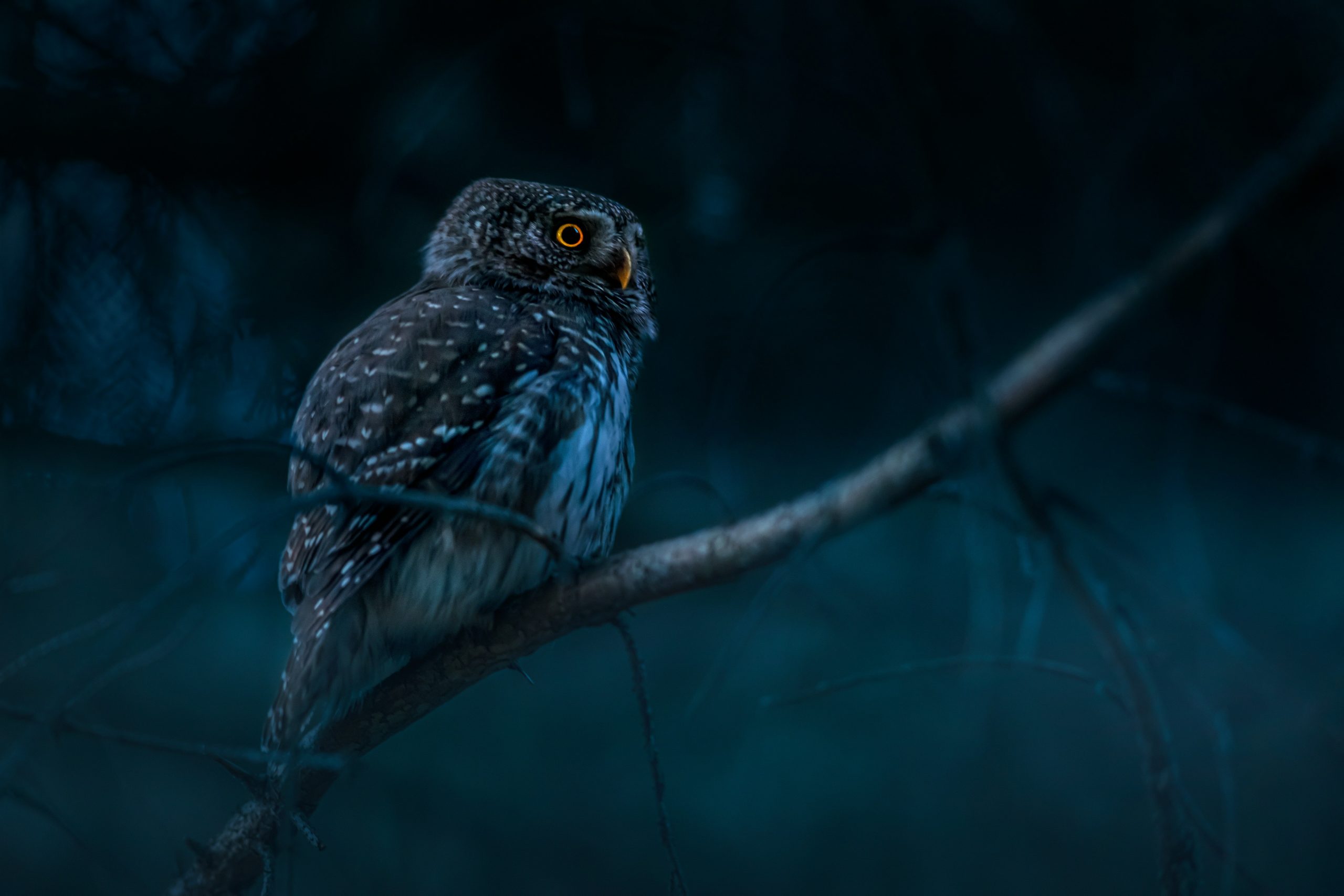
Many animals become more active after sunset. Predators hunt, prey animals move cautiously, and territorial behavior increases. Reduced visibility makes it easier for humans and wildlife to surprise each other at close range. Animals may react defensively when startled, especially near food sources, water, or young. This danger exists in forests, deserts, farmland, and coastal areas. Darkness shortens reaction time for both sides. Visual scenes often include glowing eyes, silhouettes at treelines, animals crossing paths, or quiet movement just beyond the reach of artificial light.
3. Rapid Temperature Drops and Heat Loss
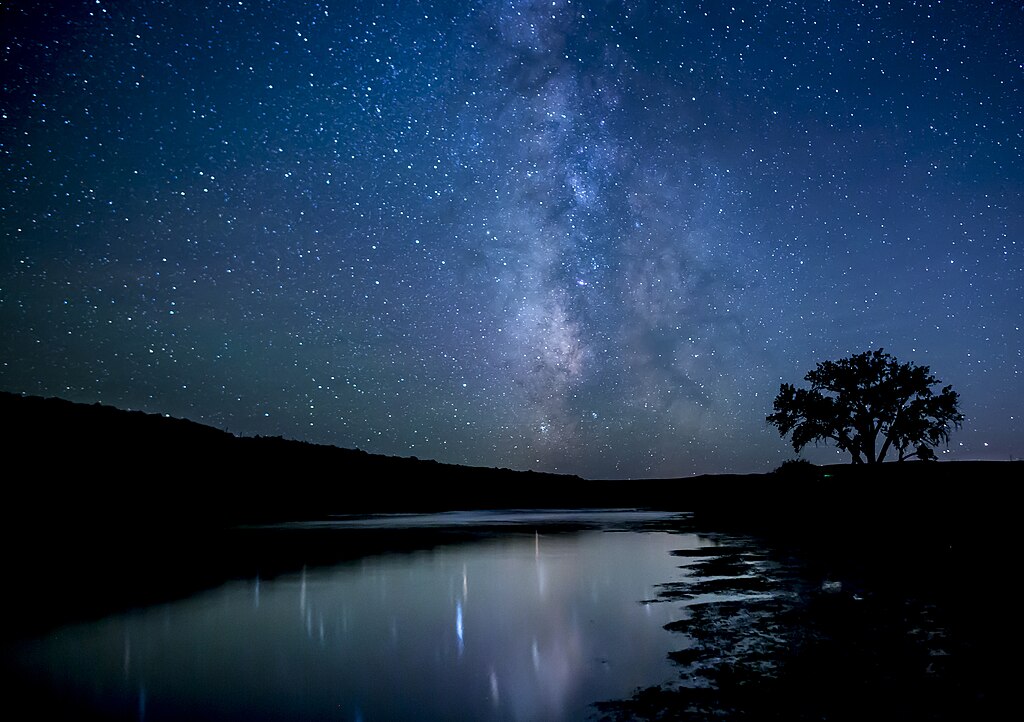
Once the sun goes down, temperatures can fall quickly, even in warm climates. Wind, humidity, and sweat increase heat loss, especially during rest periods. People often underestimate how cold it will feel at night and fail to add layers early enough. Fatigue and dehydration make the body less efficient at staying warm. Hypothermia can begin in temperatures that seem mild during the day. Picture-friendly images show layered clothing, visible breath, headlamps glowing in cool air, and nighttime camps under clear or clouded skies.
4. Navigation Errors and Loss of Orientation
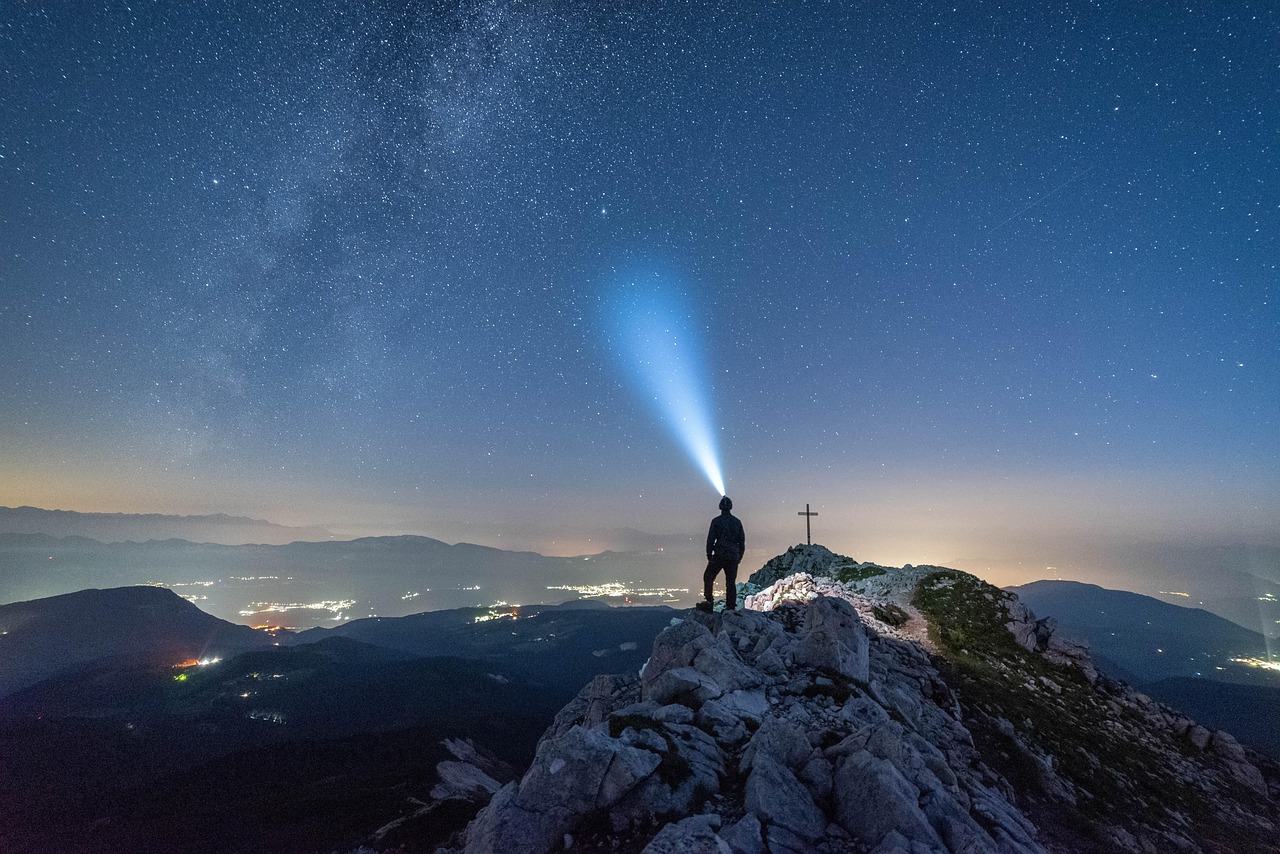
Darkness removes visual landmarks that help people stay oriented. Trails blend into the surrounding terrain, signs become harder to spot, and distances feel longer than they are. In open areas, the horizon disappears. In dense terrain, everything looks similar. Artificial lights can create false reference points, leading people off course. Familiar routes can become confusing at night. This danger applies to hikers, campers, and drivers alike. Visual scenes often show unreadable trail markers, narrow light beams, forked paths, and landscapes swallowed by darkness.
5. Slower Reaction Time and Impaired Judgment
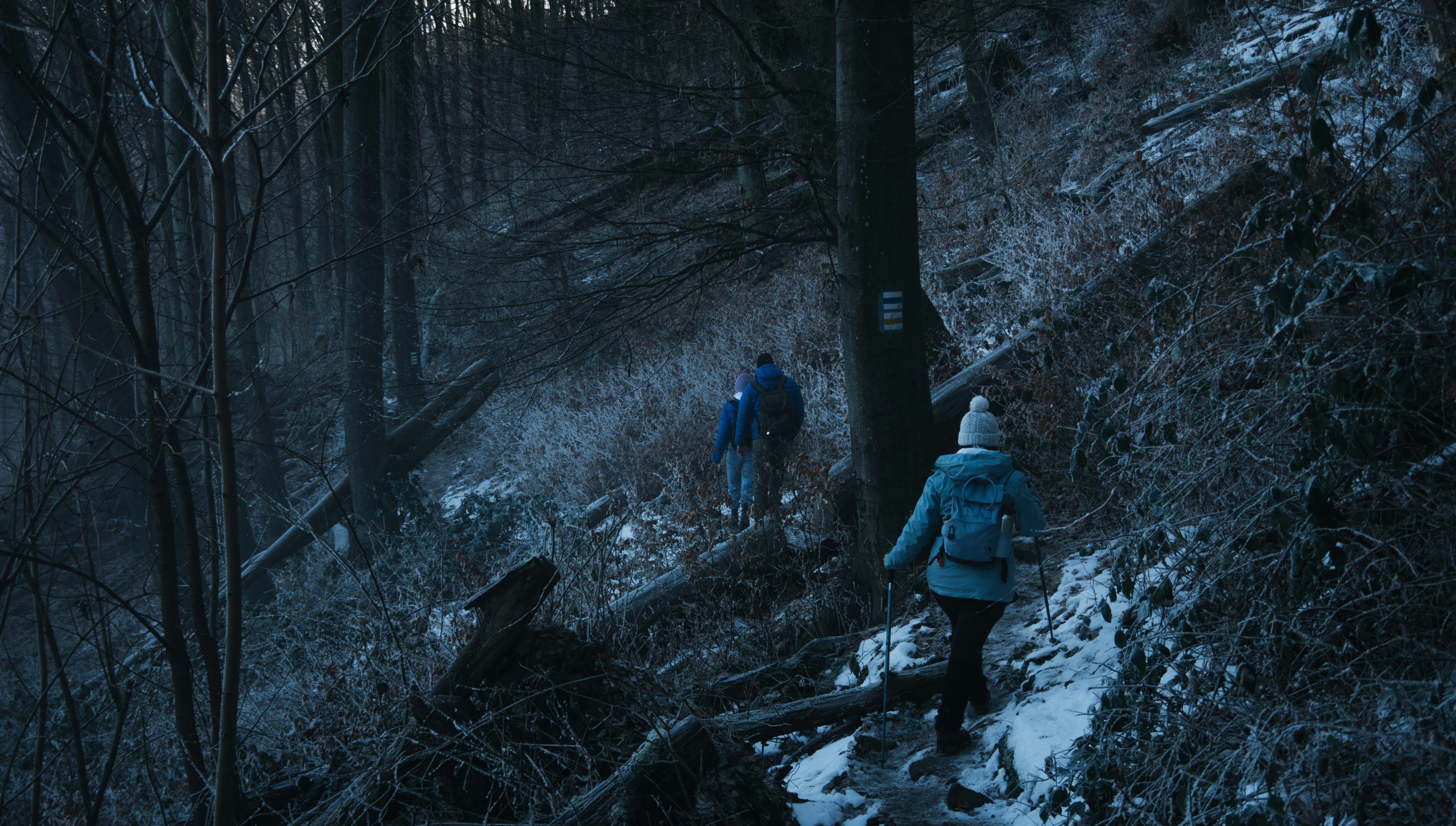
After sunset, fatigue naturally increases. The brain processes information more slowly in low light, especially after a long day of physical activity. Balance, coordination, and decision-making all suffer. People take longer to notice hazards and respond to sudden changes. Small mistakes become more likely and more dangerous. Even experienced outdoors people are affected by this shift. Picture-friendly moments include paused movement, tired body language, quiet campsites, and individuals standing still as if thinking through their next move.
6. Higher Risk of Slips, Trips, and Falls
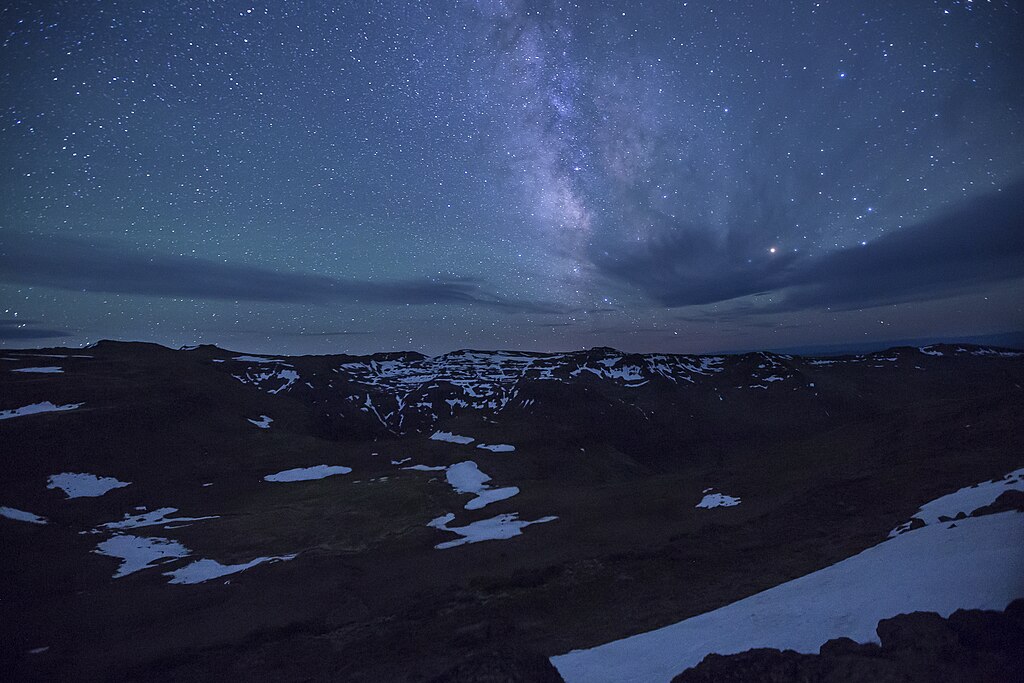
Darkness hides hazards like loose gravel, wet ground, roots, uneven steps, and sudden drops. Headlamps and flashlights create tunnel vision, limiting awareness of surroundings. Peripheral hazards go unnoticed. A simple misstep can result in injury far from help. This danger applies equally to rocky trails, campsites, shorelines, and open terrain. Visual scenes often show narrow footing, unstable ground, isolated figures under headlamp light, and sharp contrasts between illuminated and hidden areas.
7. Delayed Emergency Response and Limited Help
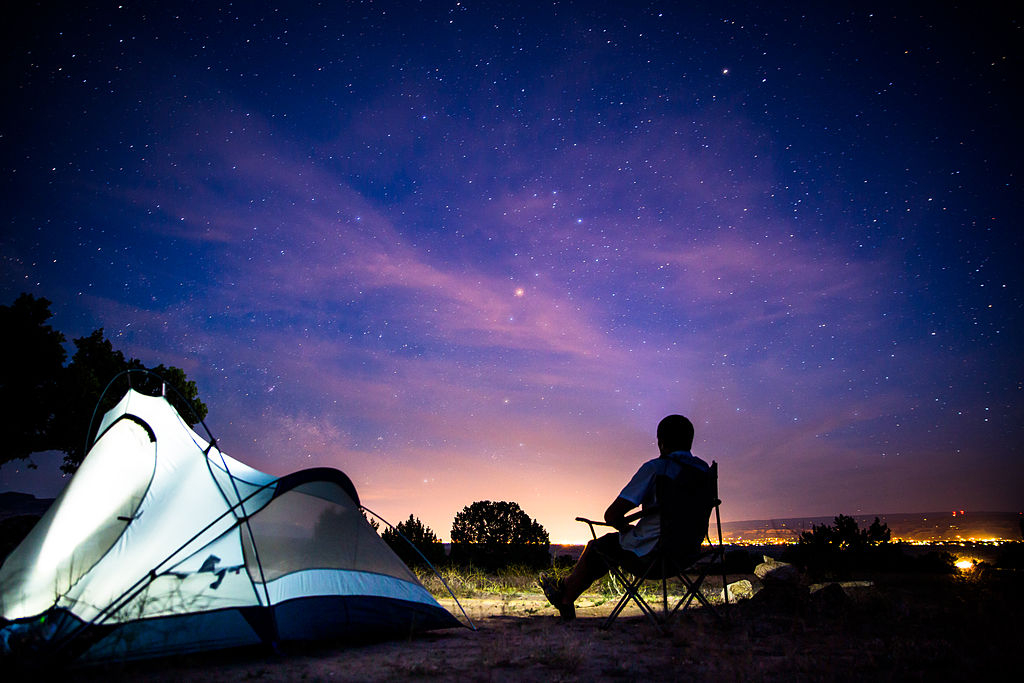
At night, help takes longer to arrive. Visibility limits rescue efforts, and fewer people are present to notice or assist in emergencies. Communication may be weaker, and describing locations becomes harder without visible landmarks. Minor injuries or equipment failures can become serious simply due to time and darkness. This danger exists everywhere after sunset. Picture-friendly visuals include isolated campsites, distant lights, wide dark landscapes, and single light sources emphasizing distance and remoteness.