Sharpening hunting skills does not always require active pursuit of game, but it does demand consistent outdoor engagement. Many effective skill building activities focus on awareness, restraint, and environmental familiarity developed over time. Spending hours observing landscapes, weather shifts, and animal behavior strengthens judgment more than occasional field days. These pursuits improve patience, pattern recognition, and decision making while reinforcing ethical perspectives. Hunters who train through varied outdoor activities often develop quieter movement, better timing, and sharper instincts. Each activity below offers a distinct way to refine hunting ability through deliberate practice rooted in observation, discipline, and respect for natural systems.
Wildlife Observation And Bird Watching
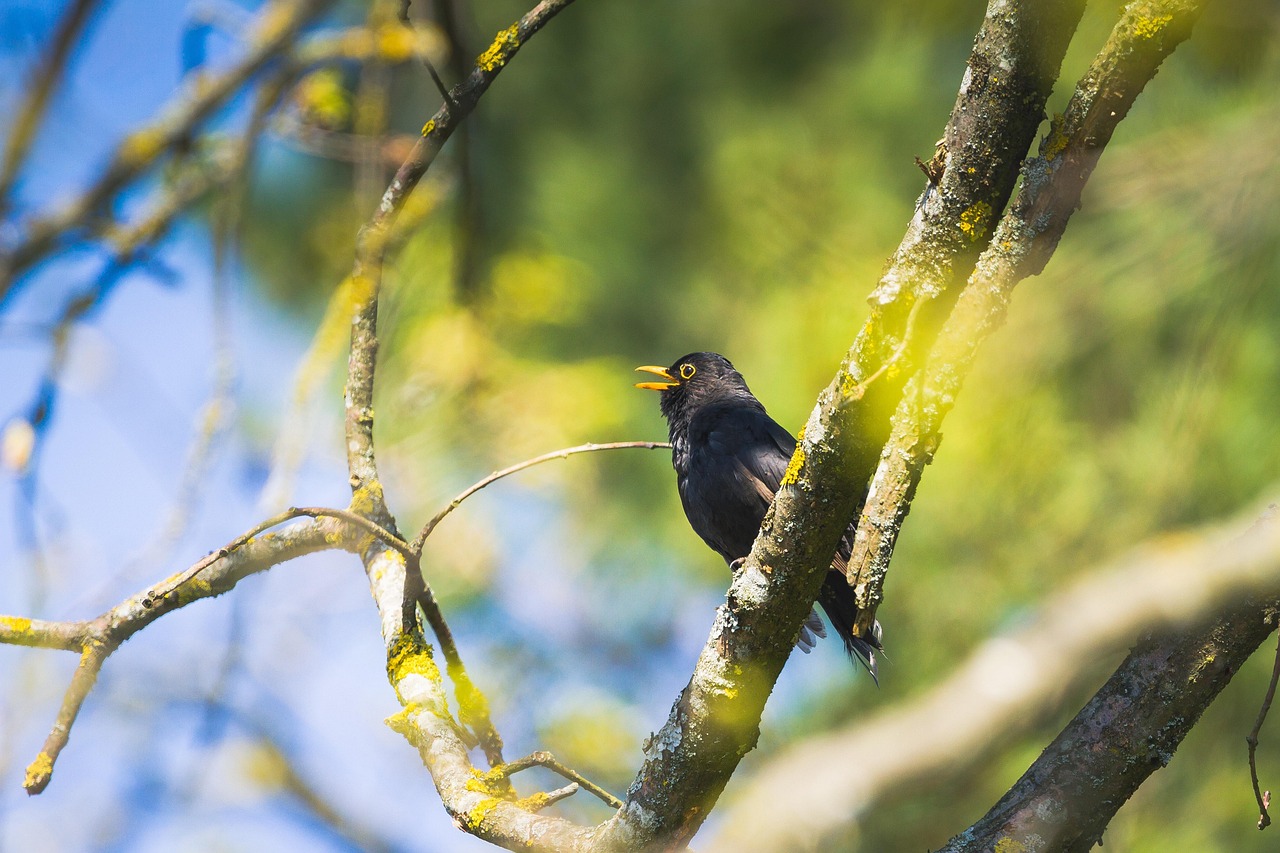
Wildlife observation and bird watching sharpen hunting skills by strengthening visual awareness and pattern recognition. Spending extended time watching animals without pursuit trains patience and restraint. Bird movement reveals wind direction, predator presence, and habitat changes that also affect game species. Learning to identify calls, flight patterns, and feeding behavior improves auditory skills often overlooked in hunting. Quiet positioning and minimal movement become essential during observation. This activity encourages stillness and attention to detail. Over time, hunters gain a deeper understanding of daily rhythms within an ecosystem, allowing more accurate interpretation of subtle environmental cues encountered during active hunting situations.
Primitive Fire Building And Campcraft
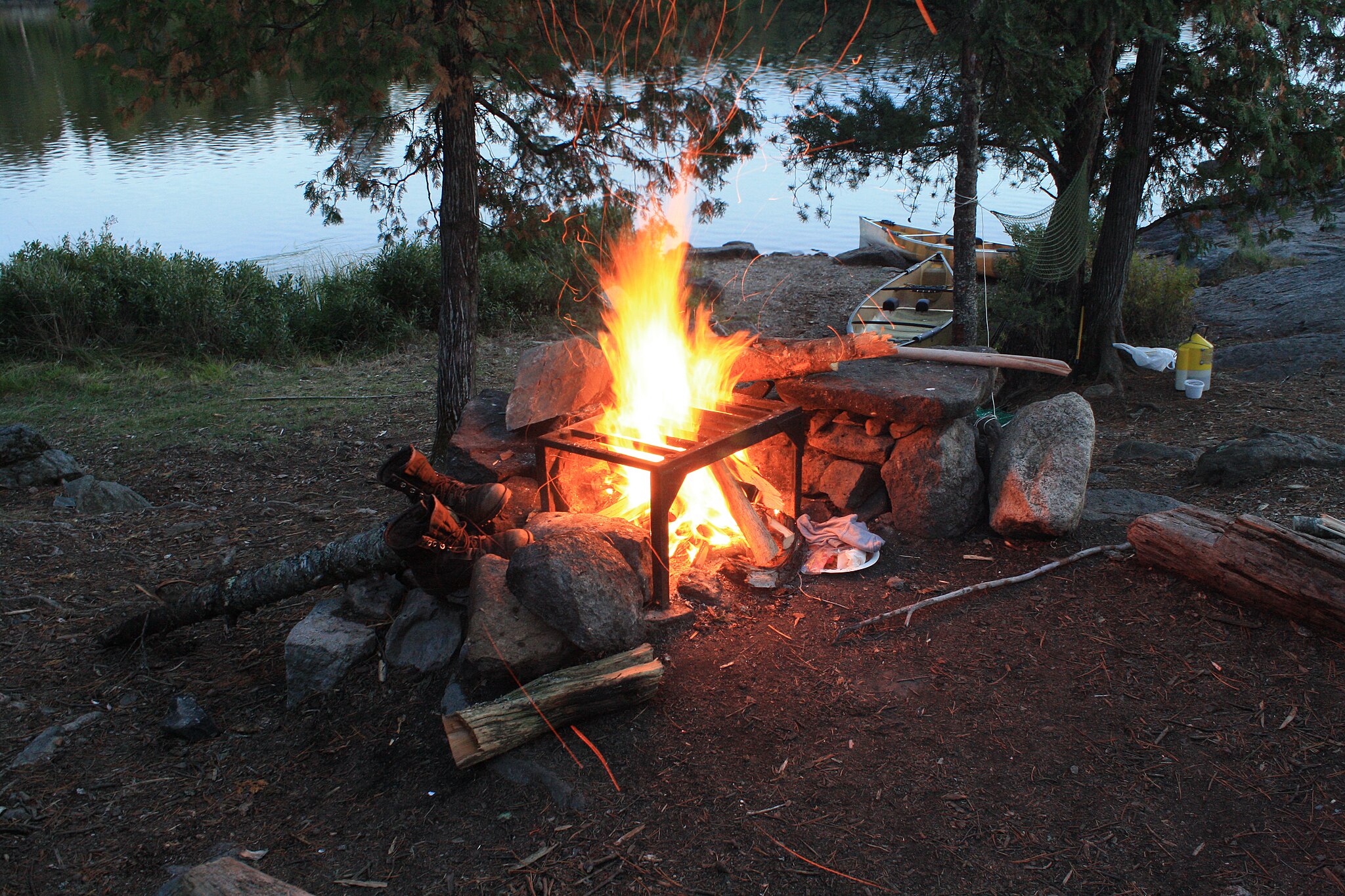
Primitive fire building and campcraft sharpen hunting skills by strengthening patience, preparation, and environmental awareness. Learning to create fire using friction methods or minimal tools teaches respect for conditions like moisture, wind, and available materials. Campcraft also involves selecting safe sites, managing smoke, and conserving resources. These practices encourage deliberate movement and thoughtful planning. Understanding how fire interacts with terrain improves judgment during cold or wet hunts. Campcraft builds self reliance and calm problem solving under pressure. Hunters who practice these skills develop confidence and adaptability that transfer directly to extended field situations where comfort and safety depend on knowledge rather than convenience.
Scouting From Elevated Vantage Points
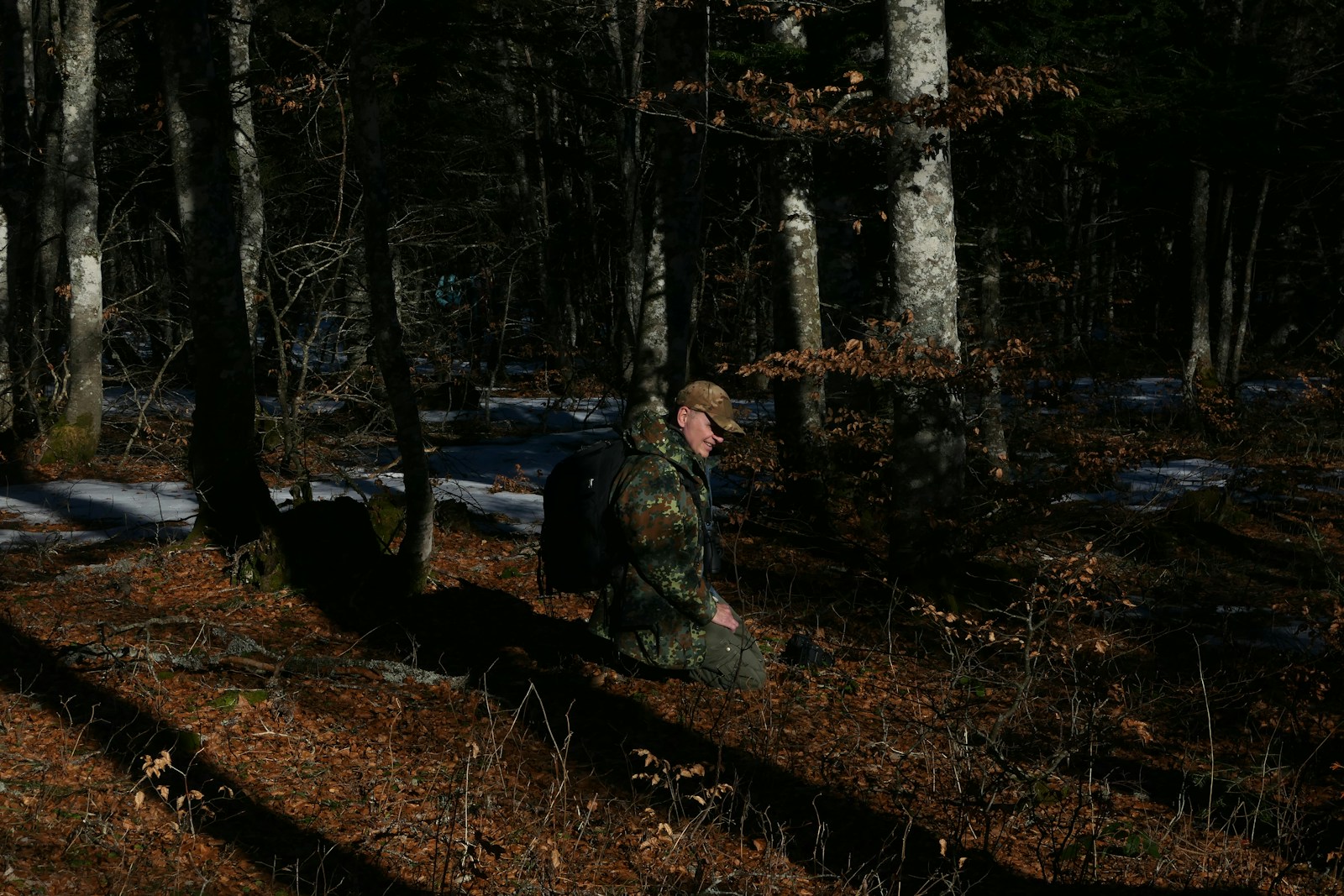
Scouting from elevated vantage points develops strategic awareness essential for successful hunting. Spending hours glassing terrain from ridgelines or observation points trains patience and long range evaluation. Hunters learn to identify travel corridors, feeding areas, and bedding locations without disturbing animals. This activity sharpens understanding of how light, wind, and time influence movement. Remaining still while observing builds discipline and mental focus. Mapping sightings over time improves pattern recognition. Vantage scouting emphasizes restraint and planning, allowing hunters to make informed decisions later while reducing unnecessary pressure on wildlife through careful, distance based observation.
Seasonal Habitat Mapping Walks
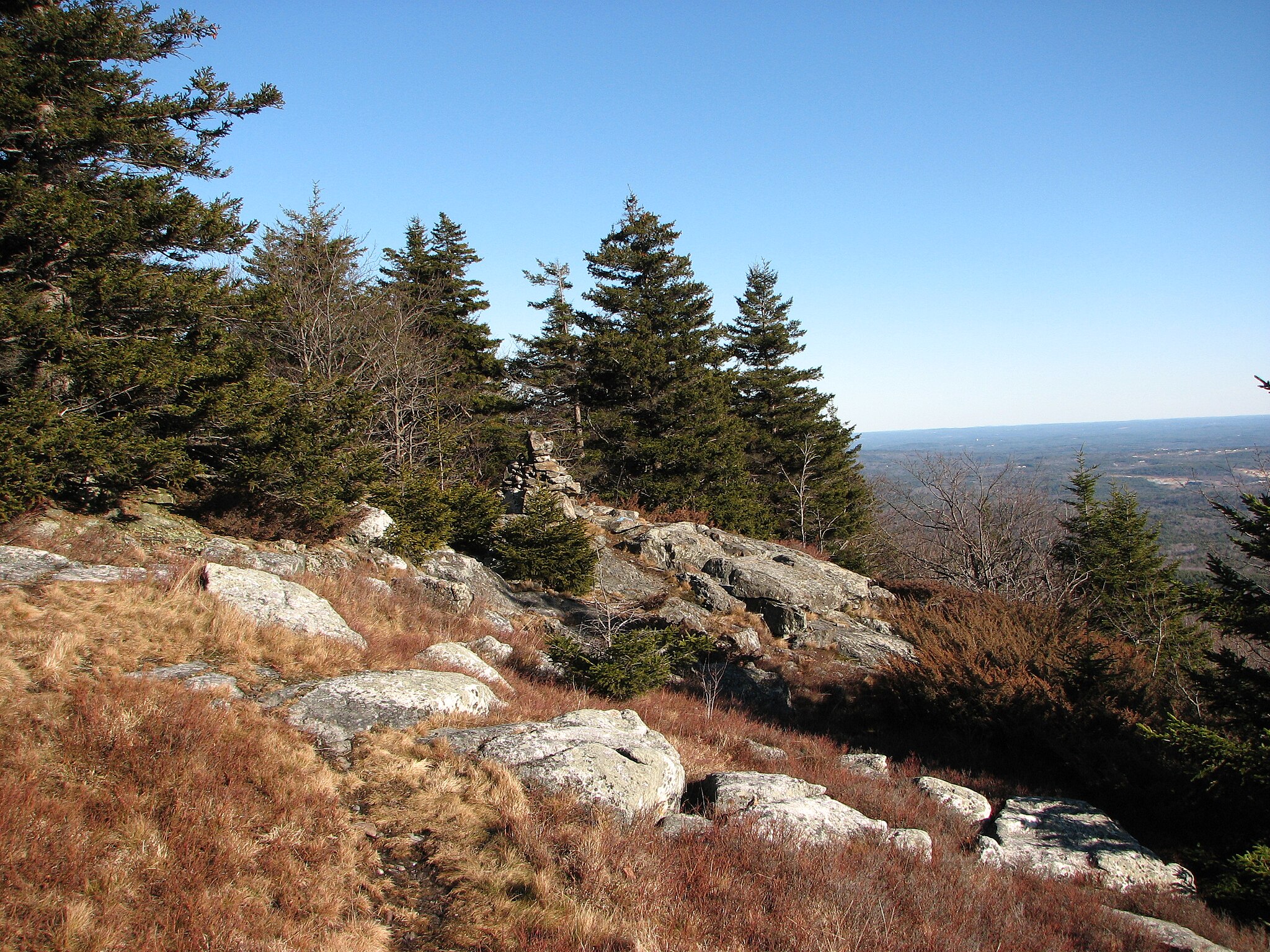
Seasonal habitat mapping walks strengthen hunting skills by building knowledge of landscape changes throughout the year. Walking properties during different seasons reveals how vegetation growth, water levels, and food availability shift animal behavior. Hunters learn where trails emerge, cover thickens, or feeding areas relocate. This slow, methodical exploration improves memory and spatial understanding. Marking observations encourages long term planning rather than reactive decisions. Habitat mapping emphasizes preparation over pursuit. By understanding terrain evolution, hunters gain insight into movement patterns before seasons begin, supporting ethical, efficient strategies rooted in familiarity rather than guesswork.
Quiet Canoeing Or Kayak Travel
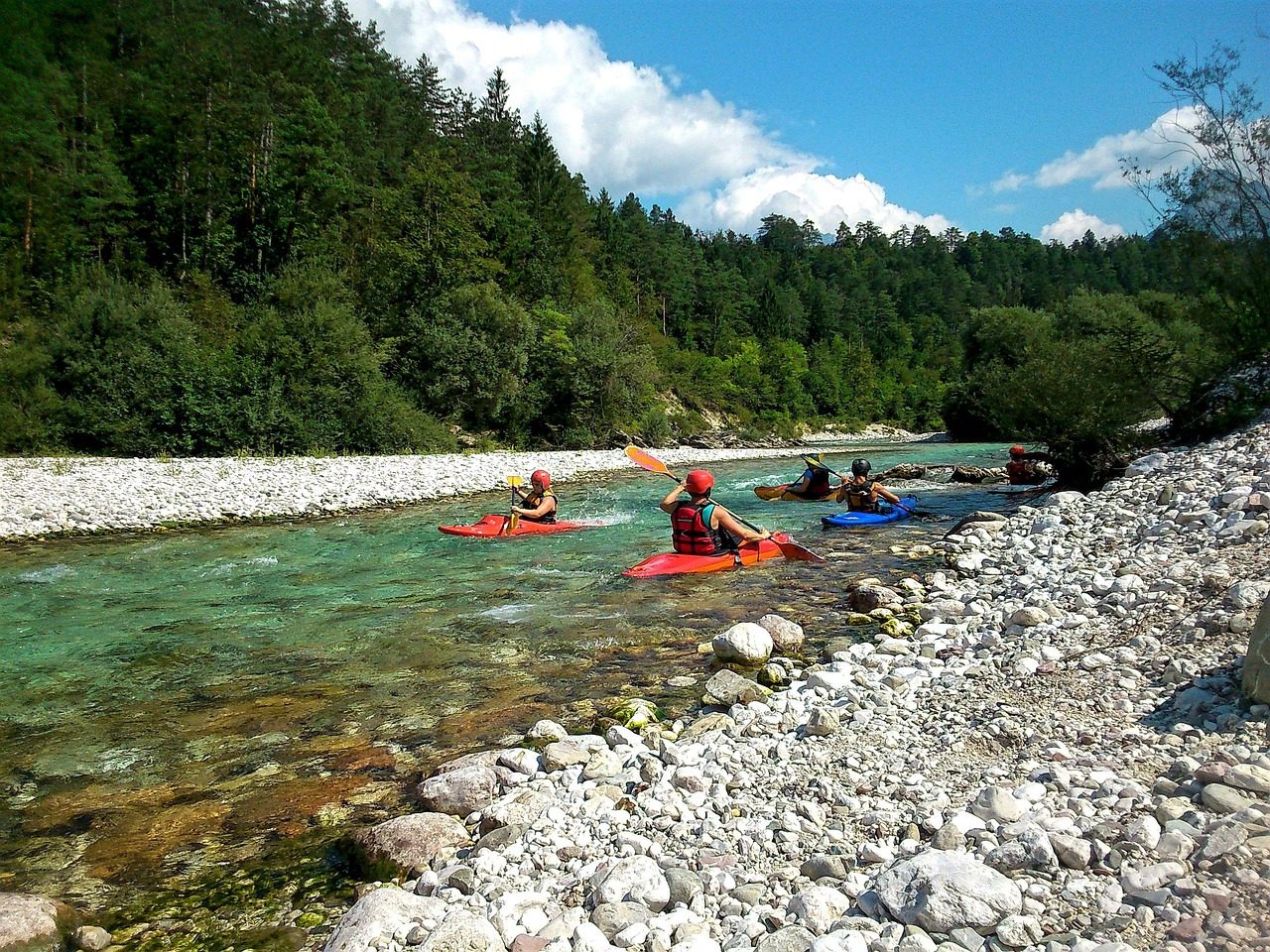
Quiet canoeing or kayak travel sharpens hunting skills by improving stealth and situational awareness along waterways. Paddling silently teaches controlled movement and balance. Observing shorelines from water reveals animal crossings, feeding zones, and travel routes often missed on foot. Wind direction and current influence approach strategy, reinforcing environmental reading. Remaining low and unobtrusive builds discipline and patience. This activity also strengthens upper body endurance and coordination. For hunters, quiet water travel develops an appreciation for alternative access routes and teaches how sound, motion, and visibility affect wildlife responses in natural settings.
Trail Camera Analysis
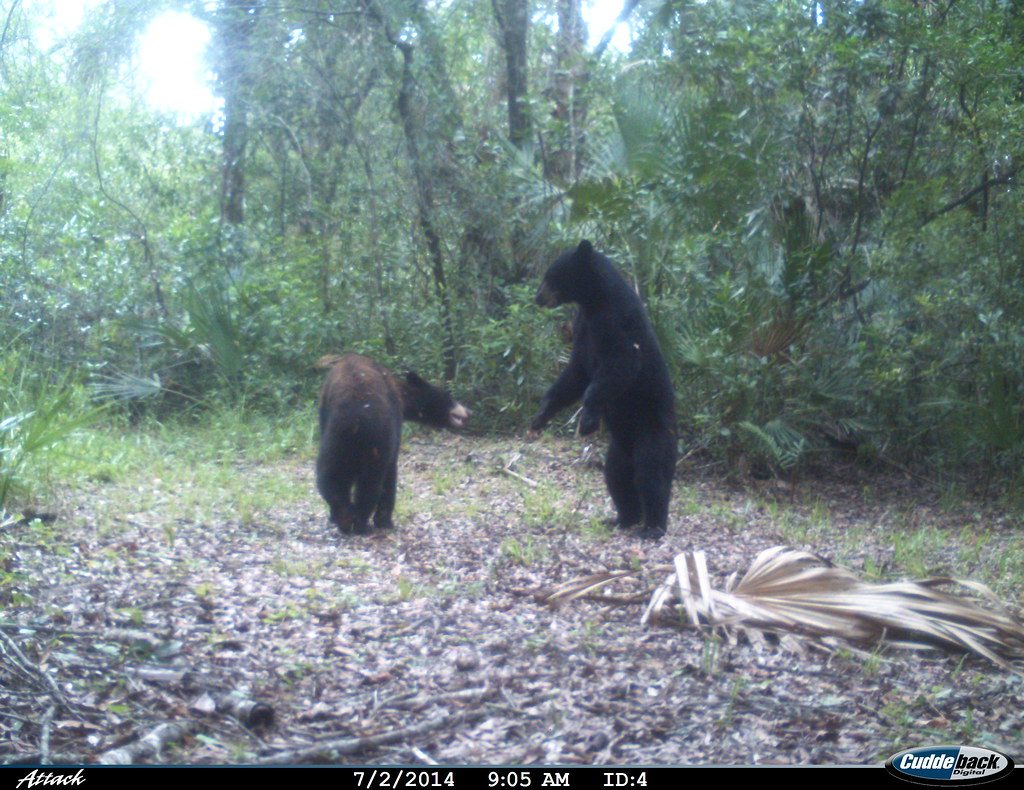
Trail camera analysis sharpens hunting skills by teaching pattern recognition without physical pursuit. Reviewing images over weeks reveals timing, direction, and frequency of animal movement. Comparing daylight and nighttime activity builds understanding of pressure and seasonal shifts. Camera placement strategy improves with experience, reinforcing knowledge of funnels, edges, and travel corridors. Data logging encourages objective decision making rather than impulse. This activity develops patience and analytical thinking. By studying consistent visual evidence, hunters refine stand placement and timing while reducing unnecessary disturbance, making eventual field decisions more deliberate, informed, and ethically grounded through disciplined long term observation.
Nighttime Navigation Practice
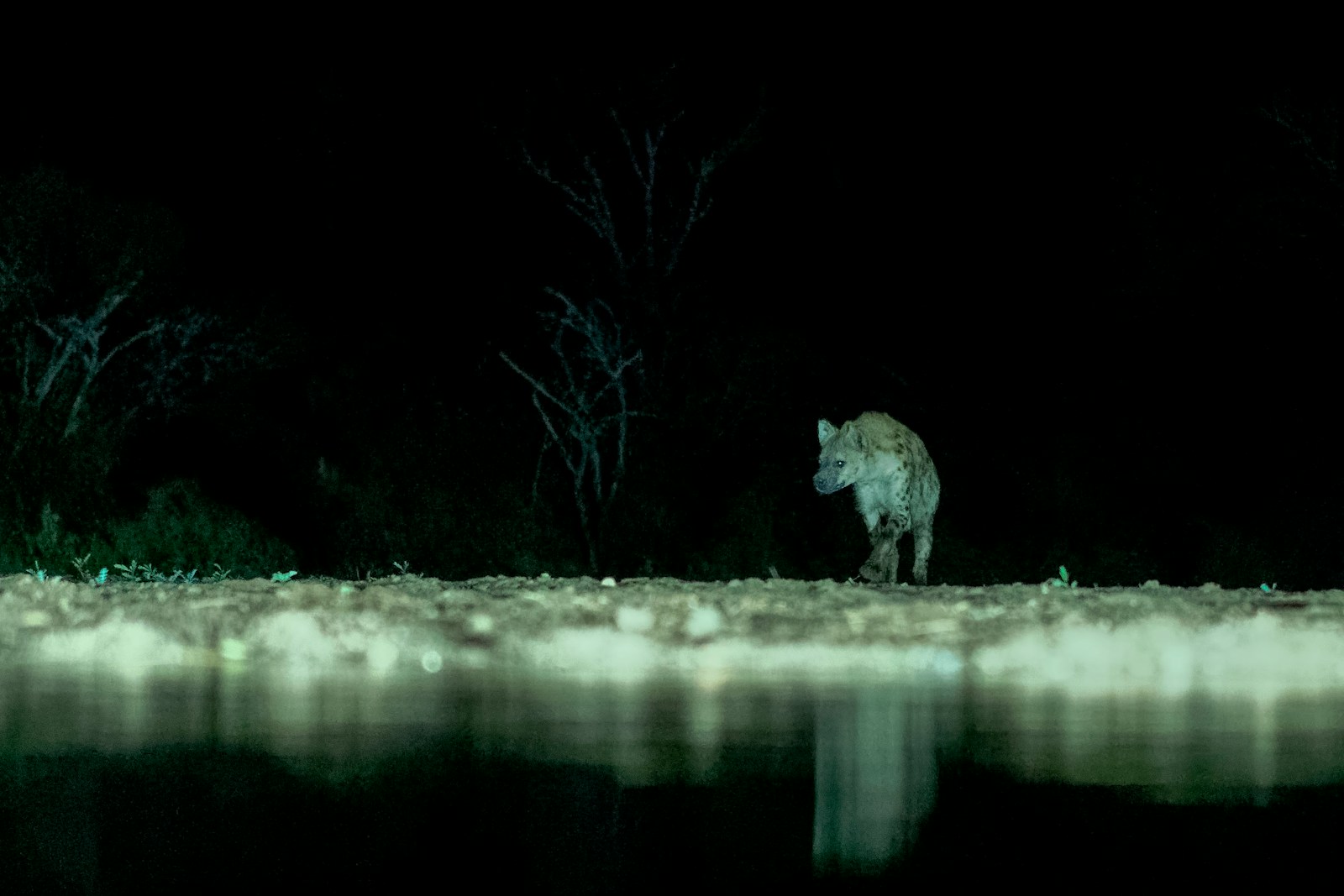
Nighttime navigation practice improves hunting skills by strengthening orientation and confidence in low visibility conditions. Moving safely after dark teaches reliance on terrain, sound, and spatial memory rather than sight alone. Learning to read stars, moonlight, and shadow patterns builds natural navigation ability. Practicing quiet movement at night sharpens balance and awareness. This activity reinforces discipline and safety planning. Hunters gain comfort operating during early mornings or late recoveries. Developing calm decision making in darkness reduces mistakes, improves preparedness, and supports responsible movement when daylight is limited during real hunting situations across unfamiliar outdoor environments.