Clear mountain water often creates a false sense of safety, but several national parks face persistent contamination issues that filtration alone cannot resolve. Wildlife activity, mineral deposits, geothermal runoff, and rapid weather shifts all contribute to unsafe conditions in streams that look pristine from a distance. Locals familiar with seasonal changes have observed recurring cases of gastrointestinal illness tied to untreated water sources. Understanding the risks helps protect visitors exploring remote landscapes shaped by rugged terrain, heavy rainfall, and complex geological processes.
Yosemite National Park
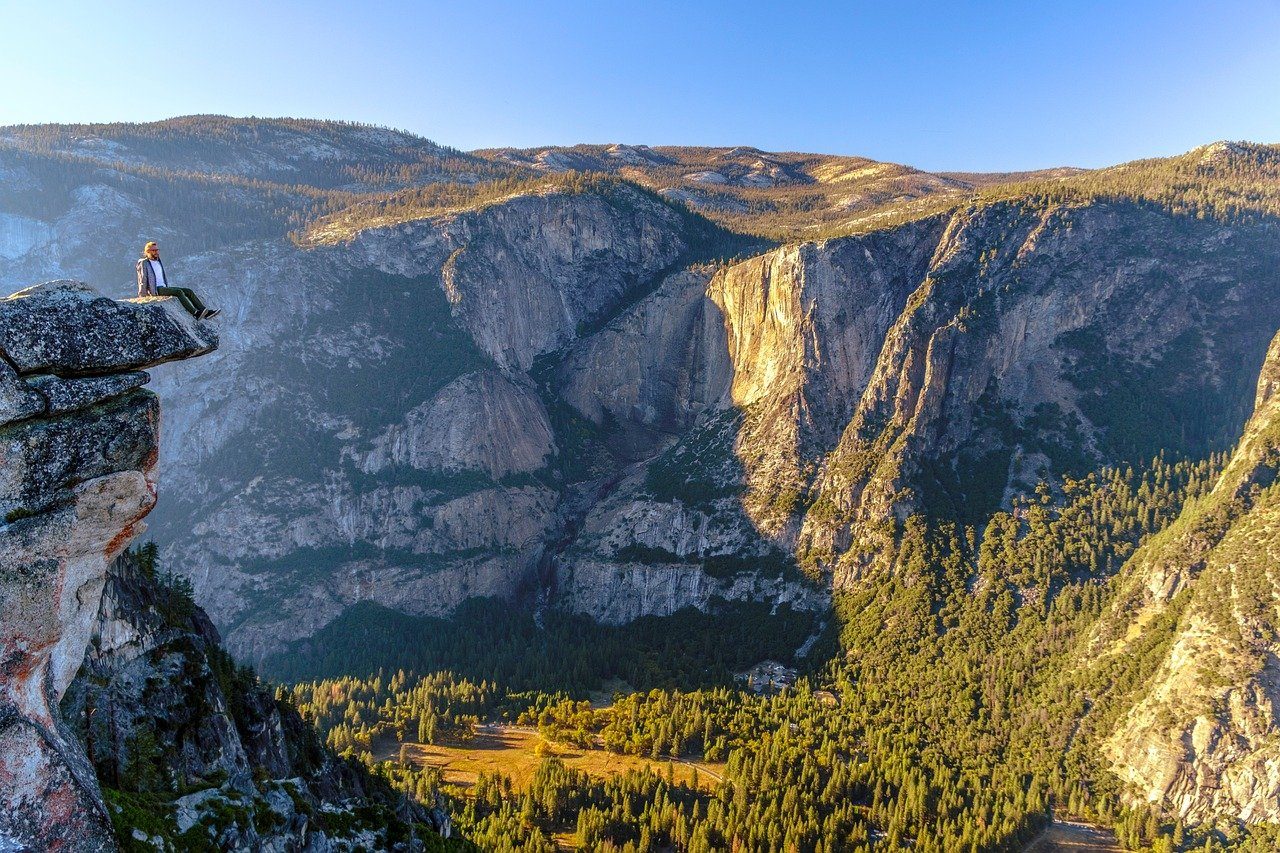
Yosemite’s streams collect contamination from wildlife concentrated along forested corridors, meadows, and granite basins where runoff spreads microorganisms rapidly. Giardia and cryptosporidium remain common due to high animal density and fluctuating water levels that stir sediment containing harmful organisms. Standard filters remove particulates but do not eliminate all microbes or viral contaminants. Snowmelt dilutes some sources but also introduces new bacteria from upstream habitats. Locals familiar with backcountry areas rely on purification because multiple biological threats persist throughout the warm season.
Grand Canyon National Park
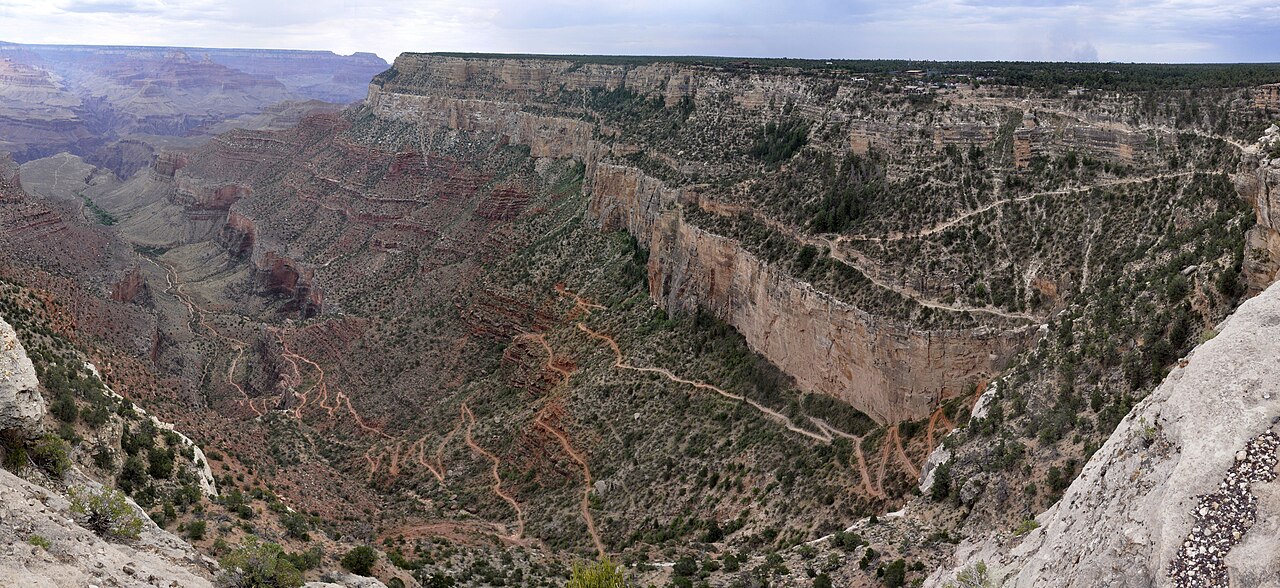
The Grand Canyon’s water sources feature naturally occurring minerals, including elevated uranium traces in certain regions, that pass through basic filtration systems. Springs emerging from ancient sandstone layers carry dissolved metals shaped by long geological processes. Wildlife concentrated in narrow canyons contributes bacteria that mix with sediment after storms or flash floods. Water clarity often disguises chemical and microbial risks. Locals avoid drinking untreated sources because both mineral concentrations and biological contaminants exceed what mechanical filters can safely remove.
Great Smoky Mountains National Park
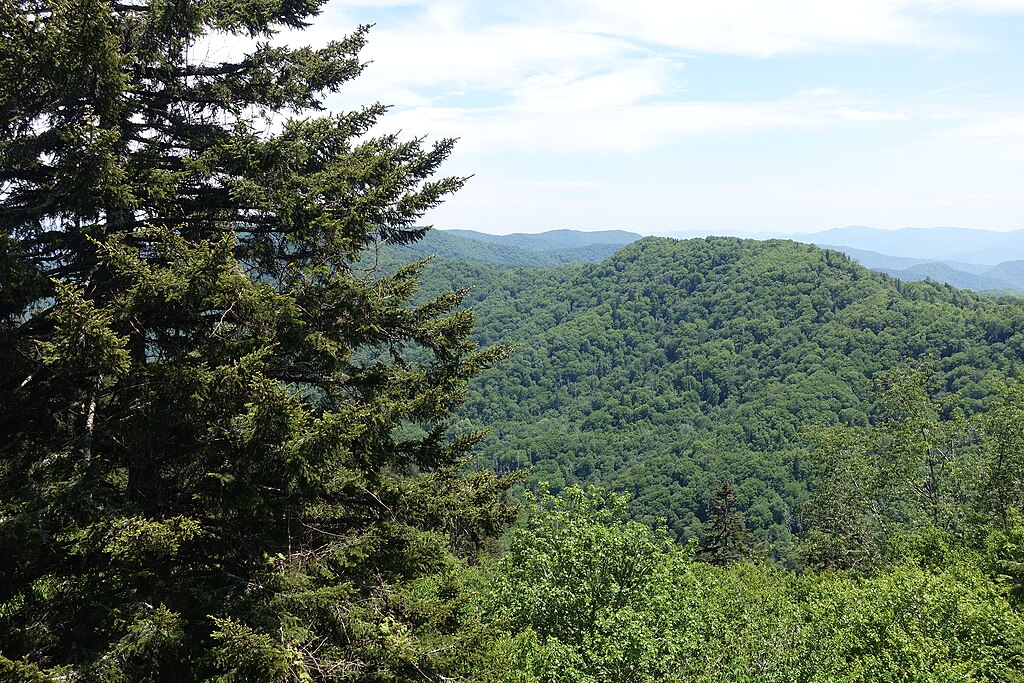
Great Smoky Mountains streams flow through dense forests rich in organic material, where decaying vegetation promotes bacterial growth. Moist conditions create an environment where microorganisms persist year-round, especially in shaded lowland areas. Wildlife presence along stream corridors increases contamination during peak feeding periods. Filters remove debris but cannot address viruses that thrive in these humid ecosystems. After heavy rainfall, runoff carries additional waste into creeks. Local hikers recommend full purification because water quality fluctuates sharply with seasonal weather patterns.
Yellowstone National Park
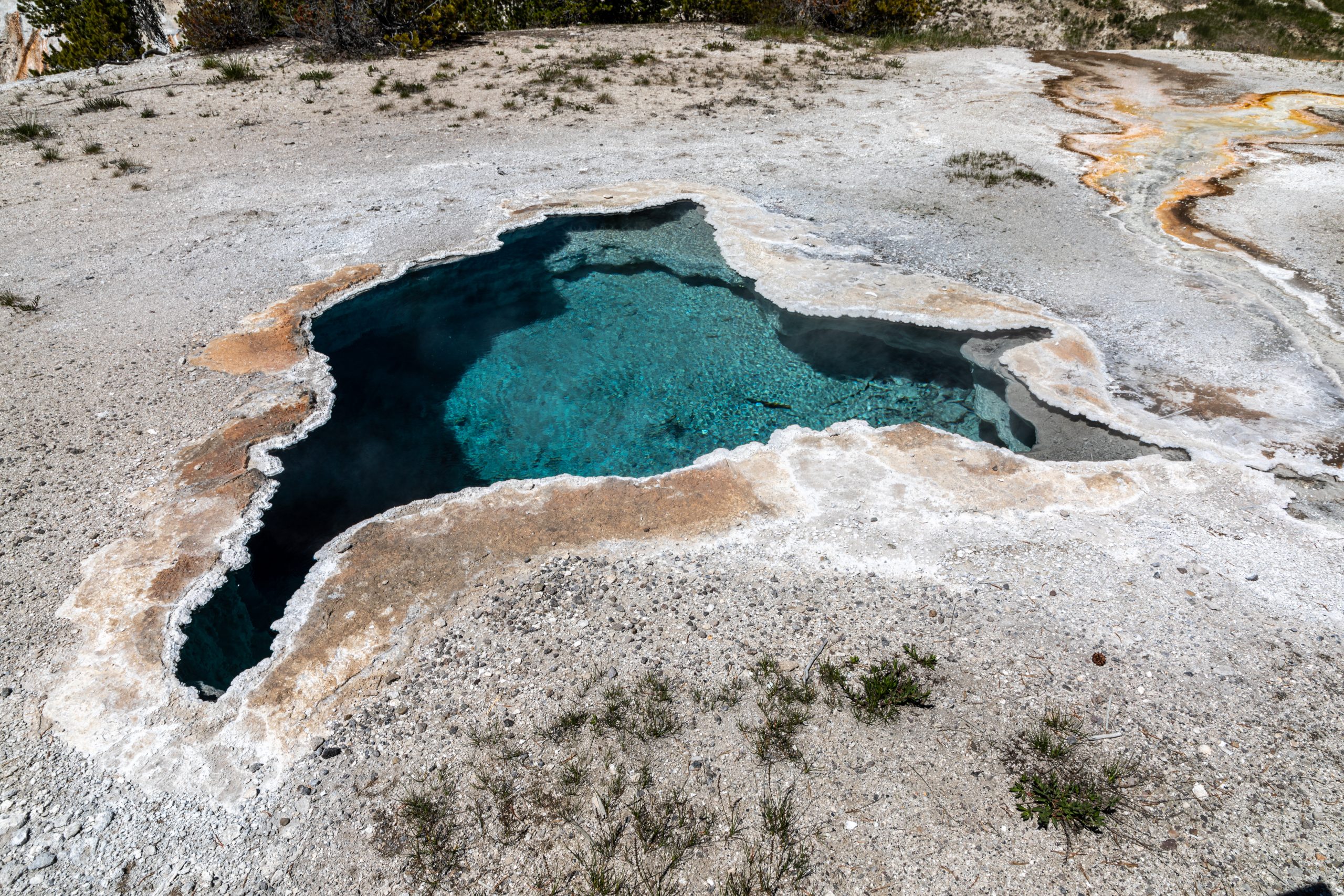
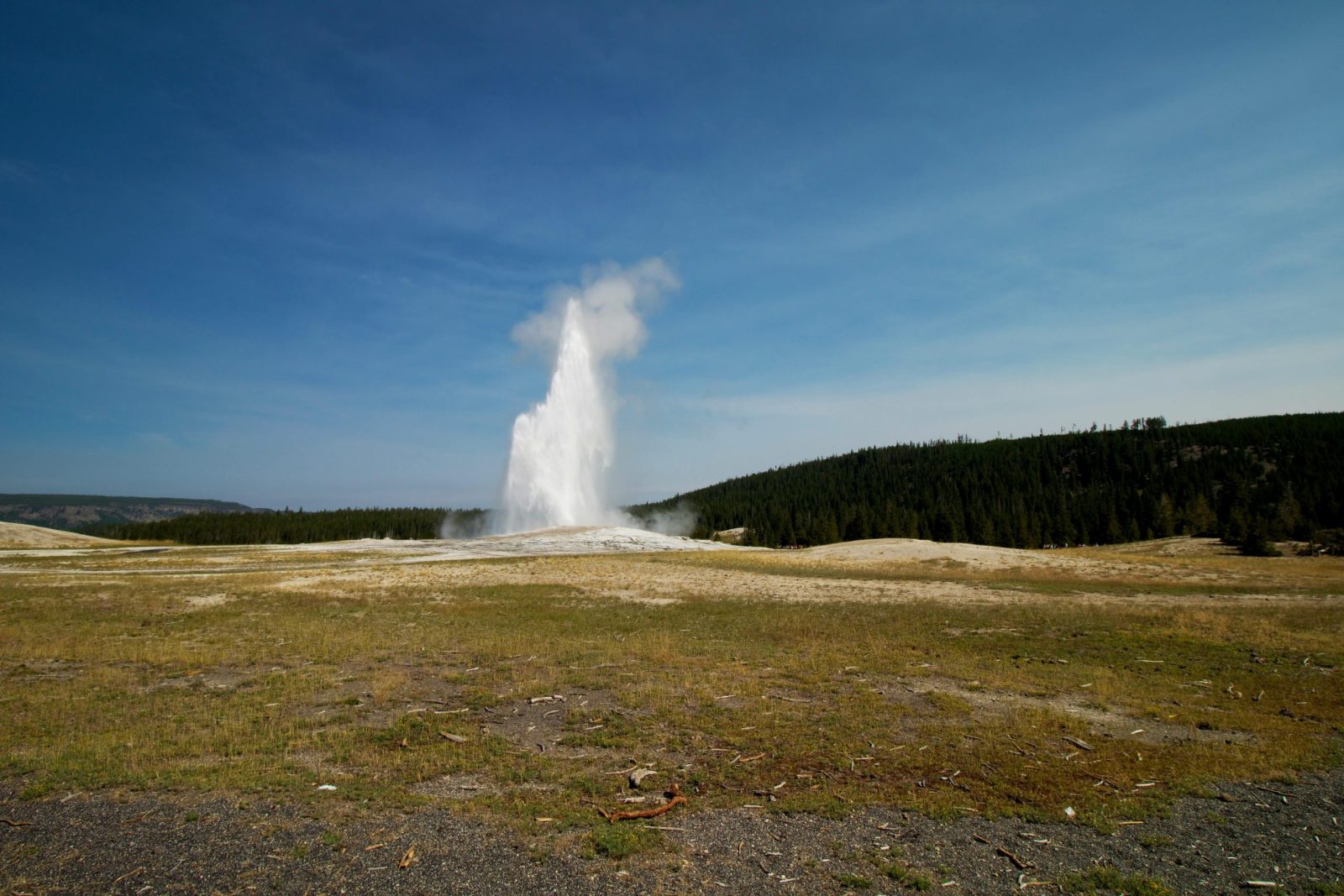
Yellowstone’s geothermal landscape introduces unusual hazards as hot springs and geysers release minerals and heat-resistant microorganisms into surrounding waterways. Some organisms tolerate high temperatures and survive filtration methods typically used for backcountry travel. Wildlife crowding at stream edges adds further bacterial load. Occasional geothermal shifts alter nearby drainage chemistry without warning. Clear water may contain dissolved minerals from thermal features that standard filters cannot neutralize. Locals recognize that Yellowstone’s unique geology requires stronger treatment methods for safe consumption.
Zion National Park
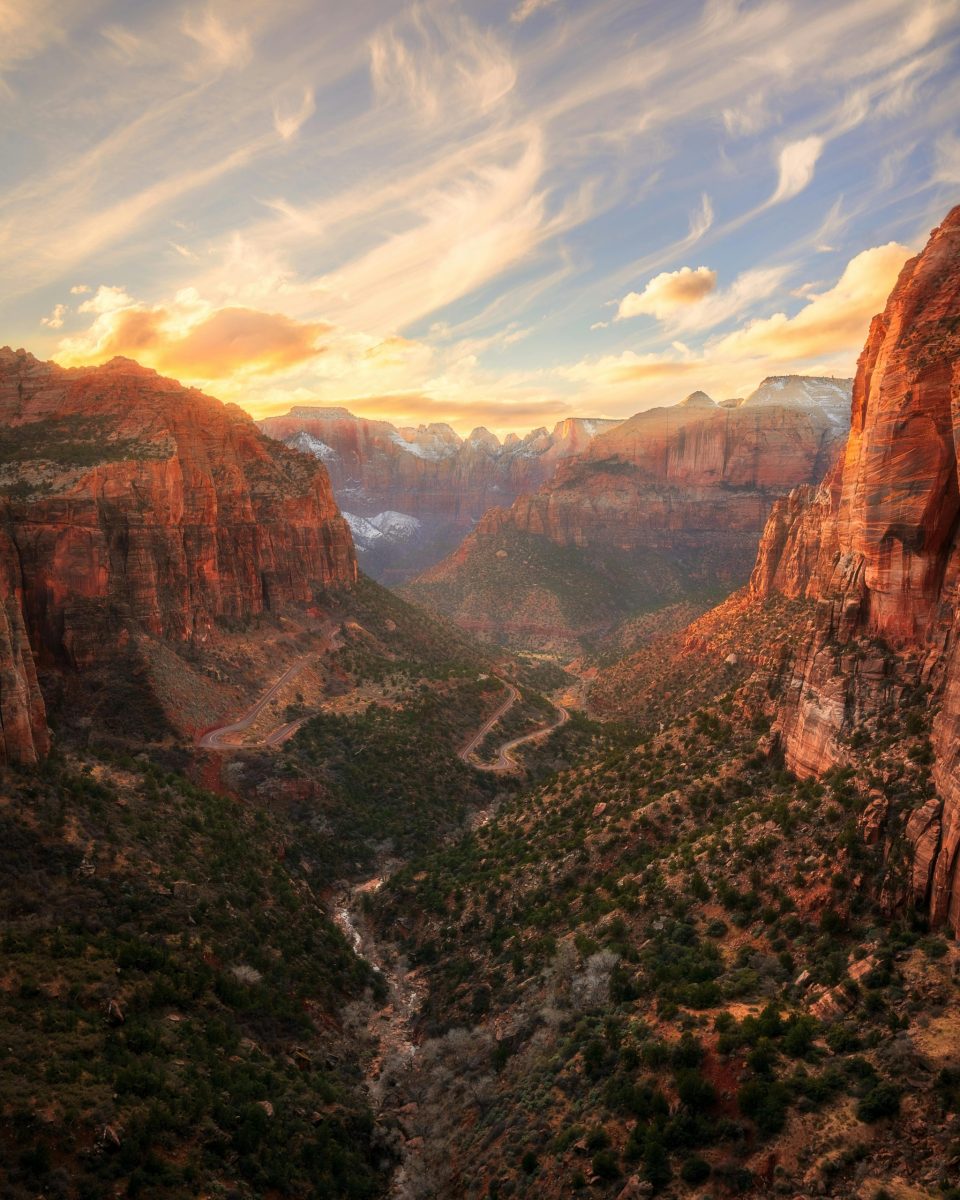
Zion’s narrow canyons channel runoff through confined spaces where concentrated wildlife activity, human traffic, and sediment accumulation heighten contamination risks. Flash floods wash debris and bacteria into streambeds, leaving lingering pollutants even after water levels return to normal. Stagnant pools support algal growth and microorganisms resistant to filtration. Warm temperatures accelerate microbial activity, creating additional hazards during peak visitation months. Locals familiar with canyon conditions avoid drinking filtered stream water because rapid environmental shifts reduce reliability throughout the year.
Rocky Mountain National Park
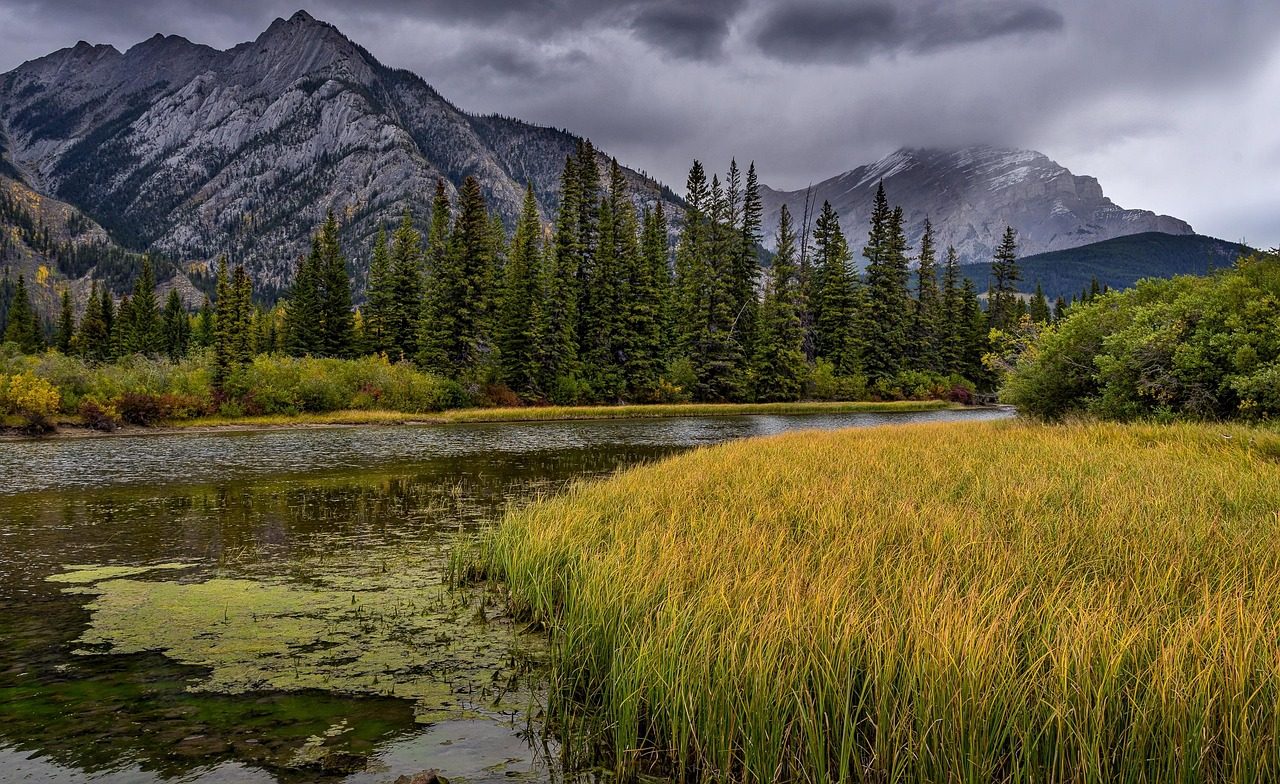
Rocky Mountain streams receive runoff from alpine meadows frequented by elk, deer, and smaller mammals, resulting in microbial contamination even at high elevations traditionally considered safer. Cold temperatures slow the breakdown of organic material, allowing bacteria and viruses to persist longer in clear water. Snowmelt introduces debris from remote basins where wildlife gather. Filters remove sediment but cannot eliminate all pathogens found in these fast-moving streams. Local experience shows that purification remains essential due to unpredictable contamination levels.
Olympic National Park
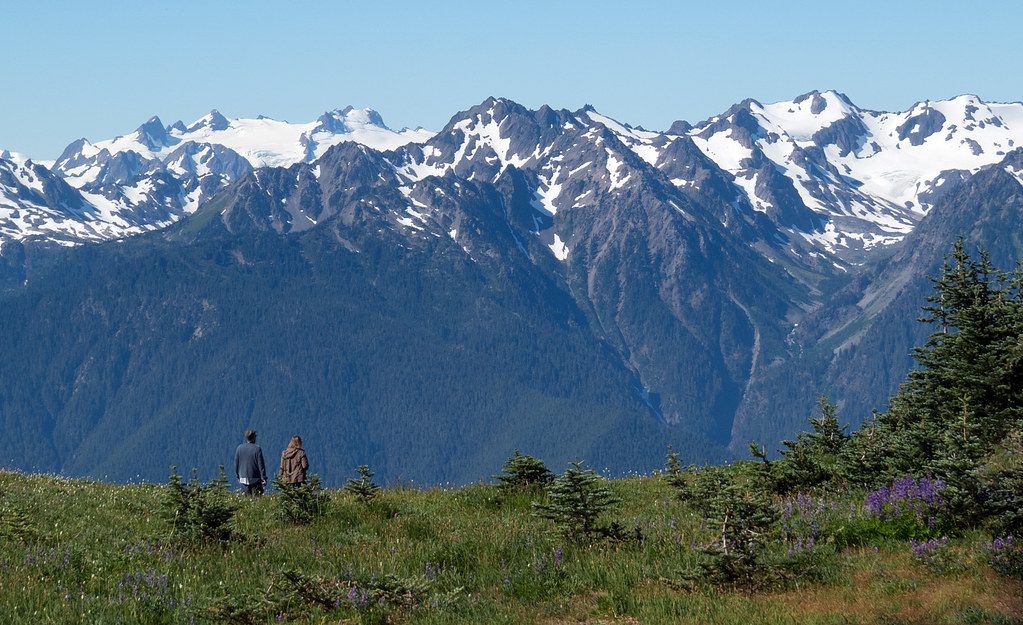
Olympic National Park contains diverse ecosystems where rainforest runoff, decaying plant material, and wildlife density contribute to contaminated waterways. Heavy rainfall increases turbidity, spreading microorganisms across broader areas and reducing the effectiveness of portable filters. Streams running through coastal zones or dense vegetation often carry fine particles and viruses that pass through filtration membranes. Seasonal shifts alter water chemistry frequently. Locals with long-term familiarity avoid drinking treated stream water because high moisture and constant organic input sustain persistent contamination.