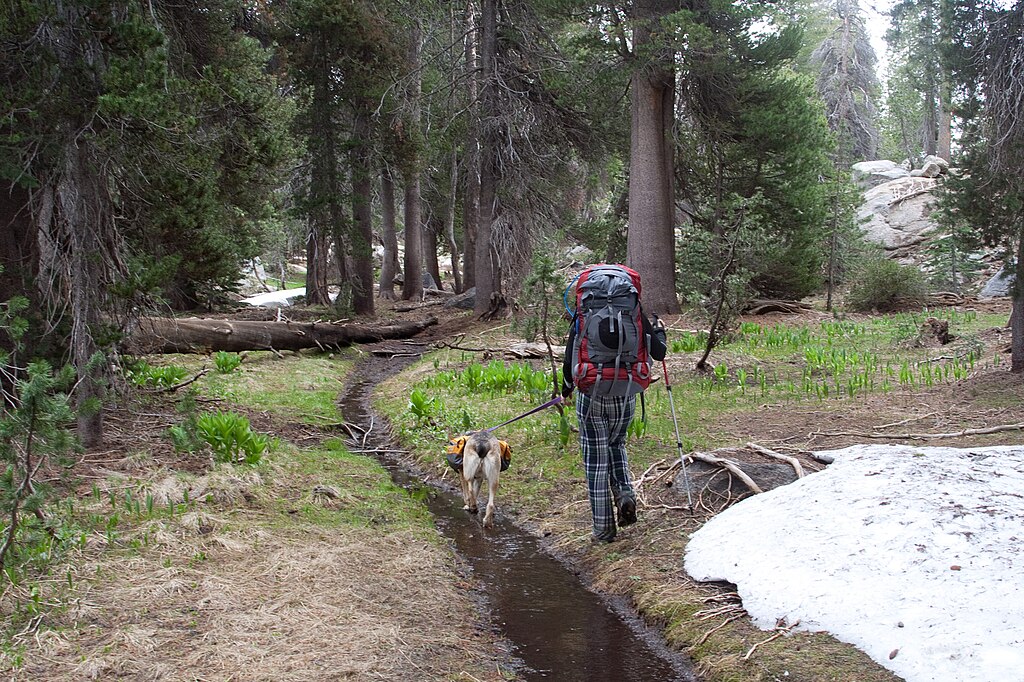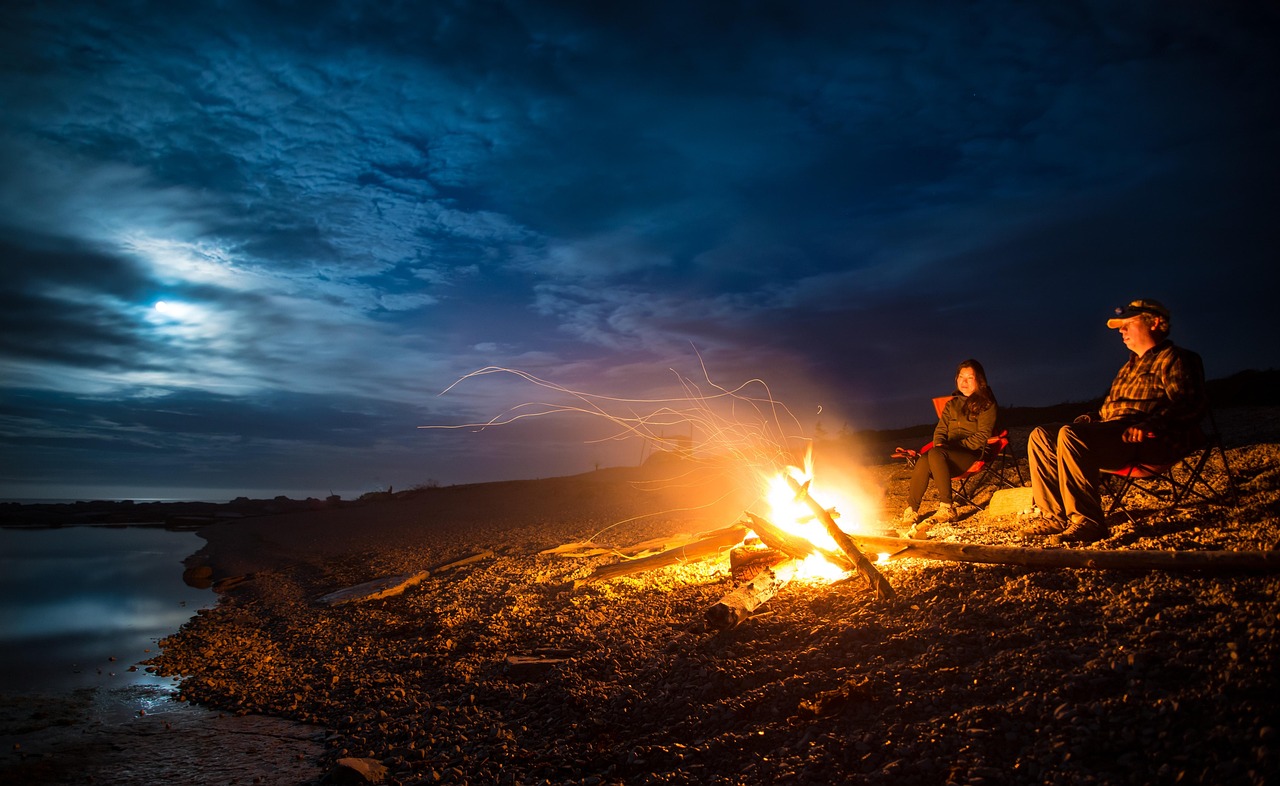
Camping in a national forest offers an unmatched escape into nature, where towering trees, winding trails, and serene streams provide the perfect backdrop for adventure. However, forest camping comes with unique challenges, from wildlife encounters to unpredictable weather. Following expert guidance ensures your trip is safe, enjoyable, and environmentally responsible. Here are seven must-know tips to make your national forest camping experience memorable and worry-free.
1. Plan Your Campsite Carefully
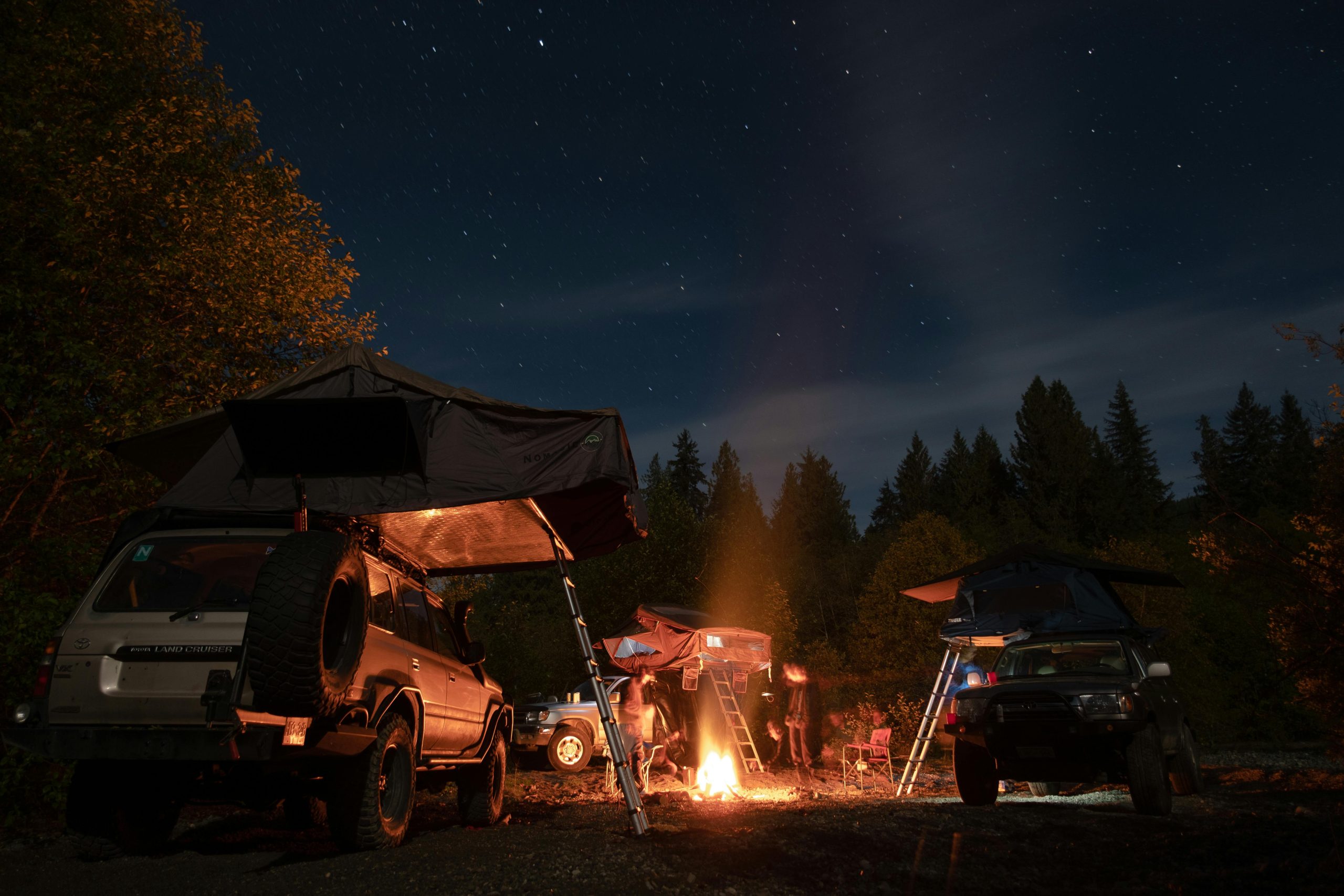
National forests often have limited designated campsites and some require permits, so planning ahead is essential. Research locations that fit your group size, activities, and preferences. Consider proximity to water sources, trailheads, and restroom facilities. Booking early can prevent disappointment, especially during peak seasons. A well-chosen campsite provides convenience, safety, and a more immersive connection with the surrounding forest environment.
2. Pack Essential Gear for Comfort and Safety
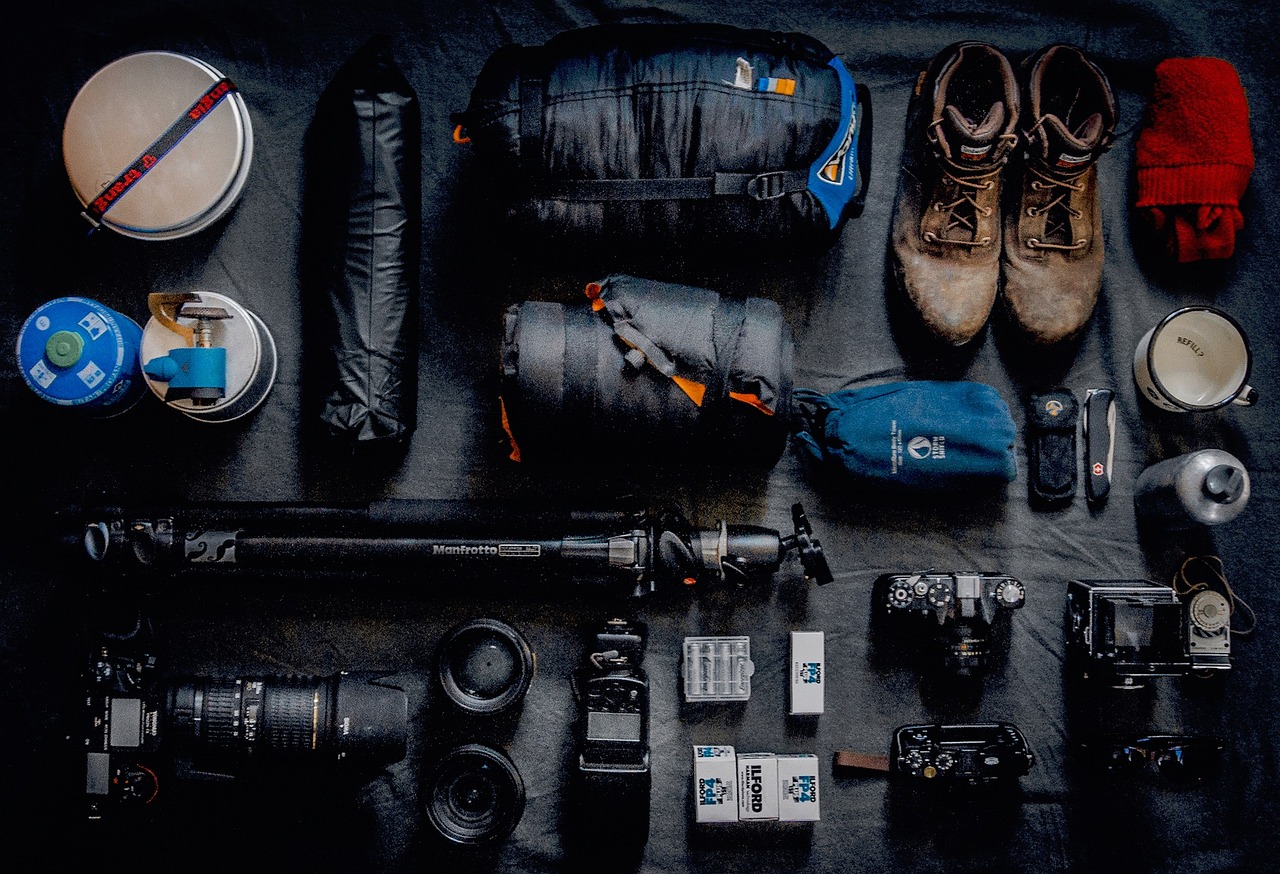
Bringing the right gear is critical to enjoying a forest camping trip. Essentials include a sturdy tent, weather-appropriate sleeping bags, portable cooking equipment, and a comprehensive first aid kit. Extra clothing layers, a flashlight, navigation tools, and insect repellent should not be overlooked. Proper preparation for weather changes, emergencies, and daily needs ensures a comfortable, safe, and stress-free experience in the wilderness.
3. Respect Wildlife and Their Habitat
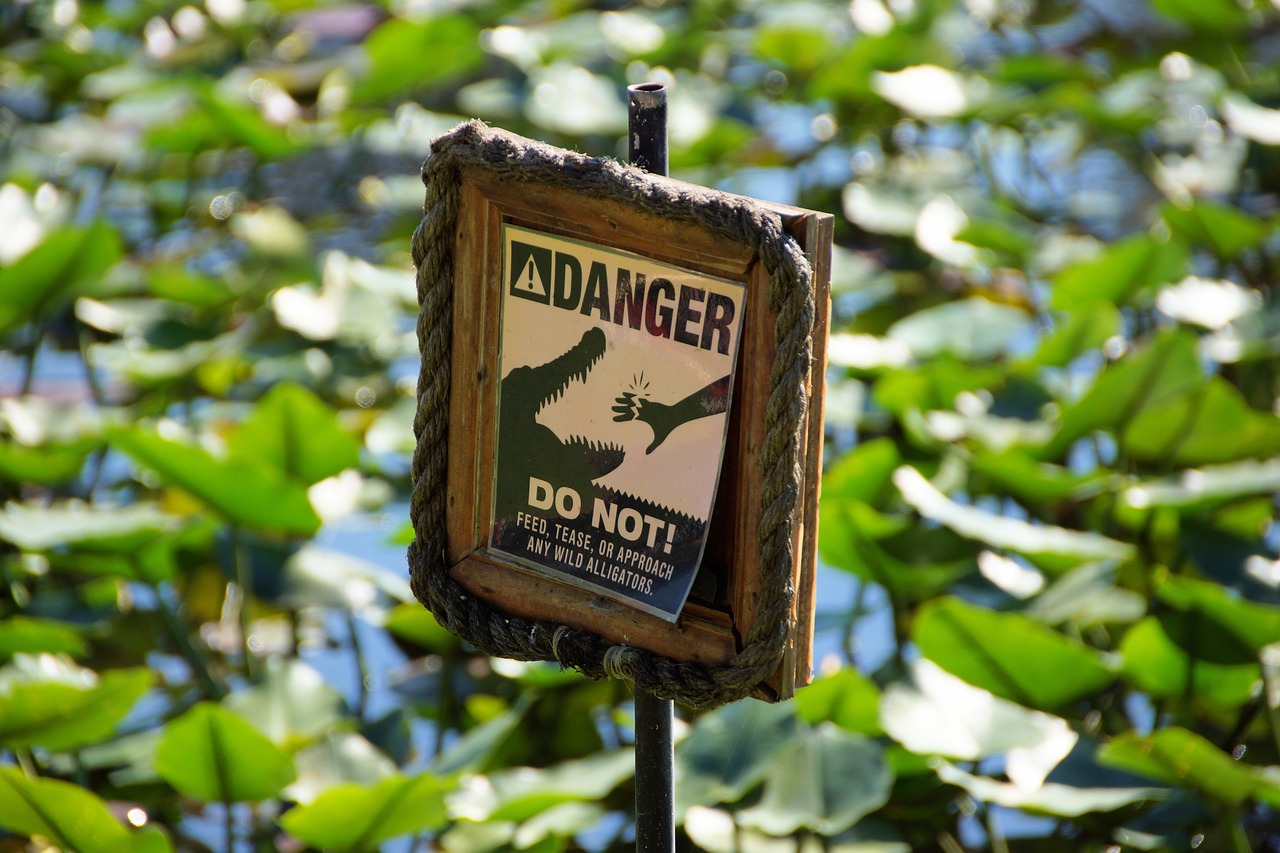
National forests are home to diverse wildlife, including deer, birds, and occasionally bears. Keep a safe distance and never attempt to feed or approach animals. Secure all food in bear-proof containers or hang it safely away from your tent. Observing wildlife responsibly protects both you and the animals, allowing you to appreciate nature without disturbing the ecosystem. Responsible behavior ensures the forest remains a safe haven for future campers.
4. Know How to Navigate
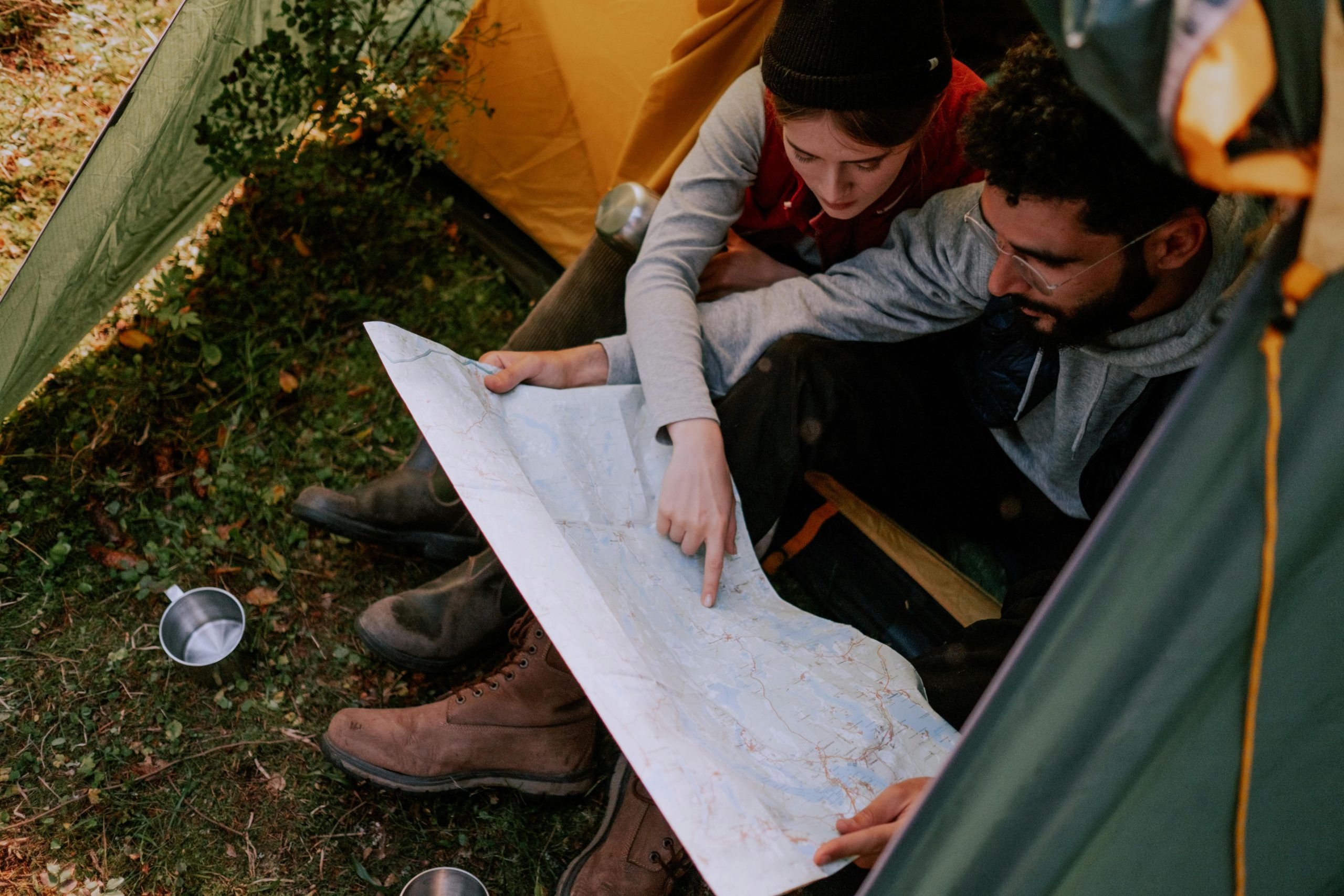
Getting lost in a national forest can quickly turn a fun adventure into a dangerous situation. Carry a map, compass, or GPS device, and make sure you know how to use them before your trip. Study trail markers and local landmarks in advance. Staying aware of your surroundings and maintaining orientation helps prevent panic, ensures a safe return to your campsite, and allows you to explore the forest confidently and efficiently.
5. Follow Leave No Trace Principles
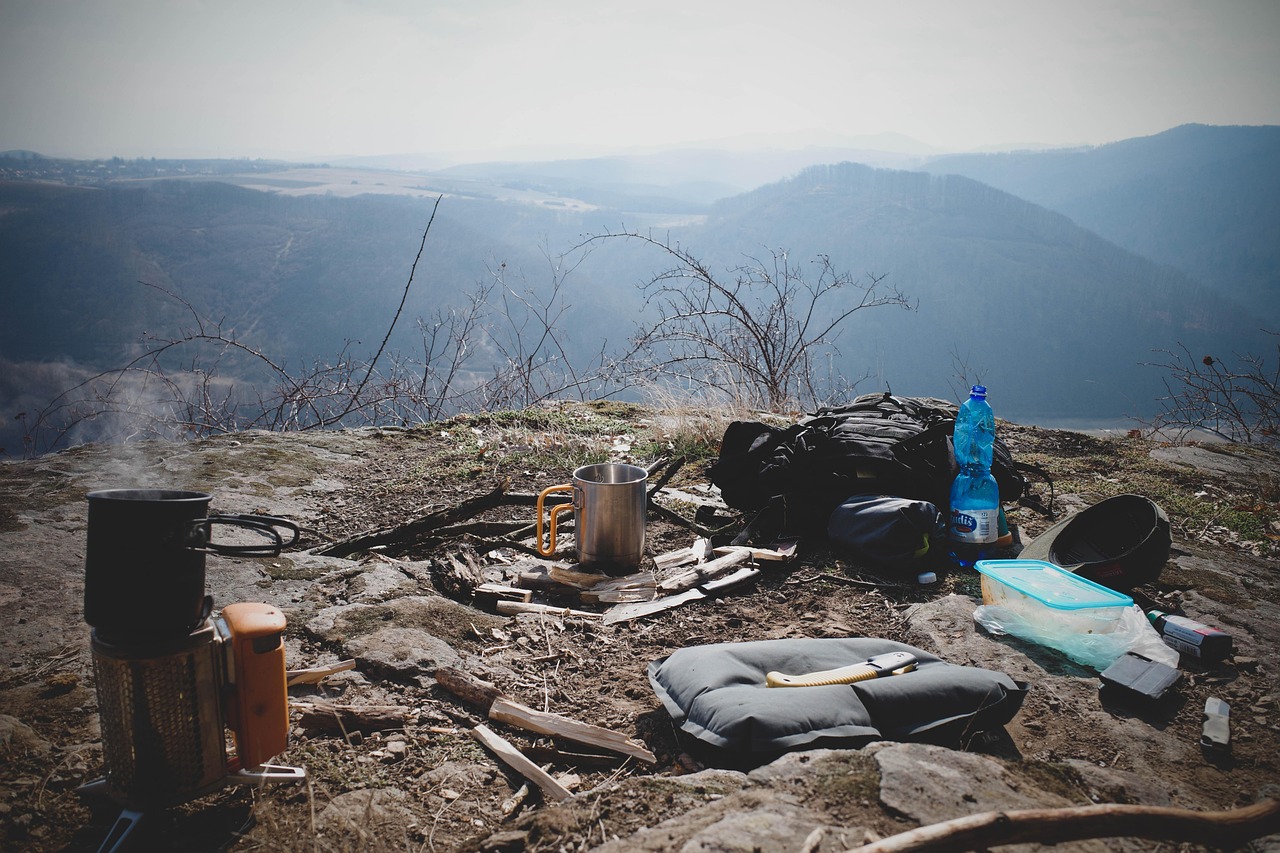
Maintaining the forest’s natural beauty is essential for sustainable camping. Carry out all trash, leftover food, and personal items, and avoid damaging trees, plants, or other natural features. Stick to established trails and campsites to minimize impact. By following Leave No Trace principles, you help preserve the environment for future visitors, contribute to the health of the forest ecosystem, and ensure that everyone can enjoy a pristine wilderness experience.
6. Prepare for Rapid Weather Changes
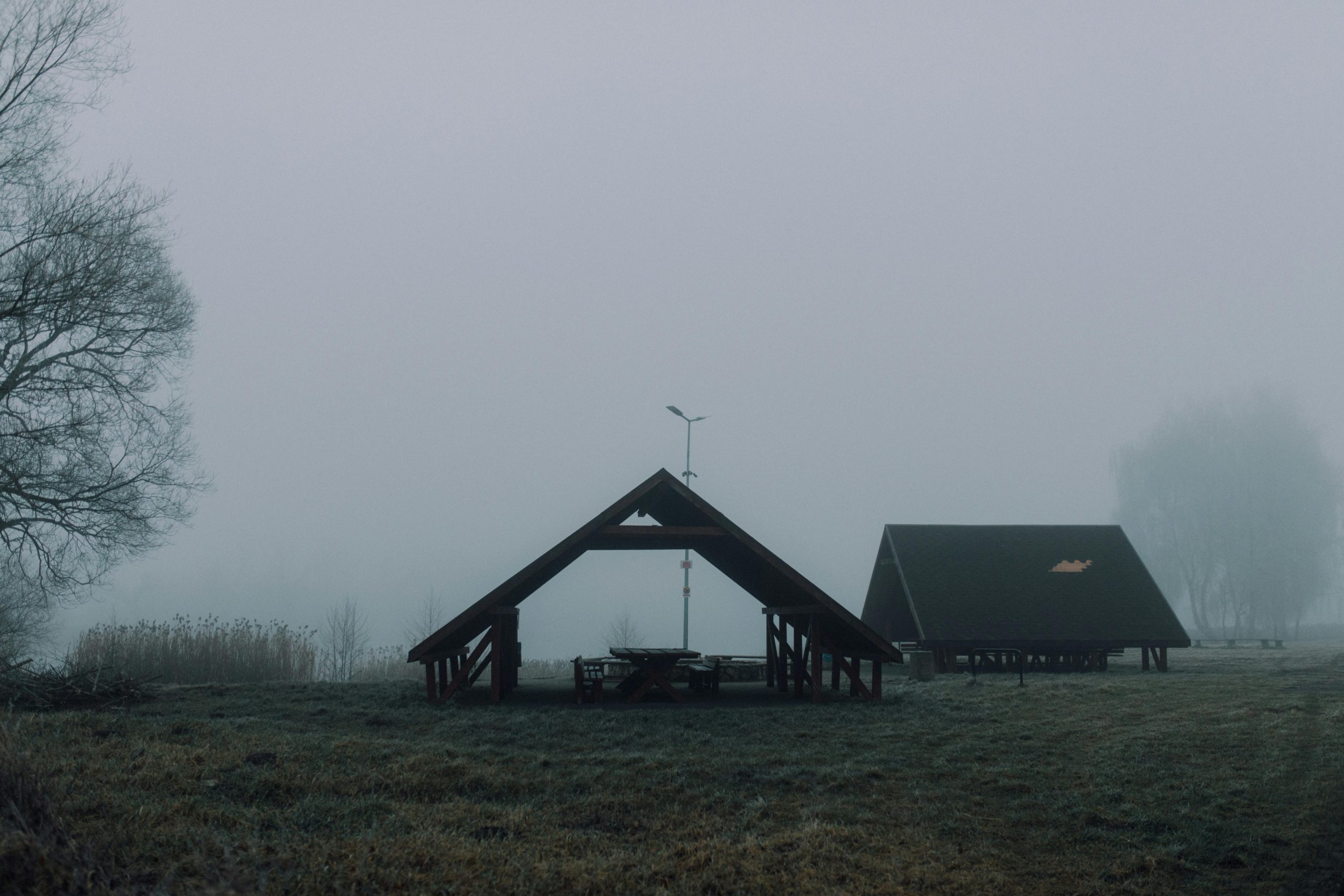
Weather in national forests can shift quickly, especially at higher elevations. Check forecasts before your trip, and pack rain gear, warm layers, and sturdy footwear. Be ready for sudden storms, high winds, or unexpected temperature drops. Proper preparation keeps you safe and comfortable, allowing you to enjoy the outdoors without disruption. Being aware of the environment and ready for weather changes is key to a successful camping adventure.
7. Learn Basic First Aid and Safety Skills

Accidents can happen even in well-maintained forest areas. Knowing how to treat minor injuries like cuts, scrapes, insect bites, or sprains is invaluable. Carry a first aid kit and familiarize yourself with wilderness safety tips, including how to signal for help and handle emergencies. Being prepared increases confidence, minimizes risk, and ensures you and your fellow campers can handle unexpected situations effectively while enjoying your adventure.