Most hikers imagine snakes as shy, retreat-first creatures that vanish the moment footsteps approach. In reality, some species break that expectation in uncomfortable ways. Across forests, deserts, and wetlands, a few snakes display behaviors that feel outright confrontational, standing their ground, striking repeatedly, or using bizarre defense tactics that seem designed to shock. What makes these encounters unsettling is how ordinary the settings can be: a quiet trail, a fallen log, or a sunny clearing. You don’t need to be deep in the wilderness to meet them. These seven snakes are known not only for aggression, but for odd, memorable behaviors that can turn a peaceful hike into a tense standoff.
1. Cottonmouth (Water Moccasin)
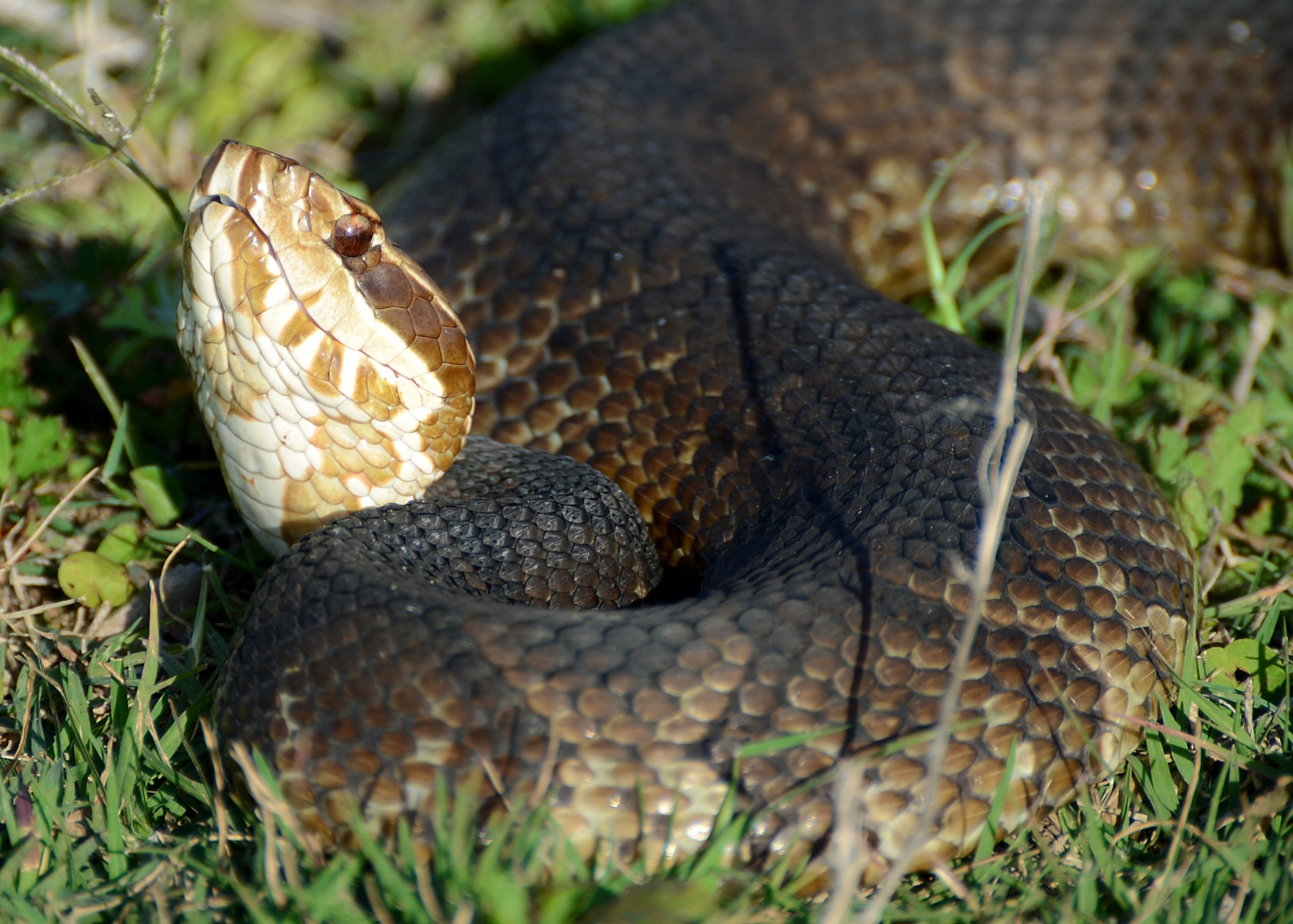
The cottonmouth has earned its reputation by refusing to behave like most snakes. Instead of fleeing, it often coils and holds its position, opening its mouth wide to reveal the stark white interior that gives it its name. This display isn’t a bluff as much as a warning backed by confidence. Found near streams, swamps, and muddy trails, it is frequently mistaken for harmless water snakes, leading hikers to approach too closely. When pressed, cottonmouths may strike repeatedly and with little hesitation. Their heavy bodies and slow movements make them seem lazy, but their reactions are fast, decisive, and disturbingly deliberate.
2. Fer-de-Lance
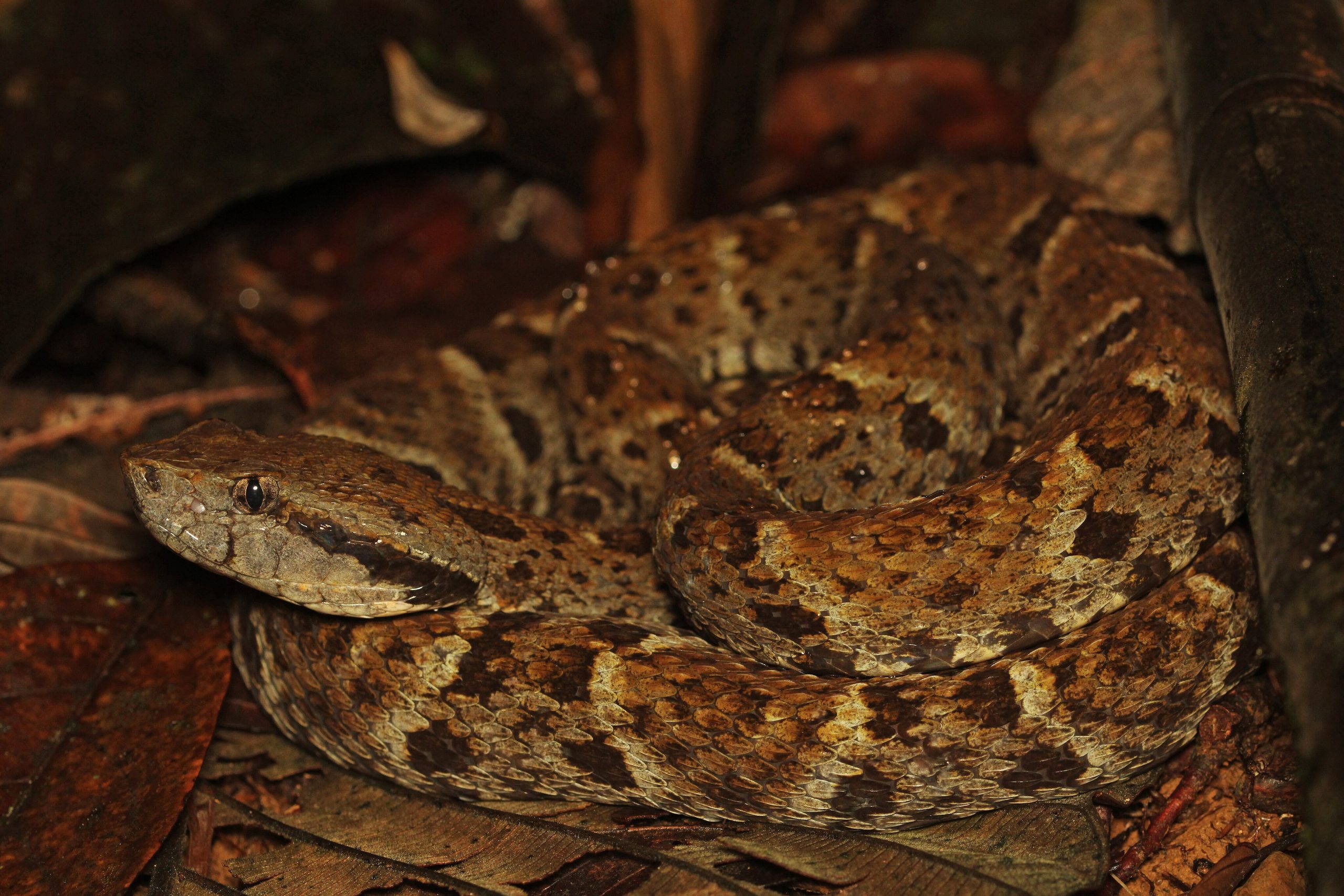
The fer-de-lance is infamous for its short temper and zero tolerance for disturbance. Often lying motionless among leaves, it relies on camouflage so effective that hikers may be nearly on top of it before realizing the danger. Once detected, this snake doesn’t waste time on prolonged warnings. It can strike with exceptional speed and has been documented delivering multiple bites in rapid succession. What makes it particularly unsettling is its willingness to hold ground rather than retreat. Even after striking, it may remain coiled and alert, tracking movement closely, creating a sustained sense of threat rather than a single moment of danger.
3. Eastern Brown Snake
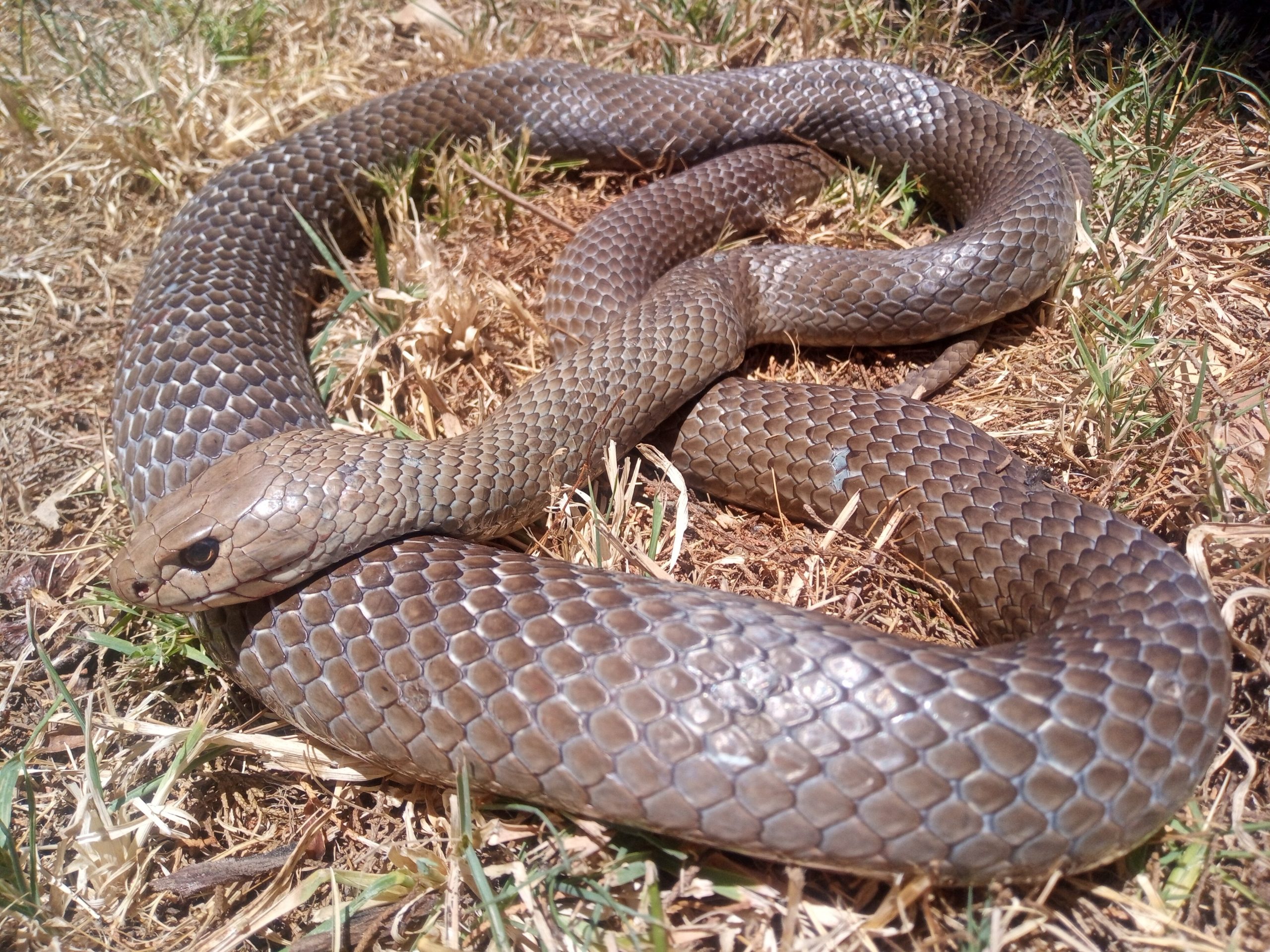
Despite its plain appearance, the eastern brown snake is one of the most reactive snakes a hiker can encounter. It has a hair-trigger response to sudden movement and tends to interpret even distant motion as a direct threat. When startled, it may raise the front of its body, flatten its neck slightly, and advance instead of backing away. This forward-moving defense catches many people off guard. It thrives near human-altered landscapes, meaning trails, fields, and scrubland hikes are common encounter zones. Its speed is notable, making attempts to simply outpace the situation risky and unpredictable.
4. Boomslang
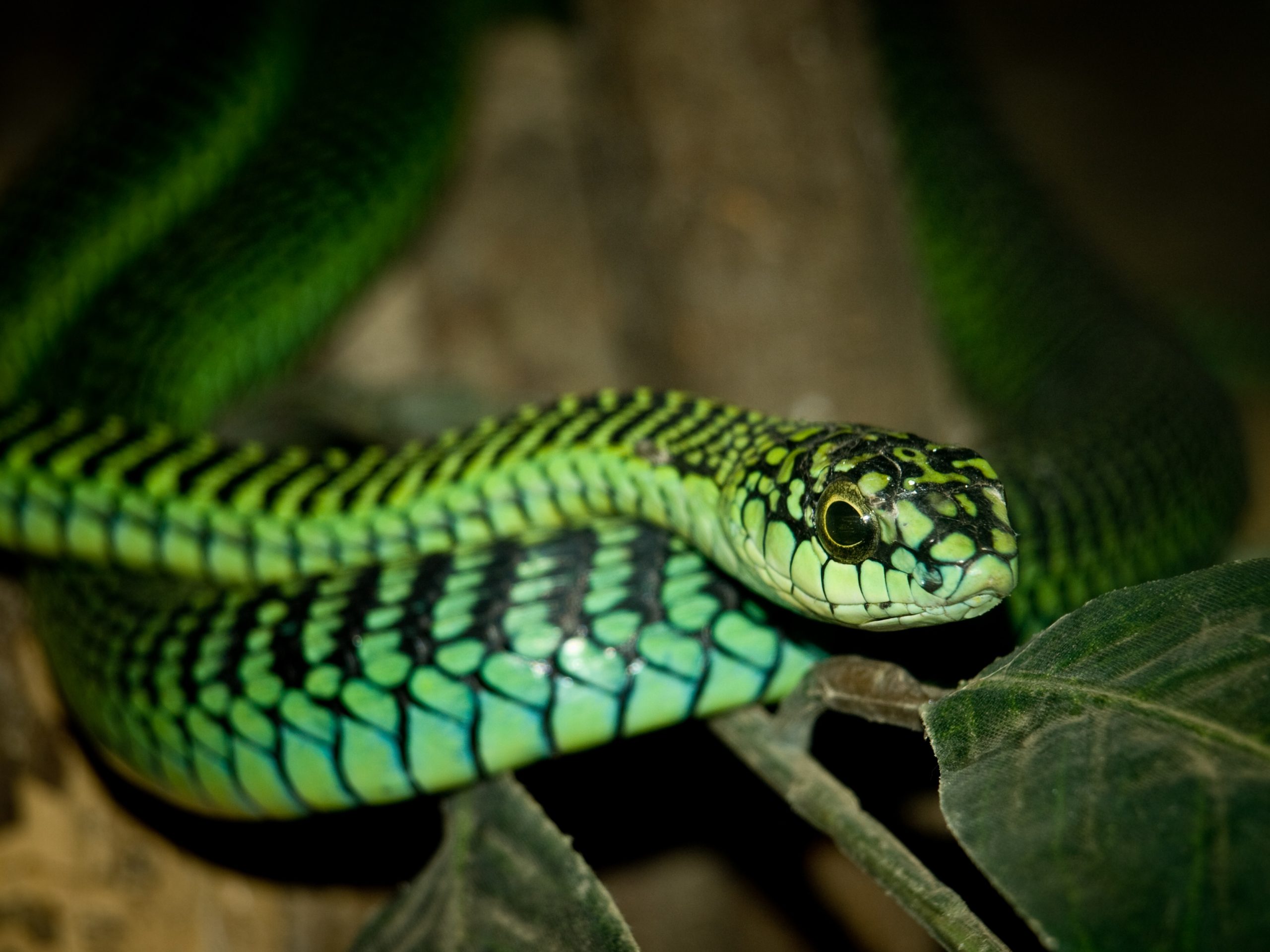
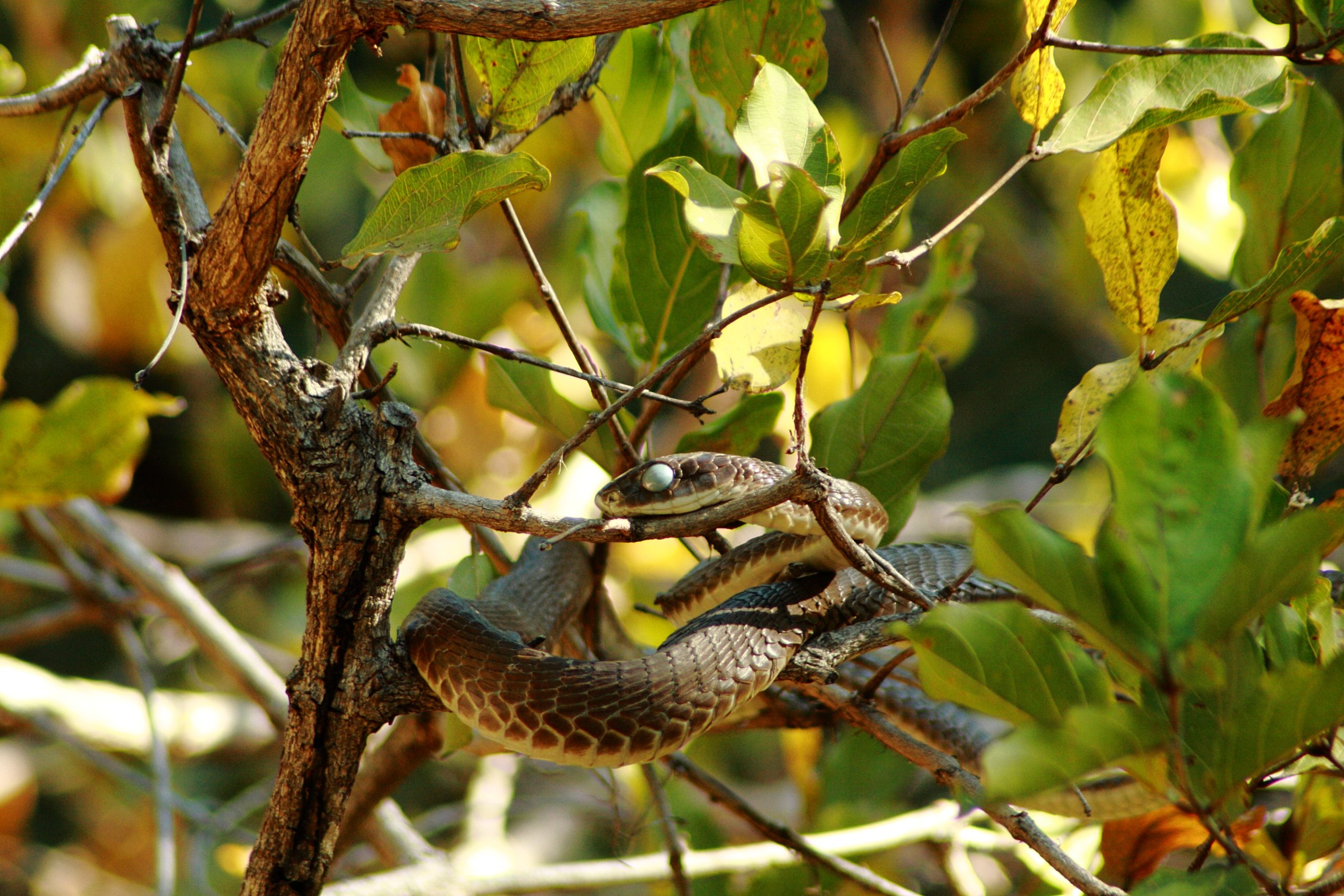
At first glance, the boomslang seems almost gentle, with large eyes and a slender body that blends easily into tree branches. Its weirdness emerges when it feels cornered. Unlike many snakes, it can inflate its neck dramatically, creating an exaggerated, almost cartoonish shape before striking. Hikers brushing past low branches or vines are most at risk, as this snake often stays elevated rather than ground-based. Its calm appearance lulls people into underestimating it, but when it does bite, it often holds on longer than expected. That contrast between appearance and behavior makes encounters especially unnerving.
5. Black Mamba
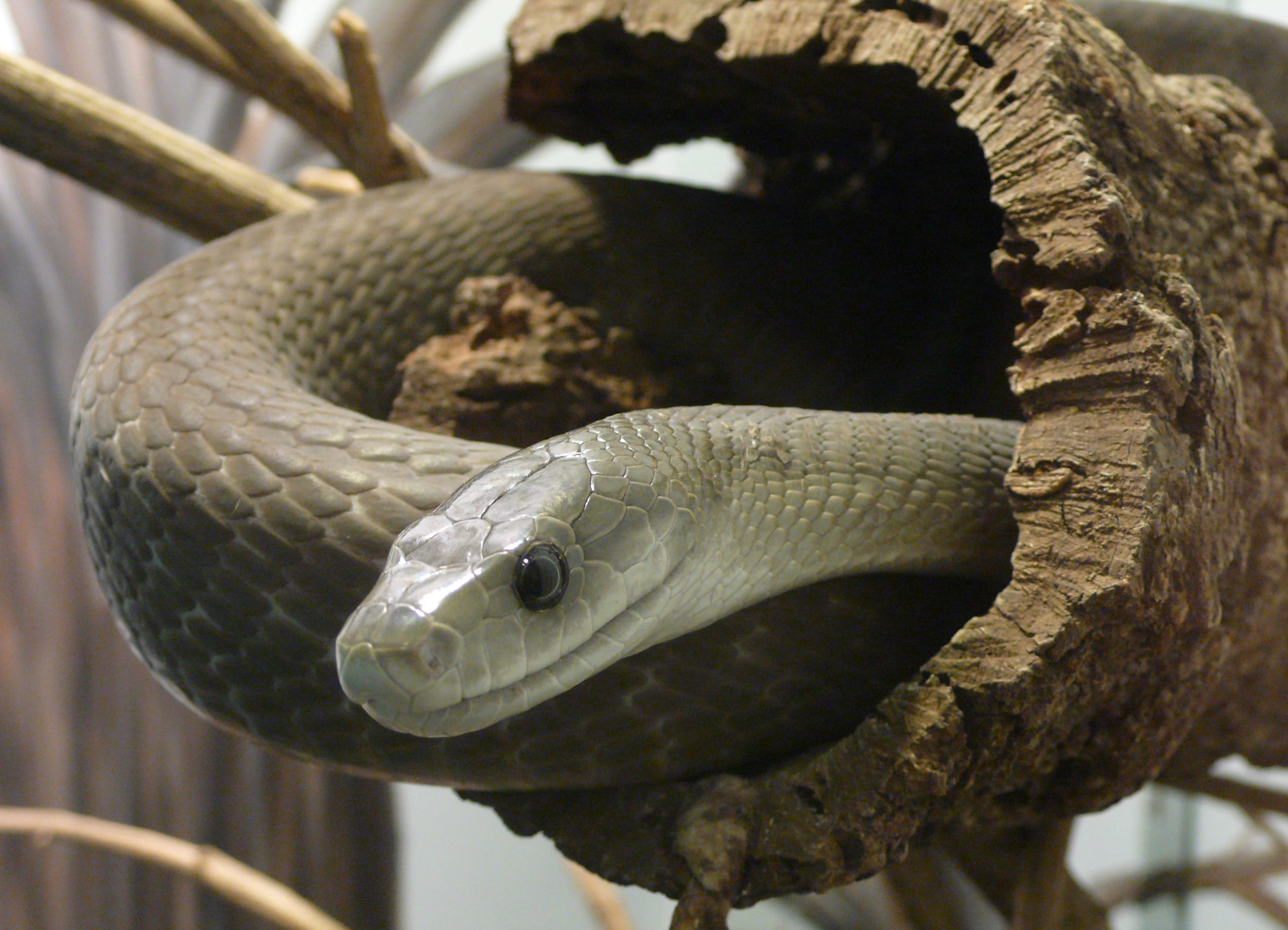
The black mamba’s aggression is closely tied to speed and confidence. When surprised on a trail, it may rear up high, spread its neck, and gape its mouth in a dark, unmistakable warning. Unlike snakes that retreat after a display, the black mamba may advance several feet in a single burst. It is highly alert and visually oriented, meaning it tracks hikers’ movements rather than relying purely on vibration. This creates the chilling sensation of being actively watched. Its size, speed, and willingness to stand tall make even brief encounters feel intense and unforgettable.
6. Tiger Snake
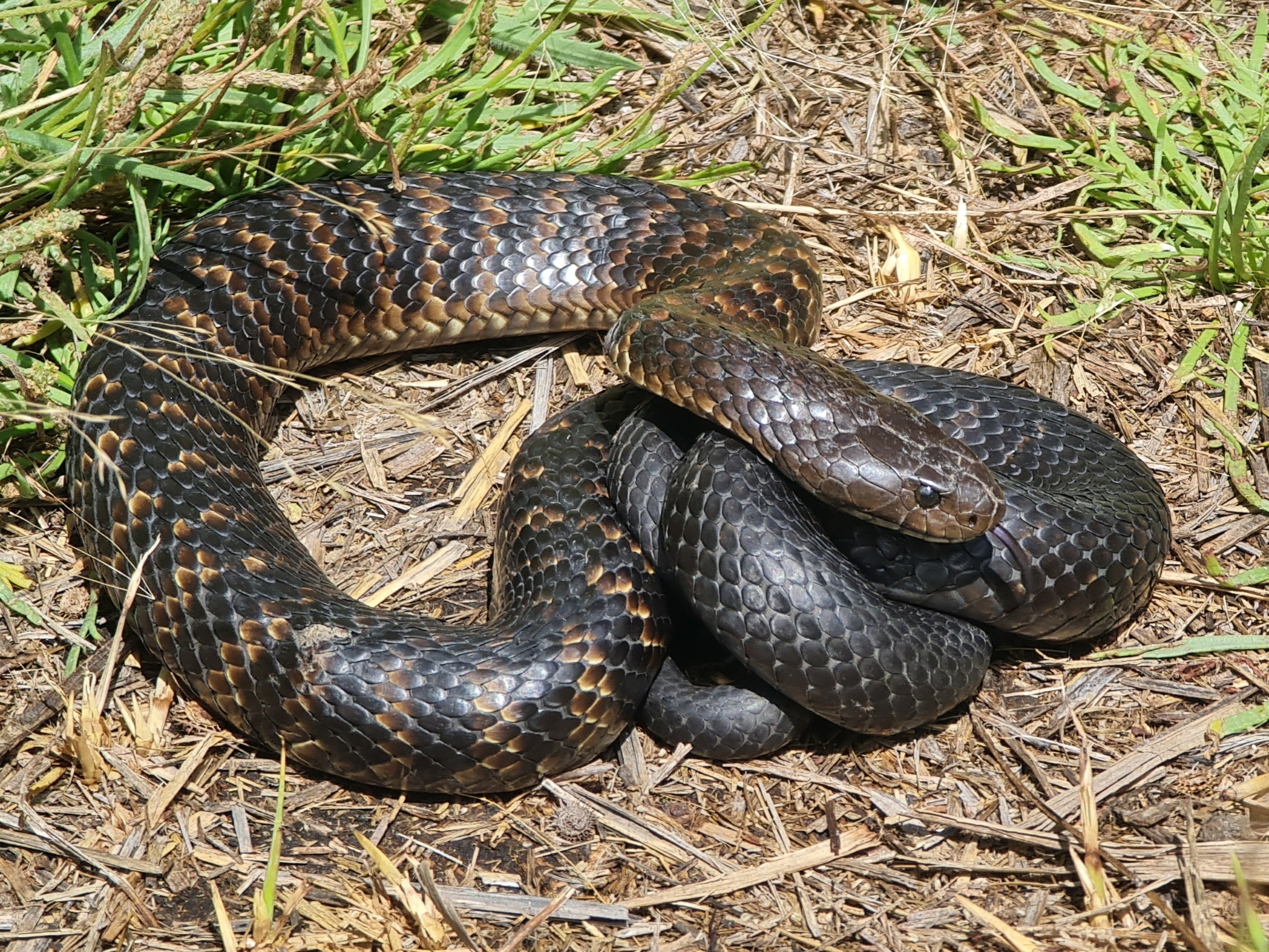
Tiger snakes are known for their dramatic defensive posture, flattening their bodies and raising their heads while releasing loud hisses. Found in coastal paths, grasslands, and wetlands, they are often encountered in open areas where hikers feel least cautious. What sets them apart is how quickly their mood shifts. A snake that appears calm can turn aggressive in seconds if a step lands too close. They are persistent defenders of their space and may follow perceived threats for short distances. This behavior gives hikers the unsettling impression that the encounter isn’t over even after backing away.
7. Saw-Scaled Viper
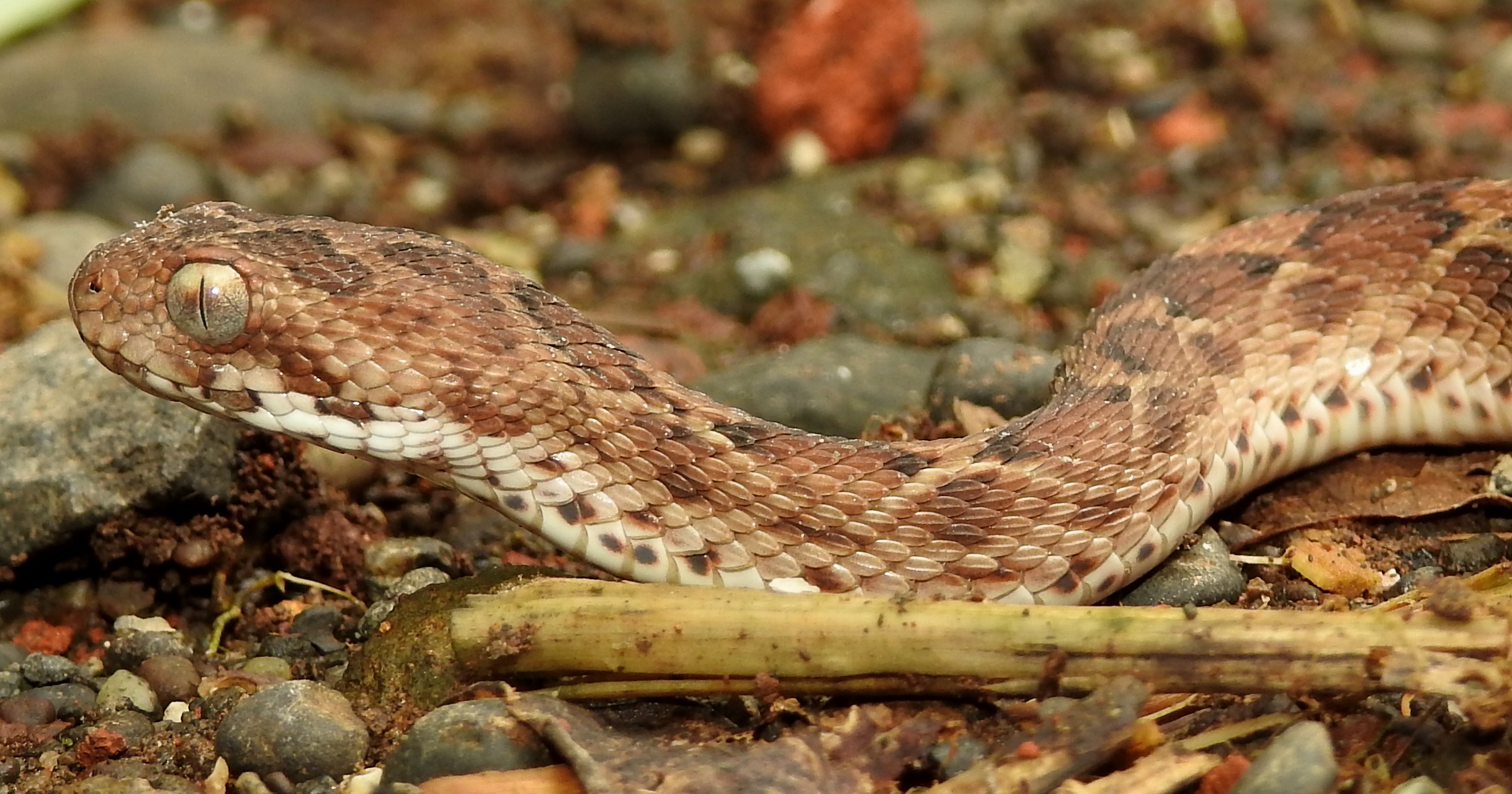
Small, well camouflaged, and surprisingly hostile, the saw-scaled viper is responsible for many bite incidents because of how easily it is overlooked. When disturbed, it coils tightly and rubs its scales together, producing a dry, sizzling sound that feels almost mechanical. This warning often comes just before a lightning-fast strike. Unlike larger snakes, it doesn’t rely on intimidation through size, but through relentless readiness. It may strike repeatedly if it feels trapped, especially on narrow paths or rocky trails. Its combination of size, sound, and aggression makes it one of the most unsettling surprises a hiker can face.