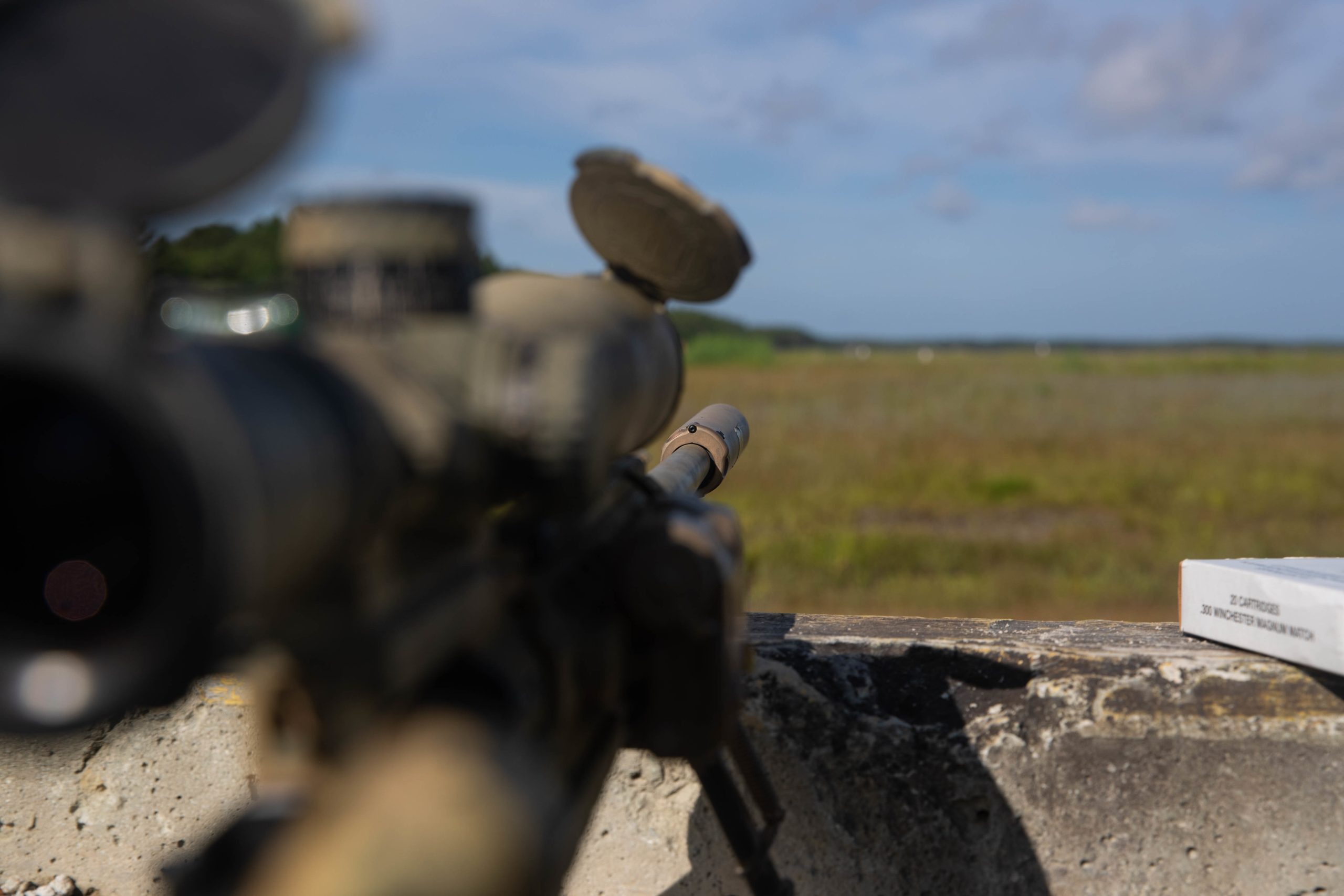
Buying your first suppressor feels exciting until the paperwork stacks up, the wait stretches past a year, and the can on your rifle sounds nothing like you imagined. Suppressors, often called silencers, are among the most misunderstood firearm accessories on the market. With over 3 million suppressors currently registered in the United States and numbers climbing annually, more first-time buyers are rushing in without doing enough research. That leads to costly mistakes, some measured in hundreds of dollars, others in wasted months of waiting. This guide breaks down the seven most common errors new buyers make, helping you skip the frustration and get everything right on your very first purchase.
1. Ignoring the NFA Paperwork Process Entirely
Suppressors fall under the National Firearms Act of 1934, yet most first-time buyers treat the purchase like picking up any standard firearm. The process requires submitting an ATF Form 4, paying a non-refundable $200 tax stamp fee, and clearing a thorough background check. As of recent reporting, individual Form 4 transfers average between 6 and 12 months for approval, nd that clock doesn’t start until your paperwork is properly submitted and accepted. Many buyers budget only for the suppressor itself, completely forgetting that $200 stamp. Learning the NFA process upfront prevents serious frustration later, avoids purchase regret, and helps you establish realistic timelines before you even walk through a dealer’s door.
2. Buying a Suppressor That Doesn’t Match Your Caliber
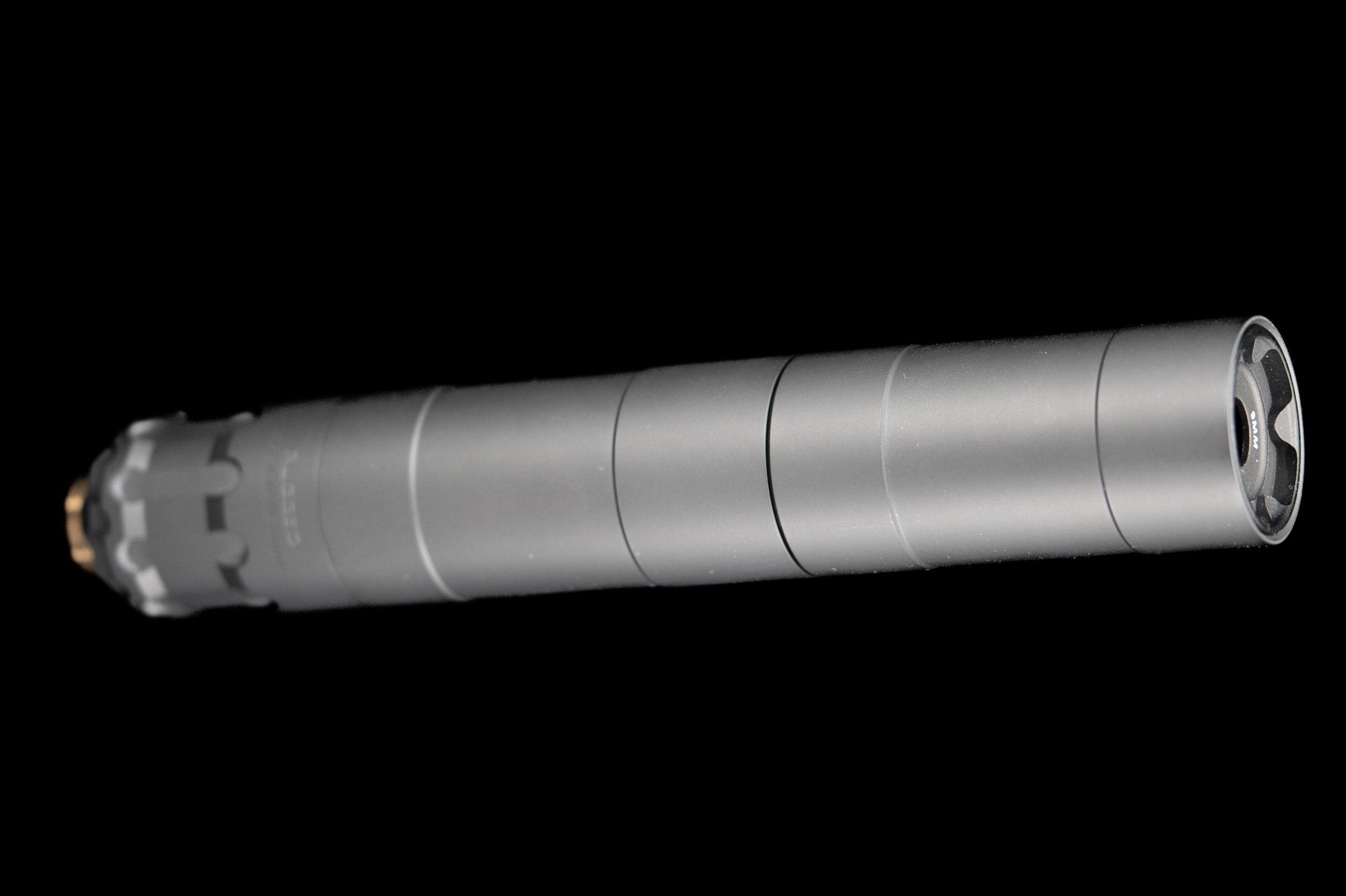
One of the most financially painful mistakes is purchasing a suppressor that simply doesn’t fit your firearms. Suppressors are caliber-rated, meaning a 9mm pistol cannot safely handle .45 ACP rounds, and a .30 caliber suppressor is heavy overkill for a .22 LR setup. Multi-caliber suppressors exist but typically cost between $600 and $1,200, depending on construction and brand. Rimfire-specific suppressors are cheaper, averaging $200 to $400, but are not rated for centerfire use. Buying the wrong one means either a dangerous misuse situation or an expensive second purchase entirely. Always confirm the suppressor’s rated calibers, thread pitch compatibility, and maximum pressure ratings before completing any transaction at the counter.
3. Expecting Hollywood-Level Silence
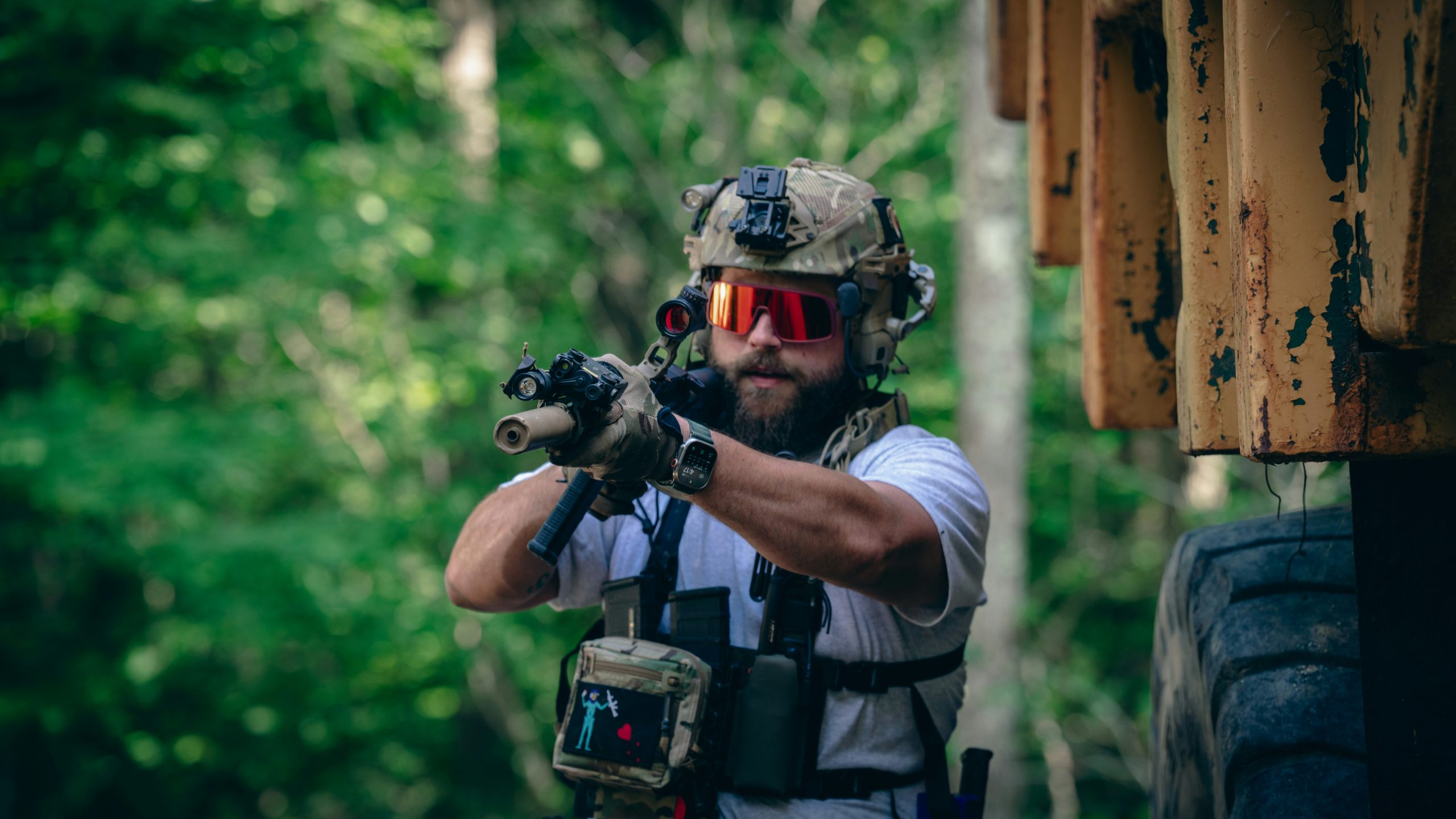
A suppressor reduces muzzle noise, but does not eliminate it. This is the most widespread misconception among first-time buyers, fueled almost entirely by decades of action films. In reality, a suppressed .22 LR registers around 115 to 120 decibels, still louder than a typical power tool running at full speed. A suppressed 5.56 rifle often reads between 130 and 140 decibels, well above the 85 dB threshold where hearing damage begins. Suppressors typically reduce muzzle blast by 20 to 35 decibels, depending on caliber and ammunition type. Subsonic rounds help reduce the sonic crack, but supersonic loads still produce a sharp, audible report. Hearing protection remains strongly recommended even with a quality suppressor attached.
4. Skipping the NFA Trust Option Without Thinking It Through
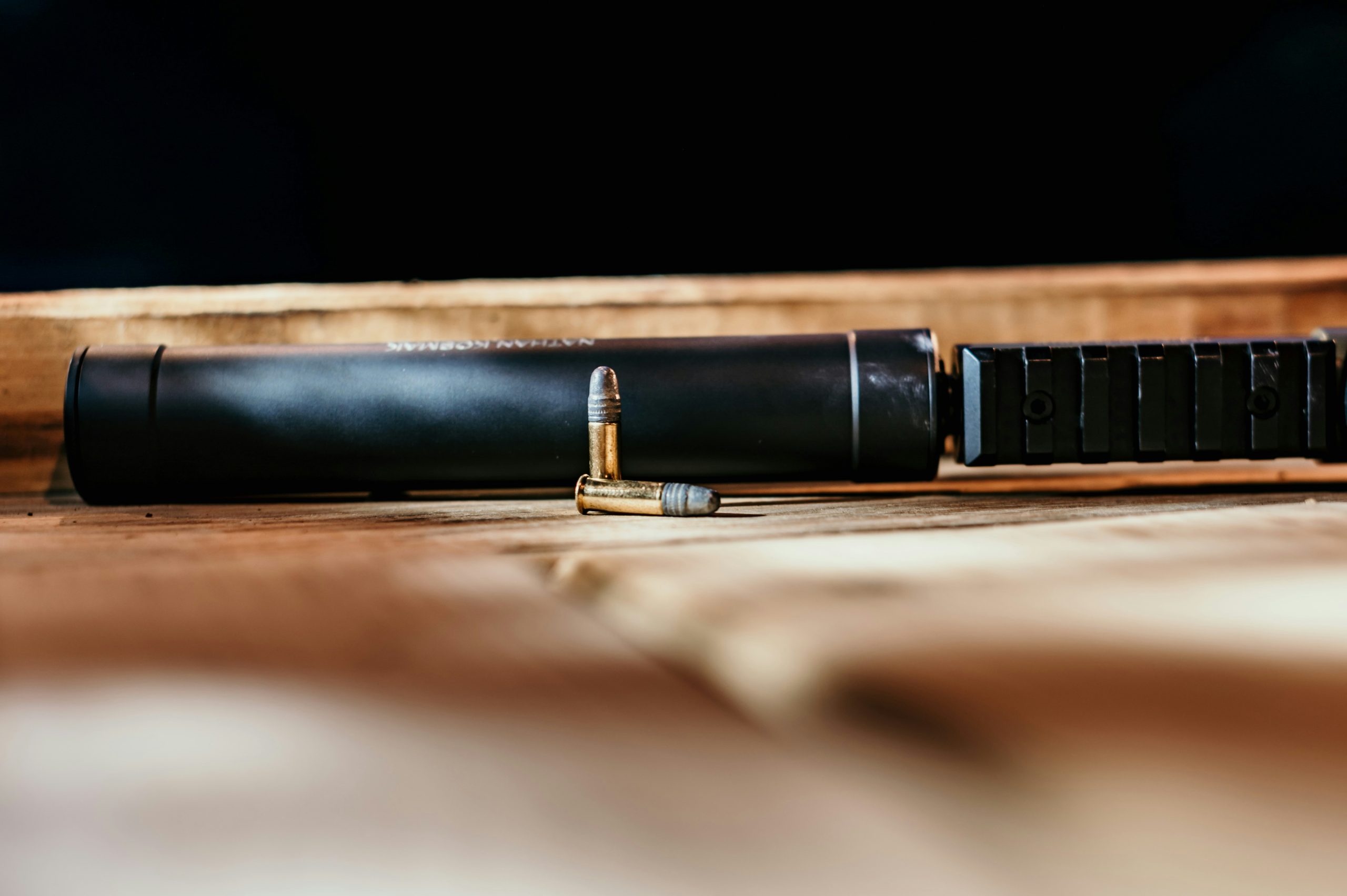
Many first-time buyers purchase suppressors as individuals without exploring the NFA trust option, and later regret it. An NFA trust allows multiple designated trustees to legally possess and use the suppressor, something that matters greatly for households with more than one responsible adult. Without a trust, only the registered owner can legally handle the can. If that person passes away, transferring the suppressor becomes legally complicated for surviving family members. As of 2016, the ATF’s 41F rule required CLEO notification and fingerprints for all responsible persons named in a trust. Setting one up typically costs between $100 and $300 through a firearms attorney, a one-time expense that provides lasting legal flexibility and genuine peace of mind.
5. Choosing the Cheapest Option Without Comparing Quality
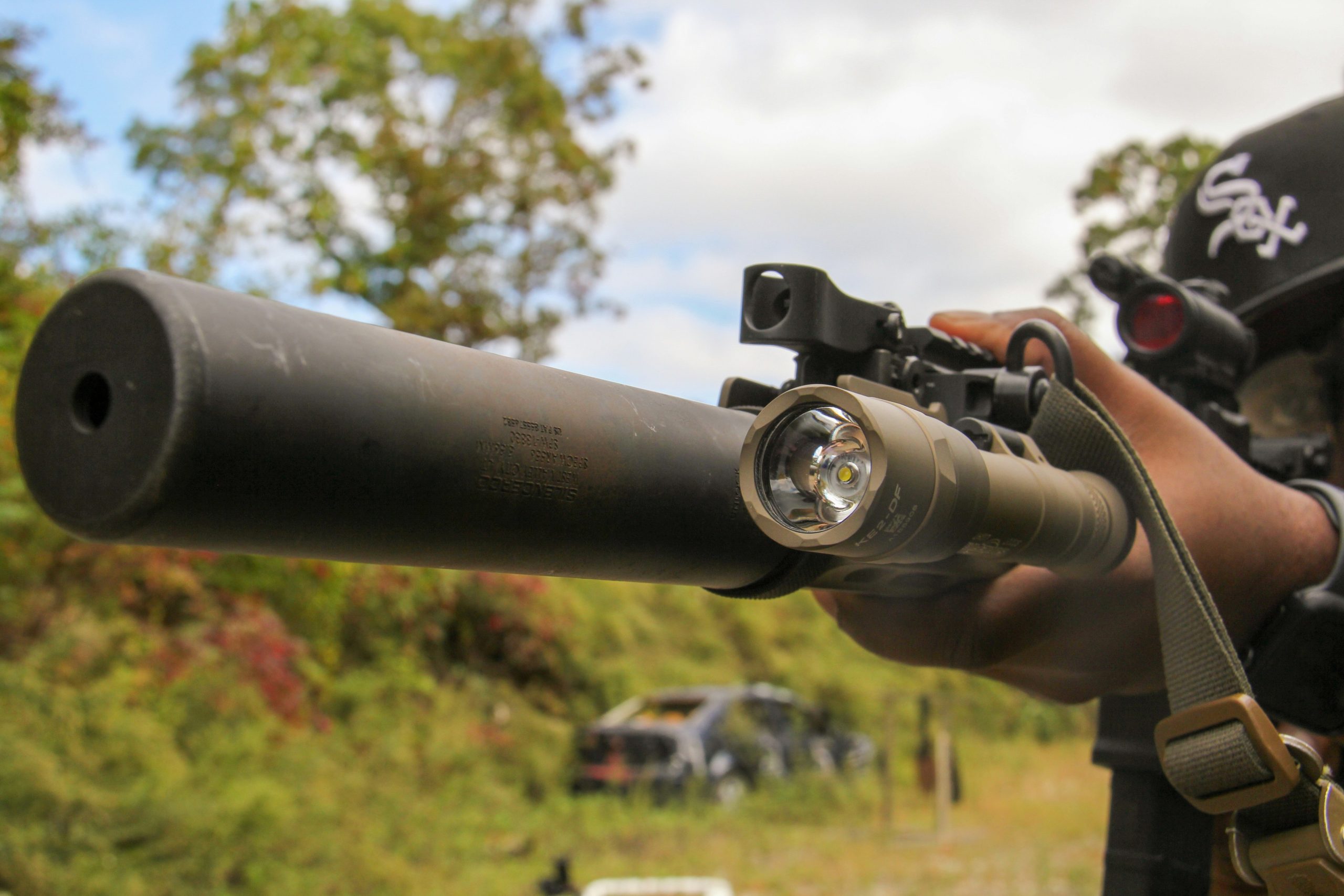
Budget shopping is understandable as prices range from $350 for entry-level rimfire cans to over $2,000 for premium titanium centerfire models. Grabbing the cheapest option without comparing materials and baffle design is a costly mistake, though. An aluminum-baffle suppressor may handle around 5,000 rounds before degrading, while a titanium or stainless build can easily exceed 30,000 with minimal wear. Cheaper models also generate more back-pressure, pushing carbon into your firearm’s action and accelerating internal wear over time. Spending an extra $200 to $400 upfront on a reputable brand like SilencerCo, Dead Air, or Rugged often saves far more in long-term repairs and replacements. Quality here means durability, longevity, and consistent safety through every round fired.
6. Forgetting to Check Whether Your Firearm Is Suppressor-Ready
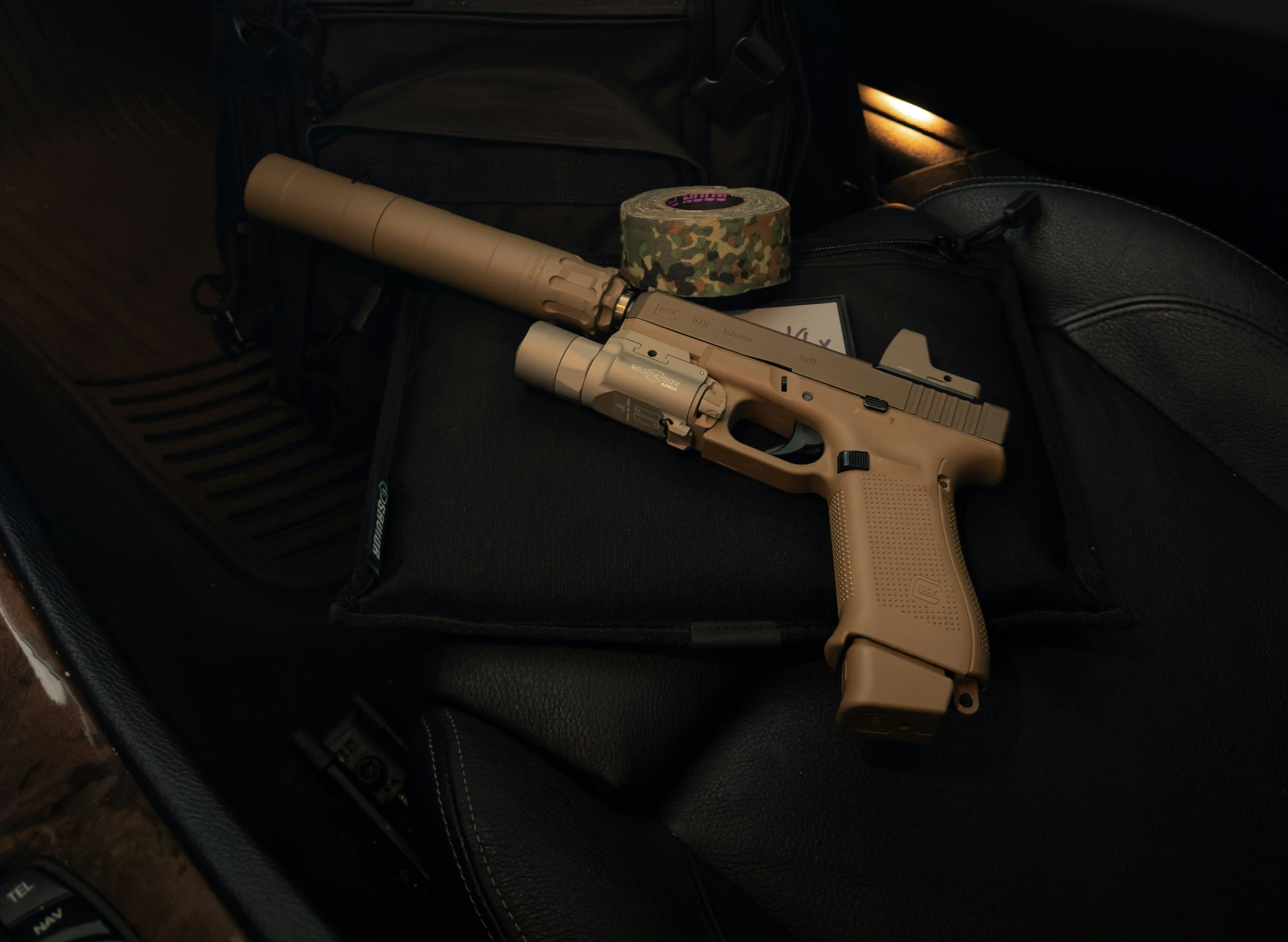
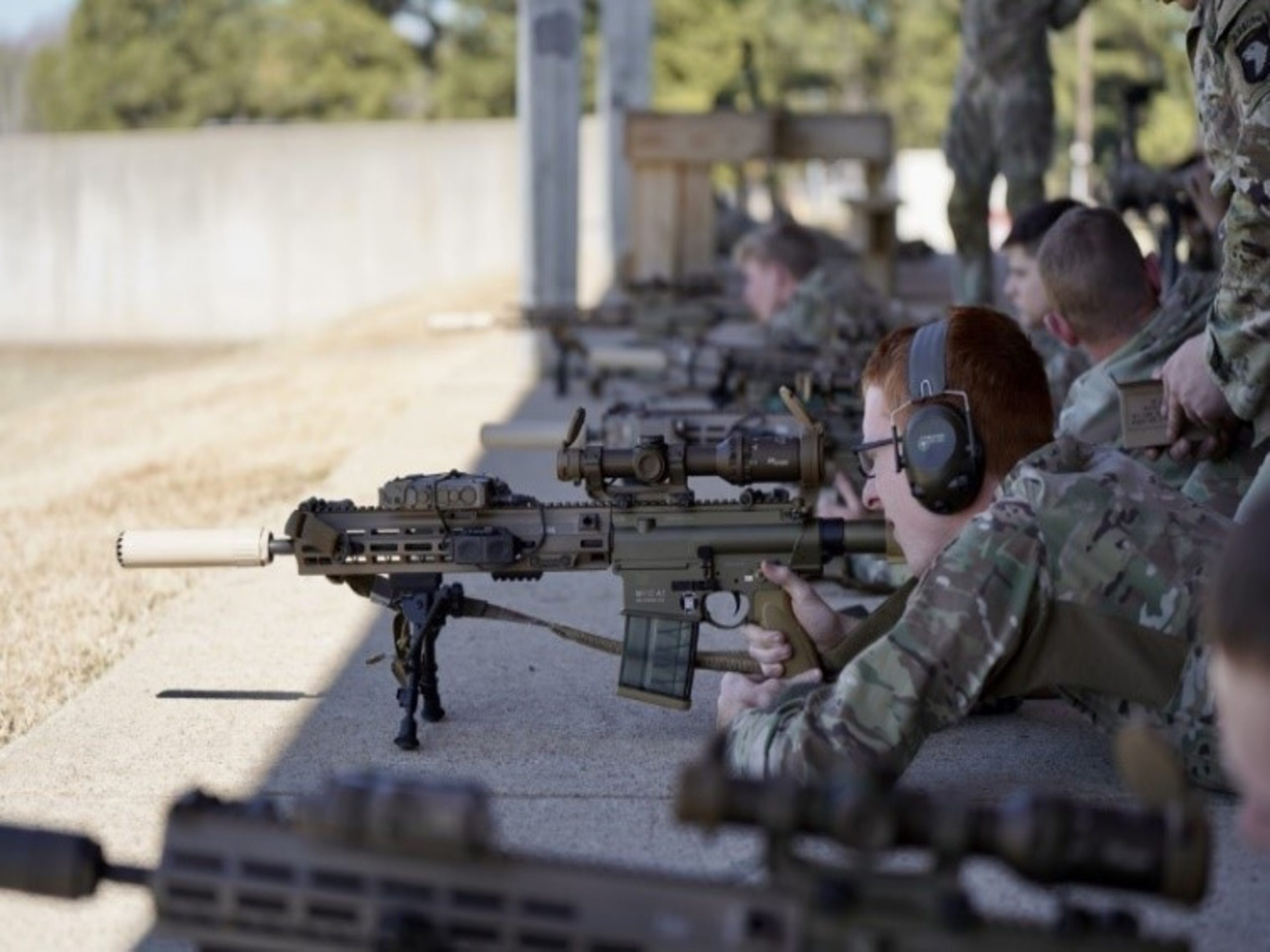
Buying a suppressor before confirming your firearm is ready for it catches many first-time buyers completely off guard. Most factory rifles and handguns ship with standard, unthreaded barrels, and threading one costs between $100 and $300, depending on caliber and the gunsmith involved. Thread pitch matters, too. Common patterns include 1/2×28 for 5.56 and 5/8×24 for .308, and mismatches require additional adapters. Semi-automatic pistols often need a booster assembly, called a Nielsen device, to cycle reliably when suppressed. Failing to factor in all host-compatibility costs before purchasing leads to the frustrating and expensive situation of owning a suppressor with no properly configured firearm to safely and legally mount it on.
7. Completely Neglecting Suppressor Maintenance and Cleaning
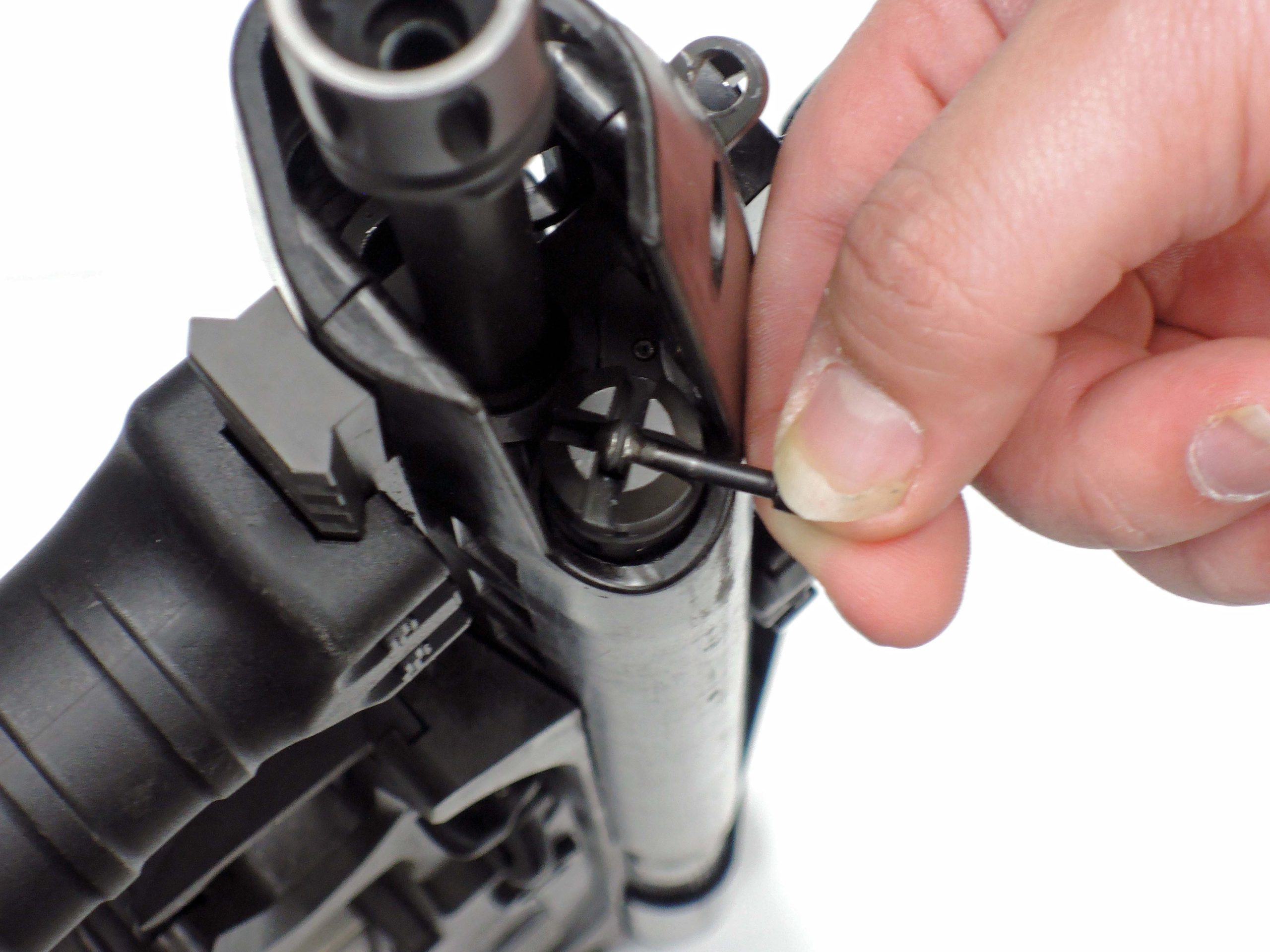
First-time buyers often treat suppressors as set-it-and-forget-it accessories, which causes long-term performance damage. Rimfire suppressors collect lead, carbon, and fouling at a rapid rate, often requiring full disassembly and cleaning every 500 rounds or fewer. User-serviceable models come apart in sections for cleaning, while sealed cans trap carbon permanently inside and gradually lose measurable performance. Centerfire suppressors are more forgiving but still need periodic inspection, particularly at the blast baffle. Ultrasonic cleaners, priced between $80 and $200, are popular tools for thorough cleaning sessions. Neglecting maintenance shortens suppressor lifespan significantly and can compromise baffle seals, reducing sound attenuation by as much as 5 to 10 decibels over extended and unchecked use.