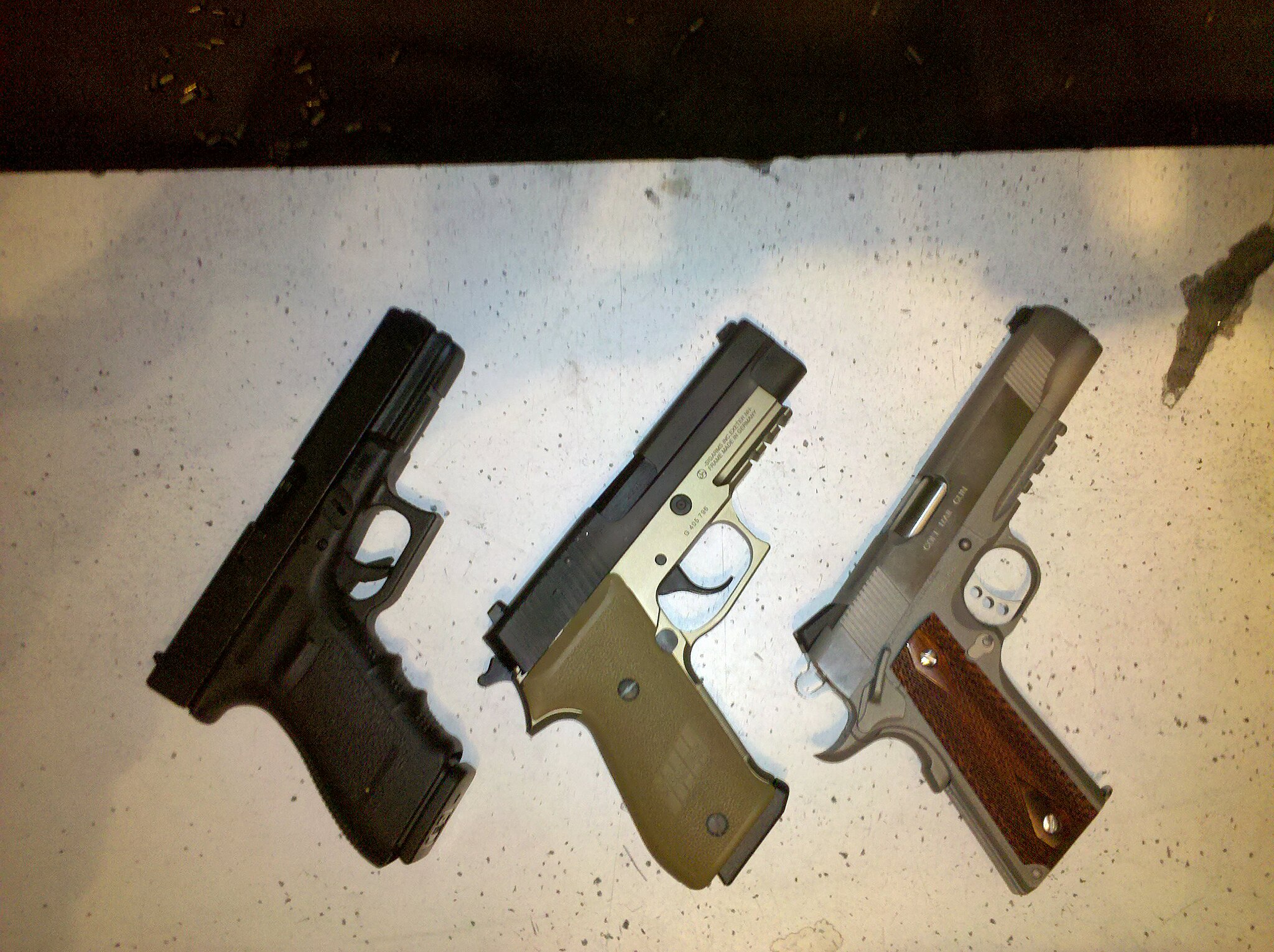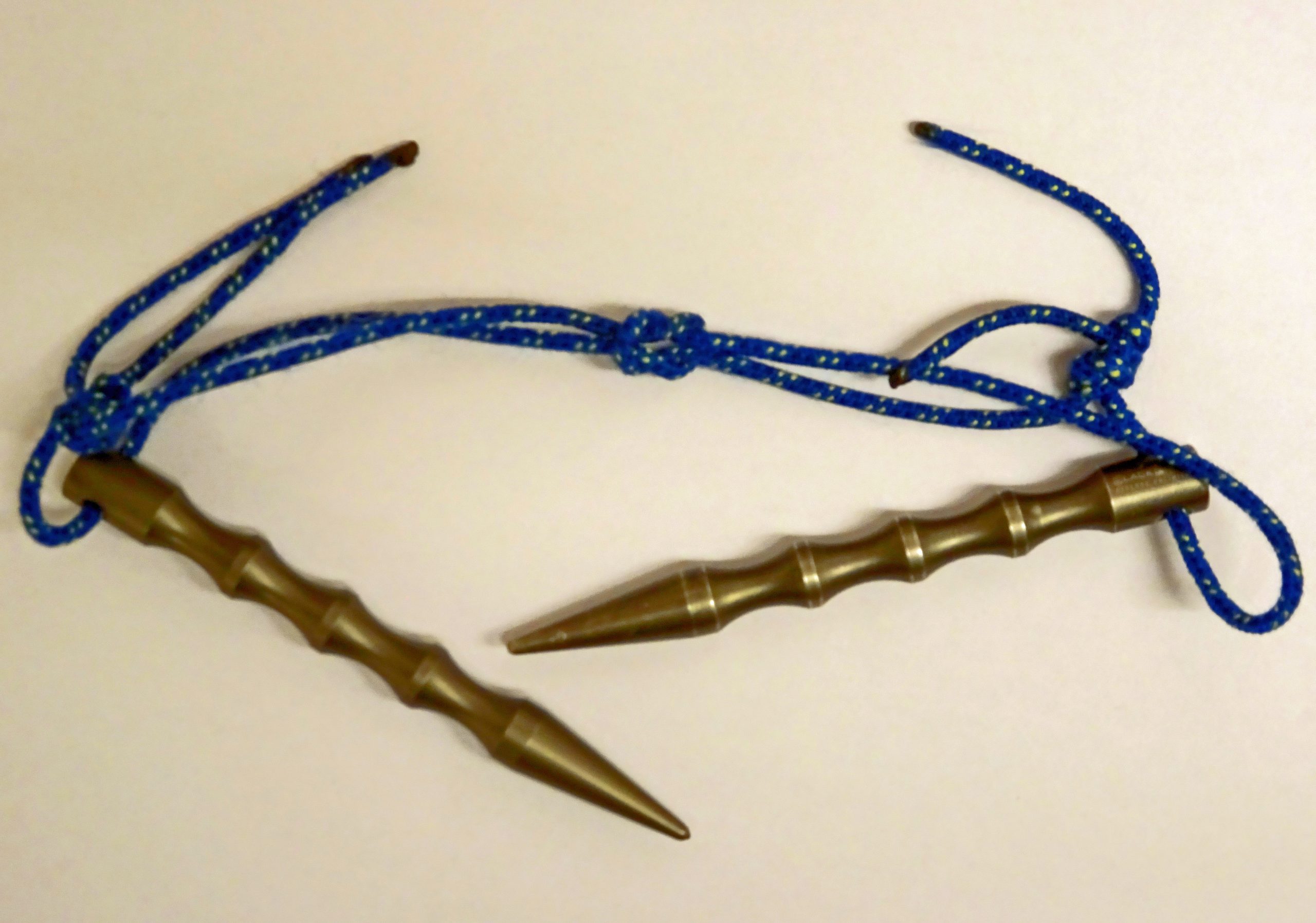
Most people who venture into the wild or unpredictable urban environments carry at least one or two tools they believe will protect them in a crisis. It’s a reasonable instinct that preparedness matters. But here’s the uncomfortable truth: a significant number of the most widely carried defense tools are poorly designed, undertested for real conditions, and wildly overhyped by the brands selling them. Carrying the wrong tool can create a false sense of security that’s actually more dangerous than carrying nothing at all. Before you clip another gadget to your keychain or stuff something into your pack believing it’ll save you, take a hard look at what these items actually do when pressure hits. You might be surprised and more than a little unsettled by what you find.
1. Keychain Pepper Spray Mini Canisters
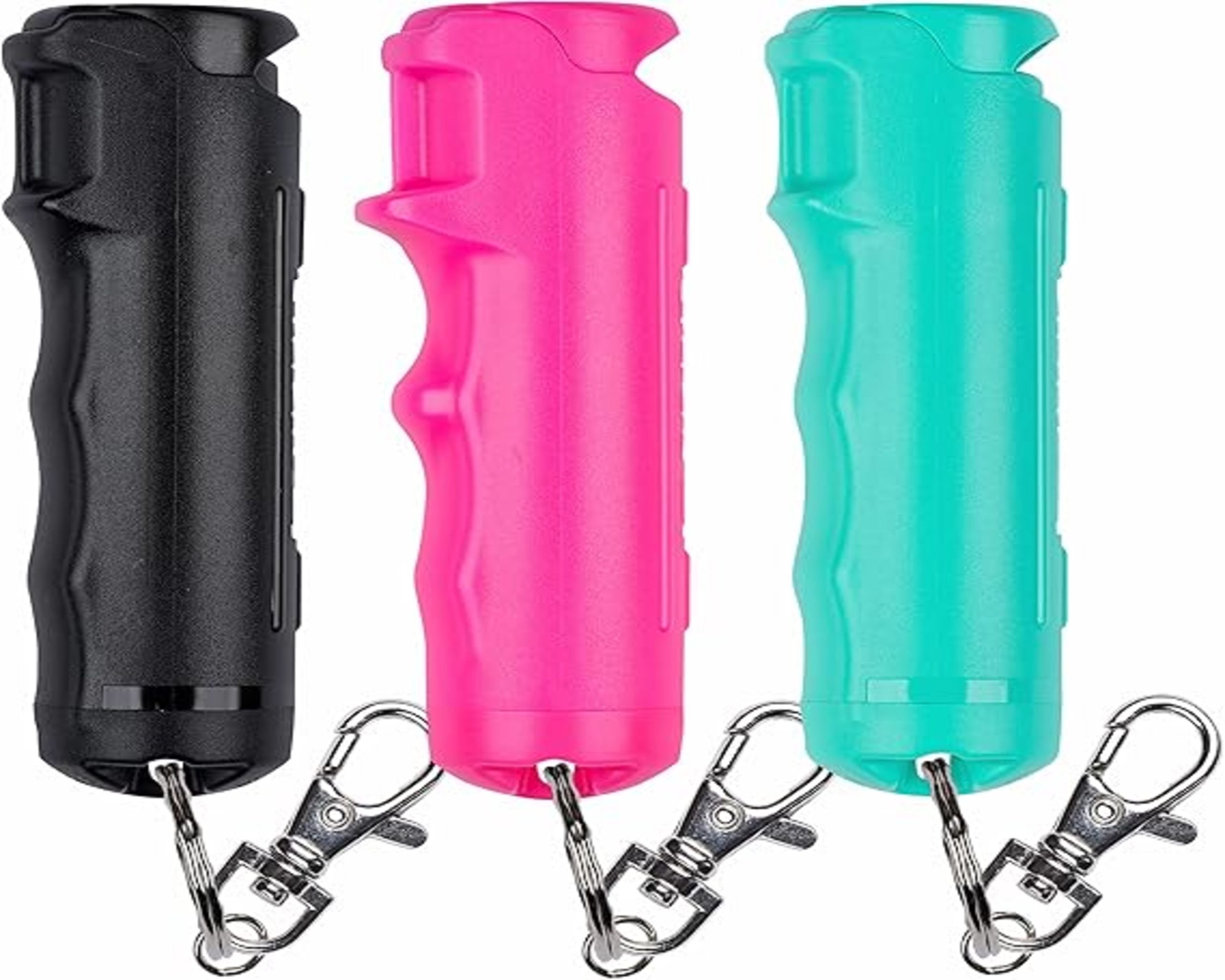
Those tiny keychain pepper sprays look reassuring on your bag, but they rarely perform when it matters. Most mini canisters hold just 0.5 oz of formula, giving you roughly 6 to 8 weak bursts total. Research suggests nearly 30% of users accidentally discharge their weapons before facing an actual threat. Wind interference alone can redirect the spray back at you outdoors, completely neutralizing its purpose. Shelf life is also quietly overlooked; most canisters expire within 2 to 4 years, yet many carry the same one for 6 or more years without replacement. Budget versions scatter spray rather than targeting precisely, which dramatically lowers stopping power in any real confrontation.
2. Tactical Pens
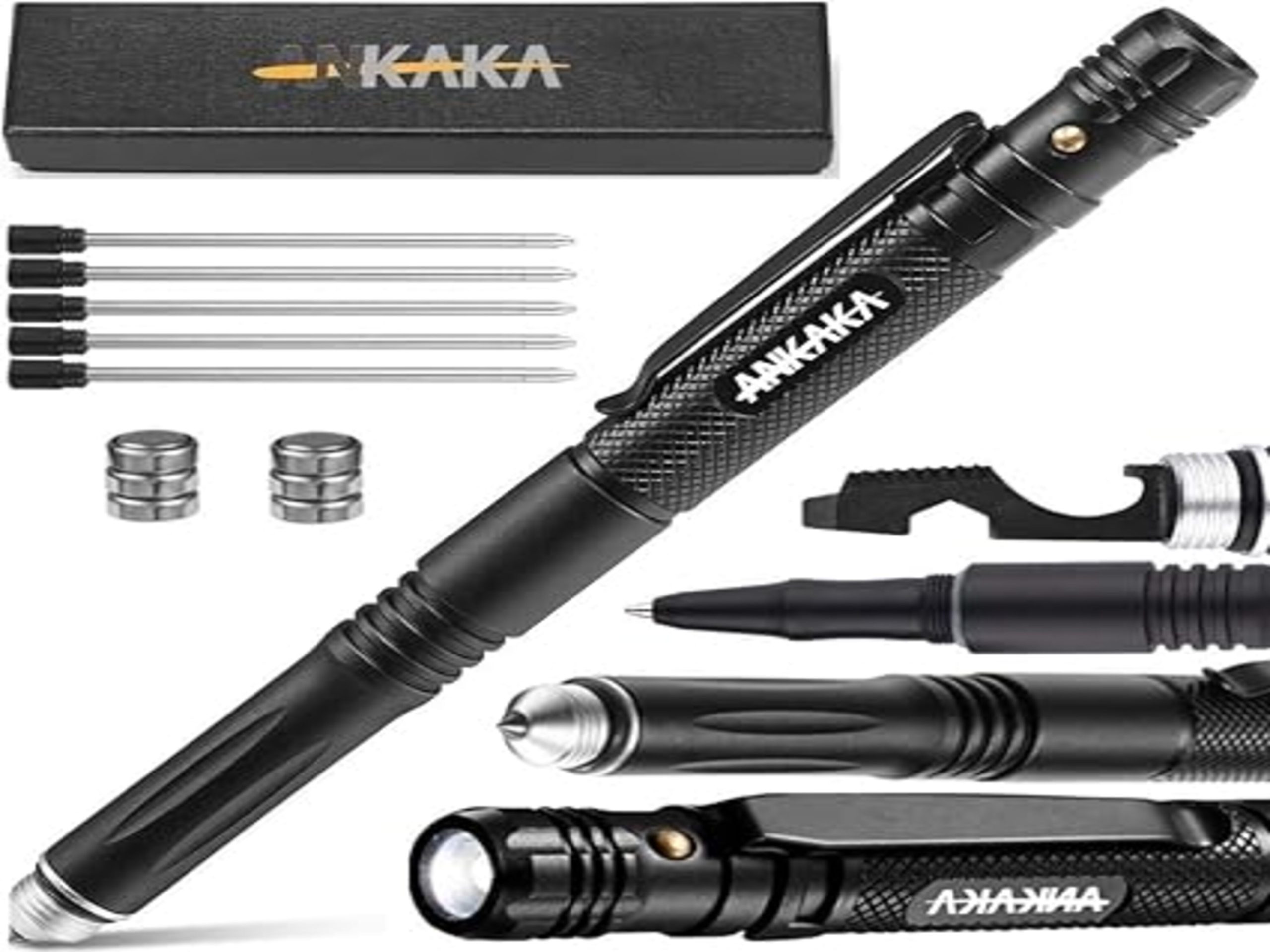
Tactical pens are popular in everyday carry circles, marketed as discreet tools that double as weapons. In practice, their wild defense value is quite limited. Most weigh between 1.5 and 2.5 oz, solid enough to strike pressure points, yet landing accurate hits while flooded with adrenaline is far harder than advertised. Research on stress-induced motor skill loss shows humans can lose up to 70% of their precision during extreme fear responses. A pen-sized weapon also requires dangerously close contact with an attacker. Many designs prioritize visual appeal over grip texture, turning slippery under sweat or rain, precisely the conditions found in outdoor survival scenarios.
3. Personal Alarm Keychains
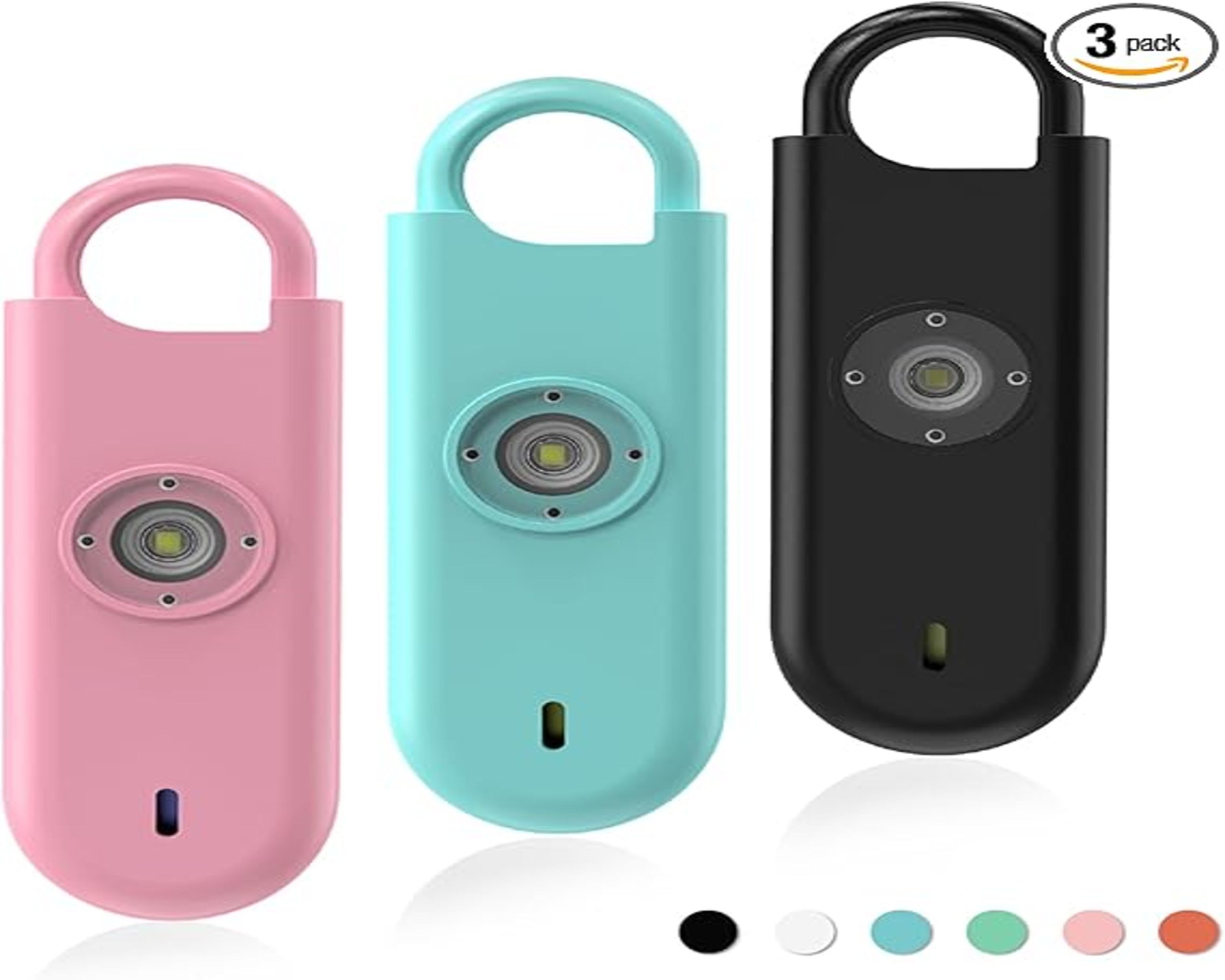
Personal alarm keychains emit sounds between 120 and 130 decibels, which seems intimidating until you consider that deterrence depends entirely on someone nearby actually responding. In wild settings, no one may be within earshot for miles. Urban research shows nearly 68% of bystanders ignore alarm sounds in public, mistaking them for car alarms. Battery life is another flaw; budget models often drain after just 30 to 60 minutes of continuous use. They also offer zero physical defense; if noise doesn’t stop an attacker, you’re fully exposed. Cold and wet conditions further compromise their already limited reliability, making them one of the weakest tools for genuine protection.
4. Kubotans
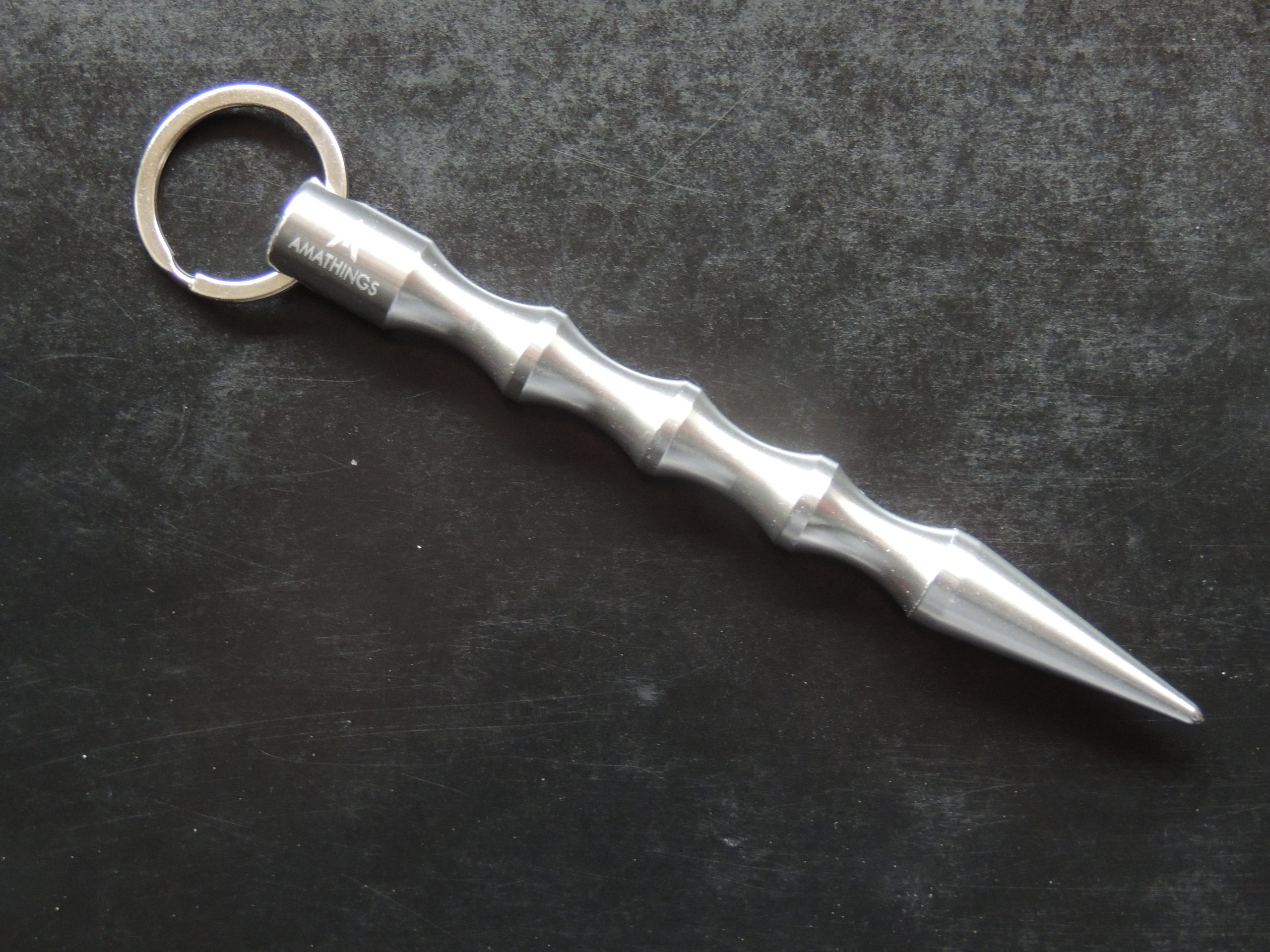
Kubotans are small, palm-length striking rods, usually 5 to 6 inches long and less than an inch thick. They’re commonly attached to keychains and promoted as legal tools that amplify punch power. The core problem is that effective use requires extensive training techniques that take months to build proper muscle memory around. Without that training, gripping and deploying a kubotan under panic produces erratic, weak strikes. Most users have fewer than 2 hours of hands-on practice with the tool, which is nowhere near sufficient. They’re also entirely useless beyond arm’s reach, eliminating their value in wild settings where distance is your greatest safety asset against animals or armed threats.
5. Collapsible Travel Batons
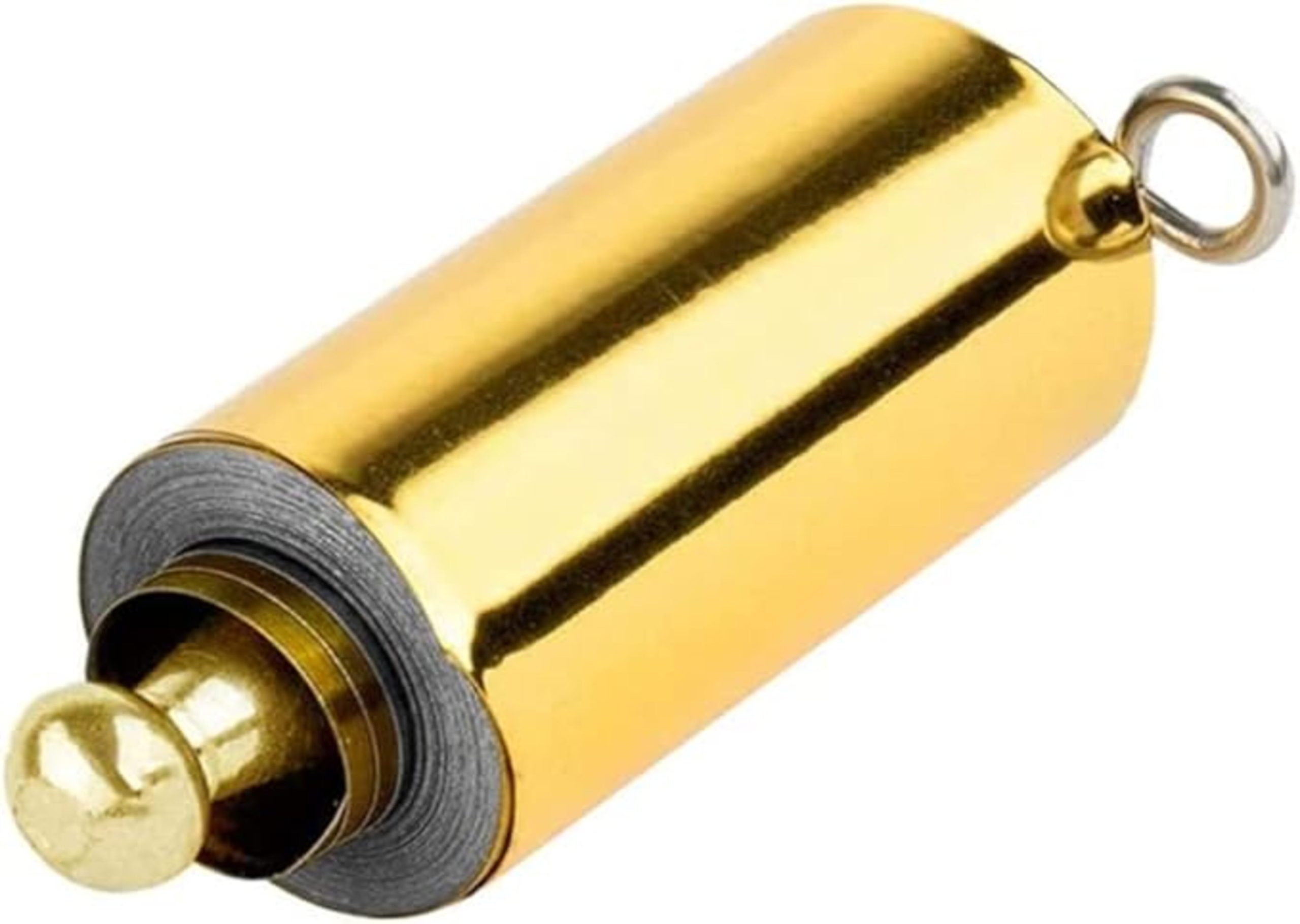
Collapsible batons look powerful when extended to 16 to 26 inches, but they carry serious operational flaws most buyers never consider. Legal restrictions are an immediate problem; carrying one without a permit is illegal in over 15 U.S. states and many countries worldwide. Deploying one under stress is also unreliable. Cold temperatures can cause the locking mechanism to jam, leaving you holding a 7-inch collapsed stick mid-confrontation. They require a 3 to 5 foot swing radius to generate real impact force, which becomes impractical in dense brush or tight terrain. Studies show untrained users strike with under 30% of the force needed to effectively stop an aggressive animal or determined person.
6. Cheap Stun Guns
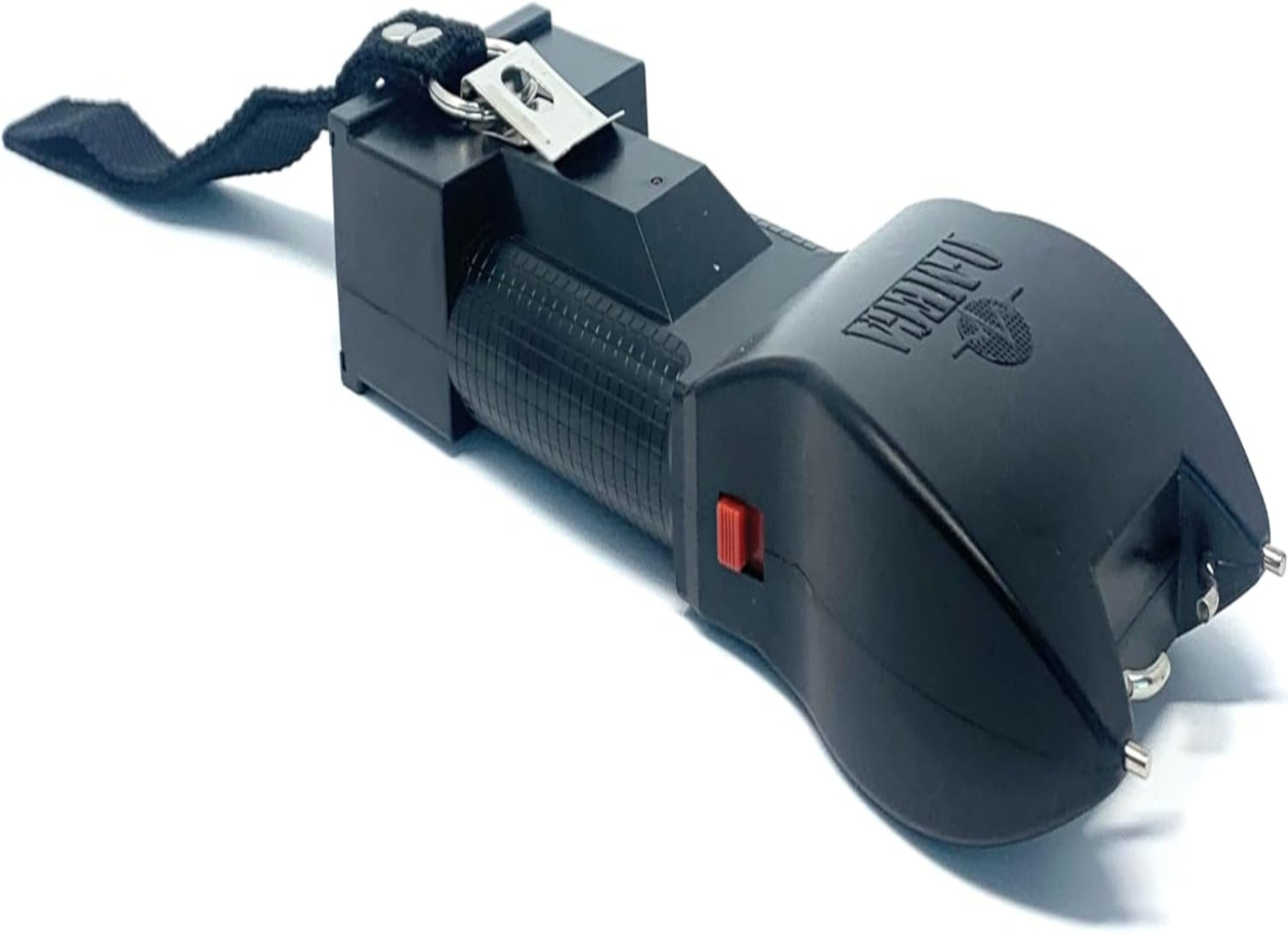
Budget stun guns flood the market at prices between $10 and $30, making them feel like accessible protection. The reality is far less reassuring. Cheap models advertise between 100,000 and 300,000 volts, but voltage is misleading; stopping power comes from amperage, and budget versions often deliver as little as 0.001 amps, insufficient to fully incapacitate a large, aggressive individual. Contact must also be maintained for 3 to 5 full seconds, which is an eternity during an actual attack. Battery degradation accelerates in cold climates, with some models losing up to 40% of their charge below 32°F. Moisture exposure further compromises outdoor reliability in meaningful ways.
7. Budget-Grade Tactical Flashlights
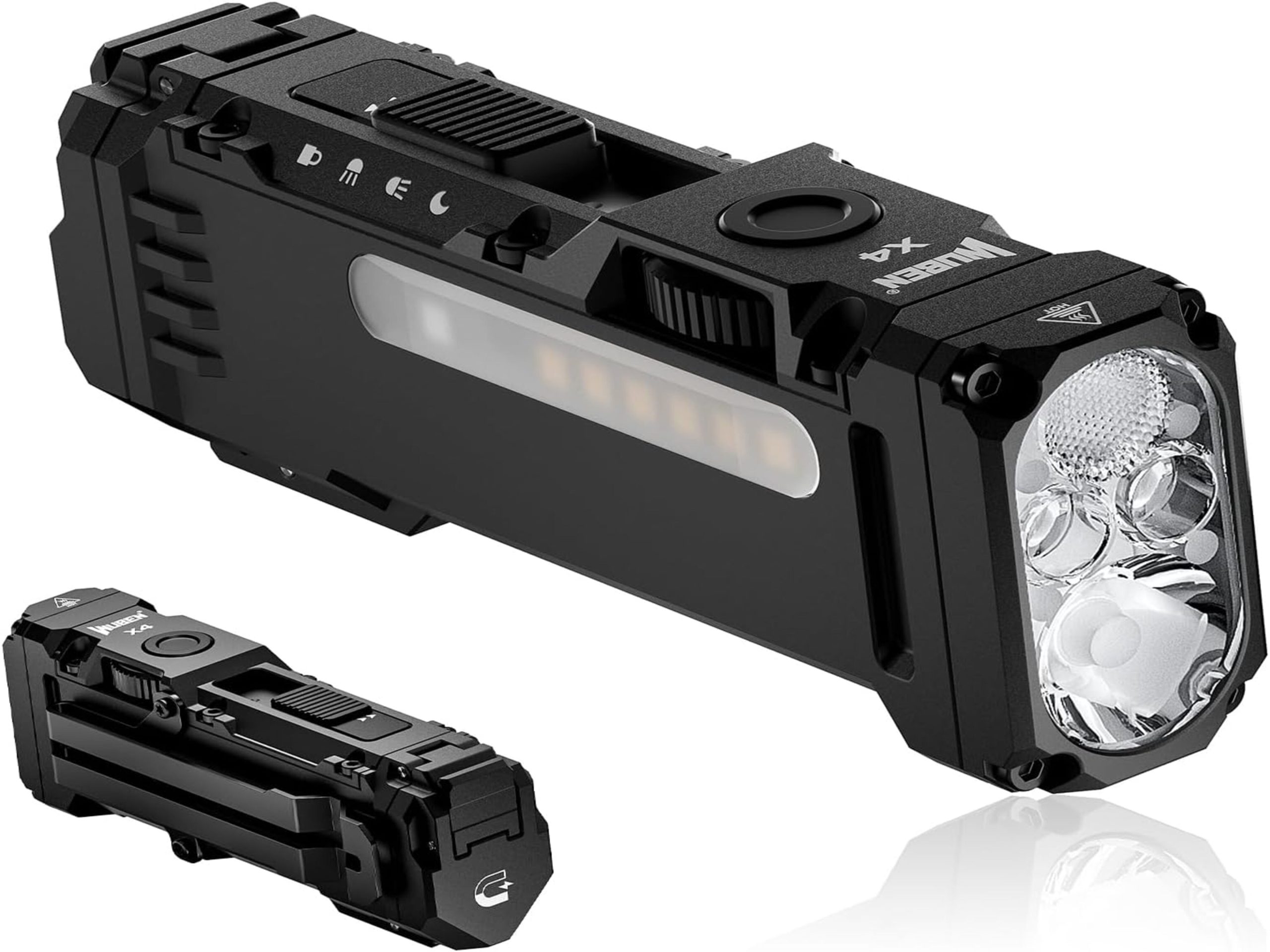
Budget tactical flashlights are marketed as dual-purpose tools, light sources that can also blind or disorient a threat. The concept is reasonable, but execution at the $15 to $25 price range falls drastically short. Most budget models produce between 100 and 300 lumens, far below the 1,000+ lumens needed to cause meaningful disorientation in daylight conditions. Their aluminum bodies also crack under heavy impact, often failing after 2 to 3 hard strikes. Battery life averages just 1.5 to 3 hours on full brightness, and most rely on non-rechargeable CR123A batteries that are difficult to source remotely. For genuine defense, these tools consistently underdeliver at critical moments.