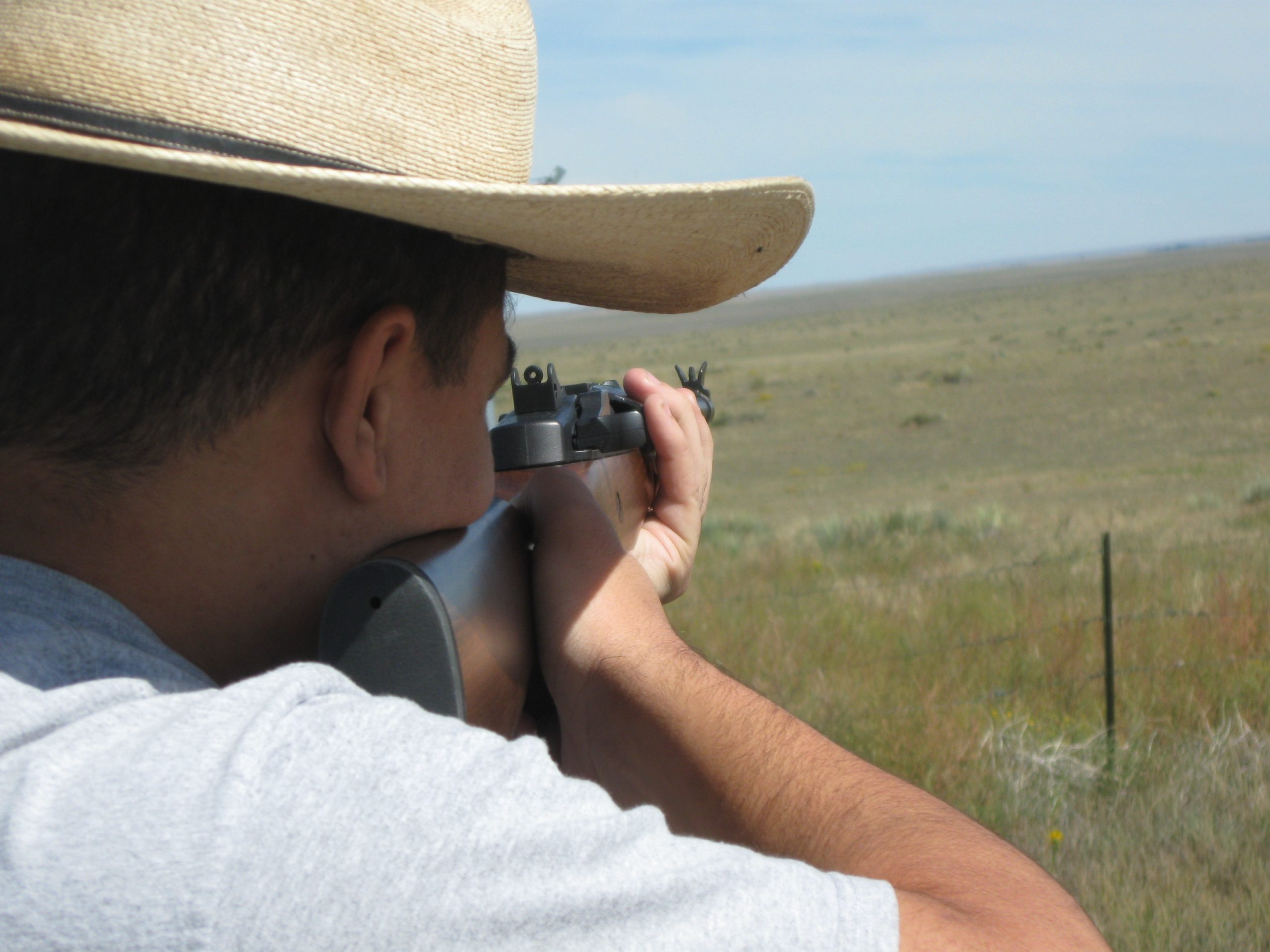
The Ruger Mini-14 has long held a place in American rifle culture as a handy, ranch-ready semiauto that blends traditional styling with modern function. Its light weight, simple manual of arms, and proven reliability make it attractive to hunters who want something different from an AR-pattern rifle. However, feral hog hunting is a demanding pursuit that exposes equipment weaknesses quickly. Hogs are tough, fast, and often encountered in poor light or heavy cover, where accuracy, terminal performance, and handling under stress truly matter. While the Mini-14 can take hogs under the right conditions, it carries several practical limitations that hunters should clearly understand before relying on it in the field. Knowing these constraints helps set realistic expectations, guides proper setup choices, and prevents costly mistakes during an already challenging hunt.
1. Accuracy Limitations at Practical Hog Distances
The Ruger Mini-14 is generally less accurate than many modern sporting rifles, especially AR-15 platforms, which matters more in hog hunting than many expect. Typical factory Minis often produce two- to four-inch groups at 100 yards, and some older models do worse once the barrel heats up. Hogs present a relatively small vital zone, and precise shot placement is critical for ethical kills, especially on larger boars with thick shields. When shots stretch past 100 yards or angles are less than ideal, limited accuracy reduces confidence and increases the chance of wounded animals escaping into cover. The thin barrel profile can also shift the point of impact during rapid follow-up shots, a real concern when multiple hogs scatter at once.
2. Cartridge Performance Constraints for Large Boars
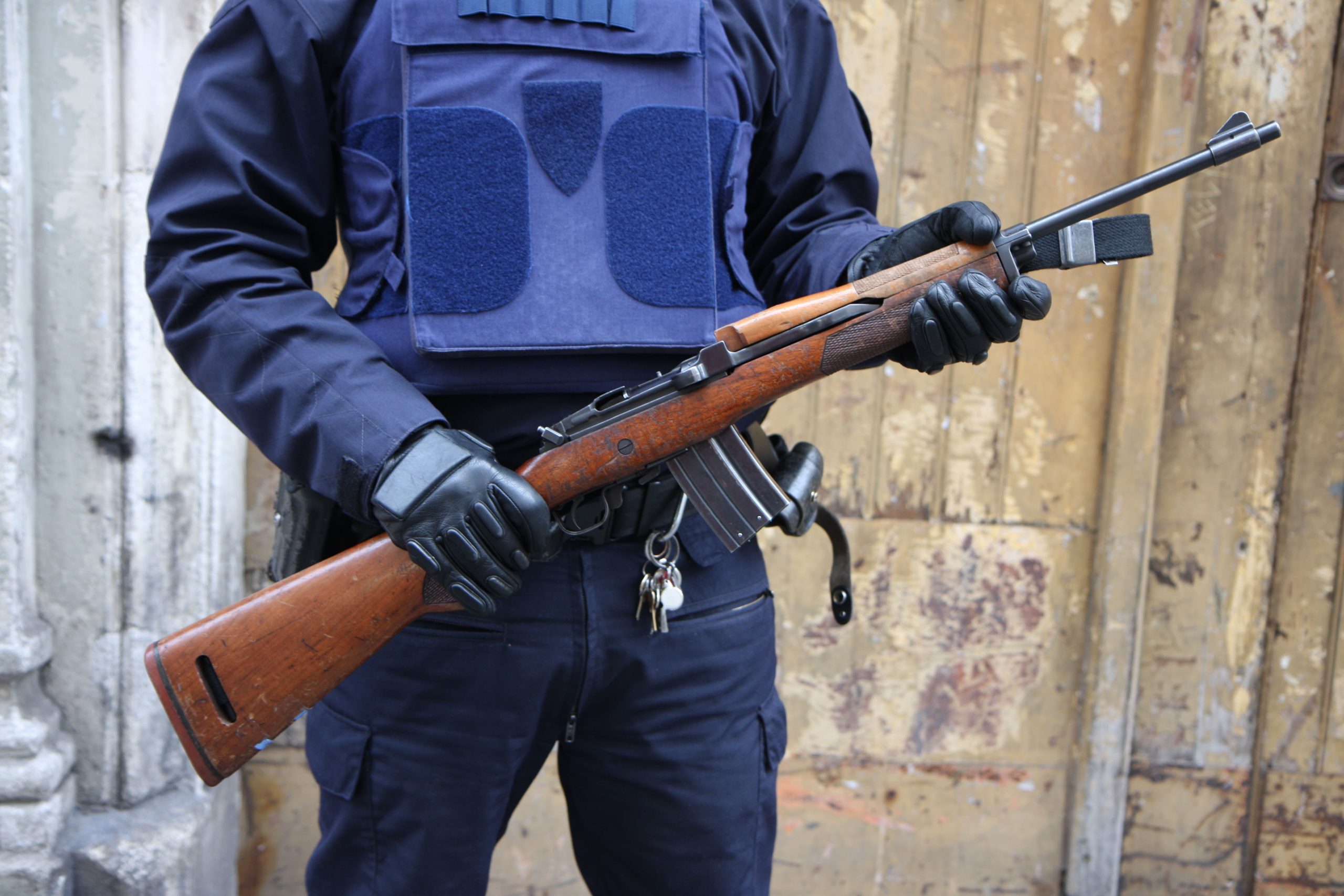
Most Ruger Mini-14 rifles are chambered in .223 Remington or 5.56 NATO, a cartridge that sits on the lower edge of acceptable hog calibers. While effective with proper bullet selection and disciplined shot placement, it leaves little margin for error on large or aggressive hogs. Thick shoulder plates and heavy bone can stop or deflect lighter bullets, especially from shorter barrels. Compared to common hog rounds like .308 or 6.5 Grendel, the Mini-14’s typical chambering lacks deep penetration and reliable expansion on quartering shots. This limitation becomes more pronounced during nighttime or brush hunts, where perfect angles are rare and quick decisions matter most.
3. Magazine Availability and Reliability Challenges
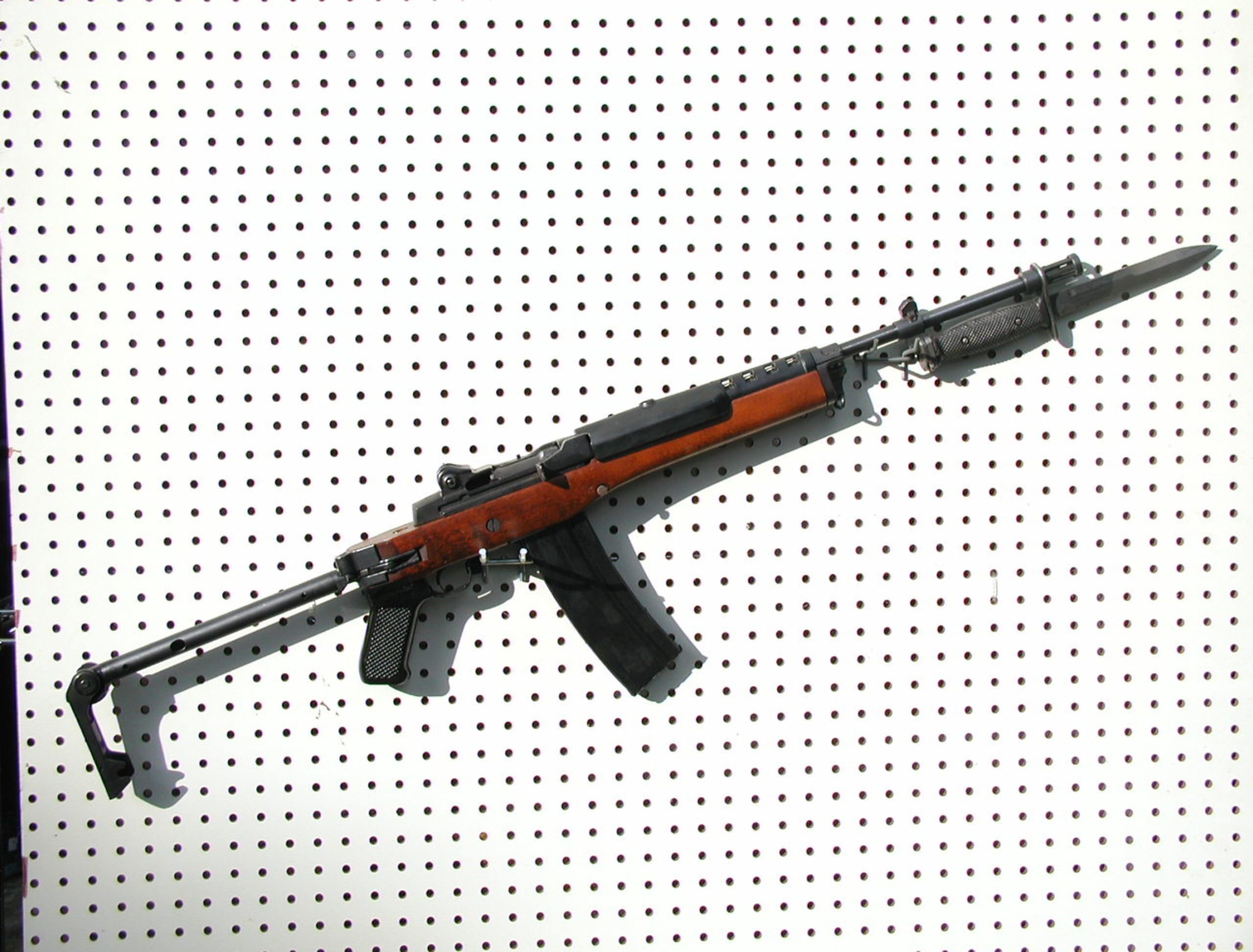
Unlike AR-15 rifles, which benefit from a massive aftermarket, the Mini-14 has limited high-quality magazine options. Factory Ruger magazines are reliable but expensive and sometimes hard to find in higher capacities. Many aftermarket magazines have inconsistent feeding, weak springs, or poor fit, which can cause malfunctions at the worst possible moment. Hog hunting often involves fast follow-up shots or multiple targets moving unpredictably, so magazine reliability is non-negotiable. A single failure to feed can cost a clean opportunity or put the hunter in a risky situation. This limitation forces Mini-14 users to be selective and cautious about their magazine choices.
4. Optics Mounting and Zero Retention Issues
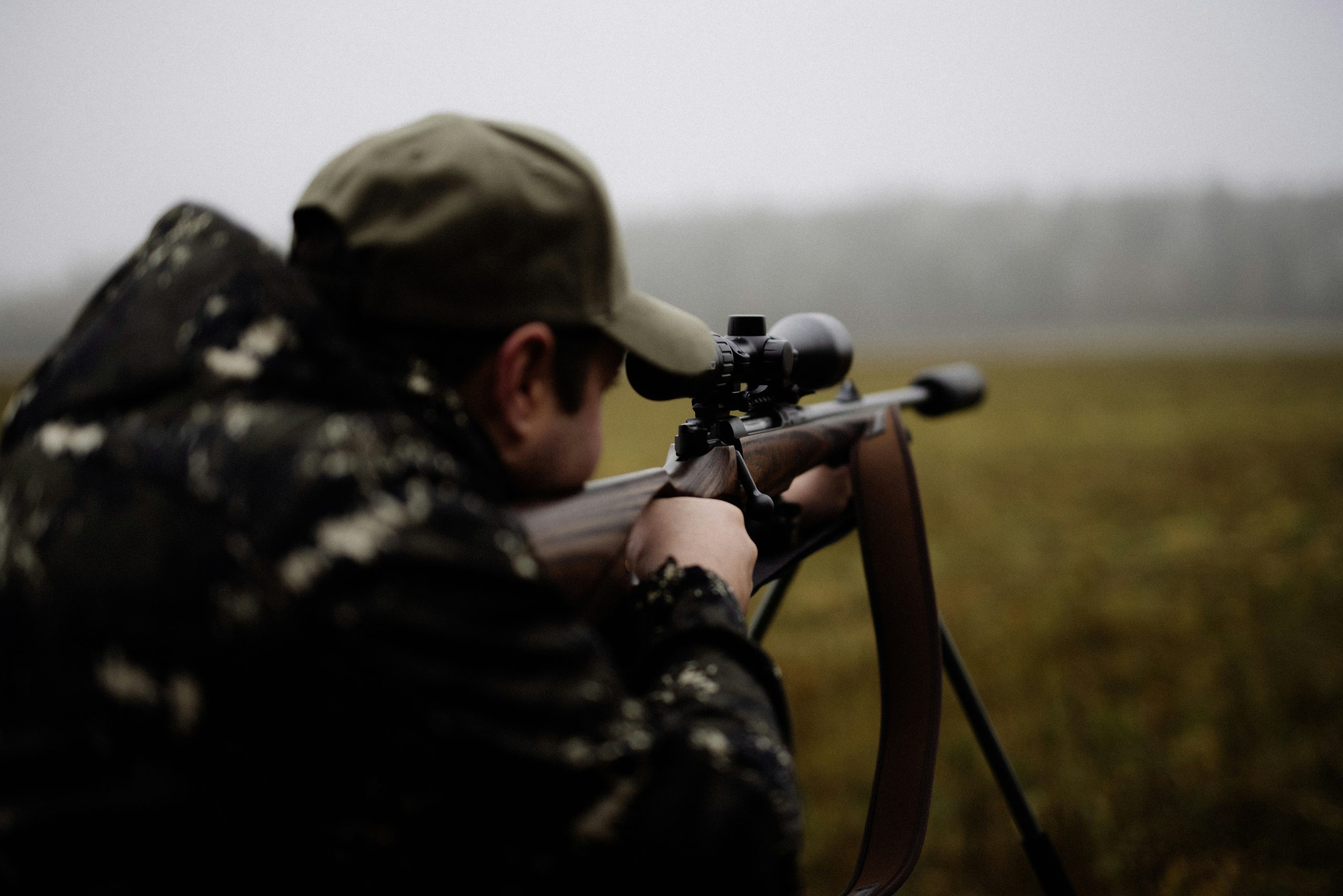
Mounting optics on the Ruger Mini-14 is more complicated than on modern flat-top rifles. While Ruger provides scope rings on many models, options for red dots, thermal optics, or night-vision devices are limited and often require aftermarket mounts. These mounts may sit higher than ideal or struggle to maintain zero after repeated recoil and field handling. Hog hunters increasingly rely on optics suited for low-light or nighttime conditions, where hogs are most active. The Mini-14’s design makes it harder to integrate these tools cleanly, adding cost and complexity. Poor optic placement can slow target acquisition and reduce effectiveness in fast-moving encounters.
5. Barrel Heating and Sustained Fire Concerns
Feral hog hunts can involve multiple shots in quick succession, especially when sounders move through open areas. The Mini-14’s thin barrel heats rapidly during sustained fire, which can degrade accuracy and shift the point of impact noticeably. This characteristic limits its effectiveness when engaging several hogs back-to-back or when quick follow-up shots are required. In contrast, rifles with heavier or free-floated barrels maintain consistency longer under similar conditions. For hunters who expect only a single, carefully aimed shot, this may not matter. But during active population control hunts, barrel heat becomes a real operational limitation.
6. Limited Customization for Hog-Specific Setups
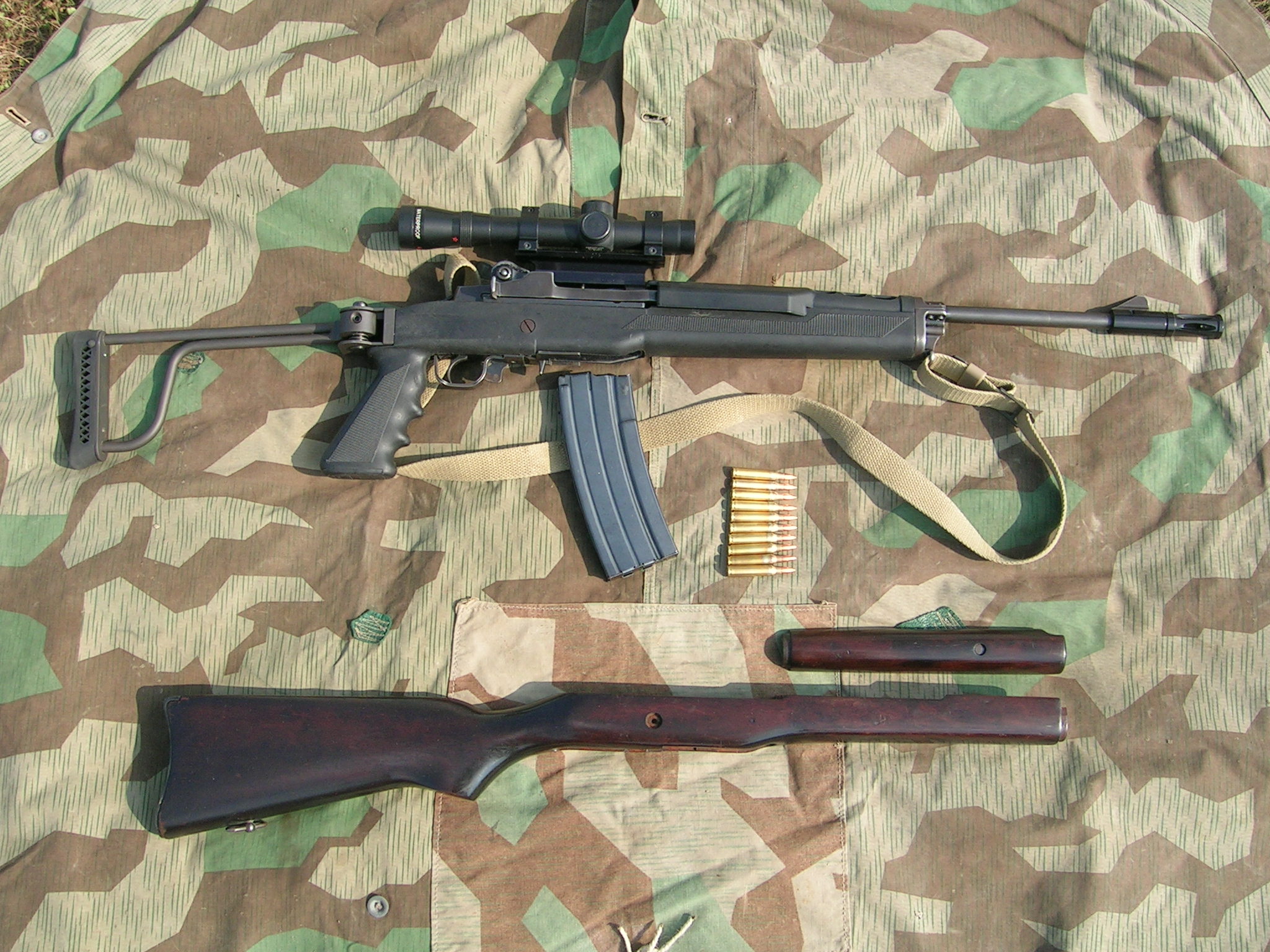
Hog hunting often benefits from rifle customization, including adjustable stocks, improved triggers, suppressor mounts, and specialized fore-ends. The Ruger Mini-14 offers far fewer practical customization options than competing platforms. Aftermarket stocks and trigger work exist but are costly and sometimes offer modest gains. Adding suppressors or modern accessories can be complicated by barrel threading and gas system considerations. This limits a hunter’s ability to tailor the rifle to specific environments, such as thick Southern brush or open agricultural fields. For hunters who enjoy optimizing gear for maximum efficiency, the Mini-14 can feel restrictive and dated.
7. Ergonomics Under Stressful Hog Encounters
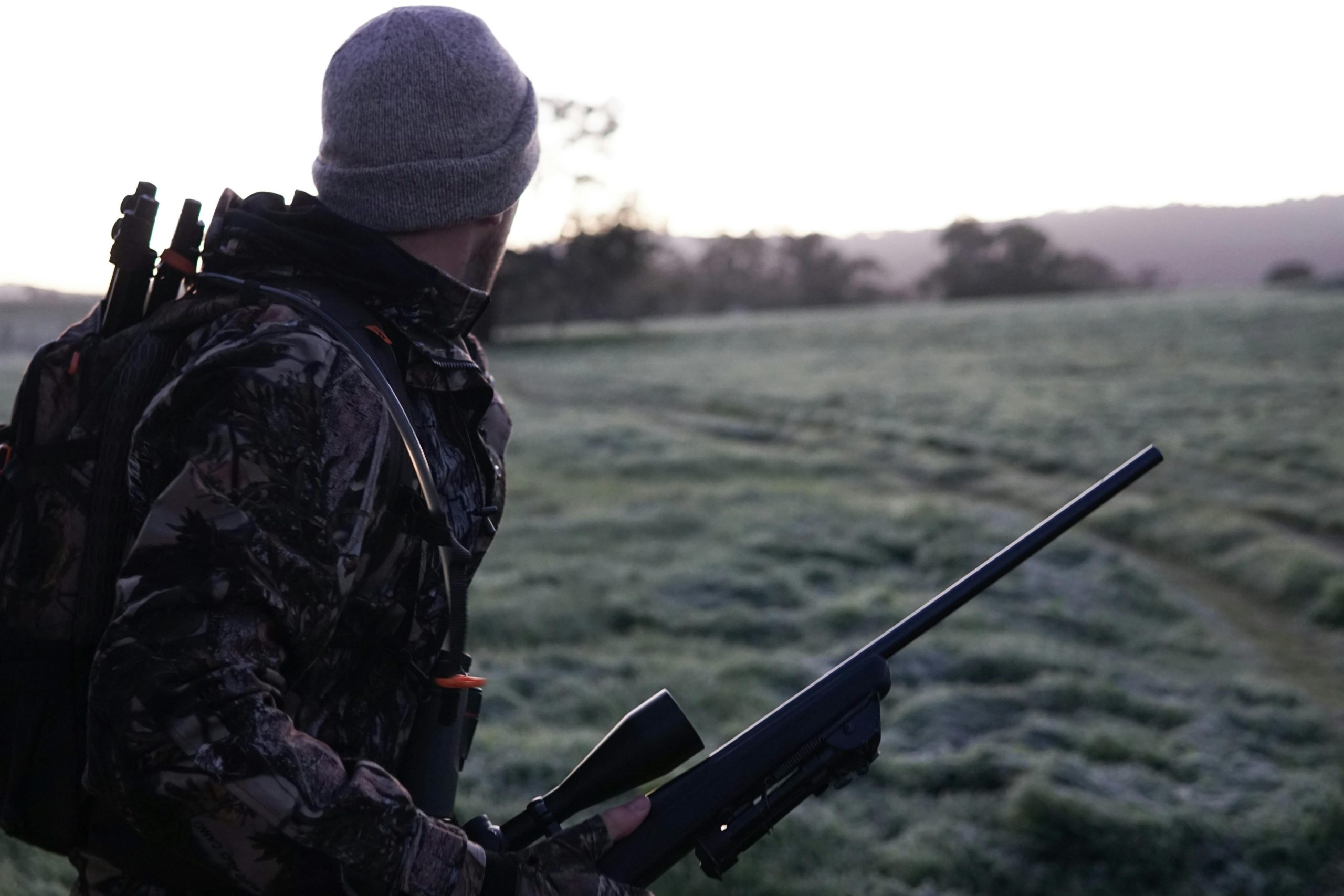
While the Mini-14 handles well in calm conditions, its ergonomics show limitations during high-stress hog encounters. The safety location inside the trigger guard requires deliberate movement, which can be slower when adrenaline is high or when gloves are worn. Magazine changes are also less intuitive and slower than AR-style rifles, especially in low light. Hogs can charge or change direction quickly, leaving little time to fumble controls. These ergonomic factors may seem minor on the range but become significant in real-world hunts. Under pressure, simpler and more familiar control layouts often provide a measurable advantage.