
Hiking is often framed as an escape from crowds and constant noise, yet many common trail habits quietly undo that privacy. Without realizing it, hikers frequently leave signals that reveal where they are, where they’re headed, or how recently they passed through an area. These signals don’t just attract curious passersby; they can also draw unwanted attention from strangers with unclear intentions. From digital breadcrumbs to physical traces left behind on the trail, location awareness has become an overlooked part of outdoor safety. Understanding how everyday choices can broadcast your presence helps you stay more discreet, confident, and secure while enjoying the outdoors.
1. Posting Real-Time Photos to Social Media
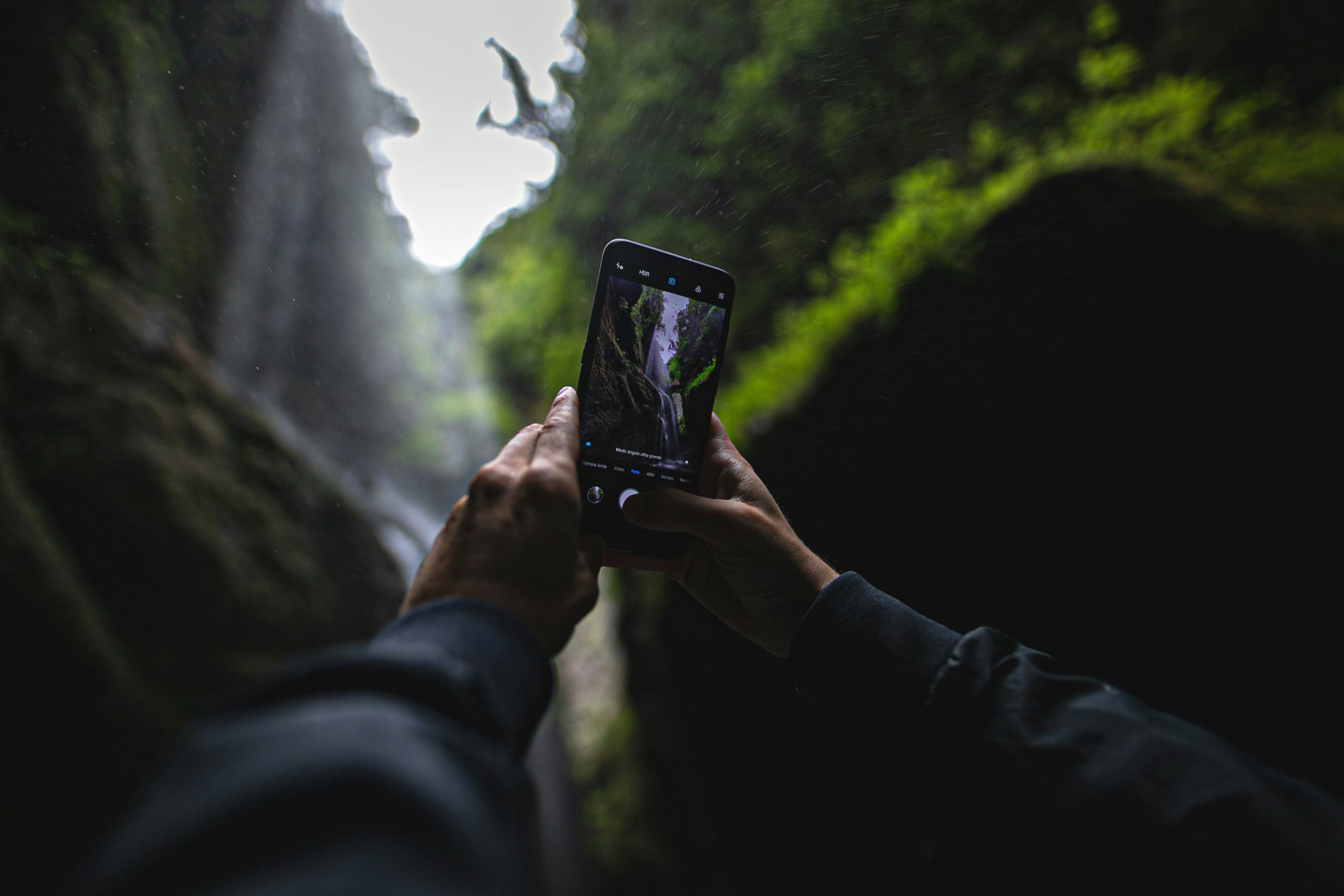
Sharing trail photos while you’re still hiking may feel harmless, but it quietly announces your exact location to a wide audience. Landmarks, trail signs, and background features are easy for strangers to recognize, especially on popular routes. Even when location tags are disabled, time stamps and visual clues can narrow down where you are and how far you’ve gone. This creates a real-time map of your movement that anyone can follow. Waiting until after your hike to post photos keeps your experience personal and reduces the chance of someone tracking you while you’re still on the trail.
2. Leaving Parked Vehicles Too Easy to Identify

A vehicle left at a trailhead often signals more than hikers realize. Stickers, license plate frames, roof racks, or gear visible through windows can indicate how long you’ll be gone and what kind of trip you’re on. A car that hasn’t moved all day suggests a long hike or overnight stay, narrowing down your likely location. In remote areas, this information can draw unwanted attention. Keeping vehicles visually plain and limiting exposed gear reduces how much information you broadcast before even stepping onto the trail.
3. Using Fitness Tracking Apps Publicly

Fitness and navigation apps are useful tools, but public activity sharing can expose detailed route data. When hikes are automatically uploaded, strangers can see exact paths, start times, pace, and duration. Over time, repeated uploads can reveal favorite trails and routines, making your habits predictable. Some apps even display live progress, which effectively shows where you are right now. Setting activities to private by default or delaying uploads until you’re home helps prevent your hiking data from becoming a location guide for others.
4. Talking Loudly or Playing Music on Trails
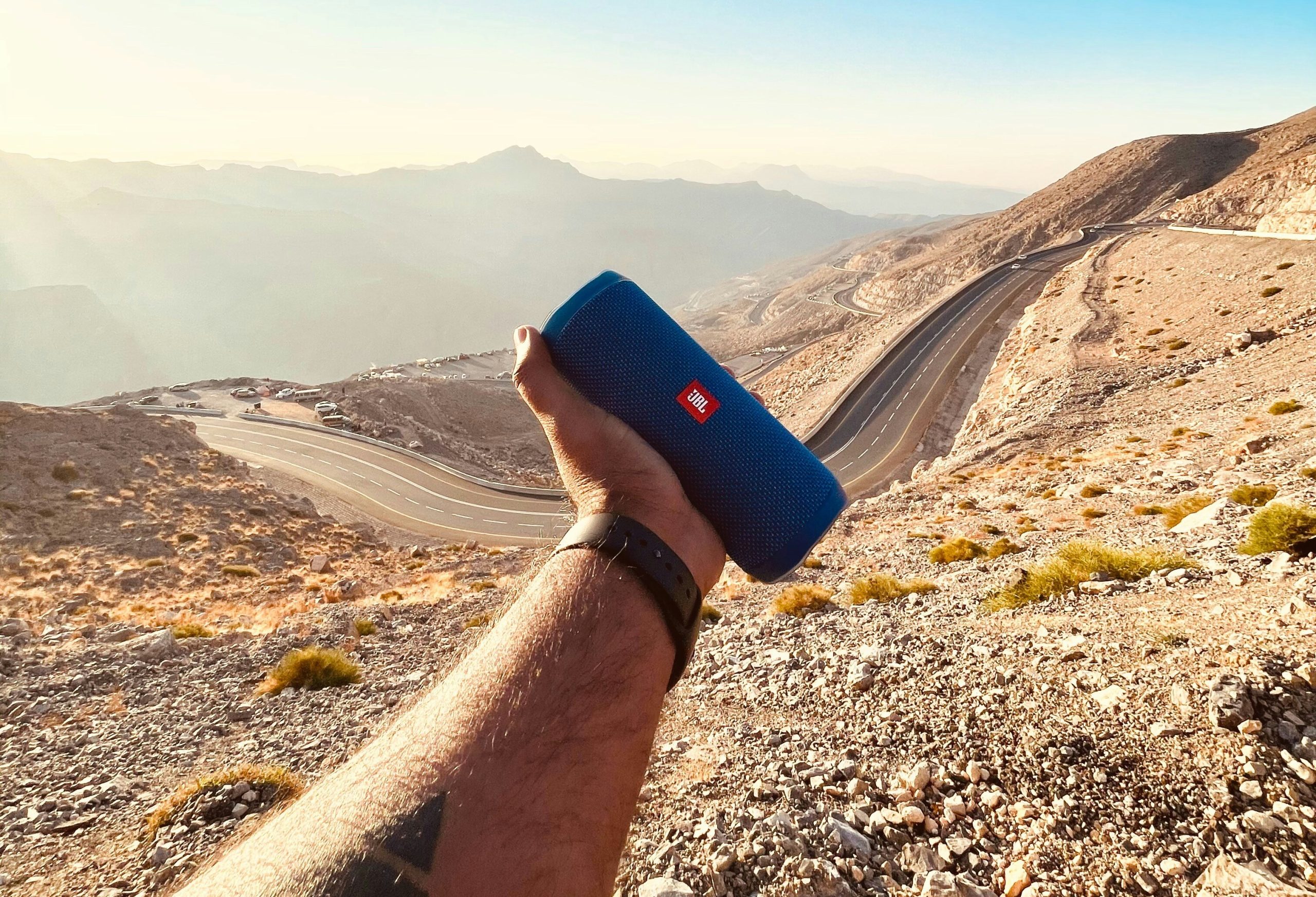
Sound travels farther outdoors than most people expect, especially in forests or canyons. Loud conversations, phone calls, or portable speakers can announce your presence long before you’re visible. This not only affects wildlife but also signals your position to anyone nearby, including those off the main trail. In quiet areas, sound can act like a beacon, revealing direction and distance. Keeping voices low and skipping external music preserves the natural experience while reducing how easily others can track where you are.
5. Leaving Distinctive Gear in Plain Sight
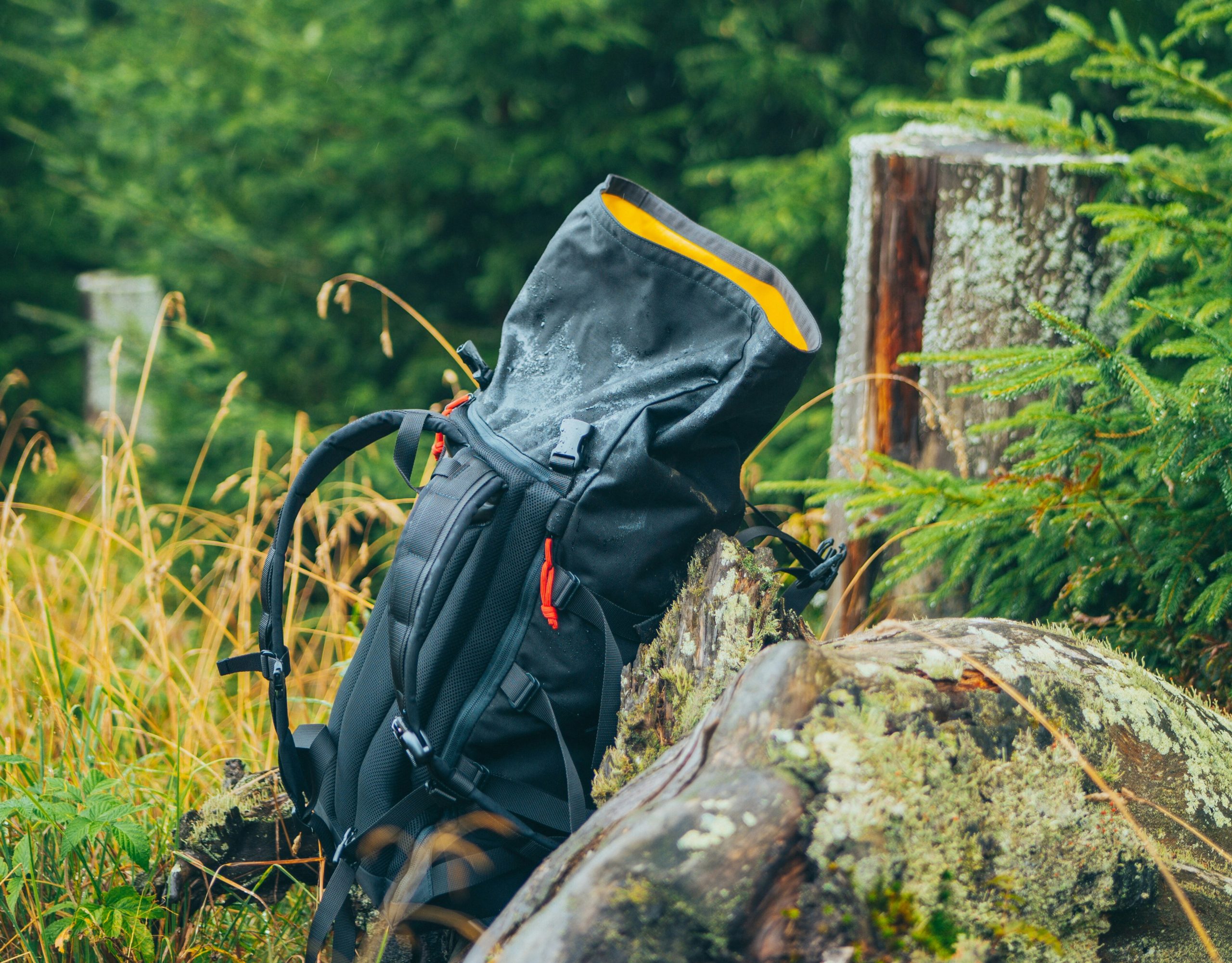
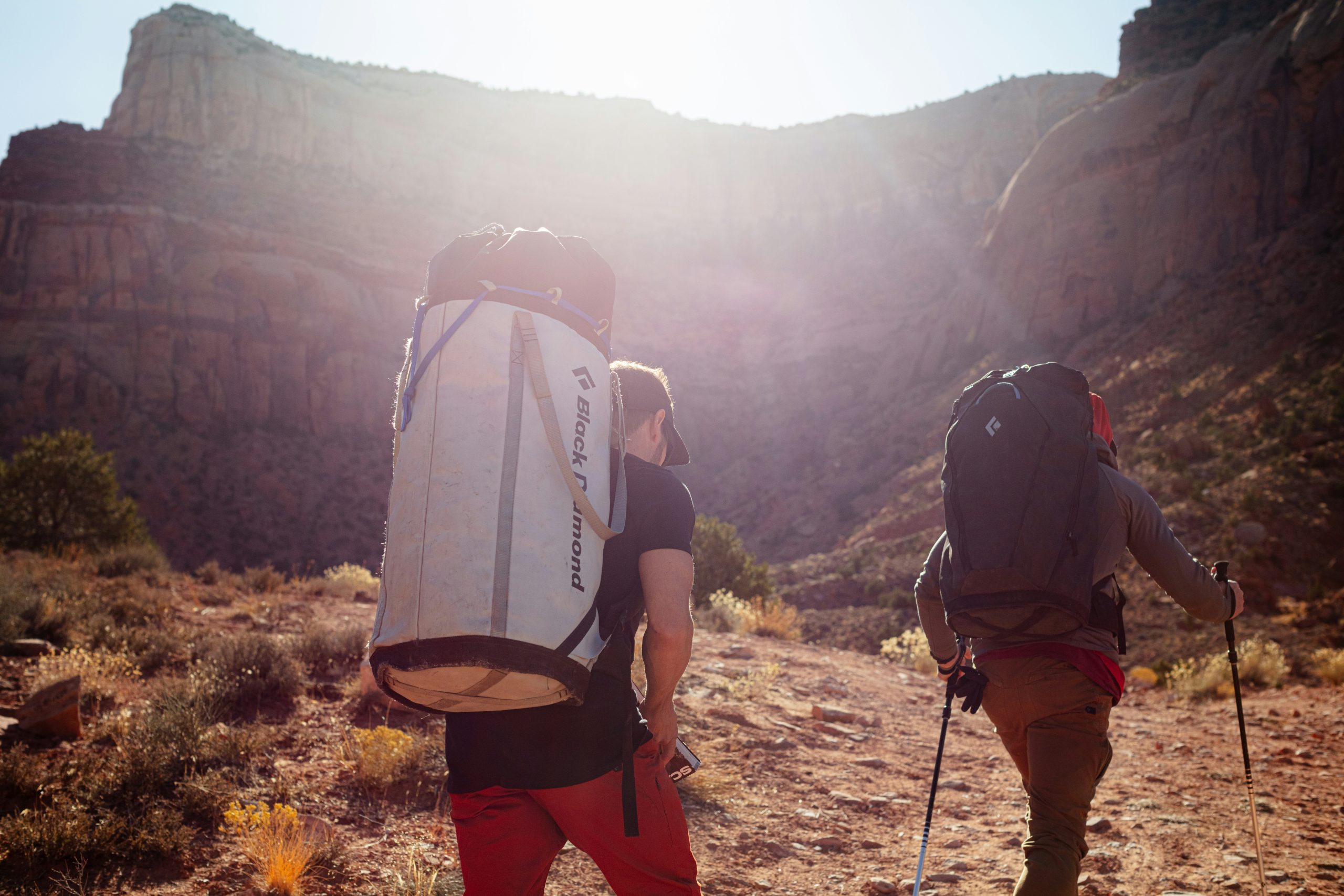
Bright backpacks, custom gear, or uncommon clothing can make you easy to identify from a distance. While visibility has safety benefits, unique items can also make it easier for strangers to remember and follow you. On busy trails, this can mean being recognized repeatedly at different points. In quieter areas, it can signal exactly who you are and where you’ve been. Choosing more neutral gear colors and minimizing standout accessories balances visibility with a lower personal profile on the trail.
6. Sharing Detailed Plans with Too Many People
Telling others exactly where you’re hiking and when you’ll return is smart for safety, but oversharing can spread that information beyond trusted circles. Casual conversations, group chats, or public comments can unintentionally pass along your itinerary. Once details are shared, you lose control over who knows your plans. Limiting specifics to a reliable contact ensures someone can help in an emergency without broadcasting your location to people who don’t need to know where you’ll be.
7. Leaving Clear Physical Traces Behind

Footprints, broken branches, discarded packaging, or rearranged rocks can clearly show that someone passed through recently. On less-traveled trails, these signs can be surprisingly easy to follow. While most hikers don’t think of this as a location signal, it can reveal direction and timing to anyone paying attention. Practicing strong Leave No Trace habits not only protects the environment but also helps reduce how visible your presence is to others moving through the same space.