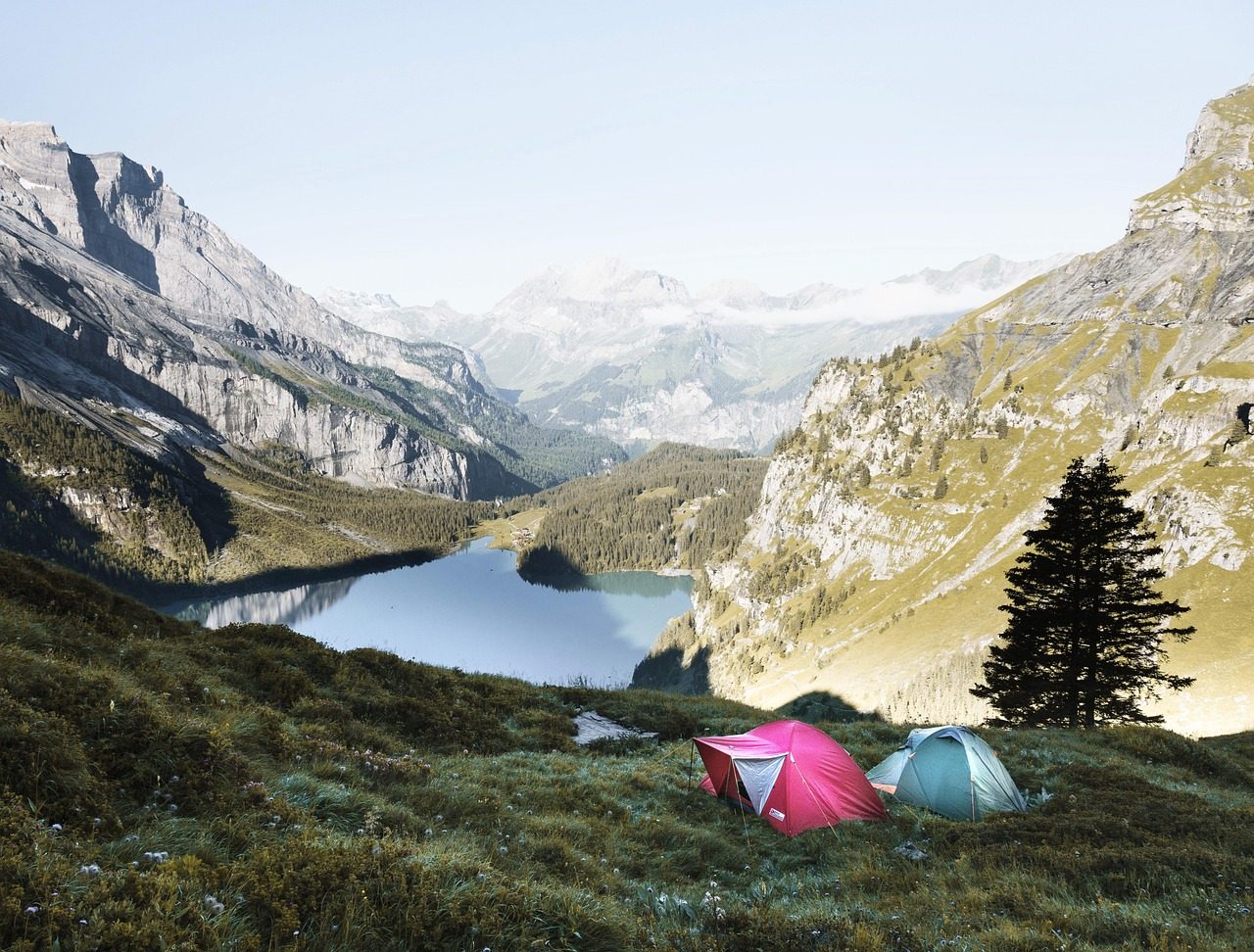
Camping at higher elevations is becoming more common as climate change alters weather patterns and pushes outdoor enthusiasts to cooler regions. While the views are breathtaking, conditions can shift quickly, demanding smarter preparation and awareness. Rising temperatures, unpredictable storms, and thinner air make old camping routines less reliable. Knowing how to adapt ensures both safety and enjoyment when camping in the mountains.
Monitor Weather with Precision Tools
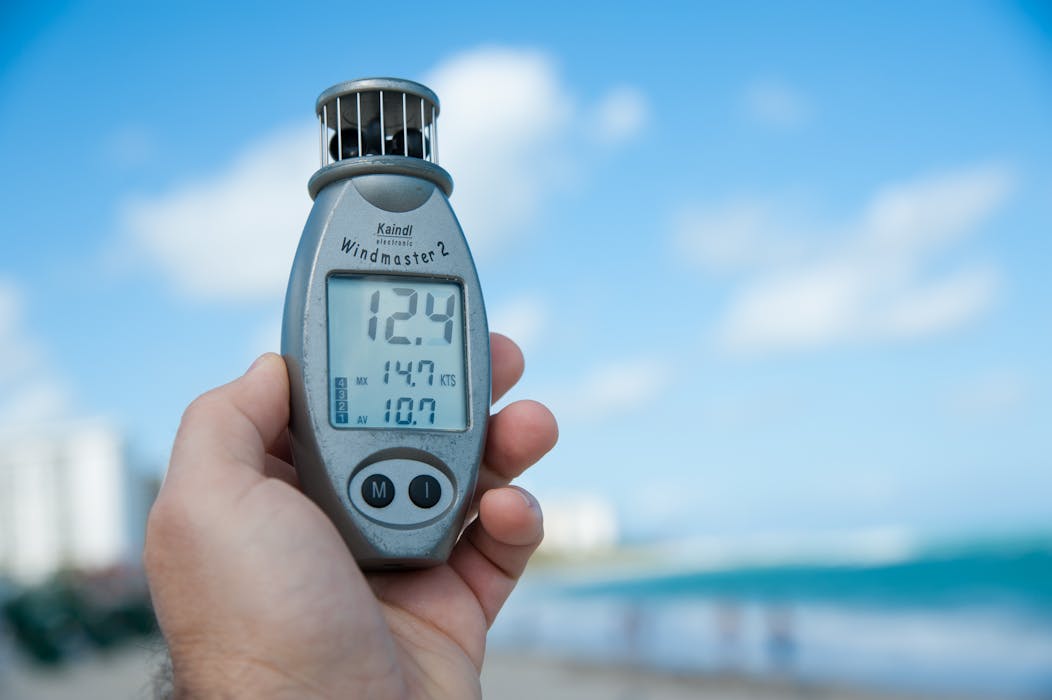
Traditional forecasts often fall short at high altitudes, where temperature and wind can change in minutes. Using portable weather monitors and satellite-based apps helps track sudden shifts accurately. You can adjust camp setup or hike timing before storms roll in. Staying informed with real-time data keeps you safe and prevents exposure to fast-moving mountain weather.
Pack Smarter for Temperature Swings
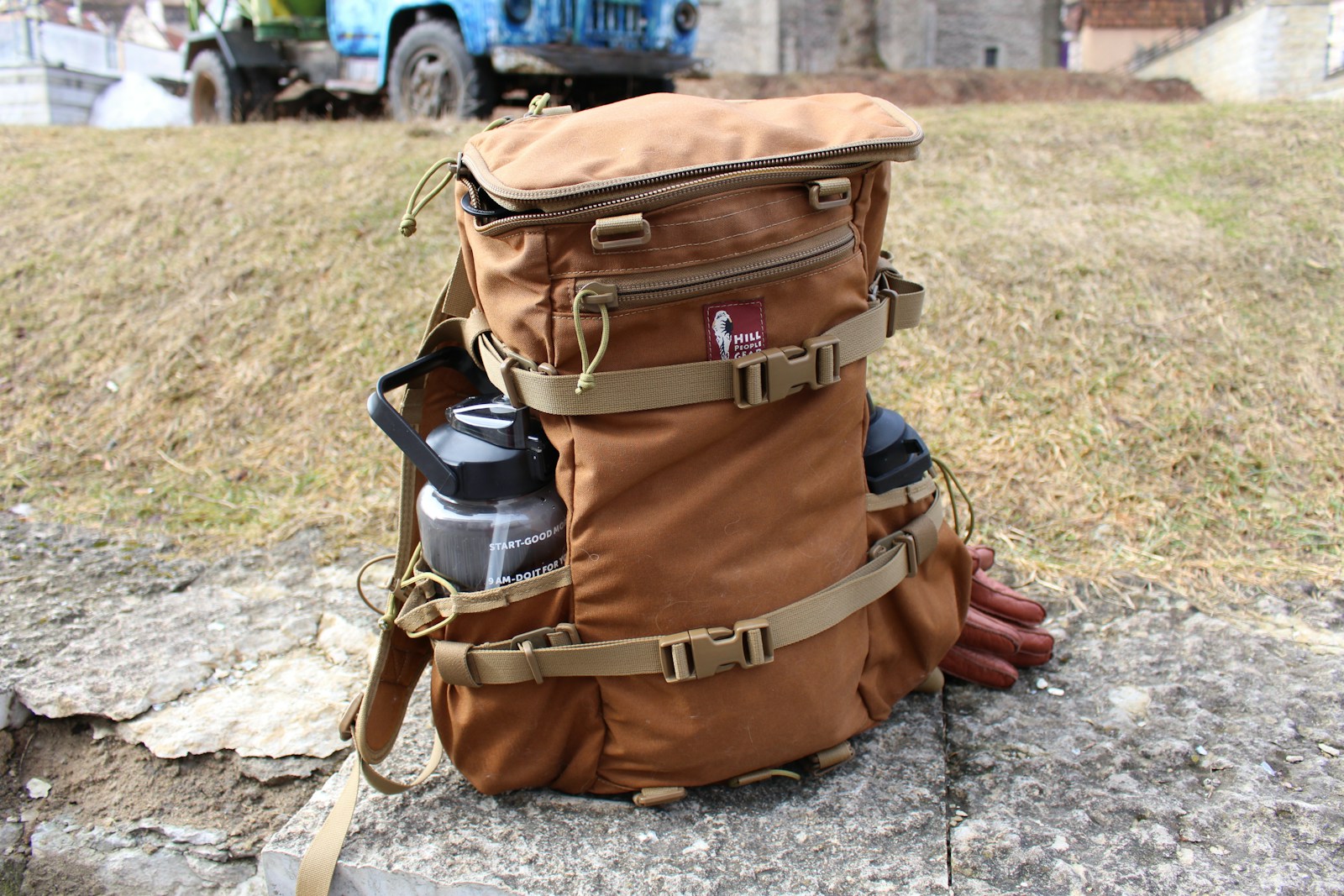
At higher elevations, temperatures can drop sharply from day to night. Packing lightweight but insulated layers helps regulate body heat without adding bulk. Choose moisture-wicking fabrics that dry fast and prevent chill from sweat. Proper layering ensures comfort in fluctuating climates, letting you stay warm during cold nights and cool under the sun.
Adjust to Altitude Gradually
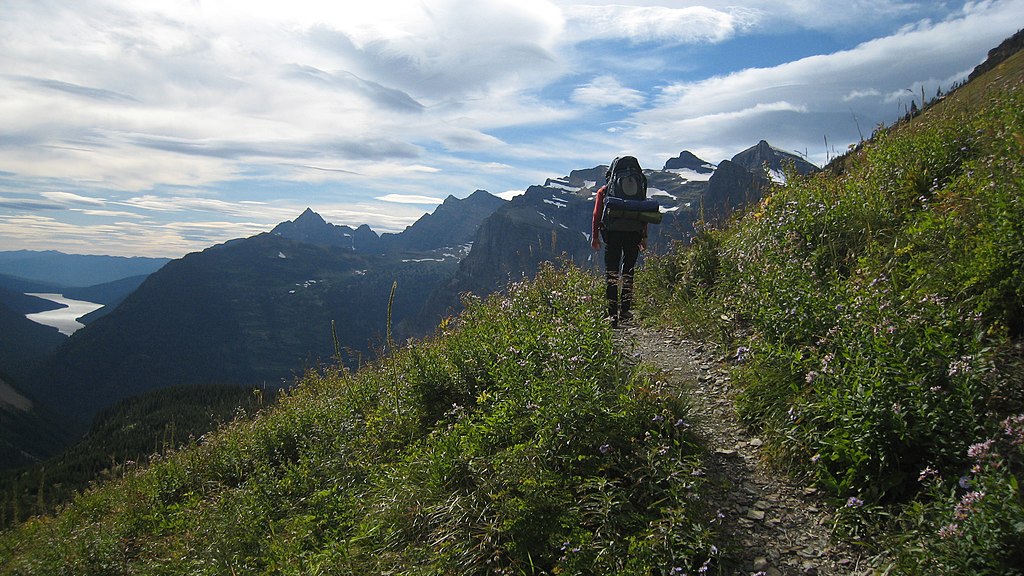
Rapid elevation gain can strain your body and slow recovery. Spending a day acclimating before strenuous activity reduces the risk of altitude sickness. Hydrate consistently and take short hikes to let your body adapt. Recognizing signs like dizziness or fatigue early allows you to adjust pace and rest when needed, ensuring a smoother and safer experience.
Protect Food from Wildlife and Heat
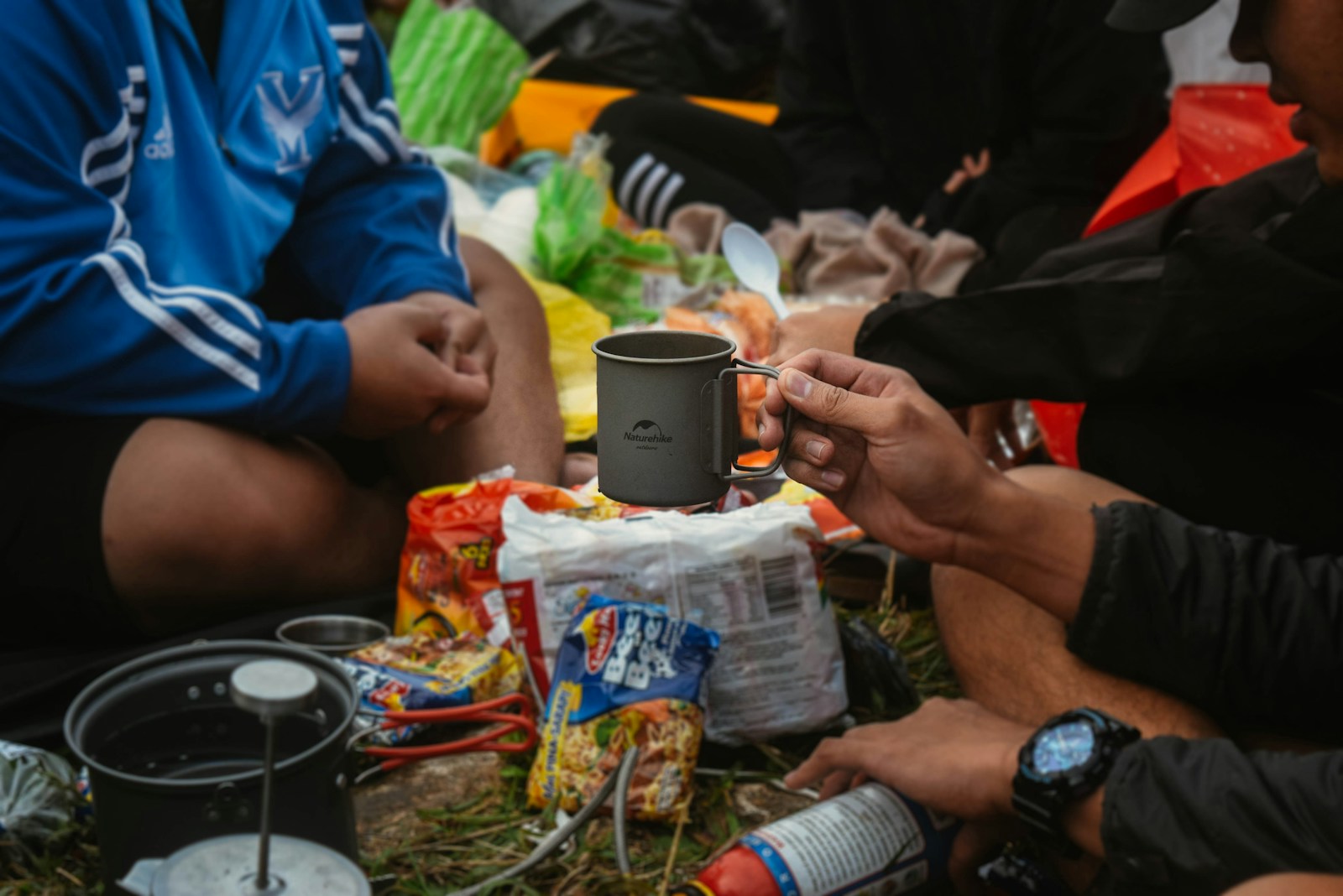
Warmer temperatures at altitude are drawing more wildlife closer to campsites. Storing food in airtight containers or hanging it from trees keeps it safe from curious animals. Choose coolers with thick insulation to preserve freshness even in strong sun. Responsible food storage protects both campers and local ecosystems affected by climate change.
Choose Campsites with Drainage in Mind
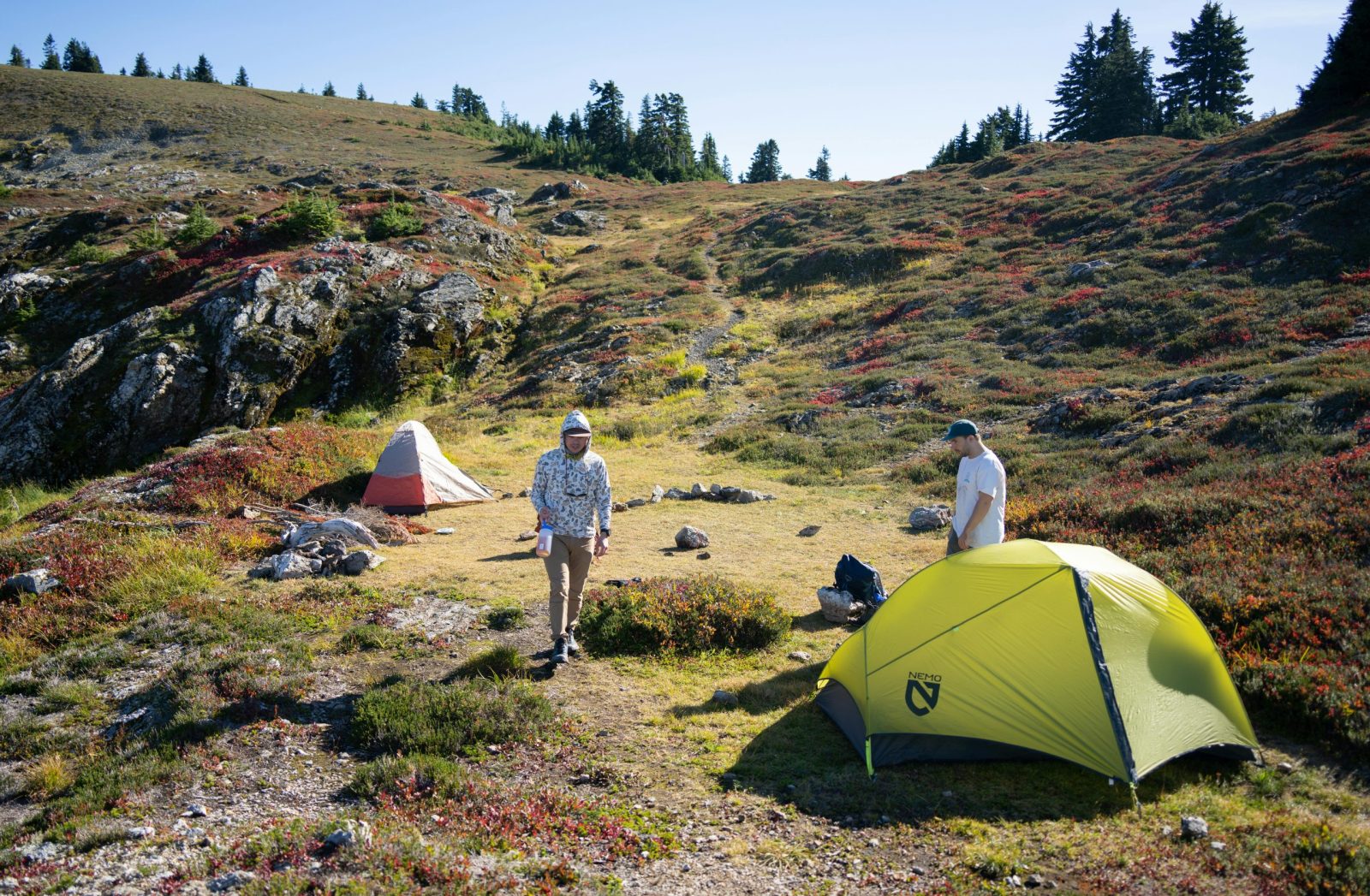
Sudden storms can turn a scenic campsite into a flood zone. Selecting elevated ground with natural drainage prevents water from pooling under tents. Avoid setting up near riverbeds or steep slopes prone to runoff. This simple habit helps prevent damage to gear and ensures dry, secure rest even during unexpected downpours.
Rely on Renewable Power Sources
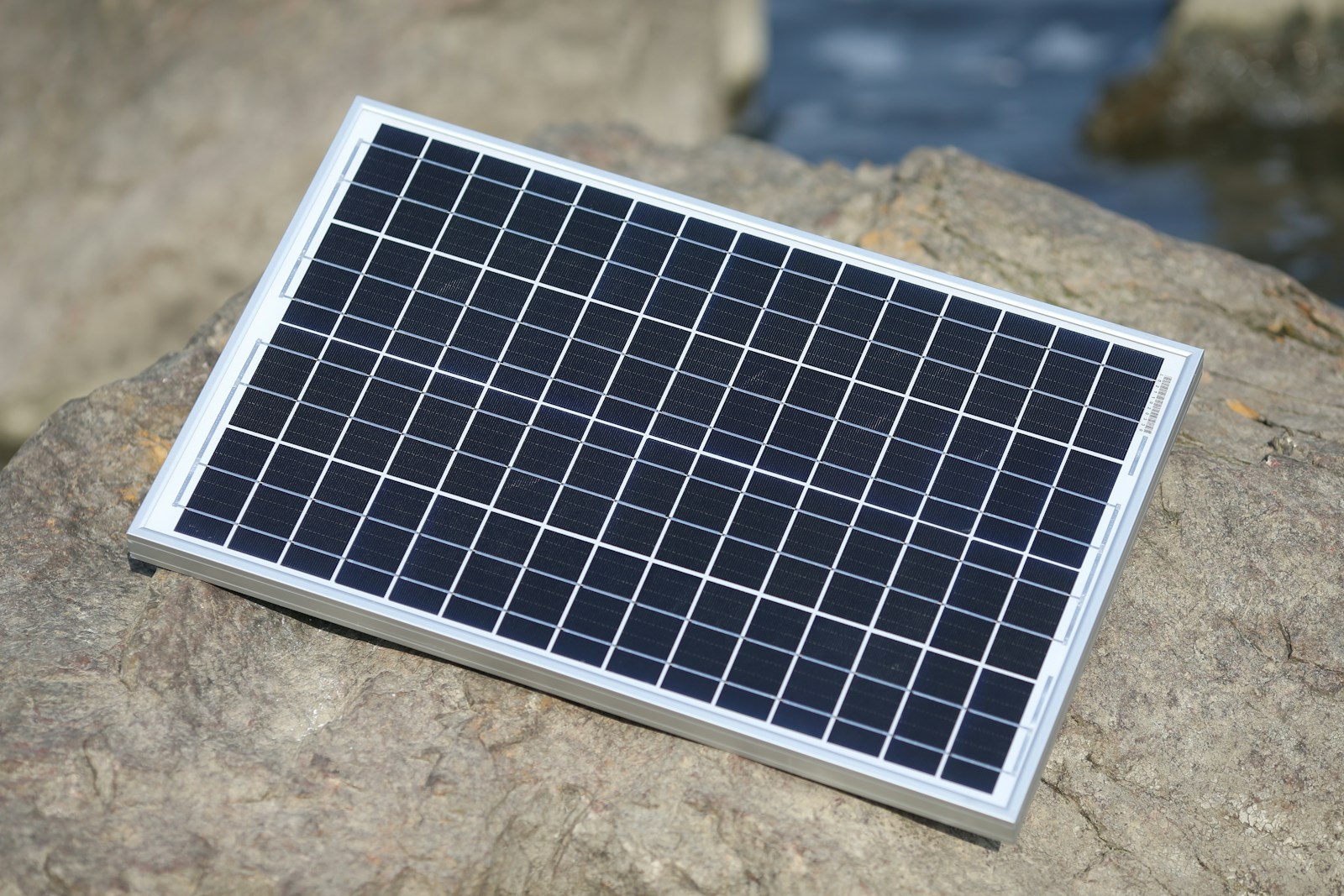
Solar chargers and compact wind turbines have become essential tools for high-altitude camping. They provide steady energy for GPS units, lanterns, or communication devices when traditional power sources fail. Using renewable options reduces environmental impact while keeping gear functional during long stays. It’s a practical way to camp responsibly in fragile alpine environments.
Manage Hydration and Water Sources
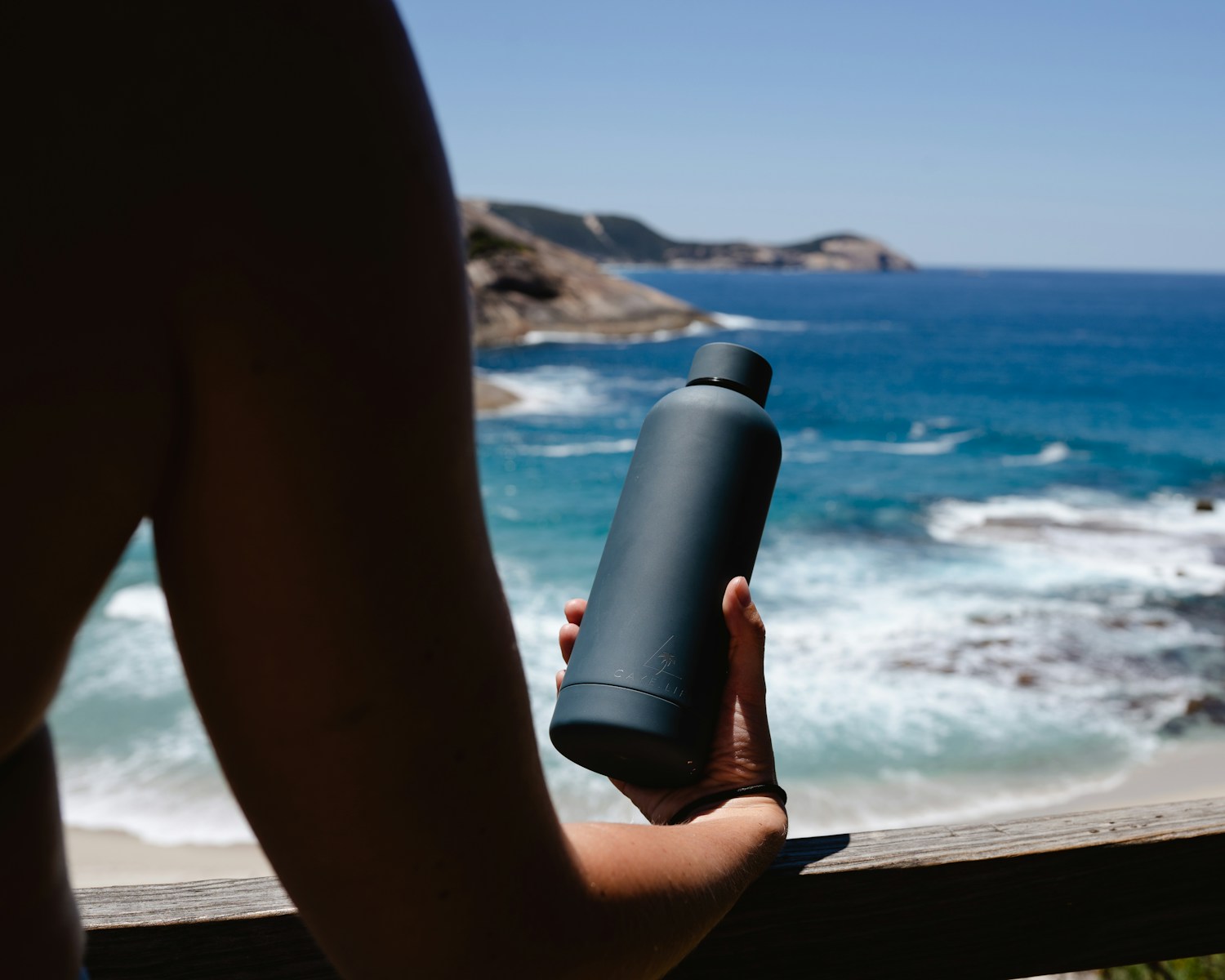
High elevations and rising temperatures can lead to dehydration faster than expected. Carry purification tablets or portable filters to make use of natural streams safely. Drinking small amounts frequently helps maintain stamina and clarity. Prioritizing clean, consistent water intake ensures your body performs well despite thin air and unpredictable weather shifts.