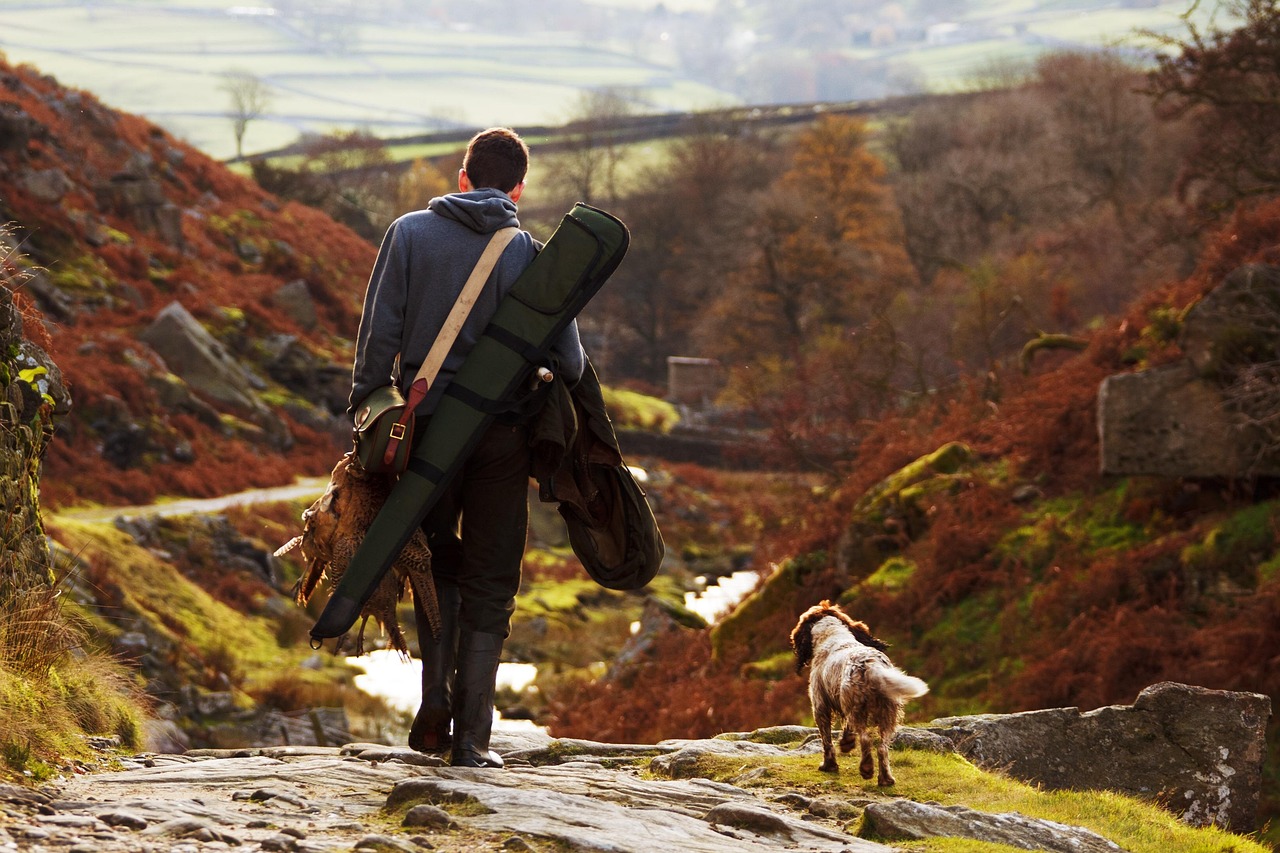
Exploring the mountains demands more than excitement and good intentions; it requires a body prepared for steep climbs, shifting ground, and unpredictable weather. Many hikers, climbers, and backpackers underestimate how much strain their muscles and joints endure at elevation. By following targeted fitness routines that mirror real mountain movement, you can build strength, balance, and endurance that help prevent common injuries on rugged terrain. These seven routines focus on practical conditioning that keeps you safer and more confident on every alpine adventure.
1. Core Stability and Deep Abdominal Training

A strong core is the backbone of safe mountain travel, helping you maintain balance on loose rock, steep switchbacks, and heavy pack climbs. Exercises like planks, bird dogs, and slow rotational movements build deep abdominal strength that protects your spine from sudden jerks or slips. By improving your core endurance, you stay upright longer and reduce fatigue-based missteps, especially on long ascents where stability matters most.
2. Leg Strengthening for Steep Terrain

Mountain trails demand powerful legs capable of handling elevation changes, uneven steps, and long miles. Squats, lunges, step-ups, and controlled downhill movements build essential quads, hamstrings, and glute strength. These exercises train your muscles to absorb impact more efficiently, reducing the risk of knee strain and ankle sprains. Strengthening your lower body also improves hiking rhythm, boosting your confidence on demanding climbs and rugged backcountry terrain.
3. Balance and Proprioception Drills
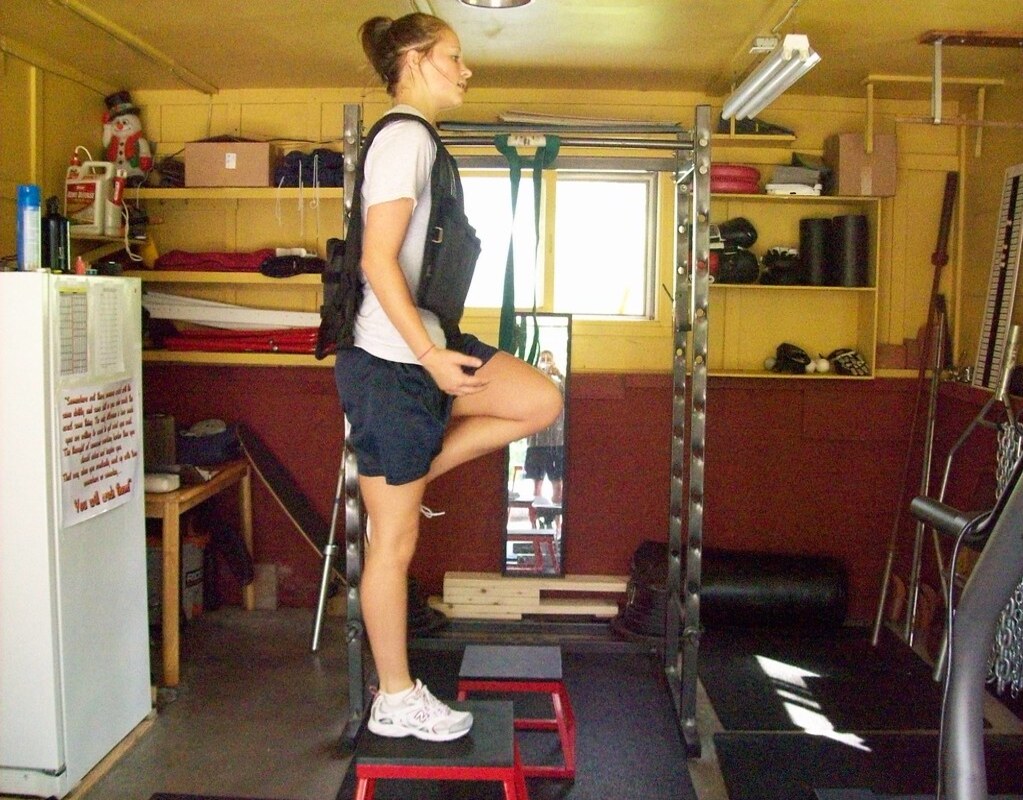
Unpredictable terrain requires sharp balance and precise foot placement, and proprioception training helps you develop both. Simple routines such as single-leg stands, wobble-board drills, and slow lateral shifts teach your body to react quickly to unstable surfaces. These exercises mimic real mountain challenges like wet roots or rolling gravel, significantly lowering your risk of sudden slips. Improved balance also keeps fatigue at bay, helping you move smoothly throughout your hike.
4. Mobility Work for Hips and Ankles
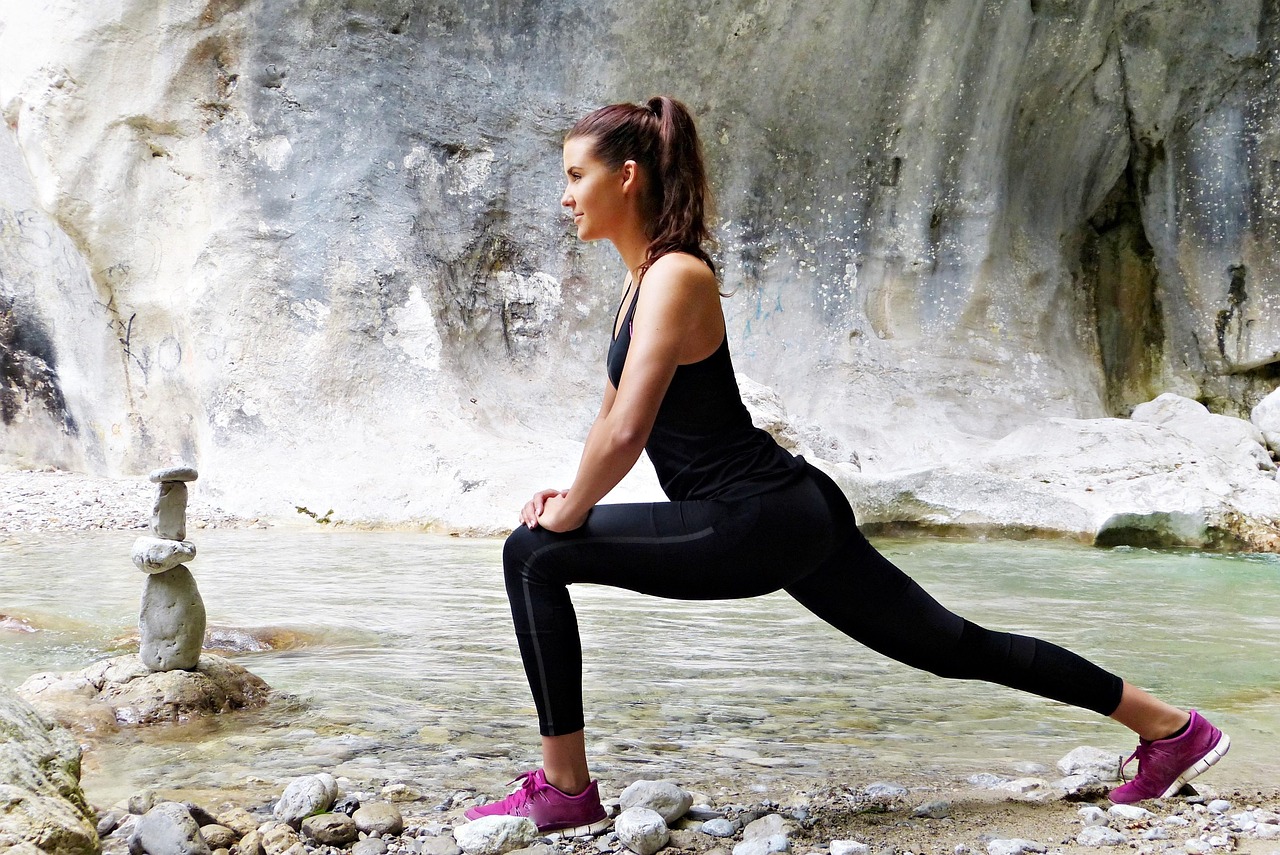
Tight hips and stiff ankles are major contributors to mountain injuries, particularly on steep inclines and rocky descents. Mobility routines, such as hip circles, deep lunging stretches, and controlled ankle rotations, improve your joint range of motion and stability. Flexible hips relieve pressure on your lower back, while mobile ankles help prevent awkward missteps. Consistent mobility training lets you move more naturally, improving stride efficiency and reducing strain on your entire lower body.
5. Endurance and Elevation Conditioning

Mountain travel often means long hours of sustained effort, and a strong cardiovascular base is essential for minimizing injury risks caused by fatigue. Steady-state cardio like brisk hiking, stair climbing, and incline treadmill sessions builds endurance that translates directly to alpine terrain. Adding short bursts of high-intensity intervals strengthens your lungs and legs further. Better endurance helps you maintain control on steep slopes and descend safely without trembling muscles.
6. Upper Body Strength for Load Carrying

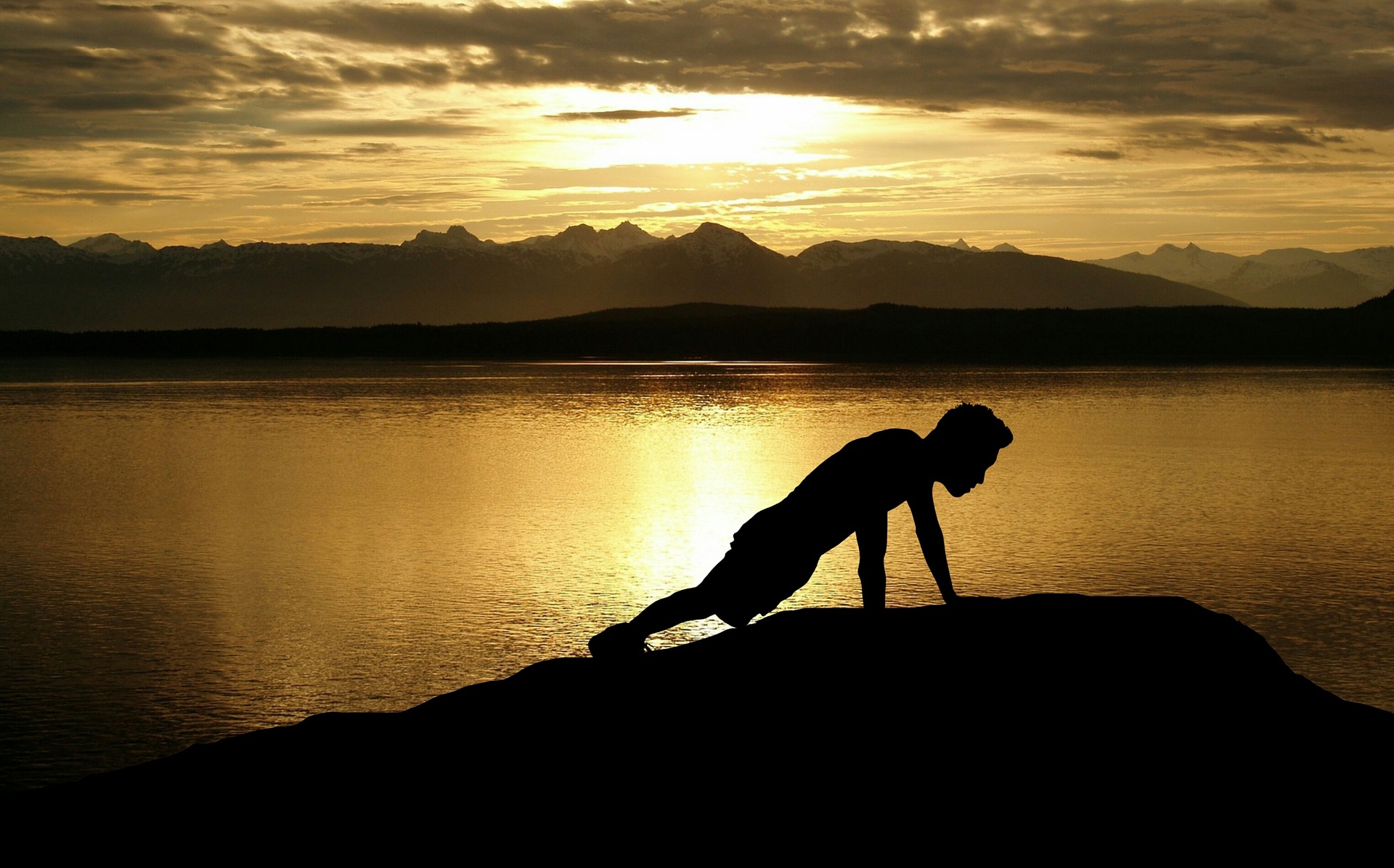
Backpacks can place serious strain on your upper body, and strengthening these muscles helps prevent shoulder, neck, and back injuries. Exercises like rows, pull-ups, push-ups, and weighted carries build balanced upper-body power that stabilizes your pack during long treks. Strong shoulders and lats also improve posture, keeping you from hunching under load. This routine ensures you can carry gear comfortably and efficiently, whether you’re backpacking overnight or tackling a technical summit.
7. Trail-Specific Agility and Movement Patterns

Agility training replicates the quick, reactive movement needed on unpredictable trails and technical mountain routes. Drills such as ladder steps, gentle bounding, and controlled short sprints improve your speed, coordination, and footwork. These movements prepare your body to adjust instantly to obstacles, tight turns, and uneven ground. By building trail-specific agility, you enhance your natural ability to navigate terrain safely, reducing the likelihood of twists, stumbles, and fatigue-related mistakes.