When you are in a survival situation, food quickly becomes a top priority, and few sources are as reliable as fish. Freshwater and coastal waters often hold an abundance of life that can keep you nourished if you know how to catch it. Fishing for survival is different from fishing for sport, as it is about efficiency, creativity, and resourcefulness. By learning a few practical techniques, you can turn a simple water source into a dependable supply of food.
Hand Fishing
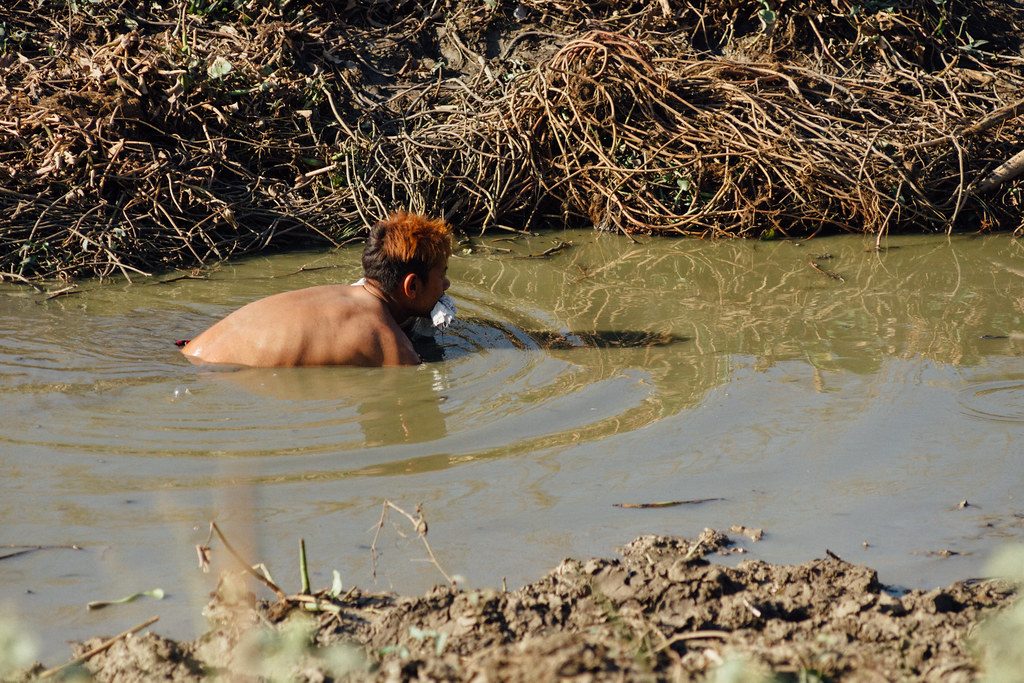
Hand fishing, also called noodling, requires no tools beyond courage and patience. You carefully reach into shallow holes or under rocks where fish hide, then grab them quickly. While risky and not always effective, this method is straightforward when other options are unavailable. With practice, you can secure a meal directly from the water with only your hands.
Improvised Spearfishing
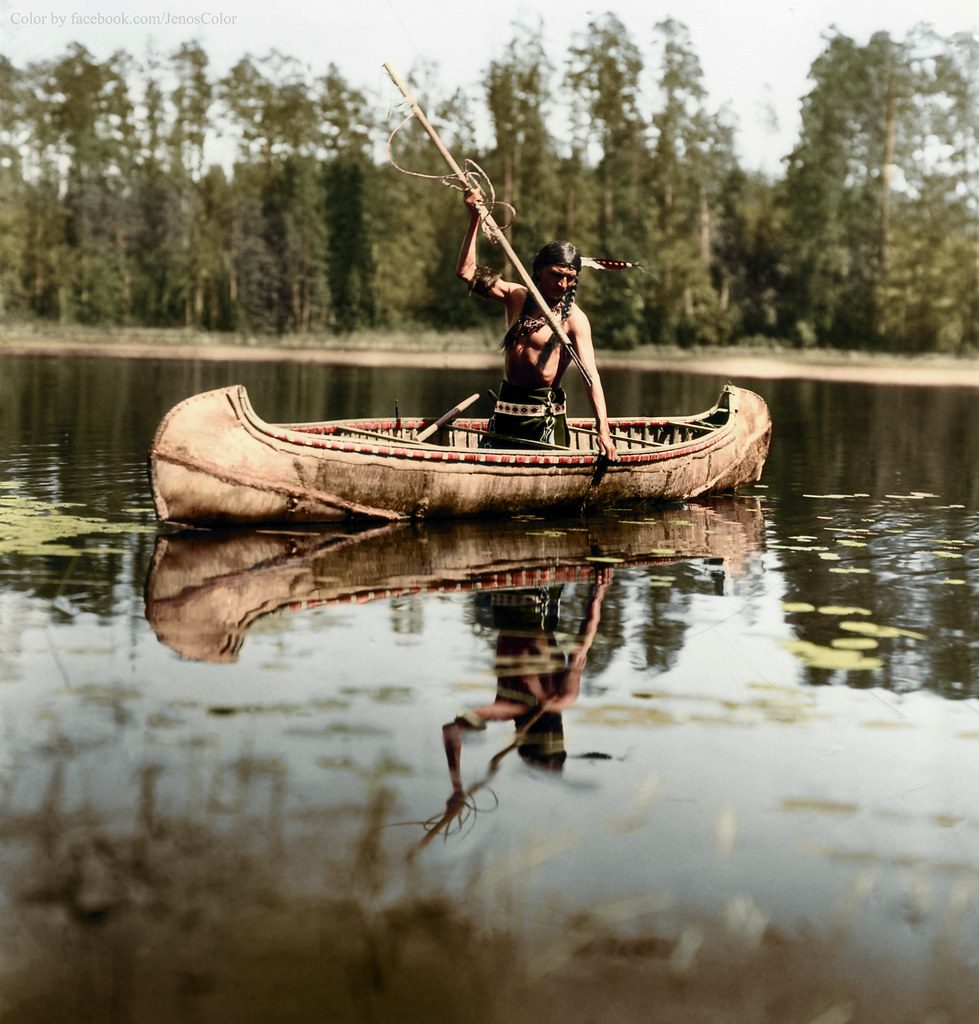
Spearfishing can be done with a sharpened stick, making it one of the easiest survival techniques to prepare. You stand still near shallow water and strike quickly when fish swim by. Timing and accuracy are essential, but even misses help you refine your skill. This method works best in clear, shallow streams or coastal shallows where fish are visible.
Trap Fishing
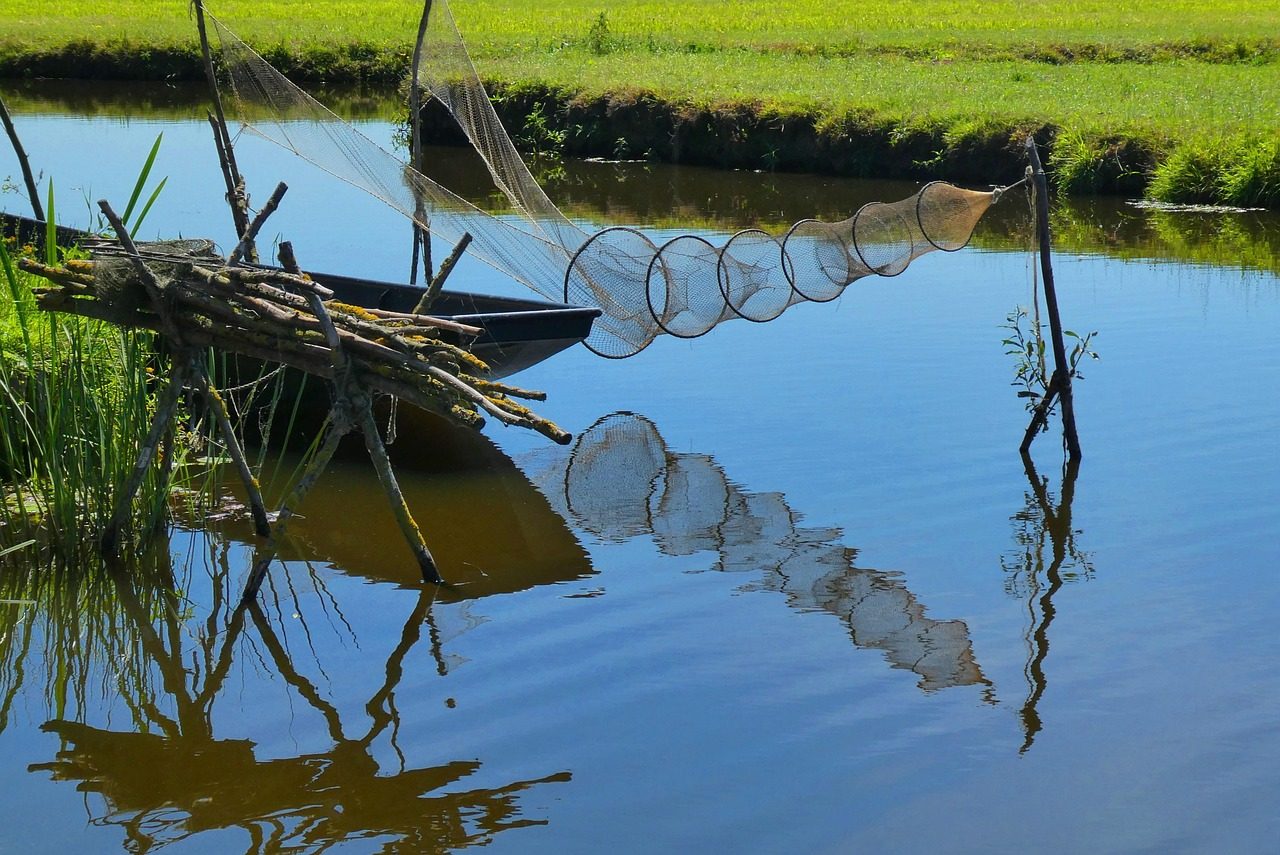
Building a simple fish trap allows you to catch food while conserving energy. You can arrange rocks in a funnel shape that guides fish into a confined space or weave a trap out of flexible branches. Once inside, fish often cannot escape. Traps are especially useful for overnight catches, giving you a steady food source with minimal effort.
Hook and Line Fishing
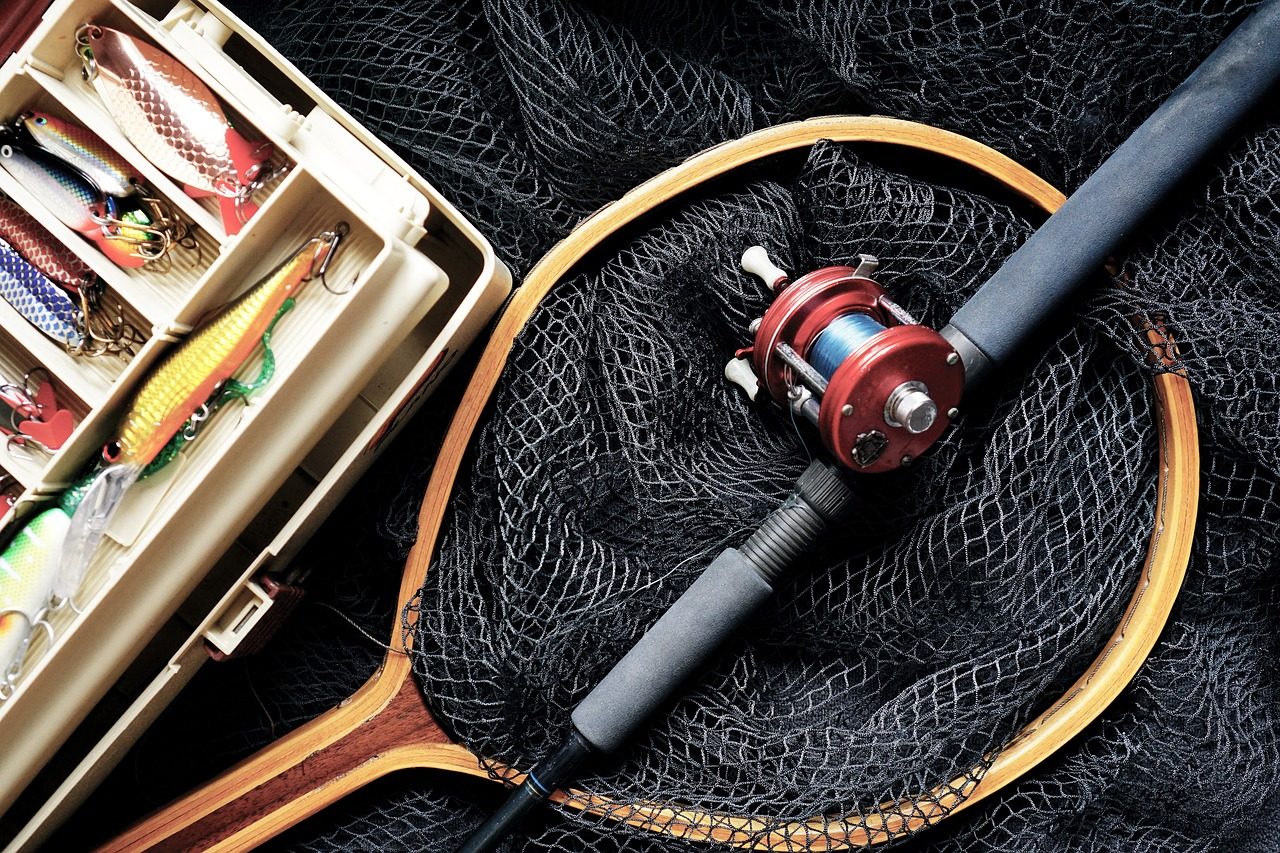
One of the most efficient methods involves a basic hook and line setup. You can improvise hooks from safety pins, bone, or thorns and use cord, thread, or plant fibers as line. Bait can be worms, insects, or even small scraps of food. This method requires patience but offers consistent results when you stay near active fishing spots.
Netting Fish
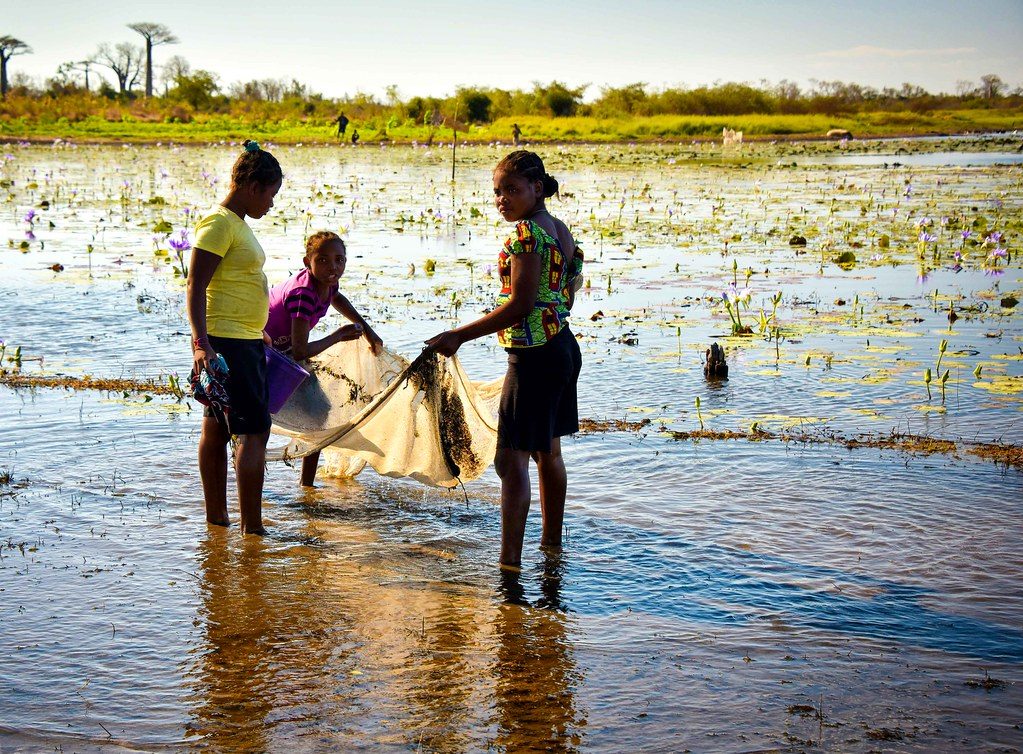
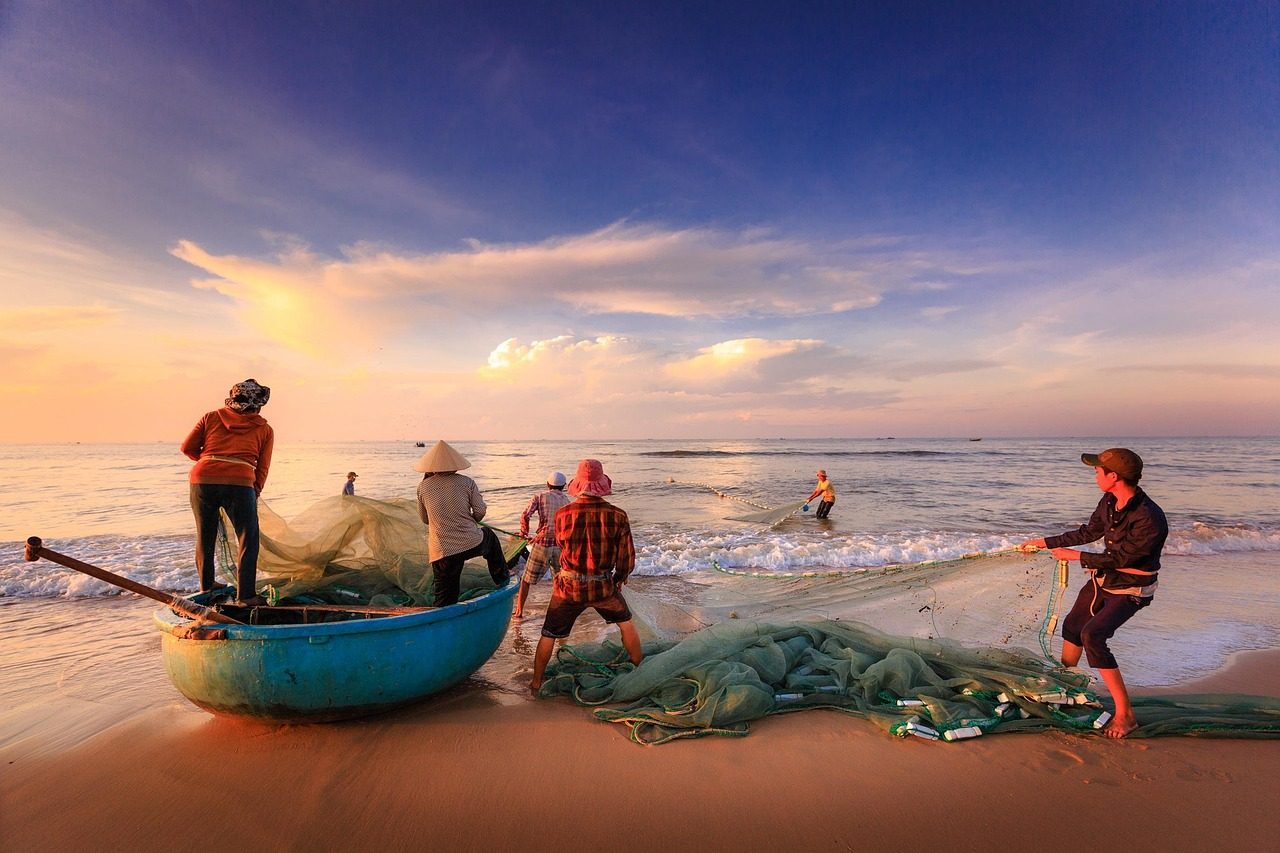
If you have access to a net, whether improvised or pre-made, you can increase your chances of a large catch. Nets sweep through schools of fish or trap them against shallow banks. Even a simple woven cloth or mesh can serve this purpose in a pinch. Nets work best in areas where fish move together in groups.
Ice Fishing
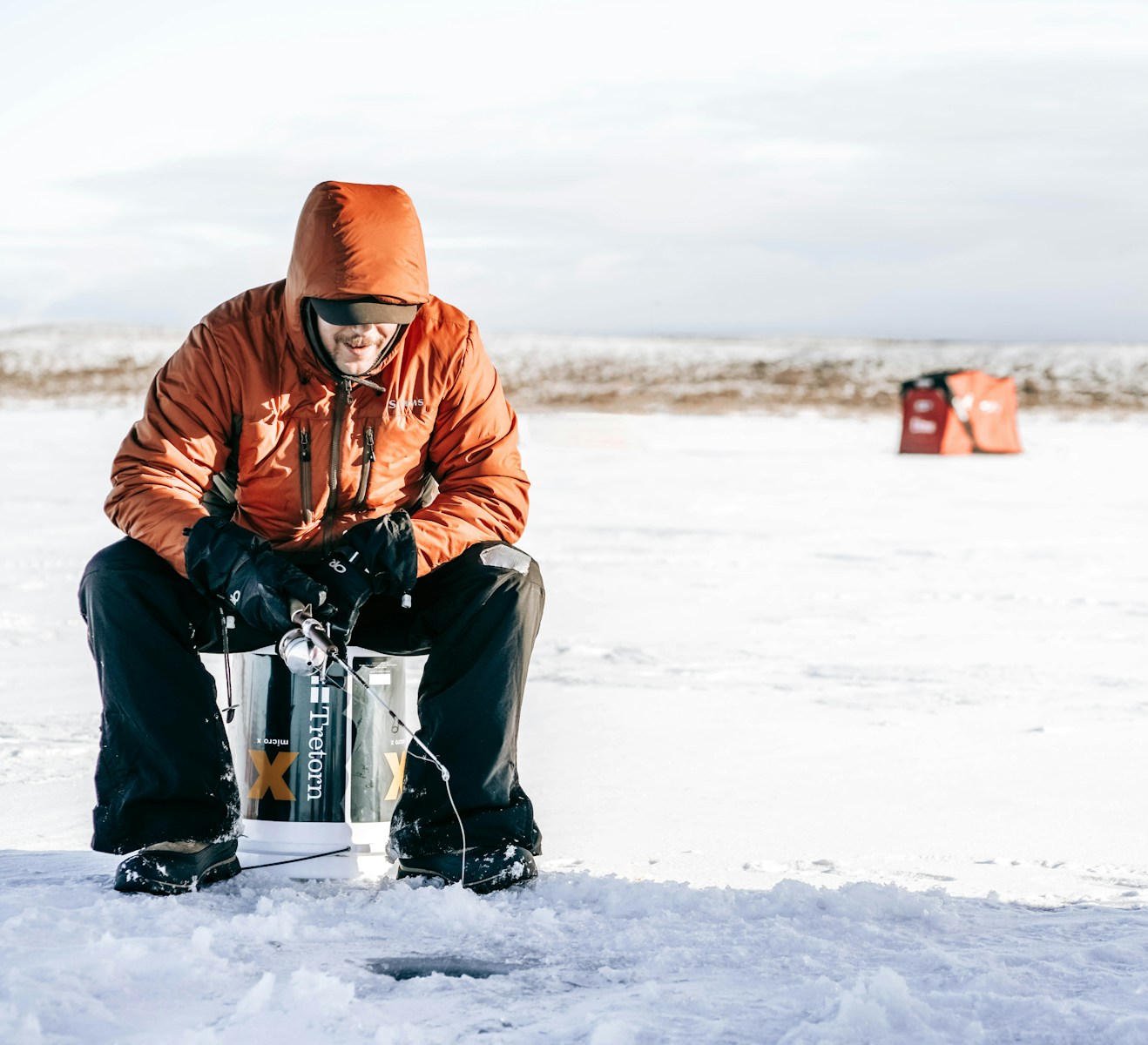
In cold environments, ice fishing becomes an essential survival skill. You start by cutting a hole in the ice, then use baited lines or spears to catch fish below. While it requires effort to create the opening, the rewards can be substantial. This technique provides a reliable food source when other methods are limited by harsh weather.
Using Natural Bait Spots
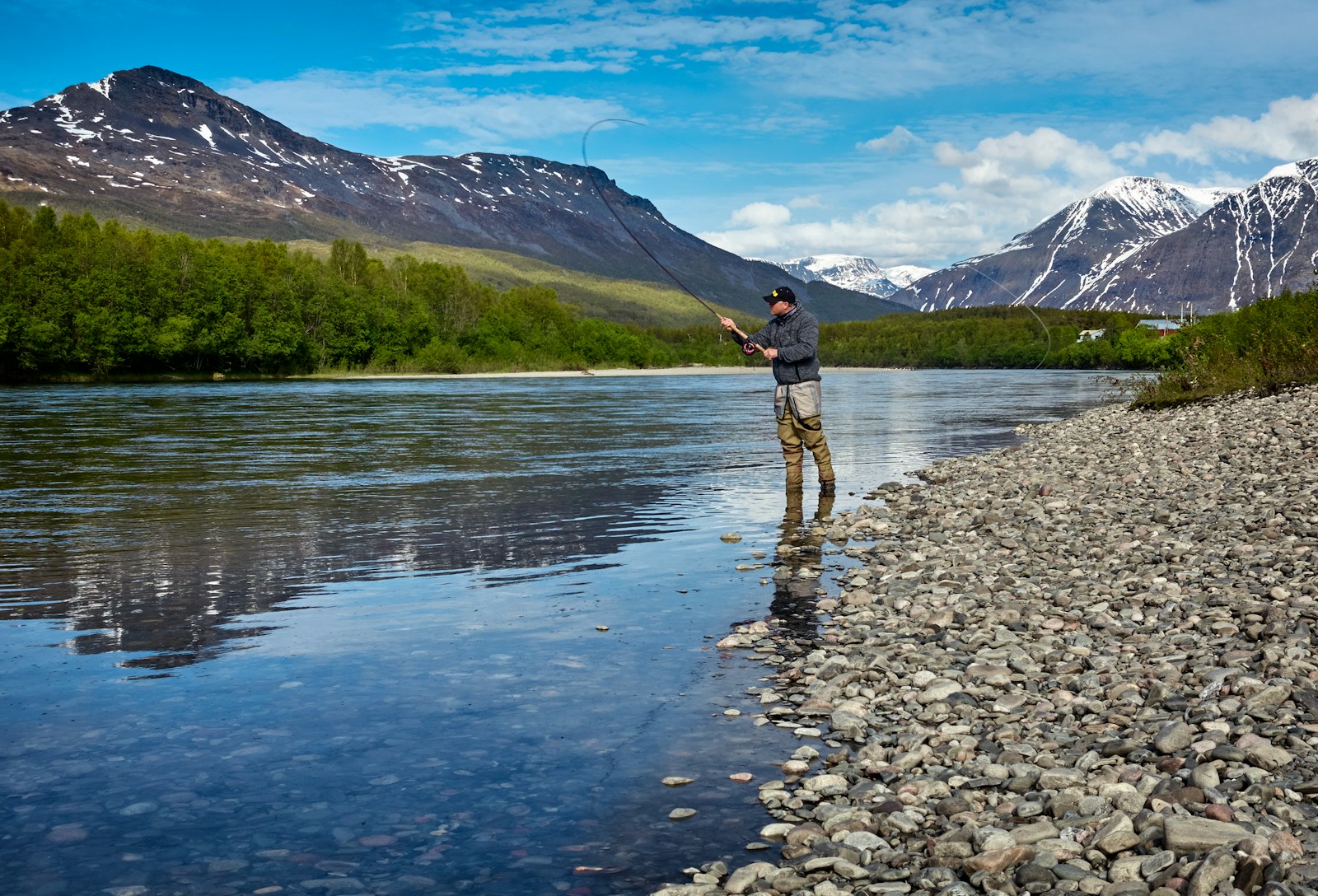
Another clever way to catch fish is by creating bait spots in shallow water. Dropping food scraps, insects, or plants into the area draws fish in to feed. Once they become accustomed to returning for food, you can catch them by hand, with a spear, or by setting traps. This approach works with natural fish behavior, turning their feeding habits into your advantage and reducing the effort needed to secure a meal.