Bringing a firearm on a camping trip sounds like straightforward preparedness, and for the most part, it is. The backcountry presents genuine risks that a well-chosen firearm addresses sensibly. Wildlife encounters, remote terrain, and distance from emergency services all create circumstances where having the right tool matters in ways that are not abstract or theoretical. The problem arises when the firearm is the wrong one, chosen for reasons that have nothing to do with the environment it will actually be used in. Familiarity, aesthetics, budget, and misplaced confidence are all reasons people bring guns into wilderness settings that those guns are mechanically, ergonomically, or ballistically unprepared to handle. A firearm that works adequately at a clean, climate-controlled range behaves very differently after two days of humidity, trail dust, temperature swings, and the kind of handling that outdoor environments produce. The seven firearms below have each earned their spot on this list through specific, documented shortcomings that become genuinely dangerous rather than merely inconvenient once the trailhead is behind you and the nearest help is hours away.
1. Kel-Tec P-32
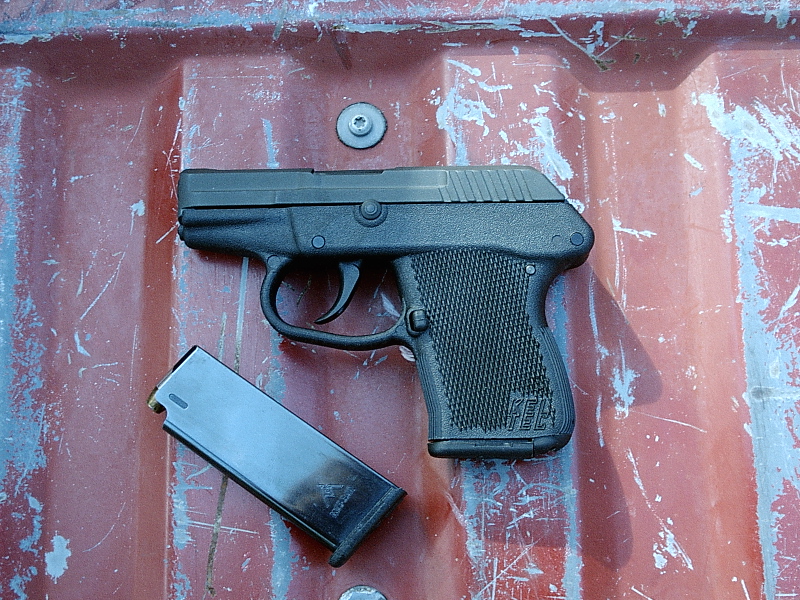
The Kel-Tec P-32 is a remarkably compact semi-automatic pistol chambered in .32 ACP that weighs just 6.6 ounces unloaded and measures 5.07 inches in length, making it one of the lightest production pistols ever manufactured. That extraordinary compactness comes at a cost that becomes immediately apparent in camping contexts. The .32 ACP cartridge pushes a 71-grain bullet to approximately 905 fps, generating around 129 foot-pounds of muzzle energy, which falls dramatically short of the 400 foot-pounds that wildlife professionals consistently cite as a realistic defensive minimum against black bears encountered across popular North American camping regions. The locked-breech design improves on simple blowback reliability, but the lightweight polymer frame and minimal metal contact surfaces accumulate wear quickly under rough handling conditions that backcountry environments produce routinely. The 7-round single-stack magazine empties rapidly under stress, and reloads with the small flush-fitting magazine base are genuinely difficult with cold or wet hands. Trigger pull runs approximately 5 pounds in single action but requires deliberate technique to manage consistently. At a retail price around $325, it represents reasonable engineering for deep concealment urban carry. Transplanting that design philosophy into a wilderness camping context where threats are larger, help is farther, and conditions are harsher exposes every limitation the platform carries simultaneously.
2. Jennings J-22
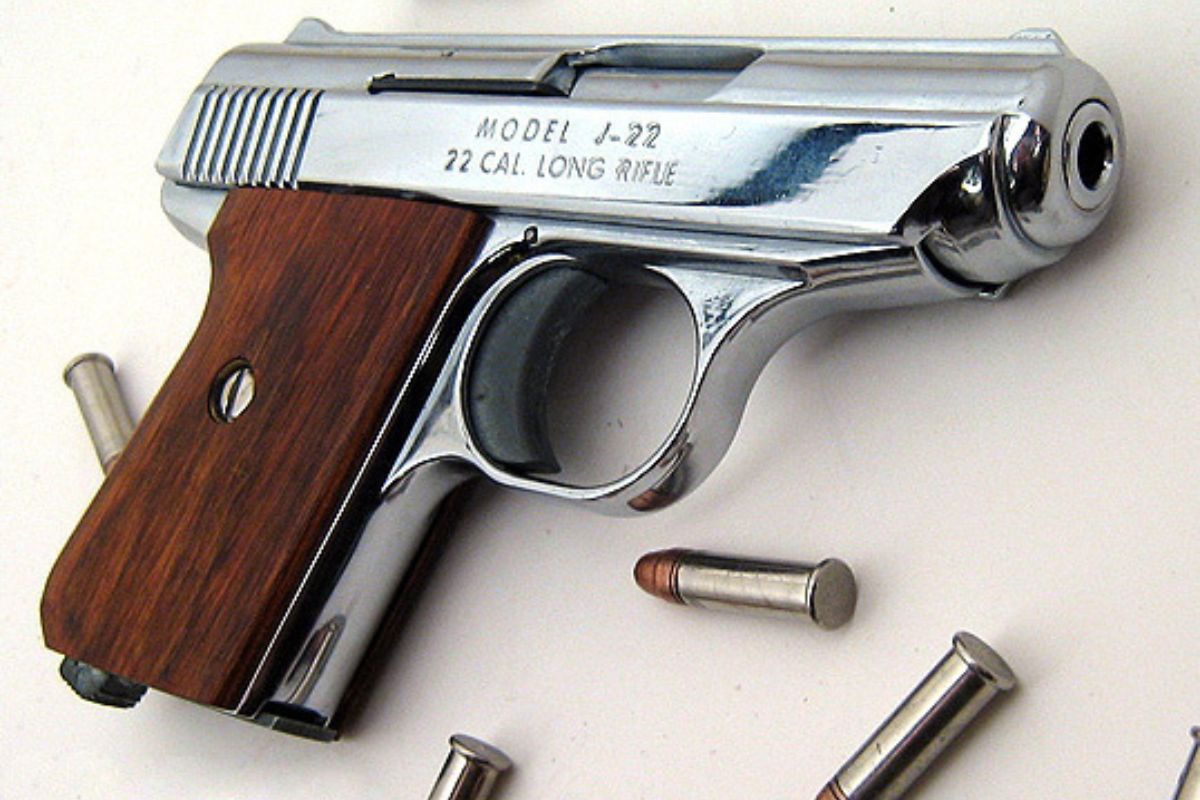
The Jennings J-22 is a .22 LR semi-automatic pistol that originally retailed under $100 and was manufactured with a zinc alloy frame and slide construction that prioritized production cost over durability in ways that become immediately apparent under field use. The .22 LR cartridge generates approximately 100 to 140 foot-pounds of muzzle energy depending on the load, which falls catastrophically short of the 400 foot-pounds that wildlife professionals consider a realistic minimum for defensive encounters with black bears, the predator most likely to be encountered across popular North American camping regions. Beyond the caliber inadequacy, the zinc alloy construction develops stress fractures under sustained firing, with documented structural failures appearing in some examples after fewer than 500 rounds. Corrosion resistance is minimal, with surface oxidation appearing after as little as 48 hours of unprotected exposure to humidity above 60 percent. The trigger pull averages 8 to 10 pounds with significant variation between individual pulls. Magazine feeding reliability is poor, with failure rates in some evaluations exceeding 10 per 100 rounds with standard ammunition. Carrying a Jennings J-22 as your primary camping firearm is less a safety measure than a mechanical gamble with genuinely serious stakes.
3. Cobray M11/9
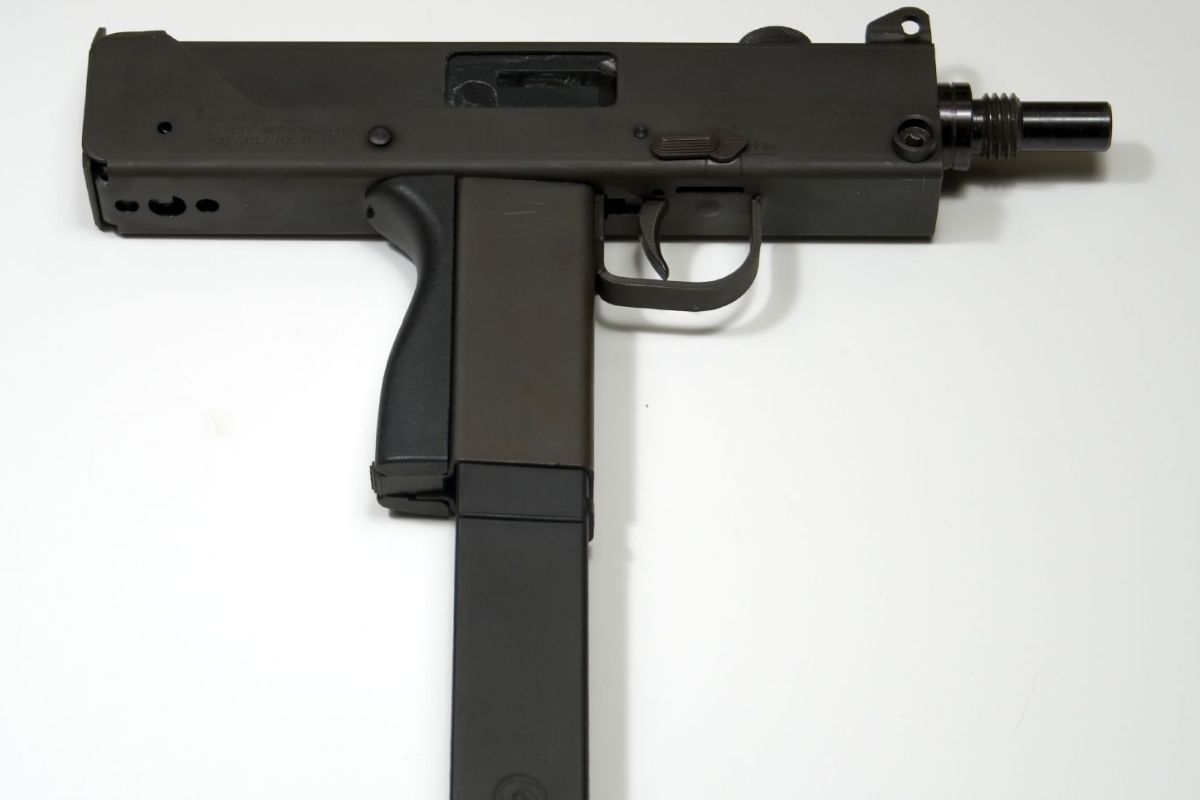
The Cobray M11/9 fires from an open bolt, holds 32 rounds of 9mm in a protruding stick magazine, and weighs approximately 5.5 pounds empty, which climbs to over 7 pounds with a loaded magazine. That weight and the gun’s overall bulk make extended trail carry a physical burden that compounds with every mile. The open bolt design keeps the bolt face exposed to the environment when the action is cocked, creating a direct pathway for trail dust, pine debris, moisture, and sand to contaminate the firing mechanism in exactly the conditions that backcountry camping produces constantly. Reliability in contaminated field environments is genuinely poor as a result. The sights are stamped metal with no meaningful adjustability, producing groups that most shooters cannot keep within 8 inches at 25 yards. The 9mm cartridge does at least generate 350 to 400 foot-pounds of energy with standard loads, providing adequate human-threat capability, but that single positive attribute cannot compensate for a platform this mechanically unsuited to dirt, moisture, and rough handling. Its 32-round capacity looks impressive until you recognize that feeding reliability with the open bolt design makes cycling through those rounds without interruption unlikely in field conditions.
4. North American Arms .22 Mini Revolver
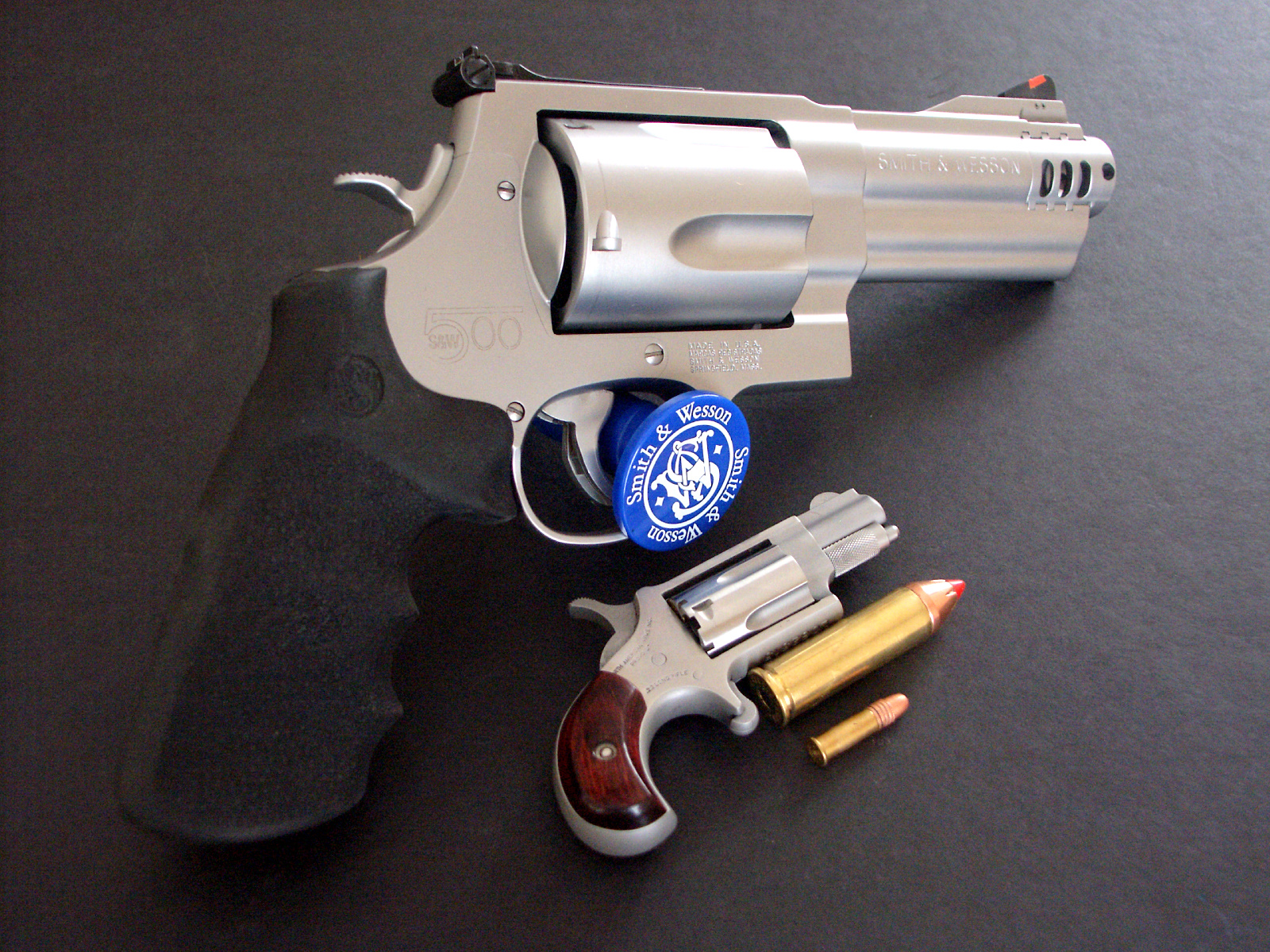
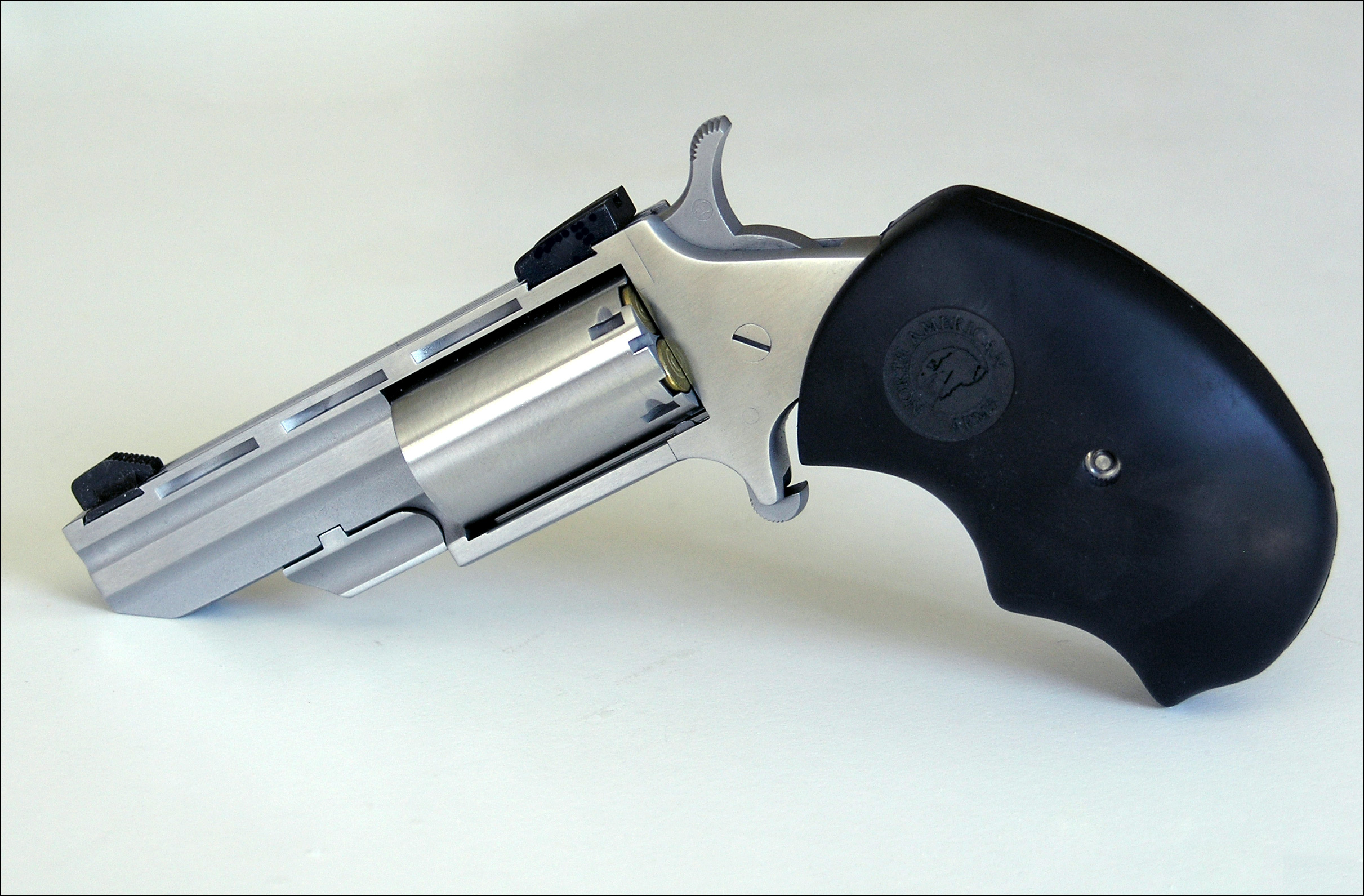
The NAA Mini Revolver weighs just 4 ounces, fits inside a closed fist, and generates approximately 27 foot-pounds of muzzle energy from its .22 Short chambering, a figure so low it fails to meet the minimum threshold for humane pest control recommended by most wildlife management organizations. The .22 LR variant improves to around 70 foot-pounds from the 1.125-inch barrel due to severe velocity loss in the abbreviated tube, which still represents less than 18 percent of the energy wildlife professionals recommend for black bear defense. Reloading requires removing the cylinder entirely and manually indexing 5 rounds one at a time, a process taking 30 to 45 seconds for practiced hands and considerably longer in darkness, cold weather, or under the elevated stress of an actual threat encounter. The grip is so compact that most adults cannot establish a stable firing hold without specific training, and the fixed sights offer no practical adjustability at any distance. Campers sometimes carry the NAA Mini as a backup to a primary firearm, which is a defensible position, but selecting it as the sole camping sidearm reflects a fundamental mismatch between the tool and the environment’s genuine threat profile. Cuteness and capability are not the same thing.
5. Hi-Point C9
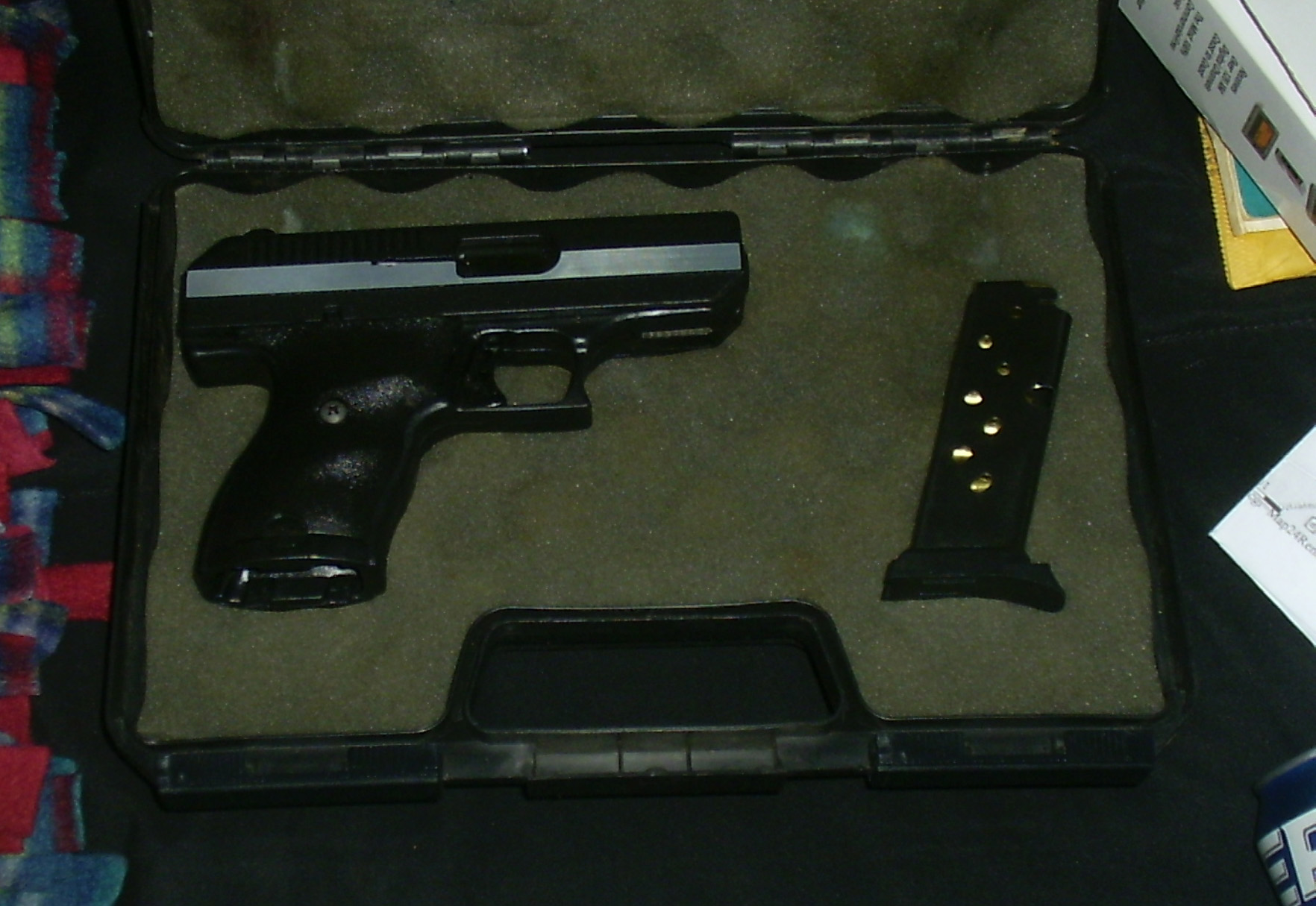
The Hi-Point C9 is a 9mm semi-automatic pistol that retails between $150 and $175, making it one of the most affordable centerfire handguns available in the American market. Its blowback operation with a heavy polymer-coated zinc alloy slide produces acceptable baseline reliability under clean indoor conditions, with some independent evaluations recording failure rates below 3 per 100 rounds using quality factory ammunition. That controlled-environment performance collapses meaningfully once camping conditions introduce the variables that backcountry environments produce without exception. The zinc alloy slide is genuinely vulnerable to corrosion, with surface oxidation developing after as little as 48 hours of unprotected exposure to humidity levels common in forested and coastal camping terrain. The trigger pull averages 8 to 10 pounds with a gritty, indistinct break that degrades practical accuracy under stress, with most shooters producing groups of 4 to 6 inches at 25 yards under favorable conditions. The single-stack 8-round magazine empties quickly, and the slide is heavy enough that one-handed racking becomes nearly impossible when grip strength is reduced by cold, wet hands or fatigue accumulated over a full day of trail travel. At 29 ounces unloaded, the weight-to-capability ratio compares unfavorably against significantly more reliable alternatives at only modest price increases.
6. Raven Arms MP-25
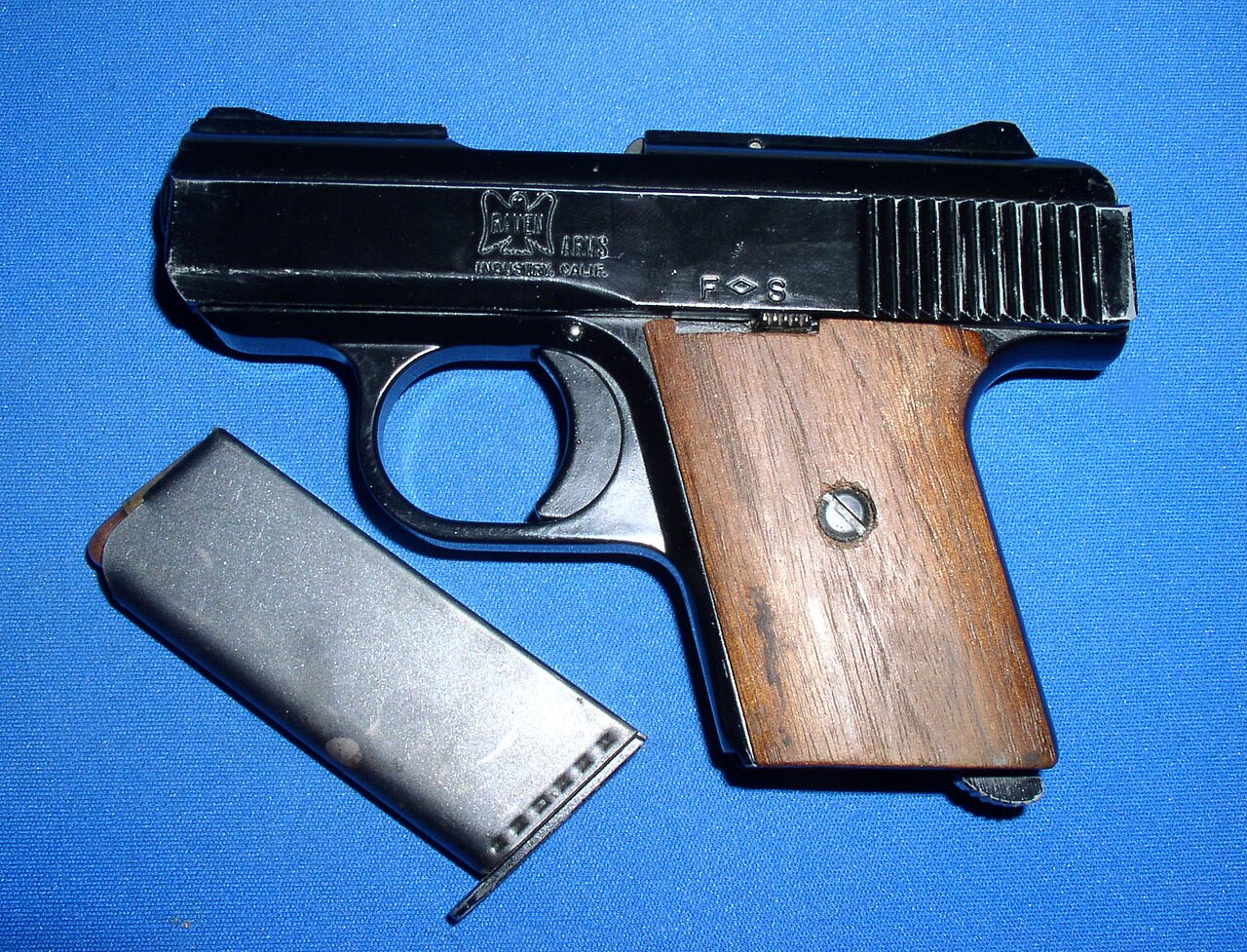
The Raven Arms MP-25 chambers .25 ACP cartridges generating a mere 64 foot-pounds of muzzle energy from a 50-grain bullet traveling at approximately 760 fps, which represents less than 16 percent of the minimum energy threshold that wildlife professionals recommend for black bear defensive encounters. That caliber inadequacy alone would be sufficient to disqualify it from serious camping consideration, but the MP-25 compounds the problem through construction quality that is poorly matched to outdoor environments. The zinc alloy frame and slide corrode readily under moisture exposure, with finish degradation beginning quickly in humid conditions typical of forested camping terrain. The 6-round magazine empties in seconds, and the rudimentary fixed sights offer no meaningful accuracy guidance beyond approximately 10 feet. Trigger pull is heavy and inconsistent, averaging around 8 pounds with significant variation. Retail pricing historically under $70 reflects manufacturing economics that leave no margin for quality control beyond basic function. Campers who carry the MP-25 based on its compact dimensions are making a weight and size optimization that sacrifices every other relevant variable simultaneously. A false sense of armed preparedness is a specific and measurable danger when the terrain demands a tool that the MP-25 is simply not built to be.
7. American Derringer Model 1 in .22 LR
The American Derringer Model 1 is beautifully manufactured from stainless steel, compact enough to disappear into a shirt pocket, and available across a wide range of calibers. In the .22 LR configuration, which represents one of the more commonly encountered variants at gun shows and used markets, it generates approximately 100 to 140 foot-pounds of muzzle energy depending on the specific load. That energy level is objectively inadequate for any credible camping threat scenario involving large animals, and Alaska Department of Fish and Game incident records document zero reliable stops on bears using .22-caliber handguns across all available reporting periods. The two-shot capacity means the entire ammunition supply is exhausted before any reload can begin, a process requiring opening the action, manually extracting two spent cases, inserting two fresh cartridges, and closing the action, taking a minimum of 10 to 15 seconds under optimal conditions with dry, practiced hands. Trigger pull averages 10 to 12 pounds. Groups at 15 yards routinely exceed 6 inches. Retail pricing between $400 and $500 positions it as a serious purchase in a role it fundamentally cannot fill. The craftsmanship is genuine. The camping suitability in this configuration is not.