Hog hunting is one of the few pursuits where things can turn chaotic fast. Feral hogs are tough, fast, and unpredictable, and they don’t always react like other big game when hit. Because of that, firearm choice matters more than many hunters realize. Some rifles that look versatile on paper or feel familiar at the range introduce serious risks in real hunting conditions. Recoil, penetration, follow-up speed, and reliability all affect safety, especially when visibility is poor or multiple hogs are moving at once. The following rifles are not inherently “bad” firearms, but when used for hog hunting, especially in brush, at night, or during driven encounters,s they can quietly increase danger for the shooter and everyone nearby.
1. Ruger 10/22
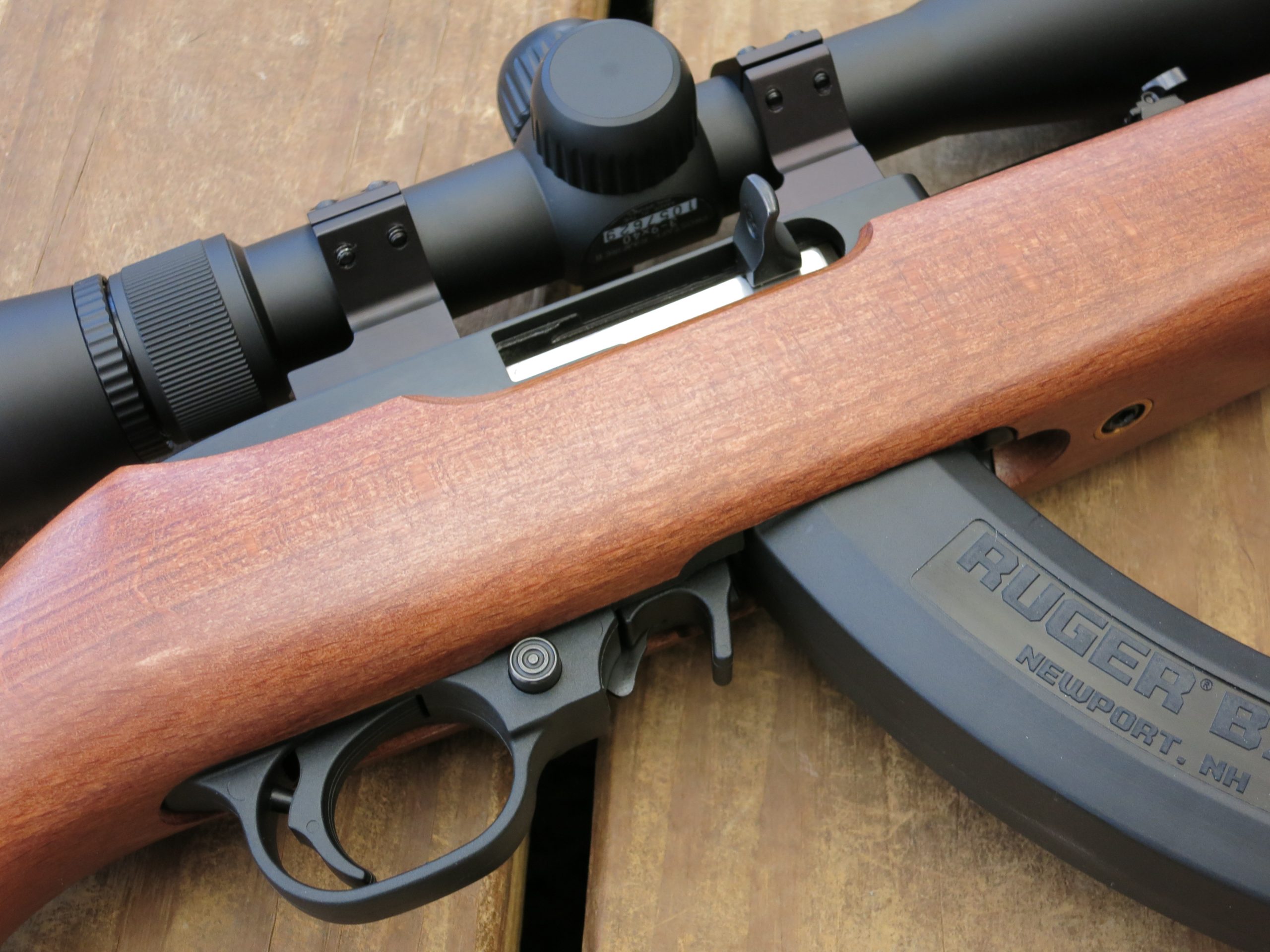
The Ruger 10/22 is one of the most popular rifles in America, prized for its reliability, low recoil, and affordability. However, those same traits make it a risky choice for hog hunting. The .22 LR cartridge lacks the penetration needed to reliably reach vital organs through thick hide, gristle plates, and heavy bone. Even well-placed shots can fail to stop a hog quickly, leading to wounded animals that charge, flee into cover, or circle back unexpectedly. Follow-up shots may be fast, but they often compound the problem rather than solve it. Using a 10/22 encourages underestimating the animal and overestimating shot placement precision under stress, which is a dangerous combination in the field.
2. AK-47 / AKM Variants
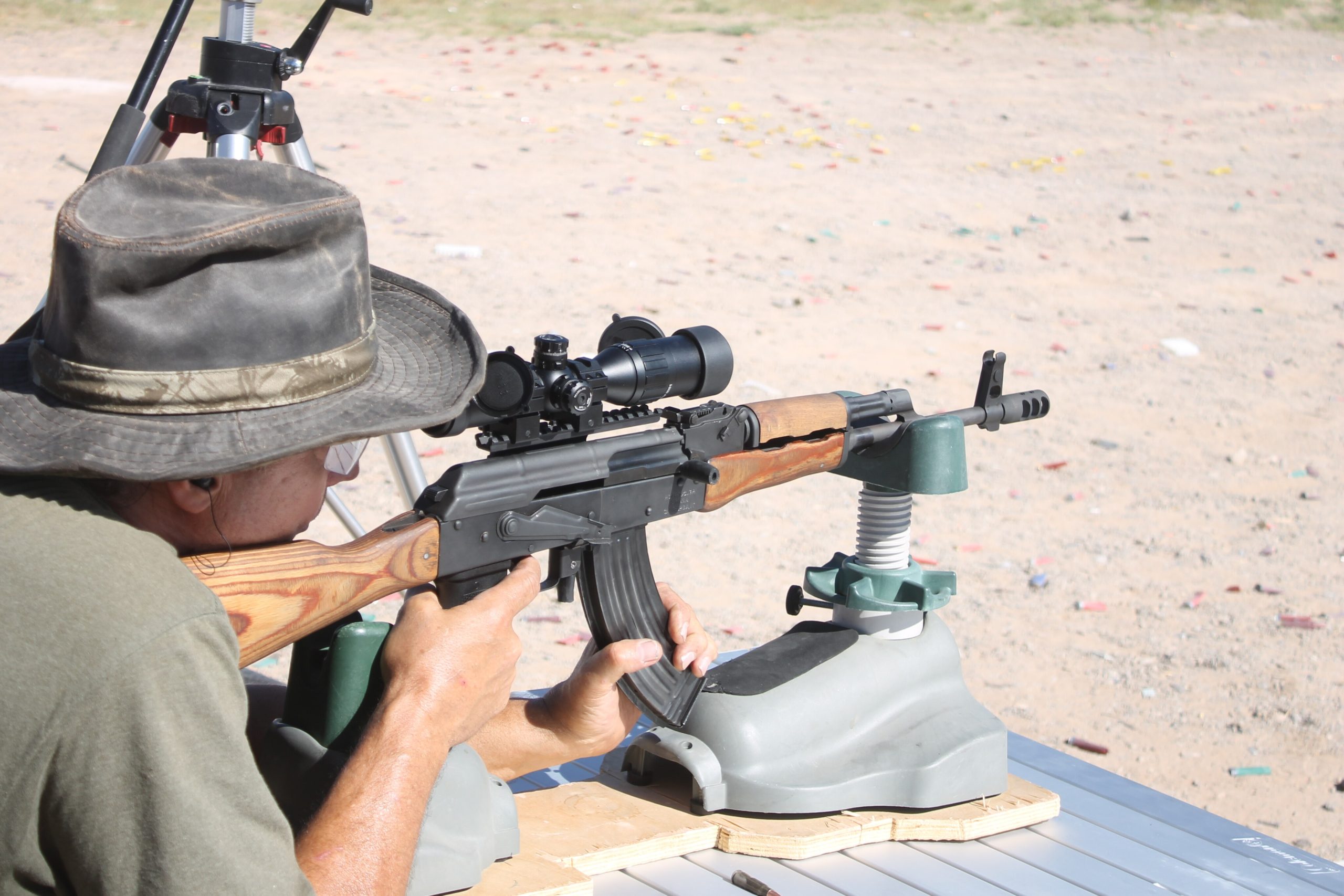
AK-pattern rifles are known for durability and simplicity, but those strengths don’t automatically translate into safe hog-hunting performance. Most AK-47 rifles fire 7.62×39 ammunition loaded with full metal jacket rounds, which tend to overpenetrate without transferring enough energy to stop a hog quickly. Accuracy can also suffer due to heavy triggers, crude optics mounting options, and shorter sight radii. In night hunts, muzzle flash and poor ergonomics make target reacquisition harder after the first shot. The rifle’s weight and balance can feel clumsy in thick brush, increasing fatigue and slowing reaction time when hogs move unpredictably or charge from close range.
3. Remington 700 (.300 Winchester Magnum)
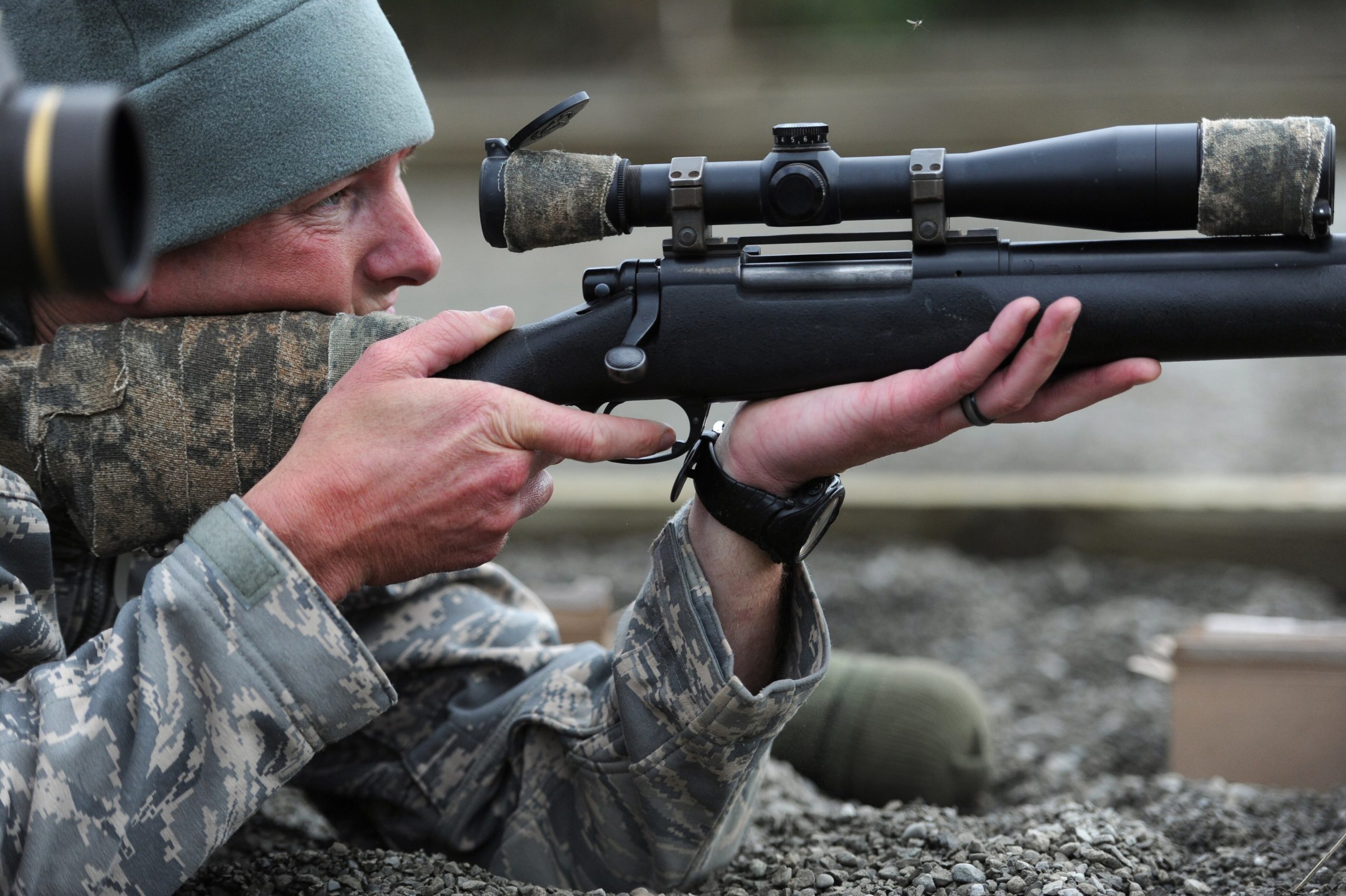
The Remington 700 in .300 Win Mag is an outstanding long-range big-game rifle, but it becomes a liability in close-quarters hog hunting. The cartridge produces heavy recoil and extreme muzzle blast, which can disorient shooters during fast encounters. In tight terrain, overpenetration becomes a serious concern, especially when hunting with partners or near property boundaries. Follow-up shots are slower due to recoil recovery and bolt manipulation under stress. The rifle excels at distance, but hog hunts often happen inside 100 yards, where the cartridge’s power becomes excessive rather than useful, increasing risk without providing practical advantage.
4. SKS
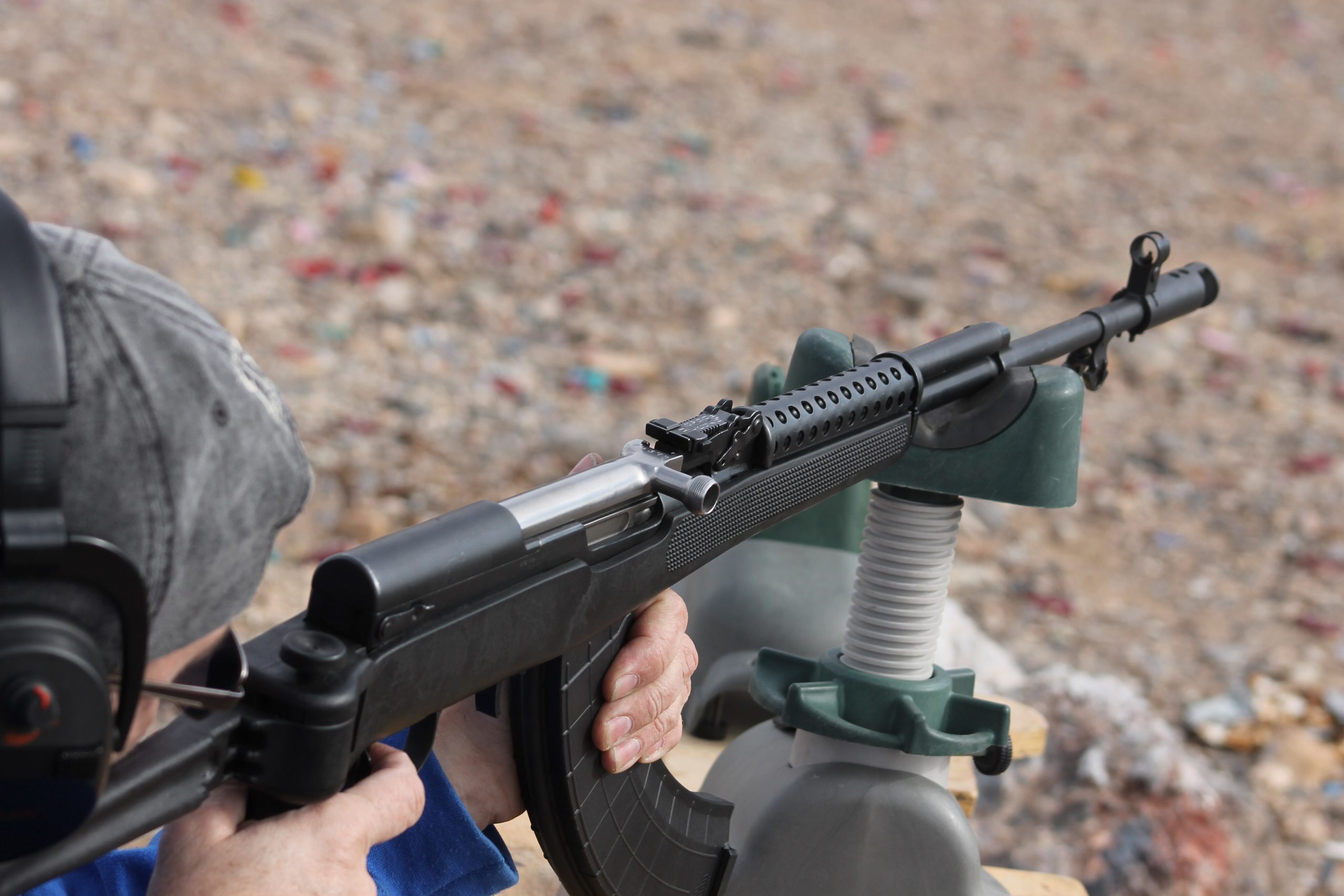
The SKS sits in an awkward middle ground that creates problems during hog hunts. While it shares the 7.62×39 cartridge with the AK, it lacks detachable magazines, slowing reloads when multiple hogs appear. Many surplus SKS rifles have inconsistent triggers, worn barrels, or unknown maintenance histories, which affect reliability. Mounting modern optics can be difficult without compromising zero. Like the AK, the SKS is often used with FMJ ammunition, reducing terminal effectiveness. When a hog doesn’t drop immediately, the rifle’s slower handling and reload limitations can put hunters in unsafe positions very quickly.
5. Mosin–Nagant
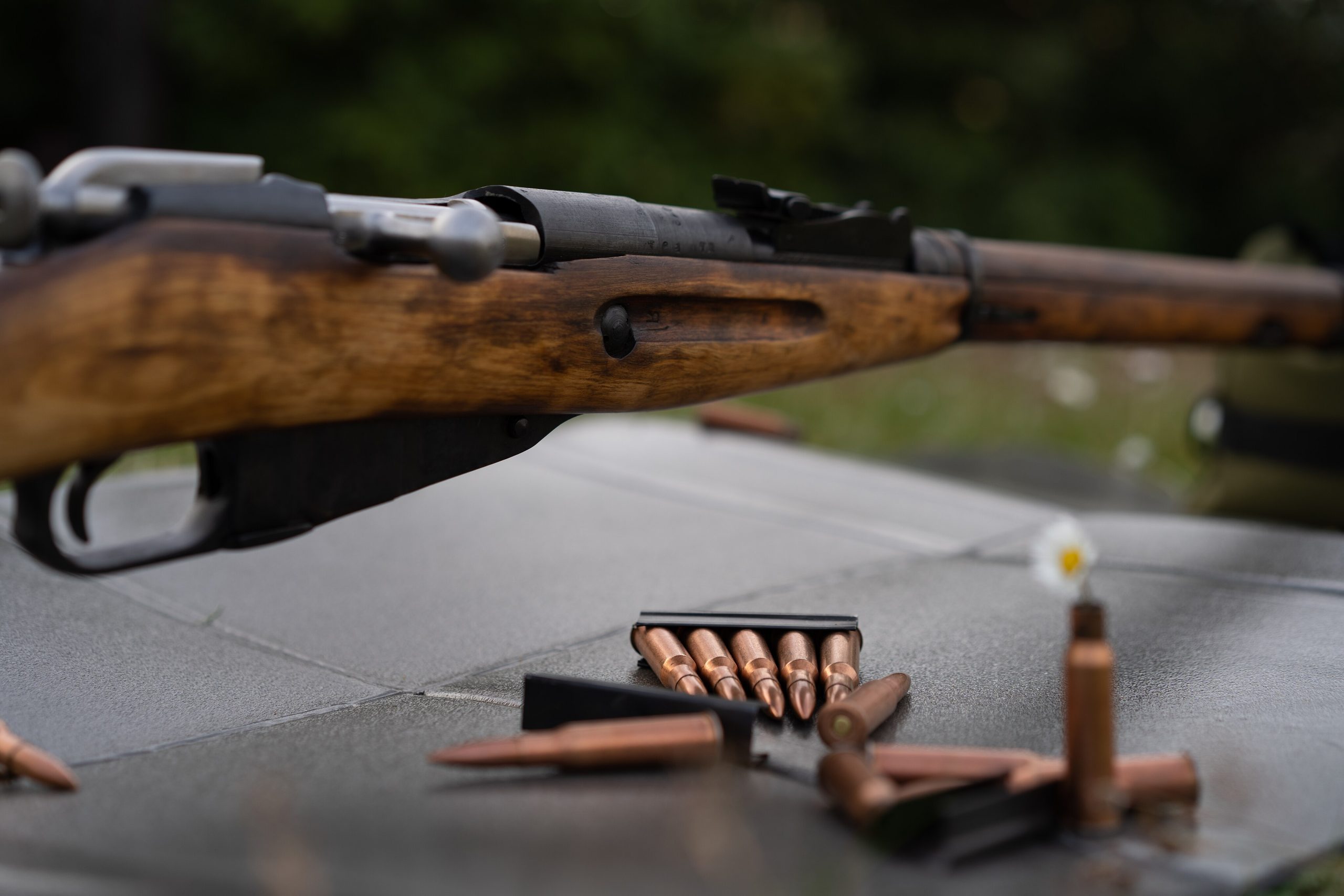
The Mosin–Nagant fires a powerful cartridge capable of killing large game, but that power comes with serious drawbacks for hog hunting. The rifle is long, heavy, and awkward in brush, making quick target transitions difficult. Recoil is sharp, especially in shorter-barrel variants, and iron sights are poorly suited for low-light conditions. The bolt throw is long and stiff, slowing follow-up shots when hogs move or charge. While historically reliable, surplus ammunition quality varies, increasing the chance of misfires. In fast-paced hog encounters, the Mosin’s outdated ergonomics quietly increase risk.
6. Ruger No.1
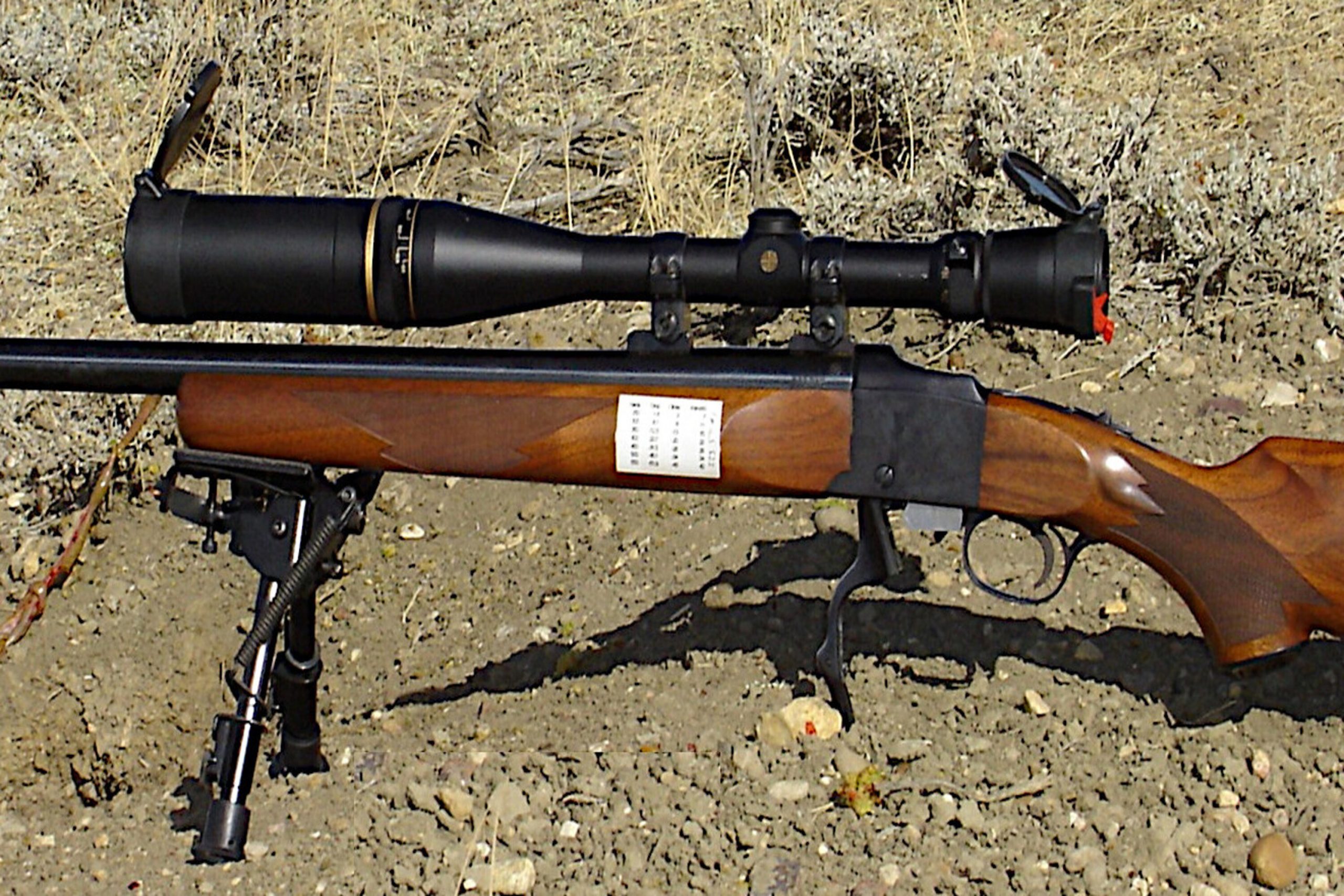
The Ruger No.1 is a beautifully made single-shot rifle, but its design works against safety during hog hunts. With only one round available before reloading, there is no margin for error if the shot placement is imperfect. Hogs often travel in groups, and a single-shot platform leaves hunters defenseless during follow-up encounters. Reloading under pressure is slow and awkward, especially in low light or uneven terrain. While accurate and powerful, the Ruger No.1 demands ideal conditions that hog hunting rarely provides, turning elegance into liability when seconds matter.
7. Budget AR-15 Builds
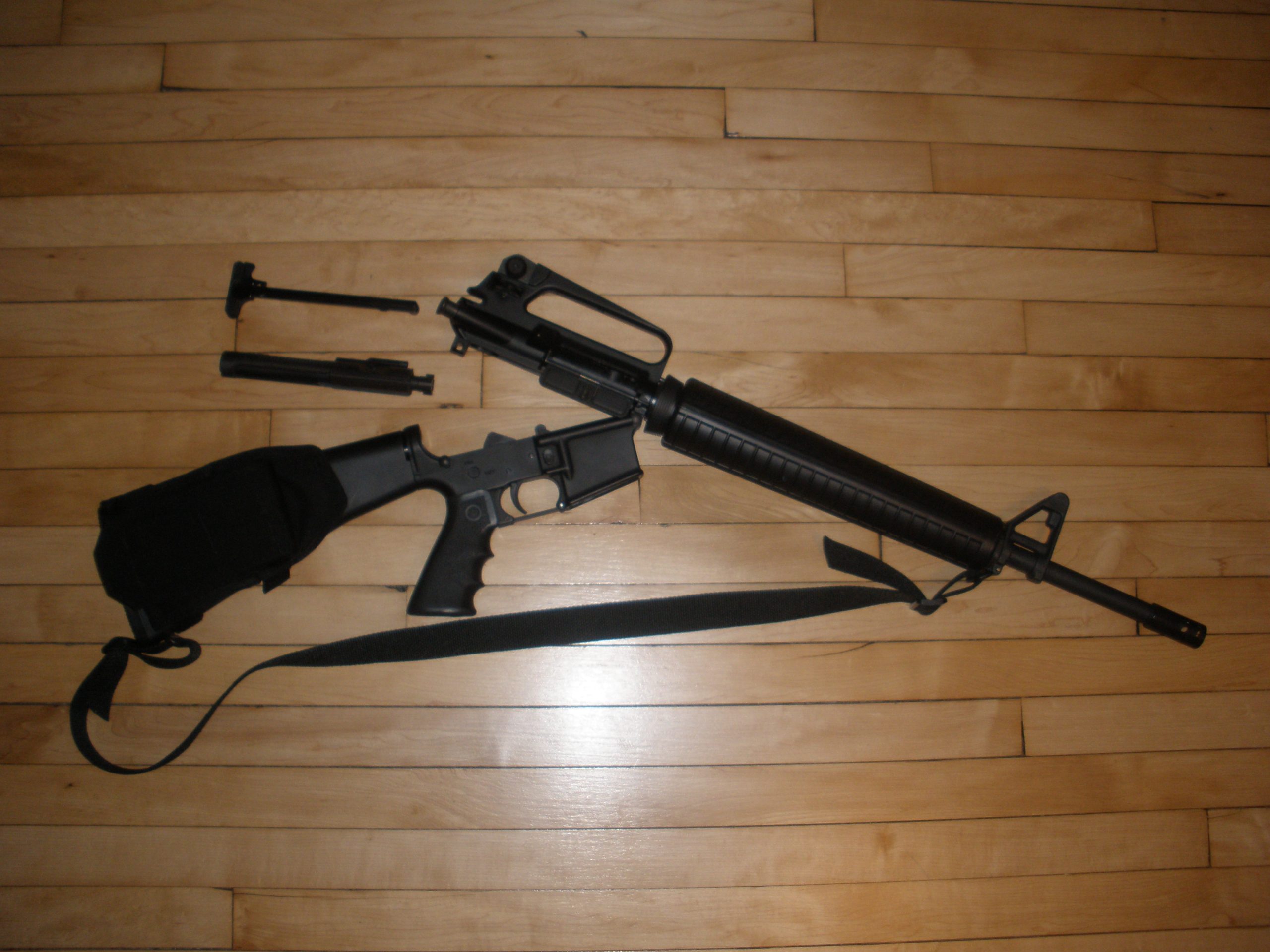
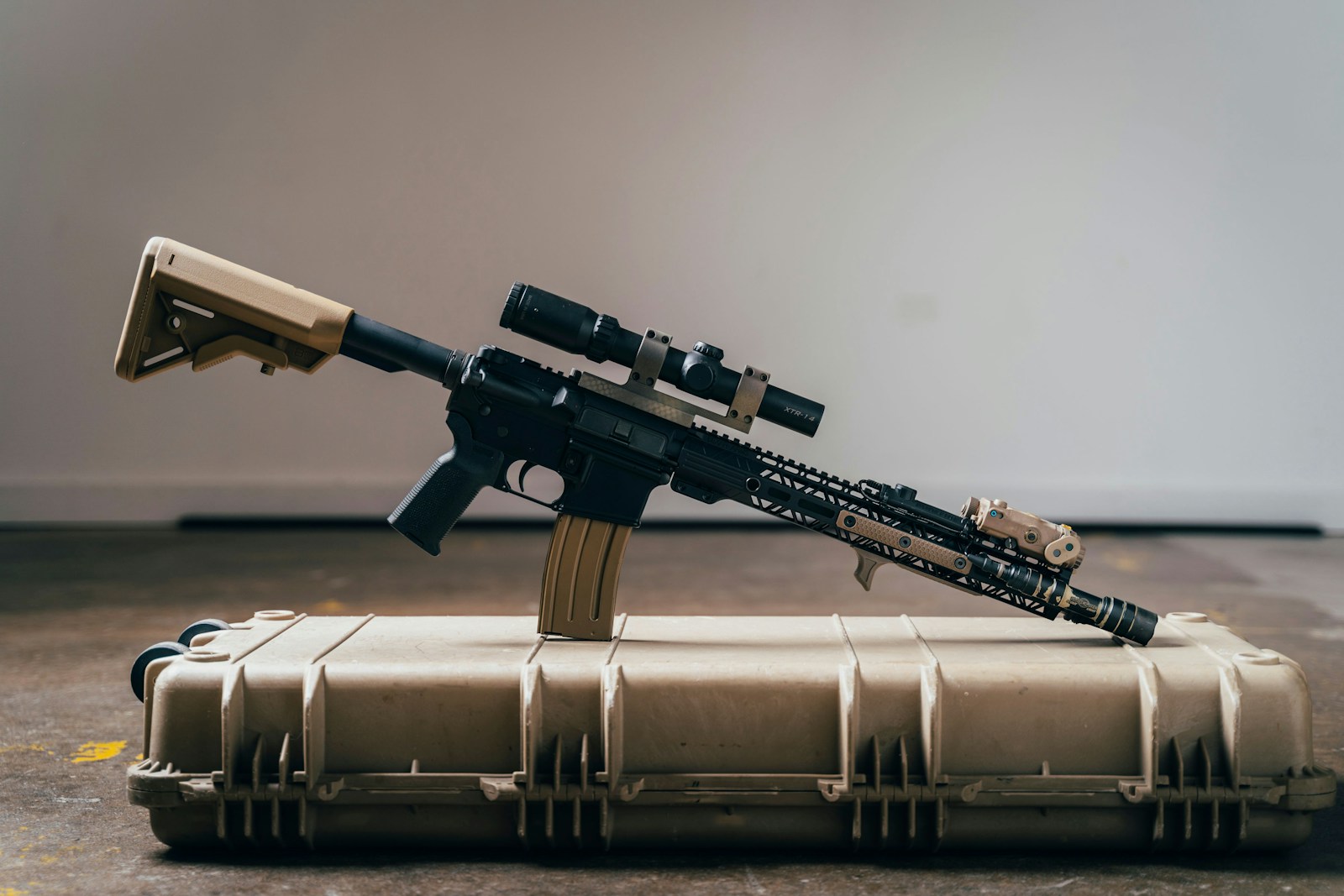
Poorly assembled or lightly tested AR-15 rifles introduce risks that aren’t obvious until something goes wrong. Inexpensive components, improper gas tuning, and cheap magazines can cause malfunctions at the worst possible moment. Hogs rarely give second chances, and a failure to feed or extract can leave a hunter exposed. Many budget builds are never properly zeroed or tested with hunting ammunition, leading to unpredictable performance. While a quality AR can be an excellent hog rifle, unreliable builds create false confidence that disappears when the rifle is needed most.