Fire starters that fail when people really need them help outdoor enthusiasts prepare for unexpected wilderness emergencies. Many popular survival tools look great on store shelves but perform poorly in actual harsh weather environments. Campers often rely on cheap gadgets that easily break or become completely useless after getting slightly damp. Survival experts always recommend testing emergency gear thoroughly before venturing deep into isolated backcountry locations. A reliable spark can mean the difference between a comfortable night and a freezing ordeal. Choosing dependable ignition sources ensures safety when facing sudden temperature drops or severe rainstorms.
Standard Cardboard Matches
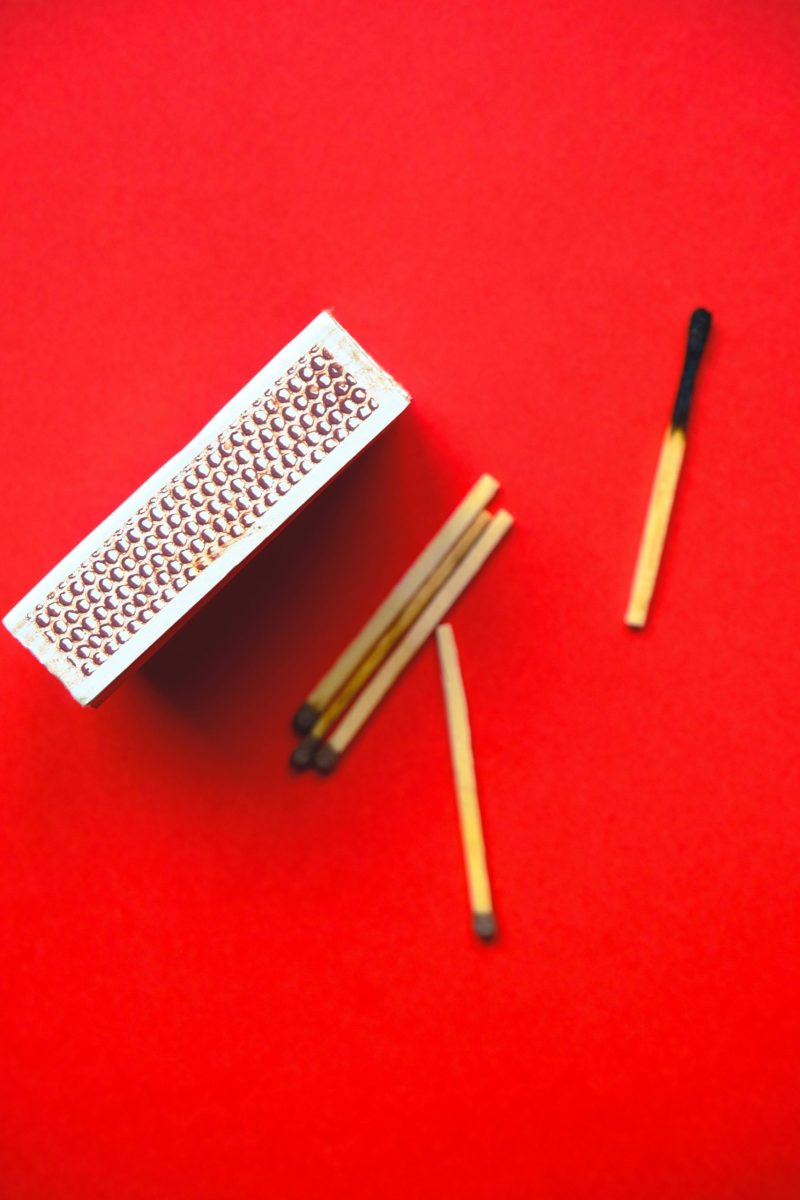
Regular paper matches frequently disappoint campers attempting to start campfires during humid conditions. These fragile sticks absorb moisture directly from the air and quickly become too soft to strike. The tiny chemical heads often crumble away instantly upon making contact with the striking surface. Even a light morning dew will permanently ruin an entire box left sitting on a picnic table overnight. Dropping the fragile container onto wet ground immediately destroys every single match inside. Outdoor adventurers should always avoid depending on these flimsy household items for any serious wilderness warmth or emergency cooking needs under open skies.
Cheap Butane Lighters
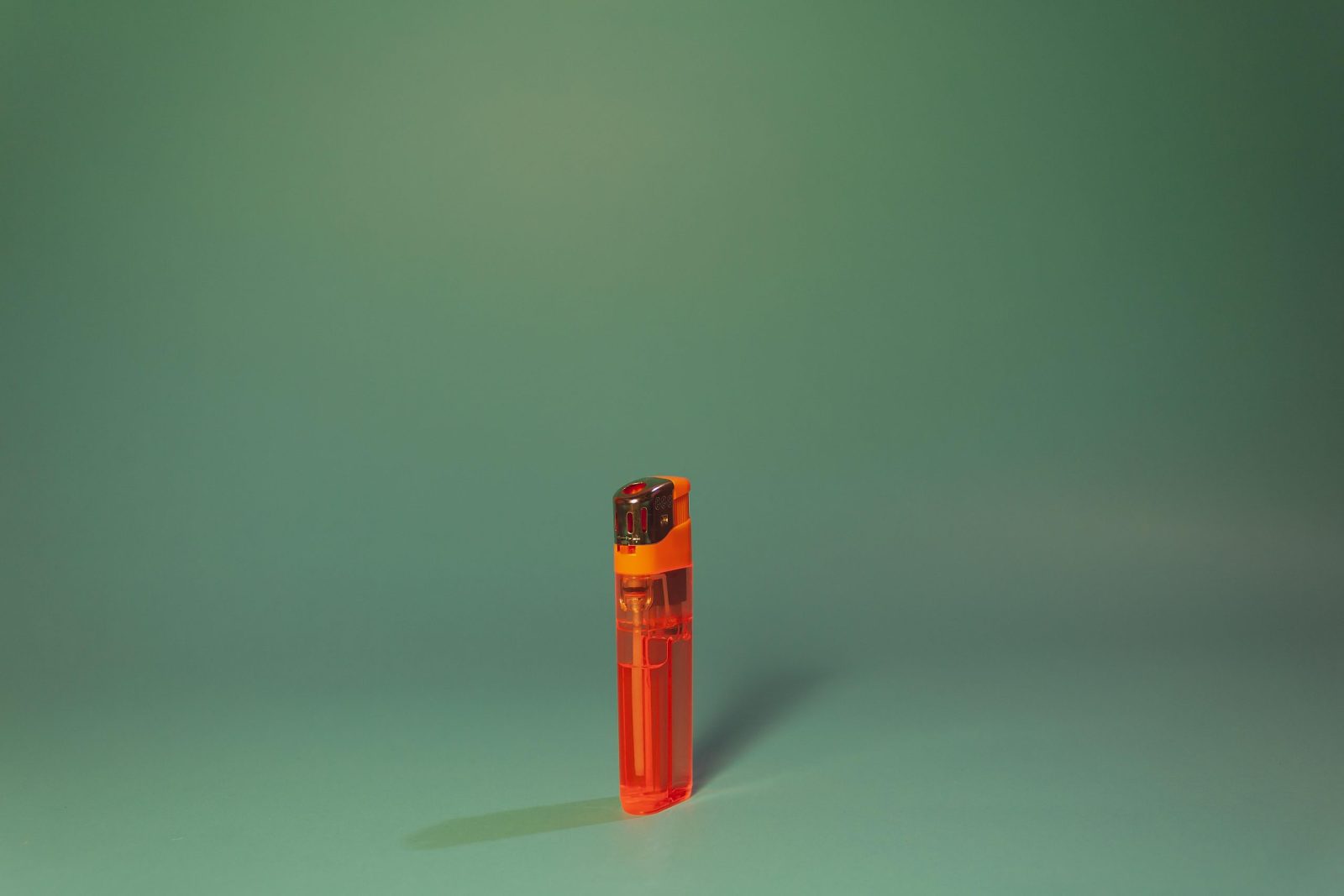
Inexpensive plastic lighters frequently fail to function properly at higher mountain elevations where oxygen levels drop significantly. Cold temperatures cause the pressurized liquid fuel inside to shrink and prevent any gas from escaping the valve. The small mechanical spark wheels easily rust shut after exposure to heavy rain or a brief dip in a muddy puddle. The brittle plastic casings shatter instantly when accidentally dropped against hard river rocks. People shivering in freezing wind quickly discover that numb fingers cannot effectively spin the tiny metal striker wheel. These extremely common convenience store purchases rarely survive truly rugged outdoor environments.
Low Quality Magnesium Blocks
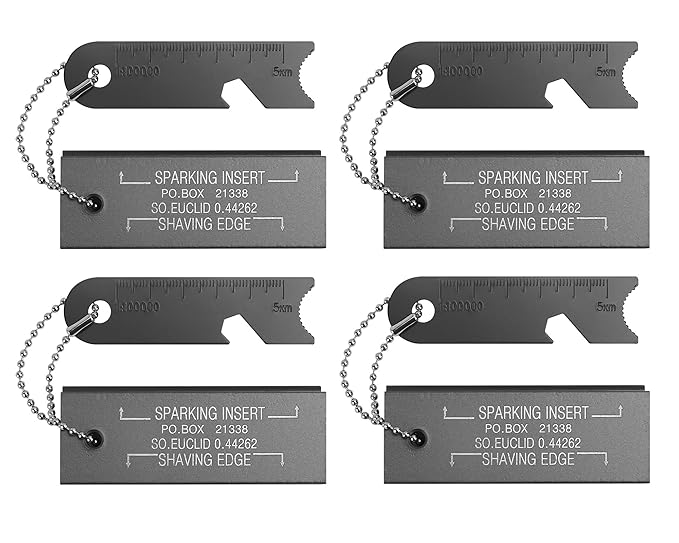
Bargain bin metal scrapers usually feature incredibly dull edges that cannot shave enough material to catch a spark. The cheap metal alloys used in budget models produce weak sparks that blow away instantly in mild breezes. Users spend exhaustive amounts of energy violently scraping the block without generating any sustainable heat source for kindling. The attached flint rods often snap cleanly off the main block after just two or three forceful strikes. Frustrated hikers eventually abandon these defective blocks and struggle to stay warm using alternative methods. Reliable ignition tools require high-quality manufacturing standards to perform correctly.
Standard Battery Sparks
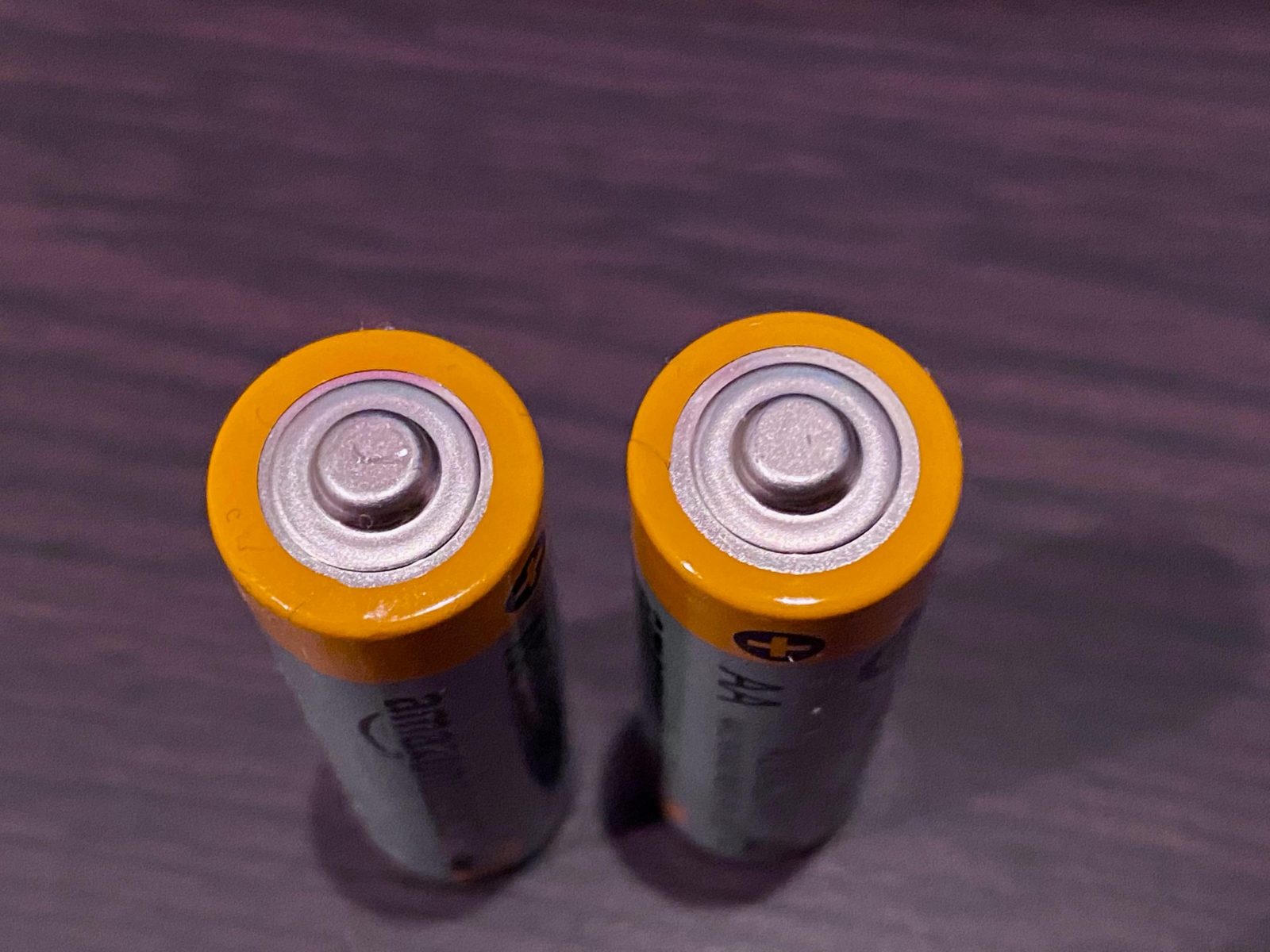
Using a household battery and steel wool combination sounds brilliant on paper, but it proves highly inconsistent during actual storms. Steel wool pads rapidly oxidize and rust away entirely when exposed to damp forest air for extended periods. Dead flashlight batteries produce absolutely zero current and cannot ignite even the driest available tinder bundles. The thin wire fibers often burn out incredibly fast before successfully transferring their flames to larger wood pieces. Carrying this bulky combination wastes precious backpack space without providing a truly dependable emergency solution. Proper wilderness readiness requires dedicated gear specifically engineered for severe elemental conditions.
Friction Bow Drills
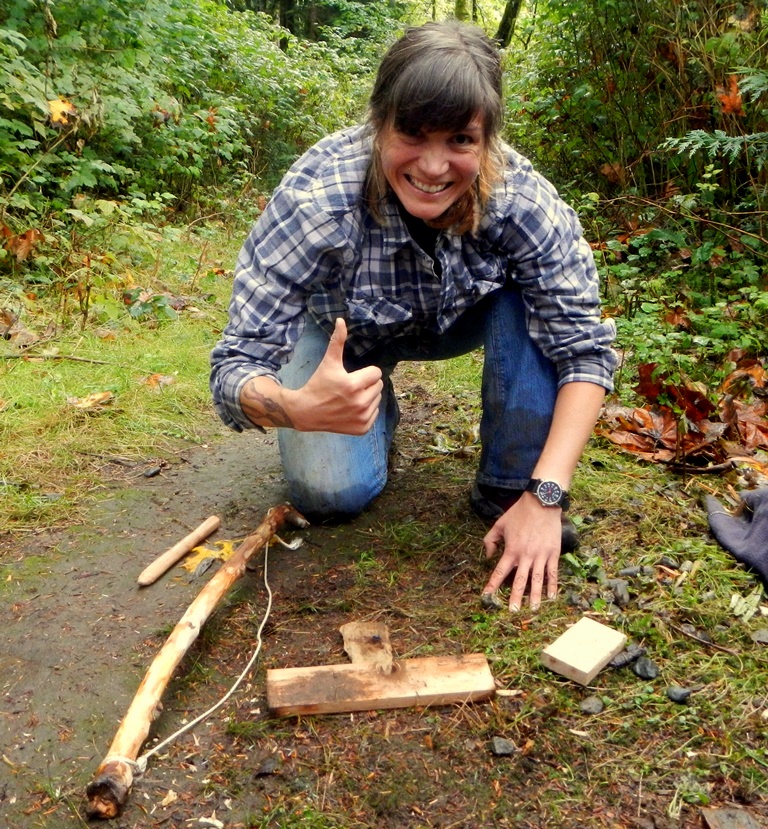
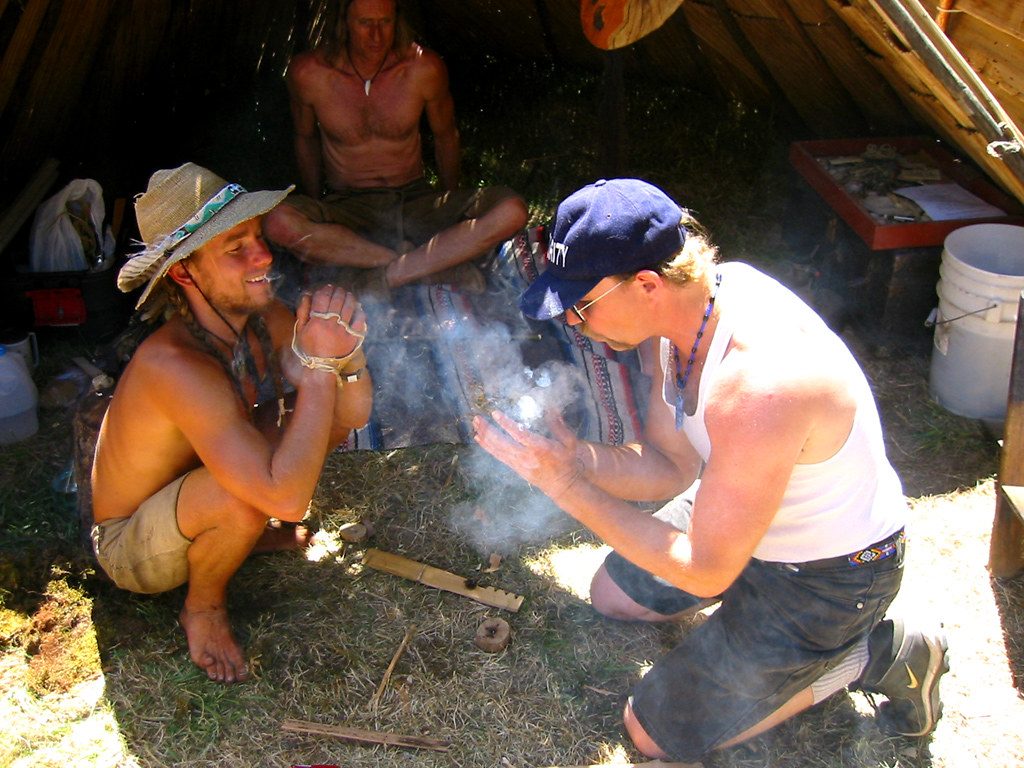
Building a traditional friction fire looks remarkably simple on television survival shows, but requires immense physical exertion outdoors. Finding perfectly dry cedar wood components becomes virtually impossible after heavy seasonal rainstorms soak the forest floor. The spinning wooden spindle frequently pops out of the baseboard socket and ruins hours of intense physical labor. Exhausted hikers simply lack the necessary core strength and cardiovascular stamina to generate enough friction during stressful emergencies. This ancient technique demands years of dedicated practice to master fully under perfect conditions. Modern explorers should carry modern technological solutions instead of relying upon primitive survival skills.
Sunlight Magnifying Glasses
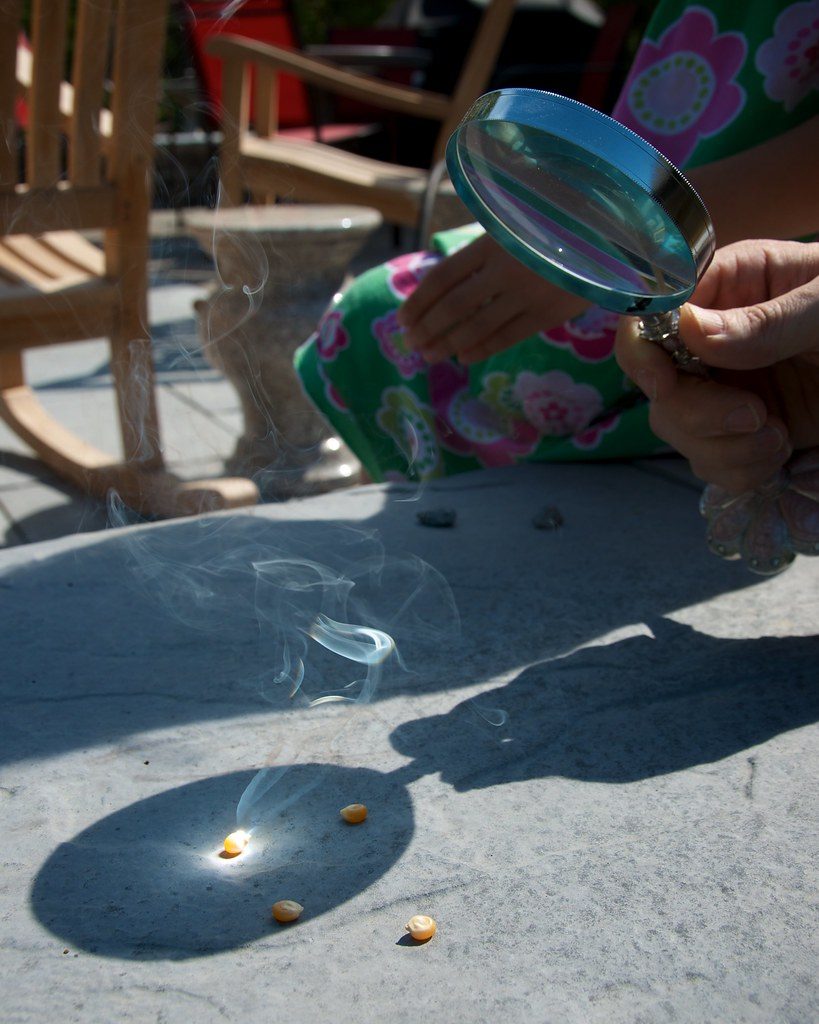
Harnessing solar energy through a magnifying lens only works perfectly during bright sunny afternoons with totally clear skies. Thick cloud cover eliminates any chance of focusing the required sunlight onto a dry tinder bundle. Nighttime survival situations render this specific tool completely useless when temperatures plummet to dangerous levels in darkness. The delicate glass lenses easily shatter inside cramped backpacks when campers accidentally lean against hard rock walls. Focusing the tiny beam of light requires steady hands that heavily shivering survivors cannot possibly maintain. Unpredictable weather patterns make solar ignition methods an extremely dangerous primary survival choice.
Generic Liquid Starter Fluids
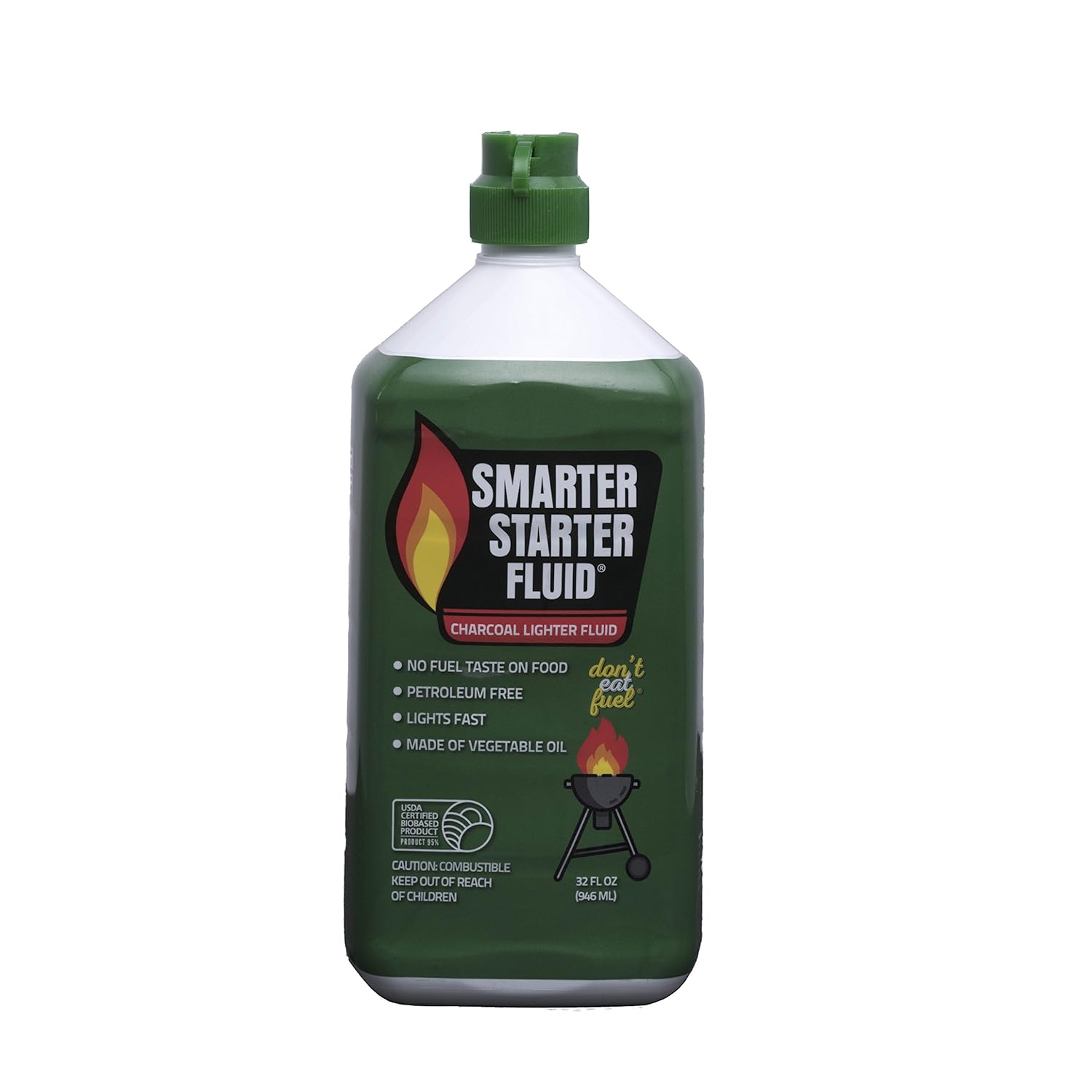
Pouring chemical accelerants over damp logs rarely creates a sustainable blaze during heavy downpours or violent windstorms. The highly volatile liquid burns away within seconds before the actual wood catches fire and generates lasting heat. Flimsy plastic bottles frequently leak highly flammable chemicals all over expensive sleeping bags and precious food supplies. The toxic fumes released during ignition cause severe breathing difficulties inside tightly enclosed emergency shelter setups. Soaked timber requires prolonged exposure to steady flames rather than a sudden flashy explosion of liquid fuel. Experienced survivalists avoid these messy chemicals entirely while exploring deep wilderness trails.