There is a specific kind of disappointment that only firearms can produce, the kind that arrives after you have spent serious money on something that looked extraordinary in photographs, felt substantial and purposeful in your hands at the counter, and then proceeded to underperform in ways that no amount of enthusiasm could paper over once live rounds entered the equation. The firearms industry has always understood that aesthetics drive initial purchase decisions, and certain manufacturers have leaned into that reality with products that prioritize visual impact, cultural cachet, and display case presence over the mechanical reliability, trigger quality, and practical ergonomics that determine whether a gun is actually enjoyable and functional to shoot. The result is a category of firearms that generates tremendous excitement at announcement, sells strongly on first impressions, and then quietly accumulates a reputation for disappointing the people who actually use them beyond admiring them. The seven firearms examined here have each earned their place on this list through specific, documented performance shortcomings that experienced shooters encounter consistently and new buyers discover with reliable predictability. The numbers, the mechanical details, and the honest field assessments follow without the enthusiasm that marketing departments prefer.
1. Chiappa Rhino 50DS
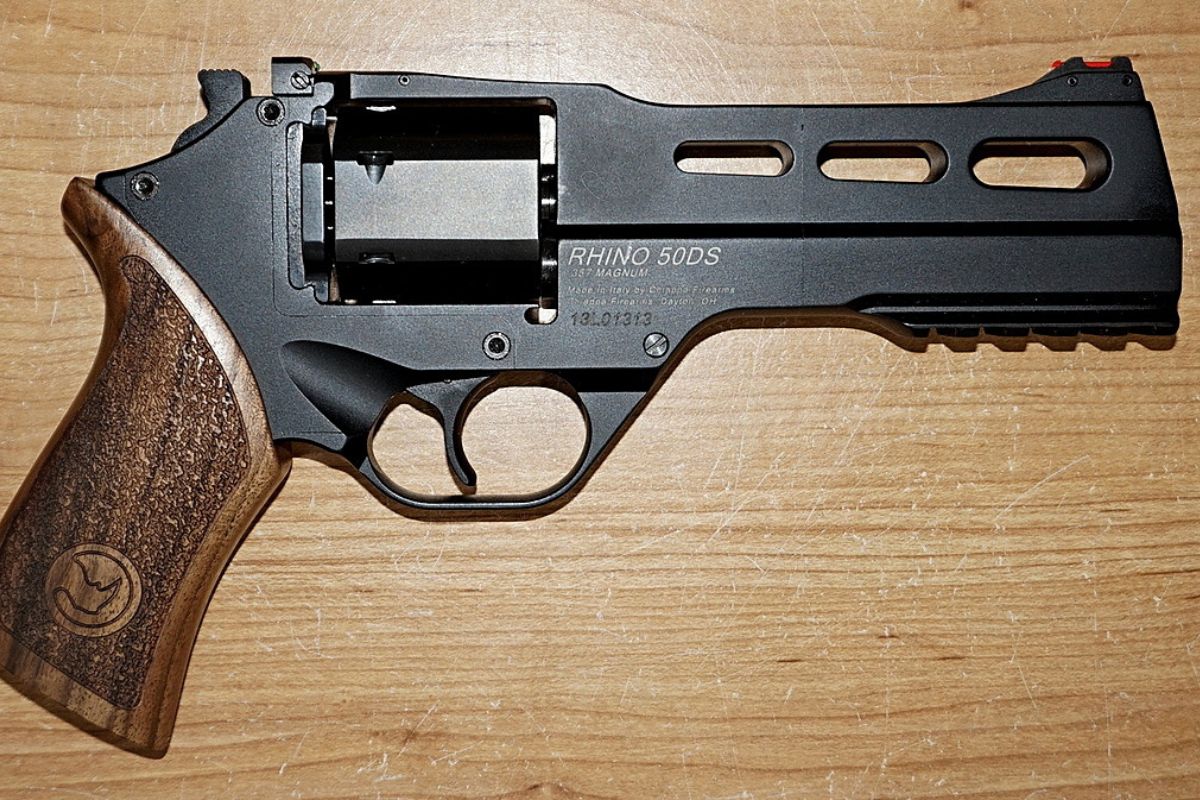
The Chiappa Rhino 50DS is one of the most visually arresting revolvers in current production, wearing its hexagonal cylinder, angular frame cutouts, and bottom-chamber firing configuration like a design statement that no conventional revolver manufacturer has come close to matching aesthetically. The engineering rationale behind the bottom-cylinder firing position is legitimate, placing the bore axis lower than any traditional revolver achieves and reducing muzzle rise by approximately 15 to 20 percent in controlled testing, a measurable advantage that should translate directly into faster, accurate follow-up shots during practical use. The 5-inch barrel version pushes 158-grain .357 Magnum loads to approximately 1,280 fps, generating around 575 foot-pounds of muzzle energy that is genuinely competitive with the caliber’s established performance benchmarks. Where the Rhino 50DS loses the argument is the trigger, delivering a double-action pull that stacks progressively and breaks inconsistently at weights averaging 14 to 16 pounds, which is heavier and less predictable than comparable revolvers from Smith and Wesson and Ruger at lower price points. Single-action manipulation requires engaging a small, awkwardly positioned external hammer that most shooters find unintuitive under pressure. The cylinder gap is wider than standard production revolvers, producing noticeable gas discharge. Retail pricing between $1,200 and $1,500 demands a premium that the shooting experience struggles to justify.
2. Desert Eagle Mark XIX .50 AE
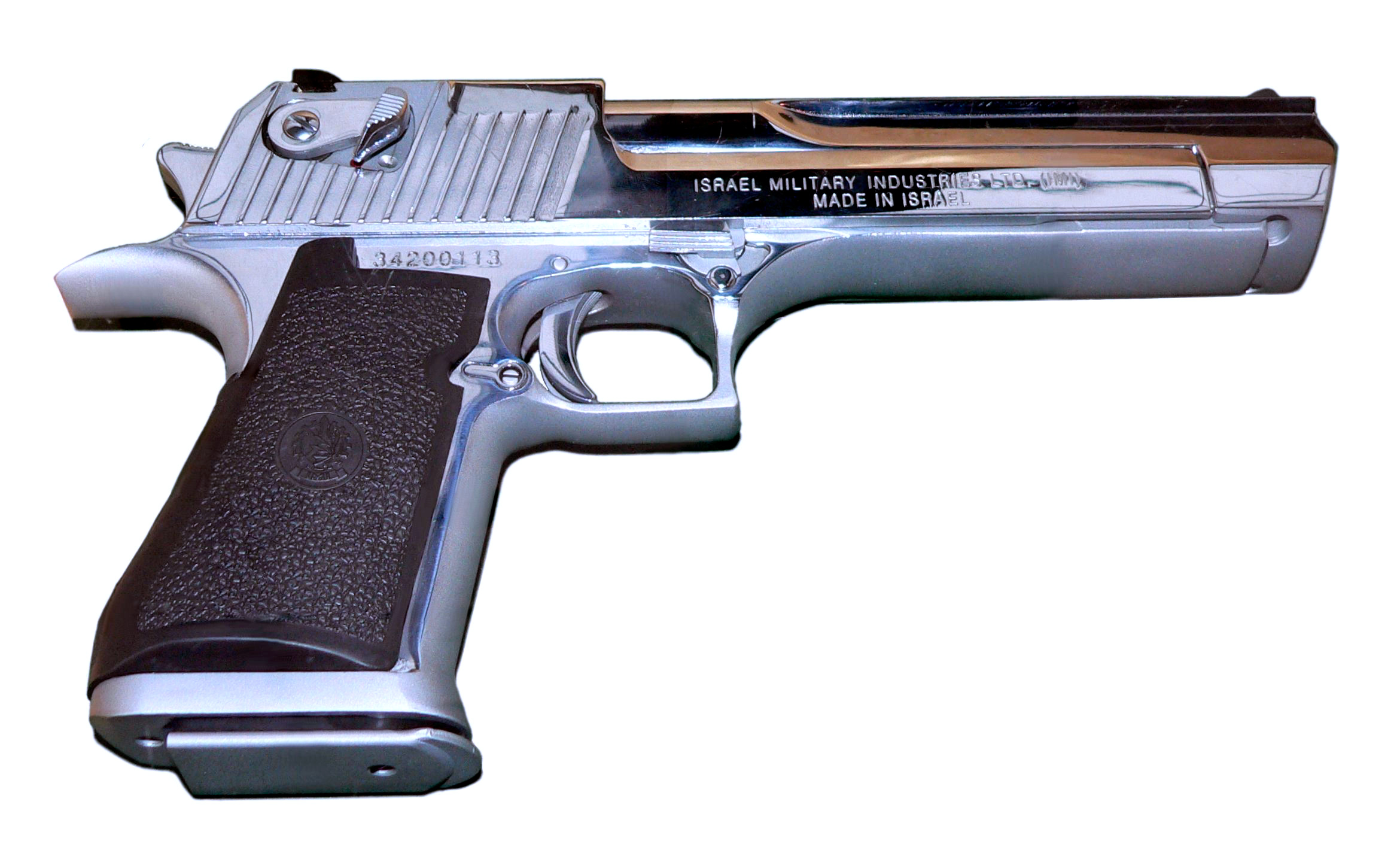
The Desert Eagle Mark XIX in .50 AE occupies a position in firearms culture that almost no other handgun approaches, having appeared in over 600 films and television productions and carrying a visual authority that makes every other pistol on a display rack look timid by comparison. The enormous triangular slide, aggressive angular frame, and rotating bolt mechanism give it the presence of something engineered for genuinely serious purposes. Then the range session begins. The gas-operated system requires full-power factory ammunition to cycle reliably, with failure rates climbing to 12 to 18 per 100 rounds using underpowered or handloaded cartridges that the mechanism cannot generate sufficient gas pressure to cycle completely. The grip dimensions exclude shooters with average or smaller hands from establishing the firing hold that recoil management specifically requires. Muzzle flip is severe enough that repositioning between shots takes deliberate effort, making fast follow-up shots essentially impossible for most shooters regardless of experience level. At over $1,700 retail, mechanical inconsistency feels particularly personal. The .50 AE cartridge generates 1,449 foot-pounds of muzzle energy, which sounds devastating until the gun stops cycling mid-string and that energy becomes entirely theoretical. It photographs magnificently and functions conditionally, which is precisely the wrong balance for anything beyond a collection piece.
3. Kel-Tec PMR-30
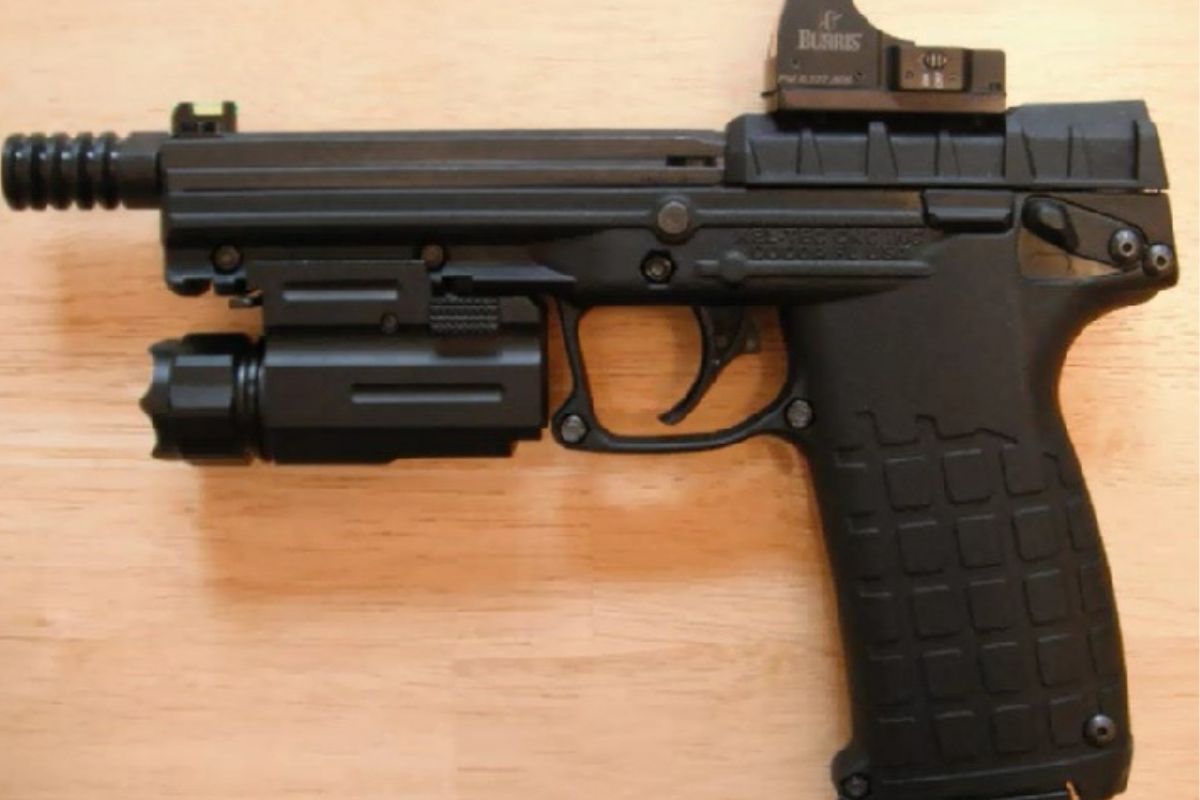
The Kel-Tec PMR-30 creates an immediate and understandable excitement when first encountered. A pistol chambered in .22 Winchester Magnum Rimfire holding 30 rounds in a flush magazine, weighing just 13.6 ounces unloaded, with fiber optic sights, a picatinny rail, and aggressive styling that looks more expensive than its $450 retail price suggests,s is an objectively compelling proposition on paper. The problems reveal themselves quickly during sustained range use. The .22 WMR cartridge generates approximately 100 to 150 foot-pounds of muzzle energy from the PMR-30’s 4.3-inch barrel, which falls significantly below defensive handgun minimums that most professional instructors cite. Reliability is the larger concern, with the dual-feed magazine system requiring ammunition loaded in a specific alternating pattern that interrupts the casual range experience and produces feeding failures when not followed precisely. Independent evaluations have documented malfunction rates of 5 to 12 per 100 rounds with various commercial .22 WMR loads, with rim thickness variation in rimfire ammunition being a primary contributing factor that the design never fully resolved. The 30-round capacity that defines the pistol’s appeal becomes irrelevant when the feeding system cannot reliably deliver those rounds to the chamber under normal operating conditions.
4. Remington R51 Second Generation
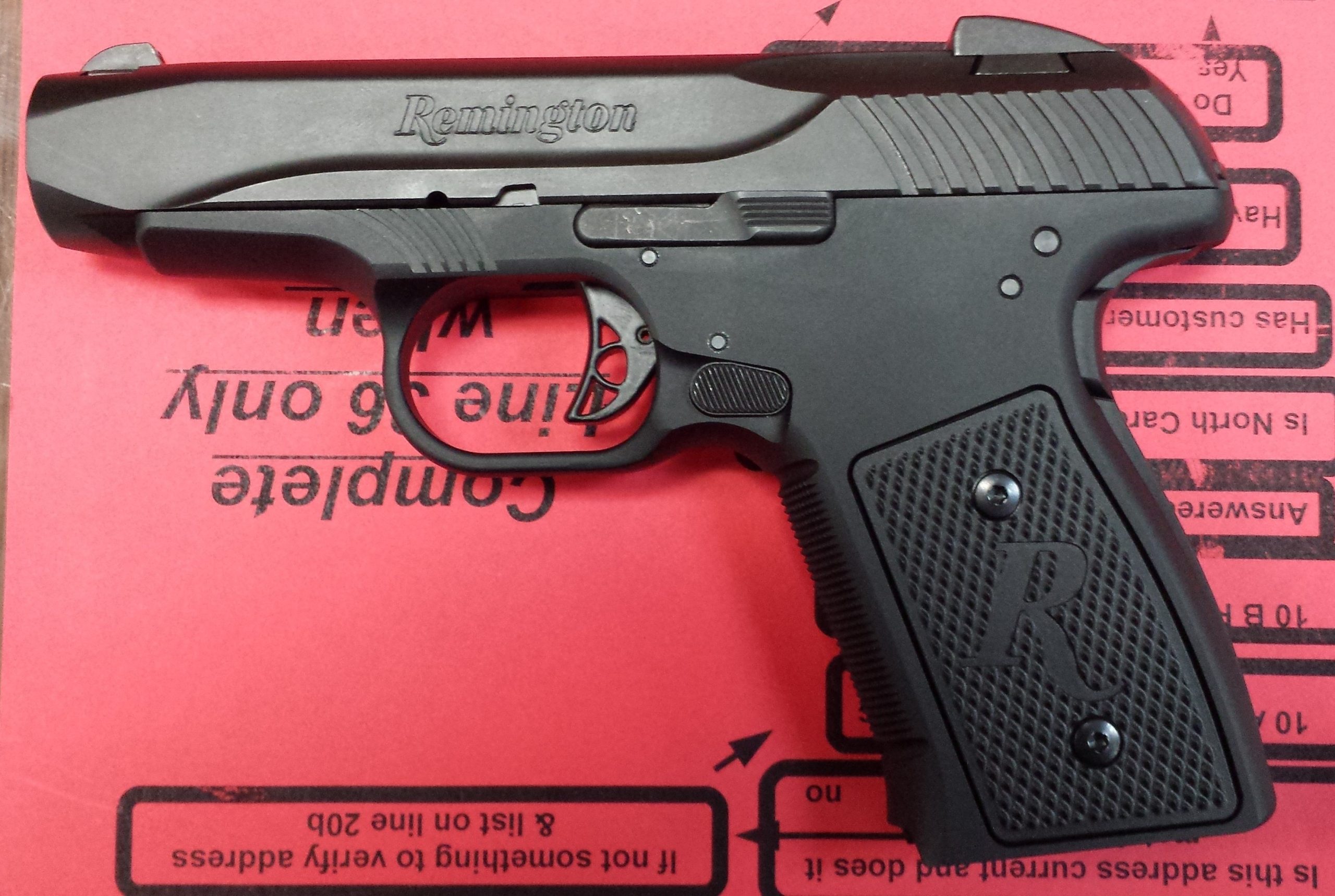
The Remington R51 story is one of the more painful product launches in modern firearms history, and the second-generation version released in 2016, following a catastrophic first production recall,l never fully escaped the shadow of its predecessor’s failures despite genuine improvements to the platform. The slim, elegant profile borrowing design cues from the original 1910s Model 51 creates a genuinely attractive pistol that sits beautifully in the hand at 595 grams loaded with its 7-round magazine. The Pedersen delayed-blowback action is mechanically interesting and historically significant. In practice, the action remains sensitive to ammunition outside precise pressure specifications, with underpowered loads producing failures to fully cycle at rates that independent testers documented consistently across multiple production examples. Trigger reset travels nearly the complete length of the pull stroke, averaging approximately 90 percent of the total travel distance before resetting, which creates a shooting rhythm that conflicts with the rapid-fire cadence that defensive training develops. Accuracy at 25 yards produces groups averaging 5 to 7 inches from most shooters, which is below category expectations at the $400 retail price point. The R51 is a firearm that rewards patient, deliberate shooting with quality ammunition and punishes everything else with mechanical protest that its attractive exterior gives no warning of.
5. Kahr CM9
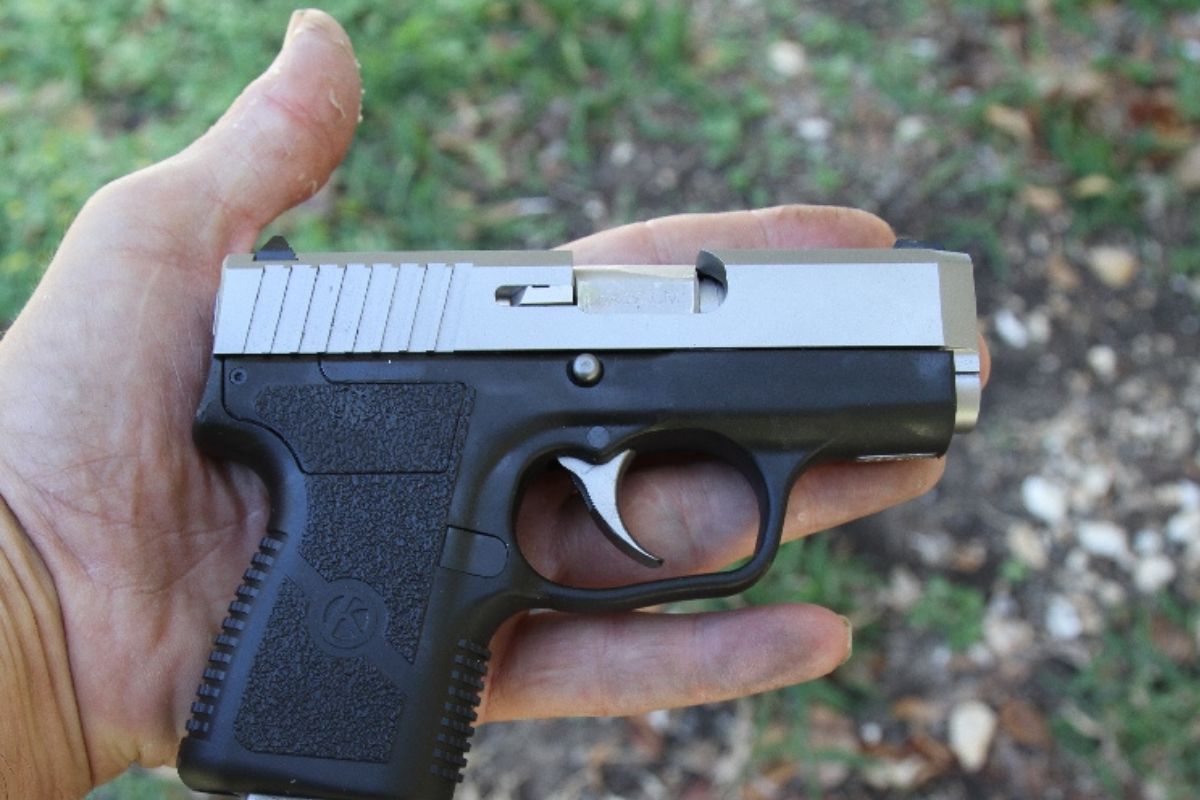
The Kahr CM9 presents itself as a refined, elegantly minimalist 9mm pocket pistol, and in terms of pure aesthetics and carry comfort it genuinely delivers on that presentation. At 14 ounces unloaded and just 0.9 inches wide, it disappears into a pocket or ankle holster with remarkable ease, and the fit and finish quality exceeds most competitors at its $380 to $420 retail price range by a noticeable margin that first-time handlers consistently comment on. The 3-inch barrel pushes 115-grain 9mm loads to approximately 1,050 fps, generating around 282 foot-pounds of muzzle energy that meets minimum defensive thresholds adequately. The disappointment arrives and stays the moment range sessions begin seriously. The DAO trigger travels an exceptionally long arc before breaking at 7 to 8 pounds, which paired with the sharp, snappy recoil that a 14-ounce 9mm produces makes controlled rapid fire genuinely difficult rather than merely challenging. Groups at 15 yards from average shooters typically spread across 5 to 7 inches. Kahr specifies a 200-round break-in period before considering the pistol fully functional, adding approximately $60 to $80 in ammunition costs before reliable operation begins. The 6-round flush magazine provides minimal capacity, and the grip offers barely enough purchase for a full three-finger hold that recoil management actually requires across extended practice sessions.
6. Mateba Autorevolver Model 6 Unica
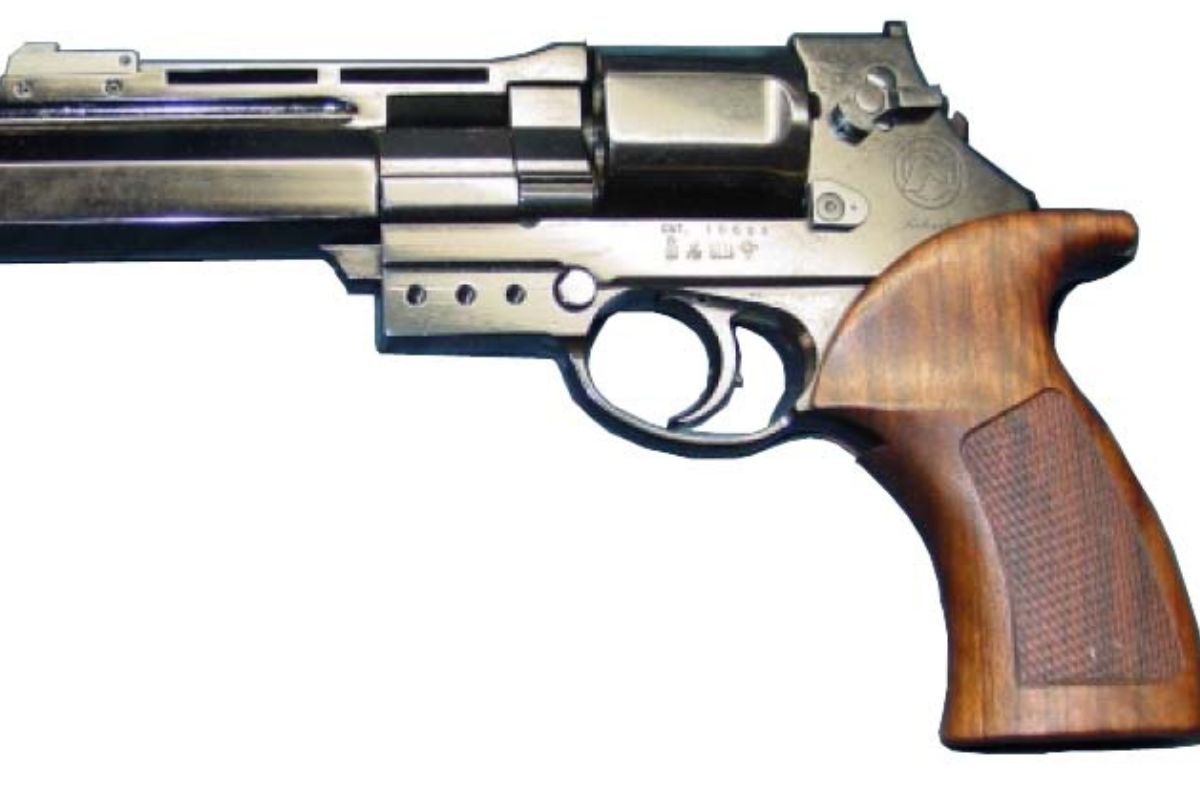
The Mateba Autorevolver Model 6 Unica occupies a genuinely fascinating position in firearms history as the only commercially produced semi-automatic revolver ever brought to market, using recoil energy from each fired round to automatically rotate the cylinder and cock the hammer for the subsequent shot rather than requiring manual hammer manipulation between rounds. The visual design is extraordinary, with the barrel positioned to fire from the bottom chamber like the Chiappa Rhino, creating a low bore axis profile combined with the unmistakable silhouette of a revolver cylinder that produces one of the most visually compelling handguns ever manufactured in limited Italian production runs during the 1990s and early 2000s. Chambered in .357 Magnum generating approximately 535 foot-pounds of muzzle energy, the ballistic performance is legitimate. The operational problems center on the semi-automatic mechanism’s sensitivity to ammunition power levels, with standard pressure .357 loads occasionally failing to generate sufficient recoil energy to complete the automatic cycling sequence reliably. Full-power magnum loads cycle more consistently but accelerate wear on the unique mechanism at rates that make parts sourcing genuinely problematic given the model’s discontinued production status. Current market pricing between $2,500 and $4,000 for used examples reflects collector demand rather than practical shooting value, purchasing mechanical novelty and visual drama over the reliable performance that equivalent money buys elsewhere.
7. Hi-Point JHP .45 ACP
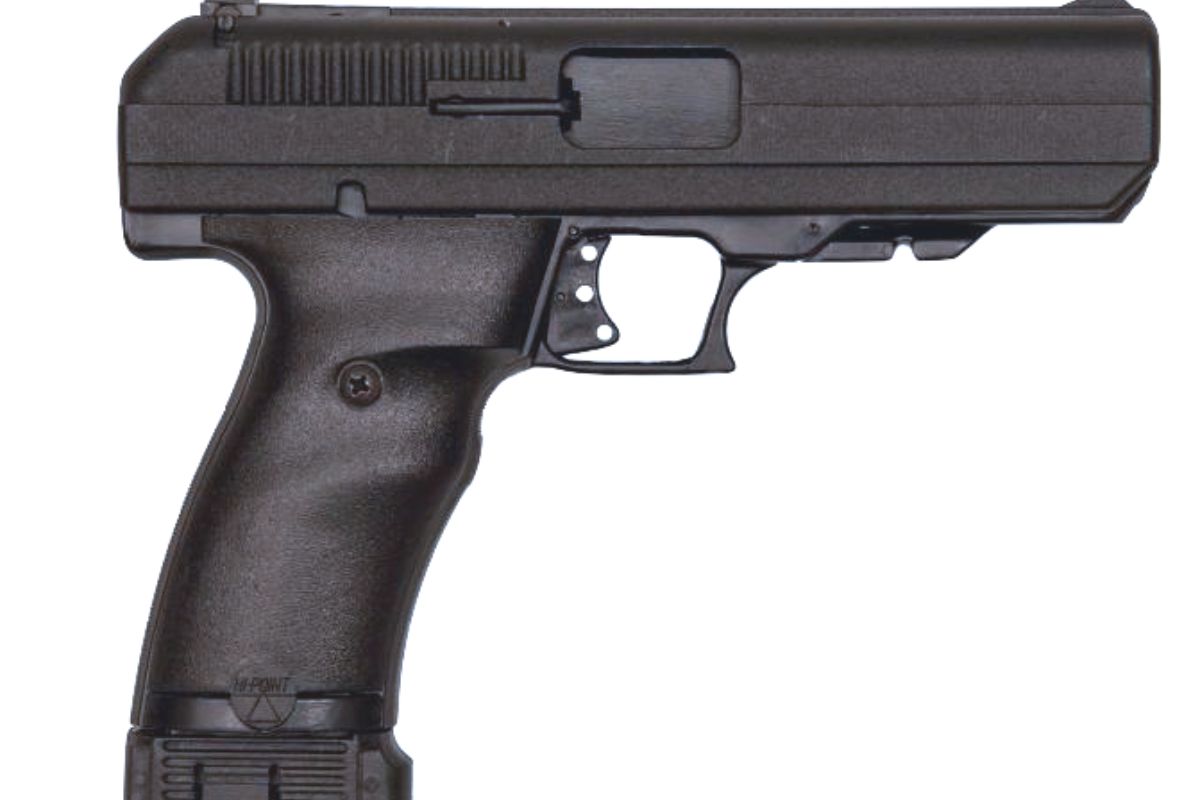
The Hi-Point JHP in .45 ACP occupies a genuinely conflicted position in the firearms market, offering a centerfire .45 ACP pistol at a retail price between $175 and $200 that undercuts every legitimate competitor in the caliber by a margin so large it immediately raises questions that the shooting experience then answers comprehensively and unfavorably. The .45 ACP chambering delivers approximately 400 foot-pounds of muzzle energy from 230-grain ball ammunition at 830 fps, which is the single genuinely positive performance characteristic the JHP consistently delivers regardless of its other shortcomings. Everything surrounding that caliber performance is a study in compromises driven entirely by cost reduction. The zinc alloy slide is proportionally enormous, required to provide the mass that the simple blowback operation needs to manage .45 ACP pressure without a locked breech, producing a top-heavy balance that feels immediately wrong in any trained shooter’s hands. At 39 ounces unloaded, it is heavier than a full-sized 1911 while offering only 9 rounds in a single-stack magazine. Trigger pull averages 8 to 10 pounds with a gritty, stacking character that makes accurate shooting a deliberate exercise rather than a natural one. Groups at 25 yards average 5 to 7 inches under favorable conditions. The slide is nearly impossible to rack one-handed due to mass and surface finish. It functions basically but shoots like a firearm that was never intended to be enjoyed..