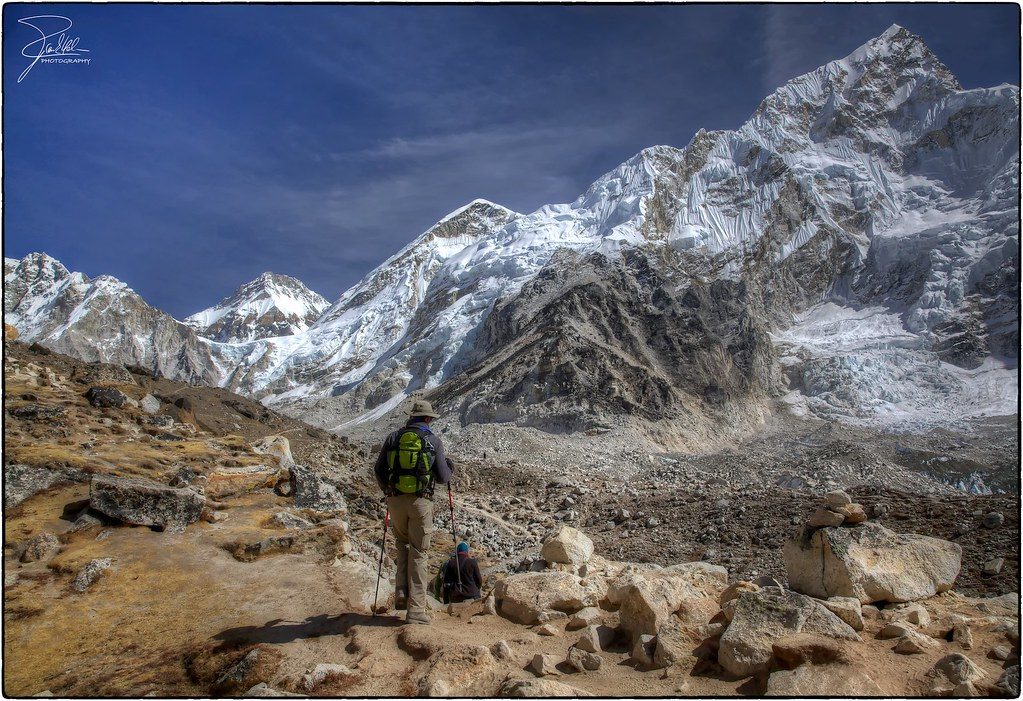
Extreme wilderness challenges continue to captivate adventurers drawn to raw landscapes and uncompromising conditions across the planet. These experiences demand resilience, preparation, and respect for nature’s power rather than comfort or convenience. From frozen polar routes to dense equatorial jungles, each challenge tests physical limits and mental discipline while revealing places few ever witness firsthand. Such journeys often involve isolation, unpredictable weather, and complex logistics that reward patience and humility. Together, these seven challenges represent some of the most formidable wilderness experiences known, shaped by geography, climate, and history rather than spectacle alone worldwide today.
Crossing Antarctica On Foot
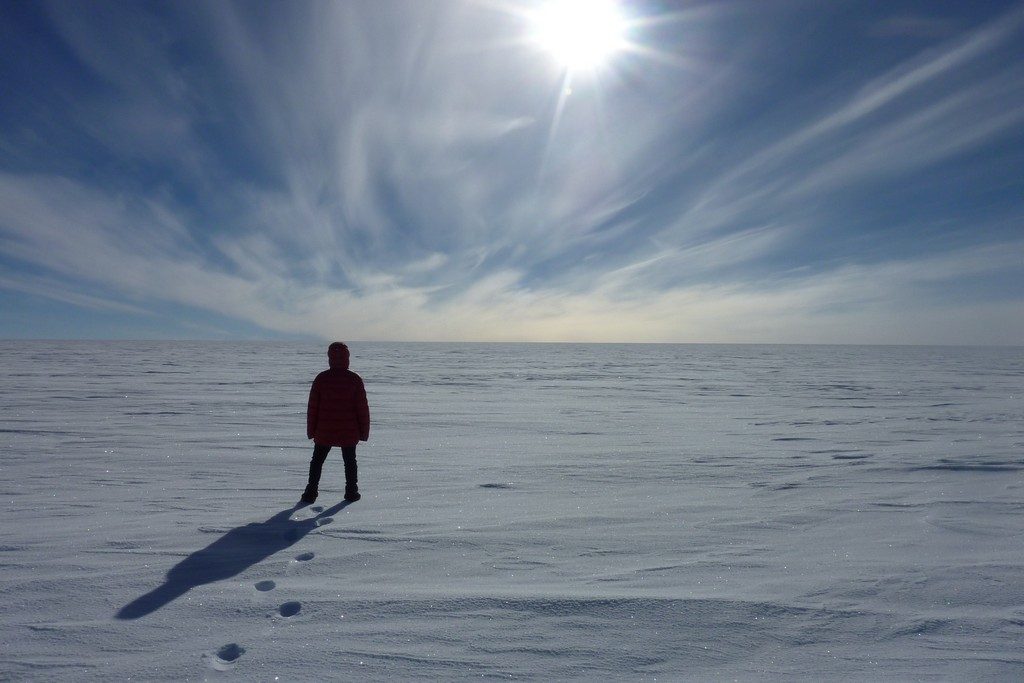
Crossing Antarctica on foot remains one of the most punishing wilderness undertakings on Earth. Expeditions traverse vast ice sheets where temperatures plunge far below zero and katabatic winds intensify exposure risks. Navigation relies on precision across featureless terrain that offers few visual references. Supplies must be hauled for weeks, sometimes months, with no possibility of rescue once deep inland. The continent’s extreme cold affects equipment reliability and human endurance alike. Success depends on meticulous planning, international permitting, and constant vigilance against frostbite, crevasses, and sudden storms supported by seasoned polar guides and strict safety protocols.
Trekking The Darien Gap
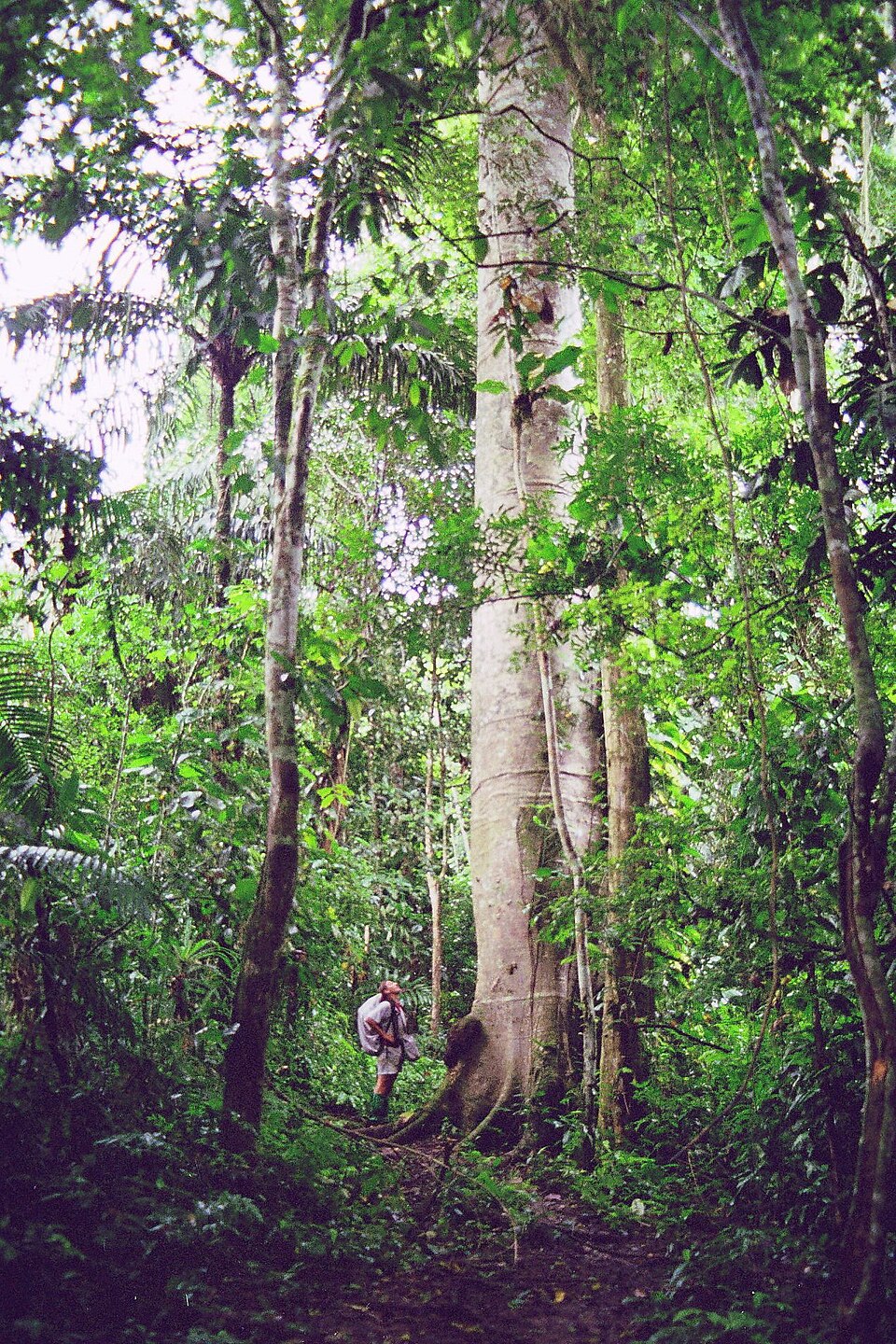
Trekking the Darien Gap involves navigating dense rainforest between Panama and Colombia where roads abruptly disappear. The region combines swamps, rivers, and steep hills that slow progress and complicate travel. Heavy rainfall creates persistent mud and flooding, while humidity challenges stamina and gear durability. Wildlife such as venomous snakes and insects requires constant awareness. The area’s remoteness limits medical assistance and communication. Successful passage depends on local knowledge, river navigation skills, and careful coordination to respect indigenous territories and environmental protections. Logistical planning must also account for political sensitivities and seasonal weather patterns throughout expeditions.
Crossing The Sahara Desert
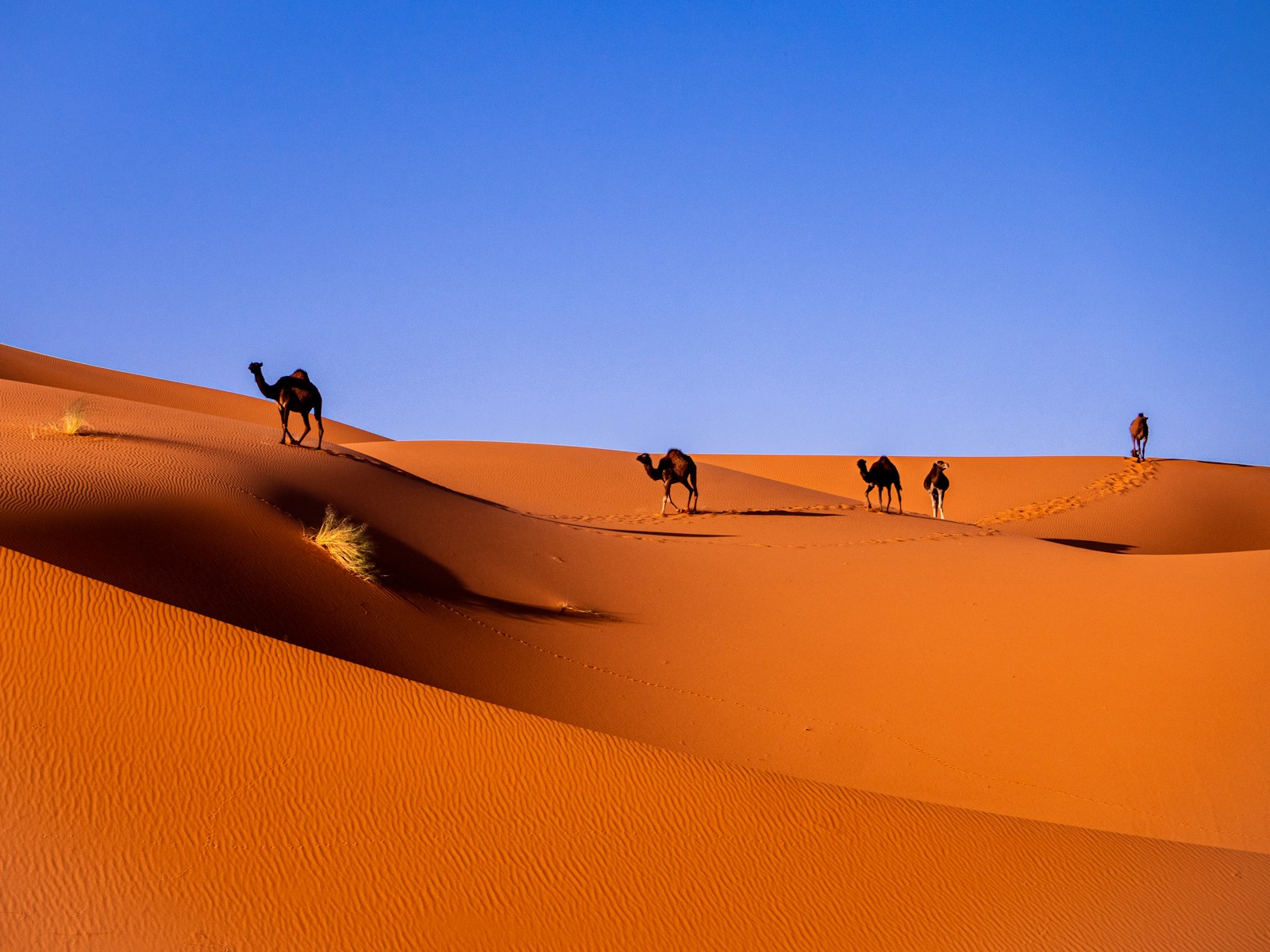
Crossing the Sahara Desert exposes travelers to vast distances of sand, gravel plains, and rocky plateaus. Daytime heat can exceed extreme thresholds, while nights drop sharply, stressing hydration strategies. Navigation demands precise route planning due to minimal landmarks and shifting dunes. Water resupply points remain scarce and unreliable across many regions. Mechanical failure or miscalculation carries serious consequences in such isolation. Historical caravan routes inform modern crossings, yet success still relies on disciplined pacing, sun protection, and deep respect for desert conditions. Regional security considerations and permits also influence route choices today for expeditions there.
Summiting Mount Everest Without Oxygen
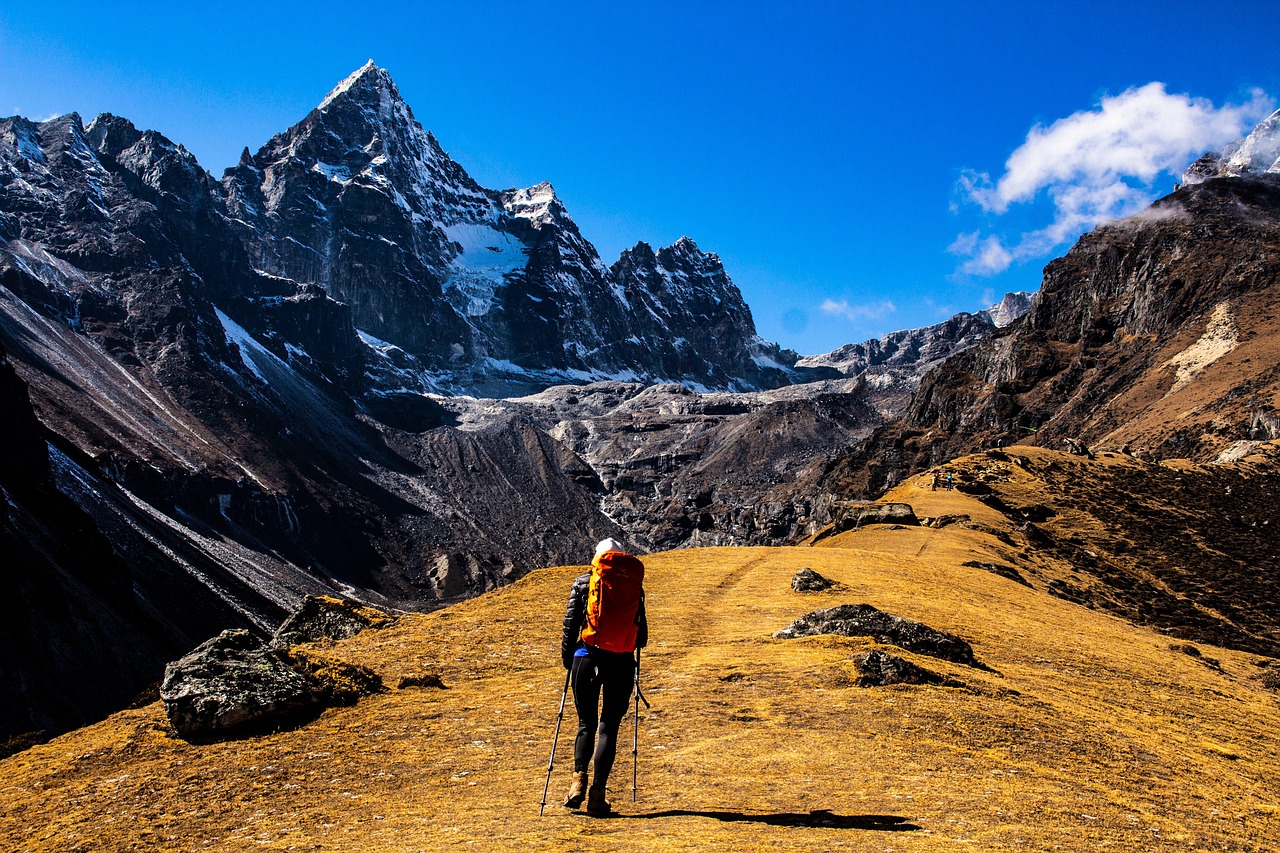
Summiting Mount Everest without supplemental oxygen represents an elite high altitude challenge. Climbers operate above eight thousand meters where oxygen levels dramatically reduce physical performance and decision making. The ascent requires extended acclimatization, precise weather windows, and flawless pacing. Extreme cold and wind intensify frostbite risk along exposed ridges. Technical sections demand focus despite fatigue and hypoxia. Only a small number have completed this feat, which underscores the importance of experience, team coordination, and respect for Himalayan conditions. Medical screening, rescue planning, and ethical considerations further shape responsible attempts under internationally recognized mountaineering standards today.
Thru Hiking The Pacific Crest Trail
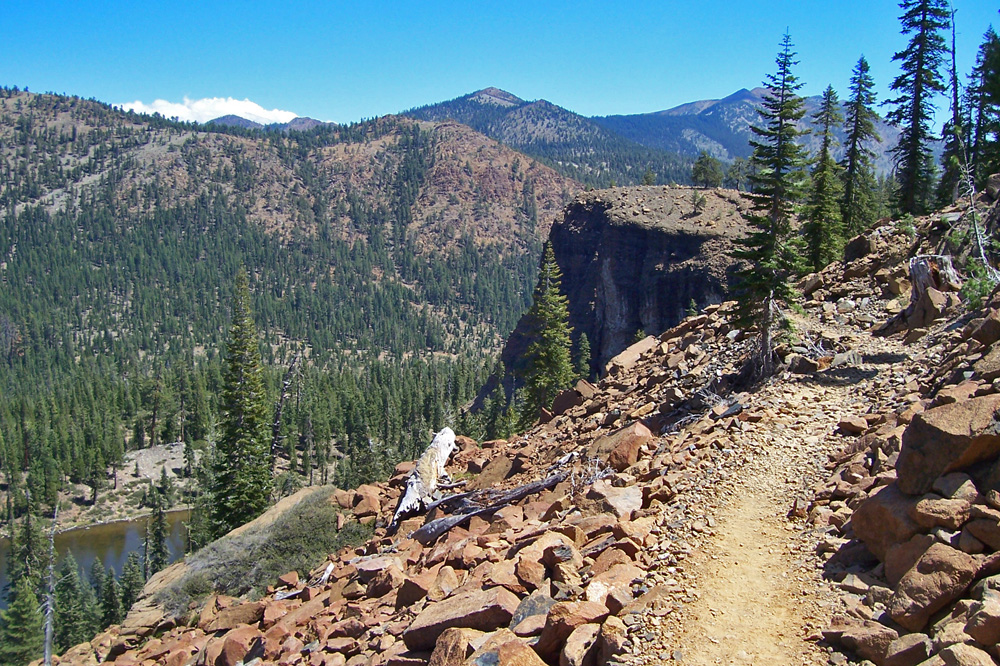
Thru hiking the Pacific Crest Trail spans deserts, mountains, and forests across the western United States. The route stretches over two thousand six hundred miles from Mexico to Canada. Hikers face extreme temperature swings, snowbound passes, and water scarcity depending on season. Daily endurance and injury management become constant priorities. Logistics involve food resupply planning and permit coordination across multiple jurisdictions. Completion requires persistence and adaptability as landscapes shift dramatically from Southern California deserts to alpine wilderness and temperate rainforests. Wildfire impacts and snowpack conditions often reshape annual strategies for long distance hikers nationwide today.
Navigating The Okavango Delta By Mokoro
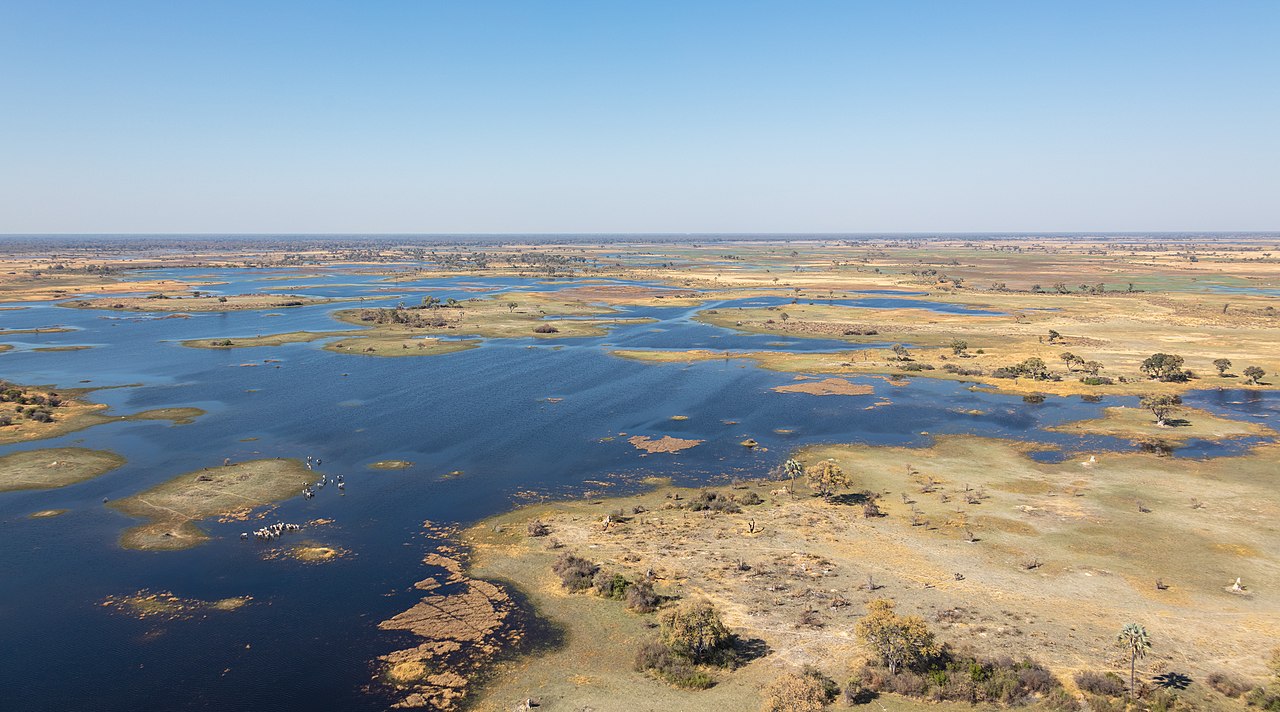
Navigating the Okavango Delta by mokoro involves silent travel through one of Africa’s most dynamic wetlands. Traditional dugout canoes glide along channels that shift with seasonal floods. The environment hosts large wildlife populations including elephants, hippos, and crocodiles, requiring constant situational awareness. Travel depends on experienced local polers who understand water levels and animal behavior. Campsites remain unfenced and remote. The challenge lies in balancing low impact travel with safety while moving through a living ecosystem shaped by annual flood cycles. Permits and conservation regulations strictly govern access throughout protected areas within Botswana today regionally.
Winter Trekking In Siberia’s Oymyakon Region
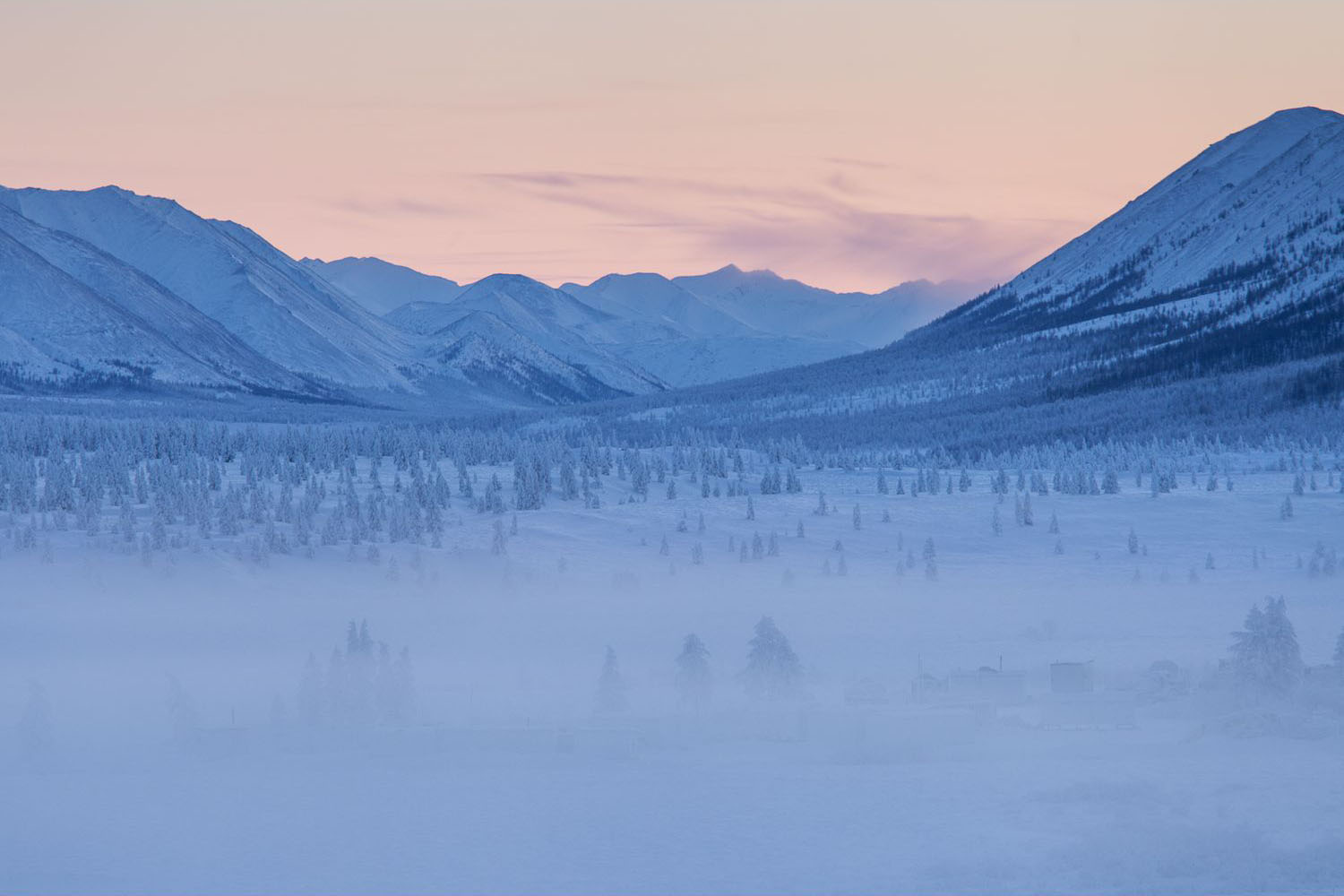
Winter trekking in Siberia’s Oymyakon region confronts some of the coldest inhabited conditions on Earth. Temperatures routinely plunge below minus fifty degrees Fahrenheit, challenging physiology and equipment. Daylight hours remain limited during deep winter, complicating navigation and camp routines. Fuel management becomes critical for warmth and cooking. The remote landscape offers minimal infrastructure and vast distances between settlements. Preparation focuses on layered clothing systems, reliable transport, and local knowledge to safely operate in prolonged extreme cold. Cultural respect and coordination with residents remain essential for responsible travel across this isolated region during winter months there.