Modern technology and high-quality gear often create a false sense of security in the outdoors. These 7 confidence traps that get modern hikers in trouble stem from a belief that convenience equals safety. Many adventurers step onto the trail thinking that their expensive equipment or smartphone apps will solve every potential problem. Nature remains unpredictable and quickly exposes the gaps between perceived ability and actual wilderness skills. Recognizing these mental pitfalls helps travelers prepare more effectively for the reality of the wild. Avoiding these common mistakes ensures that every journey into the backcountry ends safely at the trailhead.
Relying On Cell Service

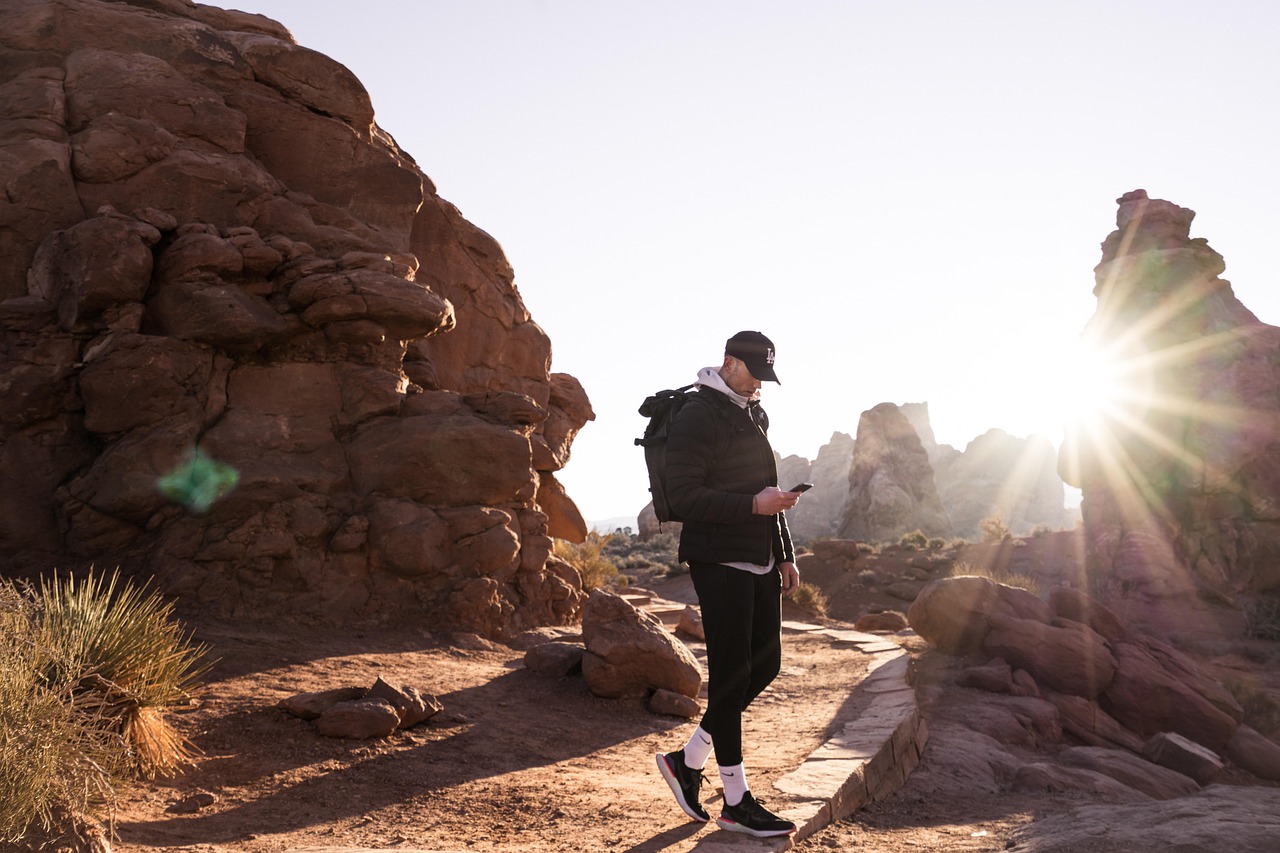
Many hikers assume that a smartphone provides a permanent lifeline to the outside world during emergencies. Relying on cell service is a dangerous trap because signal coverage often vanishes in deep valleys or dense forests. This dependence leads people to skip essential planning steps, such as leaving a detailed itinerary with a trusted friend. Batteries also fail rapidly in cold weather or when constantly searching for a weak connection. A dead phone transforms from a vital tool into a useless brick within hours. True safety requires carrying physical maps and knowing how to navigate without digital assistance.
Trusting High-Tech Gear
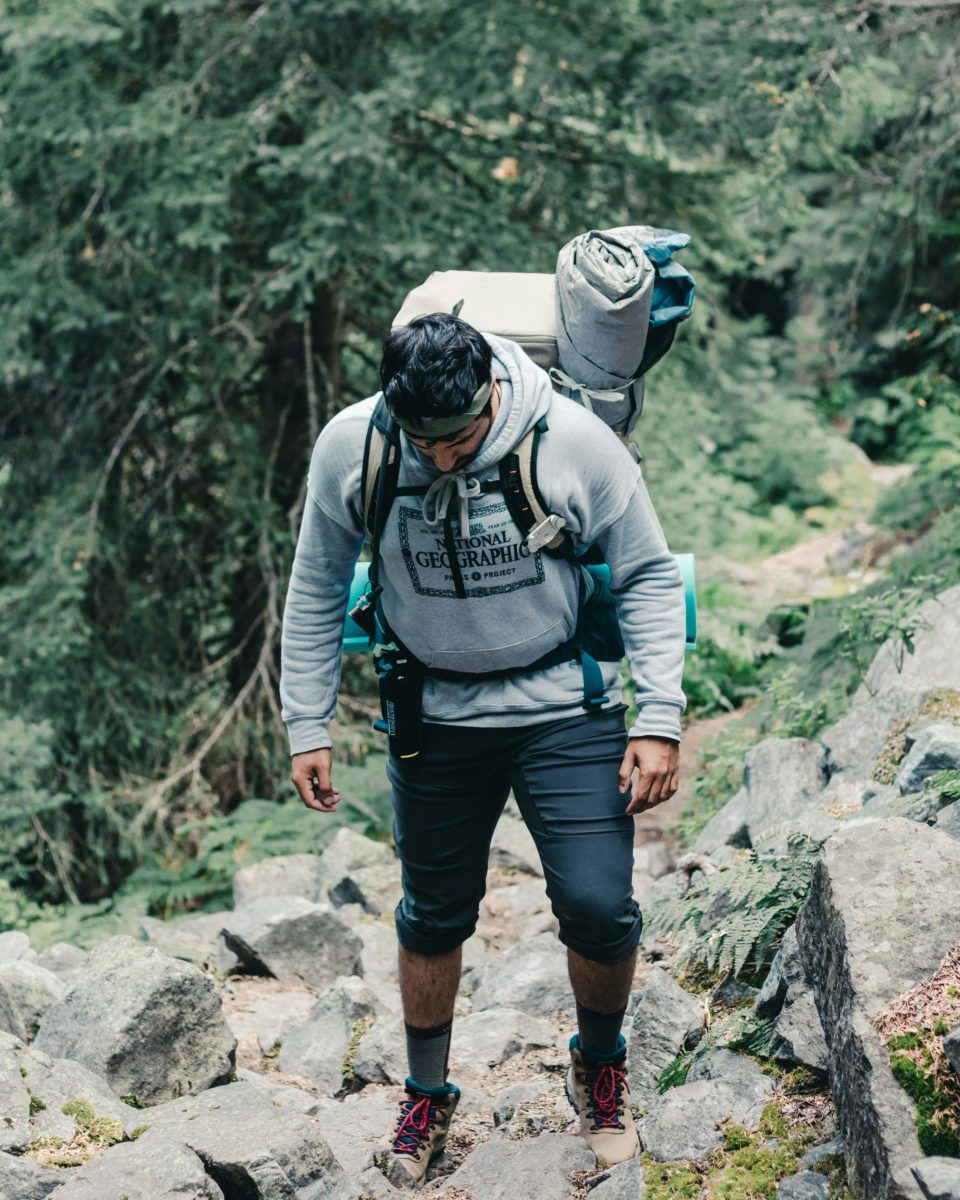
Owning the most expensive ultralight equipment does not automatically make someone a skilled or capable outdoorsman. Trusting high-tech gear to compensate for a lack of physical conditioning or experience is a recipe for disaster. A premium waterproof jacket cannot stop hypothermia if the wearer does not know how to layer clothing properly. Advanced boots will not prevent ankle injuries if the hiker has weak stabilizing muscles on rough terrain. Gear is merely a tool that supports existing skills rather than replacing them completely. Experience is always the most valuable asset to bring on any wilderness adventure.
Underestimating Short Trails

Day hikers frequently dismiss the dangers of shorter routes because they seem manageable and close to civilization. Underestimating short trails often leads to carrying insufficient water or leaving essential first aid supplies behind in the car. Accidents happen just as easily one mile from the trailhead as they do ten miles deep in the backcountry. Sudden weather changes or a twisted ankle can turn a quick afternoon jaunt into an overnight ordeal. Treating every hike with the same level of respect ensures preparedness for the unexpected. Complacency on familiar paths is a leading cause of search and rescue calls.
Following Social Media
Social media influencers often showcase stunning locations without revealing the difficulty or danger involved in reaching them. Following social media trends blindly encourages inexperienced hikers to attempt routes that exceed their current skill levels significantly. Photos rarely capture the treacherous terrain or the erratic weather conditions that define these remote destinations. Chasing the perfect shot can lead to dangerous positioning near cliff edges or unstable wildlife encounters. Researching a trail through official guidebooks provides a realistic understanding of the risks involved. A viral photo is never worth risking personal safety or getting lost in the wild.
Ignoring Turnaround Times
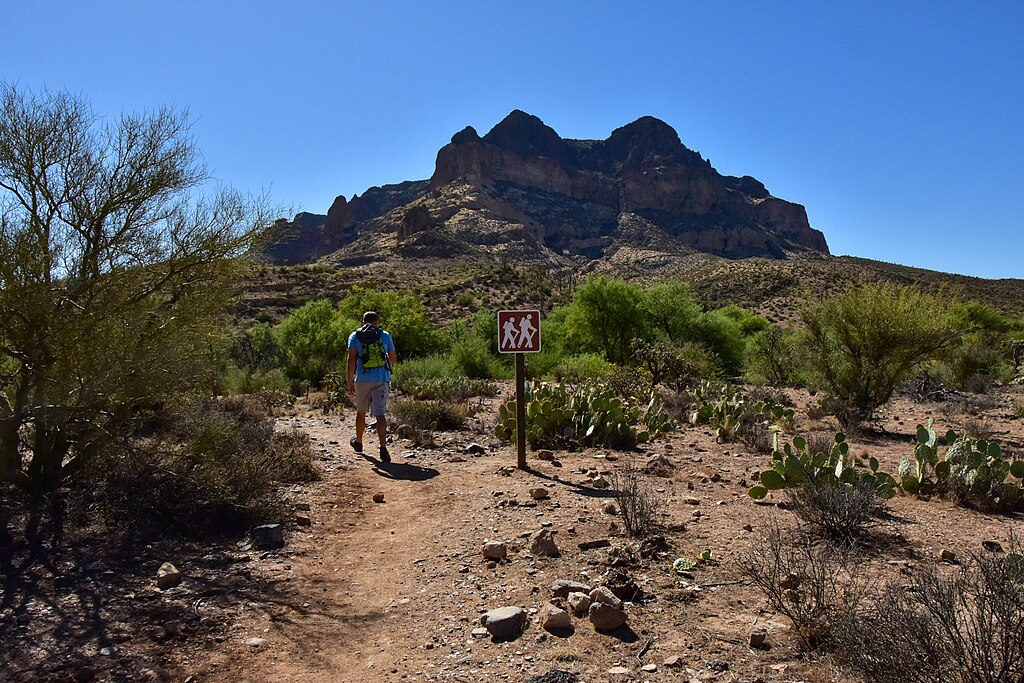
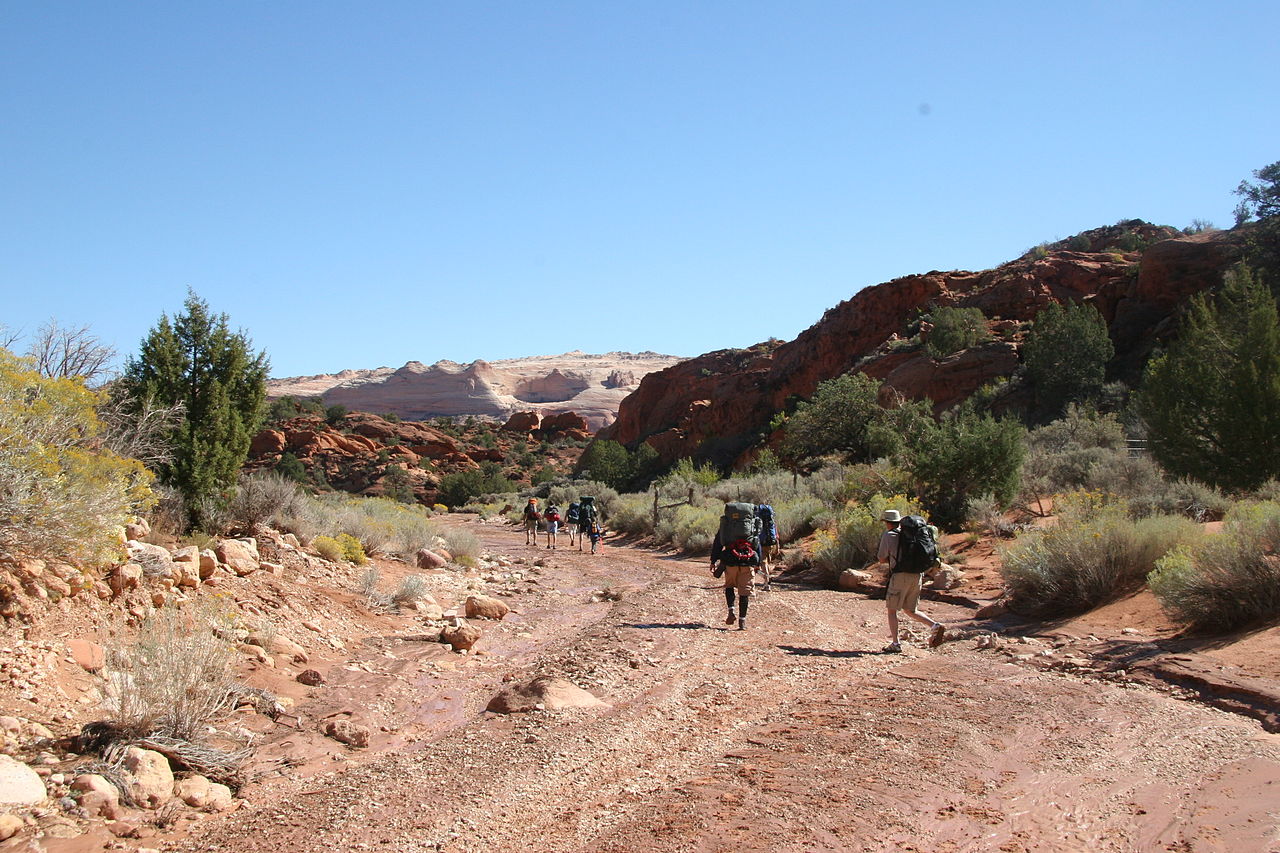
Summit fever often drives hikers to push toward their goal even when safety dictates turning back immediately. Ignoring turnaround times is a classic confidence trap that leaves groups stranded in the dark without proper lighting. The desire to complete the hike can cloud judgment regarding fatigue and changing weather patterns late in the day. Establishing a strict cutoff time before starting the hike removes emotion from the decision-making process completely. Reaching the peak is optional, but getting back to the car safely is mandatory. The mountain will always be there for another attempt on a better day.
Misjudging Physical Fitness
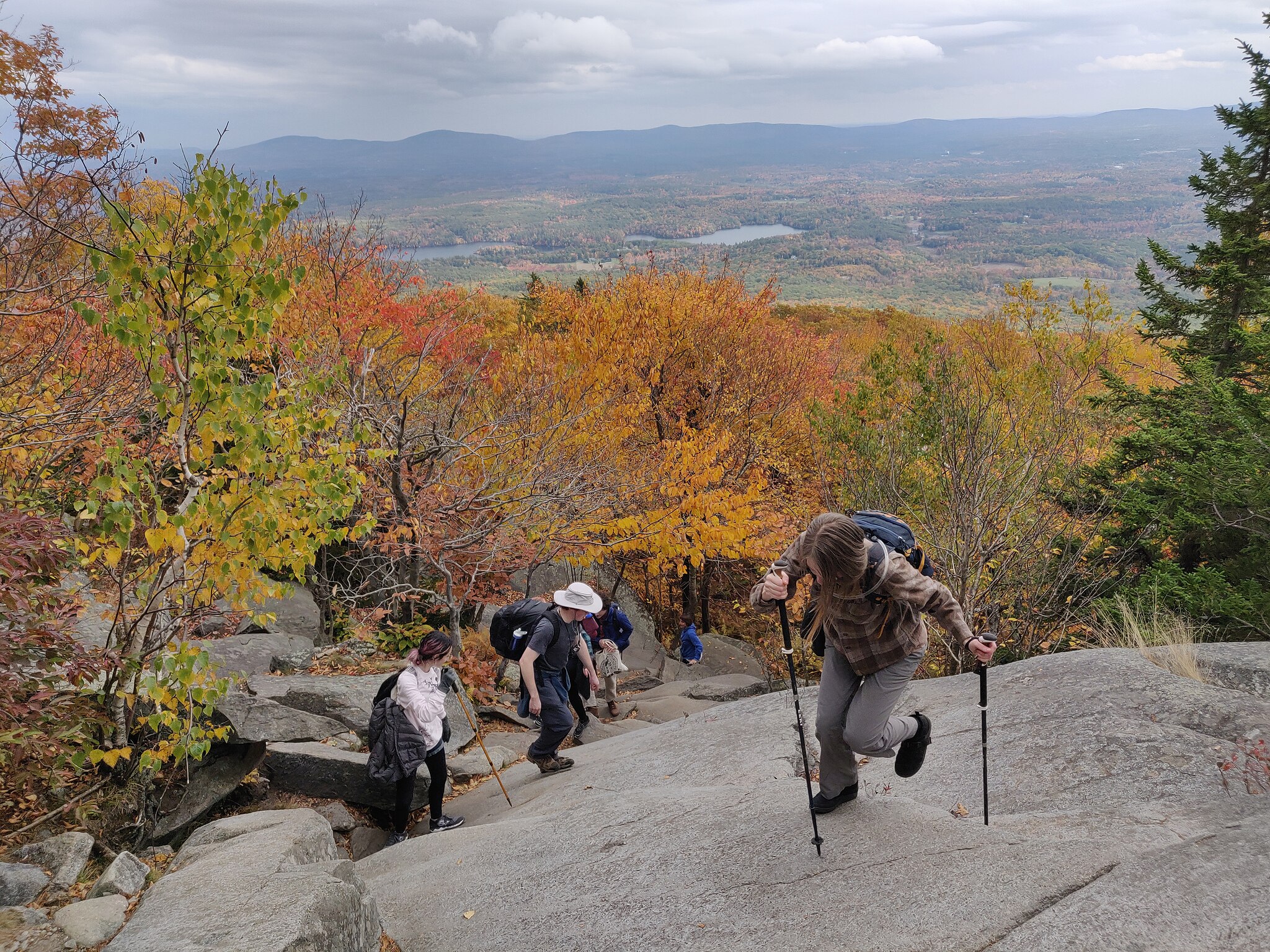
The controlled environment of a gym does not perfectly replicate the unpredictable demands of rugged outdoor terrain. Misjudging physical fitness levels leads to exhaustion and poor decision-making when the trail becomes steeper than expected. Hiking involves uneven surfaces and altitude changes that drain energy reserves faster than a treadmill workout ever could. Overexertion increases the risk of stumbling or suffering from dehydration as the body struggles to cope with the stress. Honest self-assessment allows hikers to choose appropriate trails that match their actual abilities. Building endurance gradually on easier paths prevents dangerous situations caused by sheer fatigue.
Disregarding Weather Shifts
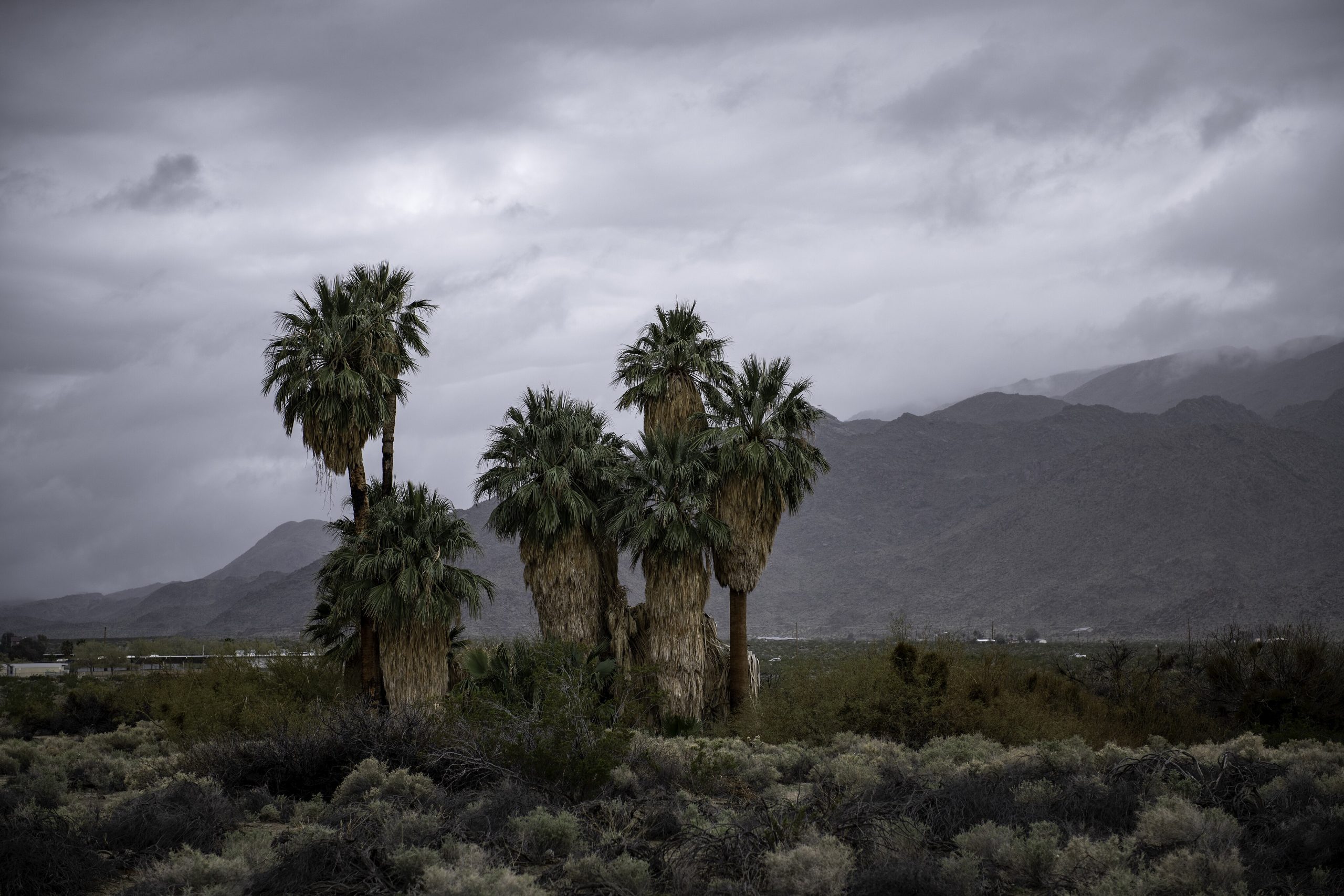
Blue skies at the trailhead often fool hikers into believing the weather will remain perfect all day. Disregarding weather shifts in mountainous regions puts travelers at risk of exposure to lightning or freezing rain. Forecasts are general predictions that may not account for localized microclimates found at higher elevations. Failing to pack rain gear or warm layers because the sun is shining is a critical error. Nature changes rapidly, and storms can form with little warning in the afternoon. Being prepared for the worst conditions ensures comfort and safety when the environment inevitably turns hostile.