
Hiking offers freedom and connection to nature, but small errors can carry serious consequences in unfamiliar terrain. Many people who become lost did not face dramatic accidents but made ordinary decisions that slowly compounded. Navigation mistakes, poor preparation, and misplaced confidence often play a larger role than weather or wildlife. Once orientation breaks down, recovery becomes increasingly difficult, especially in remote areas. Understanding how common choices lead to disorientation helps explain why some hikers are never found. These mistakes highlight the importance of awareness, planning, and respect for landscapes where distances, conditions, and visibility change faster than expected.
Leaving Established Trails

Leaving established trails remains one of the most common reasons hikers become irretrievably lost. Trails exist to guide movement through terrain shaped by vegetation, elevation, and drainage. Once off trail, landmarks quickly lose meaning, especially in forests or desert environments where features repeat. Footprints disappear, and natural barriers complicate travel. Returning to the original path becomes harder with each step. Many hikers underestimate how quickly direction can shift without visual reference. Established trails also connect to rescue access points. Departing from them removes both navigational structure and visibility, significantly increasing the chance of prolonged disorientation and reducing the likelihood of timely assistance.
Overreliance On Mobile Phones

Overreliance on mobile phones creates risk when hiking in remote areas. Signal coverage often drops without warning, especially in canyons, dense forests, or mountainous regions. Batteries drain faster in cold or heat, leaving devices useless. Navigation apps may fail without downloaded maps. When phones stop working, hikers who lack alternative tools lose orientation quickly. Dependence on technology can also reduce situational awareness. Traditional navigation skills fade when screens dominate attention. Without paper maps or compass knowledge, recovery becomes difficult. Overconfidence in devices encourages riskier decisions, increasing the likelihood of becoming lost far beyond easy retrieval.
Ignoring Weather Changes

Ignoring weather changes frequently leads hikers into dangerous disorientation. Weather affects visibility, terrain, and physical endurance. Fog erases landmarks, snow covers trails, and heavy rain alters familiar paths. Sudden storms can force unplanned detours that break navigation continuity. Temperature drops increase fatigue and impair judgment. Many hikers underestimate how quickly conditions shift, especially at elevation. Continuing despite worsening weather often compounds mistakes. Once landmarks disappear, direction becomes guesswork. Weather also reduces rescue visibility. Failing to respond early to changing conditions transforms manageable hikes into complex search scenarios where time, energy, and orientation degrade simultaneously.
Failing To Track Direction

Failing to track direction consistently causes gradual loss of orientation. Without awareness of cardinal directions or travel bearing, hikers cannot retrace steps accurately. Terrain often curves subtly, creating false confidence in straight movement. Forests and open landscapes alike can distort perception. Without periodic checks using a compass or map, small deviations accumulate. Eventually, the original route becomes unrecognizable. Many hikers assume memory alone is sufficient, but stress and fatigue impair recall. Direction tracking provides context for landmarks and distance. Neglecting this practice removes a critical reference point, making recovery increasingly unlikely once confusion sets in.
Poor Time Management

Poor time management contributes significantly to hikers becoming permanently lost. Starting too late reduces daylight, limiting visibility and decision making. Underestimating distance or elevation gain leads to rushed choices. Fatigue increases as daylight fades, impairing navigation skills. Darkness hides landmarks and trail markers, even on familiar routes. Many hikers press forward rather than turning back at safe cutoff times. This decision often leads deeper into unfamiliar terrain. Night travel without preparation increases risk of injury and disorientation. Time awareness acts as a safeguard. Ignoring it removes natural boundaries that prevent small errors from becoming irreversible situations.
Skipping Navigation Preparation
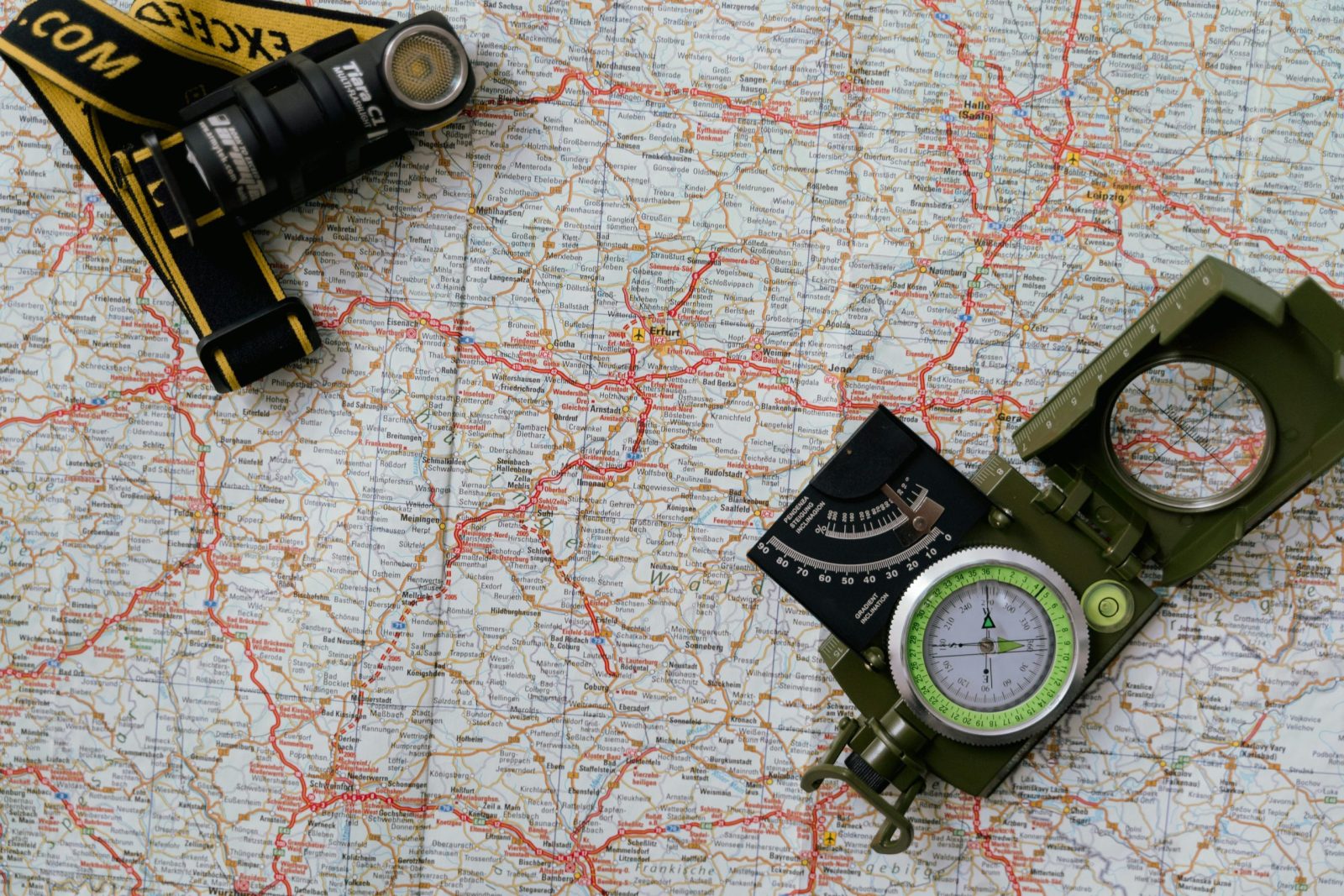
Skipping navigation preparation leaves hikers vulnerable once conditions change. Studying maps, routes, and terrain beforehand builds mental reference points. Without preparation, landmarks lack meaning and distance feels abstract. Many hikers rely solely on trail signage, which may be missing or damaged. When unexpected junctions appear, uncertainty grows. Preparation also includes understanding elevation profiles and escape routes. Without this knowledge, decision making under stress becomes reactive. Navigation preparation provides context that guides judgment when plans change. Skipping it turns unfamiliar terrain into a maze, where even minor deviations can lead far from known paths and complicate rescue efforts significantly.
Overestimating Physical Ability

Overestimating physical ability often leads hikers beyond safe limits. Fatigue reduces attention, balance, and judgment, directly affecting navigation accuracy. As energy drops, decision making becomes impulsive. Injuries become more likely, limiting movement and increasing confusion. Many hikers push onward despite exhaustion, believing endurance will compensate. Instead, slowed pace and missed cues increase disorientation. Physical strain also magnifies environmental challenges like heat, cold, or altitude. Recognizing limits helps maintain clarity. Overconfidence delays rest or turnaround decisions. When strength fades far from known routes, the ability to correct mistakes diminishes, increasing the chance of remaining lost indefinitely.